Federal Historic Tax Credits
$4.1 Million
New Markets Tax Credits
$6 Million
Total Project Cost
$26 Million
Project Partner
MIS Capital
Impact
Education Access
History
Historic Foundations in Allegheny West
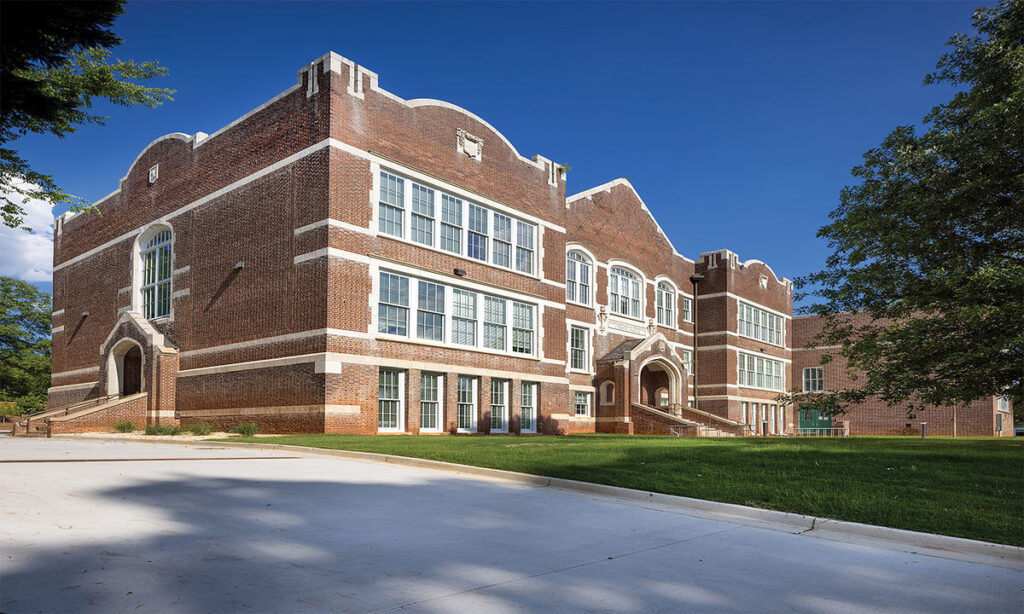
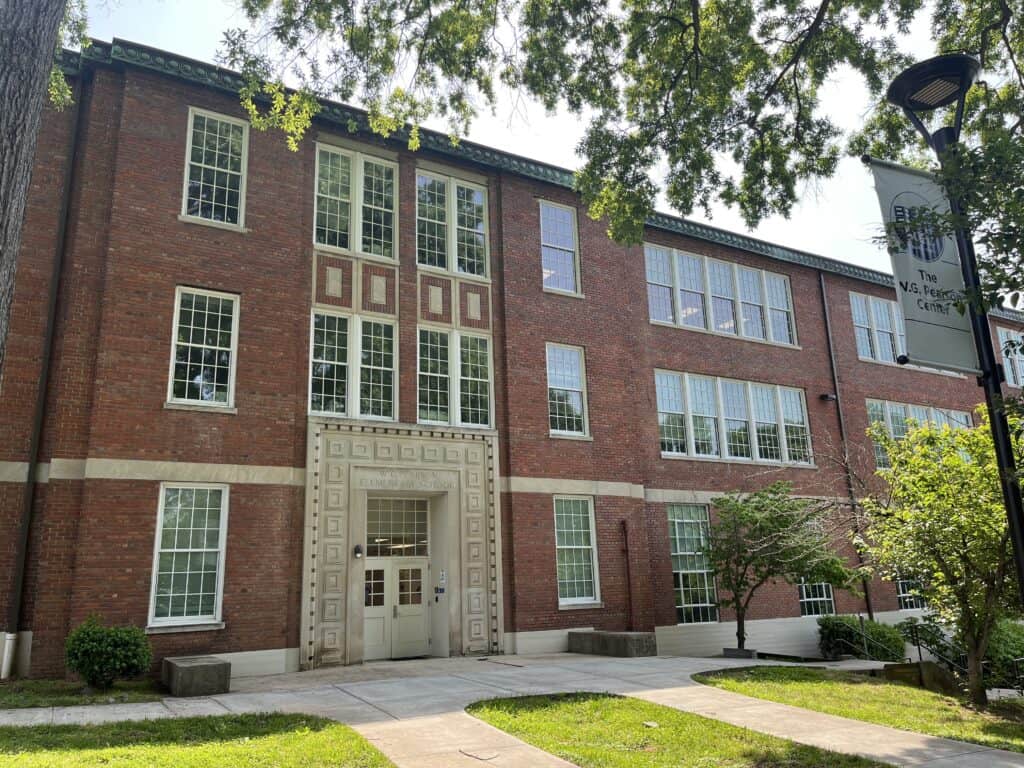
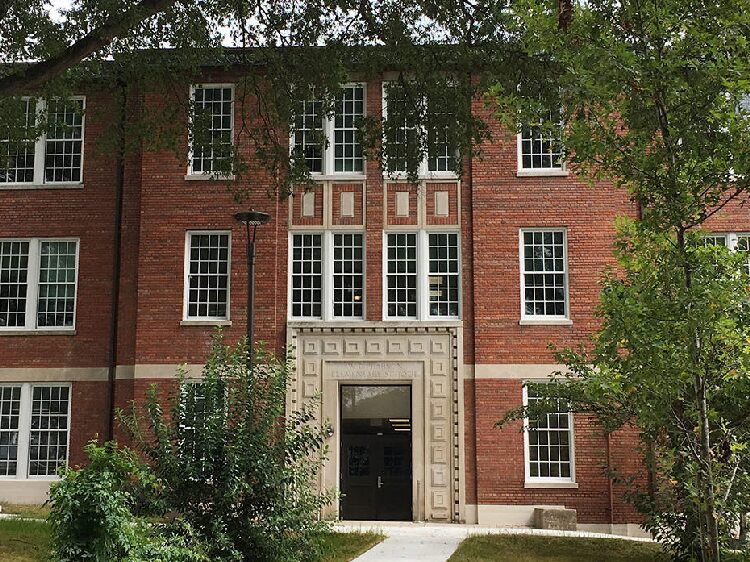
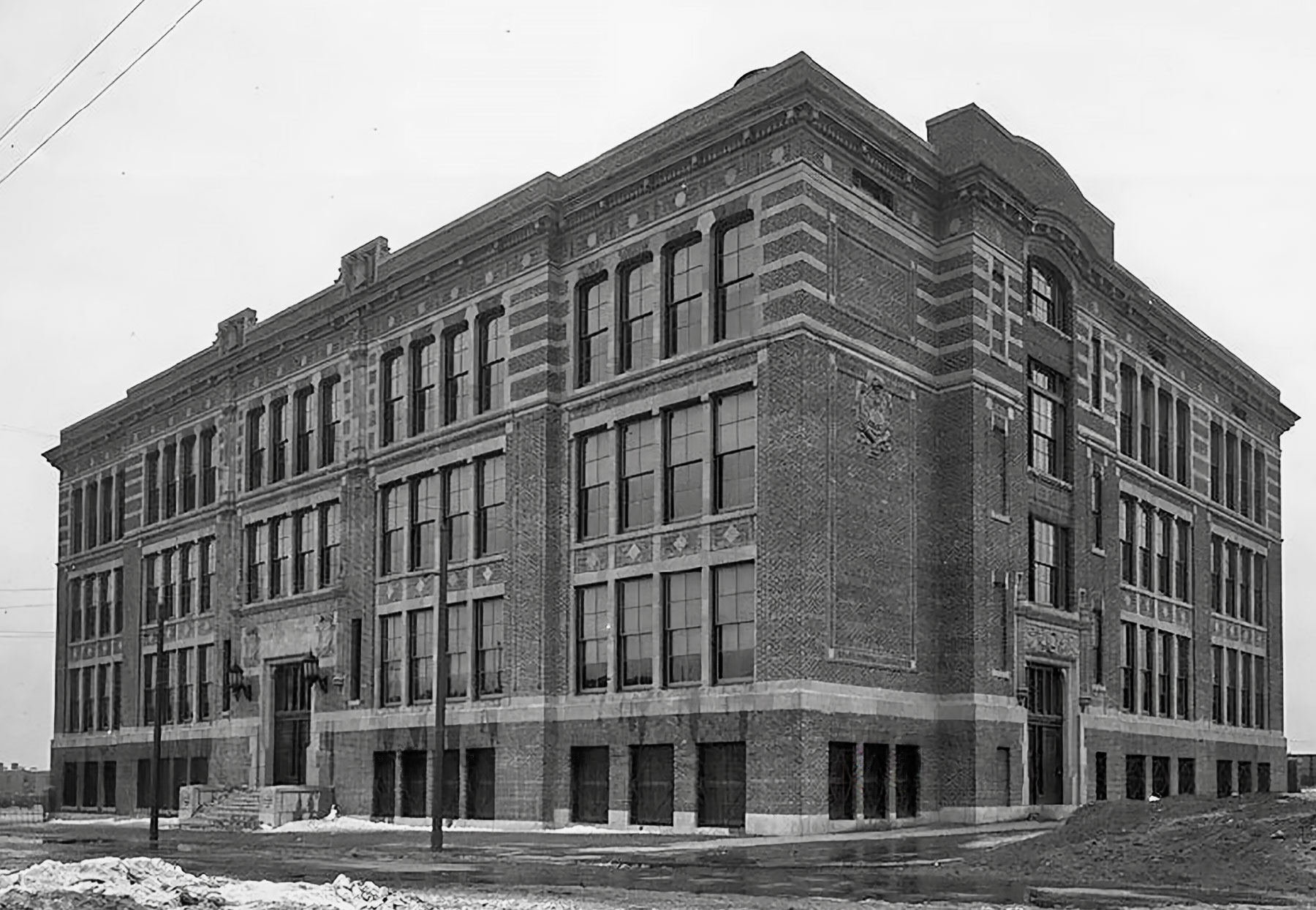
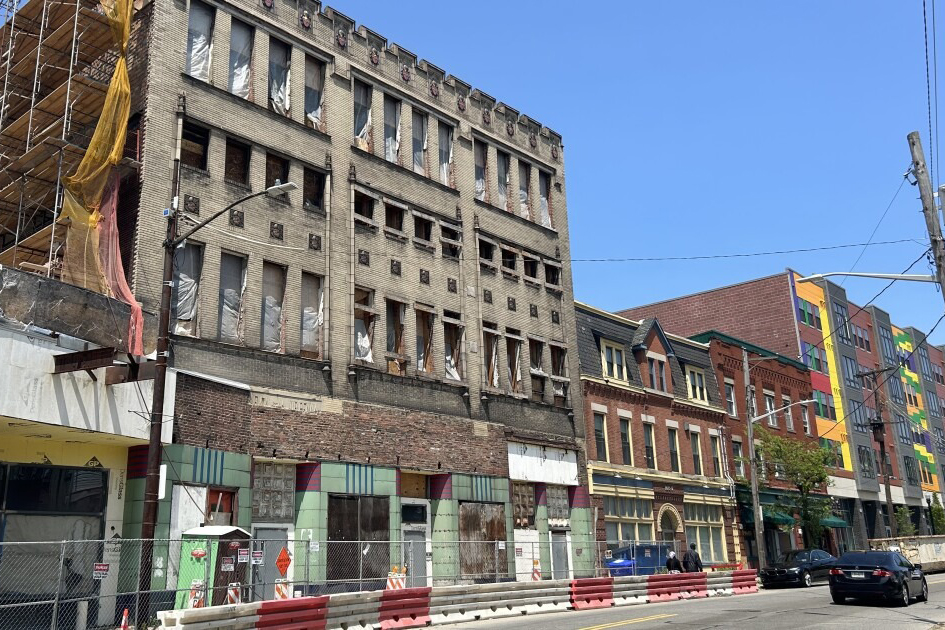
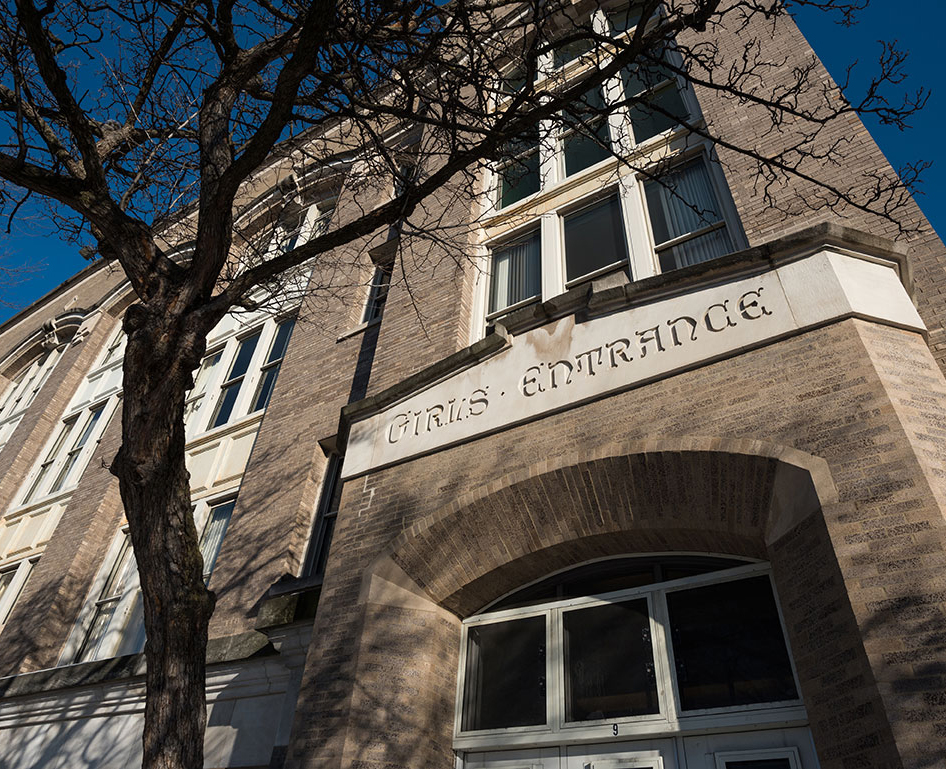
Built in 1913 and designed by architect Henry deCoursy Richards, the John Greenleaf Whittier School has anchored Philadelphia’s Allegheny West neighborhood for generations. Named for the abolitionist poet, the three-story brick building with terra cotta details and a U-shaped courtyard welcomed thousands of local students over its long history. Whittier Elementary was a vital resource for the community, reflecting the evolving needs and diversity of North Philadelphia.
After nearly a century of service, the school closed in June 2013, leaving the building vacant and the neighborhood without a key educational institution. Recognizing both the architectural significance and the urgent need for accessible learning opportunities, KIPP Philadelphia Public Schools committed to revitalizing Whittier as the new home for its middle school program.
Revitalization Efforts
Transforming Space for Student Success
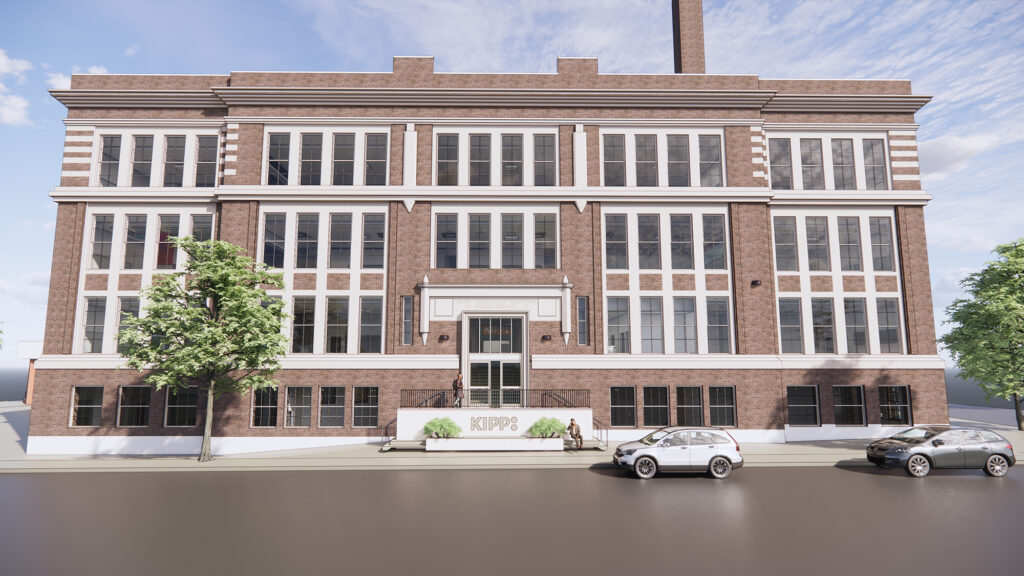
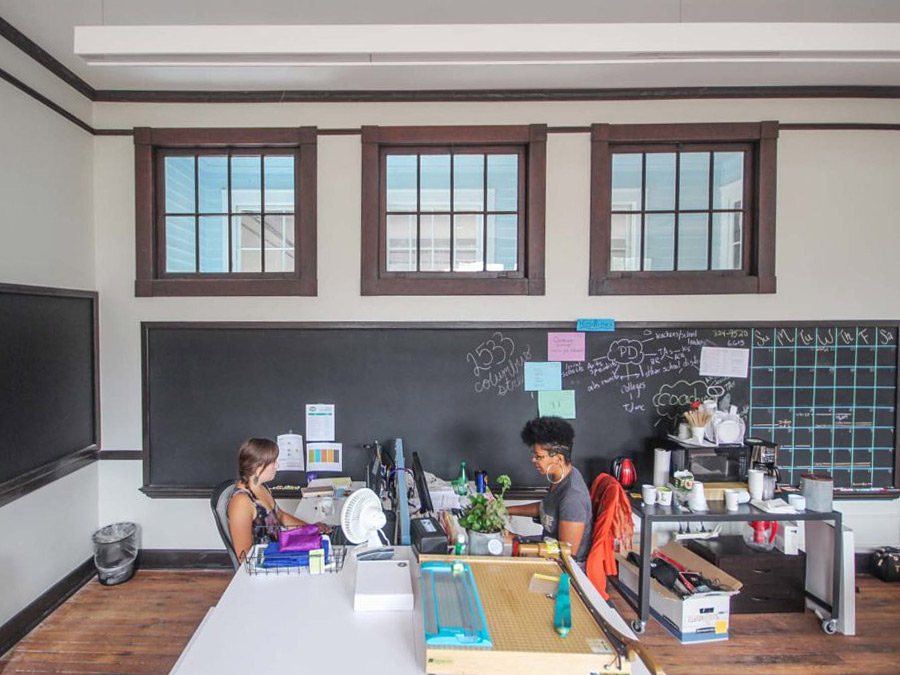
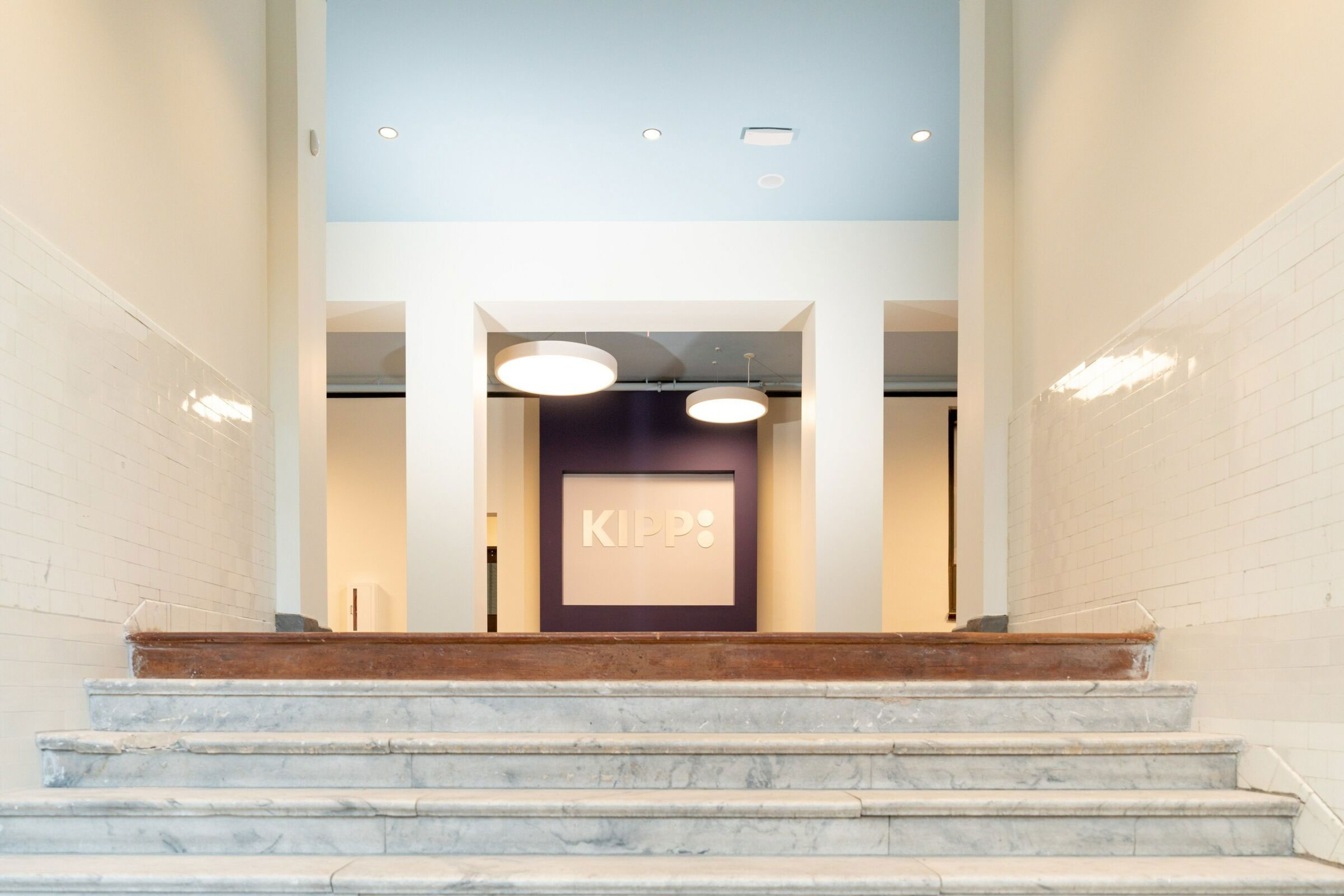
The former Whittier School has been transformed into a modern, high-performance facility for KIPP Philadelphia’s middle school program.
The 78,000-square-foot building, vacant since 2013, underwent a full rehabilitation to create state-of-the-art classrooms, a new cafeteria, a multi-purpose gym and auditorium, and an outdoor education area.
Designed to accommodate up to 700 students, the revitalized school now provides expanded educational opportunities for families in Allegheny West.
Community Impact
Transforming Lives Through Learning
The revitalized Whittier School now provides a modern, high-quality learning environment for up to 700 middle school students in Allegheny West. By expanding capacity from 360 students, KIPP Philadelphia addresses significant demand for accessible, college-preparatory education in an underserved neighborhood. The school’s open enrollment lottery ensures equitable access for families citywide.
KIPP Philadelphia primarily serves economically and educationally disadvantaged students, with 86% qualifying for the Federal Meals Program and 24% receiving special education assistance. The student body reflects the surrounding community, with 98% identifying as African American or Hispanic. The project also created new green spaces and public access areas, strengthening connections between the school and its neighbors.
Expanded Enrollment
The revitalized school now serves up to 700 students, up from 360.
Supporting a Community in Need
86% of students qualify for the Federal Meals Program.
24% of students receive Special Education Assistance.
Job Creation
The project delivered 80 union construction jobs and supports 70 permanent full-time equivalent jobs.
Green Space & Learning
New outdoor education areas and public-access green space strengthen neighborhood connections.
NTCIC & Progress
Financing the Project
NTCIC provided $6 million in New Markets Tax Credit allocation and an equity investment in the $4.1 million in Federal Historic Tax Credits generated by the project, making the $26 million rehabilitation of Whittier School possible. These investments enabled the transformation of a vacant historic building into a modern, high-performance educational facility for KIPP Philadelphia’s middle school program.
The project leveraged NMTC and HTC equity alongside loans, grants, and sponsor equity, reducing the school’s fundraising burden and ensuring financial feasibility. Construction created 80 union jobs, while the completed school supports 70 permanent positions and offers below-market rents, maximizing resources for student success and long-term neighborhood revitalization.
Check Out Similar Projects Here
Browse all projects
Benn High
Vacant School Building Becomes Community Hub
New Granada
Historic Music Venue Transforms into Community Center
Want to Discuss Your Next Project? Talk With Our Team Today.
We bring clear insight, deep experience, and strategic focus to every project, whether you're structuring complex capital or shaping long-term, legacy-driven development.
Program
Irvin Henderson Main Street Revitalization Fund
New Markets Tax Credits
$3.25 Million
Total Project Cost
$4.7 Million
Project Partner
The Field School
Impact
Education Access
History
A Historic West Chicago School
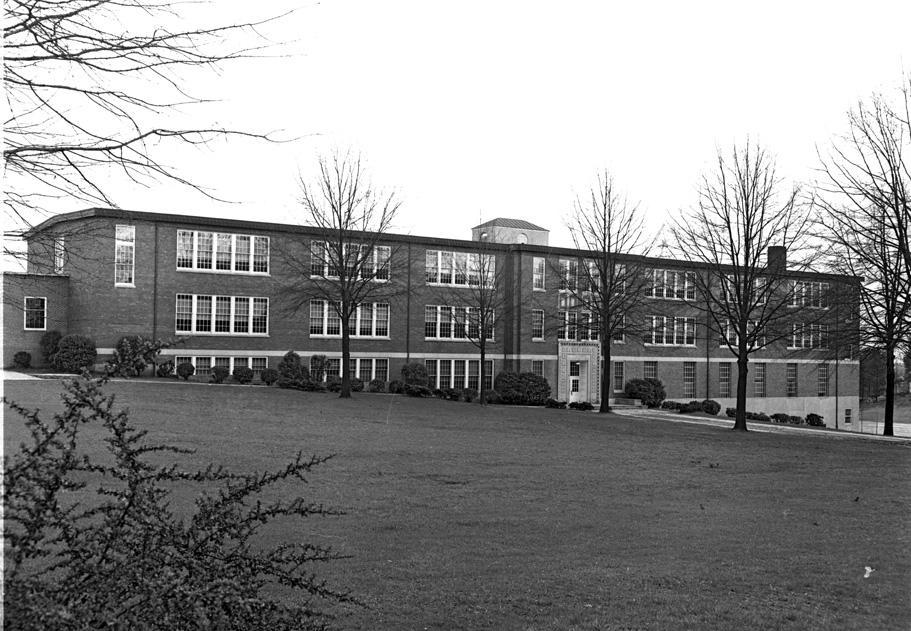
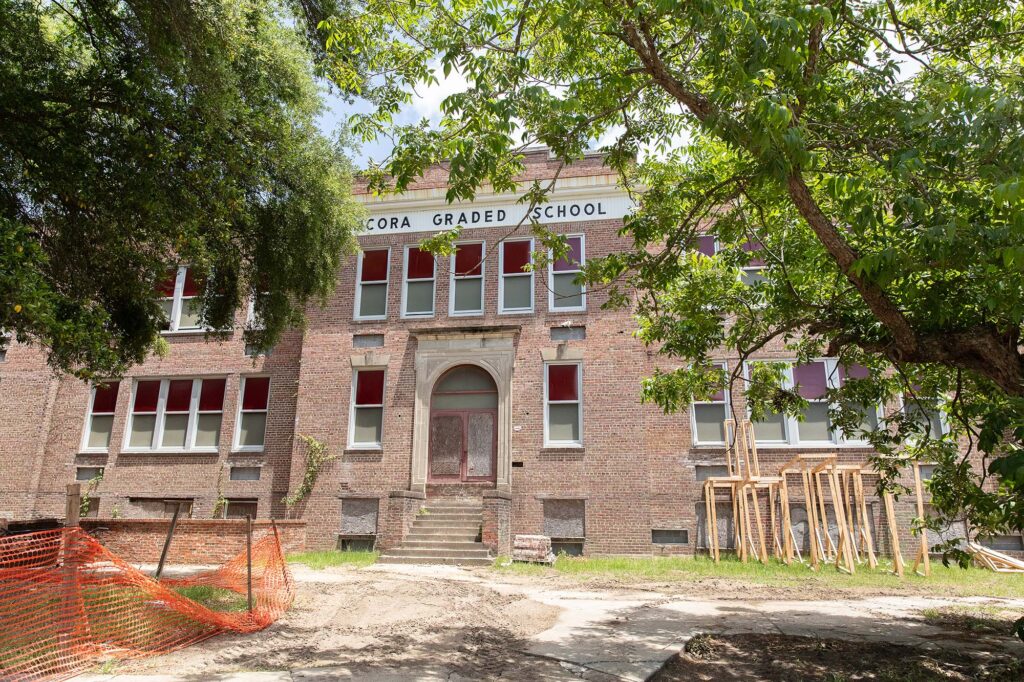
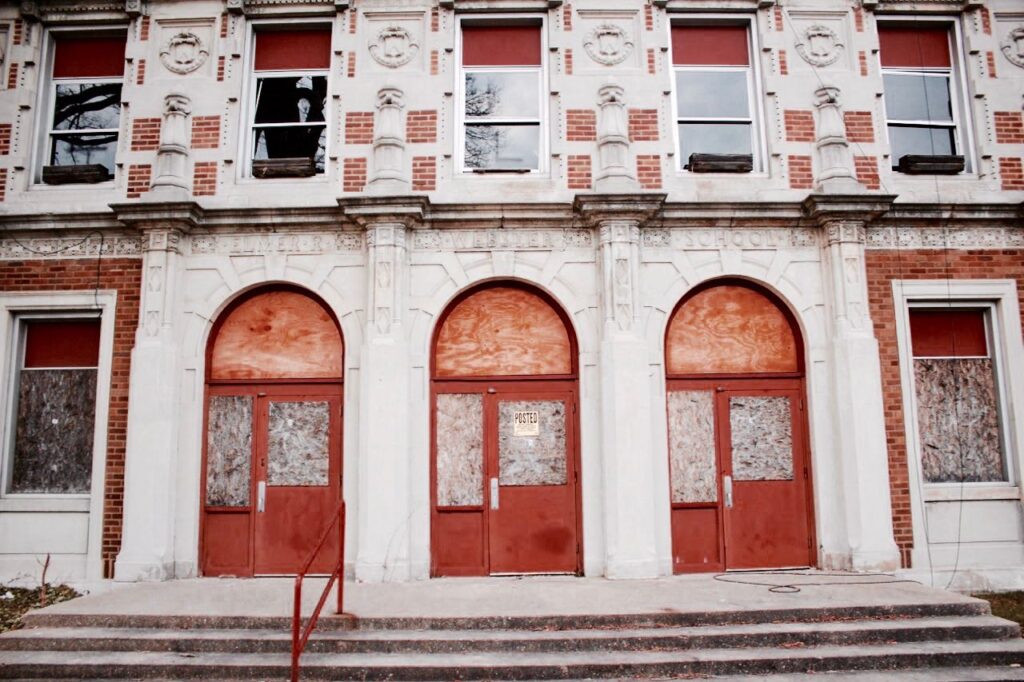
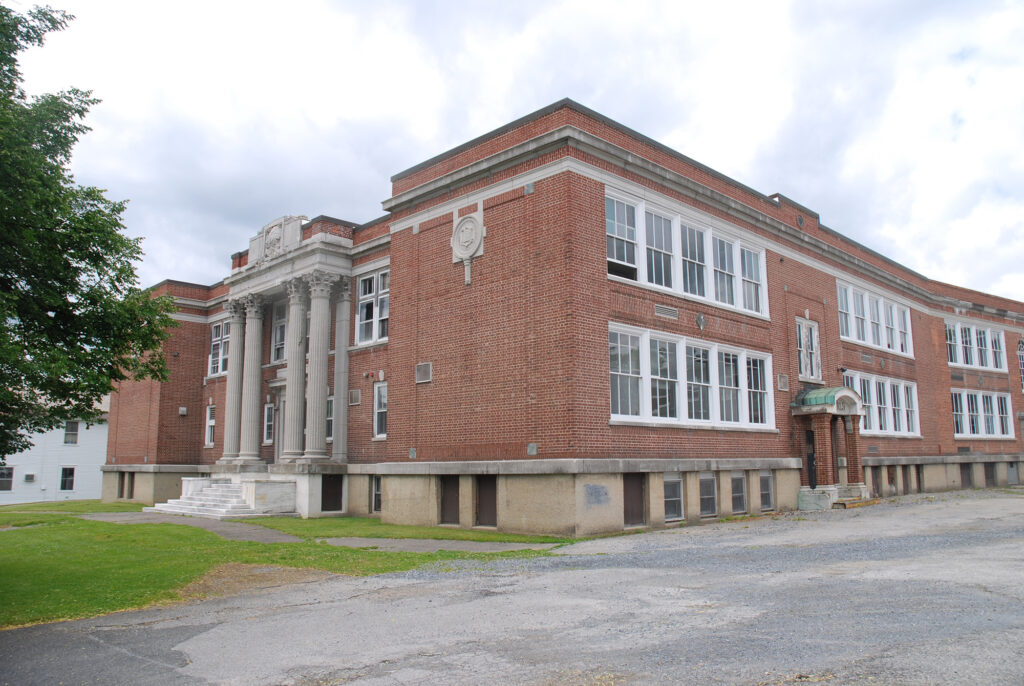
Built in 1907, the Francis Scott Key Public School served Chicago’s South Austin neighborhood for more than a century. Designed by Dwight Perkins, then chief architect for Chicago Public Schools, the building originally accommodated 300 students in kindergarten through eighth grade. Enrollment surged to nearly 800 by the late 1960s, creating overcrowded conditions that persisted for decades. Teachers’ lounges and even closets were converted into classrooms to meet demand.
As new charter schools opened in the early 2000s, enrollment declined sharply. In 2013, the Chicago Board of Education closed 49 schools, including Key, the largest single wave of school closures in U.S. history. Vacant for nearly a decade, a new chapter began for the building in 2017.
Revitalization Efforts
New Educational Opportunity in Chicago
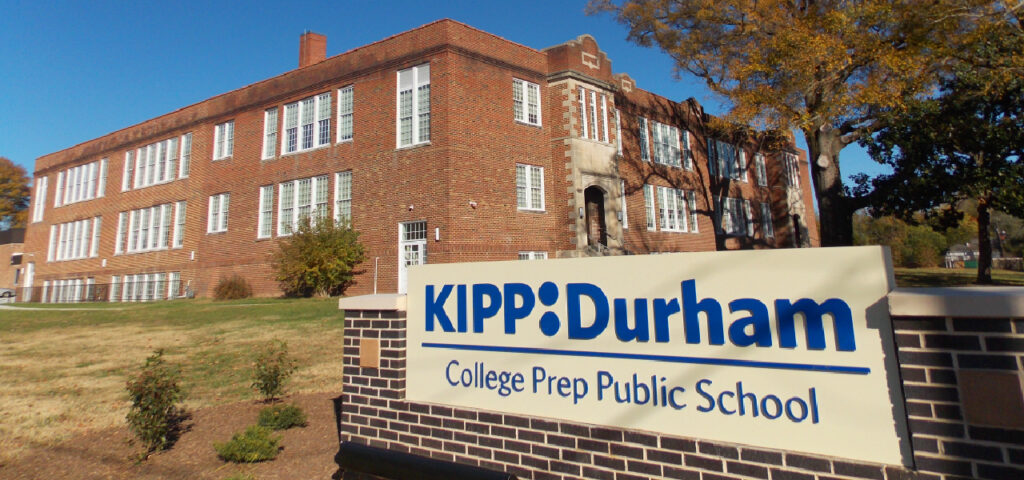
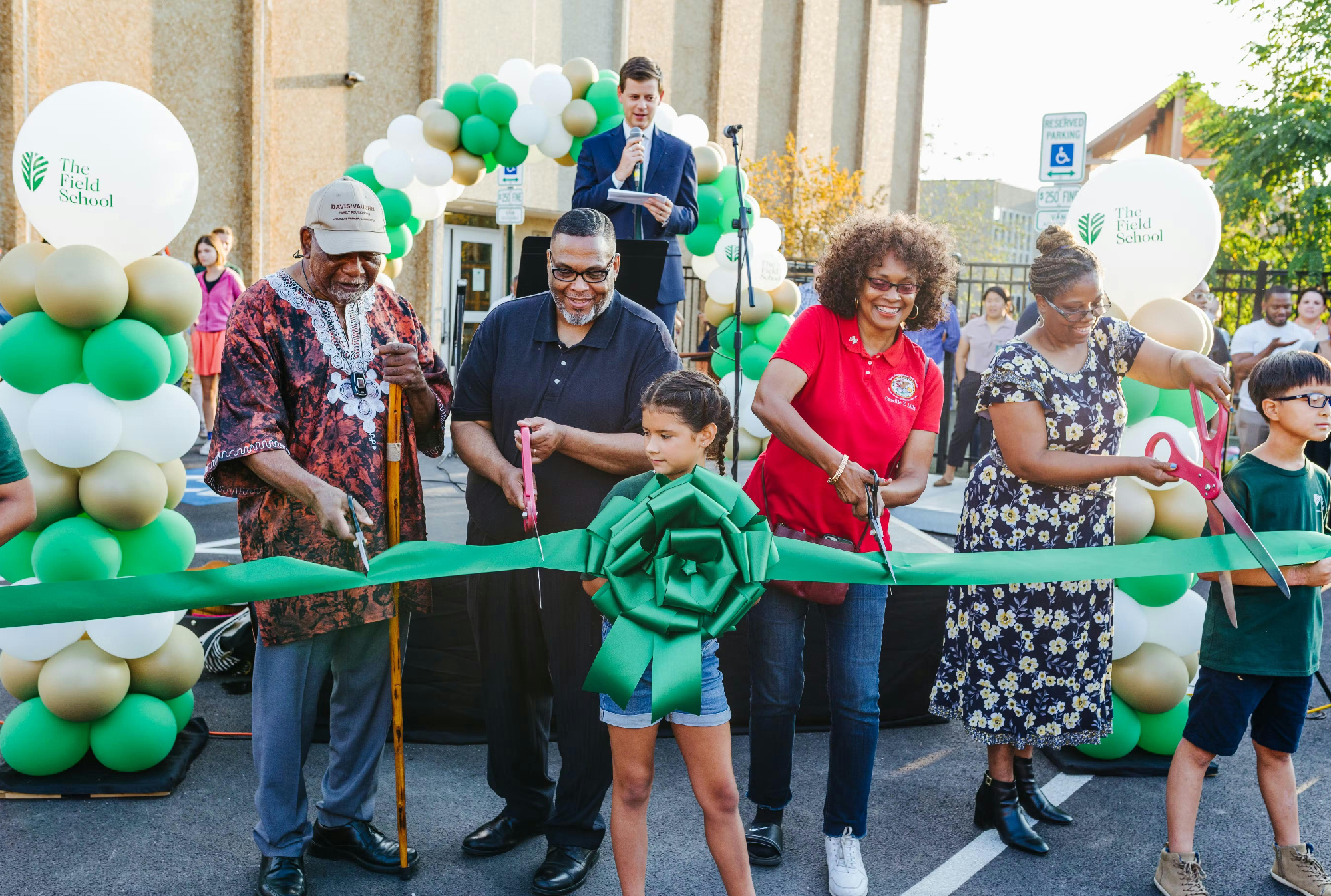
Completed in 2023, the former Key School annex now serves as the new home of The Field School, an independent elementary school founded in 2017 to meet the needs of low-income students on Chicago’s West Side.
Moving from its rented Oak Park space, the school purchased the historic Key School buildings to expand enrollment from 150 to 400. This revitalization preserves the building’s character while creating modern, community-centered learning spaces.
The revitalization efforts have helped the students and community of Chicago’s South Austin neighborhood in the following ways:
Community Impact
Transforming Lives Through Learning
The Field School has moved from its rented church space into the revitalized Key School building, creating room to grow beyond its previous 150-student limit. With the new facility, enrollment can increase by up to 240 students, and with the second phase complete, the school has capacity for 400 students. This expansion ensures long-term stability and provides modern learning spaces for families on Chicago’s West Side.
Relocating from the more affluent Oak Park neighborhood to South Austin allows the Field School to better fulfill its mission of serving children who lack equitable access to quality education. At least half of the school’s seats are reserved for families from low-income homes. Currently, 25% of students come from extremely low-income households earning less than $30,000 annually, and the school aims to raise that figure to 30% or more.
Increased Enrollment
The larger facility will support a capacity of 400 students.
Low-Income Community Support
25% low-income student base with a goal of 30%
Educational Access
Students no longer need to commute out of the neighborhood for high-quality education.
NTCIC & Progress
Financing the Project
NTCIC provided critical financing through a $3.25 million New Markets Tax Credit (NMTC) allocation from its Irvin Henderson Main Street Revitalization Fund. This support made the acquisition and rehabilitation of the historic Key School building possible in the time required in their bid to the city for the building, ensuring the Field School could relocate and expand without significant delays.
The $4.7 million project leveraged NMTC financing alongside millions in fundraising by the Field School. This investment reduced the school’s fundraising burden and allowed construction to be completed on schedule, creating modern educational spaces that serve the South Austin neighborhood and support long-term community revitalization.
Check Out Similar Projects Here
Browse all projects
Webster Community Center
From Abandoned School to Community Hub
Benn High
Vacant School Building Becomes Community Hub
New Granada
Historic Music Venue Transforms into Community Center
Want to Discuss Your Next Project? Talk With Our Team Today.
We bring clear insight, deep experience, and strategic focus to every project, whether you're structuring complex capital or shaping long-term, legacy-driven development.
Historic Tax Credits
$2.7 Million Federal
$3.4 Million State
New Markets Tax Credits
$10 Million
Total Project Cost
$16.8 Million
Project Partner
YWCA of Wheeling
Impact
Social Services, Healthcare Access
History
A Century of Support
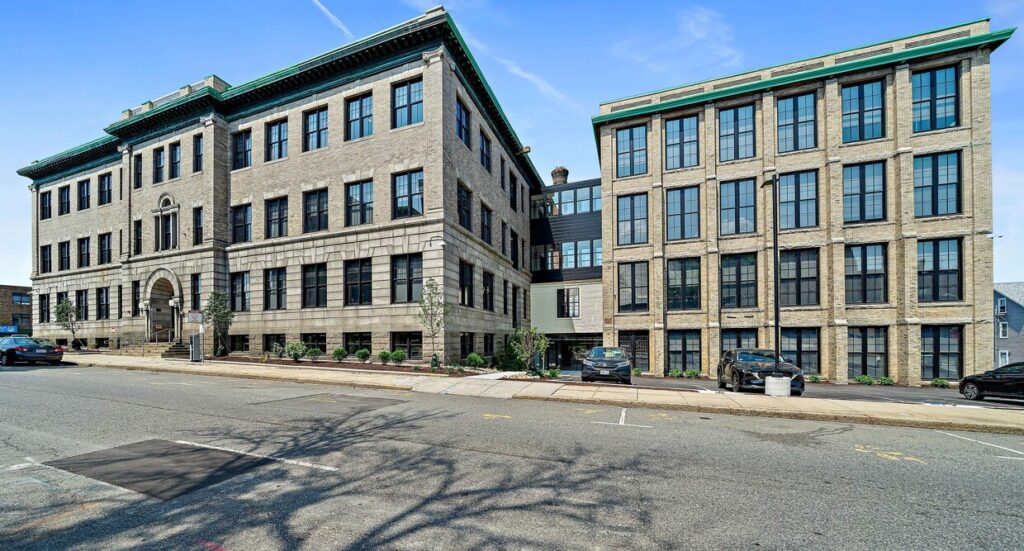
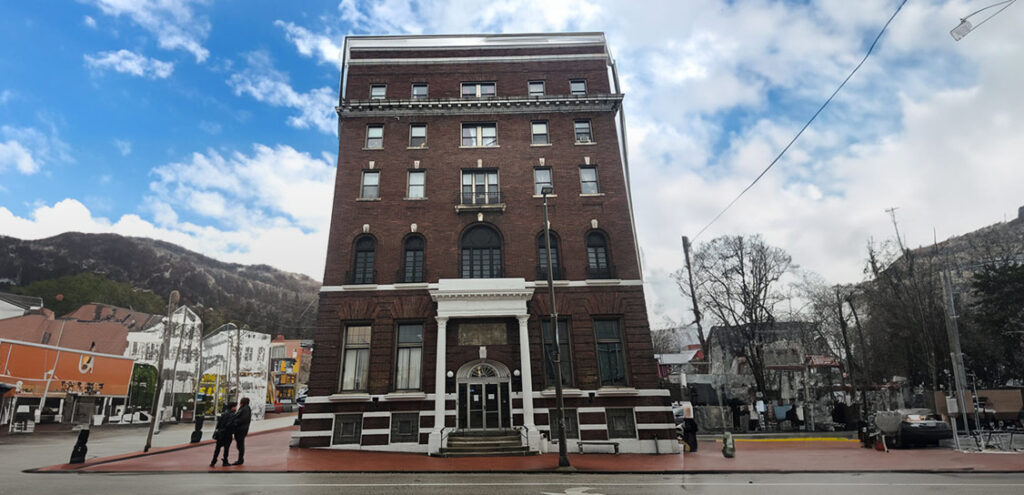
Wheeling, West Virginia, has a rich tapestry of history as the state’s first capital. Nestled in the foothills of the Appalachian Mountains along the Ohio River, Wheeling was an industrial powerhouse known as the “nail city,” supplying cut nails to the entire nation. By 1910, the city’s population surged to over 41,000, and its thriving industry played a pivotal role in supporting World War I. However, at this time, Wheeling, like many American cities, was under the shadow of segregation, with Jim Crow laws deeply ingrained into the societal fabric and dictating accessibility to locations and services based on race. Amidst this complex socio-political landscape, the YWCA Wheeling was established in 1906, initially operating from a rented space on an adjacent block before construction on their permanent and current location at 1100 Chapline Street was completed in 1915.
Despite the segregation laws of the time, the YWCA Wheeling emerged as a beacon of progressive ideals. While not untouched by the era’s legal constraints, the organization made it a priority to champion equal access regardless of race. In their early years, they actively campaigned and fundraised to extend their protective services and advocacy to African American girls and women, serving as a testament to their commitment to social justice.
By 1921, the YWCA Wheeling successfully established the Blue Triangle Branch in a neighboring building to serve the African American members of the community. Both organizations worked together serving the women and children of Wheeling until 1956 when the YWCA integrated the Blue Triangle Branch into its Chapline Street headquarters.
For more than a century, the YWCA Wheeling has been operating from this historic location, growing its programs, and continuing to support the women and families of Wheeling. The building, steeped in history and resilience, now requires essential repairs and upgrades to ensure the YWCA can continue its mission into the future.
Revitalization Efforts
A Historic Building for the Modern Age
The renovation of the century-old YWCA Wheeling building will enhance the quality of life for employees, residents, and community members, increase capacity for essential programming, and ensure the YWCA’s sustainability in its mission to provide vital services for women and families in need. Prior to renovations, the YWCA served about 7,400 participants each year.
In undertaking this project, the YWCA continued its long history of progressive action and service to the Ohio Valley. The renovation of the YWCA facility not only preserves a piece of Wheeling’s history but also ensures that the building continues to function as a vital resource for women and families in the area.
Community Impact
A Thriving Community Asset
The YWCA Wheeling, which has not seen a major upgrade since its initial construction, is poised to make a transformative impact on the program participants, organization employees, and the local community with this renovation.
Construction efforts generated an estimated 67 positions, 85% of which were accessible to those facing barriers to entering the workforce. The renovated facility will enable the YWCA to add 7 new positions in addition to its current staff of 33.
Additionally, the building has new and upgraded systems, including a new elevator which will replace the one that has been in use since 1969, updated lighting and plumbing for better energy efficiency, and a brand new HVAC system. The renovation of the programmatic, residential, and shelter spaces provides an estimated 20% increased capacity by adding 14 rooms that are even more comfortable and inviting for program participants and will enable the YWCA to support an additional 1,200 people each year.
Upgraded Infrastructure
New heating and electrical systems and a new elevator for efficiency and ease.
Expanded Programming
Supporting an additional 1,200 people annually
Expanded Shelter and Rooms
14 new shelter and residence rooms added
Job Creation
67 construction jobs created
40 permanent jobs created/retained
NTCIC & Progress
Financing the Project
NTCIC provided a $10 million New Markets Tax Credit (NMTC) allocation for the project and facilitated the investment for all real estate tax credits within the transaction, including both state and federal Historic Tax Credits (HTCs) and the NMTCs.
The swift closing facilitated by NTCIC enabled the YWCA to begin construction promptly, limiting program disruption and enabling the organization to quickly expand its crucial services and provide a safe haven for women and families at risk.
Check Out Similar Projects Here
Browse all projects
Webster Community Center
From Abandoned School to Community Hub
Benn High
Vacant School Building Becomes Community Hub
New Granada
Historic Music Venue Transforms into Community Center
Want to Discuss Your Next Project? Talk With Our Team Today.
We bring clear insight, deep experience, and strategic focus to every project, whether you're structuring complex capital or shaping long-term, legacy-driven development.
New Markets Tax Credits
$5 Million
Total Project Cost
$10 Million
Project Partner
Cross Street Partners
Impact
Workforce Development, Sustainability
History
A Global Canning Industry is Formed

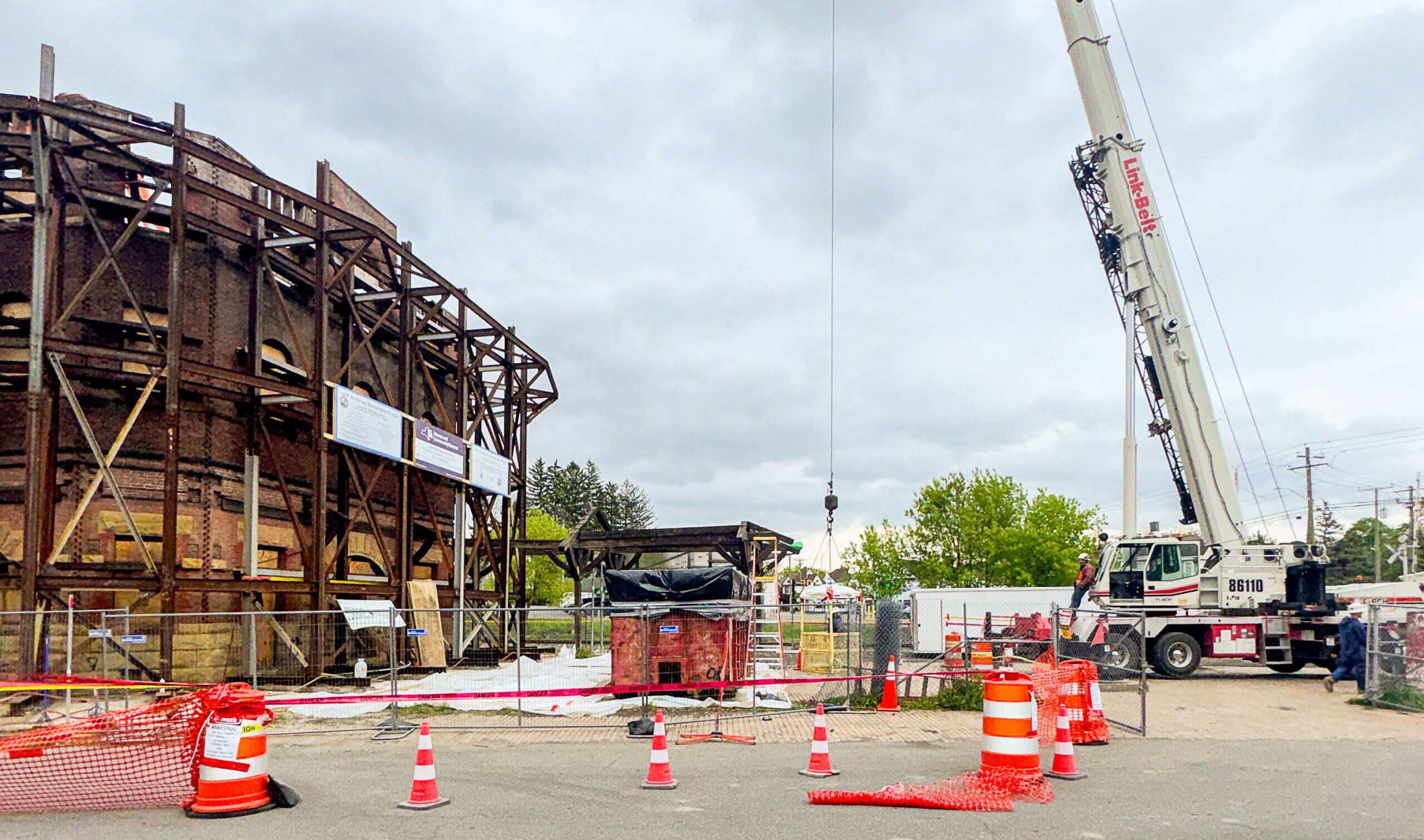
Nestled between the waters of Chesapeake Bay and the farmland of the Eastern Shore, The Phillips Packing Company utilized these nearby resources to become a leading cannery in the United States. As the company grew, it acquired its final building in 1930, one of the largest factories in Cambridge, Maryland. “Factory F,” as it was known, became the headquarters for the company’s successful tomato operation, where they soon became a global name as the largest producer of canned tomatoes in the world.
The company also extended its goods to the war effort, becoming the main supplier of individual canned and pre-cooked meals (known as C-rations) to soldiers during World Wars I and II. In the 1930s, it also supplied food and provisions to Antarctic explorers. These successes put Cambridge on the map, and the community reaped the benefits.
At one point, the Phillips Packing Company employed about a quarter of the population of Cambridge. It was also one of the few desegregated employers; anyone and everyone was welcome to work in the hustle of the factories.
The Phillips Packing Company continued to be an economic staple, eventually expanding into trucking and oil before it was finally sold to Consolidated Foods (now a Sara Lee Corporation) in the 1960s. Factory F was the only remaining production building from the Phillips Packing Company empire.
Revitalization Efforts
A New Generation
The historic warehouse has become the Packing House and will continue its legacy of the Chesapeake by creating an environmentally sustainable space for emerging entrepreneurs, workforce development, and aquaculture.
The Packing House provides space for local businesses supporting Chesapeake Bay revitalization efforts, commercial kitchen opportunities for food business startups, and workforce development training opportunities for individuals seeking new employment.
Community Impact
A Thriving Community Asset
The Cambridge community is once again benefiting from jobs created from within The Packing House. The extensive construction and preservation efforts generated 110 construction jobs, and as the tenant businesses grow in their new spaces, they’ll create and retain a projected 161 permanent jobs. 100% of the construction and permanent positions will be quality, well-paying jobs targeting and supporting the community.
The tenants of the building are dedicated to giving back to the community through various programming and support. The Maryland DHCD operates a Community Engagement Center within the Packing House to host training and certification programs for residents, including holistic health, continuing education in the medical field, farming certifications, and landscaping certifications.
MERGE is focusing on career growth support by operating one of Cambridge, Maryland’s few incubation hubs and shared office space, with a focus on education.
The new collaborative space will support an estimated 50 entrepreneurs each year. Several active MERGE members, such as the Dorchester Foundation, are community-oriented and operate youth employment programs targeting low-income families.
Food entrepreneurs will also benefit from the new space, with Four Eleven Kitchen offering classes, support, and training in its food concept spaces. Four times a year, it will offer six—to eight-week programs for six young chefs (24 annually). The Four Eleven Kitchen will also offer an additional 10–20 food concept production platforms for others looking to try their hand in the kitchen.
All of this and more will take place in the newly renovated Packing House. This historic, 60,000-square-foot industrial warehouse has been awarded LEED Gold certification for meeting high standards in energy efficiency, water conservation, and material reuse. It is projected that the restored Packing House will conserve 148.9 MWh of electricity each year, equivalent to the amount of energy used when burning 120,000 lbs. of coal.
Chesapeak Bay Restoration
Blue Oyster Environmental donates processed oyster shells to support spawning and environmental remediation
Food Startups
24 young chefs supported annually at Four Eleven Kitchen
10-20 food concept production platforms supporting new food training
Entrepreneurial Support
50 entrepreneurs supported annually at MERGE offices
Job Creation
110 construction jobs created
161 permanent jobs created/retained
Environmental Impact
LEED Gold certified construction
Conserving 150 MWh of Electricity Annually
NTCIC & Progress
Financing the Project
The $10 million phase II of the historic restoration of the Packing House was made possible through public and private financing, including a $5 million New Markets Tax Credit allocation from NTCIC. This critical funding will ensure the tenants’ spaces are activated so they can grow and support more members of the surrounding community.
Additional Phase II funding sources included Historic Tax Credit equity and $2.5 million in additional NMTC allocation from U.S. Bancorp Community Development Corporation. Phase I of the Packing House development, totaling $26 million in development costs, began in 2021 and was completed in 2023.
Check Out Similar Projects Here
Browse all projects
Tivoli Theatre
Community Takes Center Stage at Historic Chattanooga Theatre
Webster Community Center
From Abandoned School to Community Hub
Benn High
Vacant School Building Becomes Community Hub
Want to Discuss Your Next Project? Talk With Our Team Today.
We bring clear insight, deep experience, and strategic focus to every project, whether you're structuring complex capital or shaping long-term, legacy-driven development.