


Historic Tax Credits
$8.25 Million
Federal & State
New Markets Tax Credits
$4 Million

Total Project Cost
$37.7 Million

Impact
Education Access
History
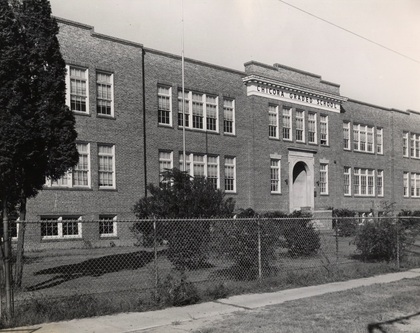
The Chicora Graded School
Originally constructed in 1935, the Chicora Graded School served the Chicora-Cherokee neighborhood of North Charleston, a community closely connected to employment at the Charleston Navy Yard. The school replaced an earlier facility built in 1921, which by 1929 enrolled approximately 307 students, prompting capacity expansions. As enrollment continued to grow, the campus was expanded multiple times between 1938 and 1955, adding classrooms, an auditorium, a cafeteria, and administrative space.
For decades, the building functioned as a public elementary school, first as a segregated school for white students and later as a more integrated neighborhood school. Following the closure of the Navy Yard in 1996, the surrounding area experienced economic decline and shifting demographics. By 2011, the school suffered from deferred maintenance and declining enrollment, leading to its closure. Vacant for more than a decade, the building remains significant for its role in local educational history.
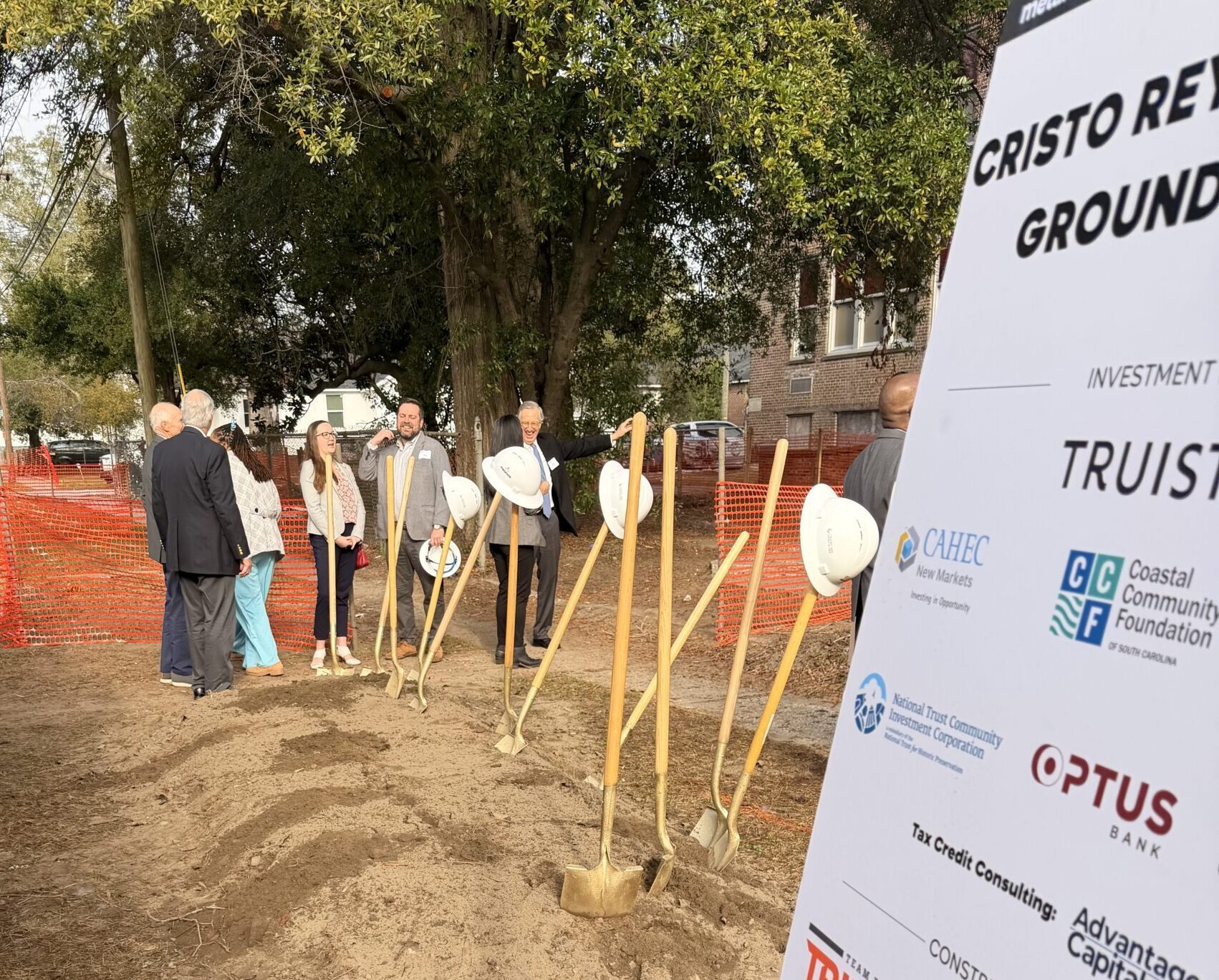
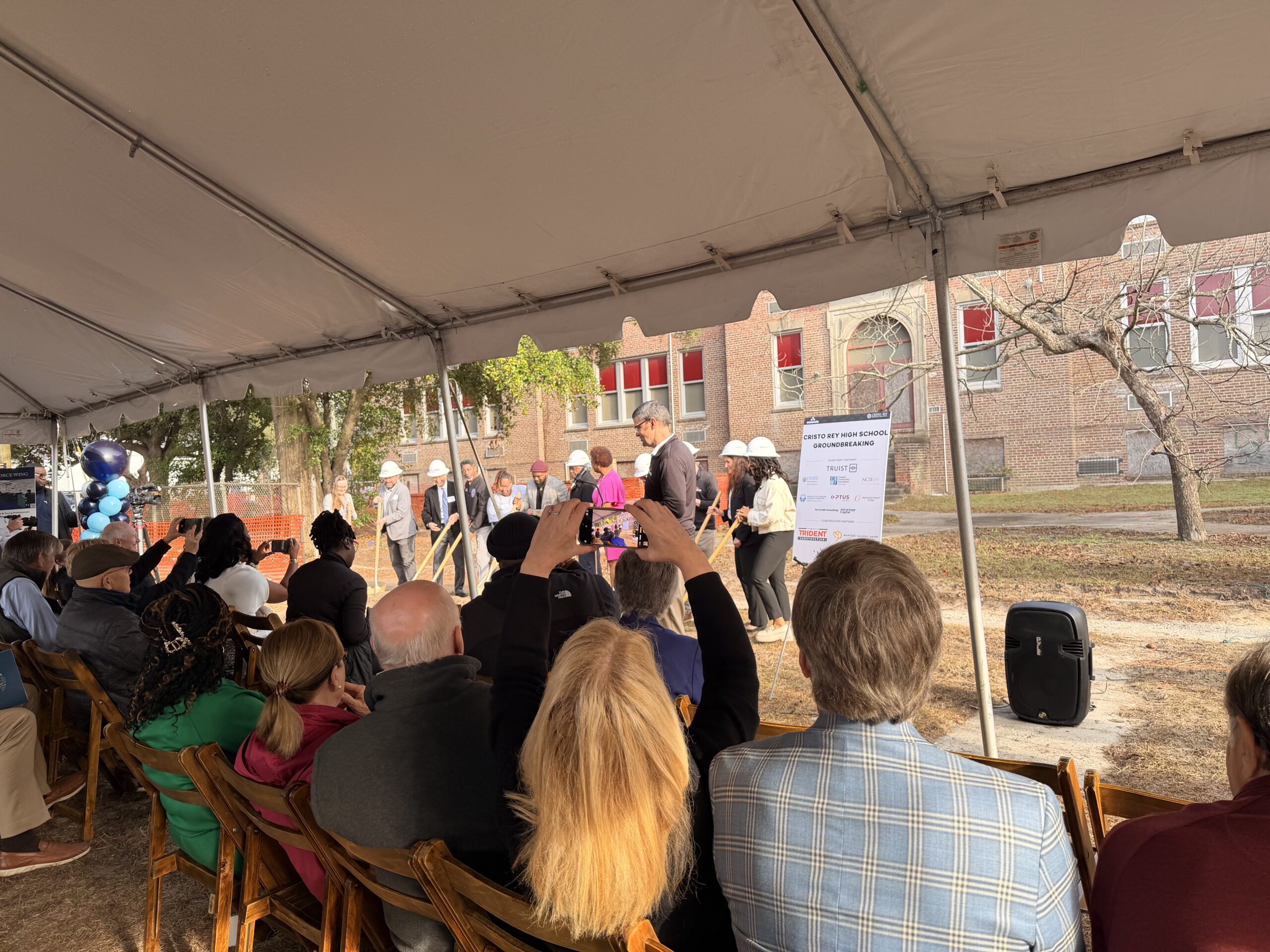
Revitalization Efforts
A Vacant School Transformed
Upon completion, the former Chicora Graded School will be rehabilitated into a college‑preparatory high school serving exclusively low‑income students from the greater Charleston region. The renovated facility will include modern classrooms, administrative offices, science and technology labs, a cafeteria and commercial kitchen, assembly and gathering spaces, and outdoor areas designed to support both academic instruction and workforce development programming.
The school will operate as part of the Cristo Rey network, which combines rigorous college‑preparatory coursework with a corporate work‑study model that allows students to gain real‑world professional experience while offsetting the cost of tuition. Tuition at Cristo Rey operates on a sliding scale based on need, with most families not paying any tuition at all. The project is designed to accommodate up to 400 students and to create an education environment intentionally structured to expand access to opportunity for underserved families.
Community & Economic Impact
Set Up for Success
The redevelopment of the former Chicora Graded School delivers targeted community impact by expanding access to high‑quality education and workforce pathways in one of North Charleston’s most economically distressed neighborhoods.
Nearly 40% of residents in the surrounding community live in poverty, and local schools serving this area have historically been underfunded, with graduation and college‑completion rates for students of color lagging significantly behind state and regional averages.
In response, the project will serve up to 400 high school students, all from low‑income households, 99% of whom identify as students of color.
The school combines rigorous college‑preparatory academics with a corporate work‑study model that provides students with paid professional experience, mentorship, and exposure to career pathways while they are still in high school. In addition to educational outcomes, the project generates community benefits through permanent job creation, workforce training, and the reactivation of a long‑vacant neighborhood anchor.
Collectively, the project addresses educational inequity, strengthens workforce readiness, and supports long‑term economic mobility for students and families across the Charleston region.

Job Creation
51 Permanent
142 Construction
Work Study Success
94%

Students Served
400

Students of Color
99%
NTCIC & Progress
Financing & Impact
The $37.7 million project was funded through a variety of sources, including an equity investment by NTCIC in the $5.5 million federal and $2.75 million state Historic Tax Credits generated by the project and a $4 million New Markets Tax Credit allocation. The project was also funded with $2.8MM of South Carolina’s State Abandoned Building Tax Credit.
NTCIC’s roles in the project include acting as a NMTC Allocatee and Asset Manager, federal and state HTC investment sourcer, underwriter, and closer, Federal and State HTC Asset Manager, Federal and State Fund Manager, and Abandoned Building Tax Credit syndicator.
Check Out Similar Projects Here
Browse all projects
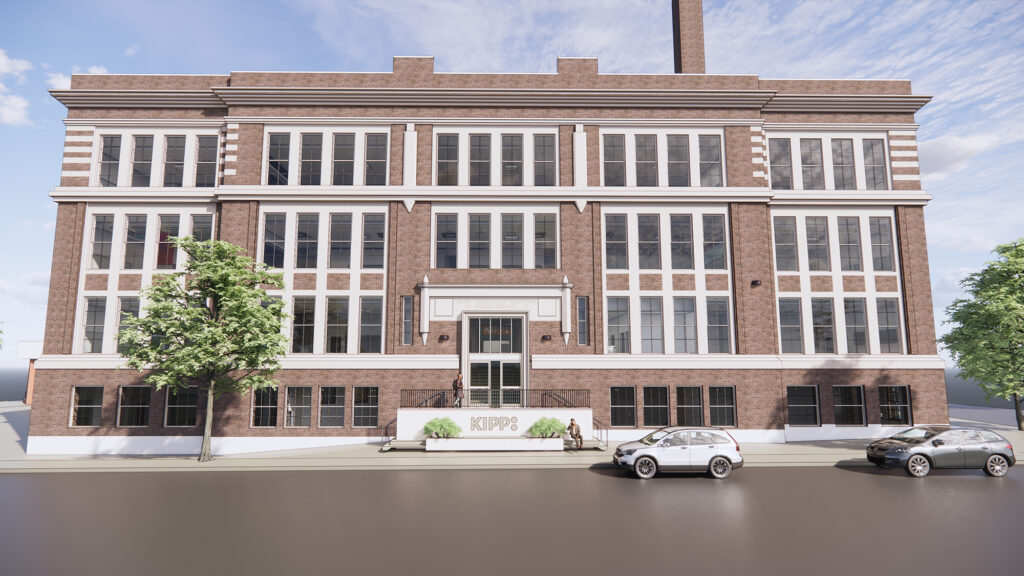
KIPP School at Whittier
A Historic School Reborn for Learning
Academy Lofts at Adair Park
Atlanta School Becomes Live-Work Space for Creatives
Webster Community Center
From Abandoned School to Community Hub
KIPP School at Whittier
A Historic School Reborn for Learning
Academy Lofts at Adair Park
Atlanta School Becomes Live-Work Space for Creatives
Webster Community Center
From Abandoned School to Community Hub
Want to Discuss Your Next Project? Talk With Our Team Today.
We bring clear insight, deep experience, and strategic focus to every project, whether you're structuring complex capital or shaping long-term, legacy-driven development.