


Historic Tax Credits
$700,000 Federal
$775,000 State
New Markets Tax Credits
$2 Million

Total Development Cost
$4.9 Million

Project Partner
Whitney Group, LLC

Impact
Rural Investment, and more.
History
The J.H. Needless Wagon and Carriage Factory
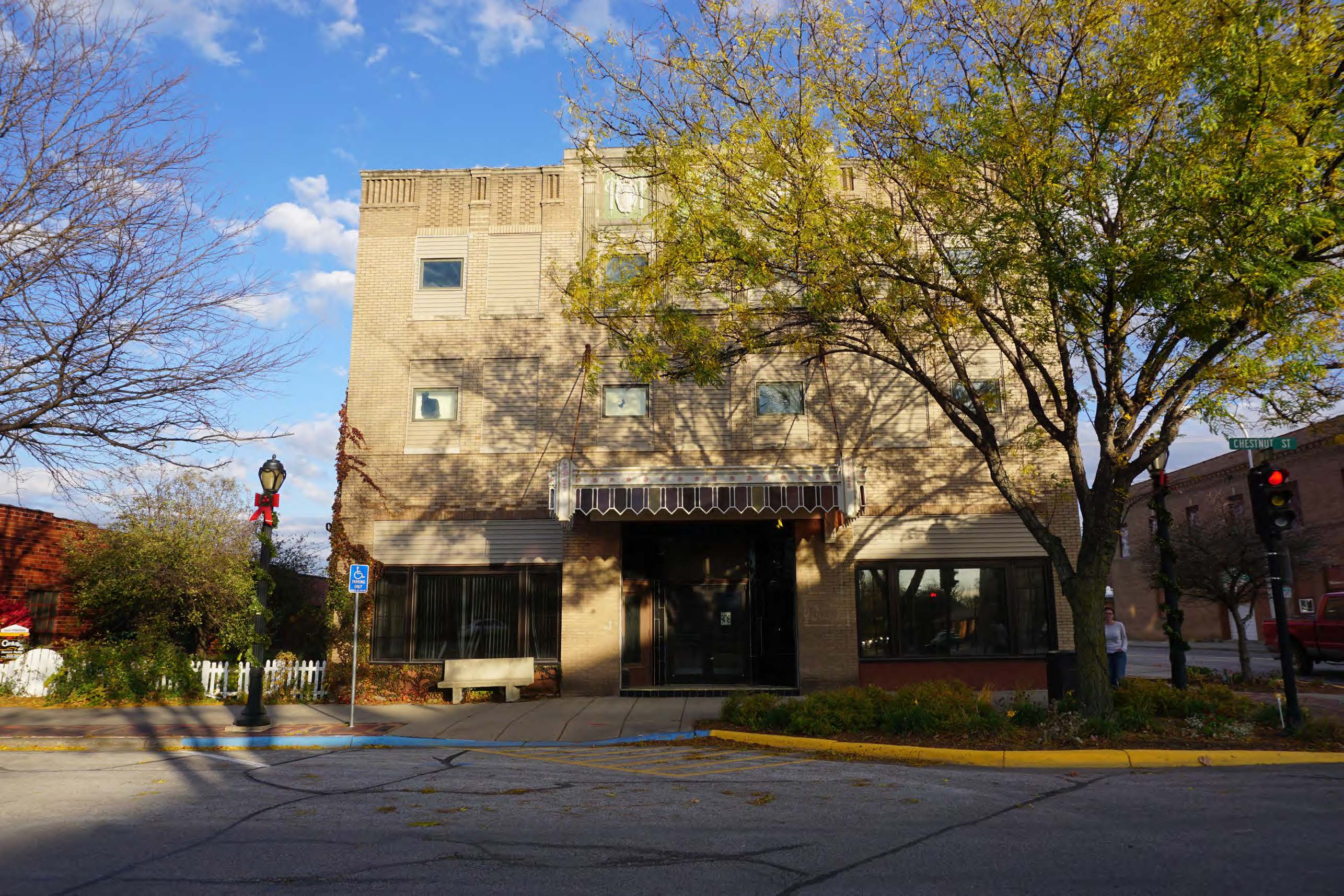
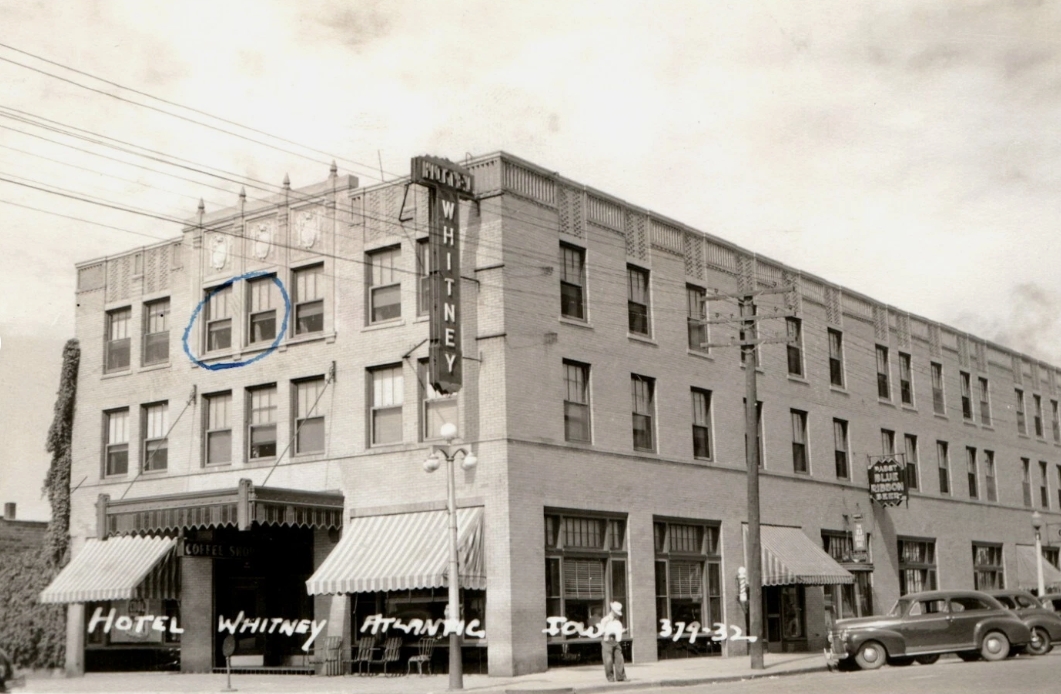
The Whitney first opened in 1879 and operated in its early days as the J.H. Needless wagon and carriage factory. In 1931, Edward A. Boss, the owner of the Boss Hotel System, dramatically altered the building into a hotel, making additional enhancements including the addition of a third story and a remodeled primary entrance. The adaptation of the building into a hotel during the Great Depression reflected an economical approach to filling a local void for clean and comfortable accommodations. After being used as a hotel through the mid-1970s, the building was sold to the Iowa Rehabilitation Center, which housed recovering alcoholics in the rooms that once hosted overnight motorists and local community groups. In more recent years, the building had been utilized for apartments, with a restaurant occupying the coffee shop area on the first floor until it became vacant in 2016.
Revitalization Efforts
Bringing Life to Atlantic
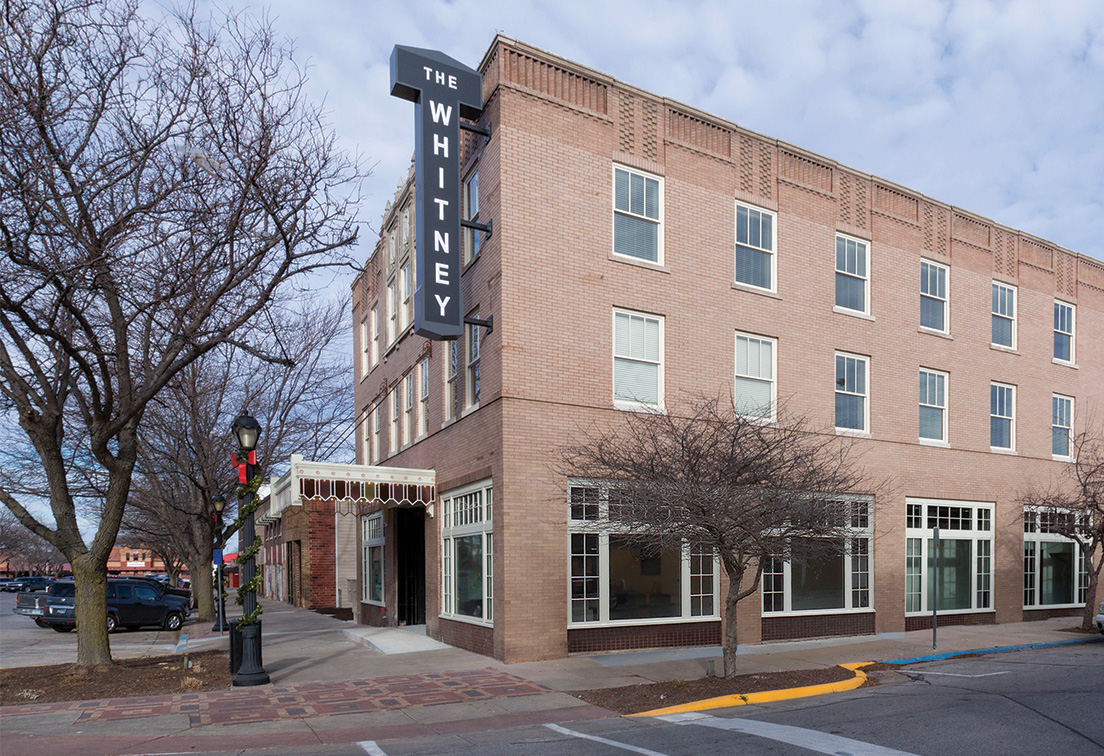
The adaptive reuse of The Whitney is now providing a mix of residential and commercial uses. The first floor hosts a restaurant as well as offices and community space for building residents. The residential units on the top two floors offer a mix of 16 one- and two-bedroom units; All units are offered at rents that are 80% or less of area median income; four of the units are rent restricted to no more than 30% of household income. The remaining 12 units are available at rents considered affordable to households earning no more than 80% area median income.
Community Impact
Rural Investment
The Whitney’s rehabilitation delivered multiple community benefits and promoted further economic development in Atlantic, a small town of 7,000 people roughly 80 miles west of Des Moines and 55 miles east of Omaha. It is located downtown on Chestnut Street, Atlantic’s “Main Street”, in a census tract where the median family income is 59% of the area median income and the poverty rate is 24%. The project has created 23 permanent jobs, many of which are in a restaurant and accessible to people without college degrees.
In addition to commercial uses, the project is the first significant
delivery of market rate apartments in downtown Atlantic in over 20 years. According to research by the National Main Street Center, there is a huge multiplier impact of having residents in downtown areas, as they will typically concentrate a greater proportion of their consumer spending in the downtown on retail/services. Additionally, demonstrating that there is a demand for market rate housing in downtown creates a catalytic effect on surrounding redevelopments. The project’s potential has been recognized by the city of Atlantic, which enabled the creation of a TIF district that has allowed the project to access an additional $538,000 in funds.
7,000
Population in Atlantic

24%
Poverty Rate in Census Tract

$538,000
Additional Funds Secured

23
Permanent Jobs Created
NTCIC & Progress
Economic Impact
The Whitney was made possible, in part, by NTCIC through an equity investment in the $700,000 in federal Historic Tax Credits and $775,000 in state Historic Tax Credits generated by the project as well as a $2 million New Markets Tax Credit (NMTC) allocation. This project was the first to utilize the Irvin Henderson Main Street Revitalization Fund.
Check Out Similar Projects Here
Browse all projects
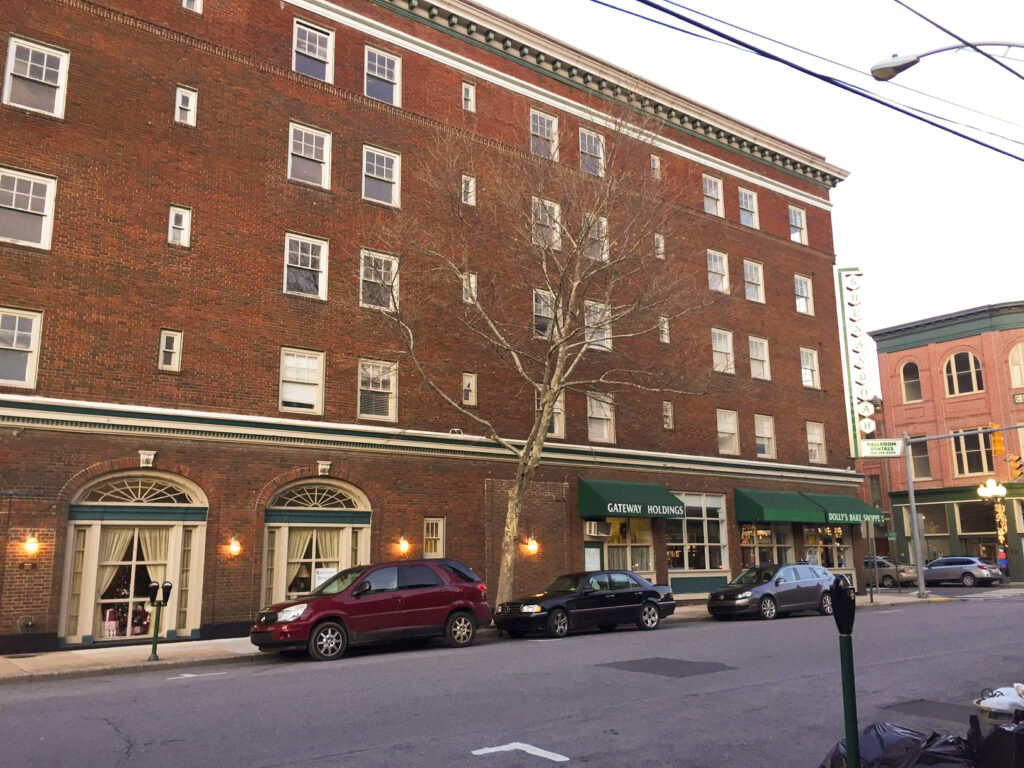
The Shenandoah
Former Hotel Now Supports Main Street as Mixed-Use Hub
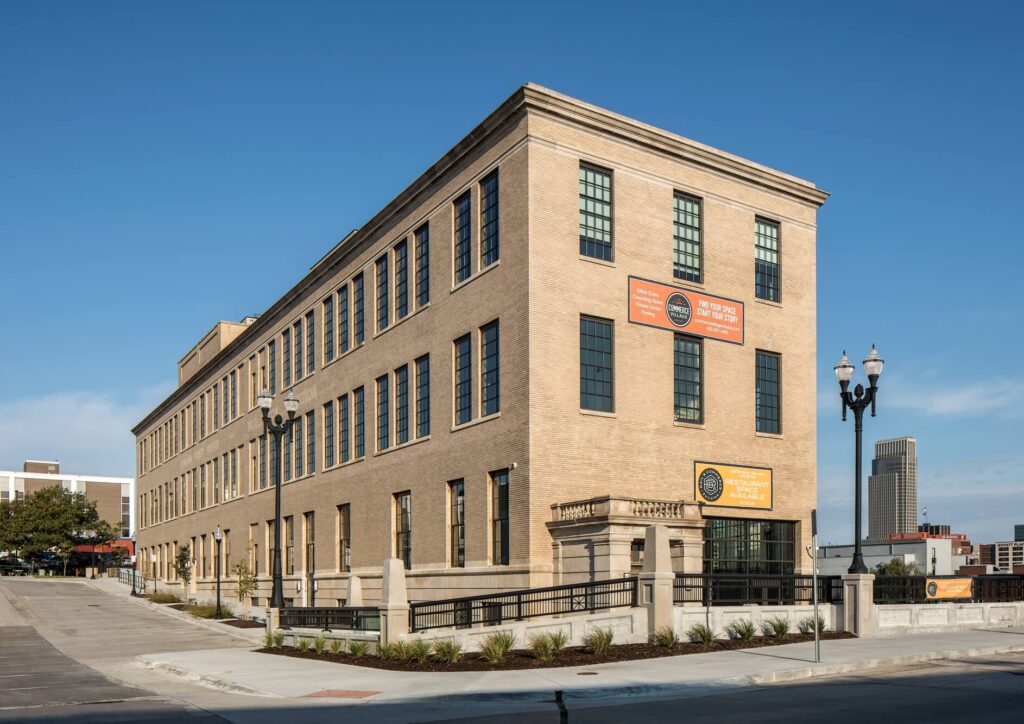
Rail & Commerce Building
Former USPS Facility Becomes Coworking and Office Space
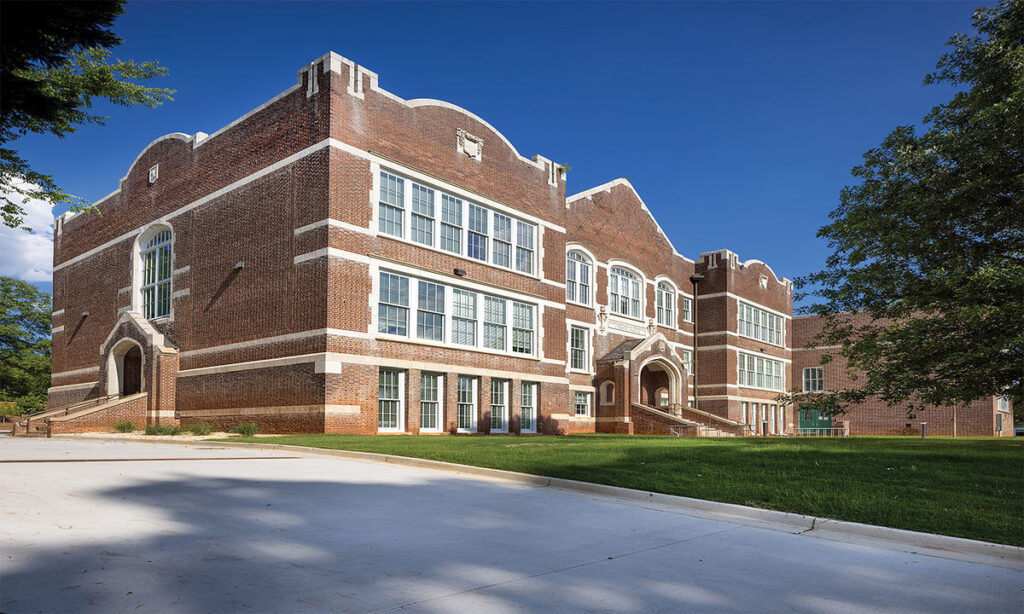
Academy Lofts at Adair Park
Atlanta School Becomes Live-Work Space for Creatives
The Shenandoah
Former Hotel Now Supports Main Street as Mixed-Use Hub
Rail & Commerce Building
Former USPS Facility Becomes Coworking and Office Space
Academy Lofts at Adair Park
Atlanta School Becomes Live-Work Space for Creatives
Want to Discuss Your Next Project? Talk With Our Team Today.
We bring clear insight, deep experience, and strategic focus to every project, whether you're structuring complex capital or shaping long-term, legacy-driven development.