



Honoring Tom Mayes: A Champion for Preservation, Place, and Purpose
 For more than four decades, Tom Mayes has been one of the most thoughtful and influential voices in historic preservation. As he retires from the National Trust for Historic Preservation, we at NTCIC join colleagues across the preservation community in celebrating an extraordinary career defined by leadership, scholarship, stewardship, and an unwavering commitment to the places that tell America’s story.
Throughout his tenure as Chief Legal Officer and General Counsel of the National Trust, Tom played a pivotal role in advancing preservation policy, protecting historic resources, and strengthening the legal frameworks that help safeguard our shared heritage. Yet those who have worked closely with him know that his contributions extend far beyond legal expertise and organizational leadership. Tom has consistently challenged the preservation field to think more deeply about its purpose.
At NTCIC, we have had the privilege of working alongside Tom during his service on our Board of Directors. His guidance has helped shape conversations about preservation finance, revitalization strategies, and the broader role historic places play in communities across the country. Whether discussing policy, preservation economics, or community impact, Tom brought a unique perspective grounded in both deep professional knowledge and genuine human insight.
Beyond Buildings
What has always distinguished Tom’s work is his ability to articulate not just how we preserve historic places, but why we preserve them. Historic preservation is often viewed through the lens of architecture, design, or physical stewardship. While those elements are certainly important, Tom has spent much of his career reminding us that preservation is ultimately about people.
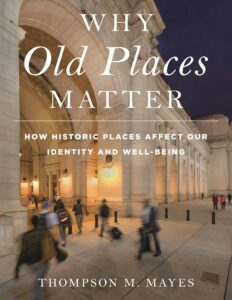 His widely acclaimed book, Why Old Places Matter, has become foundational reading for those in the field because it reframes historic preservation in deeply human terms. Rather than focusing solely on the structures themselves, Tom explores the profound connections people develop with places over time.
The old neighborhood church where generations gathered. The downtown main street that witnessed a community’s growth. The family home that carries stories across decades. The historic district that provides continuity amidst rapid change. These places matter because they help shape identity, memory, and belonging.
Tom’s work has encouraged preservationists to recognize that historic places serve as more than reminders of the past. They contribute to community resilience, foster social connections, support local economies, and provide a sense of continuity in an increasingly fast-paced world. By preserving these places, communities preserve the stories, experiences, and cultural heritage that bind people together.
For organizations like NTCIC, this perspective is particularly meaningful. Our work often centers on the financial tools and investment strategies that make preservation projects possible. Yet behind every successful rehabilitation project, historic tax credit transaction, or revitalization initiative lies a larger purpose: ensuring that valued places continue to serve the communities that cherish them.
Tom has reminded us that preservation succeeds not merely when a building is saved, but when the relationships, stories, and sense of place connected to that building are sustained and strengthened.
A Lasting Legacy
At NTCIC, we have benefited enormously from Tom’s wisdom, thoughtful counsel, and steady leadership. Board discussions were strengthened by his ability to connect strategic decisions with larger mission-driven goals. His contributions consistently reflected a profound understanding of preservation’s role in shaping stronger communities and a more connected society. While his retirement marks the conclusion of an extraordinary chapter at the National Trust for Historic Preservation, we know his influence on the field is far from over.
We are particularly excited to see him continue his exploration of the relationship between people and place in his next book. At a time when communities everywhere are grappling with change, growth, and questions about identity and belonging, those thoughts and conversations are more important than ever. Tom’s ongoing scholarship will undoubtedly continue to challenge and inspire those who care about preserving the places that matter.
As we reflect on Tom Mayes’ remarkable career, we do so with immense gratitude. We are grateful for his leadership within the preservation movement. We are grateful for his service to NTCIC and the insight he brought to our organization. We are grateful for his mentorship, friendship, and generosity in sharing his knowledge with others. Most importantly, we are grateful for the enduring reminder that historic preservation is ultimately about people and the places that help tell their stories.
Congratulations, Tom, on an extraordinary career. Thank you for your leadership, your service, and your enduring contributions to the preservation field. We look forward to following this next chapter and continuing to learn from your insights for years to come.