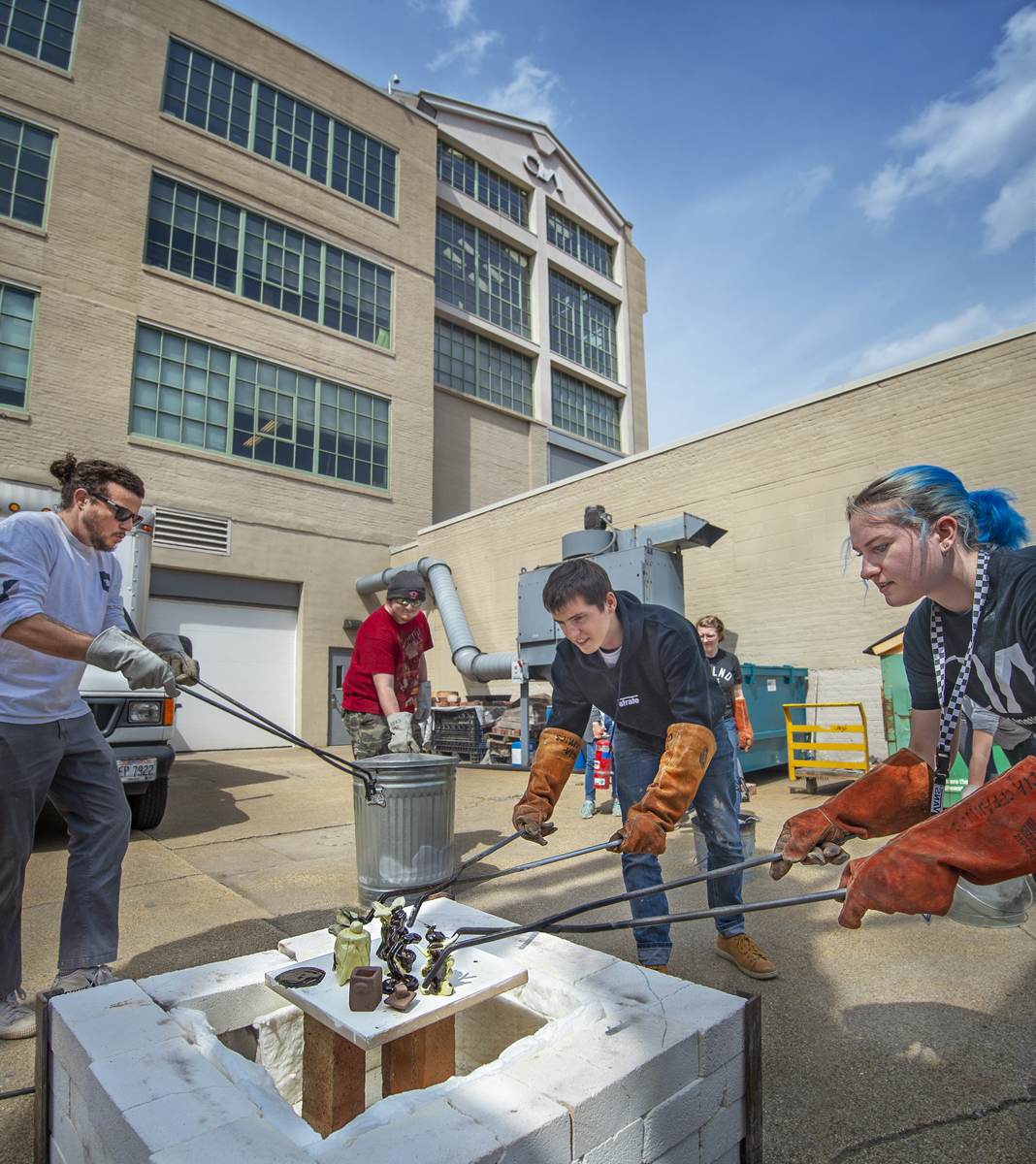



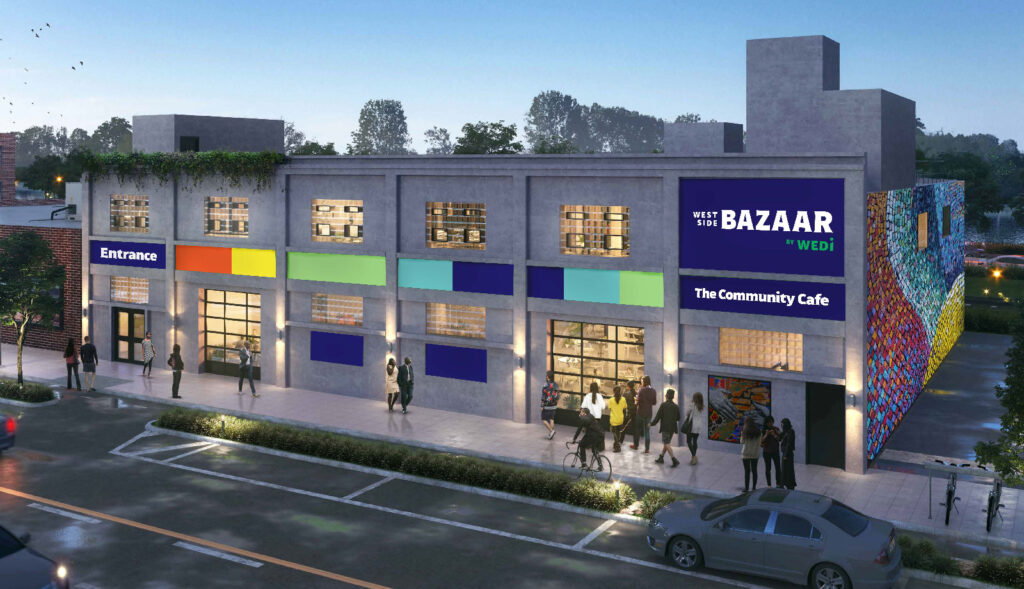
West Side Bazaar
A New Incubator and Cultural Marketplace in Buffalo
A new, larger home for a small business incubator and cultural hub supporting the economically marginalized.
 For more than four decades, Tom Mayes has been one of the most thoughtful and influential voices in historic preservation. As he retires from the National Trust for Historic Preservation, we at NTCIC join colleagues across the preservation community in celebrating an extraordinary career defined by leadership, scholarship, stewardship, and an unwavering commitment to the places that tell America’s story.
Throughout his tenure as Chief Legal Officer and General Counsel of the National Trust, Tom played a pivotal role in advancing preservation policy, protecting historic resources, and strengthening the legal frameworks that help safeguard our shared heritage. Yet those who have worked closely with him know that his contributions extend far beyond legal expertise and organizational leadership. Tom has consistently challenged the preservation field to think more deeply about its purpose.
At NTCIC, we have had the privilege of working alongside Tom during his service on our Board of Directors. His guidance has helped shape conversations about preservation finance, revitalization strategies, and the broader role historic places play in communities across the country. Whether discussing policy, preservation economics, or community impact, Tom brought a unique perspective grounded in both deep professional knowledge and genuine human insight.
What has always distinguished Tom’s work is his ability to articulate not just how we preserve historic places, but why we preserve them. Historic preservation is often viewed through the lens of architecture, design, or physical stewardship. While those elements are certainly important, Tom has spent much of his career reminding us that preservation is ultimately about people.
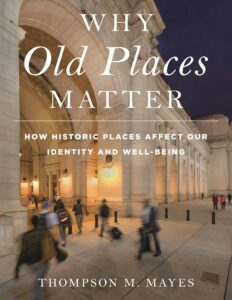 His widely acclaimed book, Why Old Places Matter, has become foundational reading for those in the field because it reframes historic preservation in deeply human terms. Rather than focusing solely on the structures themselves, Tom explores the profound connections people develop with places over time.
The old neighborhood church where generations gathered. The downtown main street that witnessed a community’s growth. The family home that carries stories across decades. The historic district that provides continuity amidst rapid change. These places matter because they help shape identity, memory, and belonging.
Tom’s work has encouraged preservationists to recognize that historic places serve as more than reminders of the past. They contribute to community resilience, foster social connections, support local economies, and provide a sense of continuity in an increasingly fast-paced world. By preserving these places, communities preserve the stories, experiences, and cultural heritage that bind people together.
For organizations like NTCIC, this perspective is particularly meaningful. Our work often centers on the financial tools and investment strategies that make preservation projects possible. Yet behind every successful rehabilitation project, historic tax credit transaction, or revitalization initiative lies a larger purpose: ensuring that valued places continue to serve the communities that cherish them.
Tom has reminded us that preservation succeeds not merely when a building is saved, but when the relationships, stories, and sense of place connected to that building are sustained and strengthened.
At NTCIC, we have benefited enormously from Tom’s wisdom, thoughtful counsel, and steady leadership. Board discussions were strengthened by his ability to connect strategic decisions with larger mission-driven goals. His contributions consistently reflected a profound understanding of preservation’s role in shaping stronger communities and a more connected society. While his retirement marks the conclusion of an extraordinary chapter at the National Trust for Historic Preservation, we know his influence on the field is far from over.
We are particularly excited to see him continue his exploration of the relationship between people and place in his next book. At a time when communities everywhere are grappling with change, growth, and questions about identity and belonging, those thoughts and conversations are more important than ever. Tom’s ongoing scholarship will undoubtedly continue to challenge and inspire those who care about preserving the places that matter.
As we reflect on Tom Mayes’ remarkable career, we do so with immense gratitude. We are grateful for his leadership within the preservation movement. We are grateful for his service to NTCIC and the insight he brought to our organization. We are grateful for his mentorship, friendship, and generosity in sharing his knowledge with others. Most importantly, we are grateful for the enduring reminder that historic preservation is ultimately about people and the places that help tell their stories.
Congratulations, Tom, on an extraordinary career. Thank you for your leadership, your service, and your enduring contributions to the preservation field. We look forward to following this next chapter and continuing to learn from your insights for years to come.

The NTCIC family is deeply saddened by the passing of Irvin Henderson, a dedicated leader, community development champion, and longtime advocate for equitable investment in underserved communities.
Irvin joined NTCIC’s Board of Directors in 2002 and served the organization for nearly two decades, including six years as Board Chairman. Throughout his tenure, he helped guide NTCIC through periods of growth and transition while championing our mission to bring capital, opportunity, and revitalization to communities across the country.
A respected developer, consultant, and national leader in community development finance, Irvin believed deeply in the power of investment to strengthen neighborhoods and create economic opportunity. His commitment to revitalizing Main Streets and supporting projects in historically underserved communities left a lasting impact both within NTCIC and throughout the broader community development field.
“Irvin believed that investment should create opportunity where it is needed most,” said David Clower, President & CEO of NTCIC. “Whether he was discussing Main Street revitalization, affordable housing, or economic development, he consistently focused on ensuring that underserved communities had access to the resources required to thrive.”
In 2018, NTCIC established the Irvin Henderson Main Street Revitalization Fund in recognition of Irvin’s leadership, service, and longstanding commitment to revitalizing underserved communities. The fund provided $2 million to $4 million in innovative NMTCs for smaller-scale historic rehabilitation projects and became a lasting tribute to Irvin’s belief that thoughtful investment can strengthen Main Streets, preserve historic places, and create opportunities for residents and small businesses.
Through the revitalization fund and countless investments inspired by his vision, projects in communities across the country have benefited from the capital and expertise needed to preserve historic places and create new opportunities for residents and businesses.
Irvin often spoke about the importance of Main Streets as places where communities come together and where investment can help preserve both local heritage and economic vitality. His belief that development should serve all people, especially those who have historically been overlooked, continues to influence our work today.
We extend our heartfelt condolences to Irvin’s family, friends, and colleagues. We are grateful for his leadership, friendship, and lasting contributions to NTCIC and the communities we serve.
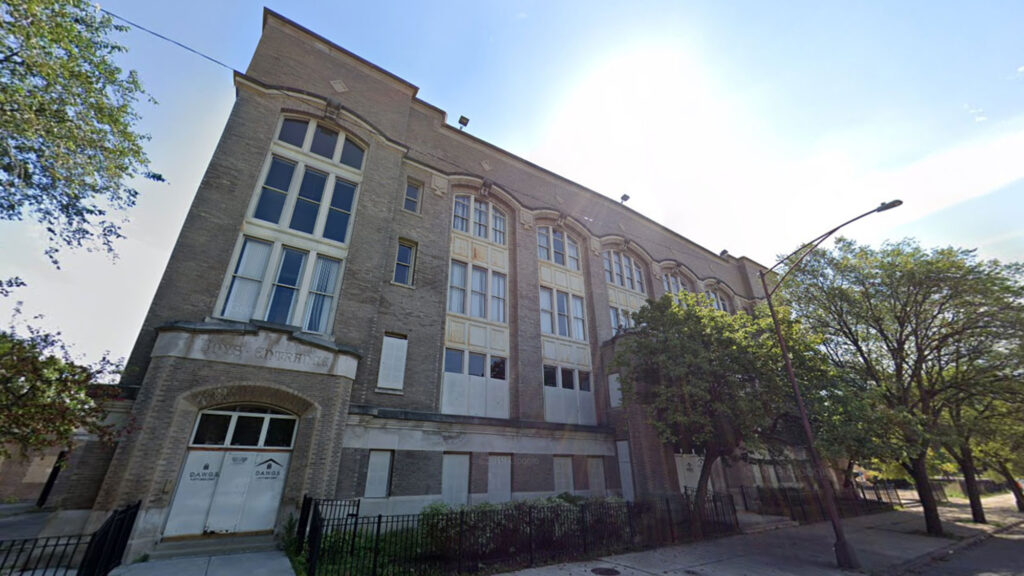
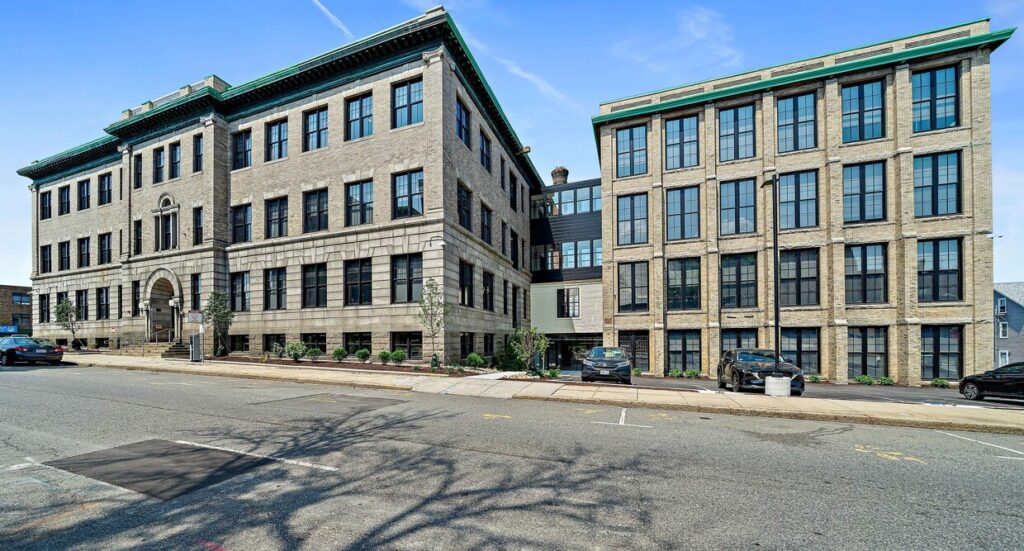
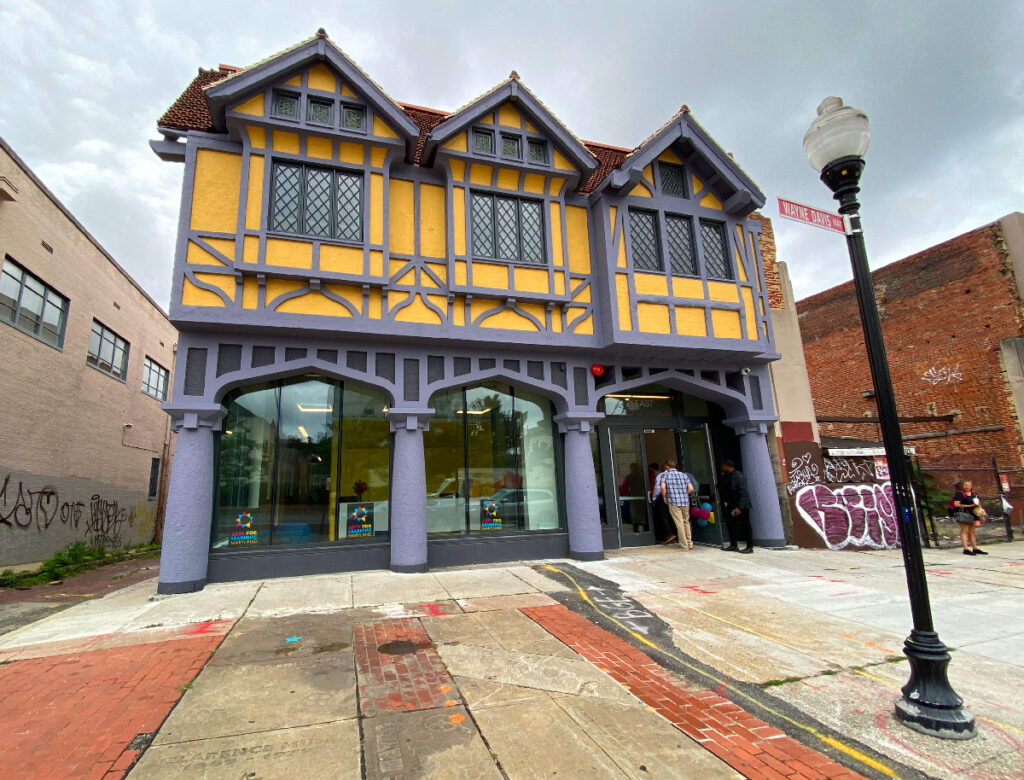
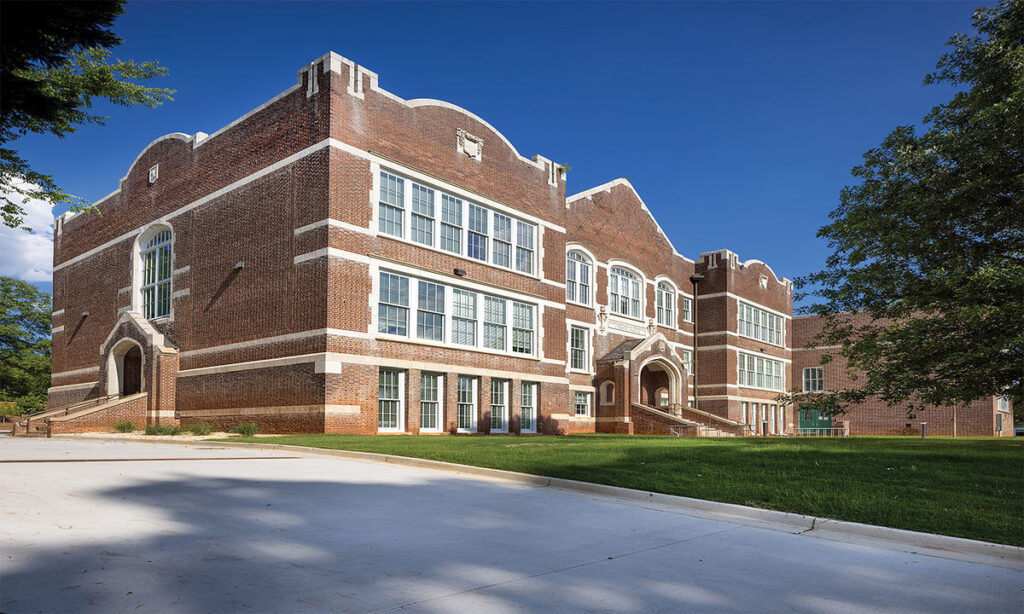
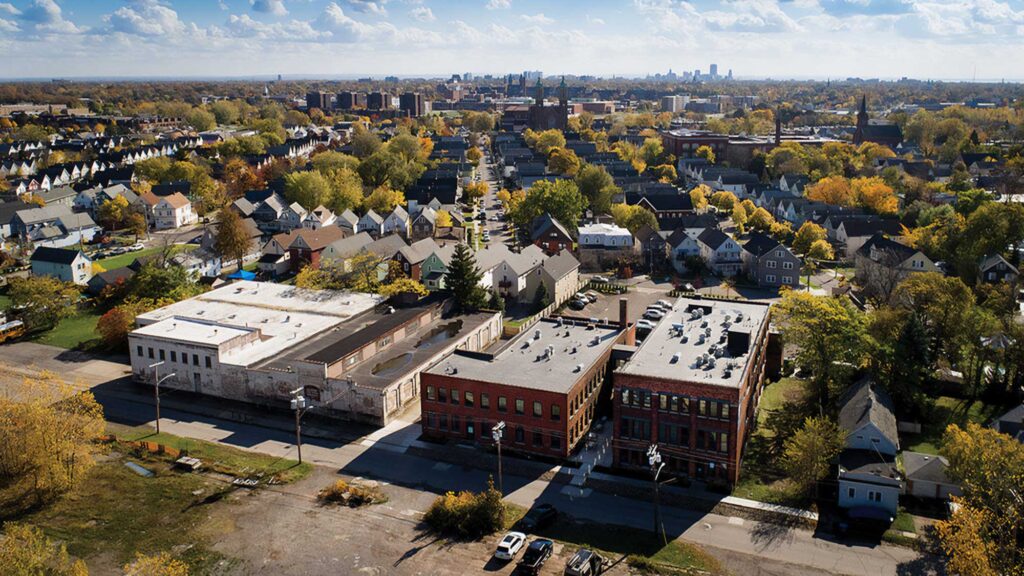
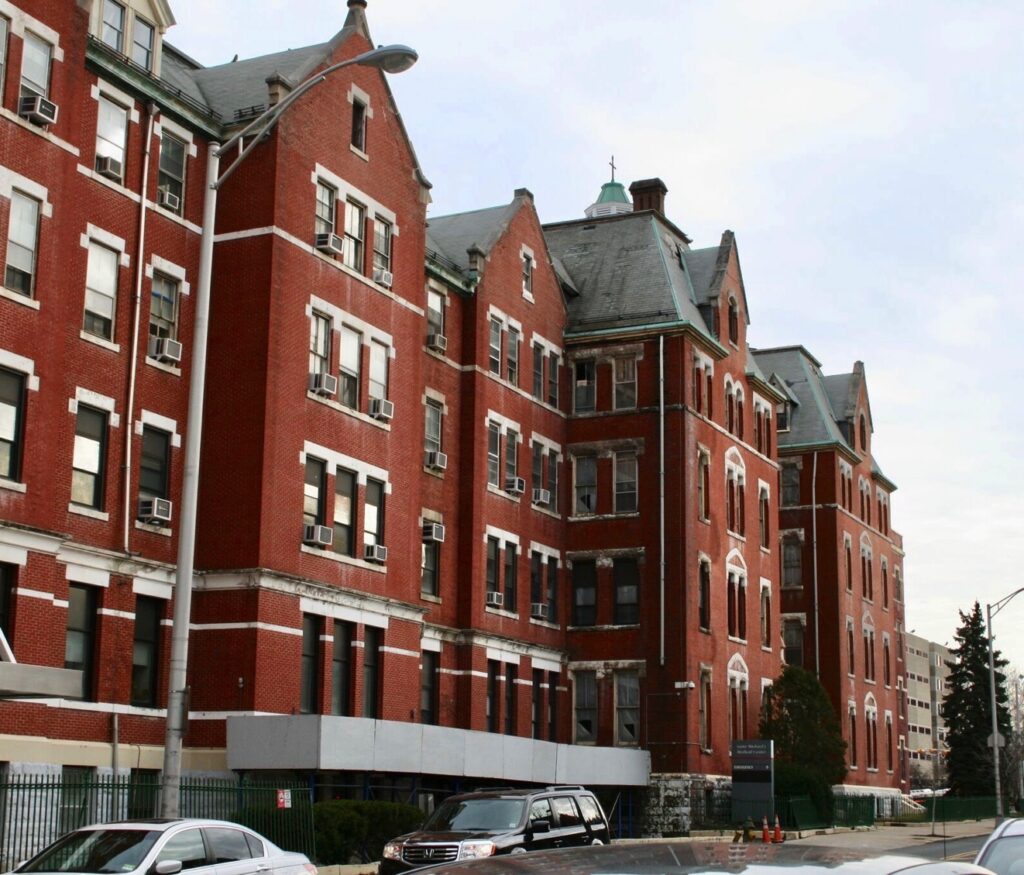
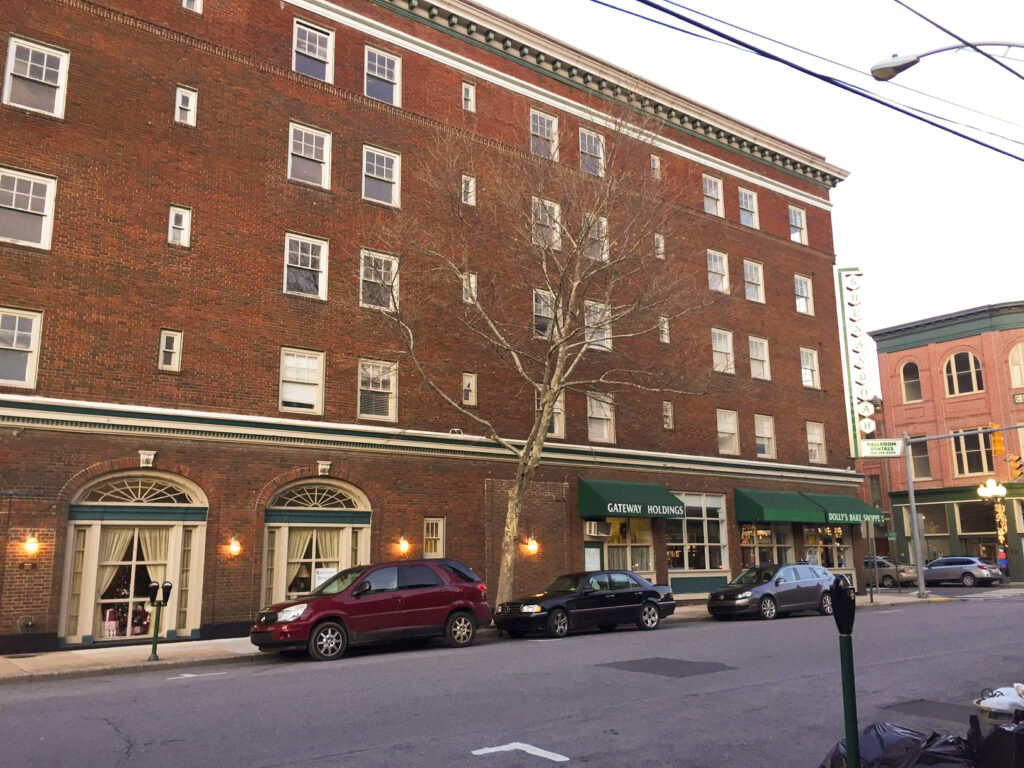
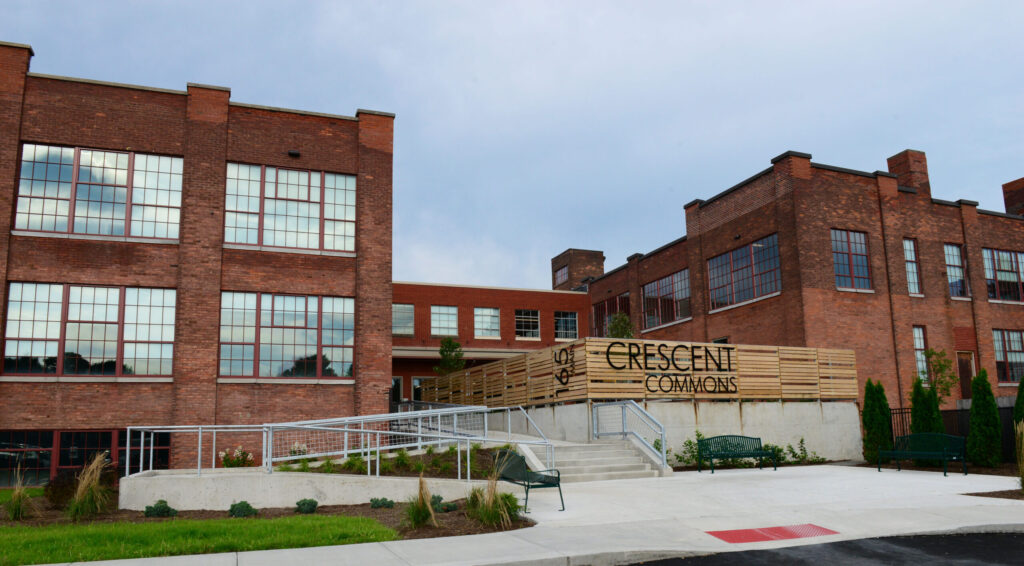
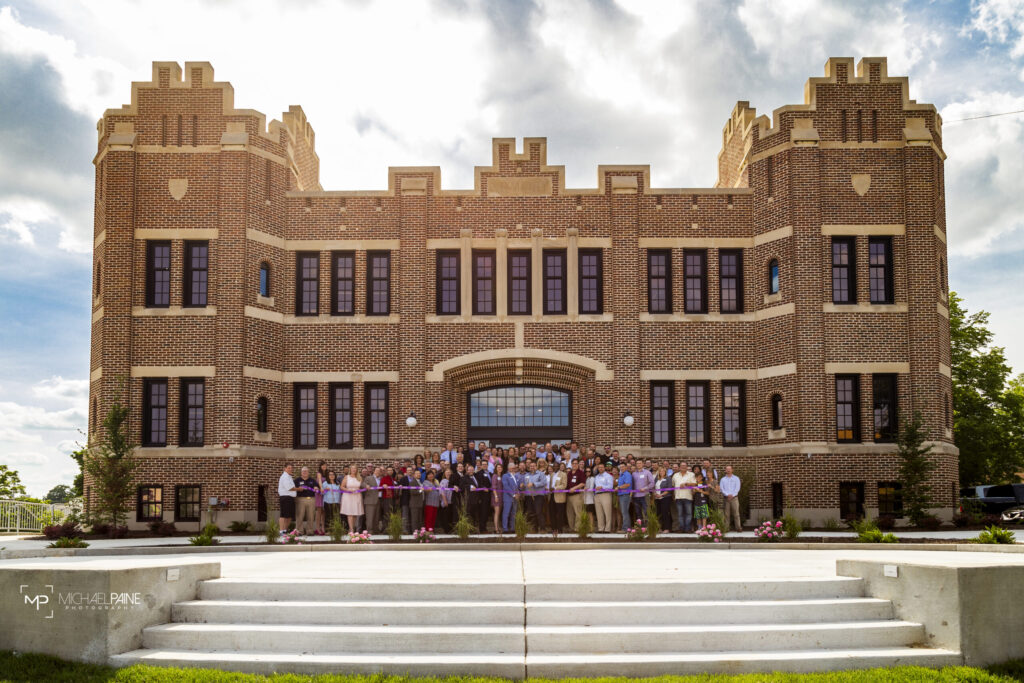
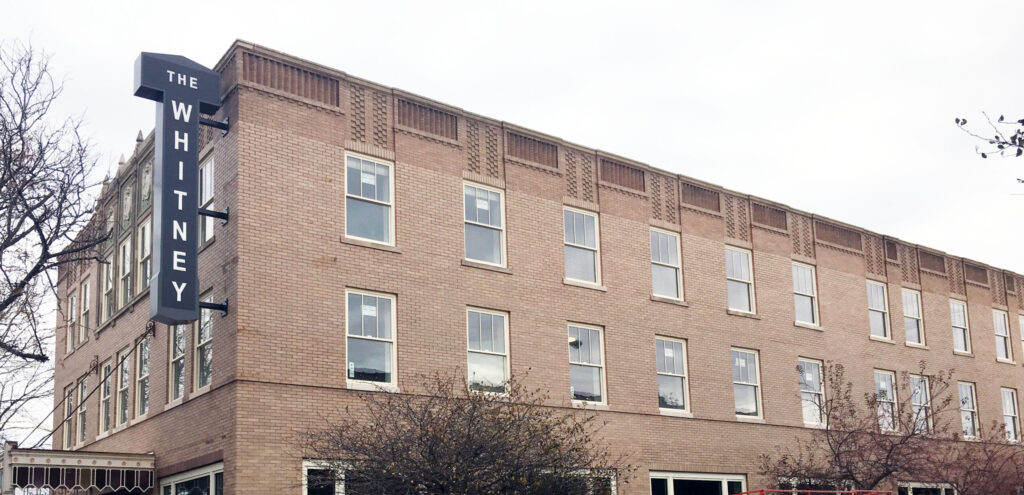
Washington D.C. – August 17, 2026: The National Trust Community Investment Corporation (NTCIC) is pleased to announce the successful financial closing of the Mainline project in Dayton, Ohio. Once home to prominent office and institutional uses, the Centre City Building and Air City Garage will be transformed into a vibrant mixed-use destination featuring housing, retail, and structured parking. NTCIC provided an equity investment in the $27.6 Million State and Federal Historic Tax Credits generated by the preservation efforts, the $14 Million Transformational Mixed-Use Development (TMUD) tax credits, and a $4 million New Markets Tax Credit investment supporting the project’s mixed-use components.
A Legacy at the Center of Dayton
The United Brethren Publishing House, now known as the Centre City Building, traces its roots to 1853 and grew into a defining presence in Dayton’s downtown through multiple phases of construction between 1903 and 1924. Envisioned as both a commercial and mission-driven asset, the building supported publishing operations and revenue generation for the denomination while anchoring the city’s skyline.
The adjacent Air City Garage, completed in 1960, served as a key downtown parking facility before falling into disrepair in later years, mirroring broader economic struggles in the surrounding area.

“This project reflects the catalytic impact our investments can have in communities across the country. We are proud to continue our partnership with The Model Group on another high-impact development that supports economic growth and neighborhood revitalization.”
A New Chapter for Downtown Dayton Living
The Mainline redevelopment will introduce 137 new residential units, including 17 income-restricted and affordable units, across the Centre City Building, creating new mixed-income housing opportunities in the downtown core. Former office floors will be reactivated with modern living spaces that retain historic features, while ground-floor retail will bring new energy to Main Street.
The project will also introduce a curated mix of commercial tenants, including a café and fresh food market, expected to serve more than 20,000 customers annually, expanding access to everyday goods and services in a neighborhood that has historically lacked these options. It will also become the expanded home of an entrepreneurial center capable of supporting start-ups and small business leaders each year.

“This project represents the power of collaboration to drive meaningful change. Working alongside NTCIC, we have been able to advance developments that not only restore historic buildings but also create lasting opportunities for residents and businesses across Ohio.”
Layered Financing Supporting Transformational Impact
NTCIC provided an equity investment in the $16 million in federal historic tax credits and $11.6 million in state historic tax credits generated by the preservation efforts, along with an additional $4 million New Markets Tax Credit investment supporting the project’s mixed-use components.
NTCIC served in multiple roles across the capital stack, including as a Federal and State New Markets Tax Credit allocatee and asset manager, as well as underwriter and closer for Federal and State Historic Tax Credit and TMUD investments, and Federal HTC fund manager.
The project utilized a layered financing structure that also included Ohio New Markets Tax Credits and Ohio Opportunity Zone incentives, reflecting the scale and complexity of the redevelopment. The use of TMUD credits in conjunction with the nearby Dayton Arcade underscores a coordinated approach to investment and demonstrates clear public commitment to the long-term success and revitalization of this key downtown commercial corridor.
Meet Ross Williams, NTCIC’s Summer 2026 Open Access Fellow. At the conclusion of his fellowship this summer, we sat down with Ross to learn more about his background and future in community development. Read his interview below!
 Can you talk a little bit about your background and what brought you into the community development world?
I grew up in New York City in a family where opportunity had to be built rather than inherited. I was the first man in my family to graduate from college, so I understand from experience what it means when opportunity depends on someone deciding to invest in you.
After college, I played professional basketball. Even then, I was drawn to business and finance, so when I transitioned off the court, I began building the career I had always envisioned. I started in accounting and capital markets in New York, moved into investment banking, and eventually earned my MBA at UVA Darden.
Alongside my professional career, I founded Freedom Financial, a financial literacy platform that reached more than 100,000 people. Helping people has always been a constant for me. That’s ultimately what brought me to community development and fund creation. The opportunity to do well while doing good, and to help communities filled with people who share backgrounds similar to mine, is something I had always hoped to be part of.
Strategic thinking, financial modeling, and problem solving are some of my biggest strengths. I enjoy taking something genuinely complex, whether it’s a fund, a capital stack, or a tax structure, and building it into a model that anyone can open with confidence and trust. I also care about the unglamorous details, making sure documents align, numbers tie out, and assumptions are clearly documented so they can be challenged. Just as importantly, I enjoy making complex work visually clear and easy for the audience to understand.
Another strength is finding ways to improve how work gets done. This summer I leaned heavily into AI to pressure test financial models, automate repetitive tasks, and accelerate first drafts of analyses, allowing me to spend more time on judgment rather than mechanics. I enjoy identifying tools that make the entire team more effective, and I believe that ability will only become more valuable over time.
Beyond the technical side, I’m drawn to work where finance and mission intersect, because getting the numbers right is what makes the mission credible.
The anchor of my summer was helping stand up a new lending initiative by building the fund model, working through the economics with our auditors and fund administrators, coordinating with tax and legal counsel, and drafting materials that explain the strategy to investors. It was a front row seat to how a fund is actually built, which is something very few people get to experience this early in their careers. I owe a lot of that opportunity to Adrian, who trusted me with the engine of the fund early on and encouraged me to speak up rather than defer.
Beyond the model, I had the opportunity to work across nearly every part of NTCIC, from acquisitions and asset management to investor reporting and fund development. That gave me a real appreciation for how each piece fits together. I joined the team for Historic Tax Credit Lobby Day on Capitol Hill advocating for the credit this organization is built on, attended a Novogradac conference, participated in AI training that I immediately put into practice, and spent time in Scottsdale, Arizona with Adrian, David, and Angelica during my first week, which set the tone for the entire summer.
The biggest surprise was realizing how much of launching a fund is about language, not just math. One of the hardest parts is making sure the financial model, legal documents, and investor materials all communicate exactly the same thing. I also learned that impact claims deserve the same level of rigor and precision as financial ones.
My next chapter is in corporate finance, where I’ll continue building technical and operational skills at a scale. What I discovered this summer, though, is that community development finance is not a detour in my career. It’s a space I hope to stay connected to throughout it.
Long term, I want to be someone who can move comfortably between institutional finance and mission driven investing, bringing institutional discipline to purpose driven capital. I also look forward to staying engaged with NTCIC and cheering the fund on as it reaches its milestones.
During my first week, David handed me a copy of Moral Ambition, and one idea from the book stayed with me all summer: ambition is a resource, and it matters what you point it toward. I saw that reflected throughout NTCIC in people who could work anywhere but choose to spend their careers making difficult deals happen in communities the market often overlooks.
For me, helping people has always been the foundation. I grew up seeing what happens when talented people never receive an opportunity, and being the first man in my family to graduate from college reinforced how one open door can change a family’s trajectory.
I’m also motivated by competing with myself to improve every day and by seeing something I helped build become real. Basketball taught me that the most valuable teammates are not always the loudest. They’re the people who consistently do the work no one notices. I’ve found the same to be true in finance.
Without hesitation.
The fellowship gave me real responsibility on real work. It wasn’t a shadowing experience. The team, starting with David and Adrian, treated me as someone who could contribute to the fund’s history rather than as a summer visitor.
The ideal candidate is someone with strong technical curiosity who wants their work to matter beyond the spreadsheet. The fellowship rewards people who ask why just as often as how. You don’t need to arrive knowing tax credits. You need to care enough to get the details right, because in this industry the details determine whether communities ultimately get served.
Ross— we’re so grateful for all of the contributions you made on our NT Impact Capital team this summer! Best of luck in all your future endeavors!
As we close the books on our latest fiscal year, we’re taking a step back to look at the range of projects we’ve been honored to support. From a long-shuttered 1930s theater now restored as a live performance venue, to historic mill complexes returning to use housing and commercial space, these projects highlight the transformational impact of historic rehabilitation.
Tgether, these investments reflect the breadth of NTCIC’s work today, preserving significant buildings while creating places where people can live, learn, gather, create, and connect, with clean energy helping shape what comes next.
None of this happens without the dedication of our partners, investors, and the communities behind each project. We’re grateful for your continued support and look forward to building on this momentum in the year ahead.

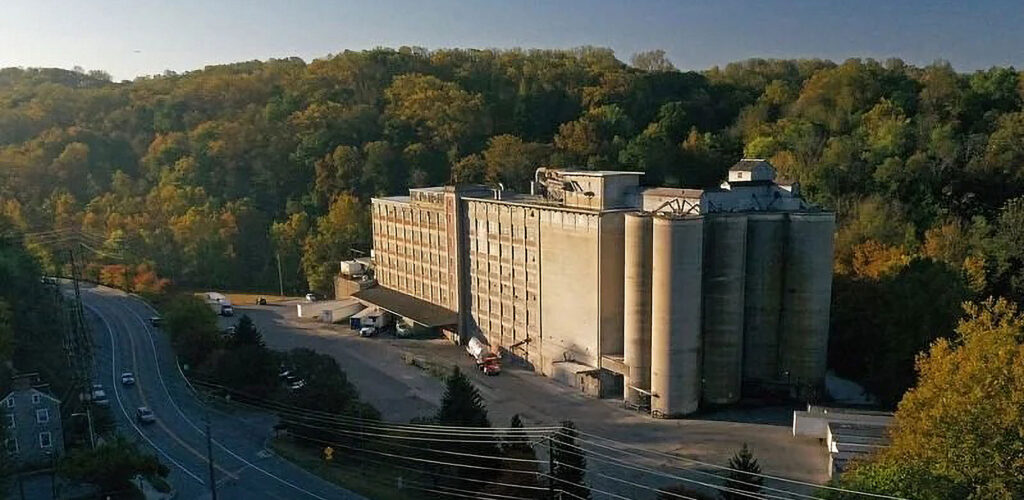
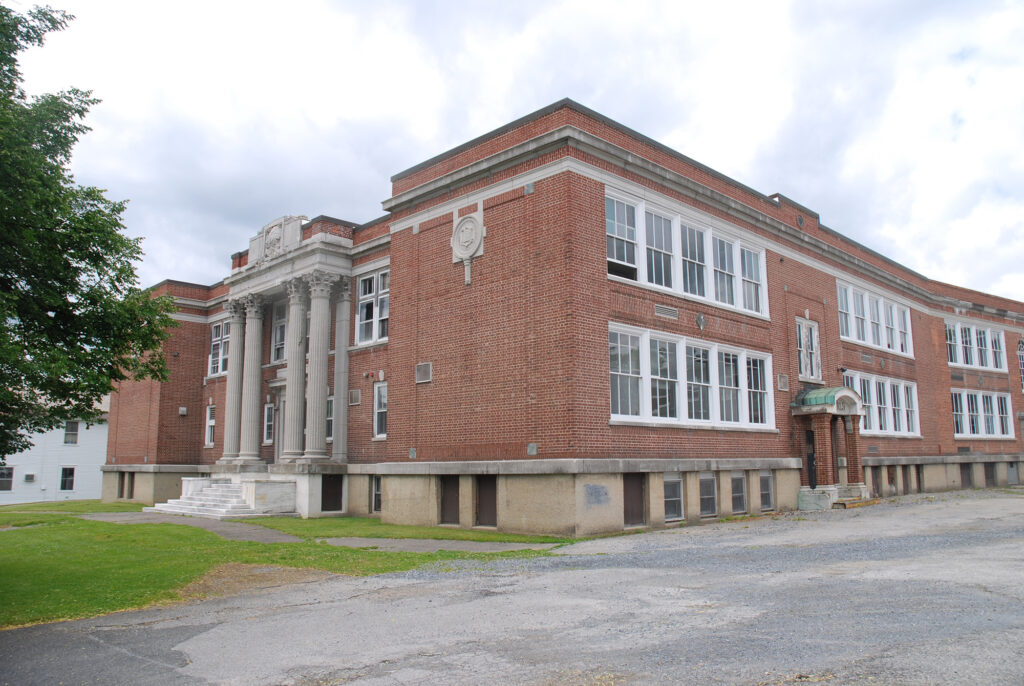

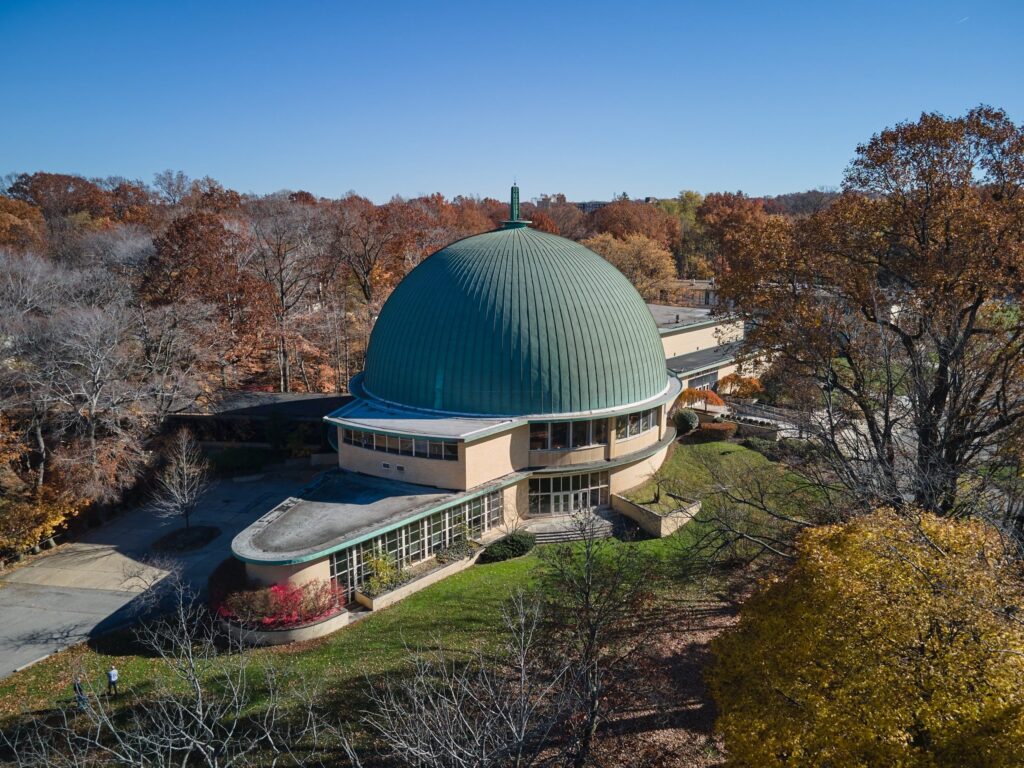
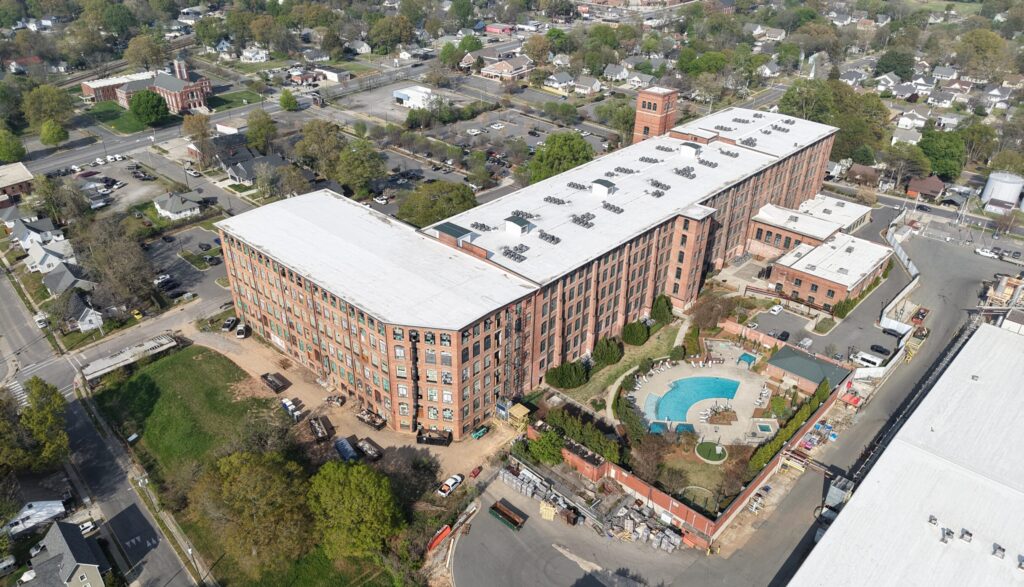
Washington D.C. – June 5, 2026: The National Trust Community Investment Corporation (NTCIC) and National Trust Energy Capital are pleased to announce the successful financial closing for the rehabilitation of Park Synagogue. This landmark investment marks the first time NTCIC and National Trust Energy Capital have provided tax credit financing within the same project.
The $52 million redevelopment of the nationally significant modern landmark, designed by architect Eric Mendelsohn, will transform the historic synagogue into a multitenant arts, education, and community campus while preserving one of the most important examples of modern religious architecture in the United States.
Completed in 1953, Park Synagogue was designed by world-renowned architect Eric Mendelsohn as a new home for the Anshe Emeth Beth Tefilo Congregation following the community’s move to Cleveland Heights after World War II. Conceived as a modern synagogue integrating worship, education, and community life, the building is widely regarded as one of the most important examples of modern religious architecture in the United States. Its iconic copper clad dome and sculptural concrete forms have made it a defining architectural and cultural presence for decades.
After the congregation established a new facility nearby in 2021, the historic building entered a new chapter, led by Sustainable Community Associates and the Friends of Mendelsohn, a development team committed to preserving Mendelsohn’s vision while reimagining the site for arts, education, and community use.
“We feel very fortunate to have NTCIC’s partnership on the restoration of Park Synagogue. It was an incredibly complicated project and required a very broad coalition of public, private and philanthropic supporters all working together. NTCIC was critical to those efforts.”
The rehabilitation of the 70,000 square foot Park Synagogue transforms a former single congregation house of worship into a multitenant arts, education, and community campus while preserving its most significant historic spaces. The restored building will host Oberlin College’s satellite practicing arts program, Park Arts performance and educational spaces, and Colorful Minds Studio, expanding access to education, cultural programming, and community services.
The sanctuary and chapel are preserved for religious observance and lifecycle events, maintaining continuity with the building’s original purpose. The vision for the project reimagines and extends Mendelsohn’s original center for education and community, building on the congregation’s legacy of social engagement by opening the site to broader public use while preserving a place for Jewish life.
Park Arts will operate the worship and assembly spaces as performance, event, and community venues, including the historic sanctuary, ballroom, Miller Chapel, library, and select classroom and performance areas. Oberlin College will establish a satellite campus for the Bachelor of Fine Arts portion of its BA/BFA double degree program, continuing the building’s historic educational function.
The project also includes Colorful Minds Studio, which will provide arts programming for adults with developmental disabilities, supporting creative expression, inclusion, and community connection through structured artmaking.
The rehabilitation enhances both the building and its surrounding 28‑acre campus, improving public access and long‑term environmental performance. Site improvements include new walking trails and a footbridge across the ravine, expanding access to the landscape surrounding the synagogue.
The project incorporates a geothermal heating and cooling system and major improvements to the building’s thermal envelope, reducing energy use while supporting the long‑term preservation of this nationally significant historic structure.
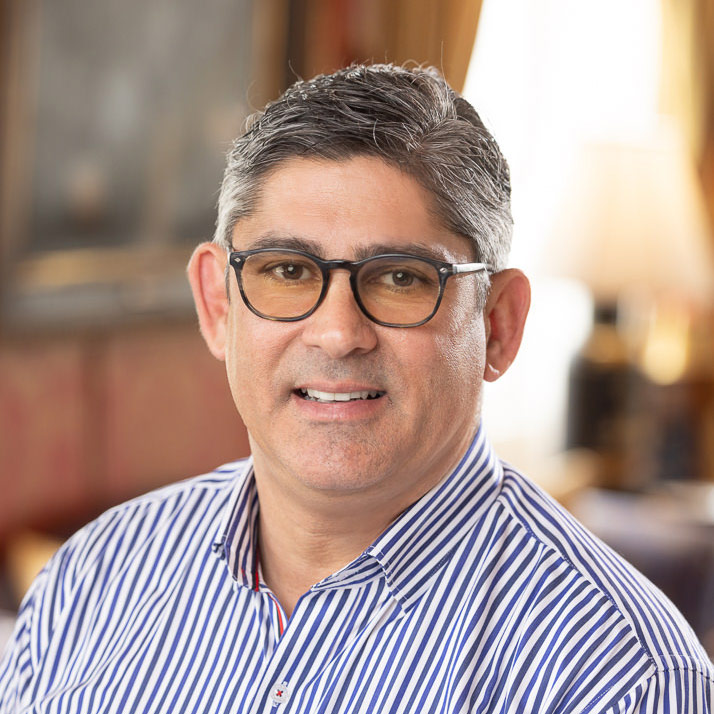
“Historic preservation is inherently sustainable, and the revitalization of Park Synagogue demonstrates how reinvesting in existing buildings can reduce environmental impact while extending their life. By pairing preservation with modern energy efficient systems, the project shows how sustainable practices and historic rehabilitation can work together to support long-term community and environmental outcomes.”
NTCIC supported the redevelopment of Park Synagogue by providing an equity investment in the $16 million in combined Federal and Ohio State Historic Tax Credits generated through the preservation and rehabilitation of the landmark. In addition, National Trust Energy Capital, a subsidiary of NTCIC, financed the $6.0 million in Investment Tax Credits generated by the project’s geothermal energy system.
The National Trust Community Investment Corporation (NTCIC), a subsidiary of the National Trust for Historic Preservation, is a mission-driven, impact investment asset management firm focused on the adaptive reuse of historic properties and renewable energy solutions across the country. Founded in 2000, NTCIC makes transformational impact investments in low-income & disinvested communities, promoting a brighter, more equitable future by revitalizing historic properties and expanding our nation’s renewable energy accessibility through innovative community development & tax credit investment strategies.
National Trust Energy Capital is an energy tax credit investment and asset management firm with more than a decade of experience connecting investors and developers. Building on a strong foundation in solar, National Trust Energy Capital works across a broad range of energy technologies and tax credit possibilities, helping investors identify strong opportunities and developers secure reliable capital in a changing policy and market environment. National Trust Energy Capital specializes in community solar, energy storage, and projects serving low-income households or located in historically underserved areas.
Hosted by the Historic Tax Credit Coalition, join us in DC for HTC Lobby Day to voice support for HTC provisions to be included in tax legislation. In addition to setting up meetings on your behalf and providing educational materials and maps, the Coalition will be hosting a mid-morning breakfast briefing before heading to Capitol Hill.
Contact Michael Phillips for More Information Below
Hosted by Preservation Action and the National Conference of State Historic Preservation Officers, Advocacy Week 2026 will feature new in-depth preservation policy trainings and briefings, member and partner meetings, exciting tours, networking opportunities, and of course congressional office visits.
Hear from NTCIC’s own Mike Phillips and learn how to best advocate for the historic tax credit.
Your advocacy has an impact! This is a critical time for historic preservation, and we need your voice as we advocate for the critical programs and policies the help preserve our nation’s historic resources.
Click here to view Preservation Action’s Advocacy Week 2026 Digital Materials
As Congress prepares for a major tax policy overhaul in 2025, the urgency to address expiring tax provisions from the 2017 Tax Cuts and Jobs Act increases. Despite delays, the upcoming legislative session will be crucial for major tax decisions affecting individuals and corporations.
This year, we are thrilled to join our advocacy partners in several upcoming HTC advocacy events and opportunities to learn more about state historic preservation incentives and priorities. These events will provide you with the latest information on the HTC legislation and equip you with the necessary knowledge to engage with legislators and advocate for the bill’s passage.
Get ready to be inspired, informed, and energized as we work together to secure crucial support for this initiative. Don’t miss out on the chance to refresh your knowledge and align your talking points as we embark on this exciting journey toward historic preservation. Let’s make history together by supporting this critical piece of legislation!
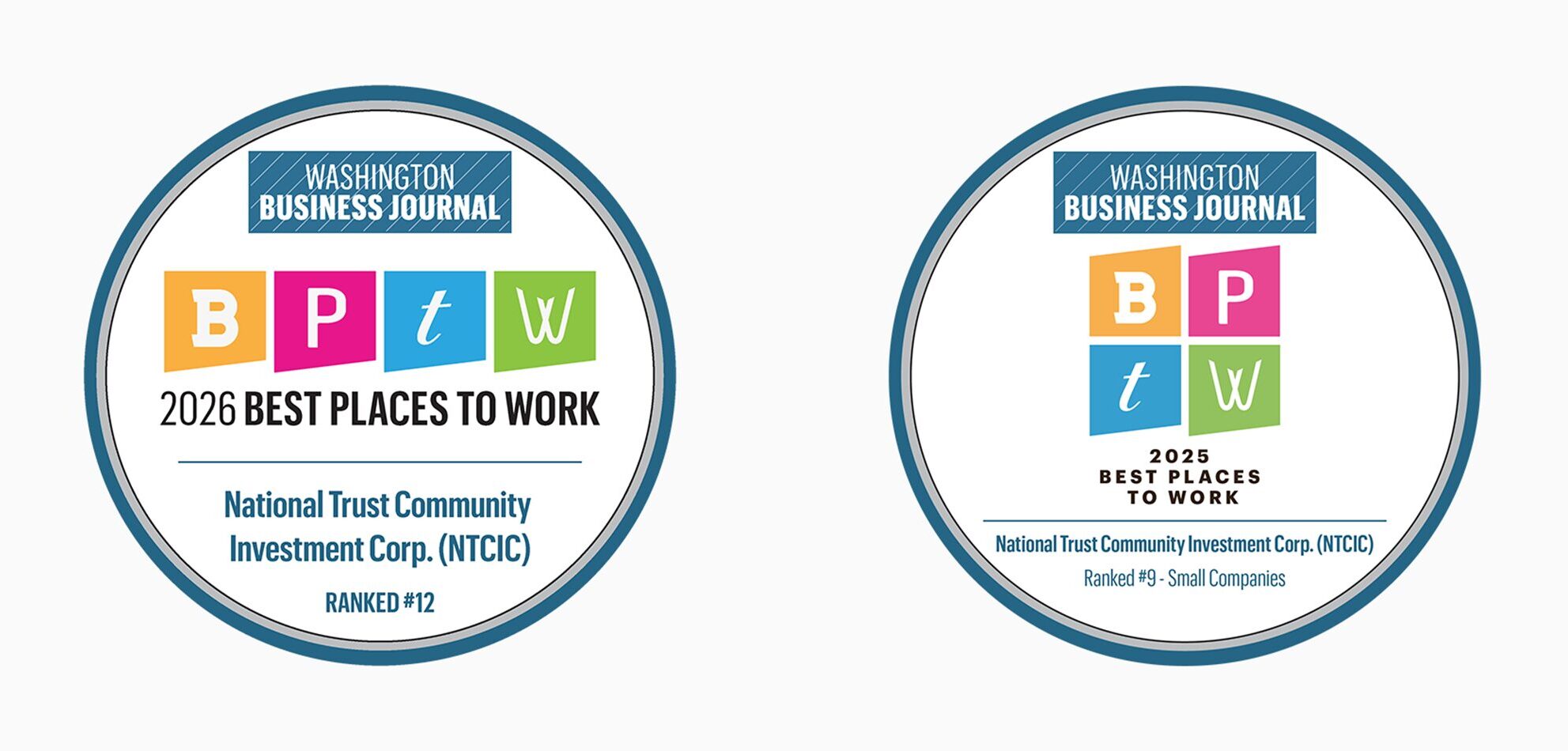
Washington D.C. – June 2, 2026: We’re proud to announce that for the second year in a row, the National Trust Community Investment Corporation (NTCIC) has been honored as one of DC’s Best Places to Work. This year, NTCIC was ranked number 12 in the Small Company Category.
“Being recognized as one of DC’s Best Places to Work is meaningful because it validates something we have long believed: strong culture and strong performance are not competing priorities. They reinforce one another,” said NTCIC President & CEO, David Clower.
NTCIC is a proud member of the National Trust family of companies, and our employees are directly connected to meaningful work that supports the country’s architectural heritage, community development, and renewable energy initiatives. As one of the most active impact investment and asset management firms in America, our staff sees the tangible impact of their investments every day, and that sense of purpose matters.

“Our organizational culture and core values help us attract exceptional talent, navigate uncertainty, and deliver consistent results for investors, communities, and the National Trust. This recognition reflects the character of our team and the values we strive to live by every day.”
We’ve been a fully flexible and hybrid organization for years, which gives employees real opportunities in where and how they work. We maintain strong collaboration through regular virtual touchpoints and twice-yearly in-person retreats. This model lets us hire talent from across the country and genuinely support work-life balance. We also offer a strong benefits package including retirement match, comprehensive health coverage, and generous paid time off including a company-wide summer break. We invest in our people through structured onboarding, professional development support, and a real commitment to promoting from within.
Ultimately, we pride ourselves on being a company that intentionally seeks purpose-driven individuals who are passionate about creating lasting change. Our staff thrives in a collaborative environment where everyone feels empowered to bring bold ideas to the table and remains committed to excellence in everything. We prioritize taking care of each other, and to be recognized two years running as one of DC’s Best Places to Work is an honor.
The National Trust Community Investment Corporation (NTCIC), a subsidiary of the National Trust for Historic Preservation, is a mission-driven, impact investment asset management firm focused on the adaptive reuse of historic properties and renewable energy solutions across the country. Founded in 2000, NTCIC makes transformational impact investments in low-income & disinvested communities, promoting a brighter, more equitable future by revitalizing historic properties and expanding our nation’s renewable energy accessibility through innovative community development & tax credit investment strategies.
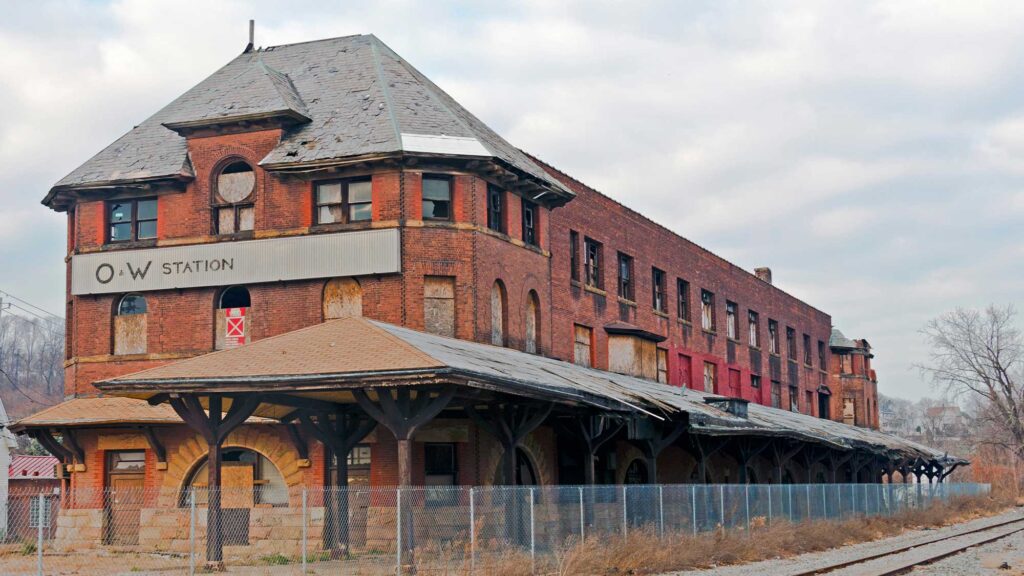
Washington D.C. – May 18, 2026: The National Trust Community Investment Corporation (NTCIC) is proud to announce the successful closing of financing for the redevelopment of the historic Ontario & Western Railway Station in Middletown, New York. The $44.8 million project will transform the long vacant landmark into a modern Head Start early childhood education and family services facility operated by the Regional Economic Community Action Program (RECAP), a private not-for-profit established in 1965 and designated as the anti-poverty agency in Orange County.
Revitalizing a Railway Relic
Constructed in 1892, the New York, Ontario & Western Railway Station is one of Middletown’s most prominent historic landmarks. For more than sixty years, the Station served as a major economic and civic anchor for Middletown, operating as both a passenger terminal and the operational hub of the Ontario & Western Railway. Even after rail service ended in 1957, the building continued to serve Middletown through a series of adaptive uses before falling vacant following a fire in 2004. Despite years of disuse, the station has remained a powerful symbol of Middletown’s working history and its longstanding connection to regional economic life.

“The O&W Project perfectly encapsulates the City of Middletown’s values and what we have been working to achieve: providing for our residents while preserving our history. Like the O&W Building, RECAP has been a staple in our community for decades, and we are proud to work with them as a partner on this project. We are celebrating our past while looking towards the future – which, of course, starts with our children.”
Head Start at the Station
Upon completion, the former railway station will reopen as a permanent home for Head Start and other childcare services operated by RECAP, bringing together programming currently offered across two leased locations within active churches. Today, RECAP serves 137 Head Start children in these community based settings. The project will relocate and expand this programming into a single, purpose built facility, allowing RECAP to enhance its learning environments, better align space with program needs, and increase capacity to serve more children and families.
The redeveloped building will support expanded enrollment, increasing preschool capacity for children ages 3–5 to nearly 150 children annually, while adding new programs serving infants and toddlers ages 6 weeks to 3 years and children ages 5 and older. The new facility will allow 100% full-day Head Start programming, compared to current part-day limitations, and will provide all enrolled children with additional services, including mental health support, vision and health screenings, developmental screenings, and early childhood substance abuse prevention. The project will also expand adult education and asset building services for families and support 54 fulltime equivalent jobs, with nearly all positions offering comprehensive benefits.

“The Ontario & Western Railway Station is an iconic building, and this redevelopment shows how historic preservation can support real community needs. The project pairs a thoughtful rehabilitation with a use that serves families every day, ensuring the building remains both relevant and active for generations to come.”
Financing Preservation
NTCIC provided a $5 million New Markets Tax Credit allocation, along with an equity investment in the $13 million in federal and state Historic Tax Credits generated by the rehabilitation. Additional NMTC allocation was provided by Empire State Development and the project was supported through robust local- and state-grant funds as well as a capital campaign, showcasing strong local support for the development.
By reactivating a long vacant historic landmark and expanding access to high-quality childcare in a designated childcare desert, the redevelopment of the Ontario & Western Railway Station strengthens early childhood outcomes, supports working families, and ensures this iconic building continues to serve Middletown for generations to come.
Learn more about the Ontario & Western Railway Station project here.
Washington, D.C., May 13, 2026— NTCIC is pleased to announce that Ross Williams has joined the NT Impact Capital team this summer as a 2026 Open Access Fellow. The Open Access Fellowship first launched in the Fall of 2021 as an initiative created by advocates in the New Markets Tax Credit (NMTC) industry to increase diversity representation in community development finance. NTCIC was a founding sponsor of the program and NTCIC’s President and CEO David Clower currently serves on the Open Access board of directors.
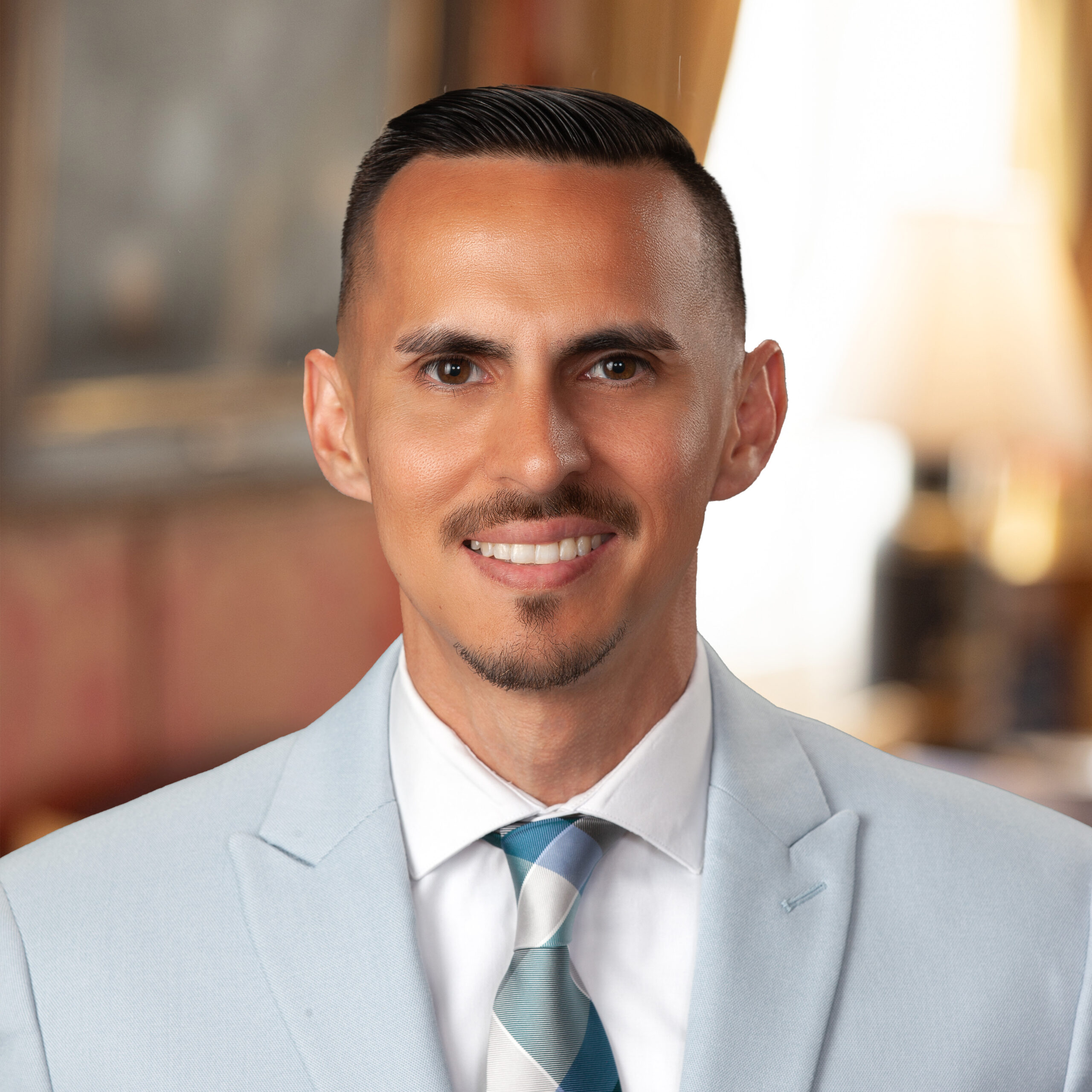
“We are thrilled to welcome Ross Williams to NTCIC as our 2026 Open Access Fellow during such a pivotal moment in the growth of our NT Impact Capital initiative. His analytical support will be integral as we finalize the strategic deployment of our new private credit launch.”
Ross is an MBA candidate at the University of Virginia Darden School of Business, graduating in May 2026, with eight years of experience across investment banking, corporate finance, and accounting. He has worked at Santander Corporate & Investment Banking, VO2 Partners, KPMG, BNY Mellon, and XP Investments, supporting M&A transactions, credit diligence, accounting, and portfolio analytics across healthcare, biopharma, and financial services. At Darden, Ross serves as CFO of Darden Capital Management and is a Public Service Scholar, MLT Fellow, and Generative AI Fellow.
He is the founder of Freedom Financial, a nonprofit focused on advancing financial literacy in underserved communities. Ross is passionate about deploying capital to drive economic mobility and is based in New York, NY.

“I’m looking forward to the entrepreneurial nature of this role and the chance to help build something from the ground up while learning from David, Adrian, and Laura. I am motivated by work like this that translates into real, positive impact for the communities we serve while remaining a sound financial move for investors and businesses alike.”
The National Trust Community Investment Corporation (NTCIC), a subsidiary of the National Trust for Historic Preservation, is a mission-driven, impact investment asset management firm focused on the adaptive reuse of historic properties and renewable energy solutions across the country. Founded in 2000, NTCIC makes transformational impact investments in low-income & disinvested communities, promoting a brighter, more equitable future by revitalizing historic properties and expanding our nation’s renewable energy accessibility through innovative community development & tax credit investment strategies.
NTCIC brings clear insight, deep experience, and strategic focus to every project, whether you're structuring complex capital or shaping long-term, legacy-driven development.