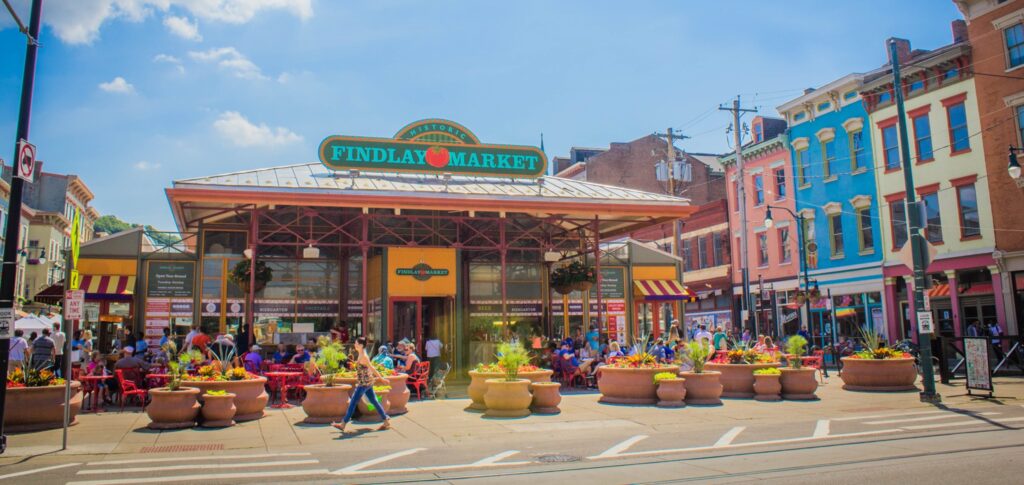
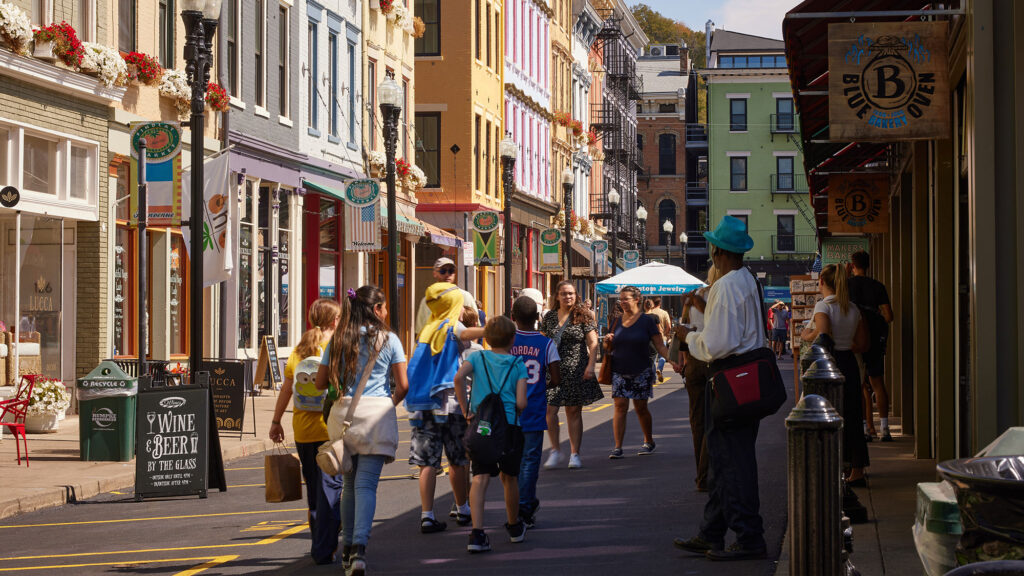
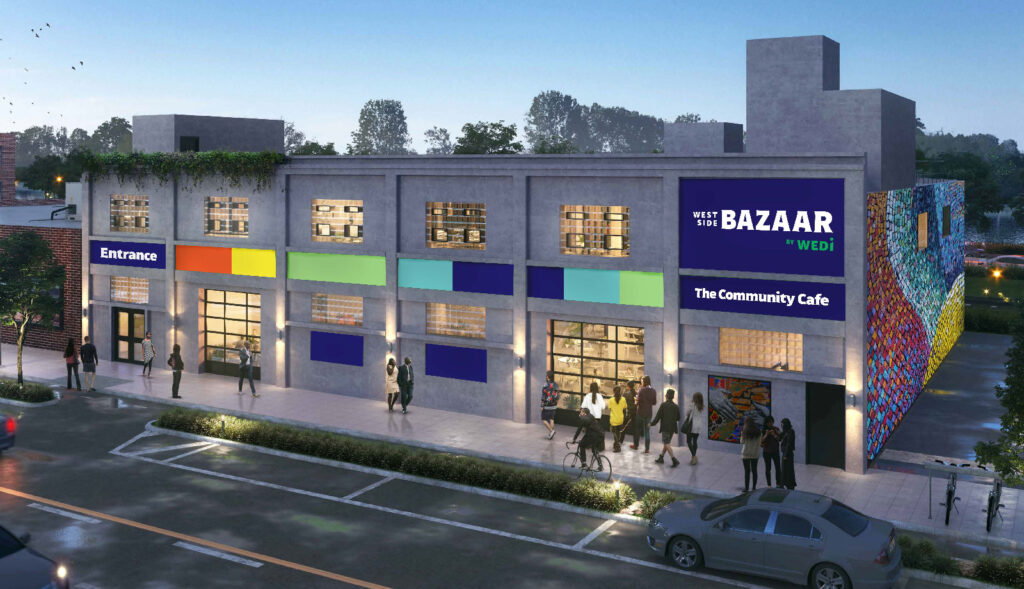
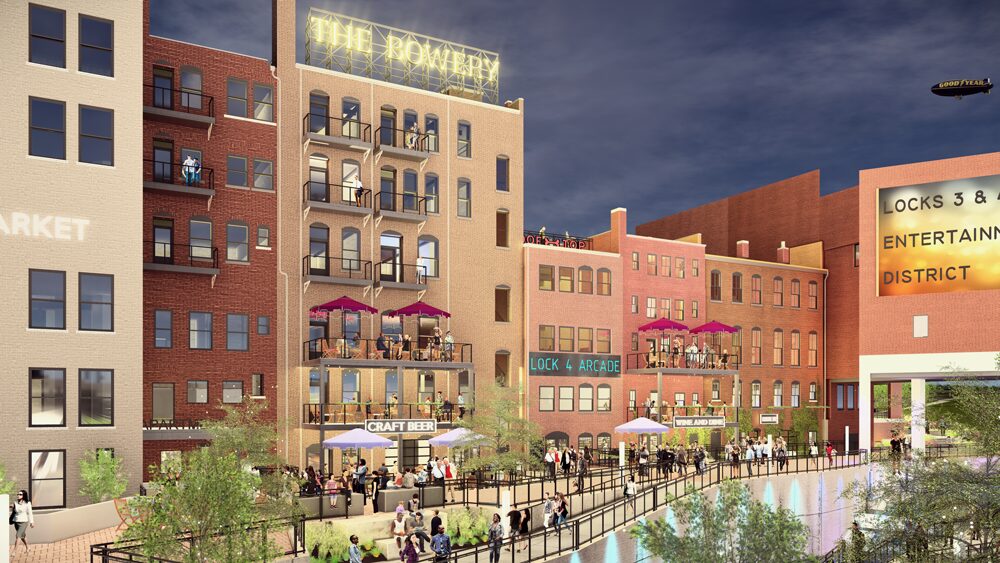
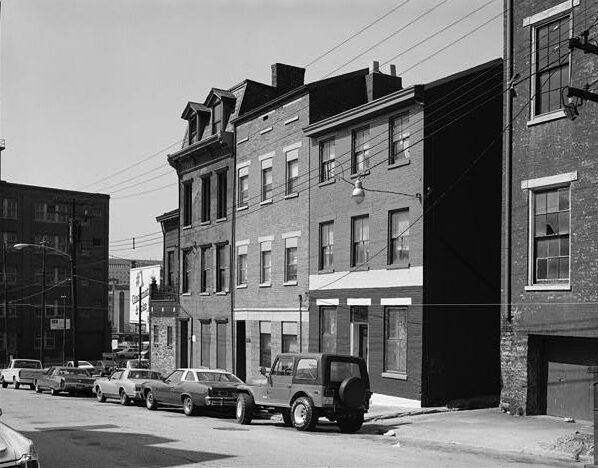
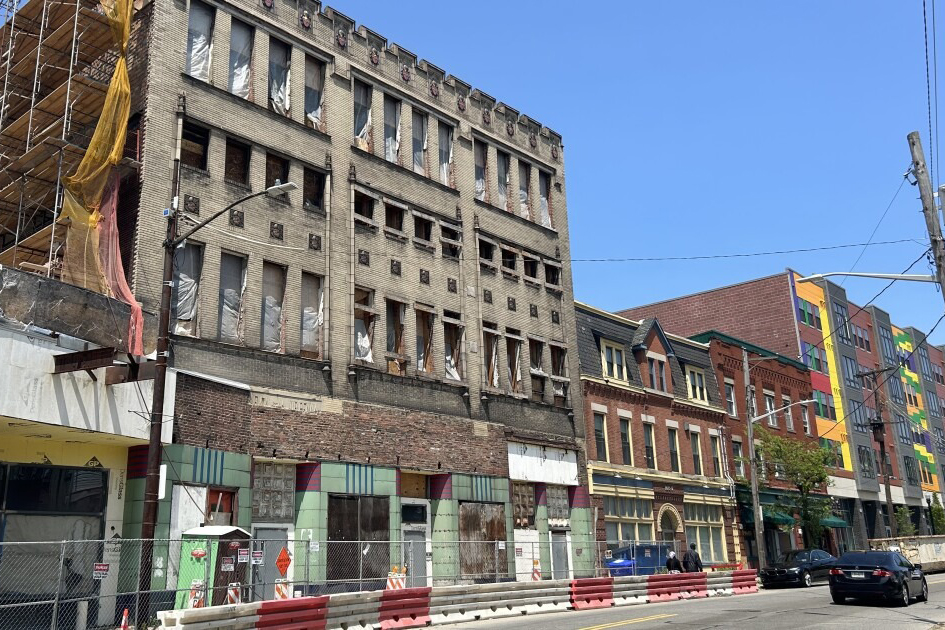
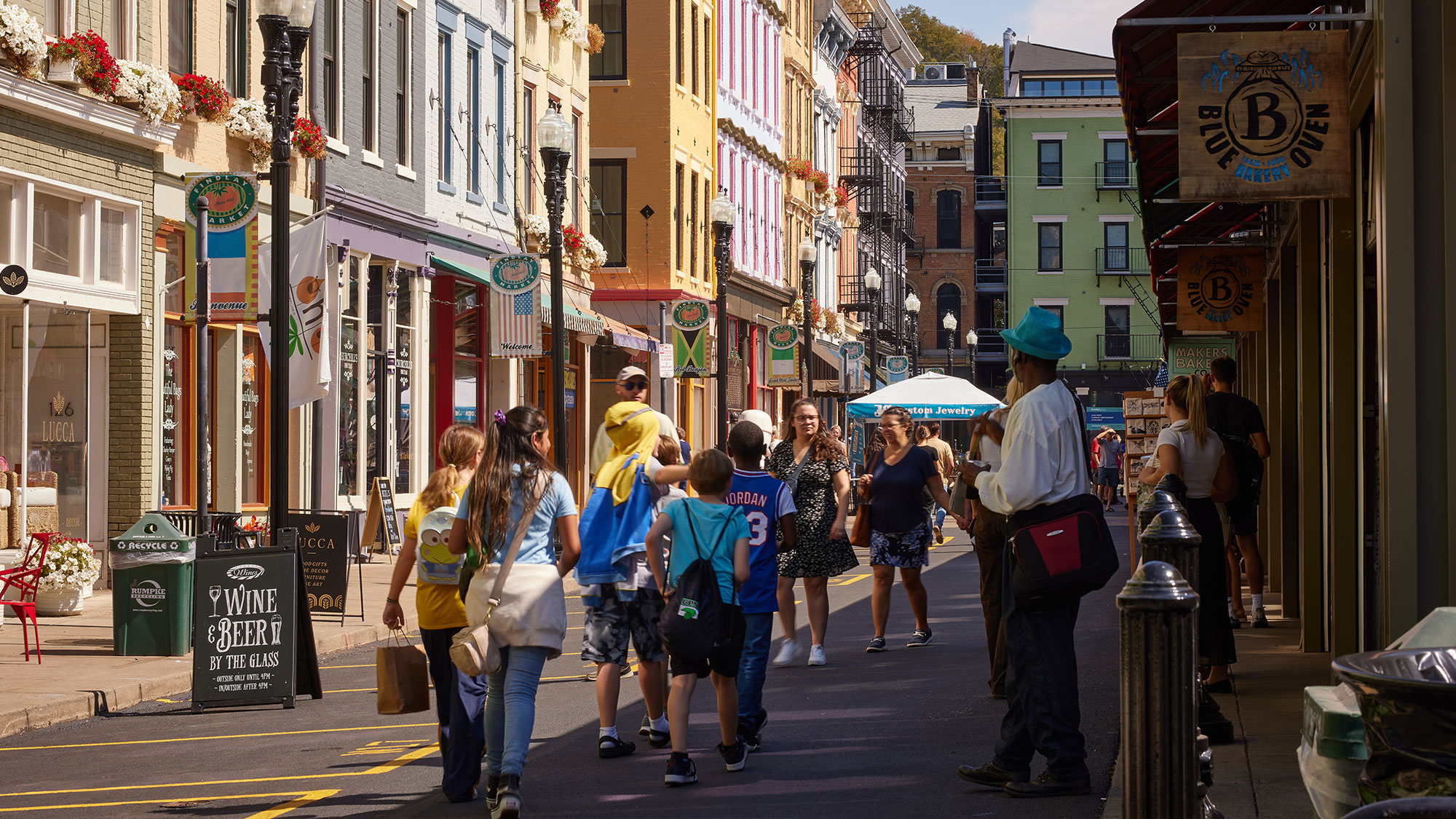
The Model Group, one of the most experienced developers in Cincinnati, led the transformation efforts of these historic scattered buildings into connective services that help nurture new businesses, grow the housing stock, and further revitalize the nearby Findlay Market. These transformations become the catalysts for or the continued momentum of broader neighborhood revitalization strategies.
The Model Group began acquiring the scattered historic properties over a two year period starting in 2014 with a vision of a vibrant, mixed-use, and mixed-income Market District anchored by Findlay Market, Ohio’s oldest continually operated public market.
Today, the Jobs Café project has created a mixture of nearly 70 mixed-income residential units, as well as an expansion on the greater Jobs Café at Findlay Market project, a social enterprise restaurant concept that provides job training and placement for restaurant industry positions.
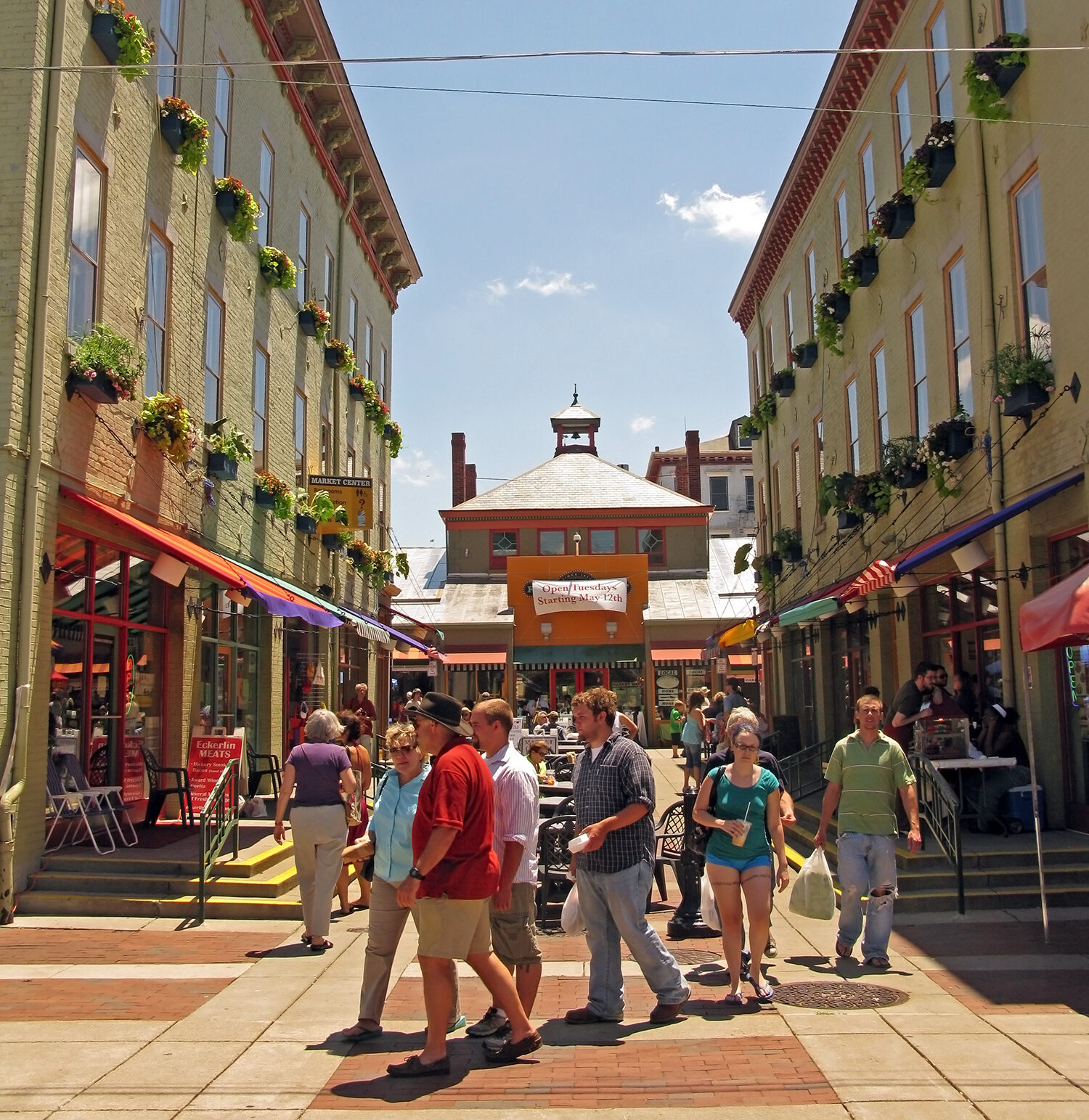
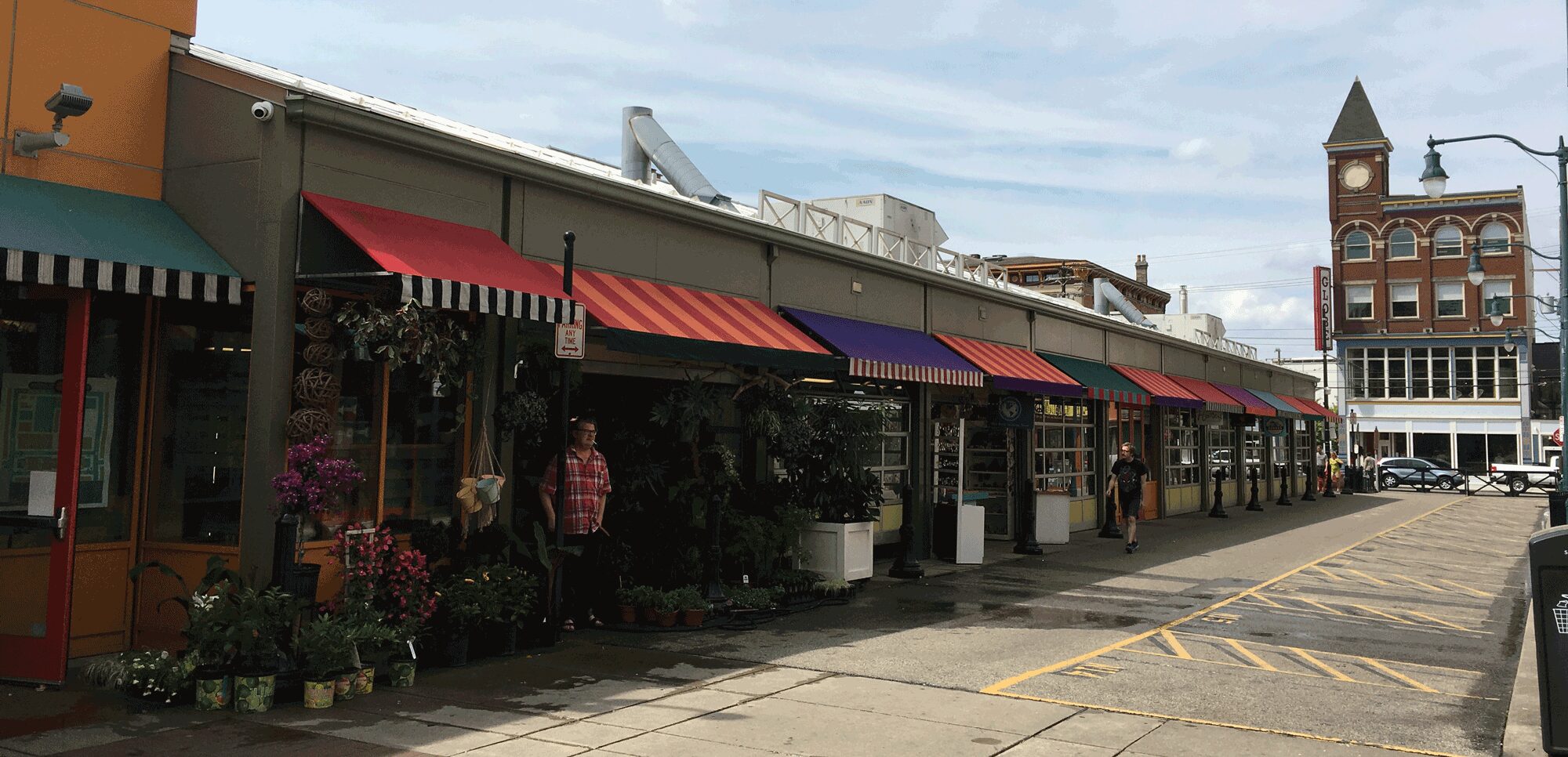
Several of the restored storefronts are leased back to graduates of the existing Findlay Kitchen incubator program at below-market rates, so small businesses can grow to scale and maintain their own street-facing storefronts.












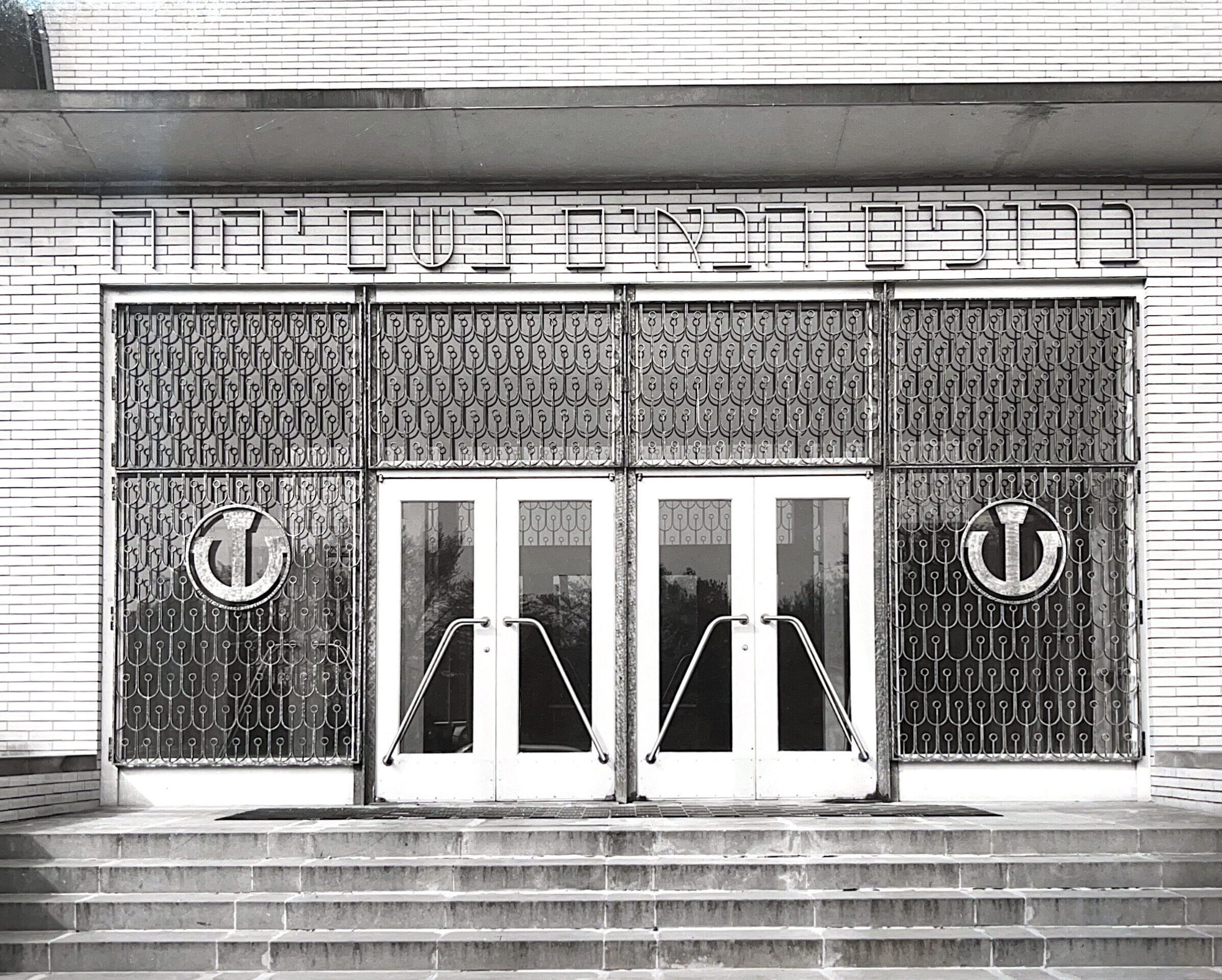
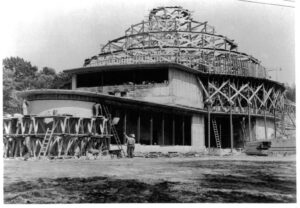 Park Synagogue was designed by world-renowned architect Eric Mendelsohn as a new home for the Anshe Emeth Beth Tefilo Congregation following the community’s move to Cleveland Heights after World War II. Conceived as a modern synagogue integrating worship, education, and community life, the building is widely regarded as one of the most important examples of modern religious architecture in the United States. Its iconic copper-clad dome and sculptural concrete forms reflect Mendelsohn’s Neo-Expressionist design philosophy. Park Synagogue served as the congregation’s primary place of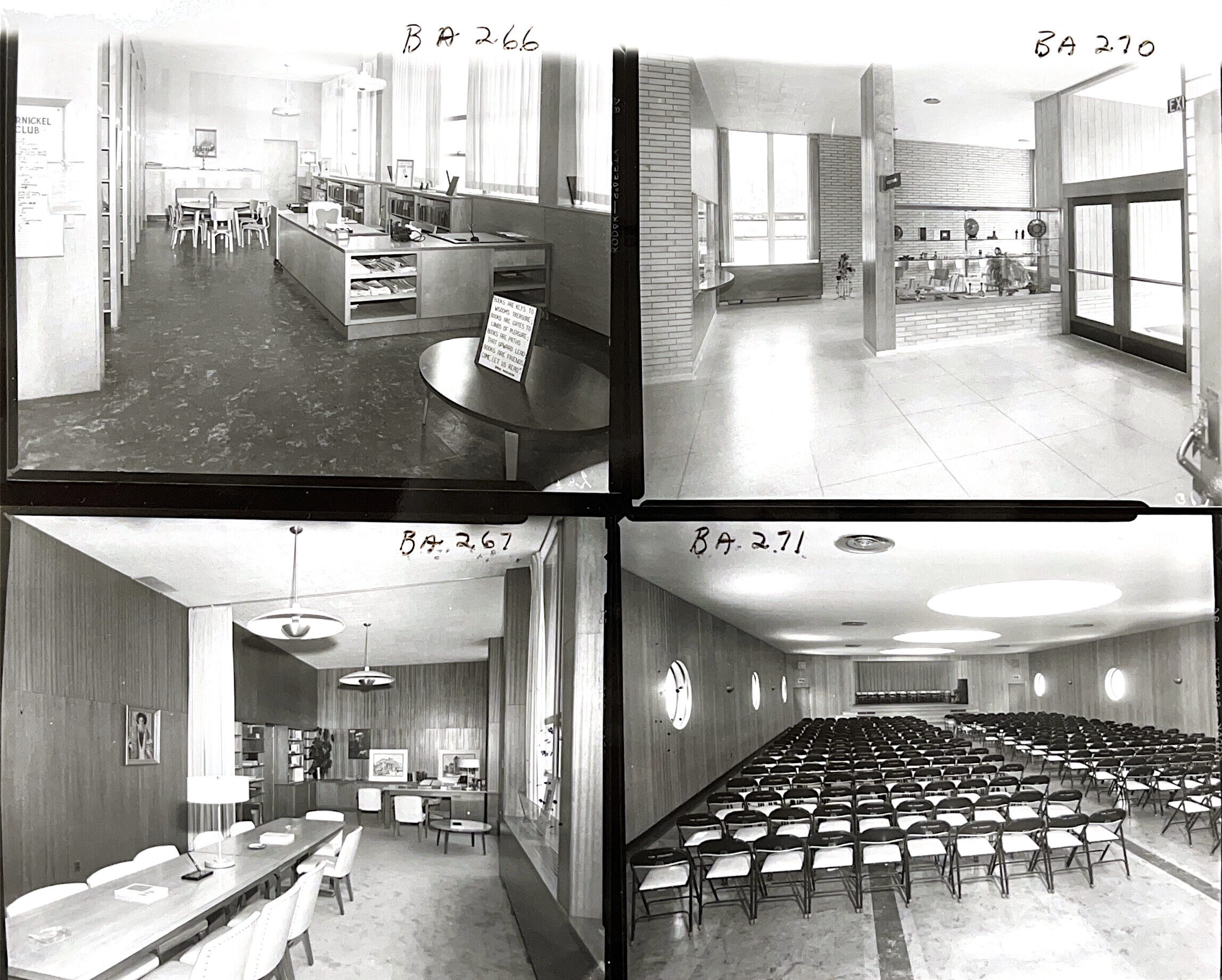


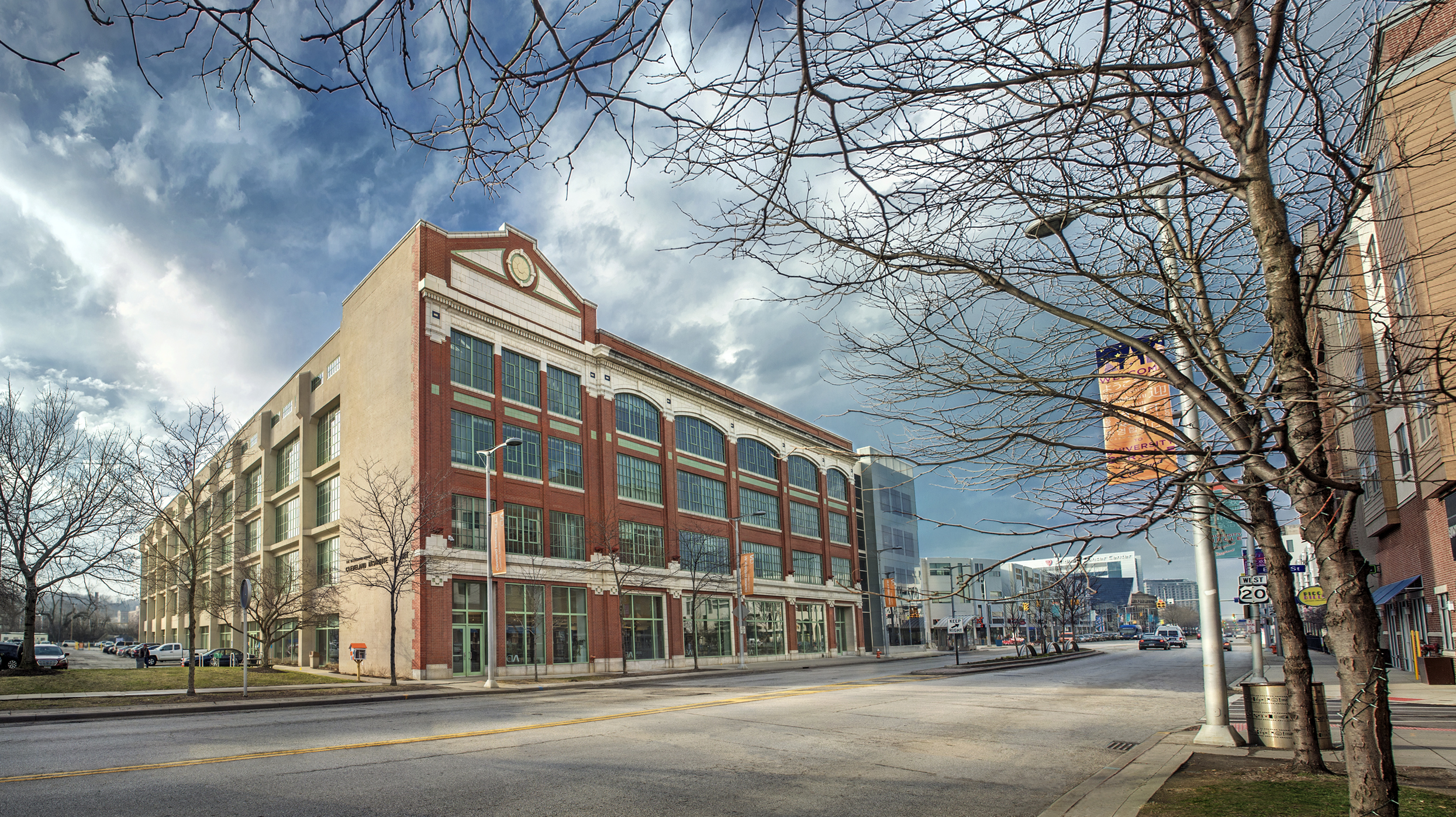
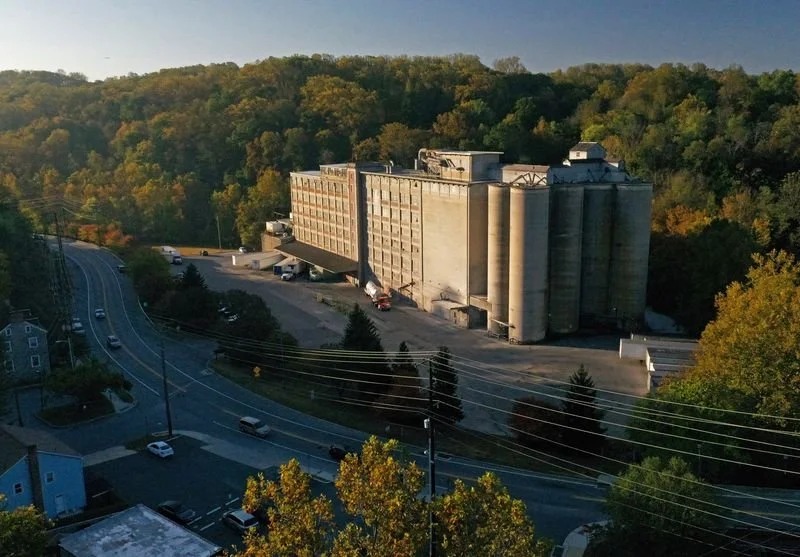
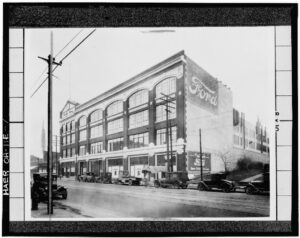 Designed by Albert Kahn, the famed “architect of Detroit,” the McCullough Center was Ford’s first assembly plant outside of the Motor City.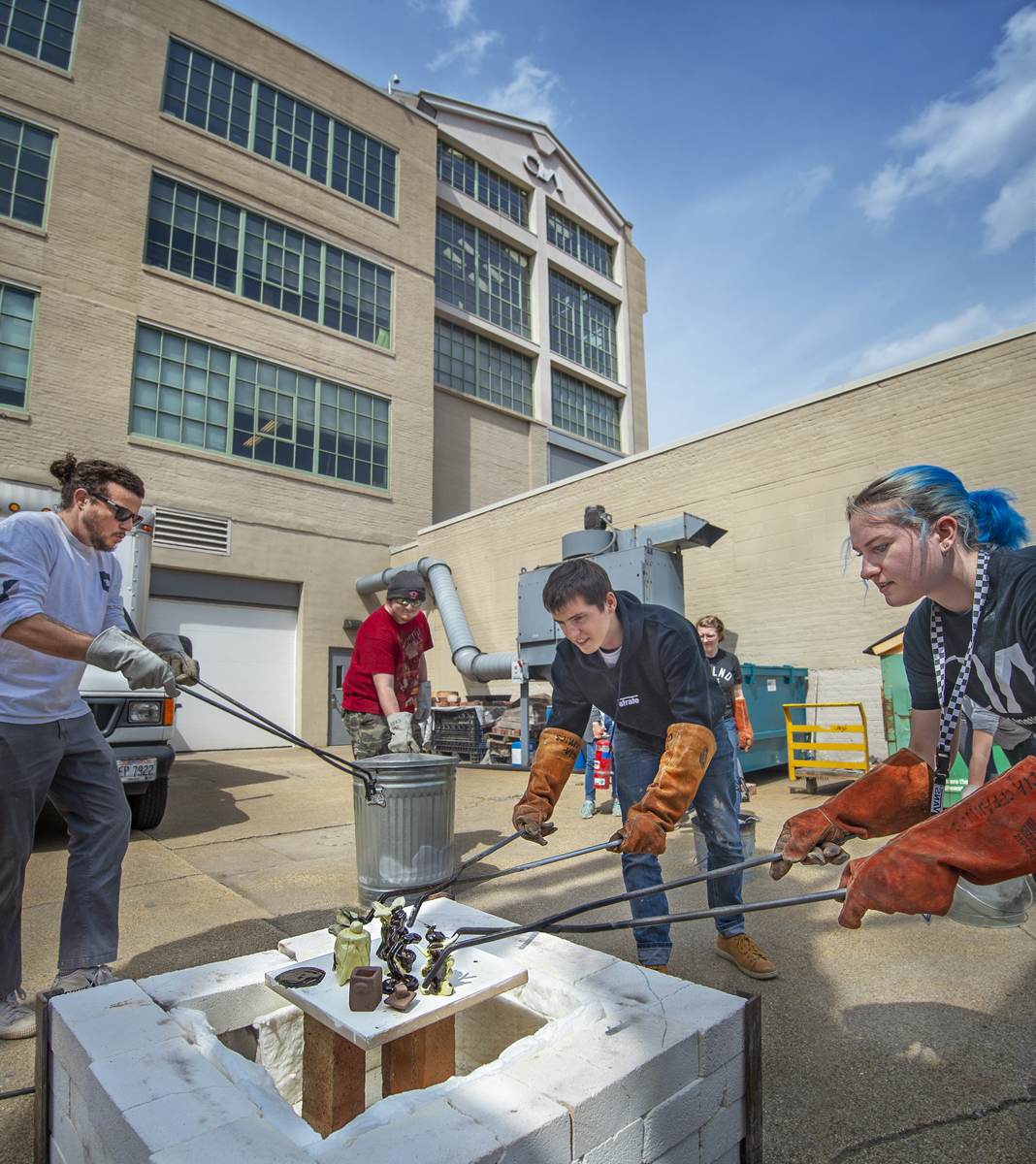
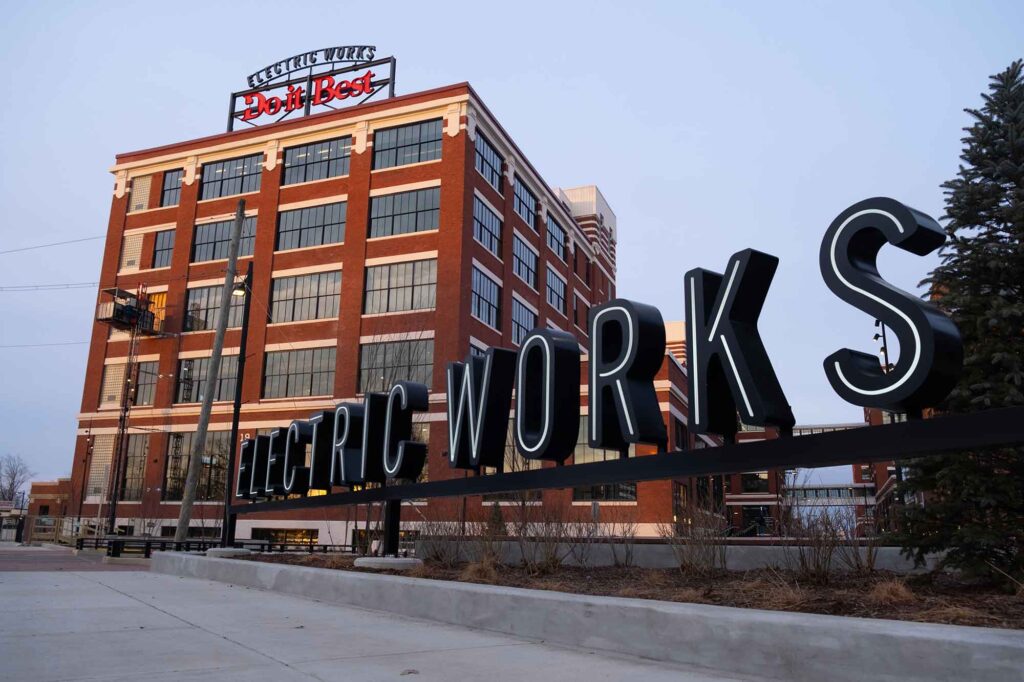
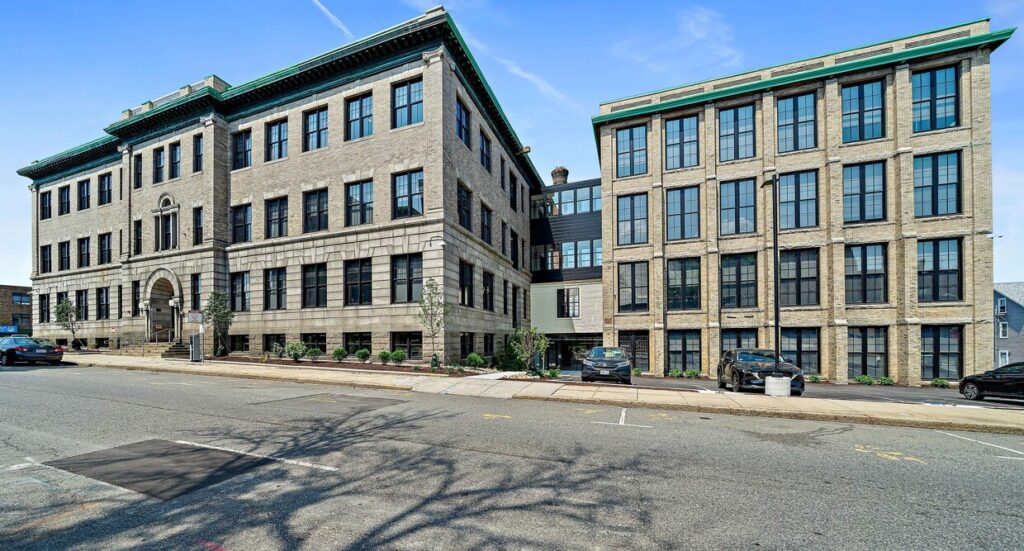
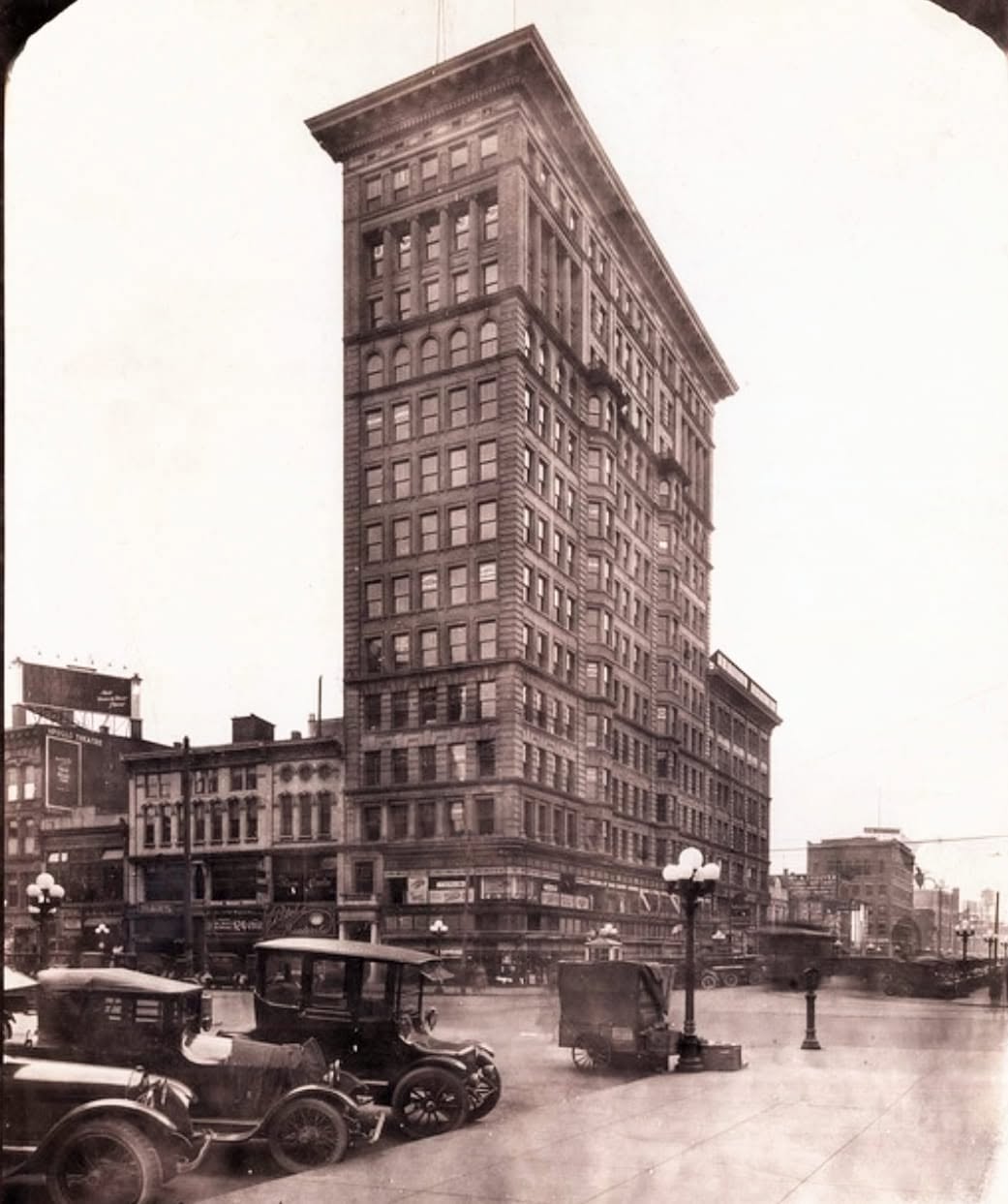
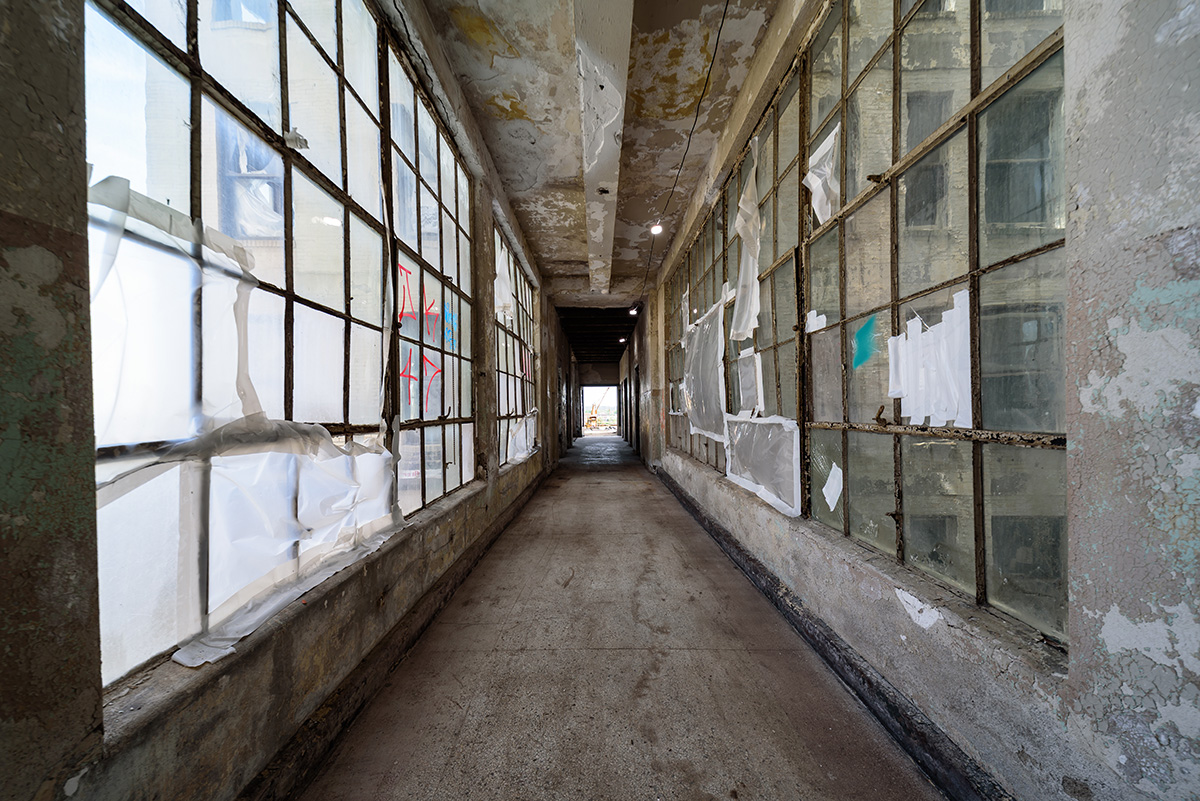
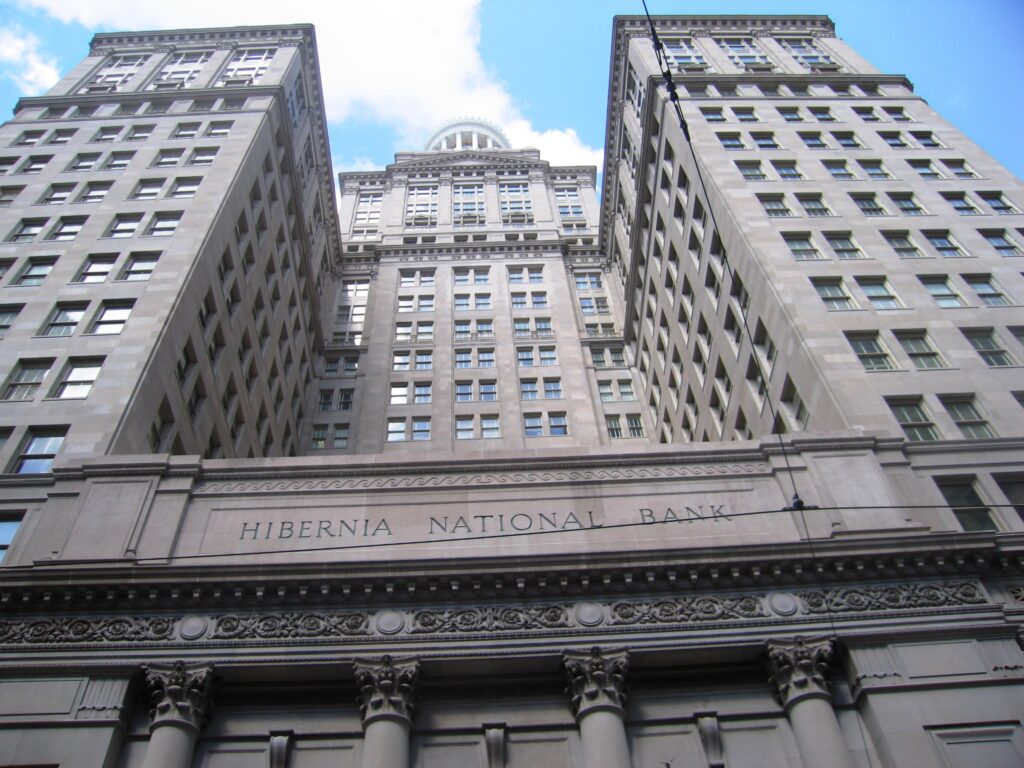
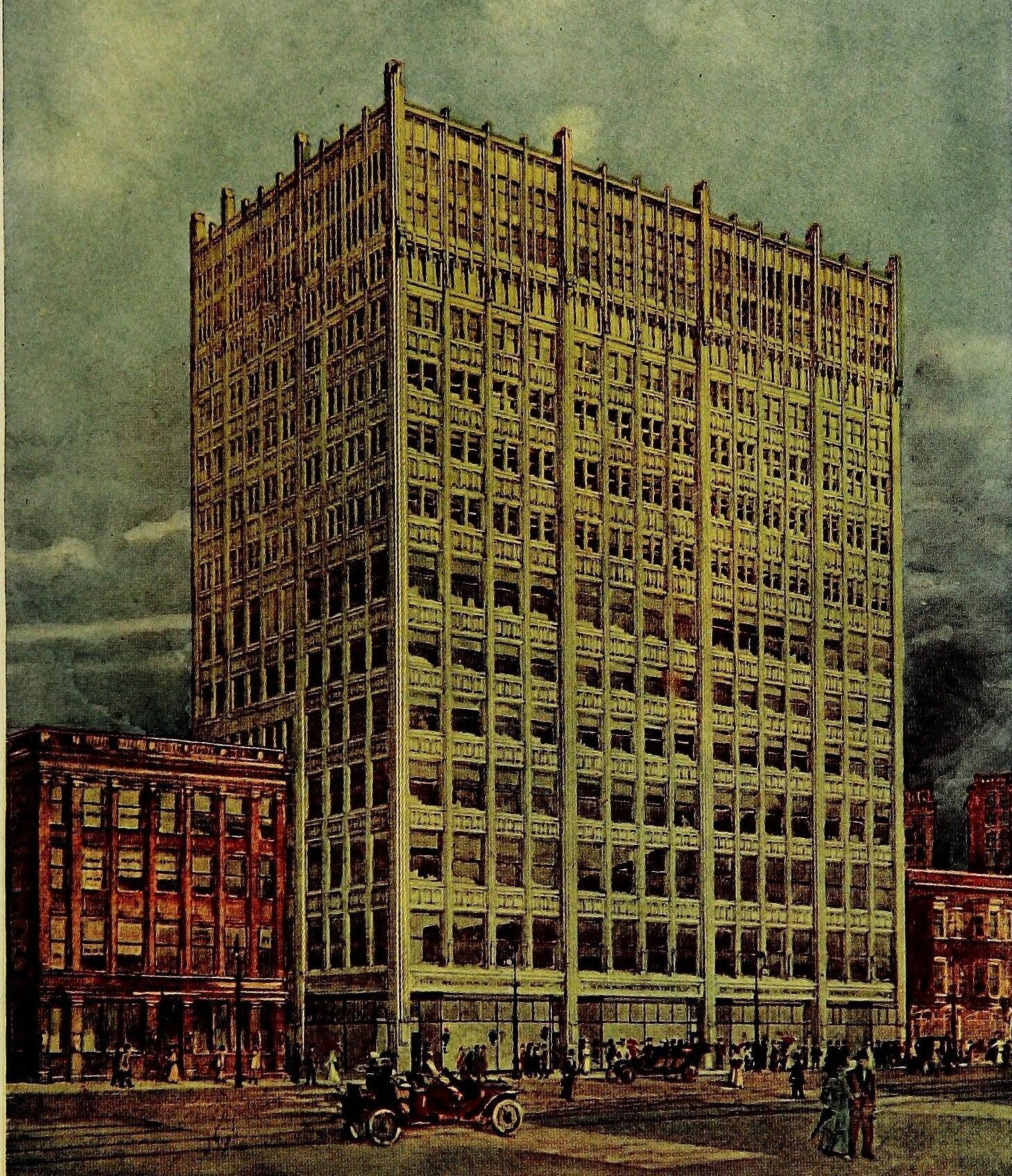
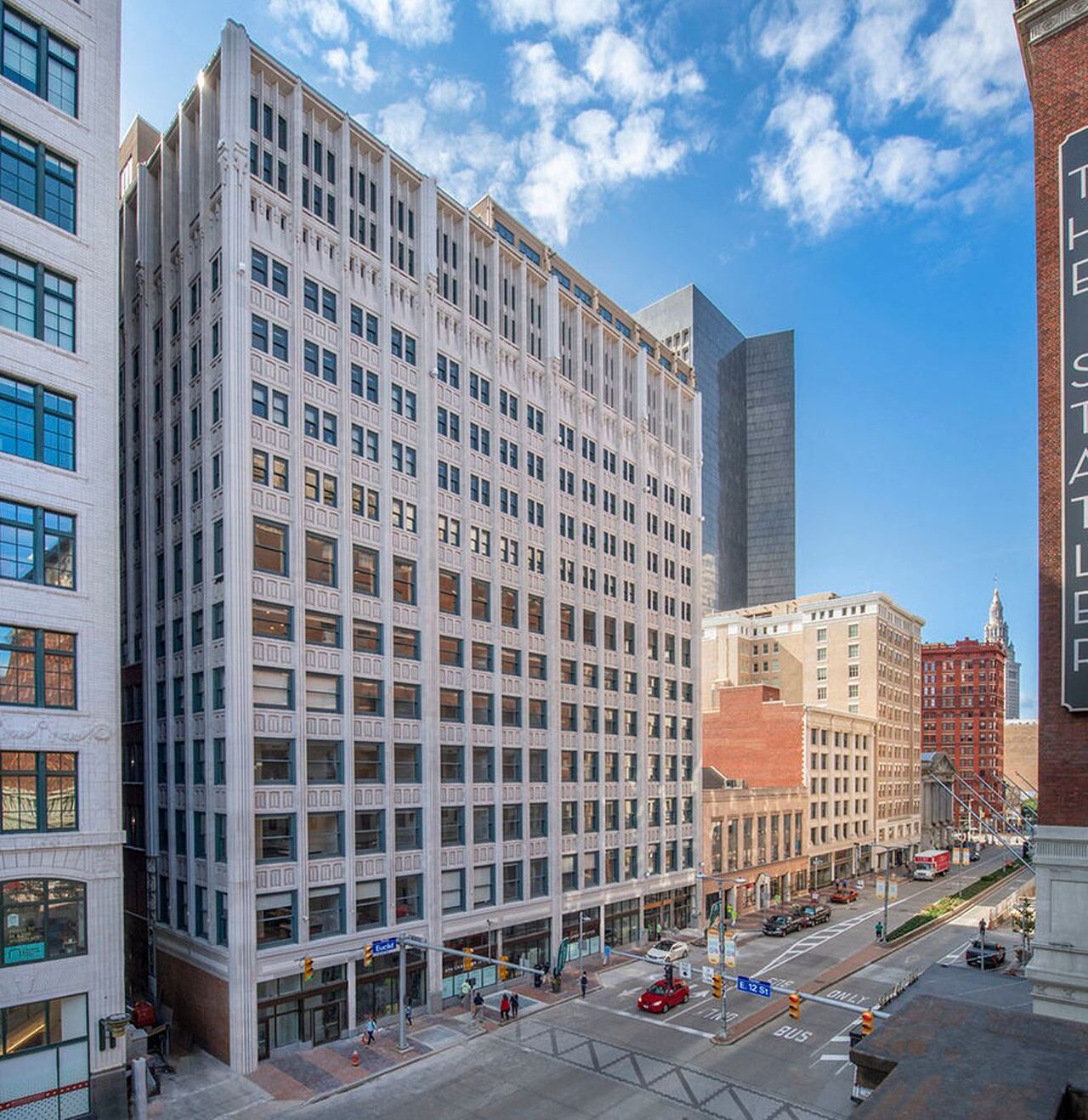
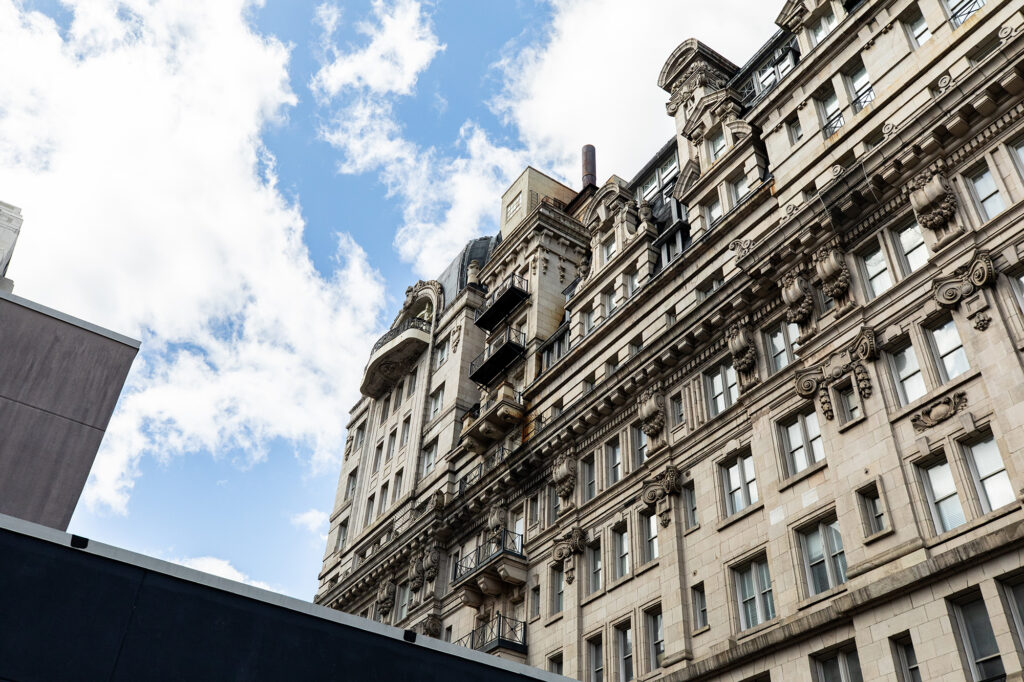
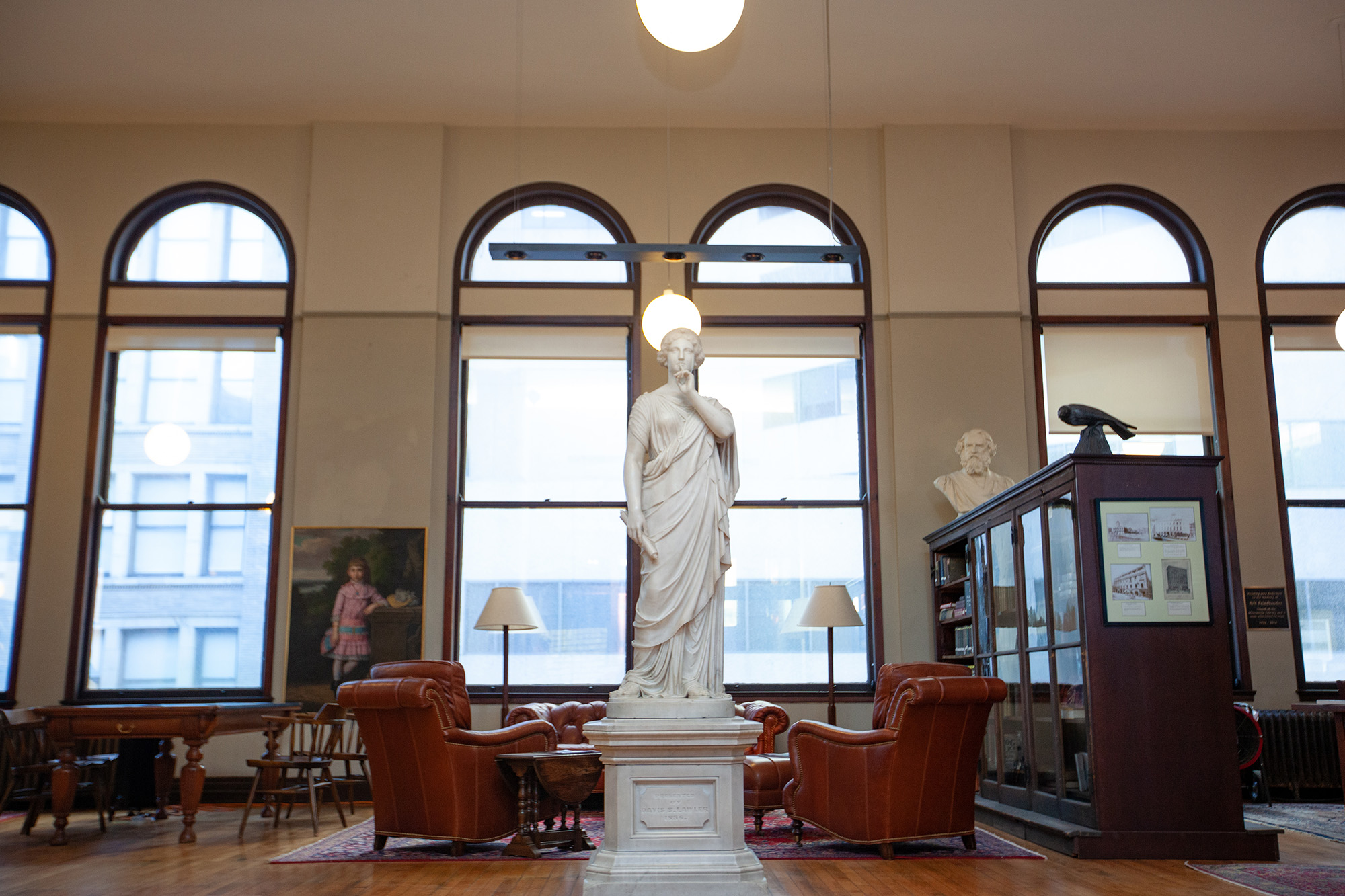
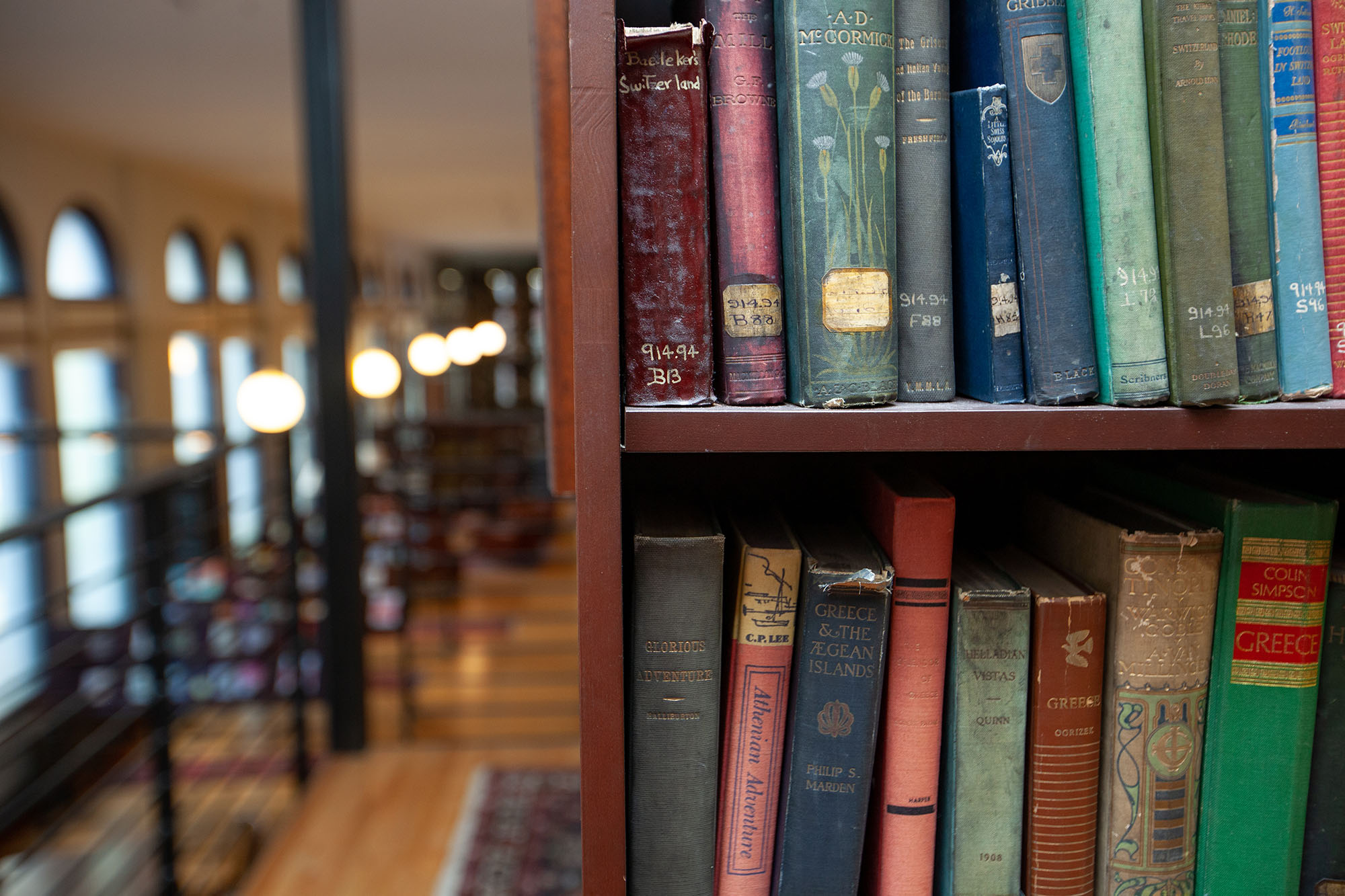
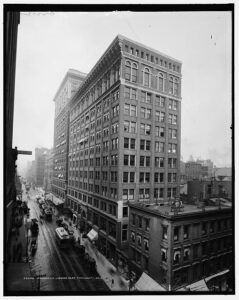 The Mercantile Library Building and the Formica Building have rich histories that are deeply intertwined with Cincinnati’s architectural and cultural heritage. The Mercantile Library was originally established in 1835 by a group of young men who pooled their resources to collect books, art, and host prominent speakers and authors. Over the years, the library has welcomed renowned figures such as Ralph Waldo Emerson, Herman Melville, and Harriet Beecher Stowe. As the collection grew to nearly 2,000 books, the need for a dedicated space led to the construction of the Mercantile Library Building at 414 Walnut Street in 1904. The building was designed by Joseph G. Steinkamp & Brother and was developed by Thomas Emery Sons, who contributed to the development of several skyscrapers in Downtown Cincinnati during the early 20th century. The building featured commercial space on the first floor and office space on the floors above. The 11th and a portion of the 12th floor were custom designed to house the Mercantile Library.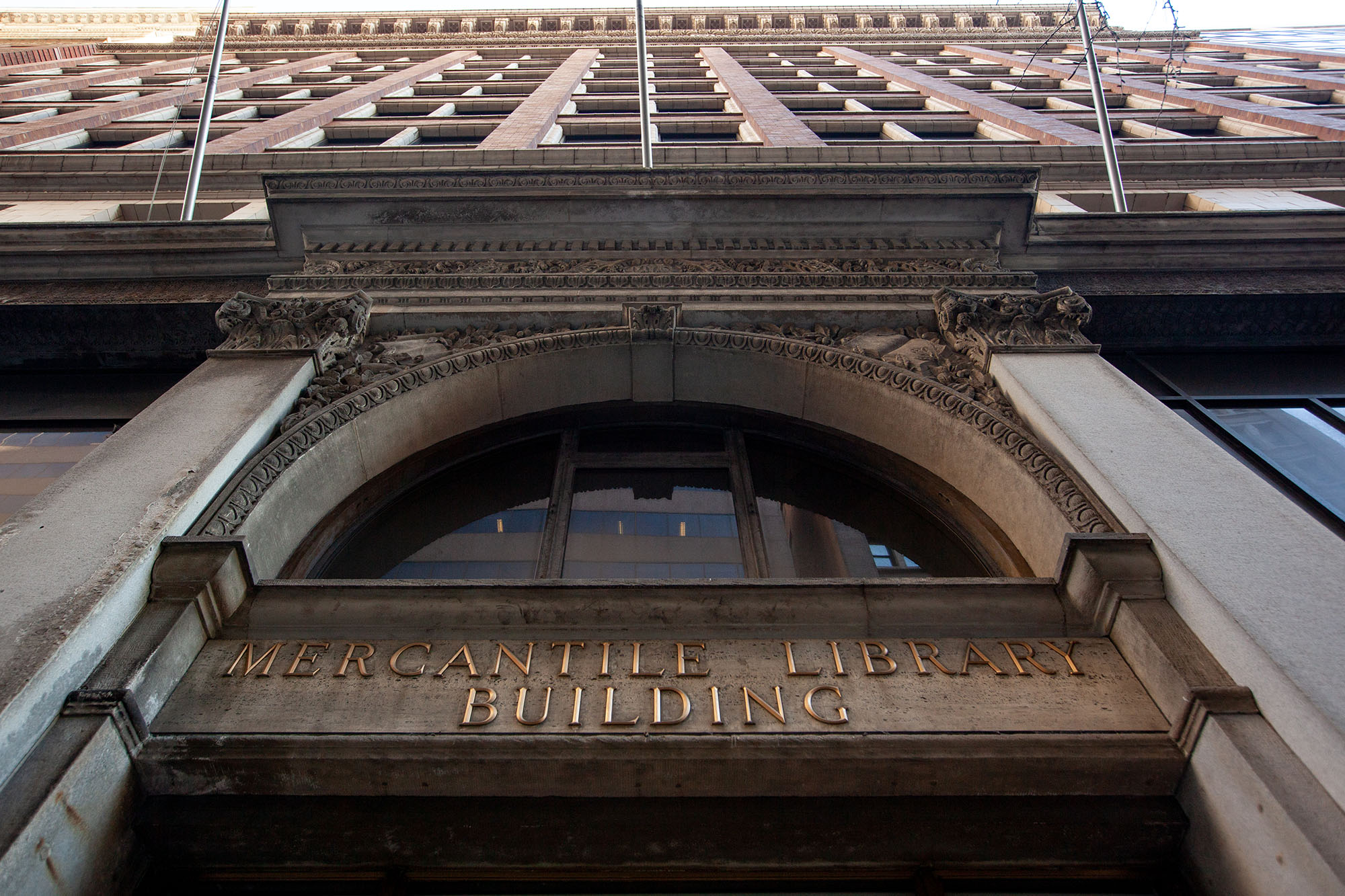
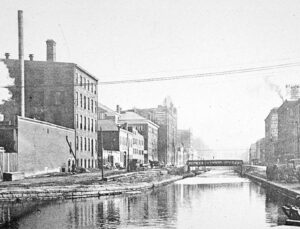 Findlay Parkside is located in the Over-the-Rhine (OTR) neighborhood in Cincinnati, OH, one of the largest and most intact urban historic districts in the United States. OTR lies just north of the Central Business District in Downtown Cincinnati, boasting low-rise Greek Revival, Italianate, and Queen Anne brick buildings, primarily constructed by German immigrants in the mid-1800s. Among the neighborhood’s most notable attractions is the Findlay Market, the oldest and only surviving municipal market house in Cincinnati, which operates year-round and houses over three dozen indoor merchants offering a wide array of goods.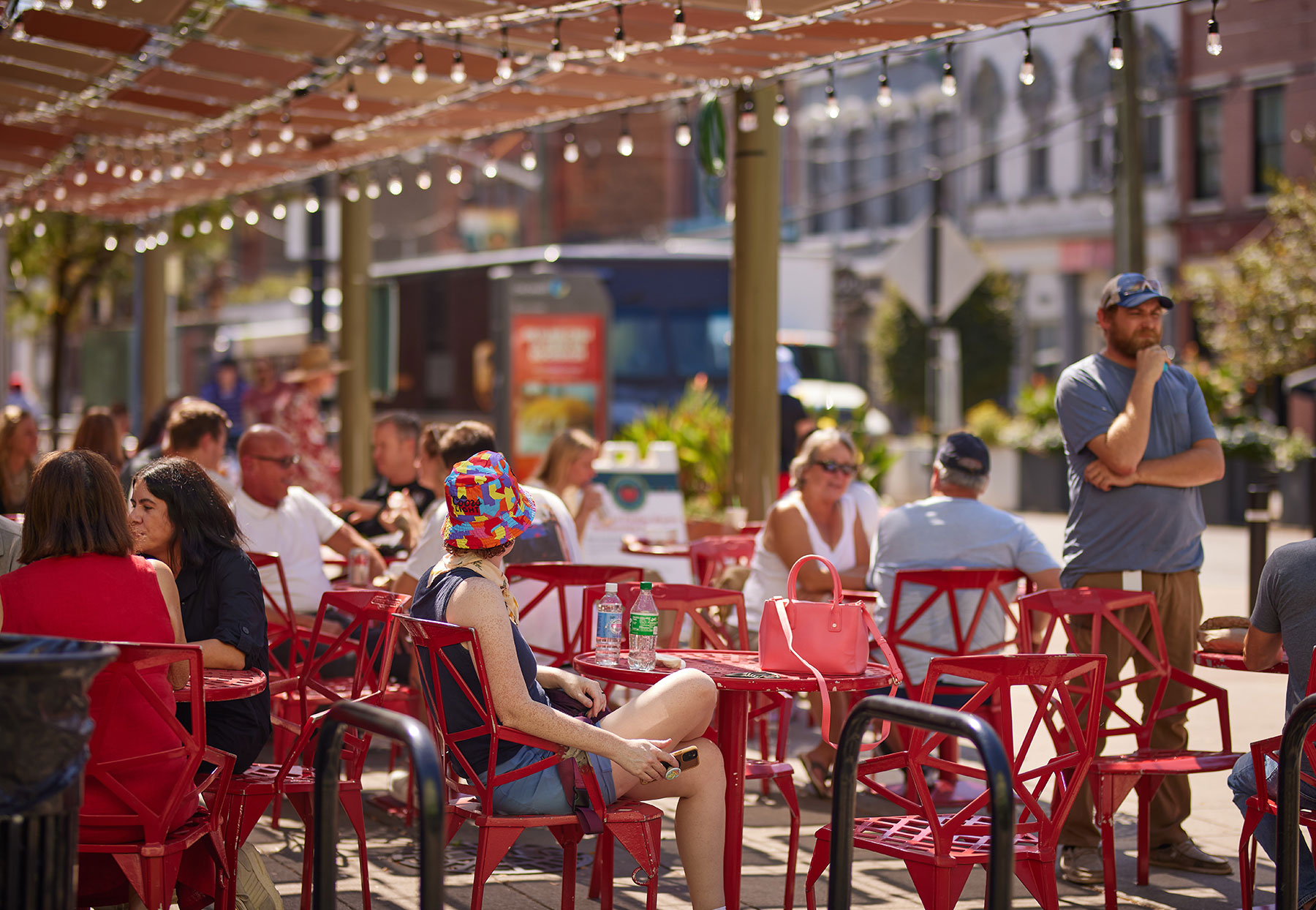


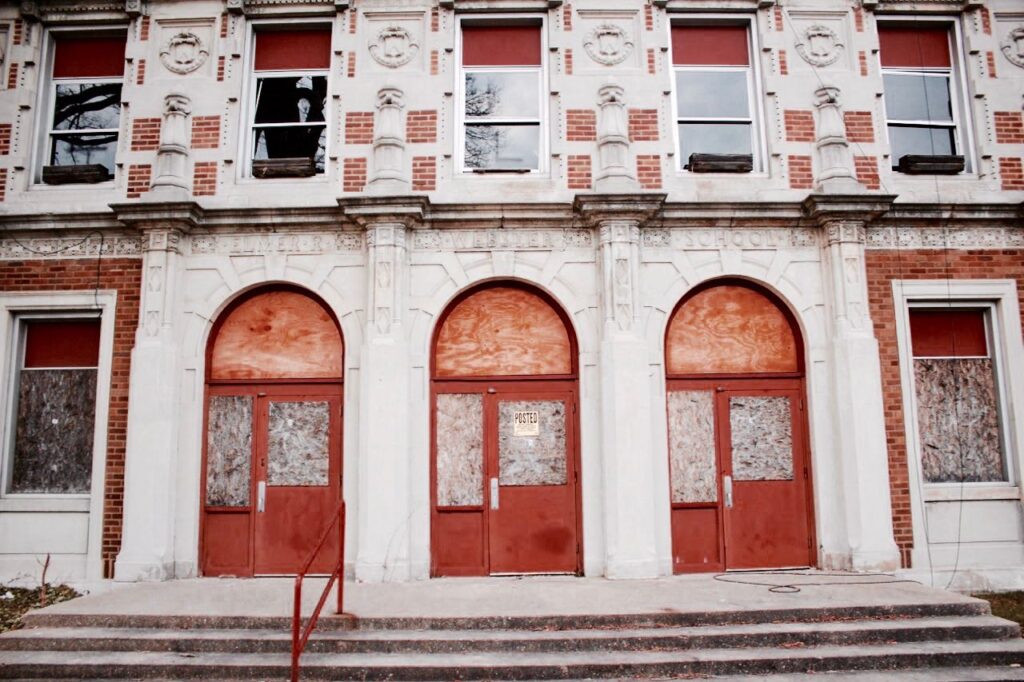
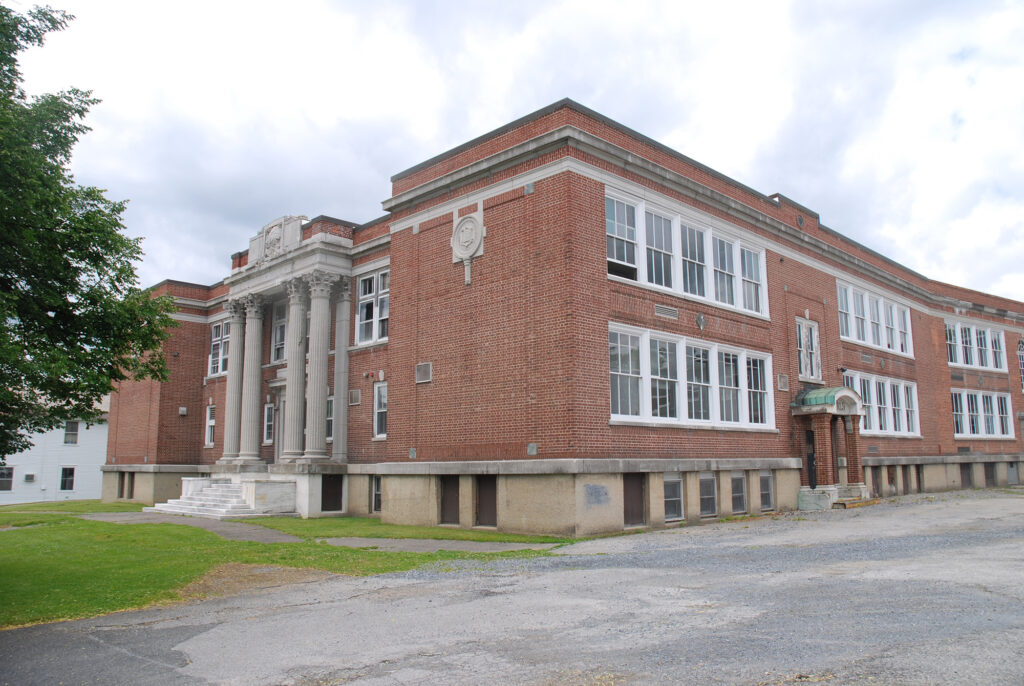
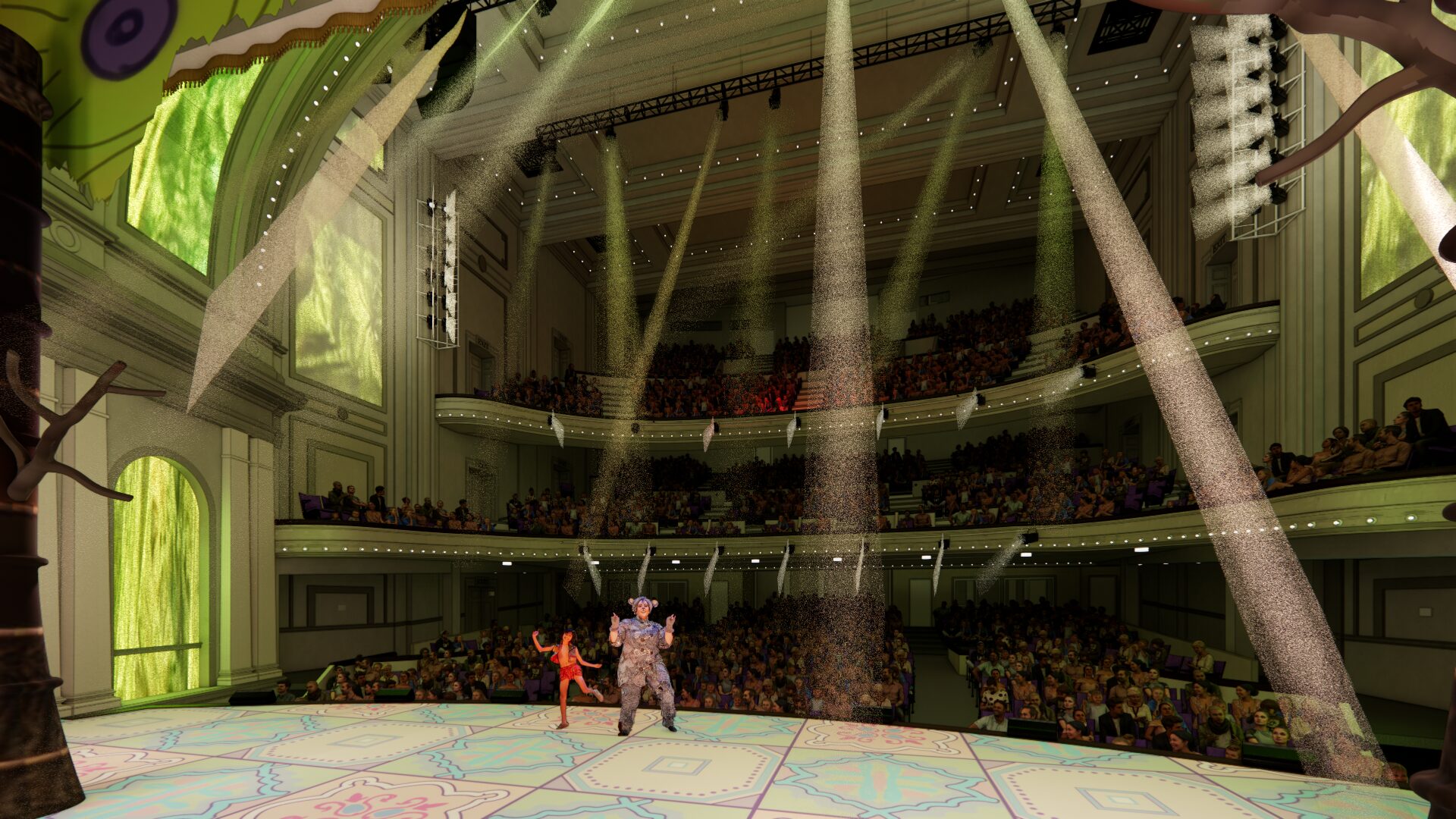
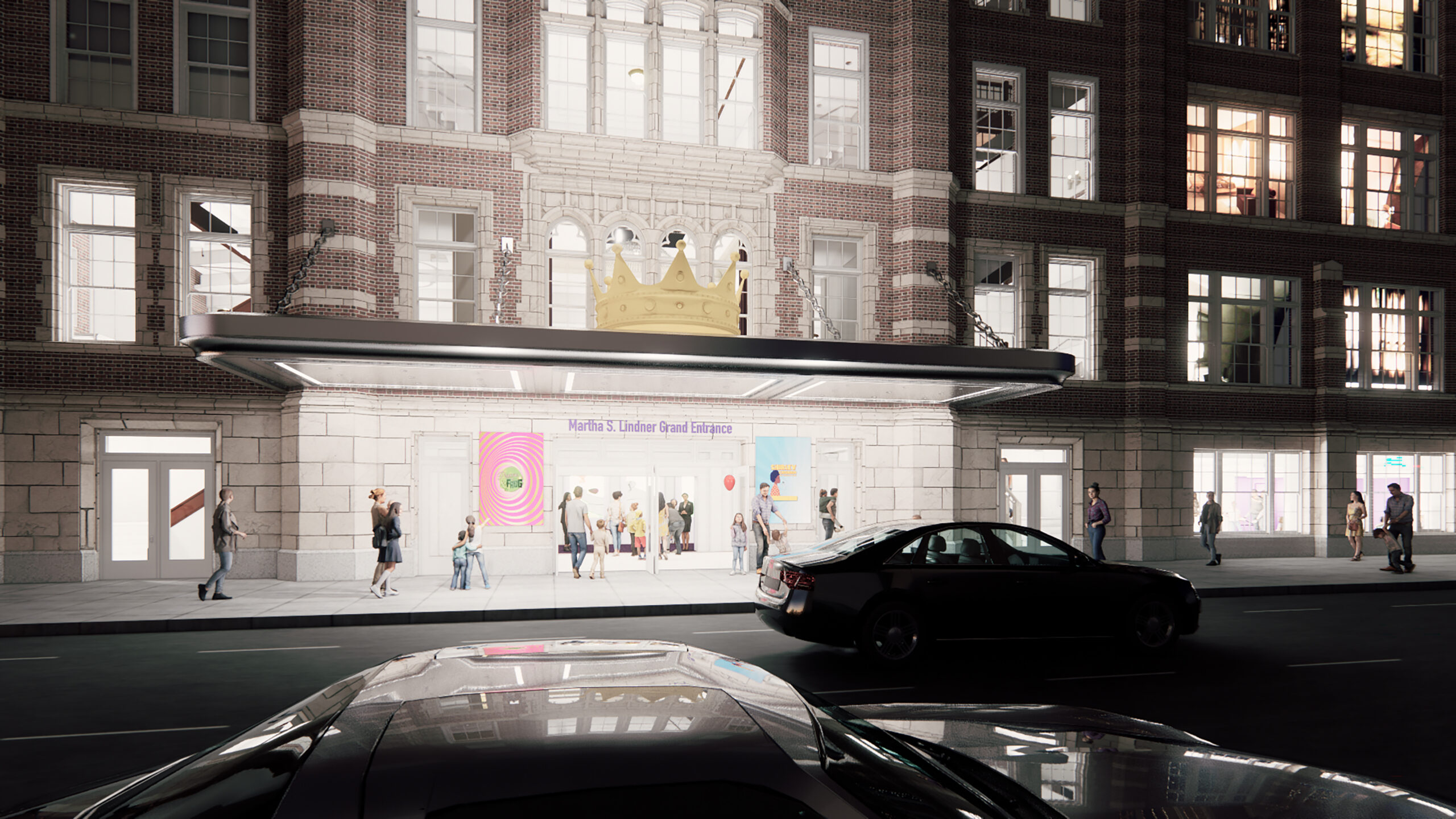
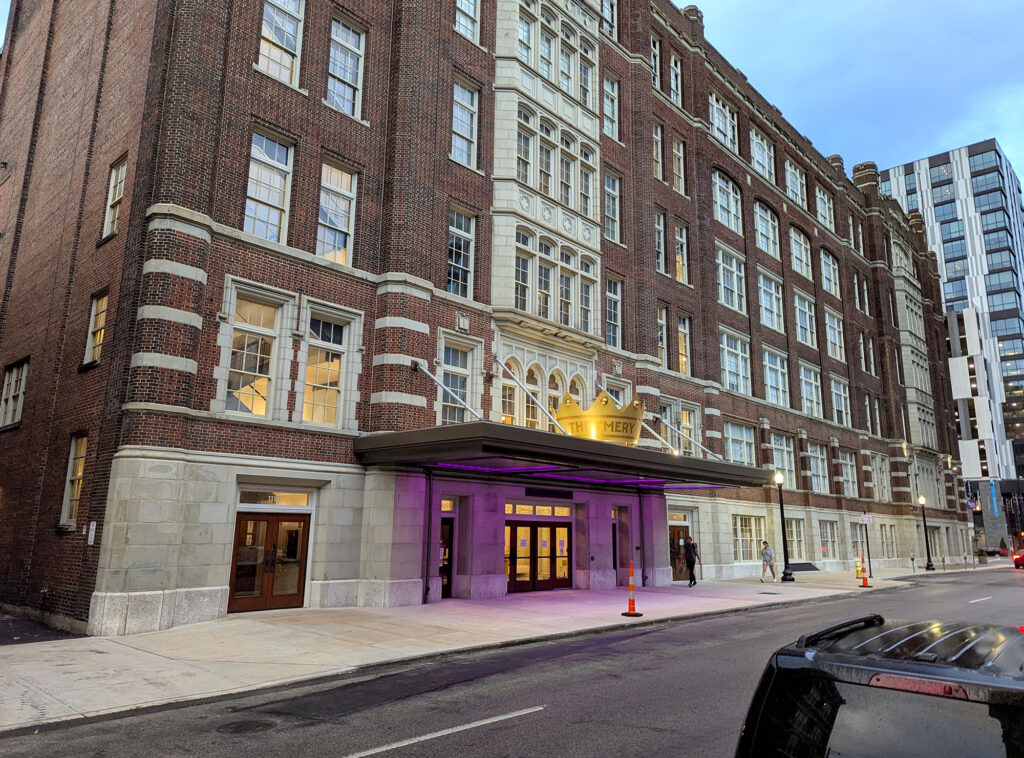
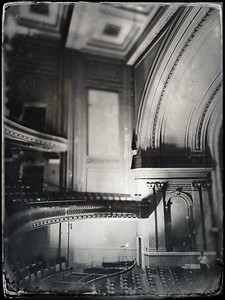 This project is facilitating the long-awaited reunion of the iconic Children’s Theatre of Cincinnati with its original home, the Emery Theater. Historic Emery Theater was constructed in 1911 in Cincinnati’s “Over-the-Rhine” neighborhood. Commissioned by Mary Emery and built by the famous architecture firm Samuel Hannaford & Sons, the large theater was designed to hold thousands of patrons while astonishing each of them with an unobstructed view and exceptional acoustics. It was built using the principle of the “isacoustic curve,” meaning the room sloped upward from front to back, an ideal configuration for sending sound effortlessly throughout. It also featured two large balconies, both of which seemed to float above the main floor, in a method of theater construction that was new in the early 19th century. Originally part of the Ohio Mechanics Institute trade school, the Emery Theater soon hosted world-renowned artists like George Gershwin and John Philip Sousa, as well as influential dignitaries like Eleanor Roosevelt and Martin Luther King, Jr.
 professional theatrical productions and arts education programming. TCT called the historic Emery Theater home from their incorporation as an independent nonprofit until 1969, when they relocated to downtown Cincinnati’s Taft Theatre.