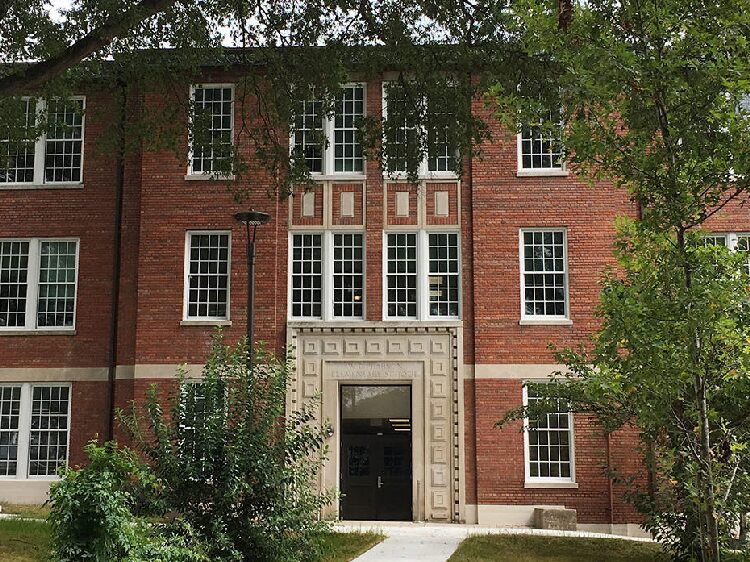



Historic Tax Credits
$1.3 Million Federal

Total Development Cost
$10.5 Million

Project Partner
Self-Help Credit Union

Impact
Education Access, and more.
History
William Gaston Pearson's Legacy
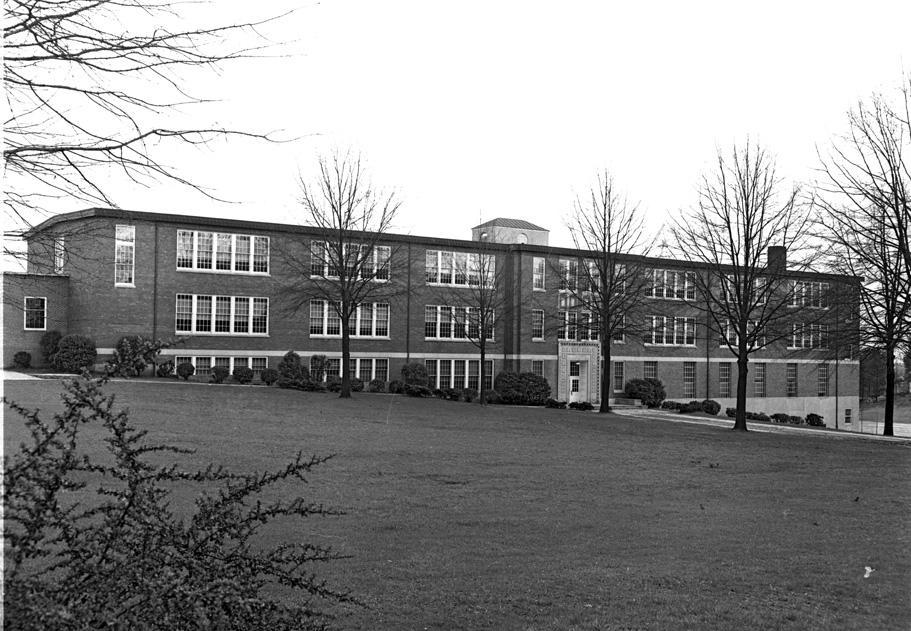
Built in 1928, the main W. G. Pearson Elementary School building was named for William Gaston Pearson, a well-known African American businessman and educator. Born into slavery, his potential was recognized by a factory owner who financed his education at Shaw University in nearby Raleigh, NC. He began teaching at a small Durham grade school in 1886, where he later became principal. In 1922, W.G. Pearson became the first principal of Hillside Park High School, the first African American high school in the city, a position he remained in until his death in 1940 and for which he is best remembered. W.G.Pearson was also active in the city’s business and social life. Among other contributions, he was one of the original organizers of North Carolina Mutual Life Insurance Company; he helped found Mechanics and Farmers Bank on Durham’s “Black Wall Street”; and he served as a trustee for both North Carolina Central University and Kittrell College. Both North Carolina Mutual Life Insurance Company and Mechanics and Farmers Bank continue to operate today.
In the 1920s and 1930s, the growing black population in the Stokesdale district, as well as the philanthropy of both black and white businessmen, led to the construction of several new schools including W. G. Pearson Elementary in 1928. W. G. Pearson is the only school in the neighborhood to survive the late twentieth century intact. The school was most recently a magnet school for gifted and talented students in kindergarten through fifth grades.
Revitalization Efforts
Expanding Education Access
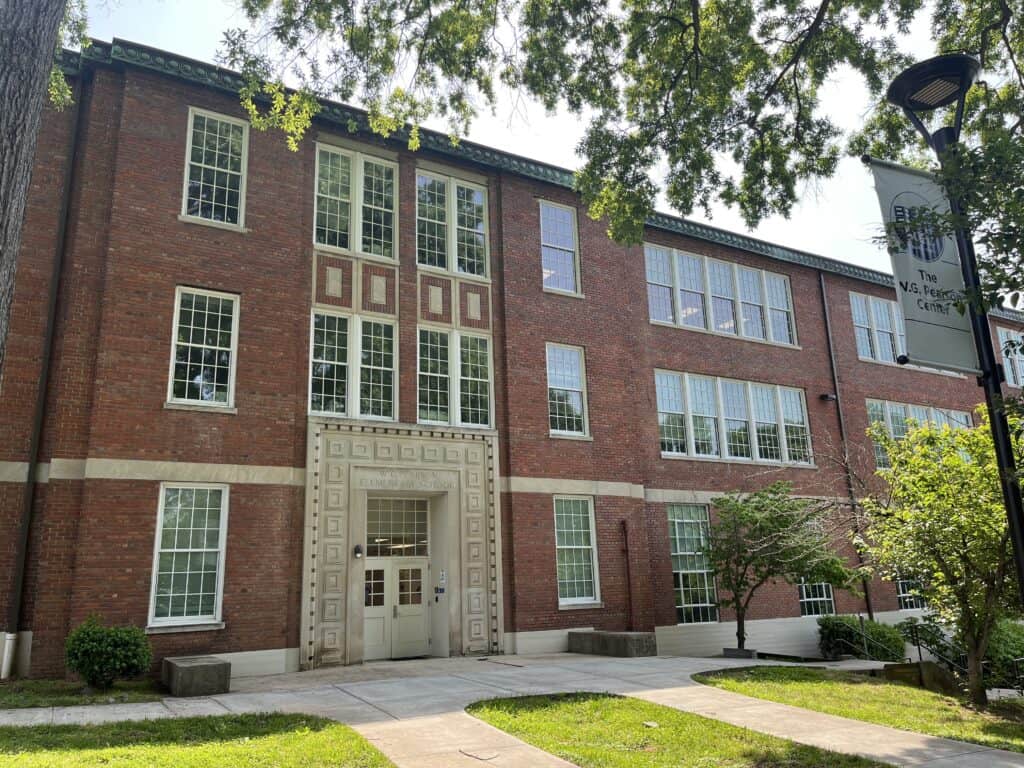
The W.G. Pearson Building was renovated to create a long-term home for a non-profit college readiness program, Student U. The program had been utilizing space within the center for years, but through continued success and growth, needed to expand their services to the entire structure.
In addition to improving the existing instructional spaces, gymnasium, and cafeteria, the renovation created new spaces including arts and dance rooms; computer and technology labs; a multi-purpose auditorium; and office, training and convening spaces for Student U’s staff, Board, Learning Specialist, and Social Worker.
Community Impact
Empowering Students
The mission of Student U is to empower DPS students to own their education by developing the academic and personal skills necessary to succeed in college and beyond. Student U works exclusively with low-income children who would be the first in their families to attend college.
The 51,000 square foot facility now houses Student U’s 21st Century Community Learning Center (CCLC) Year-Round Program, which is an out-of-school enrichment program designed to create a safe environment for students to complete their homework, prepare for classes, receive tutoring, and participate in various workshops. Student U also takes the students on educational field trips and college trips and provides support for parents.
By providing direct services during out of school time in the summer and after-school, and advocating for students and families within
schools, Student U has produced impressive results for the low-income families that they have served. Student U welcomed its first class of 50 students and 16 teachers in the summer of 2007, as a result of the collaboration of DPS, Durham Academy (a K-12 private prep school), the University of North Carolina at Chapel Hill, North Carolina Central University, and Duke University.
The model has a measurable impact: In 2013-2014, Student U students consistently performed higher on End of Grade (EOG) and End of Class (EOC) tests when compared to their peers who qualify for free or reduced lunch in DPS. Additionally, 100% of Student U’s students have graduated from high school and 97% of Student U’s graduating high school seniors are enrolled in college. With the additional space provided by the W.G. Pearson building, Student U is now able to serve 439 low-income children in the Durham community.
100% of Students
Graduated from High School

97% of Students
Enrolled in College
51,000 Sqaure Feet
of Space in Facility
NTCIC & Progress
Economic Impact
The WG Pearson Building renovation was made possible, in part, by NTCIC through an equity investment in the $1.3 Million in federal Historic Tax Credits generated by the project.
Check Out Similar Projects Here
Browse all projects
KIPP School at Whittier
A Historic School Reborn for Learning
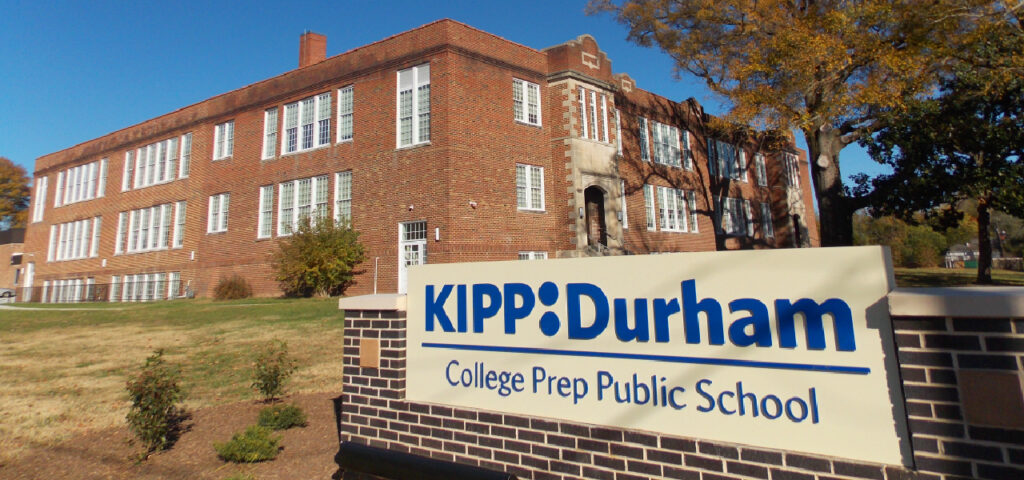
KIPP Durham Charter School
Vacant School Welcomes Students Once Again
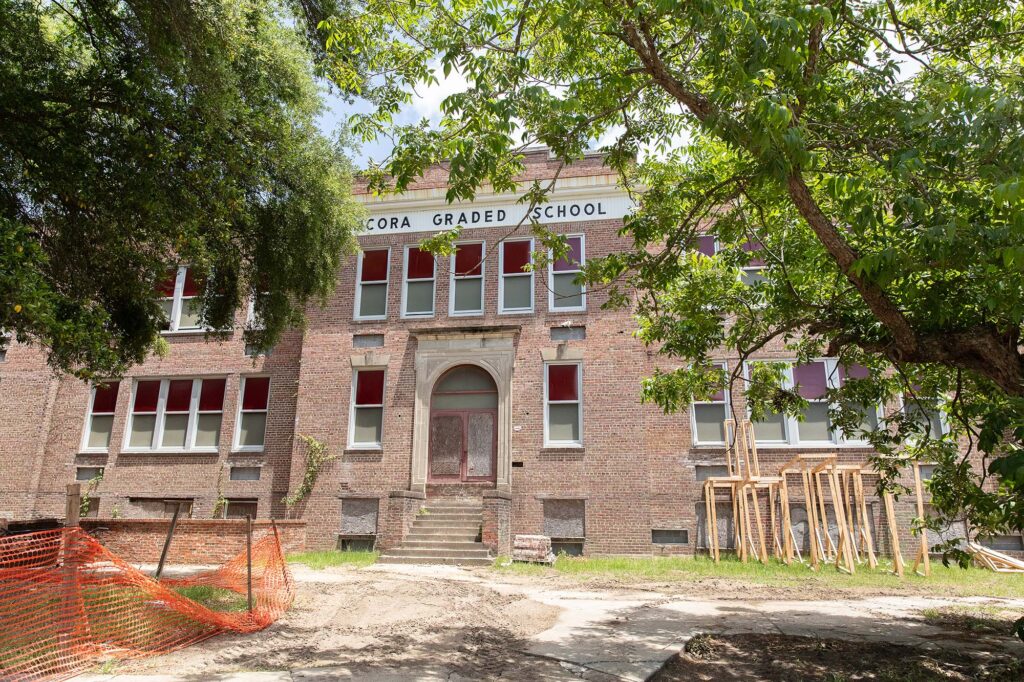
Cristo Rey
Vacant School Revived to Teach Next Generation
KIPP School at Whittier
A Historic School Reborn for Learning
KIPP Durham Charter School
Vacant School Welcomes Students Once Again
Cristo Rey
Vacant School Revived to Teach Next Generation
Want to Discuss Your Next Project? Talk With Our Team Today.
We bring clear insight, deep experience, and strategic focus to every project, whether you're structuring complex capital or shaping long-term, legacy-driven development.