


Historic Tax Credits
$1.4 Million Federal
New Markets Tax Credits
$10 Million

Total Project Cost
$11.7 Million

Project Partner
Alembic Community Development & St. Rose Community Development Corporation

Impact
Education Access, & more
History
First Built in 1880
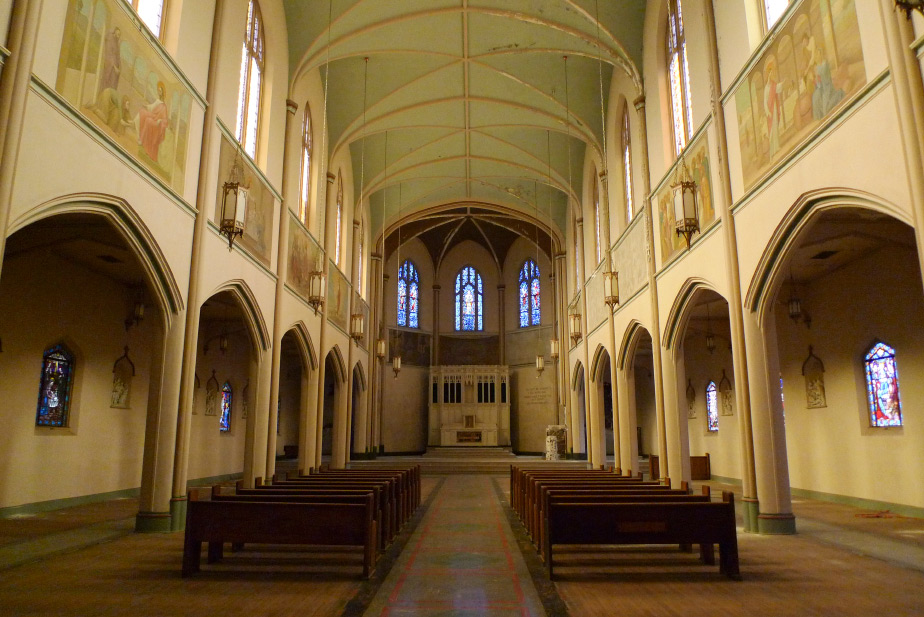
The Rose Collaborative Project consists of the adaptive reuse of the former St. Rose de Lima Catholic Church and two adjacent schoolhouses in the Treme neighborhood of New Orleans into a community-serving arts, education, and entrepreneurship hub.
The church portion of the Project was originally built by the St. Rose de Lima congregation in 1880. The original church building was destroyed by a fire in 1913 but was rebuilt in 1915. The Catholic Church deconsecrated the property following Hurricane Katrina and the church remained vacant until acquired by Rose CDC and Alembic in 2016.
The schoolhouse portions of the property were built following the 1915 reconstruction of the Church. The first schoolhouse was built in 1925 and is similar in size and scale to the church. The second schoolhouse was built in 1938. The Orleans Parish School Board occupied the schoolhouses until Hurricane Katrina forced them to abandon the property.
Revitalization Efforts
From Church to Cultural Hub
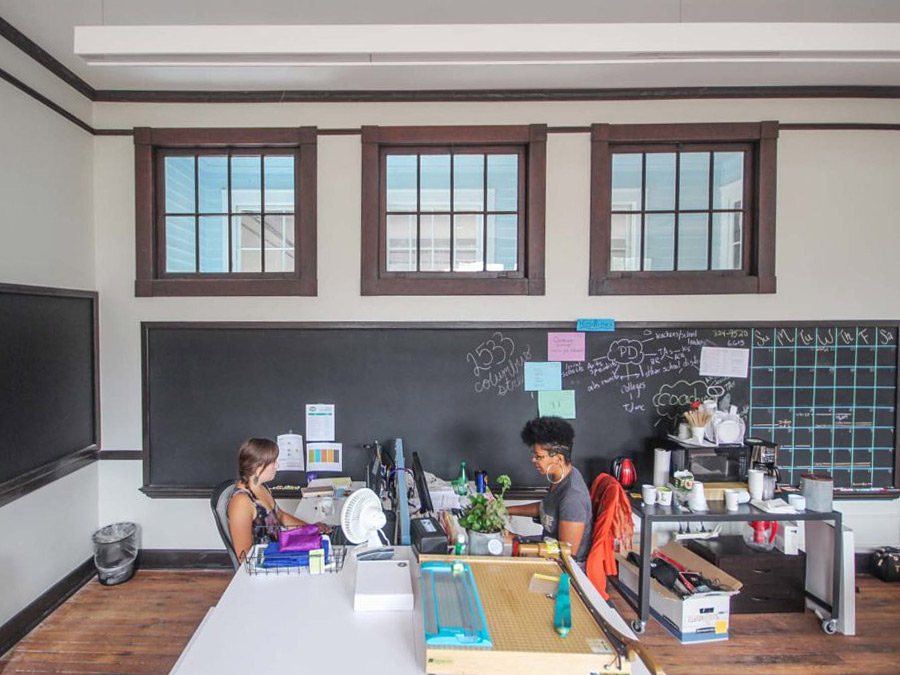
The Project transformed the vacant St. Rose de Lima Catholic Church building and two schoolhouses into a cultural hub for the arts and education featuring a performing arts venue, a non-profit school, and small business incubation and co-working space.
Community Impact
Creating Accessible, Skilled Positions
During post-Katrina planning efforts, community leaders recognized a need for targeted investment in the arts and education and conceived the Rose Collaborative. Throughout its planning process, the development team worked extensively with community stakeholders to implement a shared community vision for the adaptive reuse of these historic properties.
Subsidy generated by the NTCIC investments allow for every project tenant to provide financial assistance to community members and program participants through tuition assistance, grants, and below market rents.
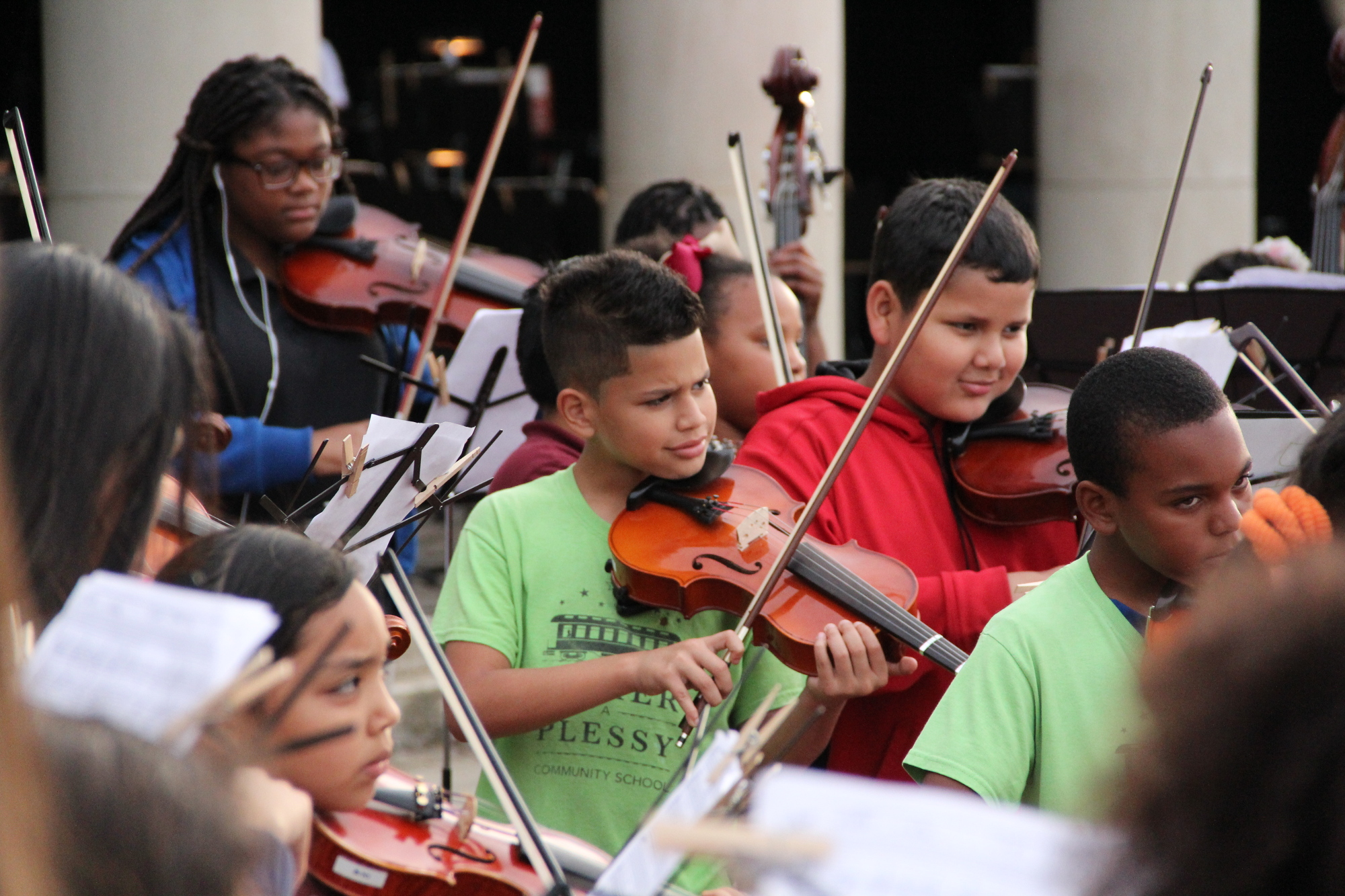
The Project’s performing arts venue allows the Southern Rep Theatre to expand its “School to Stage Pipeline” arts education to low-income communities. The “School to Stage Pipeline” programming includes
in-school intensive activities, afterschool workshops, summer camps, and apprenticeships. The Waldorf School increased the number of students it served from 150 to approximately 225 students at the Project.
To accommodate various tenant scheduling constraints, three temporary community-based tenants occupied the Waldorf School’s ultimate space during the Project’s first year. Operation Spark, whose mission is to help jumpstart software development careers for low-opportunity individuals, operated trainings at the Project serving 140 adults and youth. The New Orleans Career Center helped at least 120 high school students earn industry-based credentials and certifications. New Harmony High School, an ecology-focused high school, also opened its doors.
225
Students Served

140
Individuals Trained in Software Development
120
Students Earn Professional Credentials
23,000 SQ FT
Of Educational Space

120
Seats in Main Stage Theater
NTCIC & Progress
Economic Impact
The Rose Collaborative was made possible, in part, by NTCIC through an equity investment in the $1.4 million in federal Historic Tax Credits (HTC) generated by the project as well as a $10 million New Markets Tax Credit (NMTC) allocation.
Check Out Similar Projects Here
Browse all projects
Academy Lofts at Adair Park
Atlanta School Becomes Live-Work Space for Creatives
Creative Class Lofts
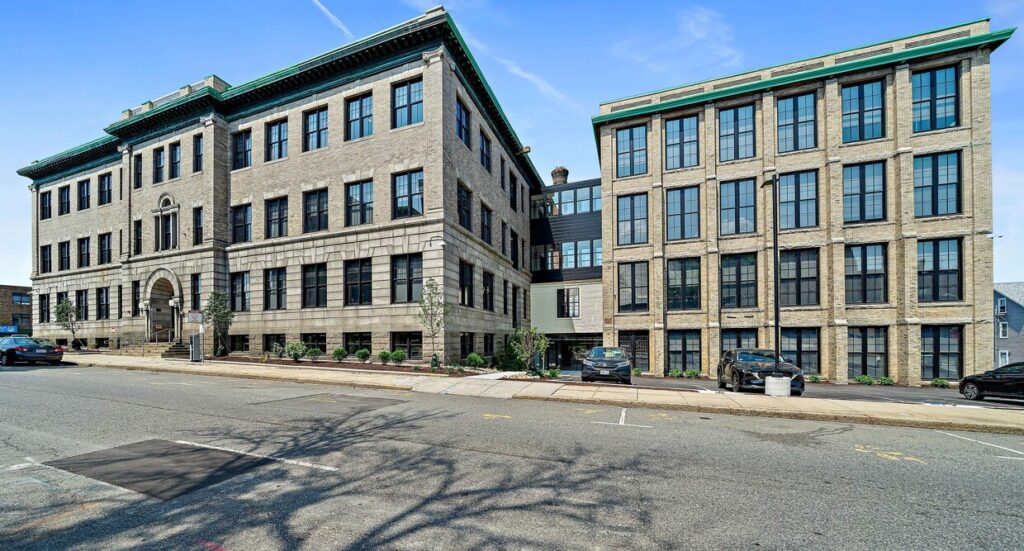
Former Textile School is Now Mixed-Use Arts Hub
Webster Community Center
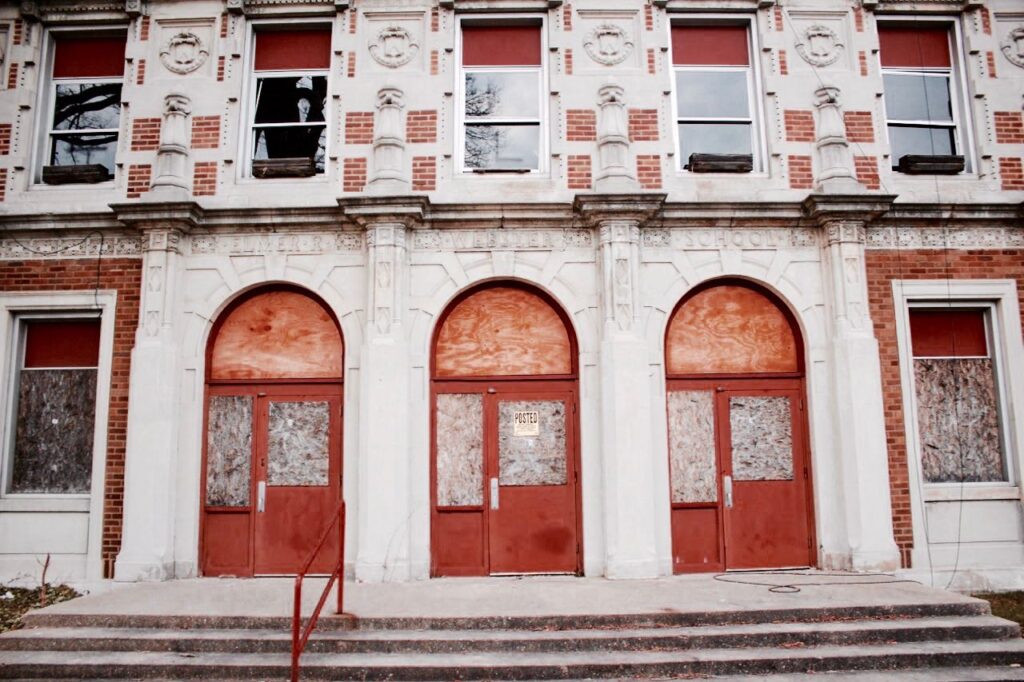
From Abandoned School to Community Hub
Academy Lofts at Adair Park
Atlanta School Becomes Live-Work Space for Creatives
Creative Class Lofts
Former Textile School is Now Mixed-Use Arts Hub
Webster Community Center
From Abandoned School to Community Hub
Want to Discuss Your Next Project? Talk With Our Team Today.
We bring clear insight, deep experience, and strategic focus to every project, whether you're structuring complex capital or shaping long-term, legacy-driven development.