

Historic Tax Credits

$4.2 Million Federal
$4.7 Million State

New Markets Tax Credits

$10 Million

Total Project Cost

$27 Million

Project Partner

The Model Group

Impact

Small Business Support, Affordable Housing, Economic Development

History

A Century of Support

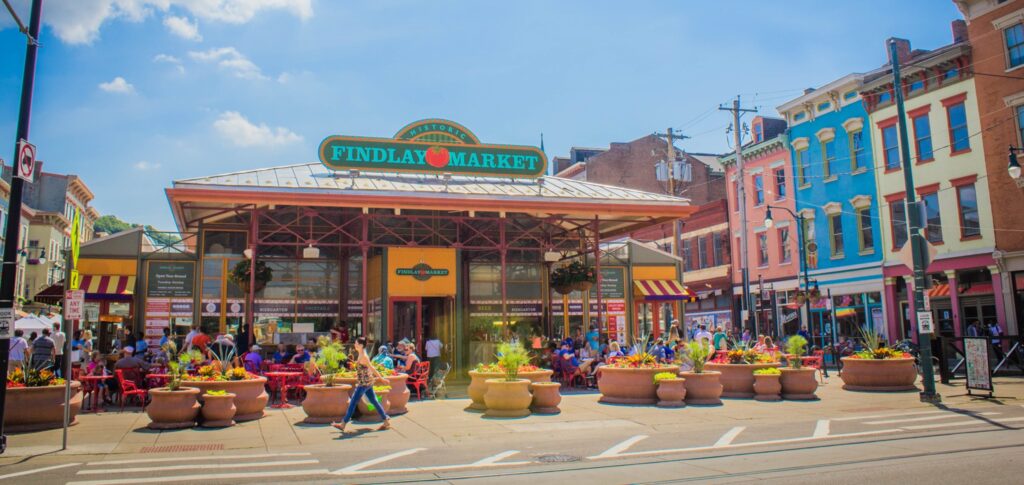
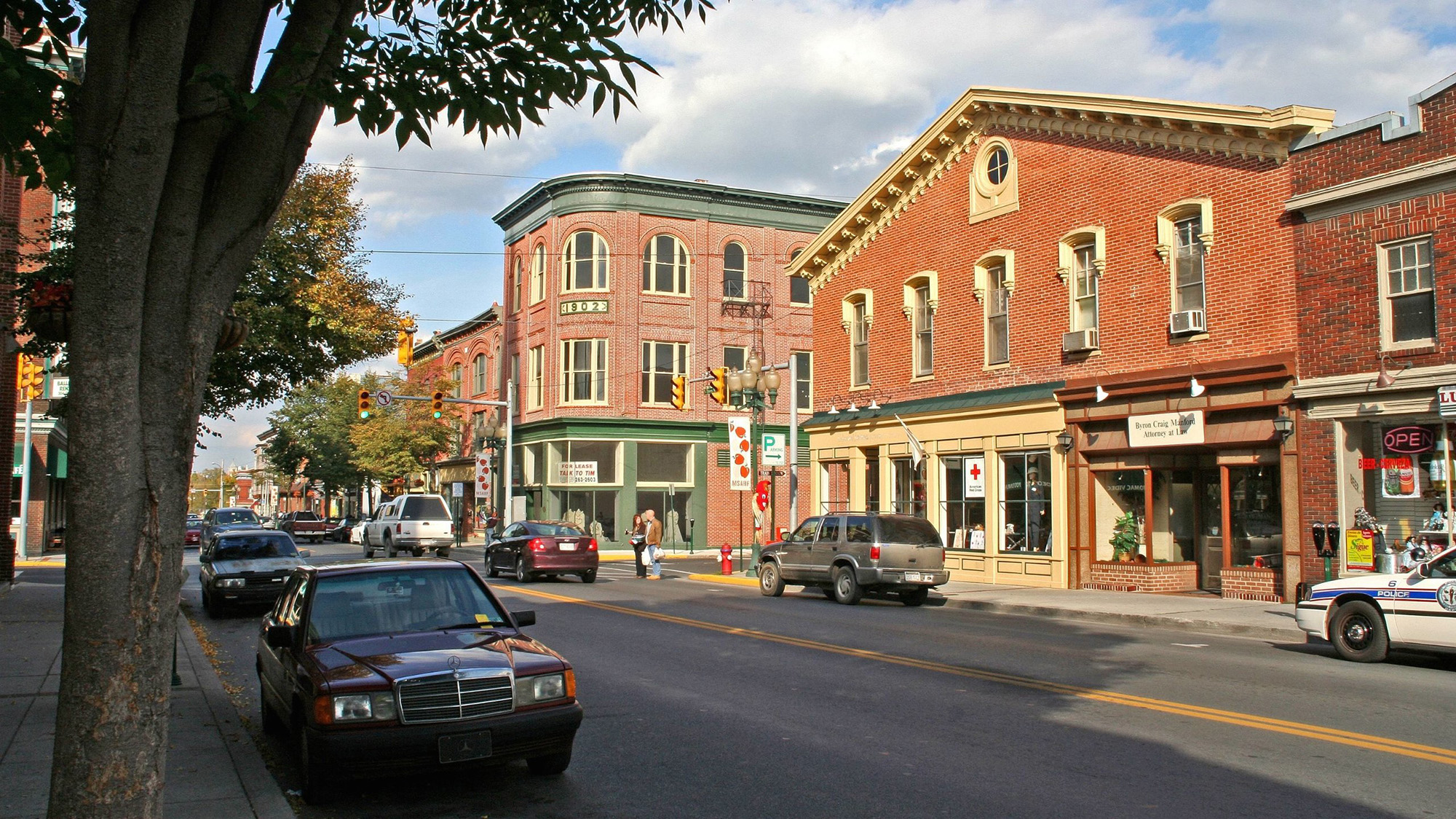
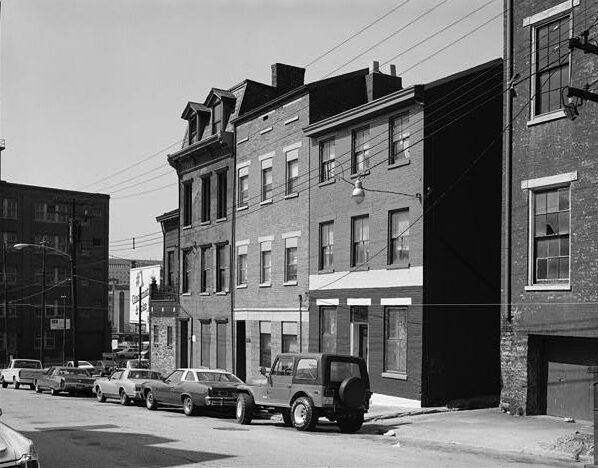
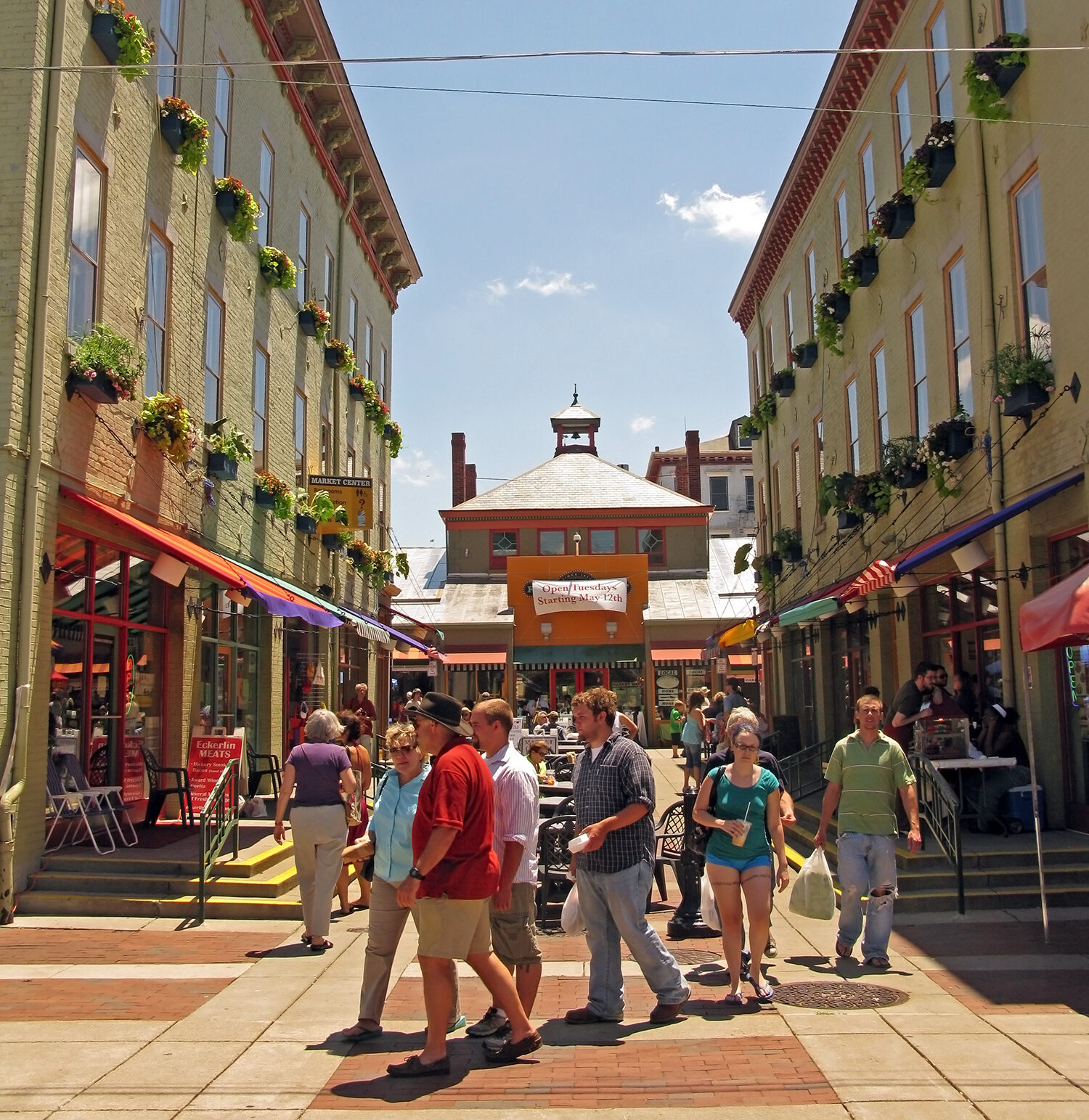
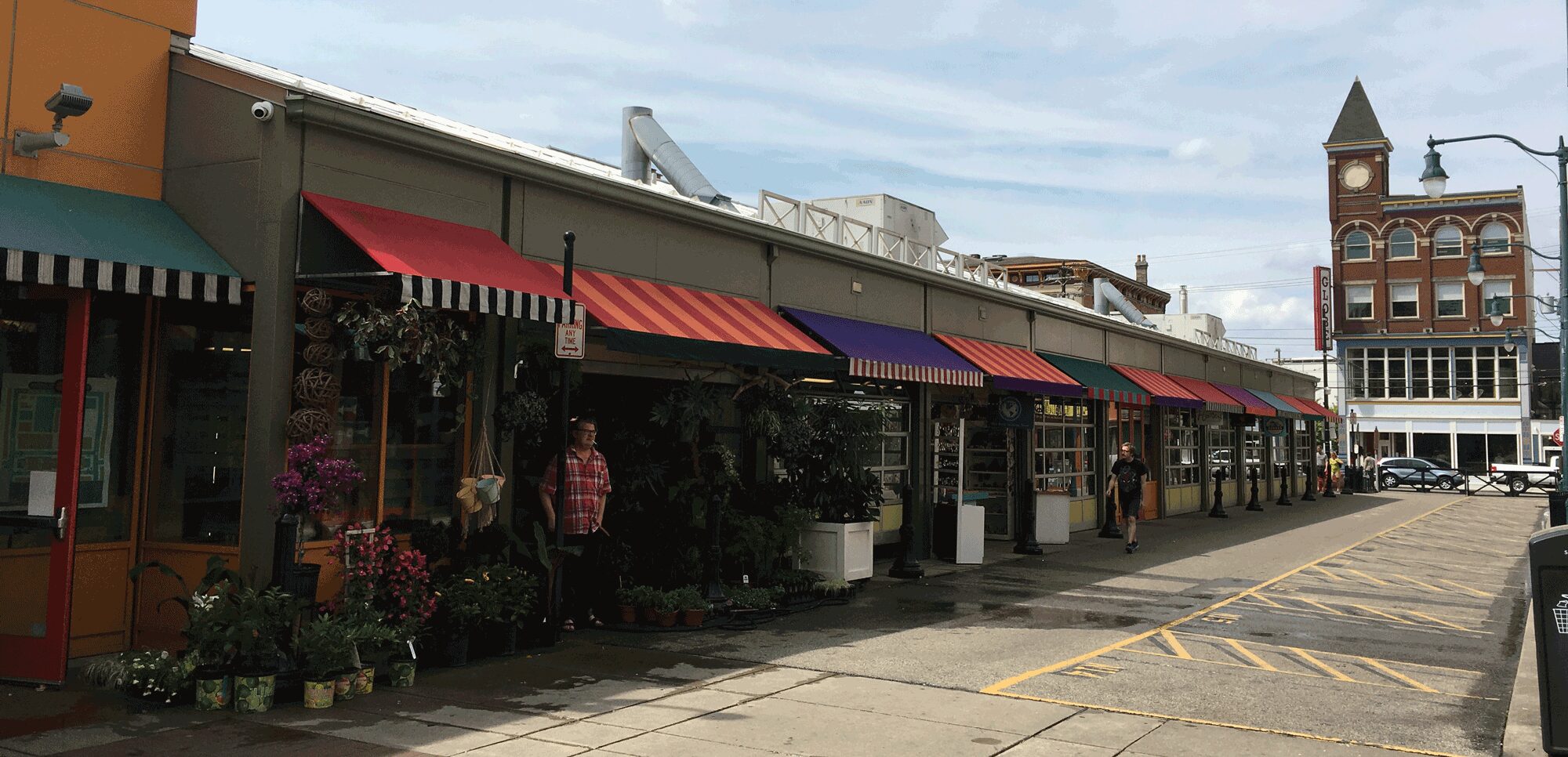
Findlay Parkside is located in the Over-the-Rhine (OTR) neighborhood in Cincinnati, OH, one of the largest and most intact urban historic districts in the United States. OTR lies just north of the Central Business District in Downtown Cincinnati, boasting low-rise Greek Revival, Italianate, and Queen Anne brick buildings, primarily constructed by German immigrants in the mid-1800s. Among the neighborhood’s most notable attractions is the Findlay Market, the oldest and only surviving municipal market house in Cincinnati, which operates year-round and houses over three dozen indoor merchants offering a wide array of goods.

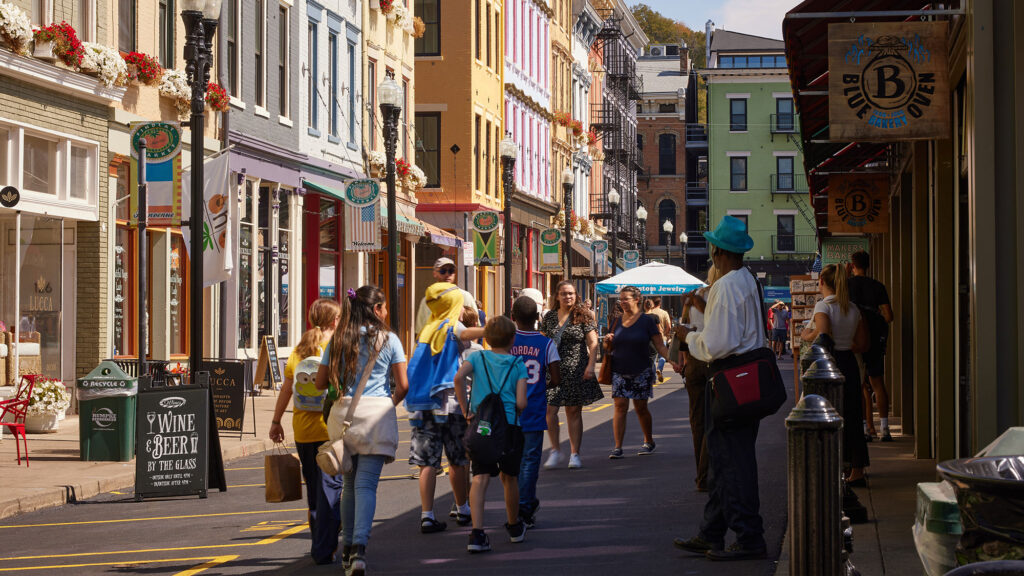
Through the efforts of revitalization experts like The Model Group and 3CDC, OTR has become a thriving hub of activity, home to an eclectic mix of shops, restaurants, bars, and other businesses that cater to both residents and visitors alike.

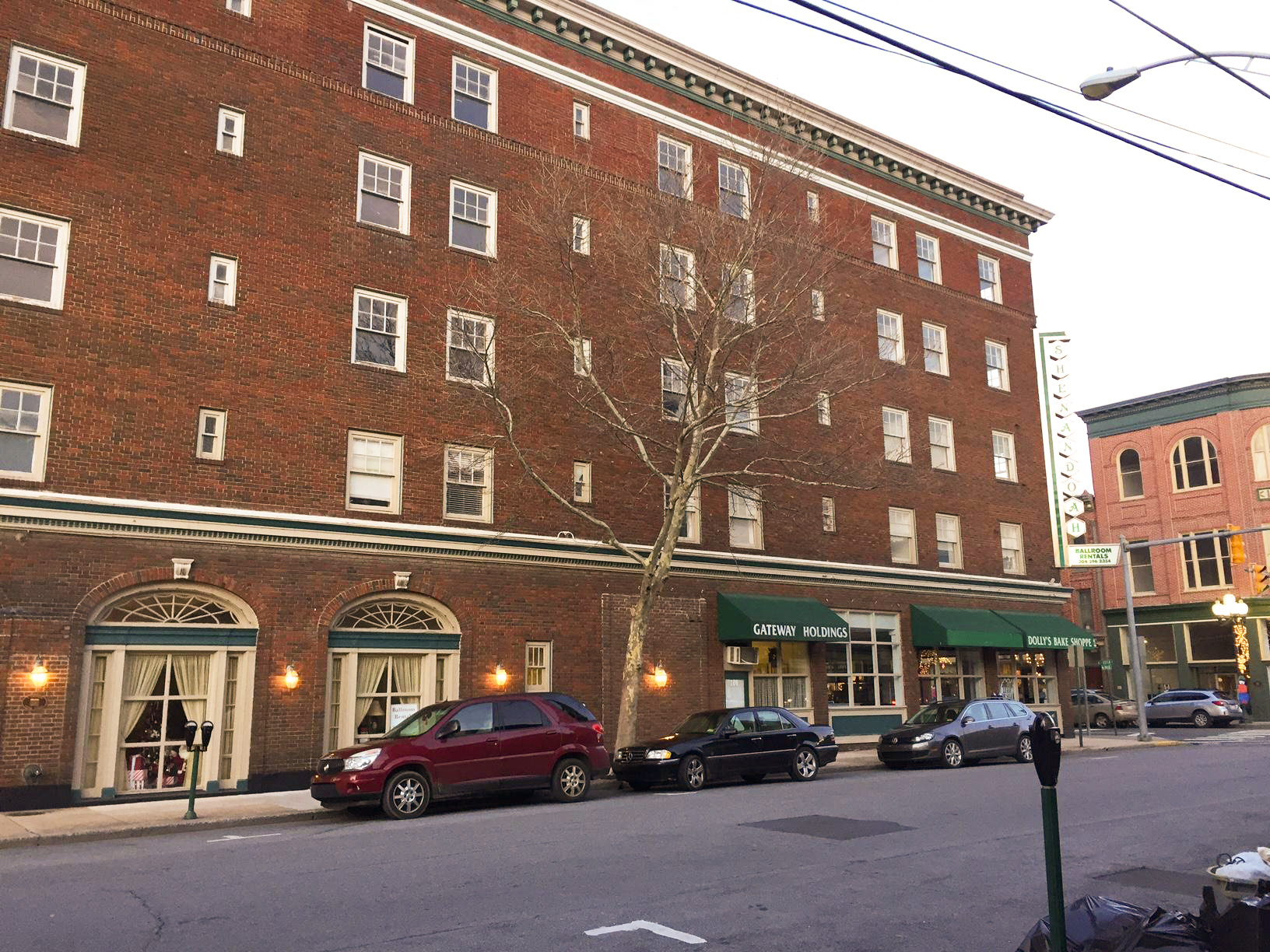
Nestled within this vibrant and historically rich neighborhood, the Findlay Parkside project consists of nine distinct historic mixed-use buildings totaling 47,000 square feet. In their previous incarnations, these buildings served various functions and businesses, including an undertaker, office, chapel, livery, and garage. As the Findlay Parkside project revitalizes and repurposes these nine underutilized historic buildings, it will preserve their unique character, create new affordable residential opportunities, and support a growing community of businesses.

People enjoying the findlay market
Revitalization Efforts

A Market of Opportunities

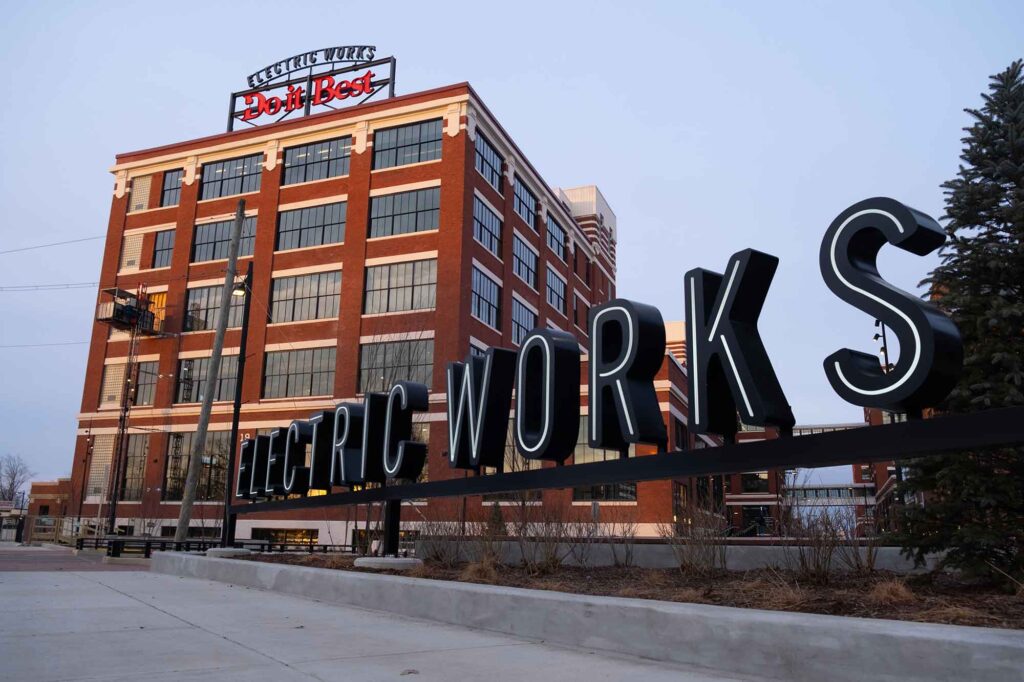
Completed in 2024, the Findlay Parkside project substantially rehabilitated nine historic, low-rise buildings around the iconic Findlay Market, creating mixed-income apartments, new retail and restaurant spaces, a fresh food distributor and more.

The project was developed by The Model Group, a Cincinnati-based integrated property development, architecture, construction, and management company. The Findlay Parkside project exemplifies the importance of historic preservation, sustainable development, and social impact in urban communities. By creating a vibrant mixed-use space that supports affordable housing, small businesses, and local enterprises, the project will make a significant contribution to the ongoing revitalization of the Over-the-Rhine neighborhood.

Community Impact

A Thriving Community Asset

The Findlay Parkside project in Cincinnati’s Over-the-Rhine neighborhood is creating new and highly desired affordable housing and small business support for entrepreneurs through historic preservation.

The development generated 160 construction and permanent full-time equivalent (FTE) positions, a vast majority of which will pay a living wage or higher and be accessible to those with barriers to entering the workforce.

The Findlay Parkside project will create 51 apartments, with more than 50% of the available housing designated as affordable. The continued development and creation of commercial space surrounding the historic Findlay Market will create new opportunities for existing businesses to grow. A fresh food fulfillment center operated by the Corporation for Findlay Market will connect to and source food from the nearby Findlay Market, expanding access to fresh foods for the community.

Job Creation

160 construction and permanent full-time equivalent (FTE) positions.

Mixed-Income Housing

51 apartments, with more than 50% of the available housing designated as affordable.

Sustainability

Designed to achieve LEED Silver certification.

Healthy Food Access

Food fulfillment center will connect to and source food from Findlay Market

NTCIC & Progress

Financing the Project

NTCIC supported the project completion by sourcing, underwriting, and facilitating the equity investment in the $9 million in federal and state Historic Tax Credits generated by the revitalization efforts.

Other financing sources included NMTC source debt, HTC bridge debt, sponsor equity, and additional NMTC allocation from RBC Community Capital and Truist Community Capital. TIF financing from the City of Cincinnati was utilized post-closing.

NTCIC also provided $10 million in New Markets Tax Credit (NMTC) allocation.NTCIC’s 2019 round of NMTC allocation played a crucial role in financing this development, prioritizing investments in impactful commercial and mixed-use projects that serve as centerpieces for local redevelopment plans, elimination of blight, and the stimulation of economic activity.

Want to Discuss Your Next Project? Talk With Our Team Today.

We bring clear insight, deep experience, and strategic focus to every project, whether you're structuring complex capital or shaping long-term, legacy-driven development.

Name
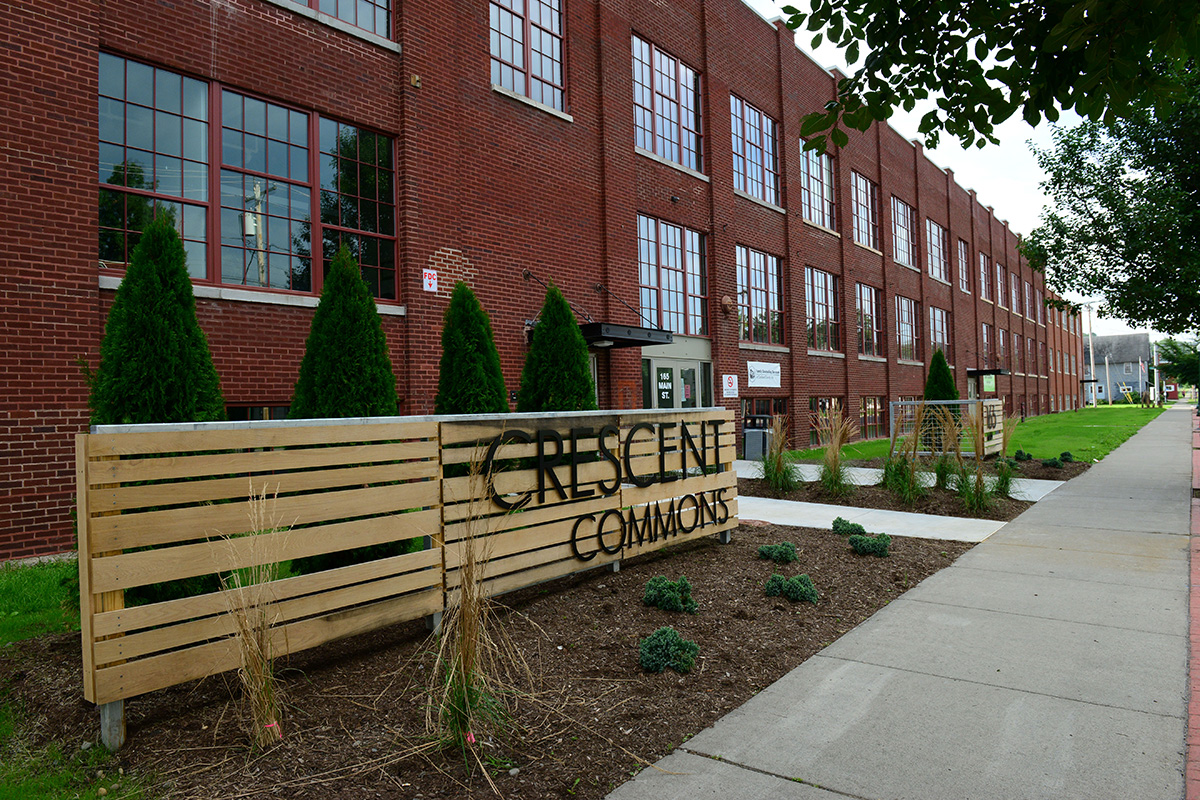
Findlay Parkside Exterior

Historic Tax Credits

$5.5 Million
Federal HTCs

New Markets Tax Credits

$7 Million

Total Project Cost

$34 Million

Project Partner

Micah 6 Community

Impact

Workforce Development, Healthcare Access, and more.

History

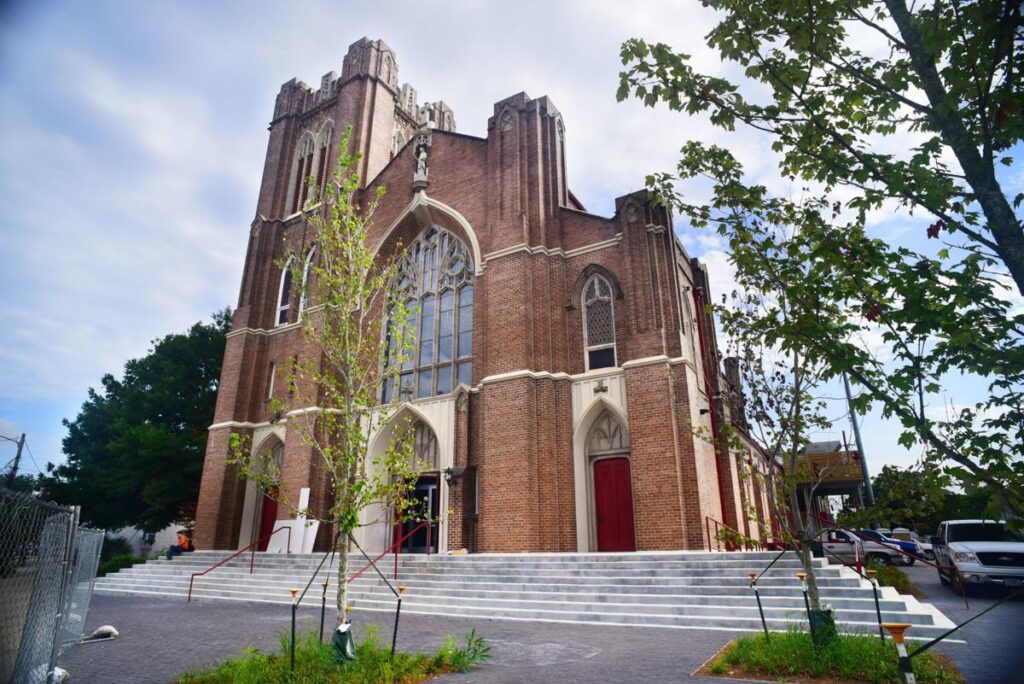
Education in an Automotive Town

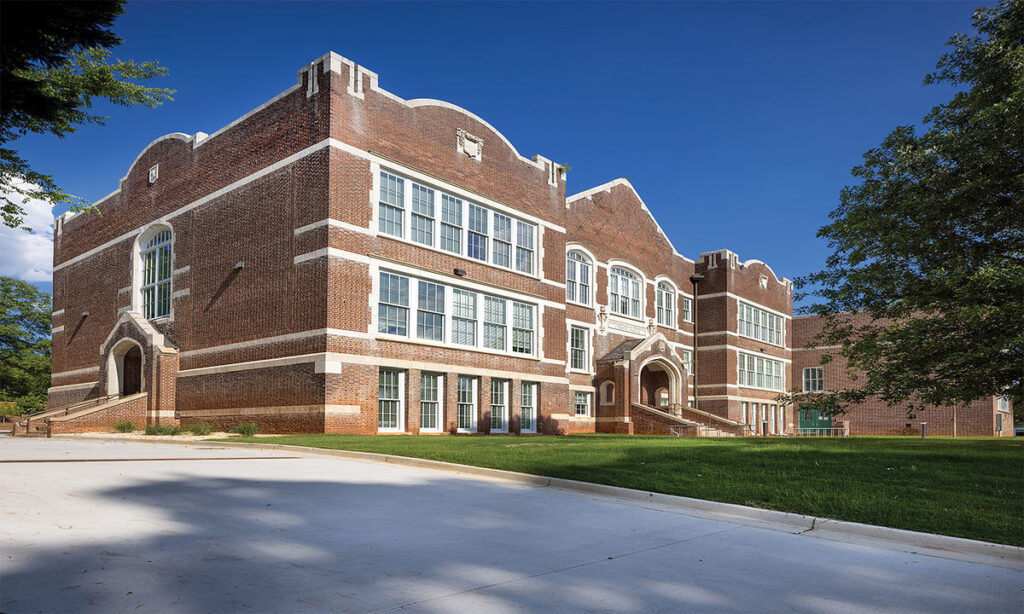
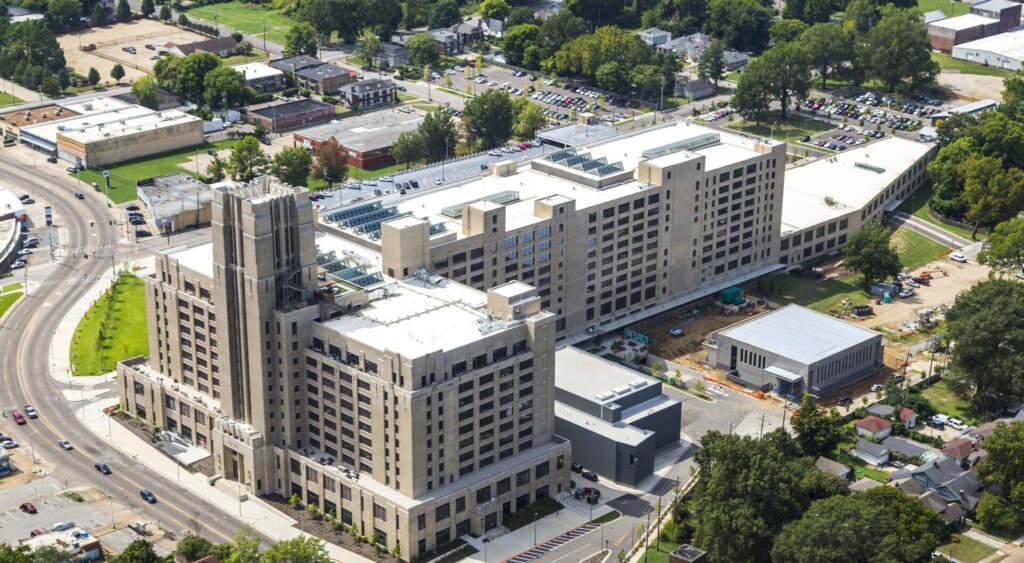
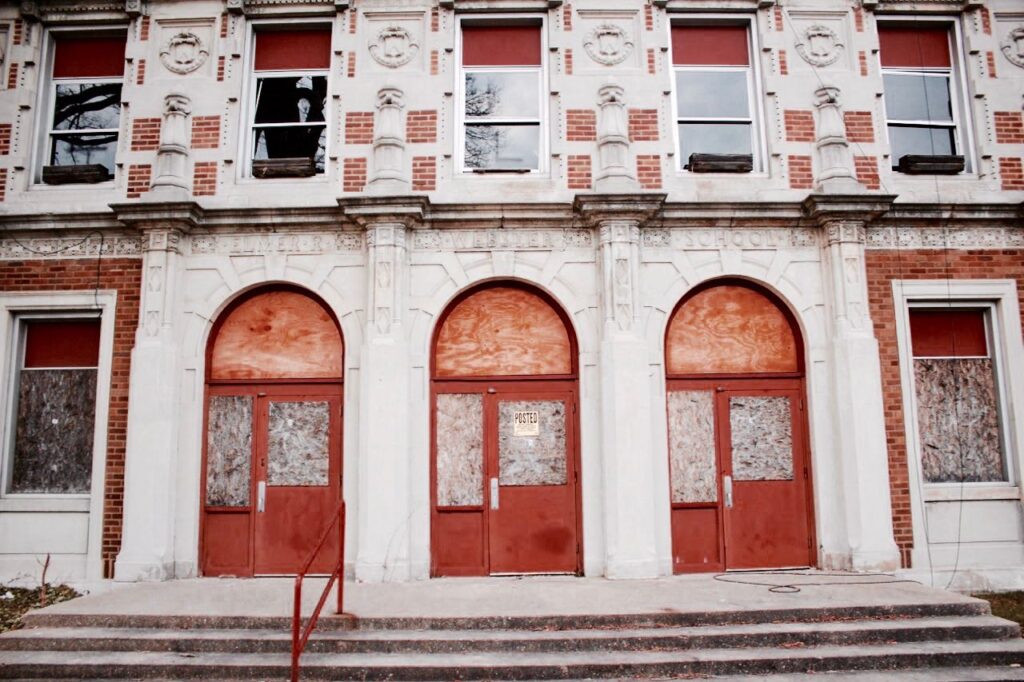
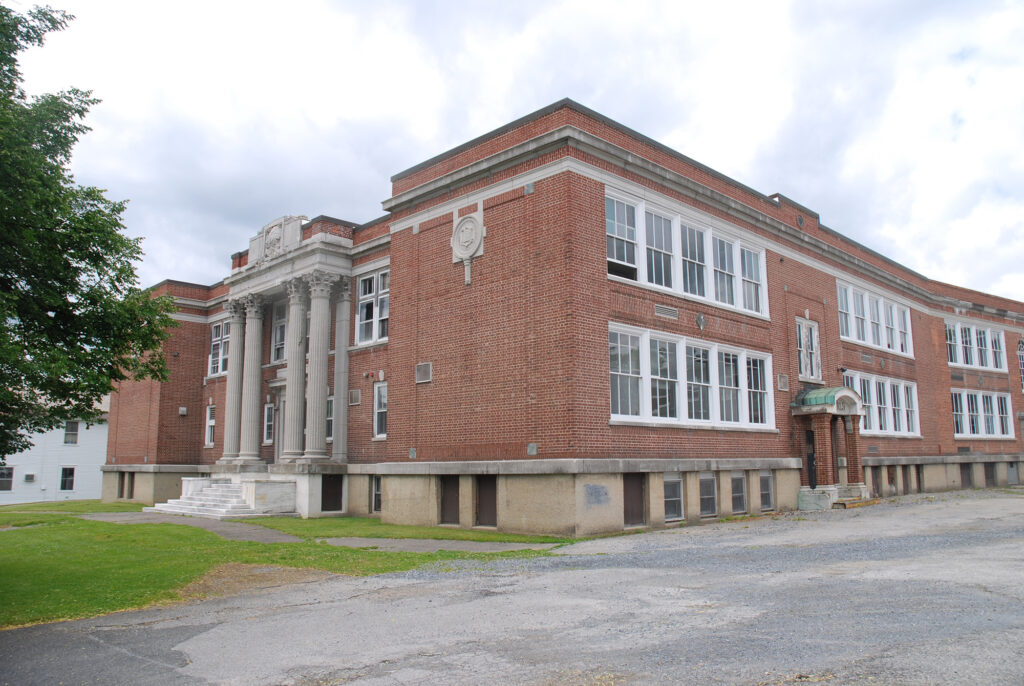
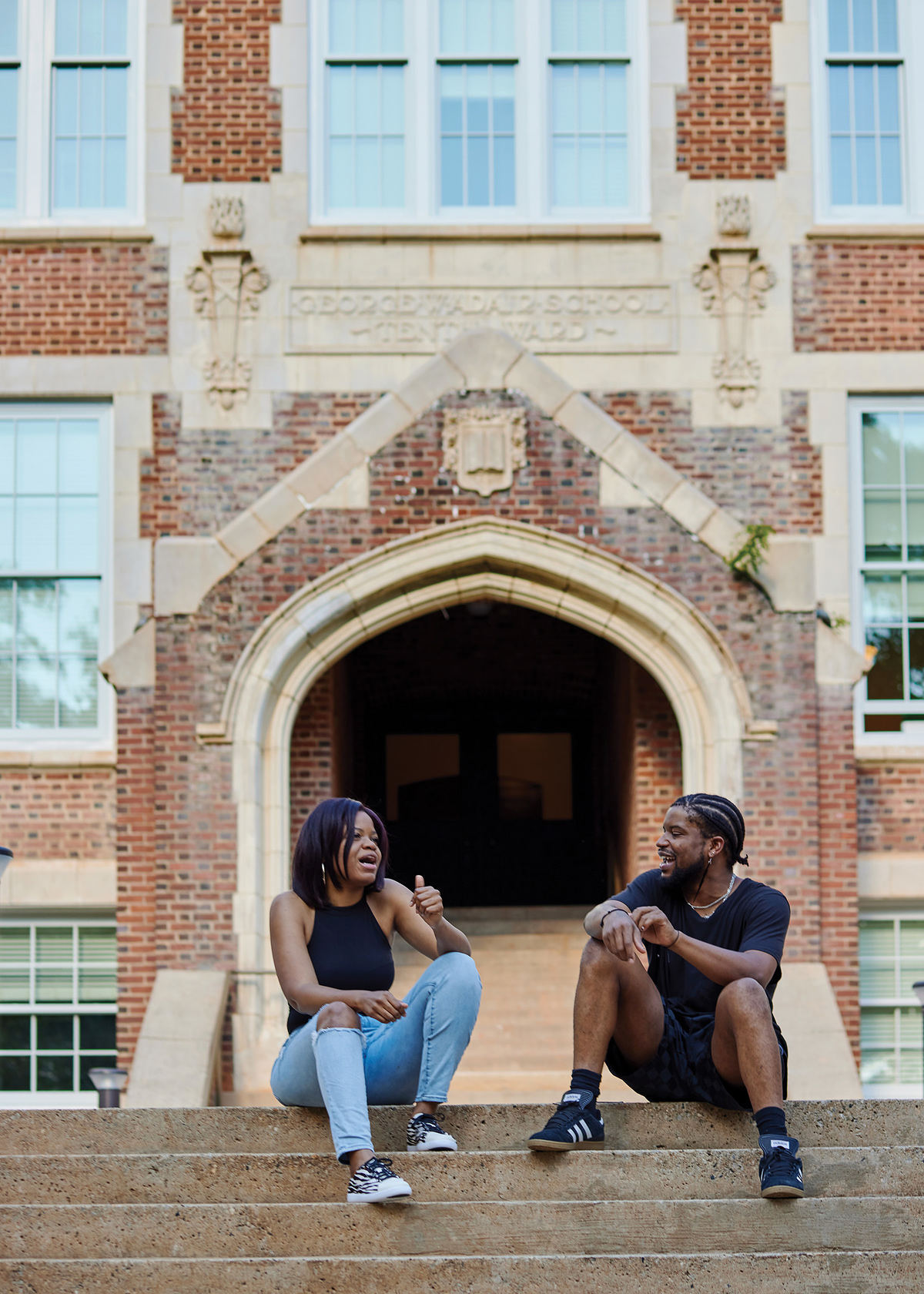
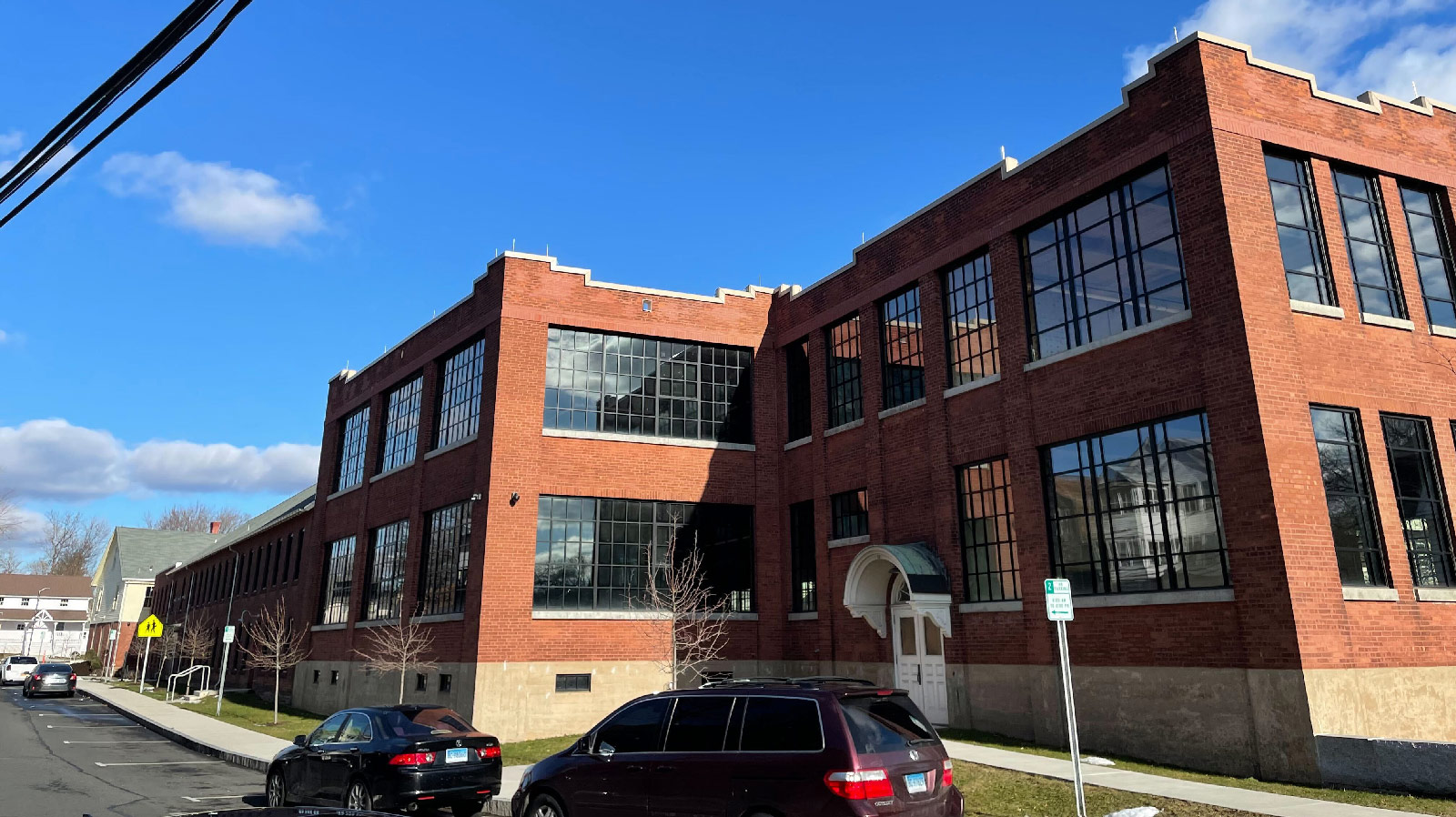
The historic 54,000 square-foot Webster School opened in 1921 to support Pontiac’s population boom as tens of thousands flocked from the south to work in the rapidly growing automotive manufacturing industry that originally put the city on the map. The building was designed by Perkins, Fellows, and Hamilton, who were known for going over budget to create particularly ornate architectural designs and responsible for other local landmarks such as Lincoln Park Zoo. It originally featured 26 classrooms, a combination gym and auditorium, and an ornate foyer, all on five acres of land.

Originally an all-white school, Webster was desegregated in the 1970s and one of several schools made to participate in a bussing program after a historic lawsuit between the NAACP and the local school district. Already in a population decline as residents moved from the aging city center, the school was eventually closed in 2008 after nearly 90 years of operation.

It sat vacant for over 10 years until Micah 6 Community, the project sponsor, purchased the building in 2016 to serve as the new location for the mixed-use community-centered nonprofit hub.

A New Era Begins
Revitalization Efforts

A New Era Begins

The project is spearheaded by Micah 6 Community, a neighborhood-based community development corporation founded in 2012 with a mission to provide resources to address community challenges such as a lack of access to healthy food access, youth activities, and resources for unhoused individuals.

Once complete, the historic building will become the Webster Community Center, a vibrant ecosystem of over a dozen nonprofit and service-oriented organizations all dedicated to providing critical resources to children and families. Micah 6 Community has four primary areas of focus, all of which will be supported within the revitalized Webster Community Center: Entrepreneurship, arts and culture, youth activities, and health and wellness.

Community Impact

Creation of a Neighborhood Hub

The development of the Webster Community Center will collocate a dozen service and development providers and increase access to quality food, primary medical care, and job training for nearly 12,000 people each year, with an estimated 160,000 unique annual visits.

The HeadStart program will provide 360 low-income children with quality pre-k care, and the various afterschool programs will support more than 1,000 children each year. The business incubator estimates 32 program participants annually, over half of which will be Minority Business Enterprises (MBE). Once operational, the FQHC is estimated to support nearly 7,000 low-income people and families each year.

Quality Pre-School

For 360 low-income children

Healthcare Center

to support 7,000 low-income people each year

Business Incubator

Supporting 32 participants annually

Afterschool Programs

For more than 1,000 children each year

Areas of Focus

Entrepreneurship, arts & culture, youth activities, and health & wellness

NTCIC & Progress

Financing the Project

NTCIC facilitated an equity investment in the $5.5 million federal Historic Tax Credits generated by the $34 million historic development and provided a NMTC allocation of $7 million. Project financing also included more than $12 million in grants and donations from groups, including ARPA, Michigan Economic Development Corporation, and Environment Great Lakes & Energy,

showcasing overwhelming state and local support for the project. The successful capital campaign and NTCIC-sourced financing will enable the project to forgo long-term hard debt.

Over $17 million in additional NMTC allocation was provided by PNC Community Partners, Inc. and Michigan Community Capital.

Connect with Us

Curious About How Historic Tax Credit Investments Drive Real Impact?

Kandi Jackson leads tax credit investment activities with deep expertise in project finance, equity structuring, and compliance. When you speak with Kandi, expect clarity, honesty, and a clear roadmap for how your next investment can work in your portfolio.

Connect with Kandi

Want to Discuss Your Next Project? Talk With Our Team Today.

We bring clear insight, deep experience, and strategic focus to every project—whether you're structuring complex capital or shaping long-term, legacy-driven development.

Name
Want to Discuss Your Next Project? Talk With Our Team Today.

Federal Historic Tax Credits

$16.8 Million

State Historic Tax Credits

$21 Million

Total Project Cost

$125 Million

Project Partner

J Jeffers & Company, Jon Wiegand, Ed Cross, and McCombs Enterprises

Impact

Affordable Housing

History

A Generation of History Begins

“Tower Life Building from Tower of the Americas” licensed under CC BY-SA 3.0.

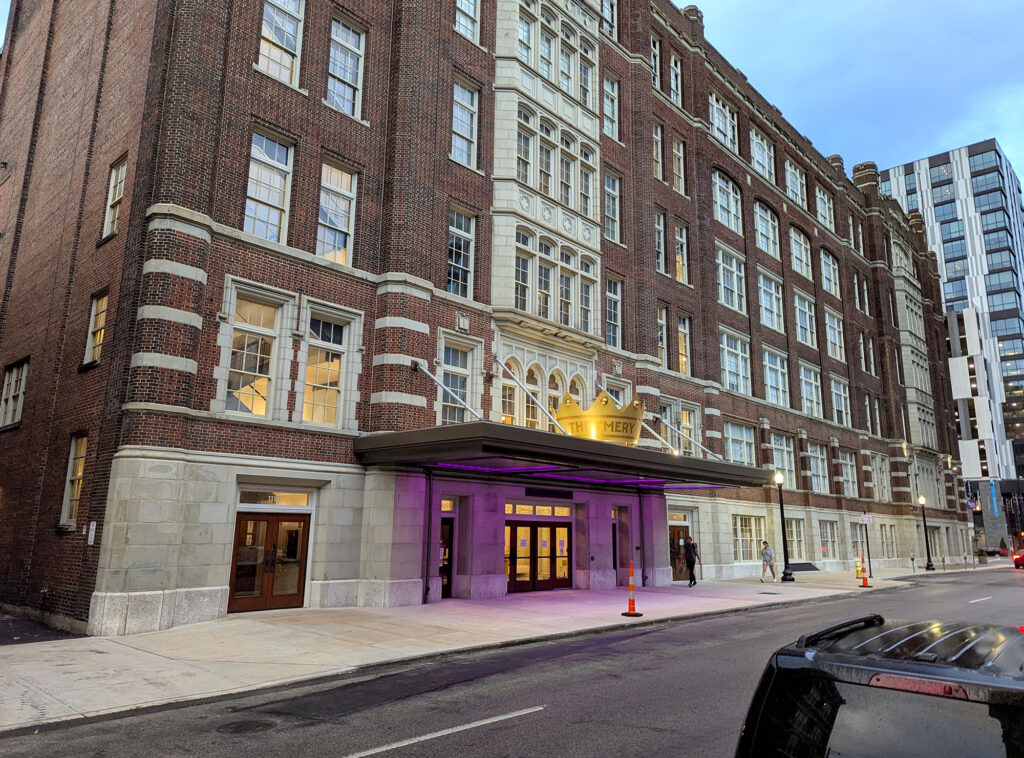
The historic 31-story Tower Life Building, originally known as the Smith-Young Tower, was constructed in San Antonio, Texas, between 1927 and 1928 by the renowned architects Robert and his father Atlee Ayres, who were among the most influential architects in Texas during the 20th century. Their work can be seen across the city such as the Municipal Auditorium, the Plaza Hotel, the Federal Reserve Bank, and the Administration Building at Randolph Field.

For a decade, Sears, Roebuck and Company occupied the first six floors, featuring large display windows along St. Mary’s and Villita streets, while the upper floors were leased to prominent local professionals and businesses, cementing the building’s place as a focal point of commerce and innovation in the city. The Smith-Young Tower with its rich history has borne witness to many significant moments throughout the years, serving as a mooring mast for a blimp, a performance site for aerialists, the headquarters of the third U.S. Army, and a television station transmission tower.

The San Antonio Transit Company purchased and renamed the building the Transit Tower in the 1950s, and by the early 1960s, the building was sold again to the Tower Life Insurance Company where the building was renamed to what we know it as today, the Tower Life Building. It was the tallest building and structure in San Antonio until 1968 and is currently the fourth tallest building in the city and the tallest 8-sided building in the U.S.

A New Era Begins
Revitalization Efforts

A New Era Begins

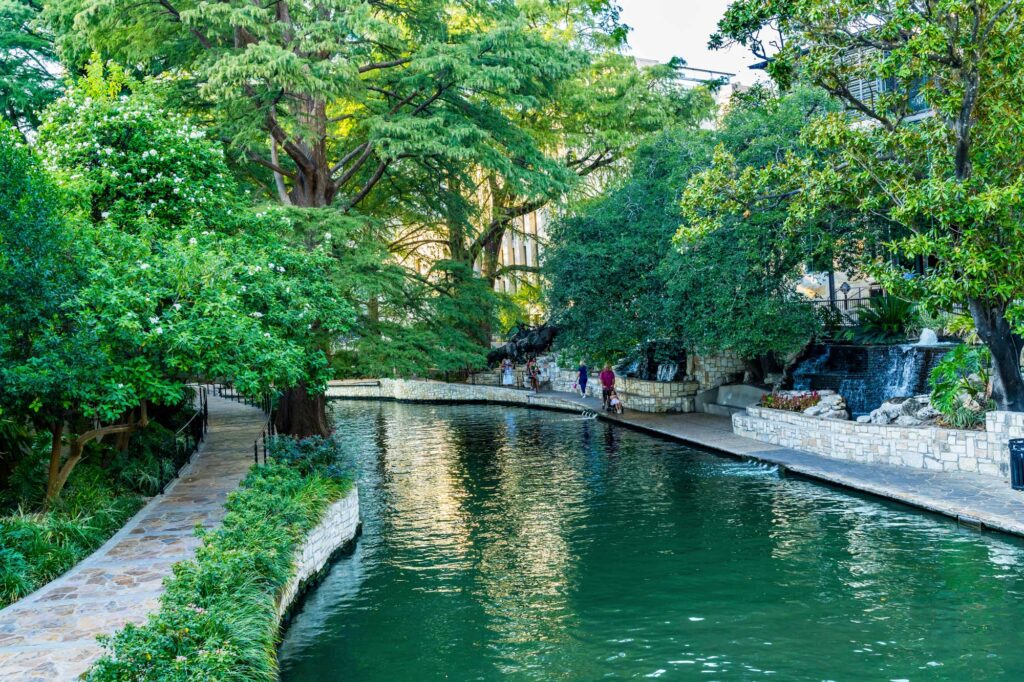
The Tower Life building sits on a quarter acre site along the beautiful downtown San Antonio River Walk. The San Antonio River Walk is a historic and cultural landmark that traces the city’s vibrant past, from its Spanish colonial roots to its modern-day role as a thriving hub of commerce and tourism. This iconic waterway site has inspired similar developments around the world, blending natural beauty with rich history and offering a unique glimpse into the heart of San Antonio’s heritage.

Tower Life’s renovation will create new ground-floor commercial space opportunities and transforms the upper floors into mixed-income residential space.

NTCIC's Role

Financing the Project

The $125 million revitalization was supported, in part, by NTCIC through an equity investment in the $16.8 million federal Historic Tax Credits and $21 million in State Historic Tax Credits generated by the construction efforts. NTCIC sourced, underwrote, and oversaw the financial closing of the Federal and State HTCs, and will provide tax credit fund and asset management services post-closing.

The Project was also approved for a 75-year real estate tax exemption through a lease partnership with Bexar County, as the Sponsor builds workforce housing for middle-income families that are not currently served by housing tax credits or market-rate developments.

Want to Discuss Your Next Project? Talk With Our Team Today.

We bring clear insight, deep experience, and strategic focus to every project, whether you're structuring complex capital or shaping long-term, legacy-driven development.

Name
Want to Discuss Your Next Project? Talk With Our Team Today.

Federal Historic Tax Credits

$4 Million

New Markets Tax Credits

$10 Million

Total Project Cost

$28.4 Million

Project Partner

Cross Street Partners

Impact

Workforce Development
Education Access

A History in Print
History

A History in Print

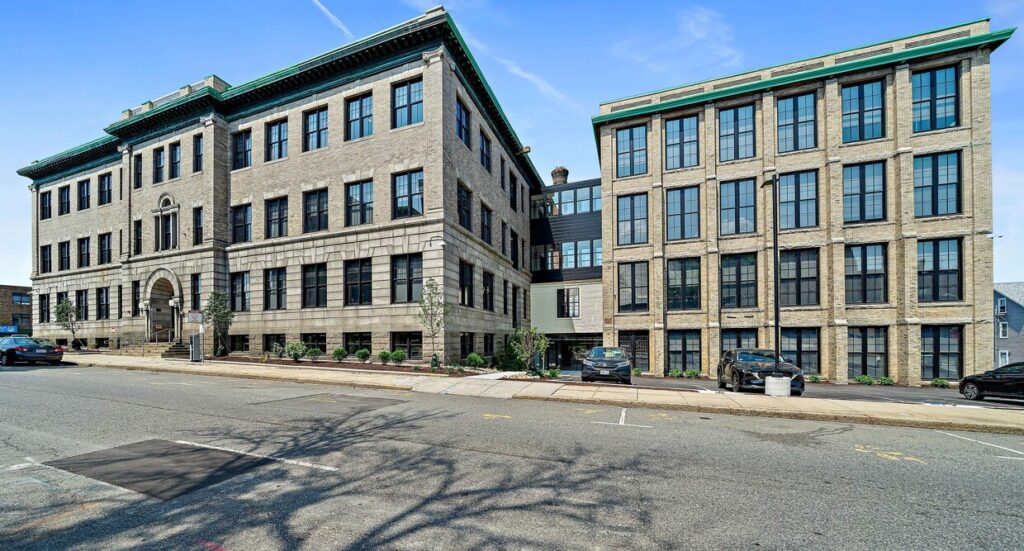
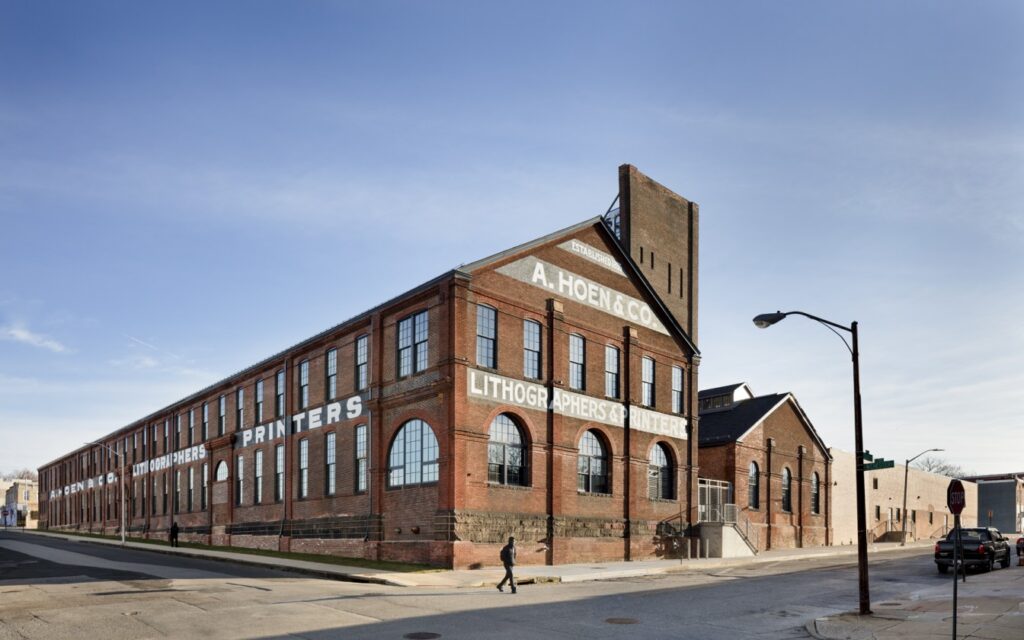
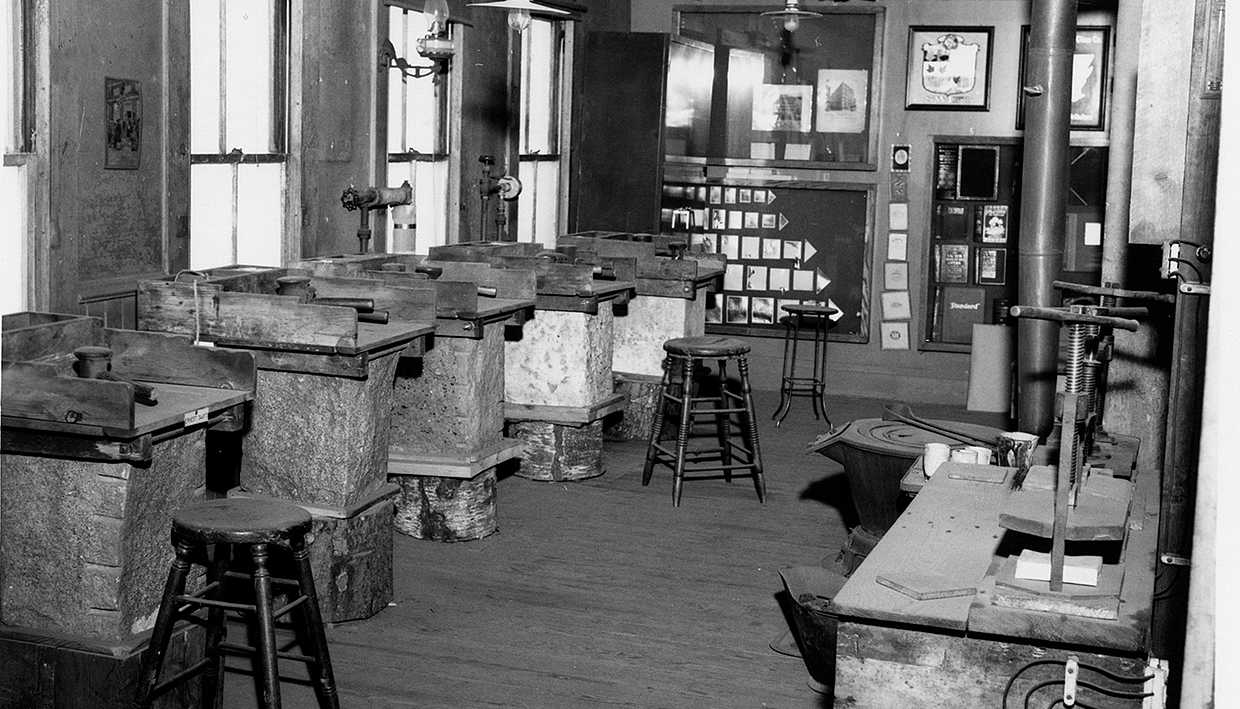
The Hoen & Co. Complex, originally constructed in 1885 in Baltimore, MD, is the last remaining site of the oldest continuously operating lithographer in the United States. Known for their precision and high-quality work that elevated the medium, the Hoen & Co. lithographers specialized in cartographic, scientific, and pictorial illustration, producing maps that were influential in the settlement of the West and setting national boundaries. Their maps were used in the National Geographic Society’s first bound atlas and comprised the full collection of insert maps in the National Geographic magazine. They also frequently partnered with the Johns Hopkins University Department of Art as Applied to Science in the creation of extraordinarily detailed medical illustrations.

The company succumbed to bankruptcy in 1981 after the pressure of a decline in business and a rise in cost-effective digital options. The buildings sat vacant until they were acquired by the City of Baltimore and sold to the collaborative team leading the current redevelopment.

A communal space within the revitalized Hoen Lithograph building
Revitalization Efforts

The Center for Neighborhood Innovation

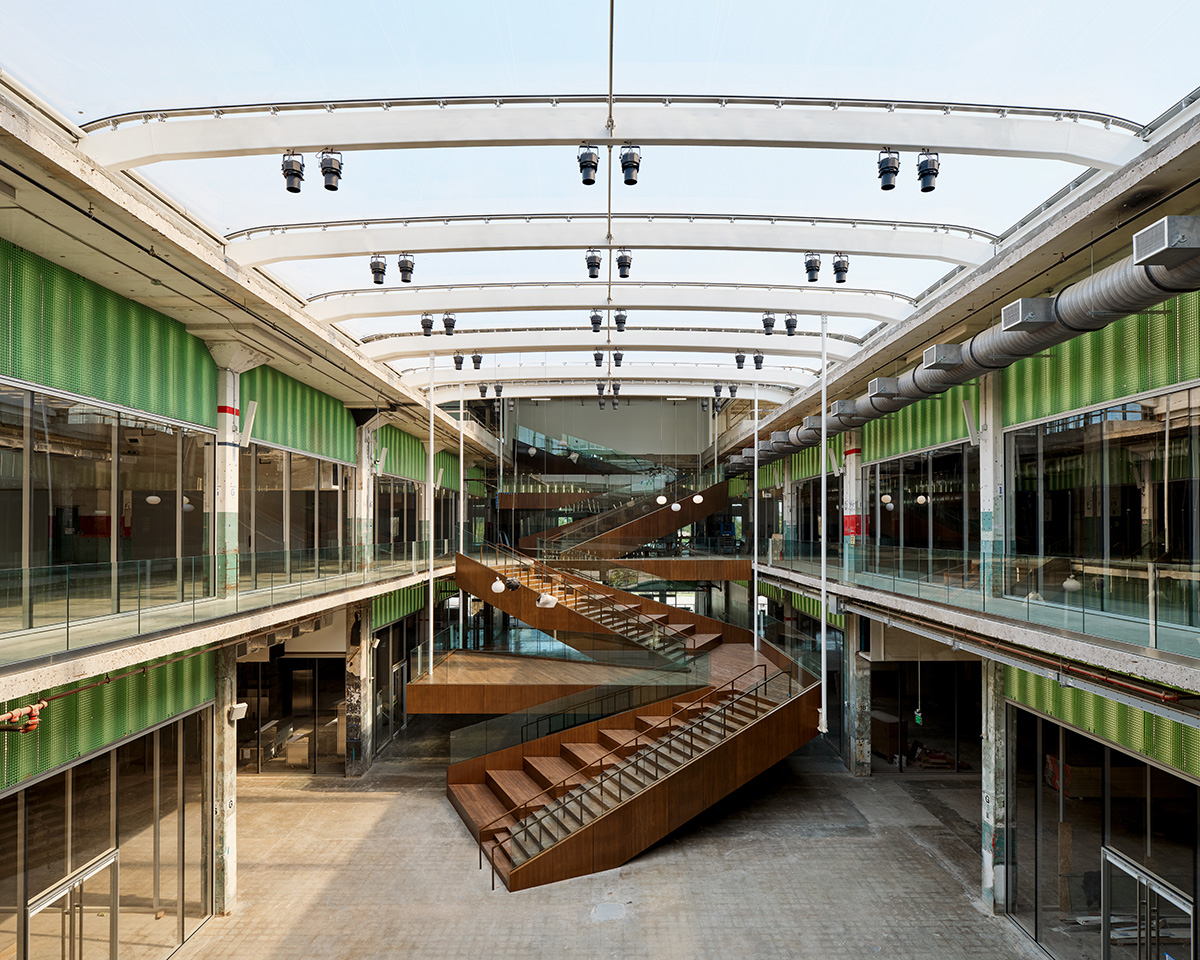
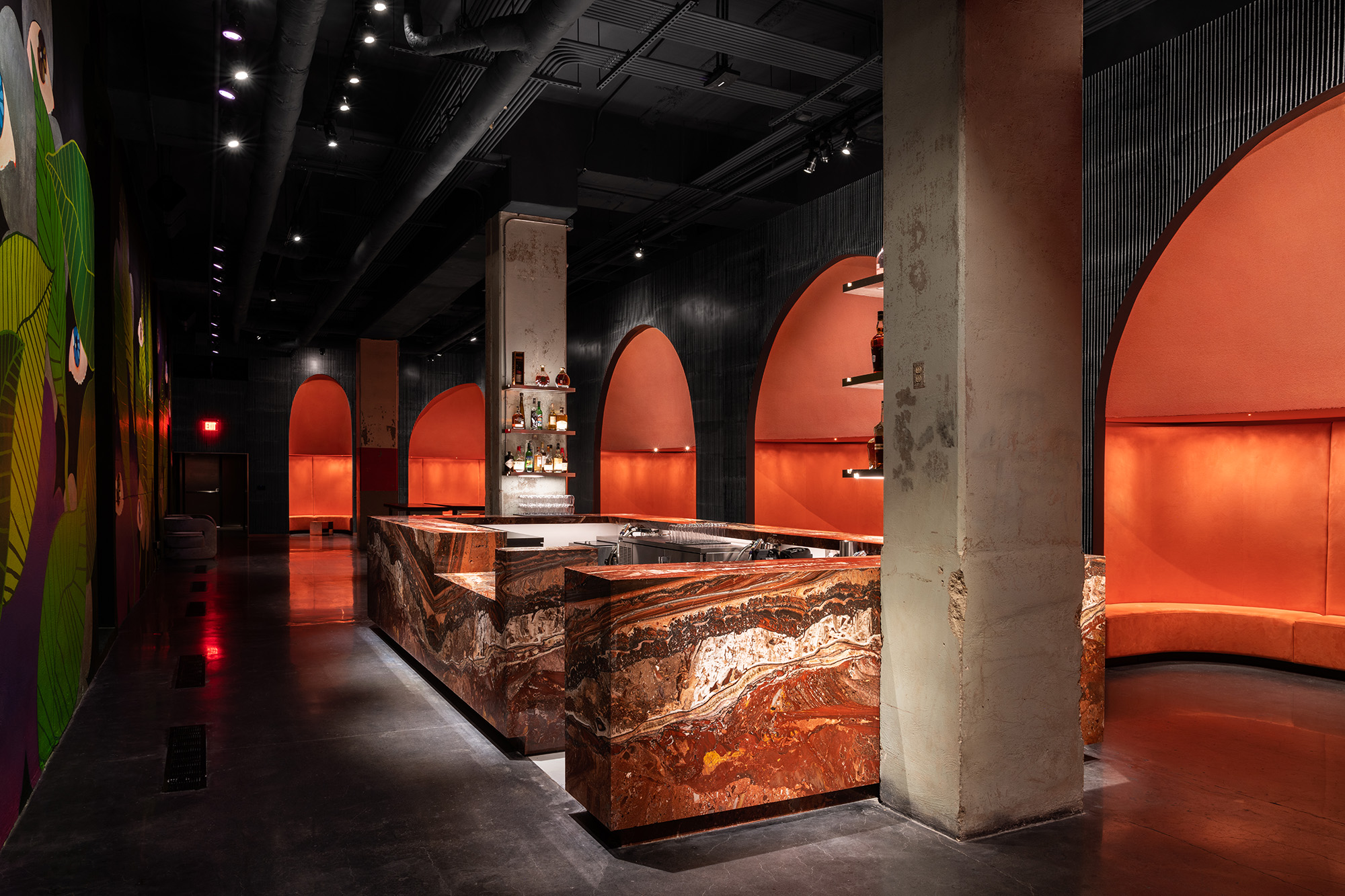
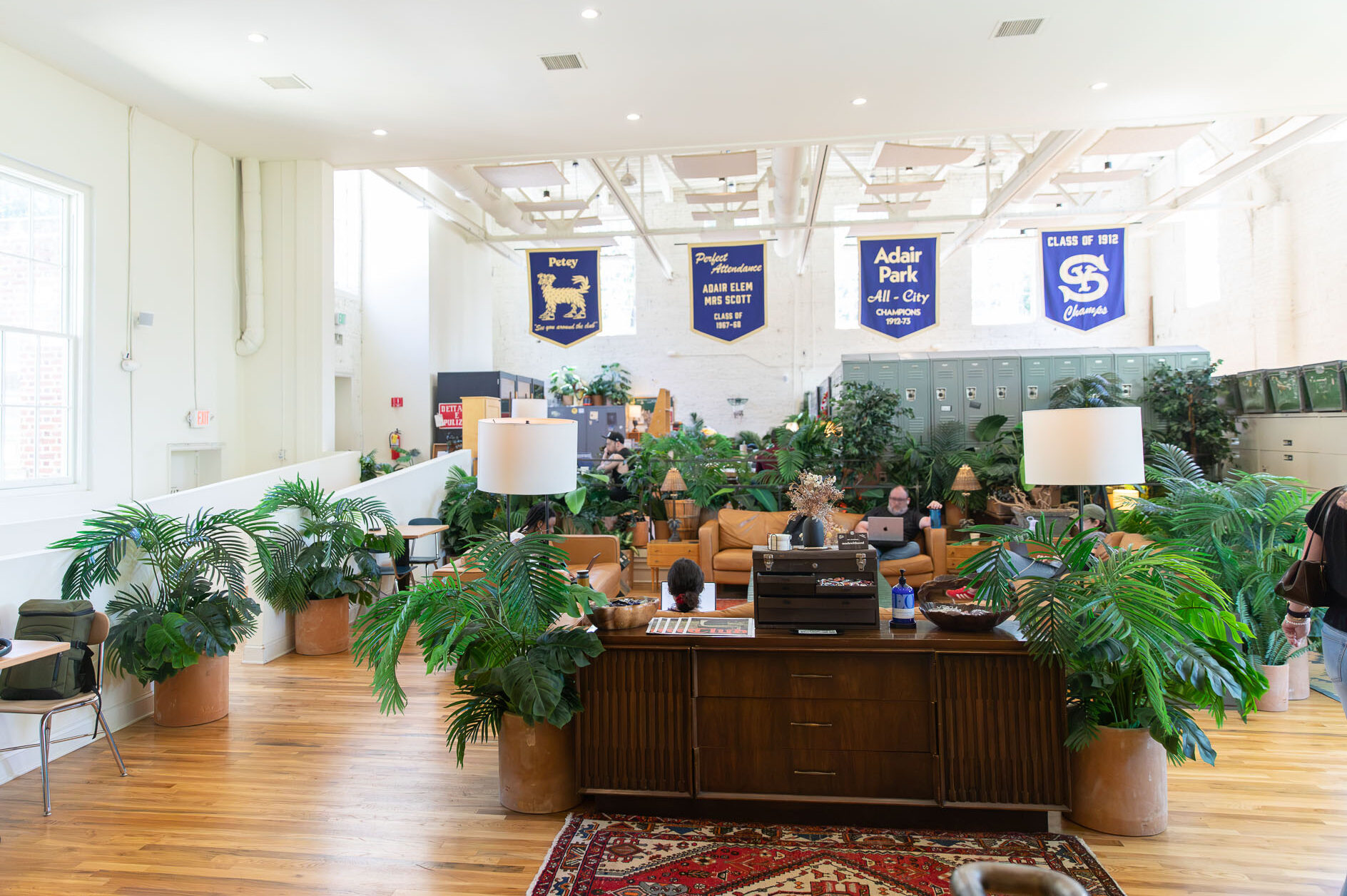
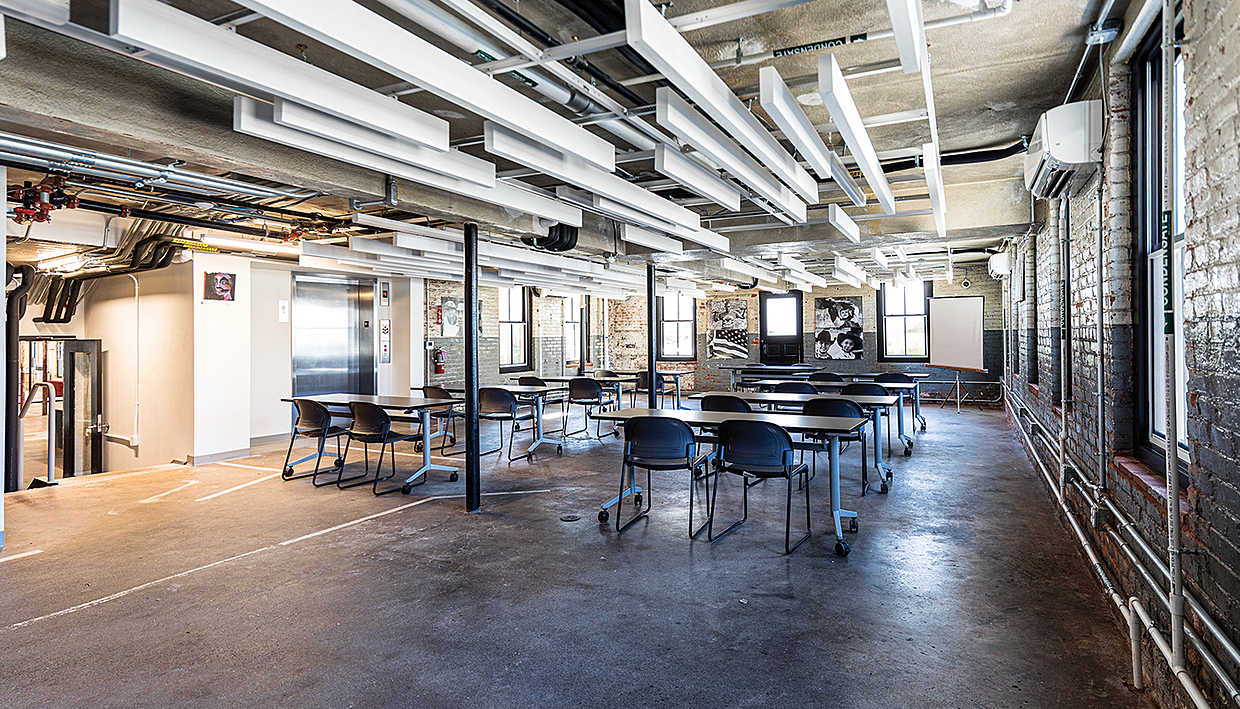
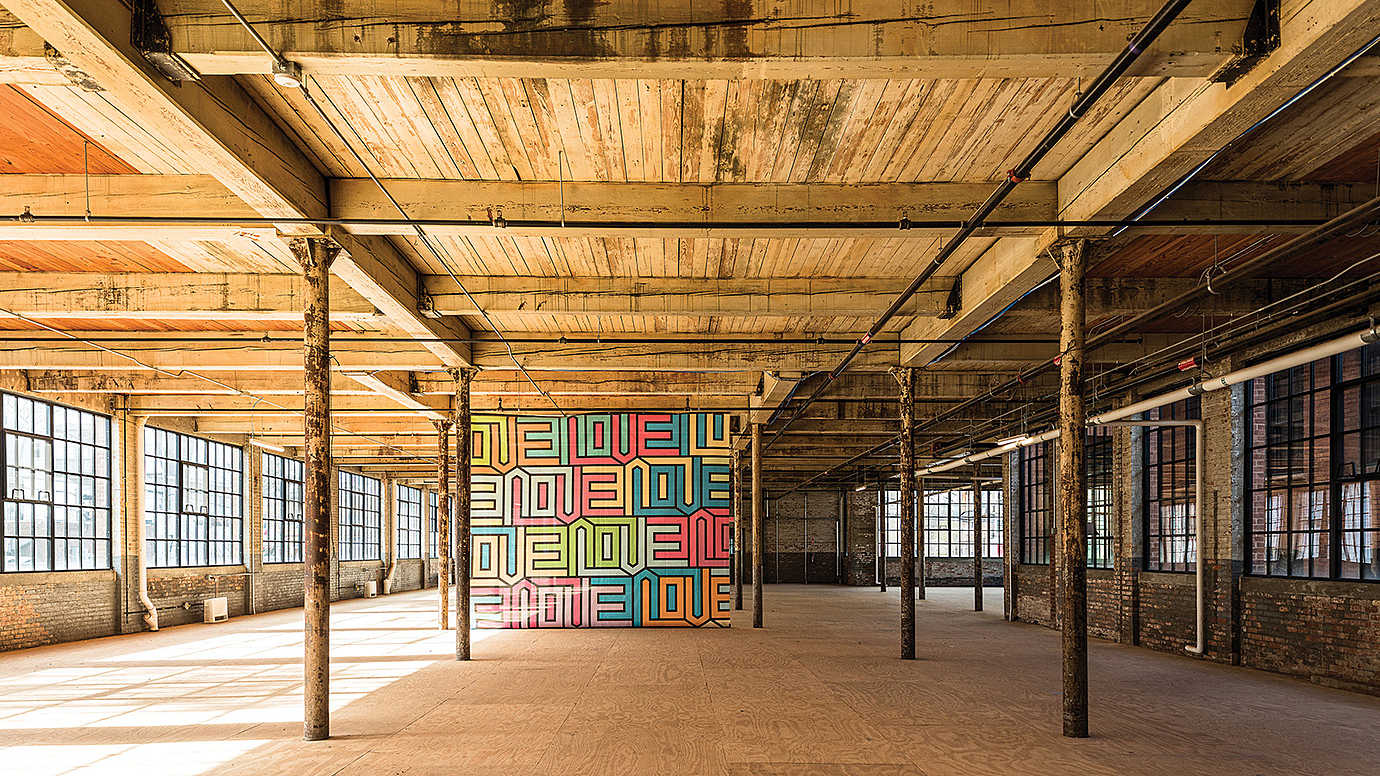
Completed in 2020, the 86,000 square foot former lithograph printing facility is now the Center for Neighborhood Innovation (CNI), a new model for community transformation. It co-located workforce development programs, educational training, neighborhood revitalization advocates, and nonprofits committed to strengthening the local neighborhood.

Hoen is now home to several impactful nonprofit, university programs, businesses, and workforce development programs helping to expand opportunities in Baltimore’s east side communities.

Community Impact

Creating Opportunities in East Baltimore

The revitalized Hoen Lithograph building, which completed construction in 2020, is now a thriving hub of innovation, workforce training, research and opportunity in East Baltimore. The building now supports hundreds of students working to address health inequities in their communities, community members looking to expand their

employment opportunities, and creative minds helping to highlight Baltimore as a powerhouse in the entertainment industry. Workforce training programs located at Hoen Lithograph support 575 students each year, while social service programs support 2,500 annual visits.

575

Annual Workforce Training Participants

2,500

Annual Social Service Clients

60%

Returning Citizen Participation of Project Jumpstart

86,000

Square Feet of Historic Space Restored

NTCIC & Progress

Financing the Project

NTCIC provided $10 million in New Markets Tax Credit allocation and an equity investment in the $4 million in Federal Historic Tax Credits generated by the project, making the $28.4 million rehabilitation of the Hoen Lithograph building possible. These investments enabled the transformation of a vacant historic building into the Center for Neighborhood Innovation, provide below-market rents to impactful organizations that help change lives and support community revitalization.

The project leveraged NMTC and HTC equity alongside loans, grants, and sponsor equity, reducing the need for traditional debt. Construction created 50 quality jobs, while the completed complex supports nearly 300 permanent full-time equivalent (FTE) positions, as well as 3,100 program participants each year.

Want to Discuss Your Next Project? Talk With Our Team Today.

We bring clear insight, deep experience, and strategic focus to every project, whether you're structuring complex capital or shaping long-term, legacy-driven development.

Name
Want to Discuss Your Next Project? Talk With Our Team Today.

Historic Tax Credits

$3.5 Million Federal
$3.5 Million State

New Markets Tax Credits

$8 Million

Total Project Cost

$21+ Million

Project Partner

J. Jeffers & Co.

Impact

Small Business Support, Economic Development, & more

History

Malted Milk Puts Racine on the Map

For nearly a century, the Horlick Malted Milk Company helped put Racine on the map. Founded by brothers James and William Horlick, the company pioneered malted milk products that became known around the world. Their products accompanied explorers on expeditions to Antarctica, supported troops during World War II, and became a staple in homes and soda fountains across America. 

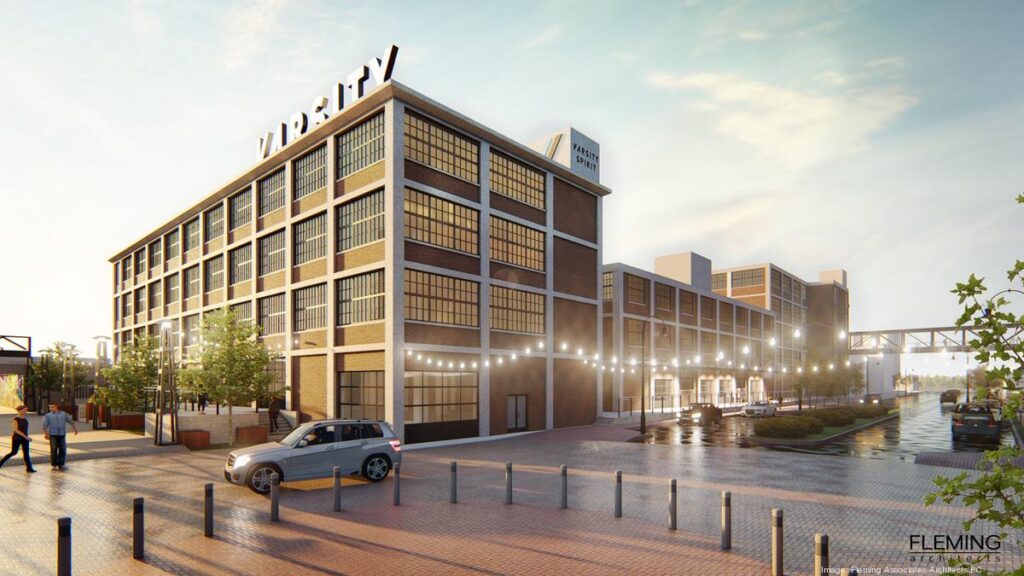
To meet growing demand, the Horlick brothers constructed an expansive industrial campus beginning in the late nineteenth century. Defined by its Gothic-inspired architecture, soaring smokestacks, and iconic clock tower, the complex became one of Racine’s most recognizable landmarks and an enduring symbol of the city’s manufacturing heritage. 

The Horlick Company also helped advance milk preservation practices and supported agricultural growth throughout the Midwest by purchasing large quantities of milk from regional dairy farms. At its peak, the company employed hundreds of workers and played a central role in Racine’s economy. 

As manufacturing patterns changed throughout the twentieth century, portions of the campus were sold and repurposed. Following the closure of Horlick’s operations, many of the buildings sat underutilized for decades despite their architectural significance. Recognizing both the historic importance and redevelopment potential of the site, local and national partners embarked on a multi-phase effort to restore the complex and return it to productive use. 

Dynamic & Usable Space for All
Revitalization Efforts

Dynamic & Usable Space for All

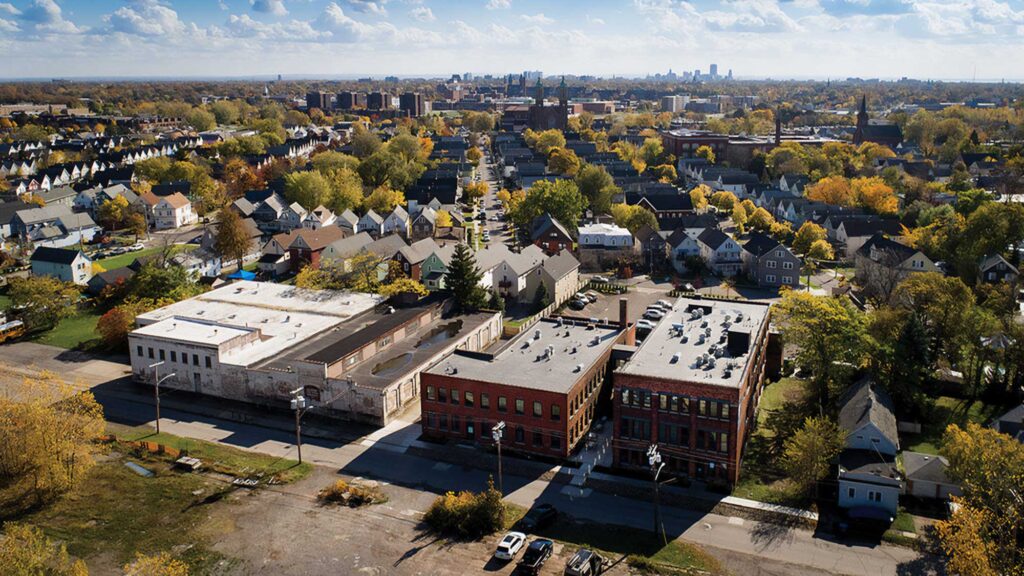
The commercial phase of Belle City Square rehabilitated more than 130,000 square feet across four historic buildings within the Horlick campus. Through a combination of historic preservation, strategic investment, and community partnerships, the project has transformed formerly vacant industrial space into a dynamic center for business growth, workforce training, entrepreneurship, and community engagement. 

Community Impact

Fostering Economic Mobility & Social Inclusion

Belle City Square has generated meaningful community impact by creating spaces that foster economic opportunity, workforce development, entrepreneurship, and social inclusion. 

The project supports a diverse mix of nonprofit organizations, educational programs, and growing businesses that collectively provide employment opportunities and workforce training for Racine residents. Programs operating within the development help connect individuals to career pathways, professional certifications, entrepreneurial resources, and supportive services that strengthen

long-term economic mobility. The Inclusive Bean has become a regional model for inclusive employment, creating meaningful work opportunities for individuals with disabilities while promoting greater community understanding and engagement. 

The project also provides space for makers, artists, entrepreneurs, and small businesses that may otherwise face barriers to accessing affordable commercial space. Through collaborative partnerships and shared resources, these organizations contribute to a growing ecosystem of innovation and local economic development. 

NTCIC & Progress

Economic Impact

The rehabilitation of Belle City Square required a layered financing strategy to address the challenges associated with redeveloping large historic industrial buildings. NTCIC supported the 4th phase of the historic restoration efforts through an $8 million New Markets Tax Credit allocation, without which a funding gap would still exist, preventing project completion. NTCIC also facilitated an equity investment by US Bank in the $7 million of state and federal Historic Tax Credits generated by the development.

The financing structure leveraged public and private investment sources, including TIF Financing and traditional debt, and grants and loans from the Milwaukee Preservation Alliance. The project also received $13 million in additional NMTC allocation provided by First Industrial Redevelopment Enterprise (FIRE). This collaborative approach enabled the preservation of historically significant structures while creating a platform for long-term economic growth and community benefit.

Want to Discuss Your Next Project? Talk With Our Team Today.

We bring clear insight, deep experience, and strategic focus to every project, whether you're structuring complex capital or shaping long-term, legacy-driven development.

Name
Want to Discuss Your Next Project? Talk With Our Team Today.

Historic Tax Credits

$6.1 Million Federal

New Markets Tax Credits

$5 Million

Total Project Cost

$37.7 Million

Project Partner

Self-Help Ventures

Impact

Small Business Support, Housing, & more

Textile Industry in the South
History

Textile Industry in the South

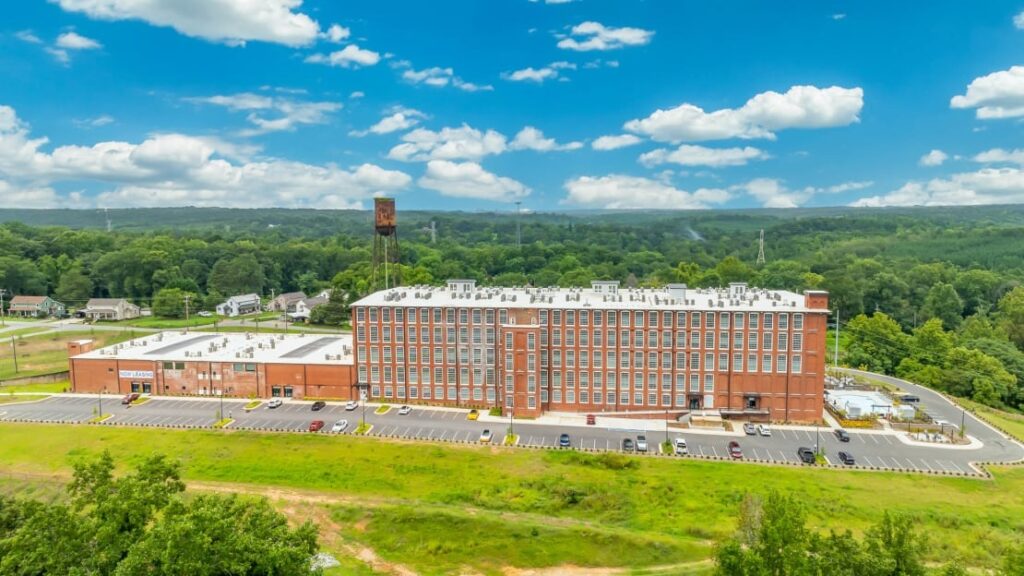
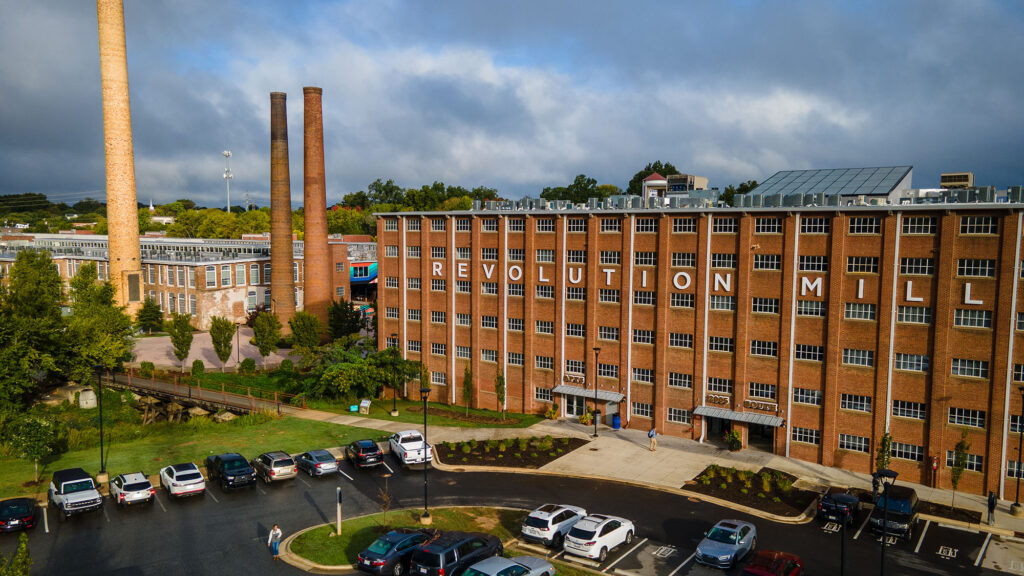
Built in 3 phases between 1900 and 1915 in Greensboro, North Carolina, the Revolution Cotton Mills is an example of the diversification in the Southern textile industry during the late nineteenth and early twentieth centuries. It was founded as a joint venture of the Cone and Sternberger families, two prominent Jewish families integral to Greensboro’s development.

The mill was fully operational by September 1900 and included 12,000 spindles, 376 looms, employed 350 people, and had 125 company houses – creating the village of Revolution. A 1910 description of the mill noted that “the company houses its employees in neat, modern houses and has supplied the village of Revolution with schools, free kindergarten, healthcare facilities, playgrounds, summer camps, a YMCA, churches, and every possible convenience.”

Revolution Mills’ particular significance lies in the fact that it was reputed to be the first flannel mill in the South, at a time when flannel was an increasingly popular fabric. By the 1930s, Revolution Cotton Mills had become the largest exclusive flannel mill globally, growing to over 1 million square feet and producing over 50 million yards annually.

In 1947, the Revolution Cotton Mills merged with Proximity Manufacturing Company, a secondary business venture founded by the Cone family, to become the Cone Mills Corporation. For approximately thirty years after the merger, the Revolution plant continued to produce flannel goods.

In the late 1970s, however, with new government standards concerning flammability, the company elected to get out of the flannel business. The plant was then converted to corduroy production, with a large export market, but when this market deteriorated, Cone Mills shut down the Revolution plant for good in February 1982. In 2012, Self-Help Ventures bought the mill and embarked on the first phase of redevelopment for the complex. The main campus was complete in 2019, and the Mill House project represents the final piece of the Revolution Mill development.

Center for Education & Community
Revitalization Efforts

Center for Education & Community

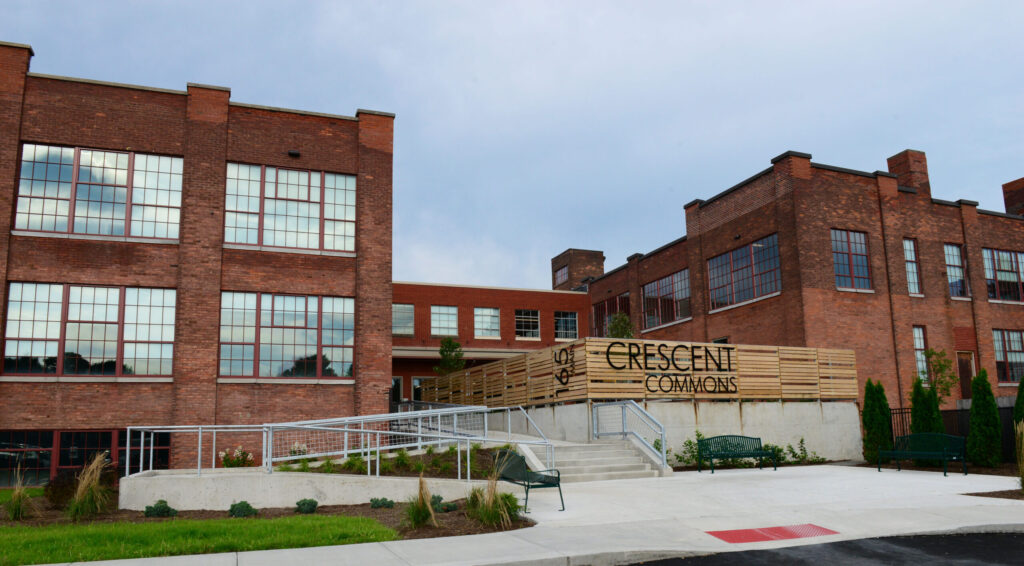
After its renovation, the original cloth warehouse is now the Mill House and includes 33 mixed-income units, as well as more than 57,000 square feet of commercial space and nearly 10,000 square feet of coworking space managed by Self-Help.

Community Impact

Becoming a Community Asset

The Mill House was vacant and underutilized for nearly 40 years, deteriorating considerably during that time. The revitalization efforts created 225 construction jobs that paid above living wage with full-benefit packages including healthcare, paid holidays, paid time off, and retirement benefits. The development team worked with general contractors to prioritize having a diverse group of businesses on the project.

Upon completion, the project supported 250 permanent jobs

through new and existing businesses. The business incubator managed by Self-Help supports 25 small businesses annually, and five additional office spaces in the building are marketed at below-market rents for local, MBE/WBE businesses and nonprofit organizations.

The local restaurant and retail tenants are provided with a flexible rental structure that allows them to succeed as they expand into the area market.

225

Construction Jobs Created

250

Permanent Jobs Created

25 Annually

Small Businesses Supported

5

Affordable Office Rentals

NTCIC & Progress

Economic Impact

The historic restoration of the final phase of the Mill House was made possible, in part, by NTCIC through an equity investment in the $6.1 million in federal Historic Tax Credits (HTC) generated by the project and a $5 million New Markets Tax Credit allocation.

Want to Discuss Your Next Project? Talk With Our Team Today.

We bring clear insight, deep experience, and strategic focus to every project, whether you're structuring complex capital or shaping long-term, legacy-driven development.

Name
Want to Discuss Your Next Project? Talk With Our Team Today.

Historic Tax Credits

$4.3 Million Federal

New Markets Tax Credits

$12 Million

Total Project Cost

$27 Million

Project Partner

CARITAS

Impact

Social Services, Healthcare, & more

History

Philip Morris Blended Leaf Plant

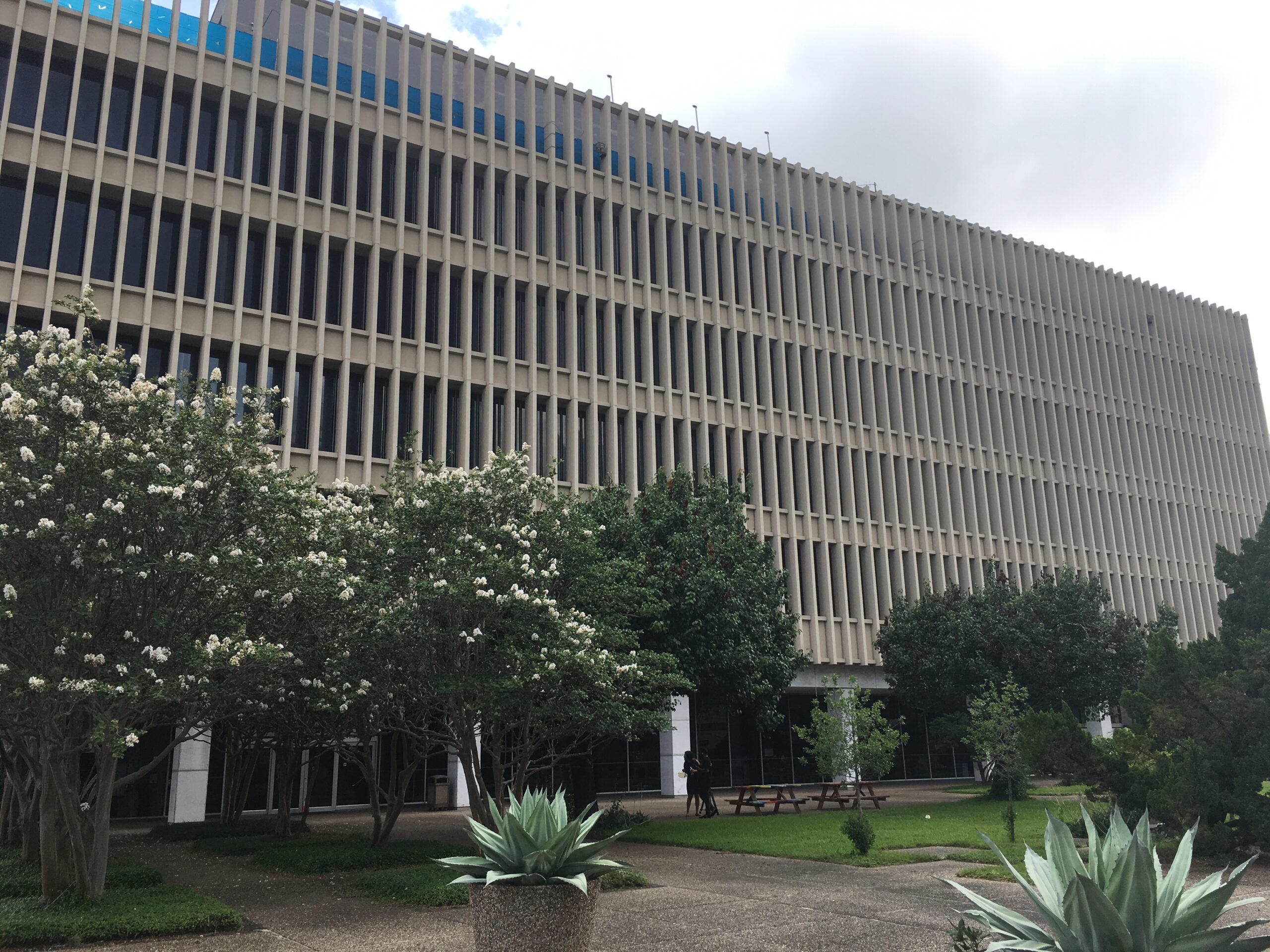
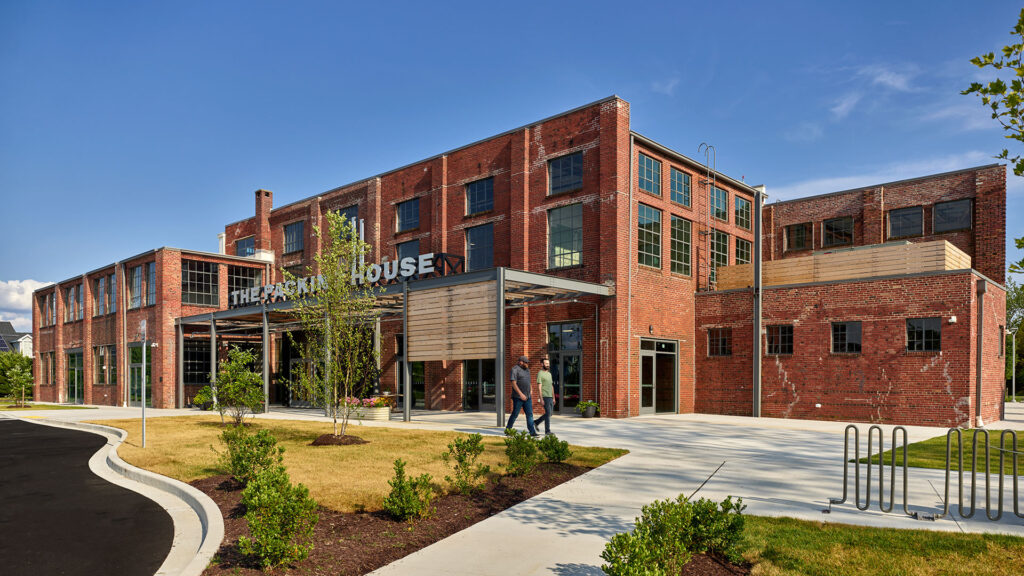
The Philip Morris Blended Leaf Plant is a former industrial building that was originally a stemmery that supported the mass production of cigarettes. Originally constructed in the late 1950s, the facility was part of an ambitious plan of expansion initiated in the 1950s by the Philip Morris Company. The plant was the epicenter of the Philip Morris Blended Leaf Complex historic district, listed on the National Register of Historic Places in 2017, until 2011, when the factory was decommissioned and fell into disrepair.

A Space Renewed
Revitalization Efforts

A Space Renewed

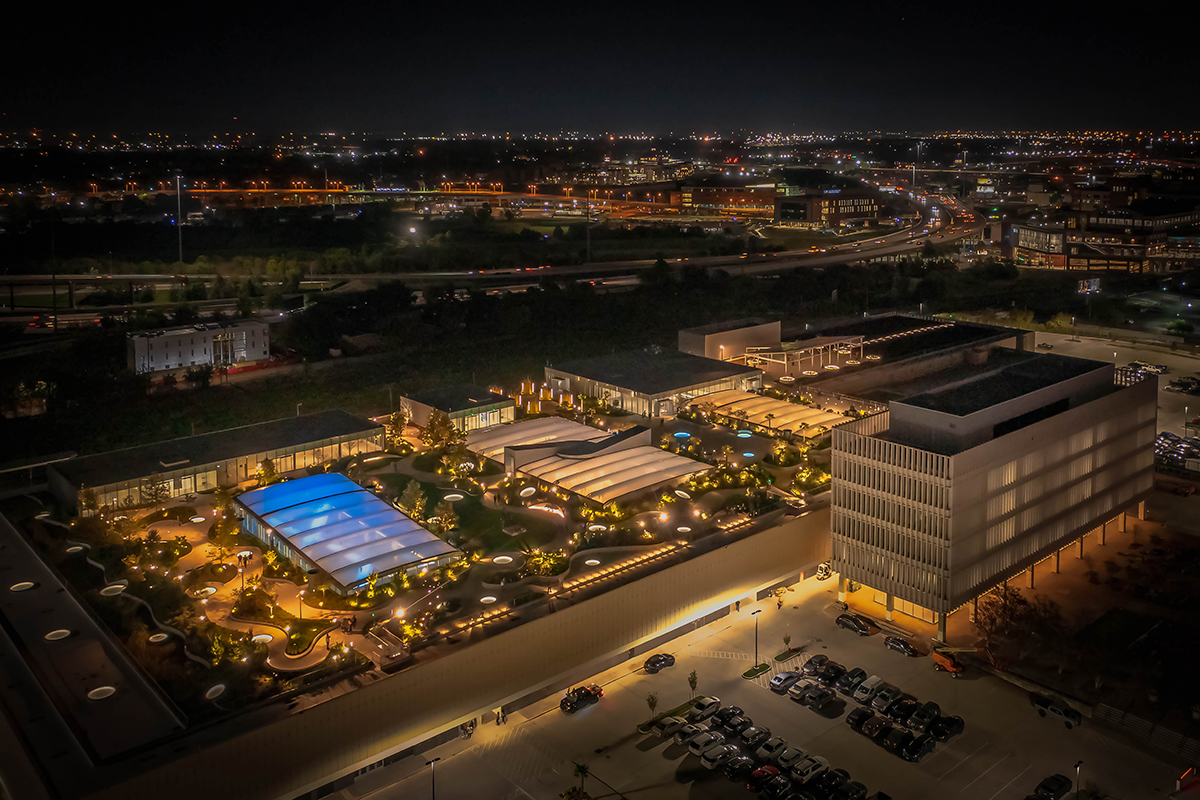
The former warehouse is now the new headquarters for Congregations Around Richmond to Assure Shelter (CARITAS), a center of support and recovery for those experiencing homelessness and battling addiction or substance use disorders. CARITAS was founded in 1987 to provide effective, permanent solutions to individuals and families dealing with the crisis of homelessness and/or substance use disorders in the Metro Richmond area. It has a strong history of continued growth and successful fundraising to support its programs which include CARITAS Shelter, CARITAS Furniture Bank, CARITAS Works, and The Healing Place. The creation of this facility allowed the organization to greatly expand the capabilities of their services while also creating new programs to more effectively serve their community. 

Community Impact

Second Chances Happen Here

By co-locating the various programs CARITAS supports, the organization has saved over $350,000 on an annual basis, which allowed it to further develop new and existing services. The project also allowed CARITAS to expand their Healing Place program to include services specifically dedicated to supporting women in need. The furniture bank supports nearly 1,000 families each year by providing those transitioning to permanent housing with low/no-cost furniture. Through the CARITAS Shelter program, the revitalized space added 40 sober living units and seven transition units for program graduates and community members. By incorporating

housing into the new facility, CARITAS no longer had to carry an $86k/year expense for the nine apartments and two houses that it used to lease to male alumni and transitional clients. 

CARITAS’ new location allowed for 26 new permanent full-time positions, with 14 of those created as a direct result of the expansion into the space. Approximately 70% of the newly created jobs were accessible to LIPs or residents of LICs. All new job opportunities for the Women’s Healing Place program were made available to members of the surrounding community. 

26

Full-Time Jobs Created

$350,000

Saved Annually by CARITAS

1,000 Families

Using Furniture Bank Annually

40

Sober Living Units

7

Transitional Living Units

NTCIC & Progress

Economic Impact

The renovation of the former Philip Morris Blended Leaf Plant into CARITAS’ new headquarters was made possible, in part, by NTCIC through an equity investment in the $4.3 million in federal Historic Tax Credits (HTC) generated by the project and a $12 million New Markets Tax Credit allocation. 

Want to Discuss Your Next Project? Talk With Our Team Today.

We bring clear insight, deep experience, and strategic focus to every project, whether you're structuring complex capital or shaping long-term, legacy-driven development.

Name
Want to Discuss Your Next Project? Talk With Our Team Today.