


New Markets Tax Credits
$5 Million

Total Project Cost
$191 Million

Project Partner
Crosstown Arts

Impact
Economic Development
History
Sears Distribution Center & Retail Store
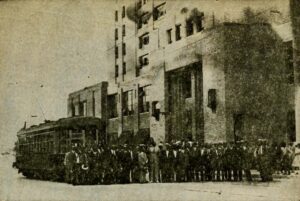 With a foundation as a sophisticated mail-order operation that began in 1889, Sears Roebuck & Company successfully created the role of “buyer for the American farm” by connecting rural people to retail goods. Its goals were to reach communities in rural areas that had limited access to retail stores and to provide affordable and quality goods that might otherwise only be found in the largest cities.
On August 8, 1927, Memphis Mayor Rowlett Paine officially opened the Memphis Sears distribution center and retail store in the Crosstown neighborhood. As one of ten nationwide distribution centers, the Crosstown facility was one of the last three catalog centers to be opened prior to the Great Depression.
The initial 650,000 square-foot facility was built in only 180 days and eventually grew to a 1.5 million square-foot complex. The catalog distribution function of the building remained in use until 1993, when all catalog sales nationwide at Sears were discontinued. Partial operations were also relocated to newer warehouse facilities in other parts of Memphis, and the building was abandoned.
Revitalization Efforts
From Abandoned to Anchor
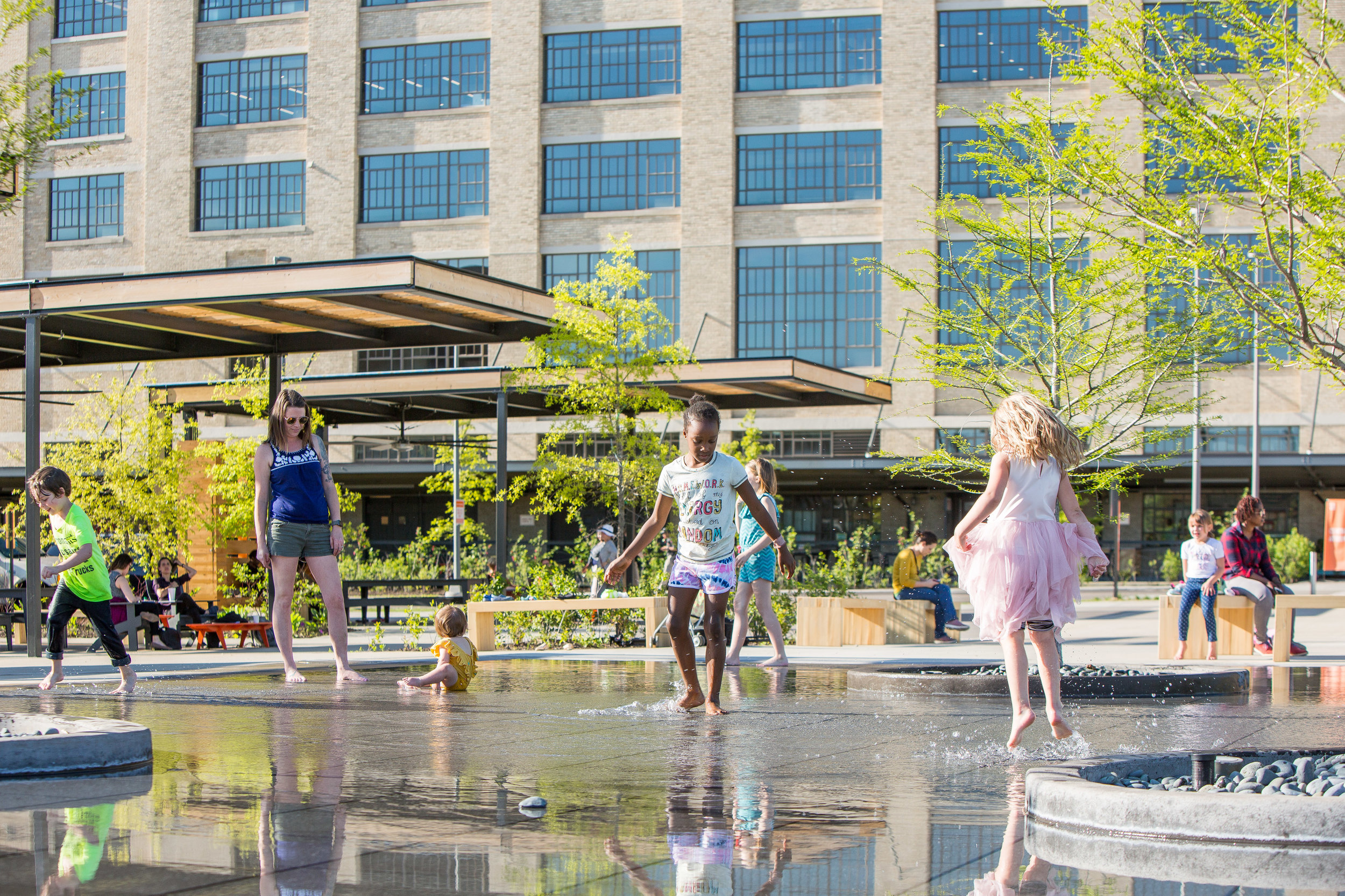
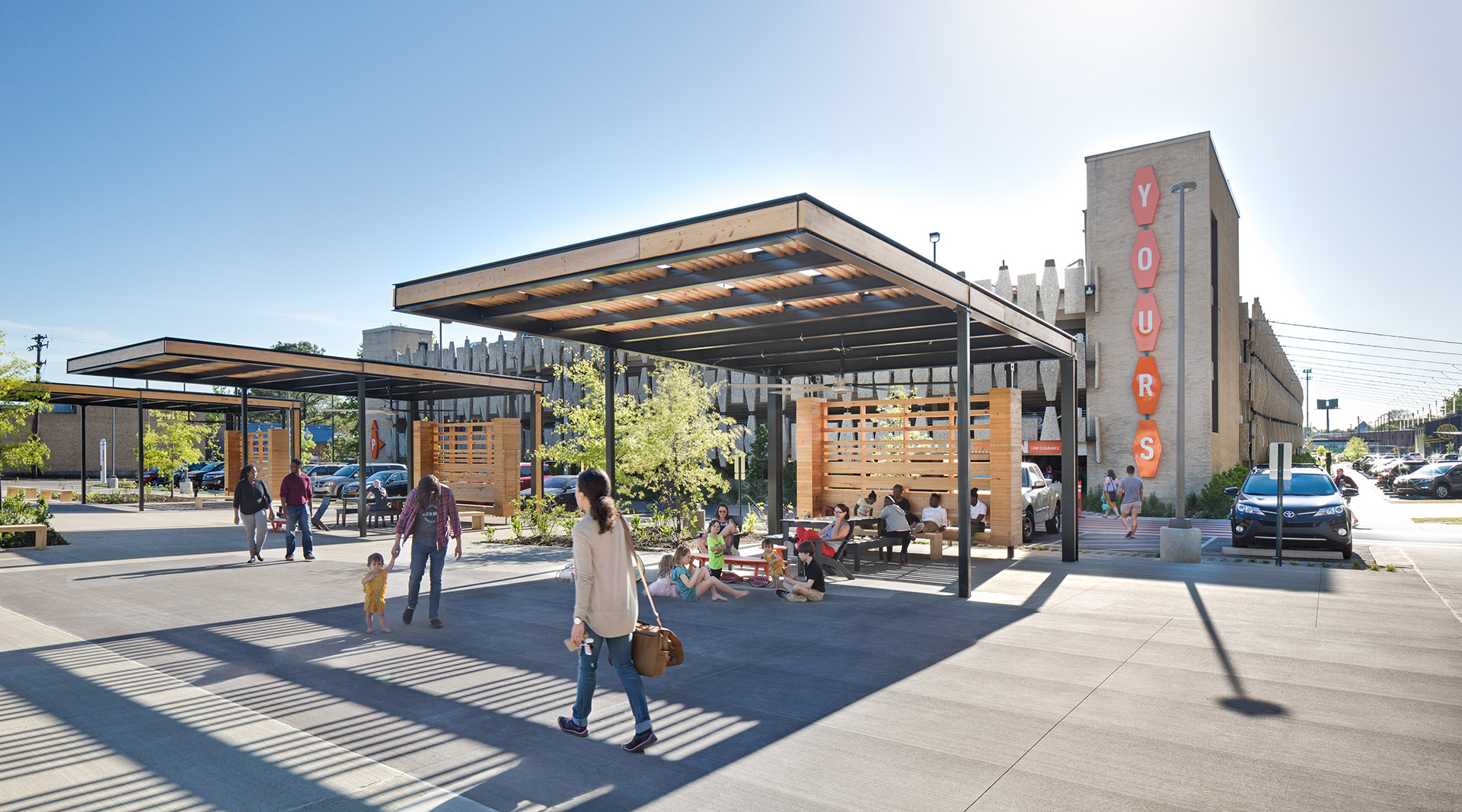
Vacant for over 20 years, this building has now been saved and repurposed with a new community-serving purpose. Thanks to the vision of nonprofit Crosstown Arts, in partnership with Kemmons Wilson Companies and a group of community stakeholders and founding tenants, the new Crosstown Concourse has emerged as a mixed-use, “vertical urban village” with roots in arts, education and healthcare.
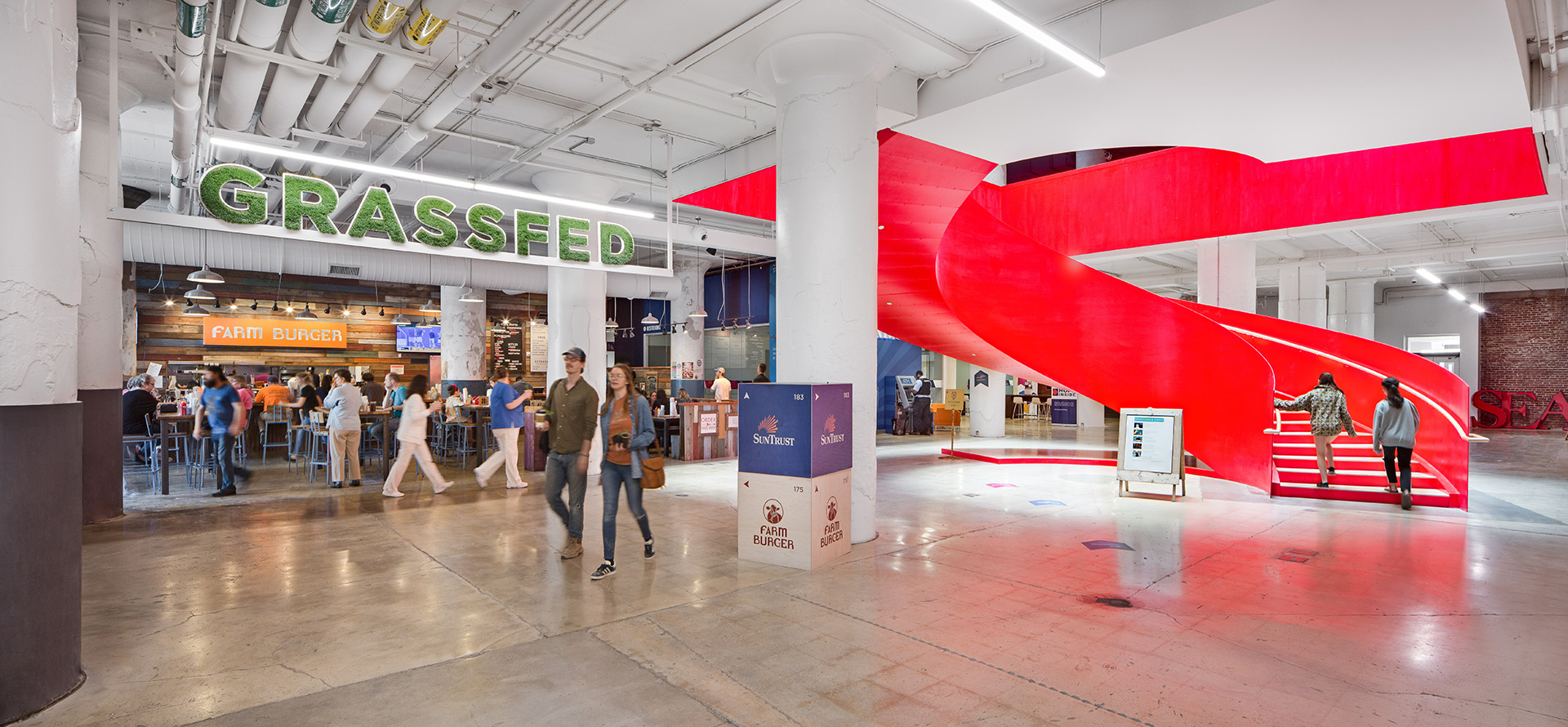
Reopened on August 18, 2017 (on the building’s 90th birthday), Crosstown Concourse now contains 269 residential mixed-income housing and commercial, retail, education and healthcare space. Tenants include a charter high school for arts and sciences, a teacher residency/graduate urban education program, a wellness and fitness center, primary and urgent healthcare clinics, contemporary art exhibition space, shared art-making facilities, a comprehensive cancer treatment center, and a retail mix that includes a fresh market, pharmacy and restaurants.
Community Impact
Crosstown as a Catalyst for Revitalization
Crosstown Concourse is the largest historic adaptive reuse project in the state of Tennessee and serves as an anchor and catalyst for revitalization and economic development in Memphis as well as the surrounding communities. Over 6,500 construction workers provided over 2.5 million hours of labor in the rehabilitation resulting in this adaptive reuse. 95% of the construction contracts were managed by local Memphis-owned business and 32% of the contracts were awarded to minority-owned companies.
Crosstown Concourse attracts approximately 3,000 students, retail customers, residents and patients every day. This “vertical urban village” serves approximately 125,000 healthcare patients and 2,500 students and teachers per year and created an estimated 500 new
permanent jobs. Community members utilize health and wellness services at Church Health, one of the project’s tenants seeking to improve health and well-being in the community. Teach for America, Crosstown High, and Crosstown Arts all offer services that are dedicated to further cultivating the educational and creative community in Memphis.
Crosstown Concourse offers 269 apartments consisting of 12 micro units, 24 studios, 64 one-bedroom, 155 two-bedroom and 8 three-bedroom apartments. The units are offered to residents at a range of income levels; 20% of these units are considered affordable housing at 80% or below of area median income.

Residential Units Created
269
Historic Space Restored
1 Million SF
Healthcare Patients
125,000 annually

Permanent Jobs Created
500
Construction Jobs Created
6,500
NTCIC & Progress
Financing
Closed in 2014, NTCIC’s involvement in financing Crosstown Concourse included providing an allocation of $5 million in New Markets Tax Credits to help bring the 1 million square foot project to life.
Check Out Similar Projects Here
Browse all projects
Conwood
Former Tobacco Complex Transforms into Mixed-Use Community Hub
Electric Works
A District of Innovation in Fort Wayne
The Tower Life Building
Revival of San Antonio’s River Walk Landmark
Conwood
Former Tobacco Complex Transforms into Mixed-Use Community Hub
Electric Works
A District of Innovation in Fort Wayne
The Tower Life Building
Revival of San Antonio’s River Walk Landmark
Want to Discuss Your Next Project? Talk With Our Team Today.
We bring clear insight, deep experience, and strategic focus to every project, whether you're structuring complex capital or shaping long-term, legacy-driven development.