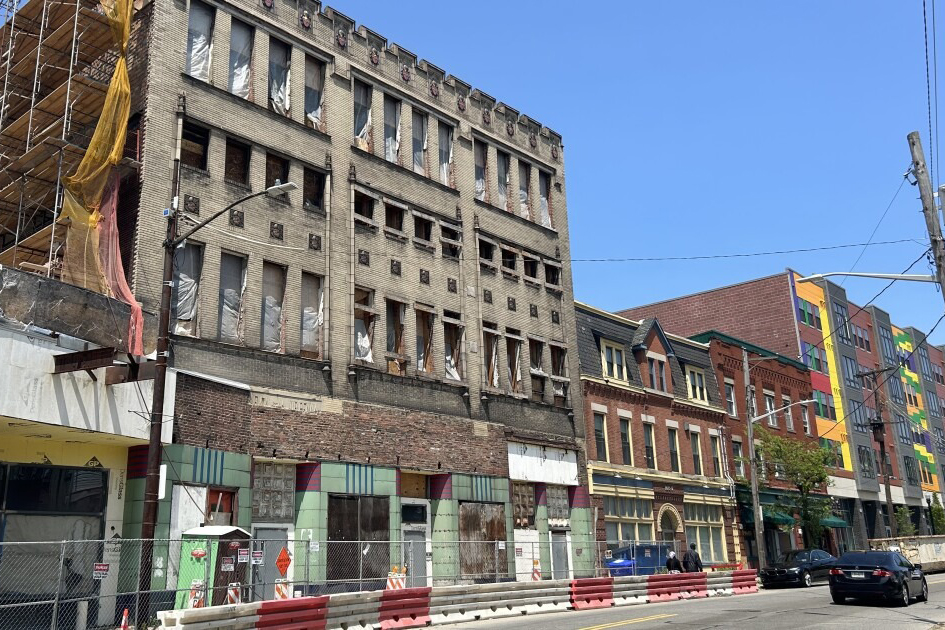



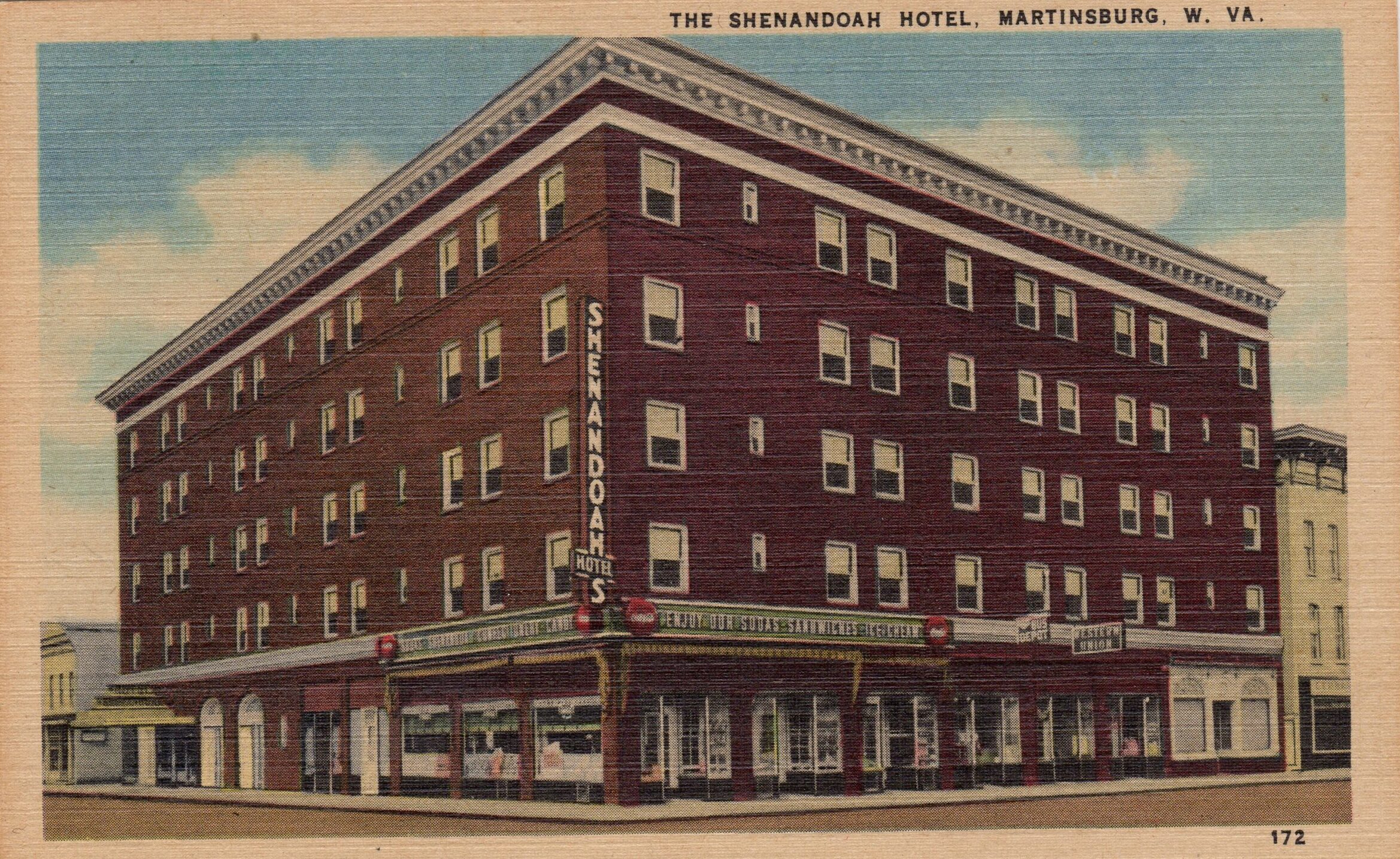
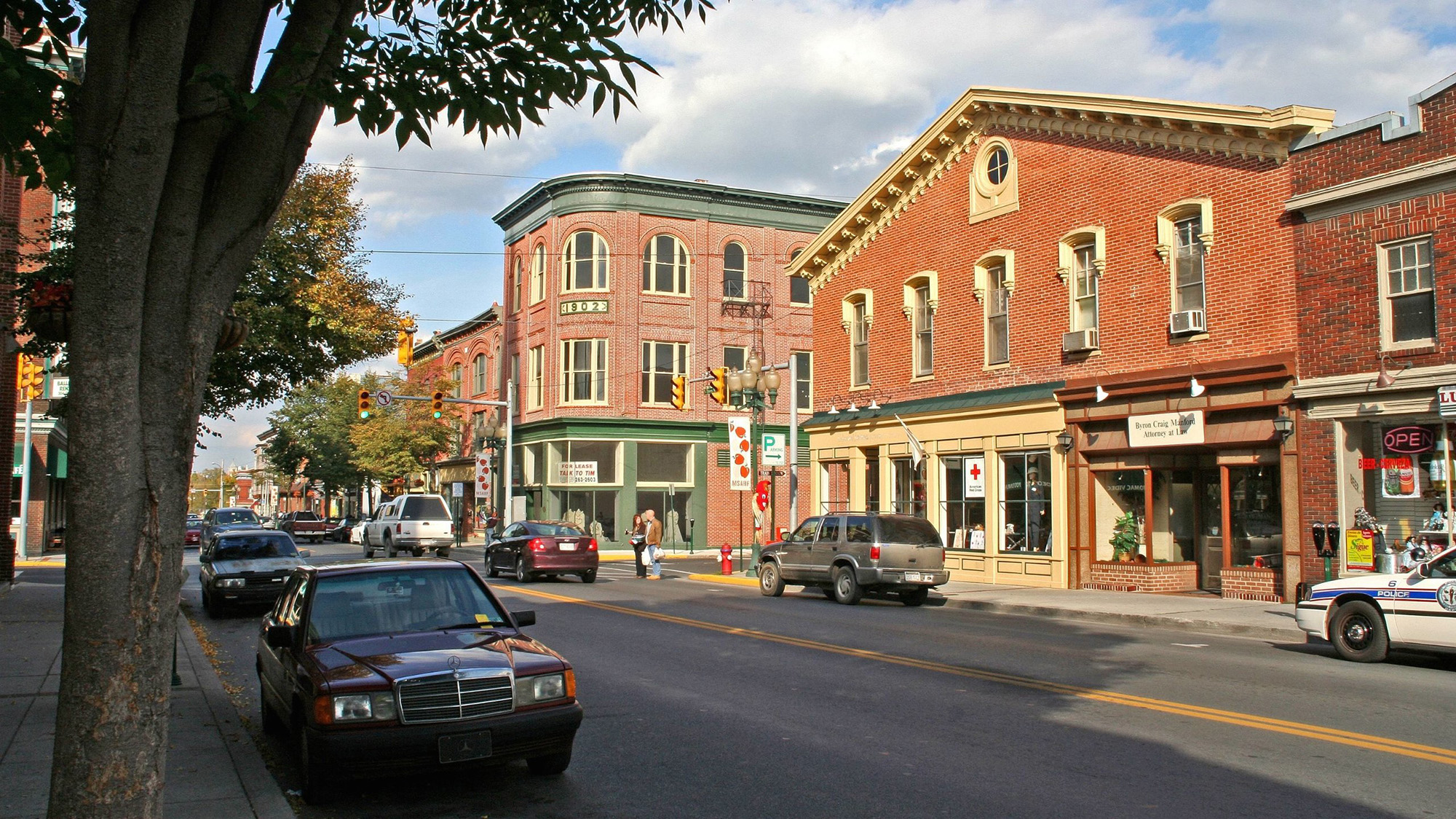
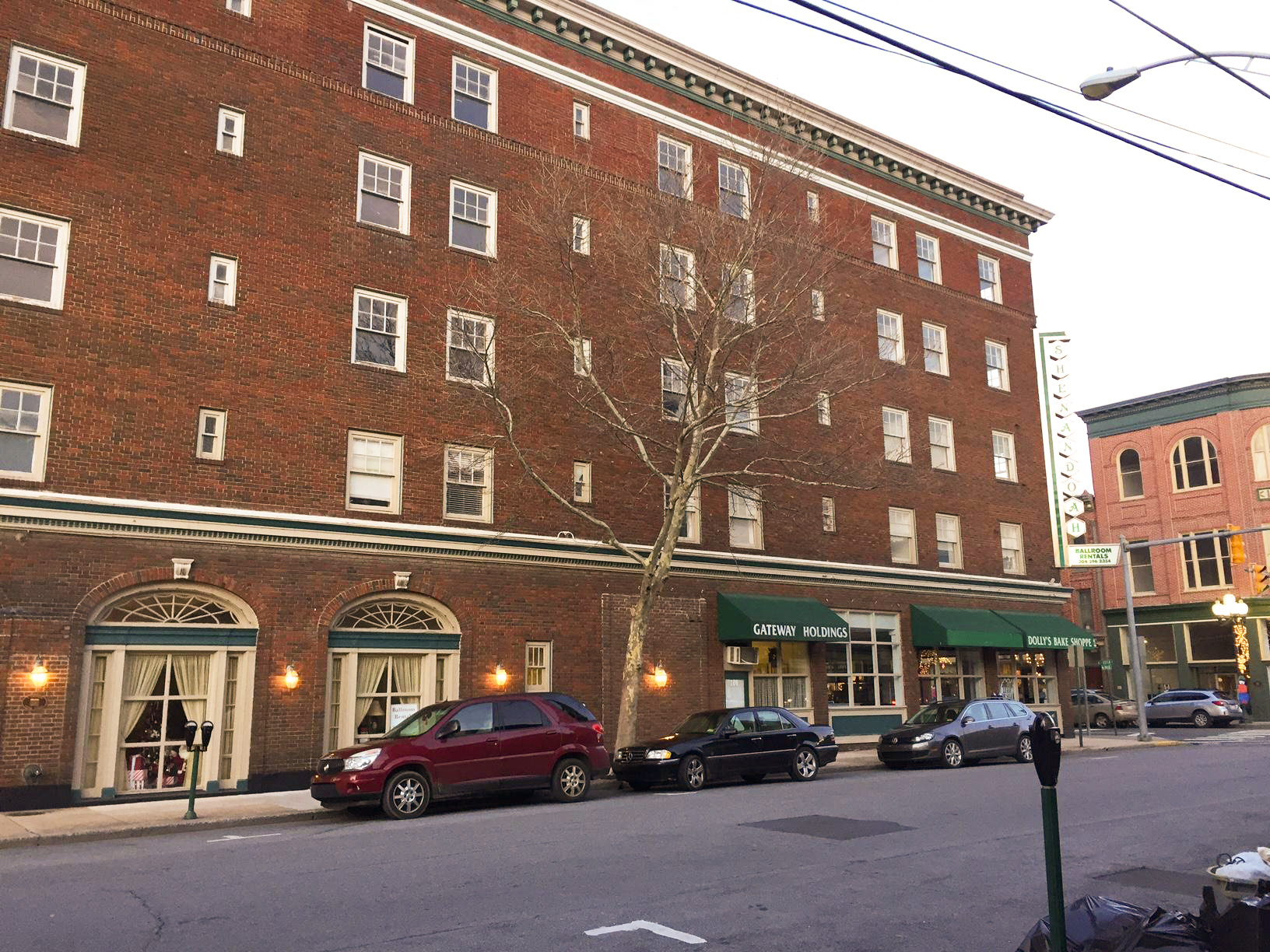
Known as the “Gateway to the Shenandoah Valley,” Martinsburg boasts a historic downtown that covers about 52 blocks and consists of commercial sites, retail, office buildings, warehouses, and storage buildings in which the Shenandoah centrally sits. Main Street Martinsburg is a collaboration of dedicated volunteers, business and property owners, concerned citizens, and local governments that work together, promotes, and enhances the economic strength of historic downtown Martinsburg. Martinsburg Main Street strongly supports the revitalization efforts as a way to connect members of the community to key destinations, hiking trails, and adjacent neighborhoods, while developing a new and much needed tenant mix that will allow the community to take the next step toward revitalizing the historic downtown. Martinsburg Main Street will be directly


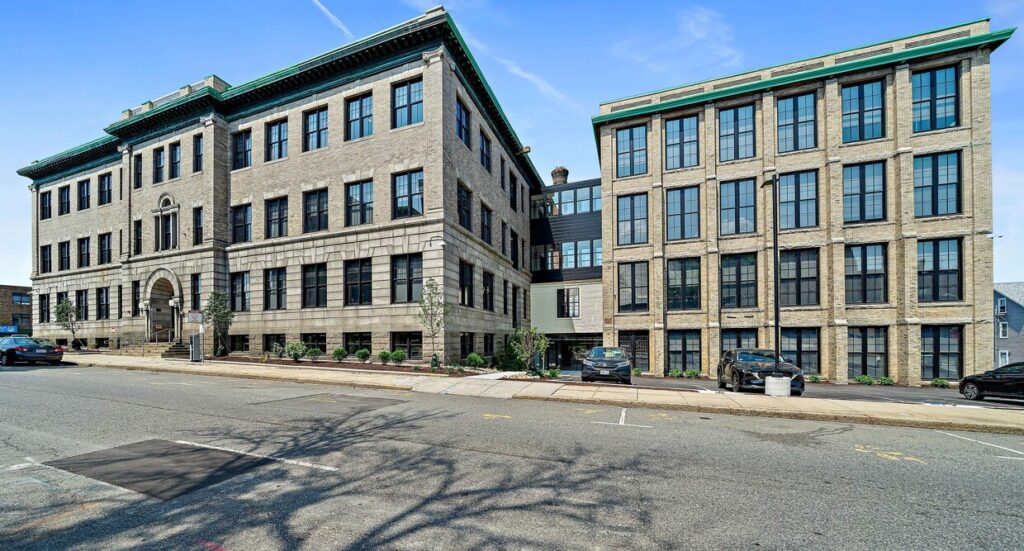
Creative Class Lofts
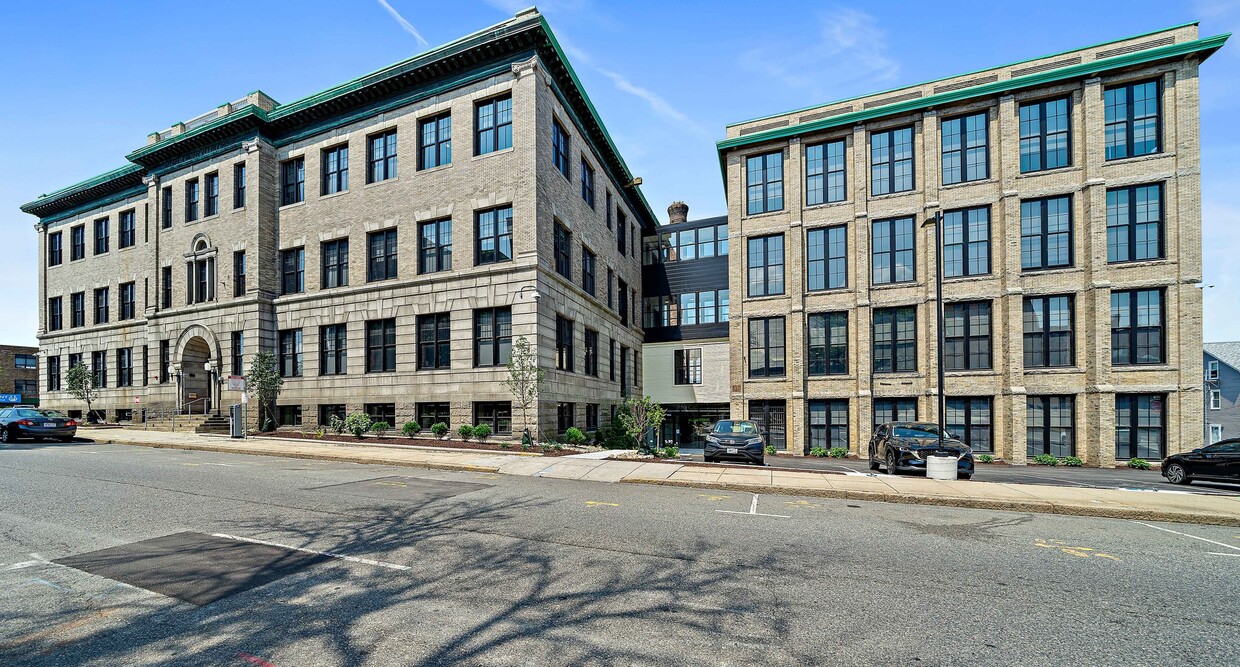
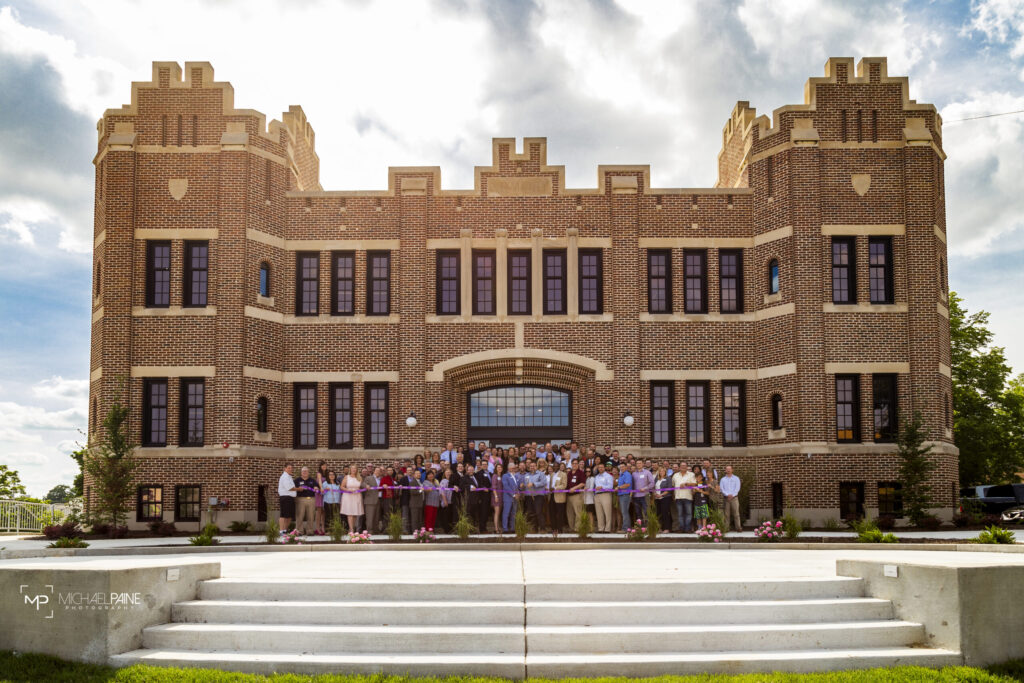
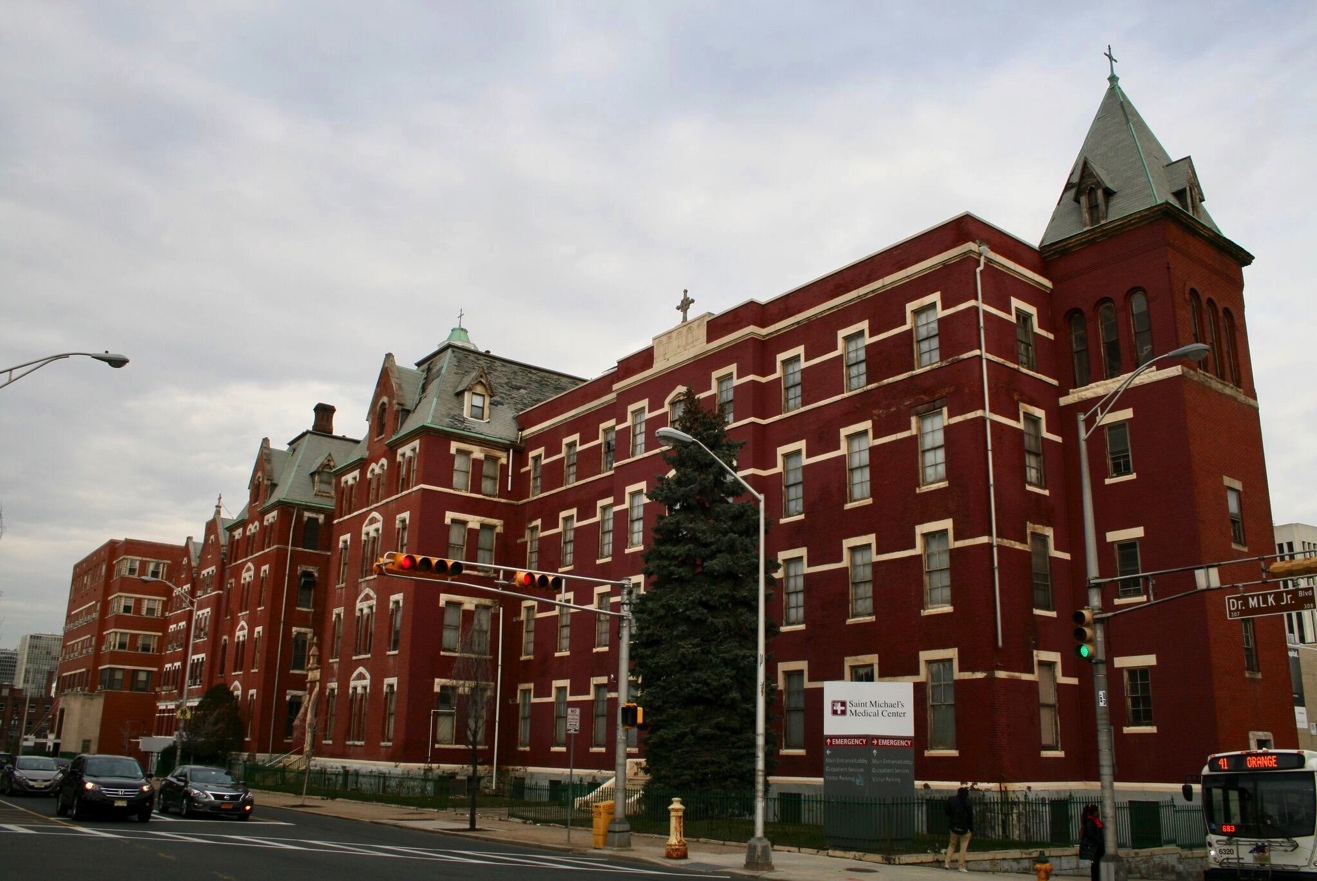
Former Textile School is Now Mixed-Use Arts Hub
A former textile school transformed into the Creative Class Lofts, creating housing for artists, workforce development, and more.
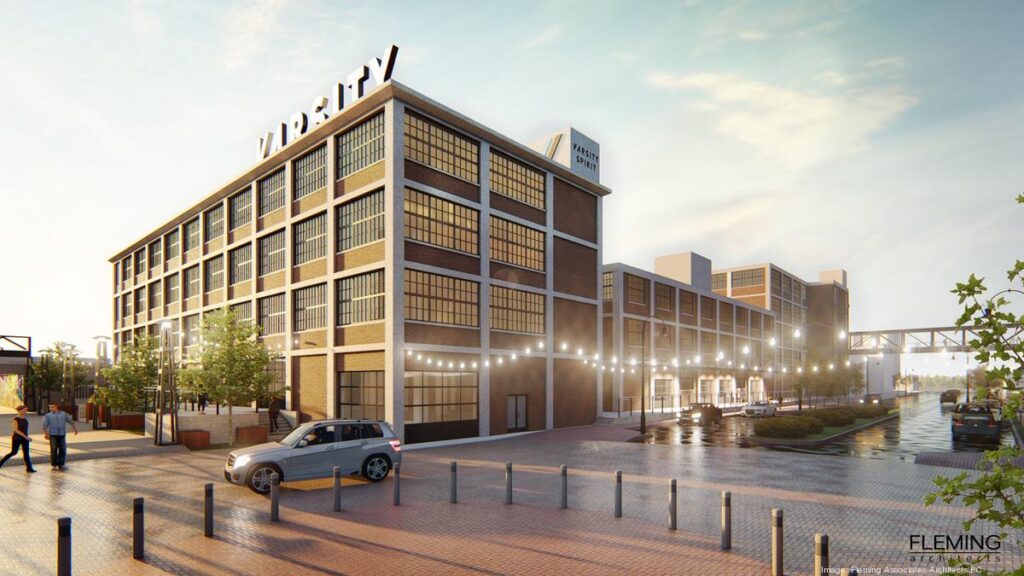

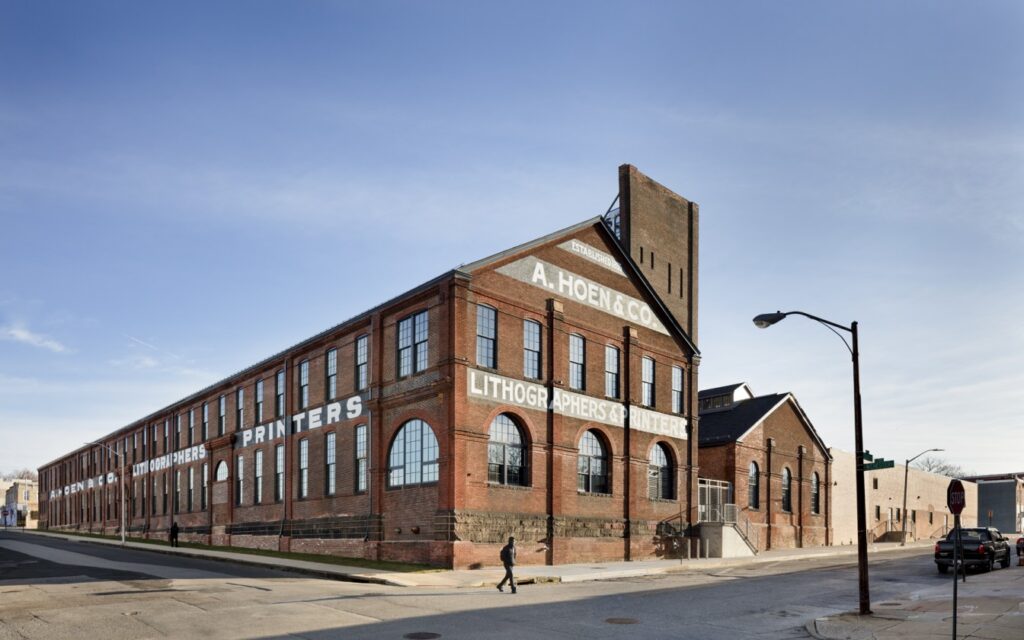
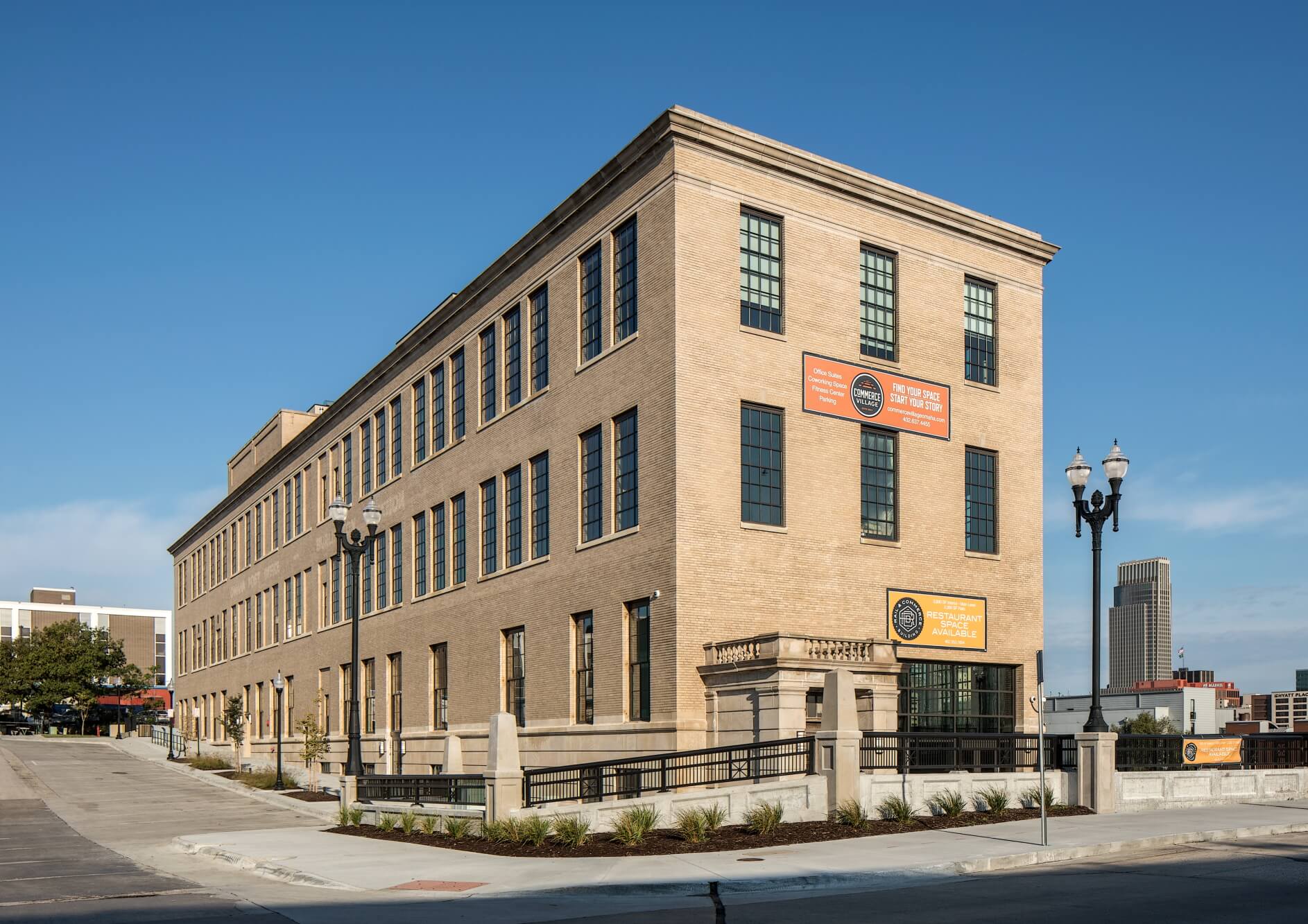

 With a foundation as a sophisticated mail-order operation that began in 1889, Sears Roebuck & Company successfully created the role of “buyer for the American farm” by connecting rural people to retail goods. Its goals were to reach communities in rural areas that had limited access to retail stores and to provide affordable and quality goods that might otherwise only be found in the largest cities.
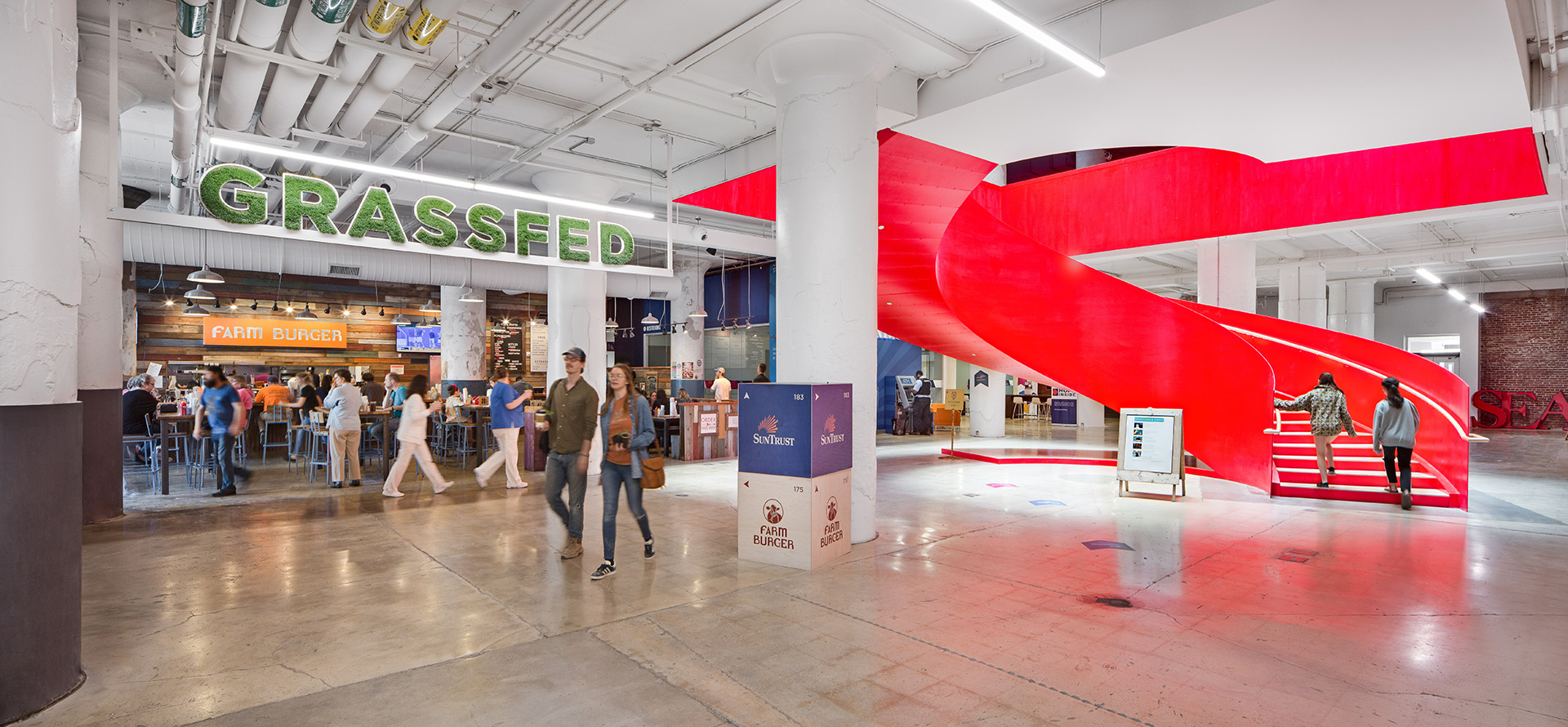
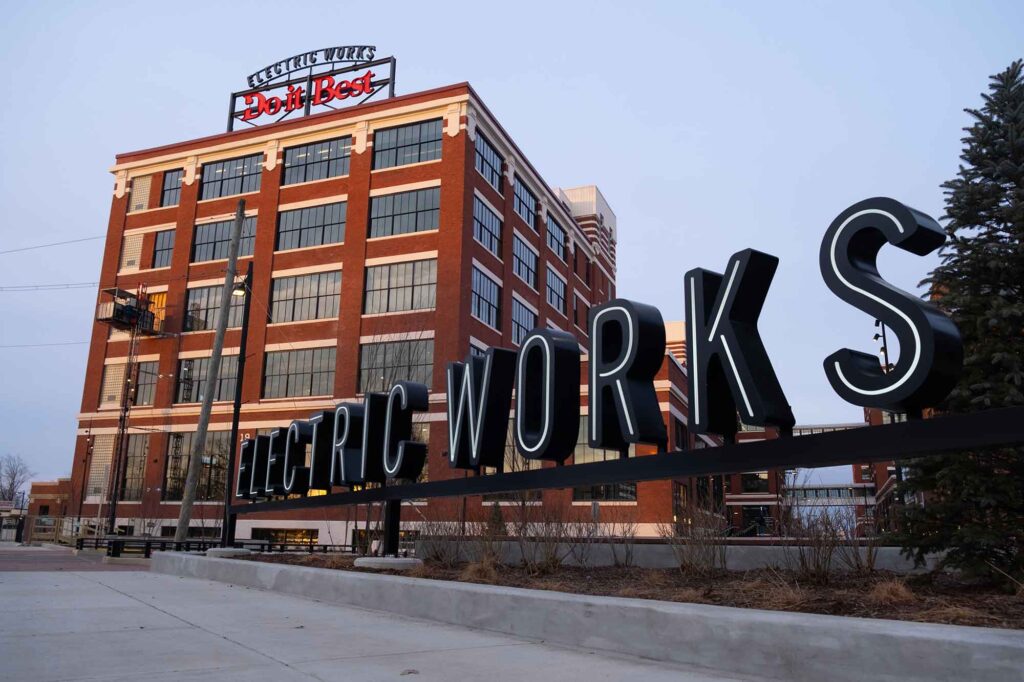
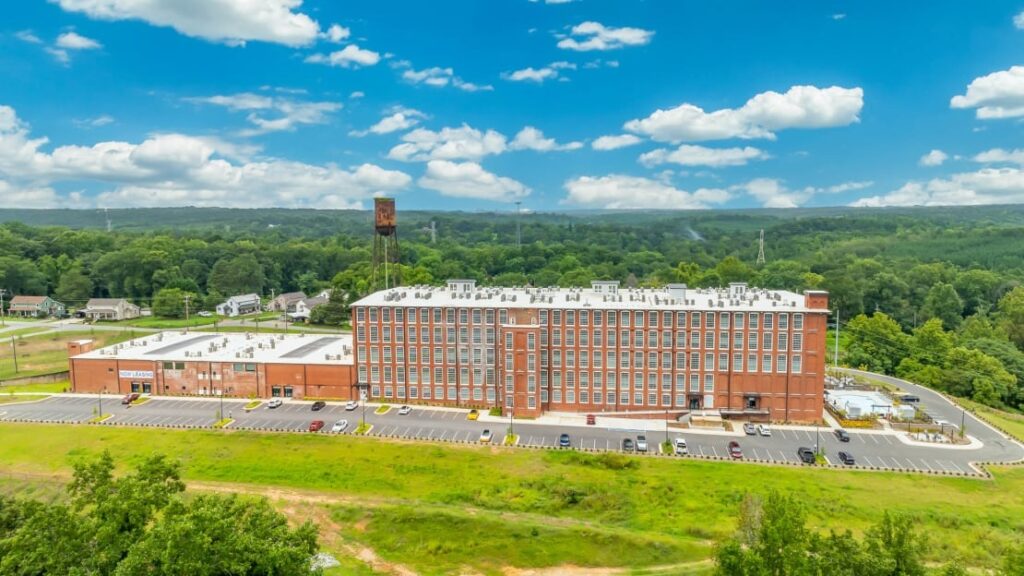
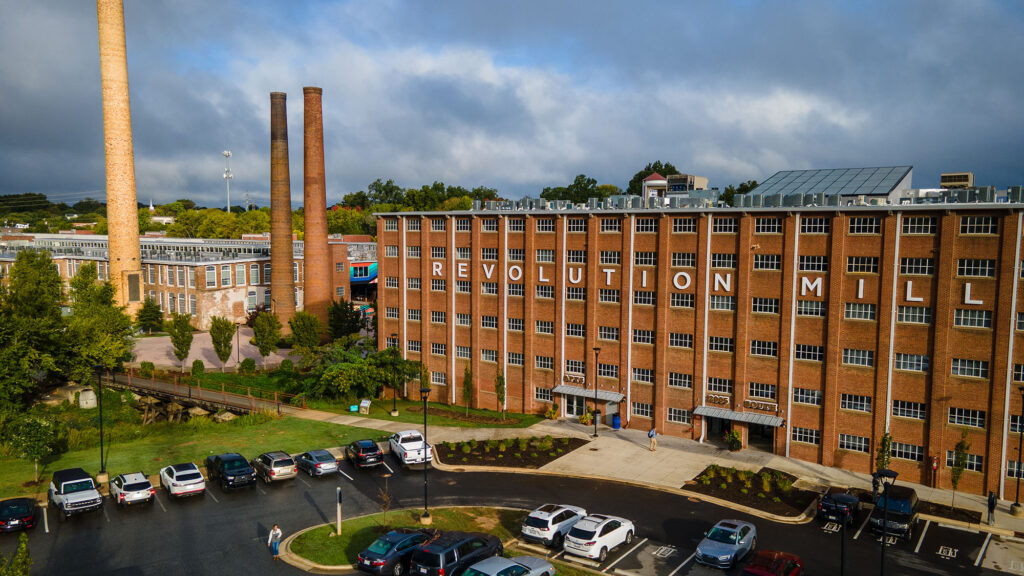
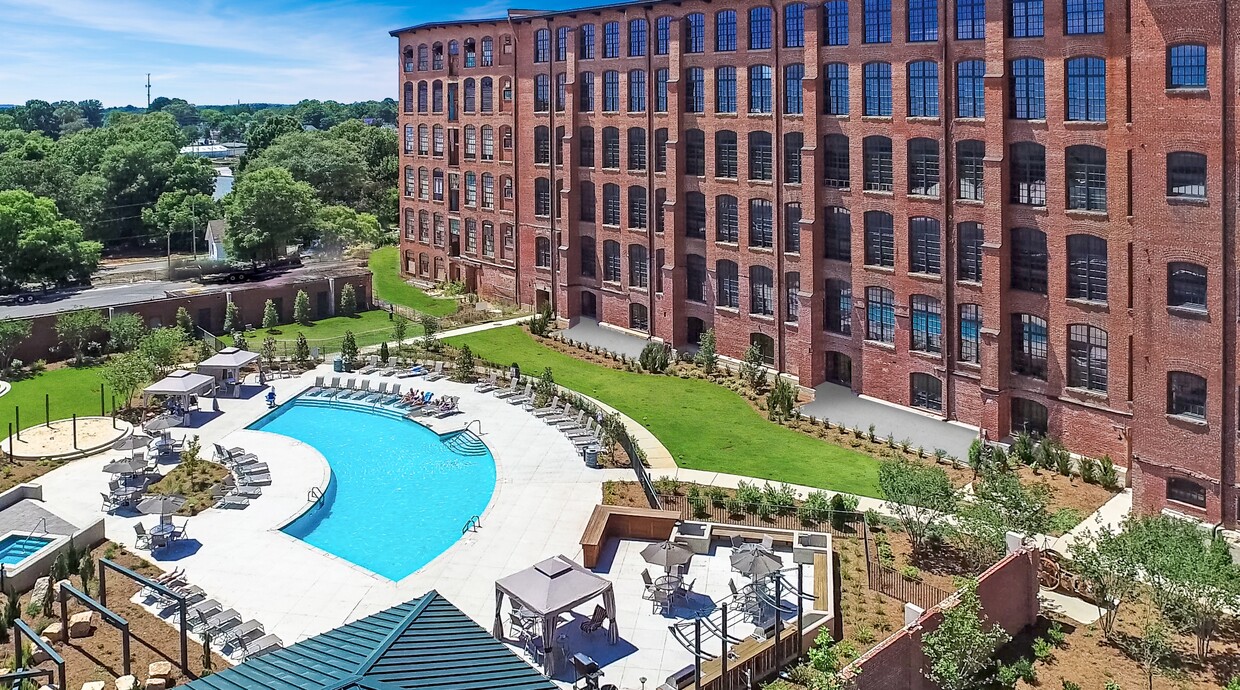
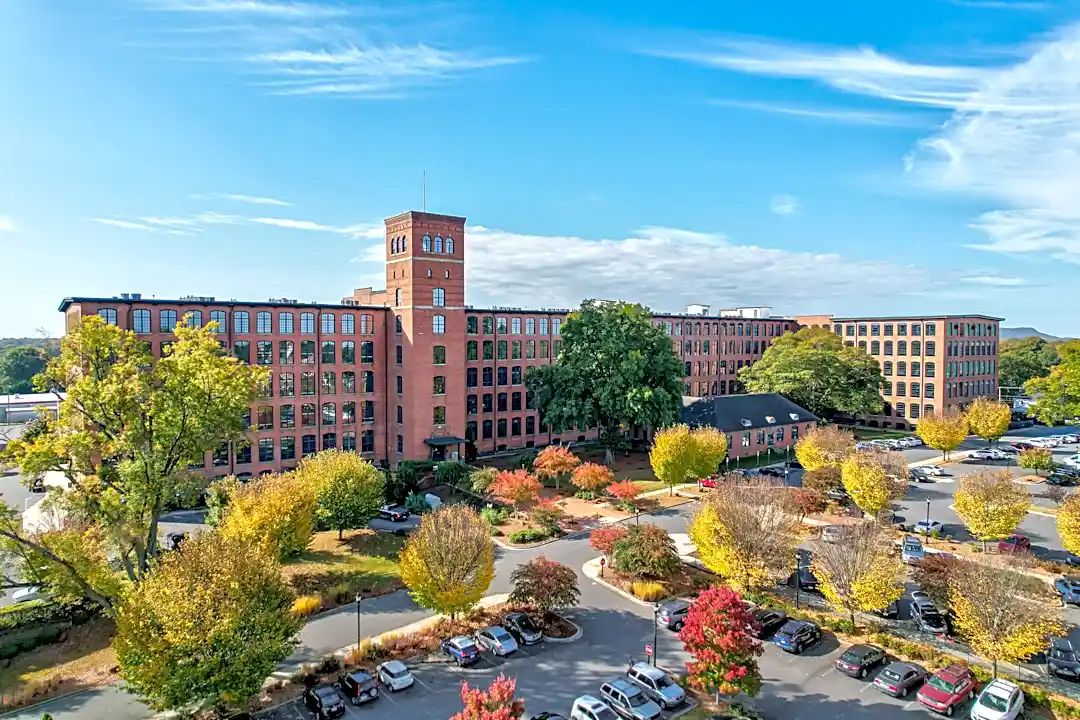
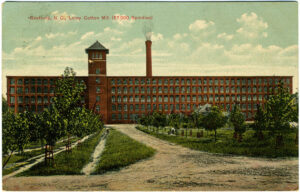 Constructed between 1900 and 1922, Loray Mill is a nationally significant example of early twentieth-century industrial construction and one of the largest textile mills ever built in North Carolina. Originally developed for cotton cloth production, the mill was converted to tire fabric manufacturing following its acquisition by the Jenckes Spinning Company in 1919. Subsequent expansions in 1921 and 1922 reflected the mill’s growing role in regional industrial production and its contribution to Gastonia’s emergence as a textile hub known as “Spindle City.”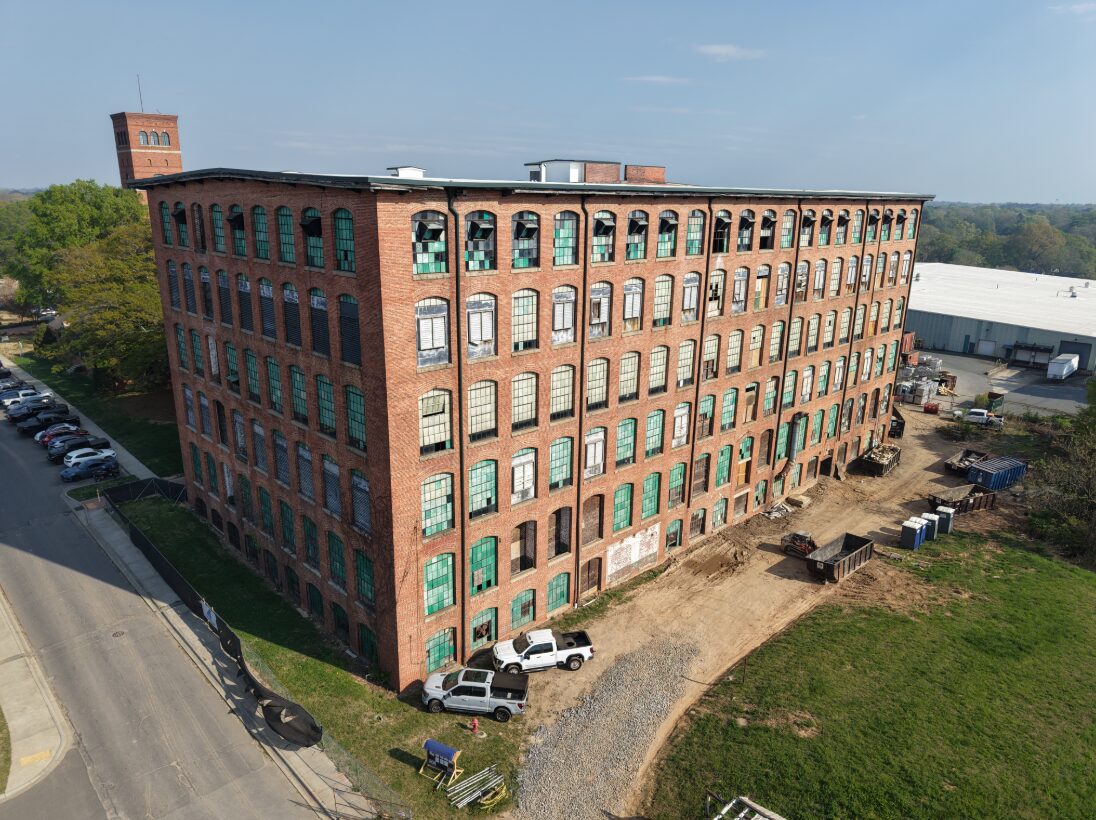

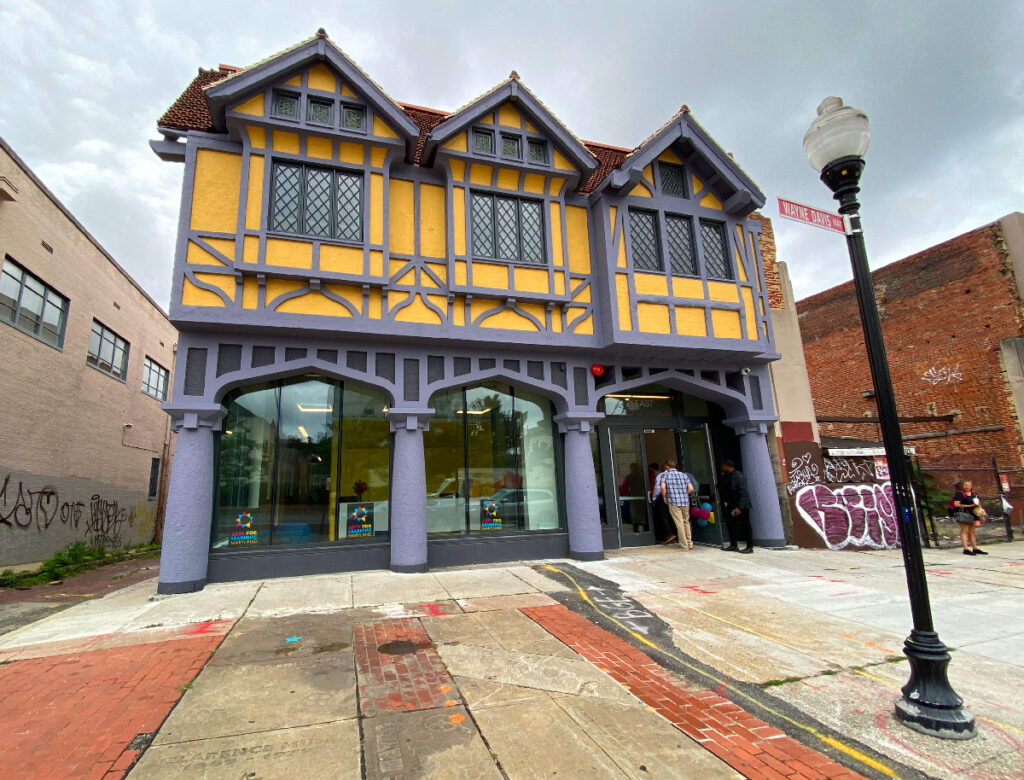
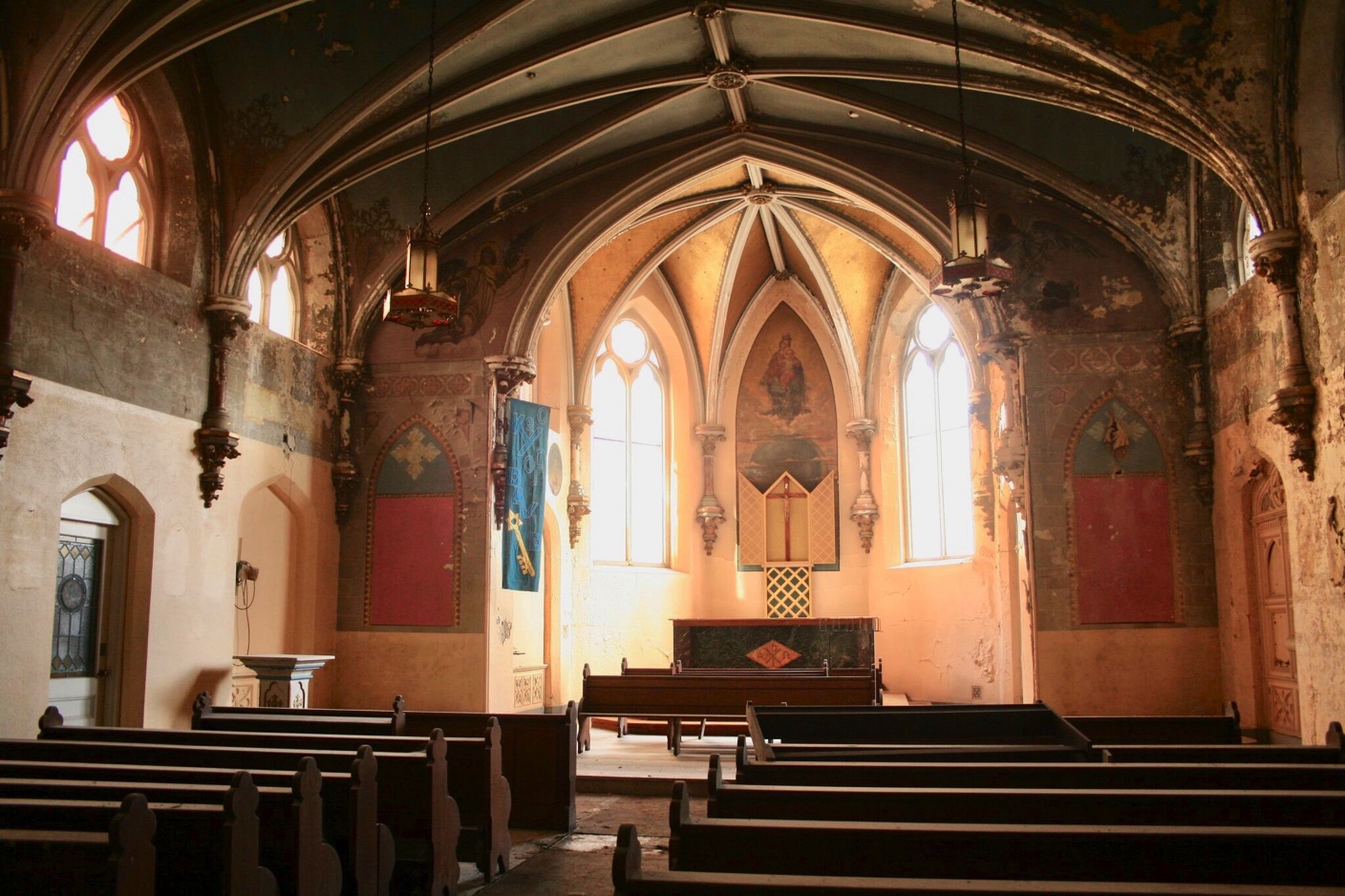
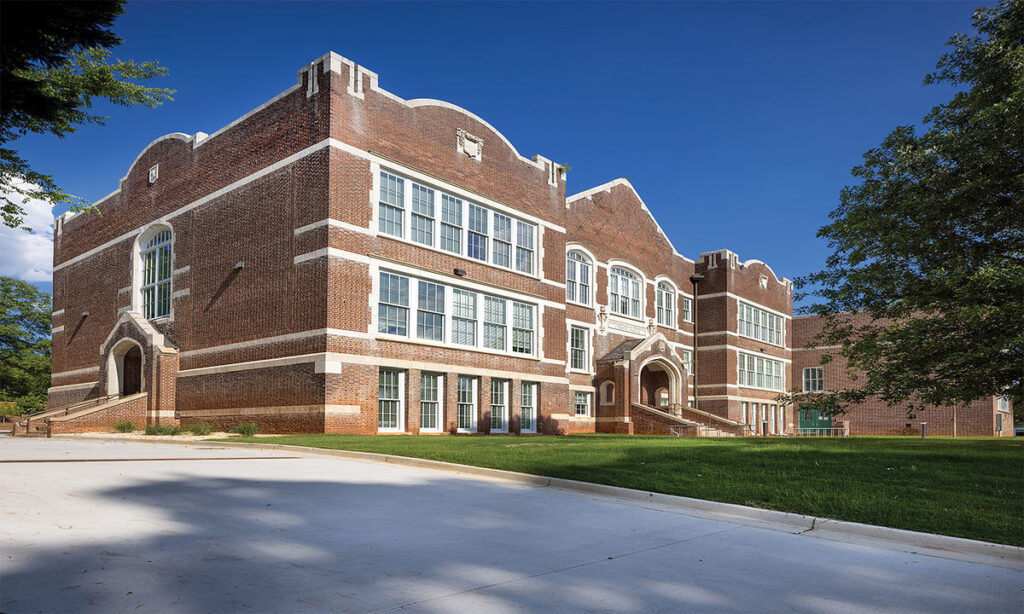
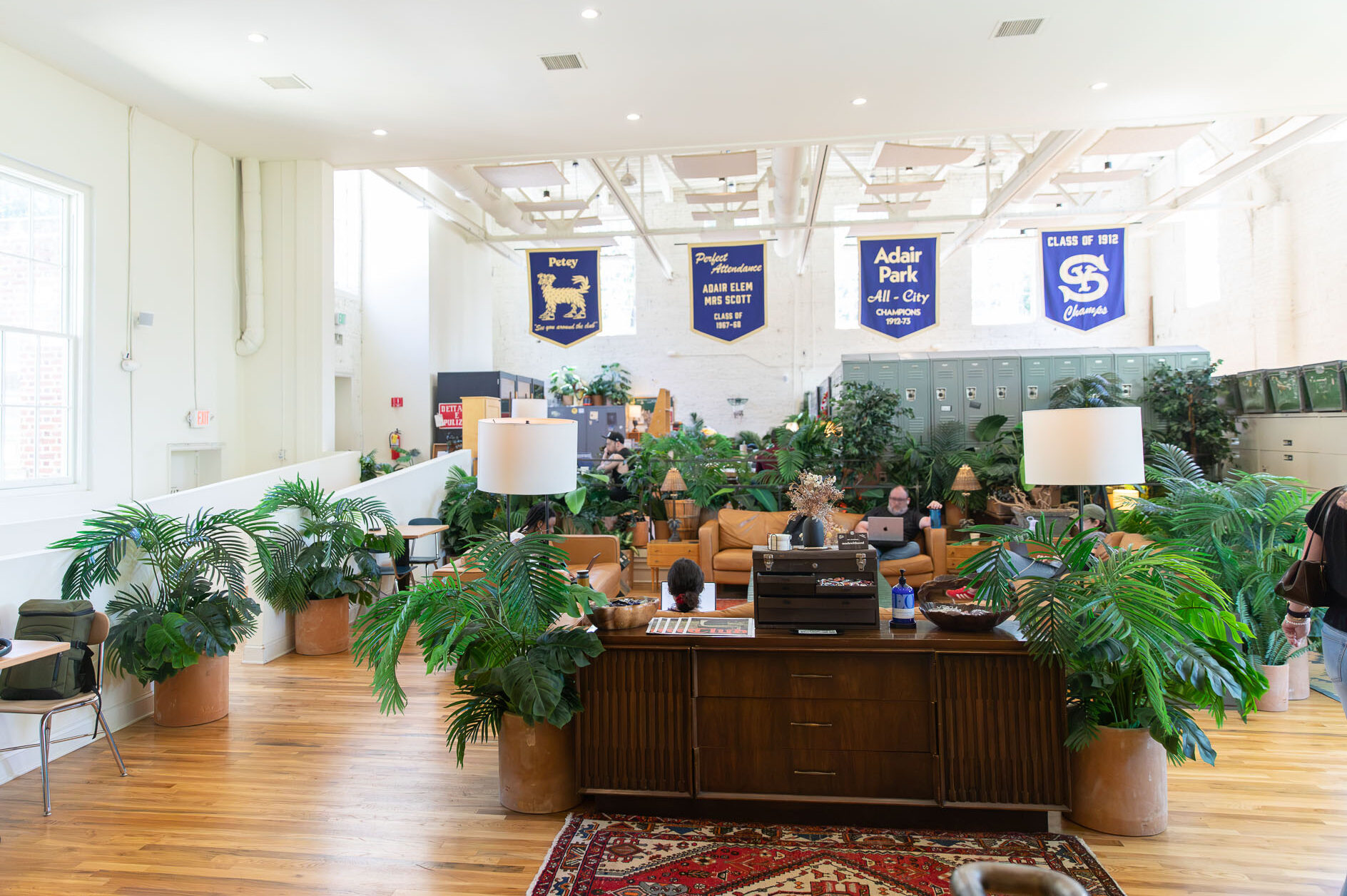
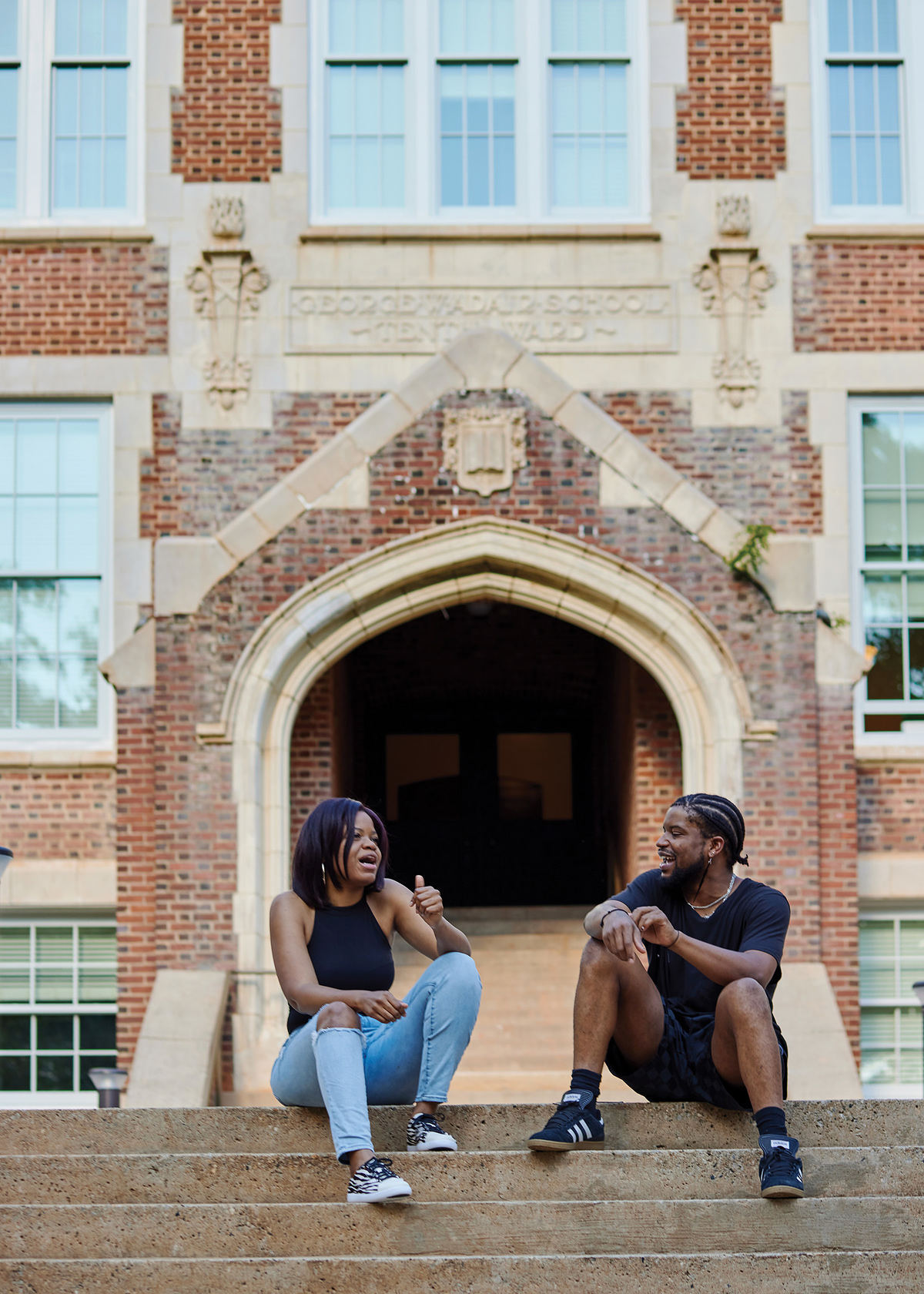
 Constructed in 1912, the George W. Adair School is a two-story brick building located at the heart of the Adair Park neighborhood in Atlanta, Georgia. Adair Park, a “bungalow suburb,” was developed between the 1890s to the 1940s and features a variety of unique architectural styles, including Queen Anne and Folk Victorian, English Revival, and the predominant American Craftsman bungalows.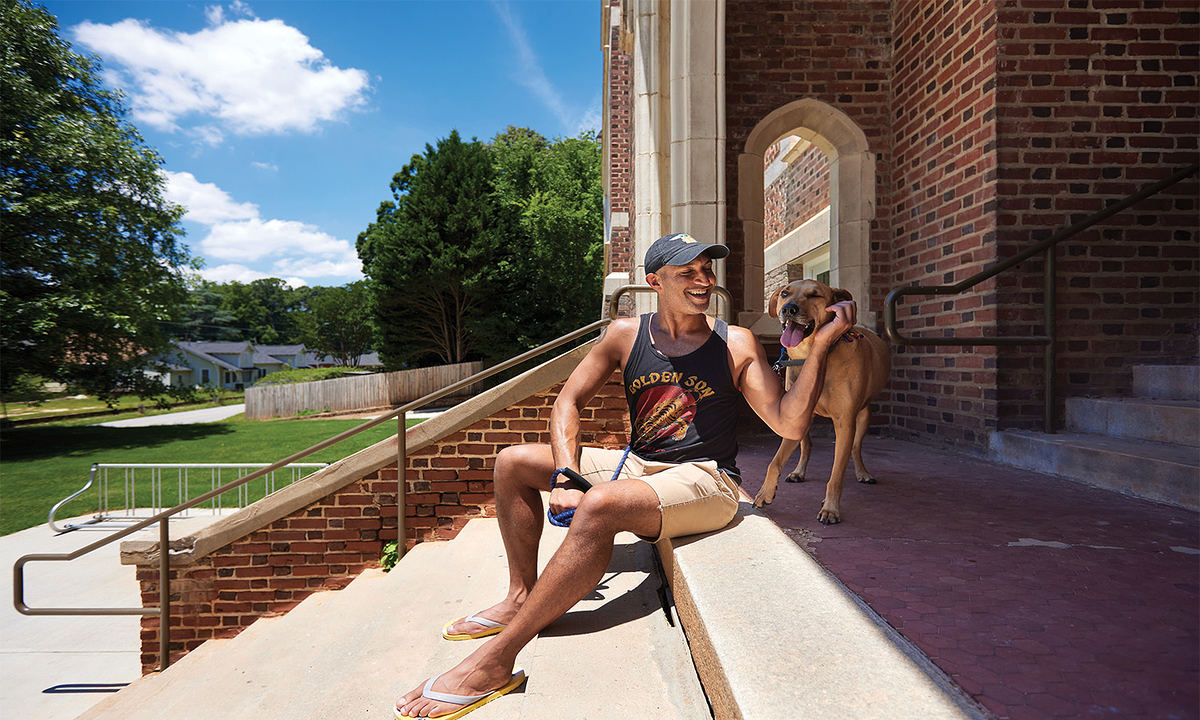
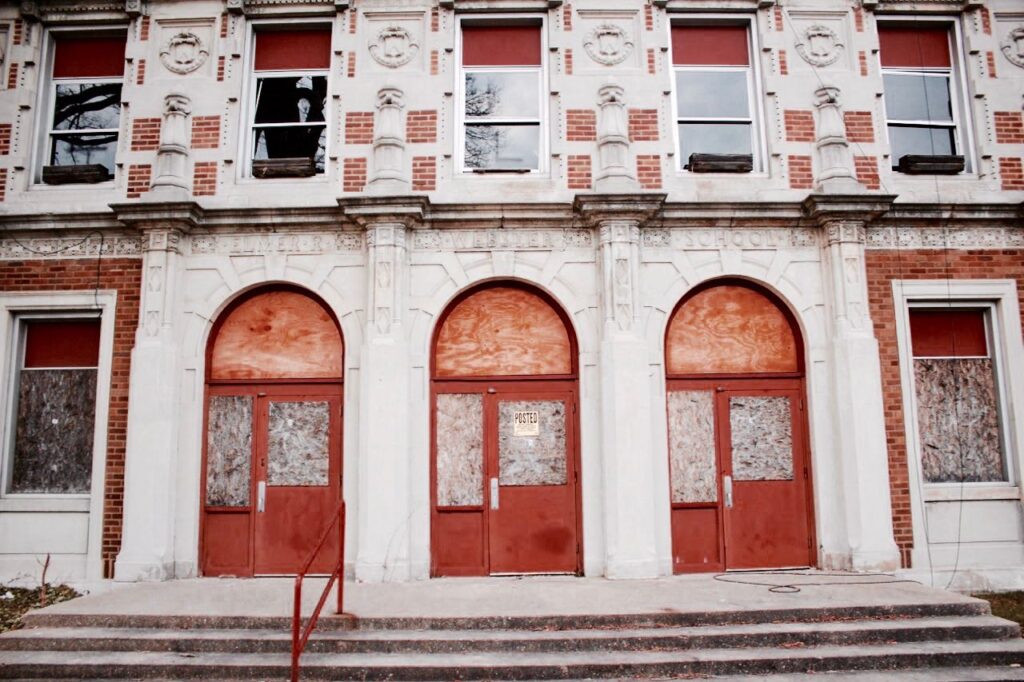
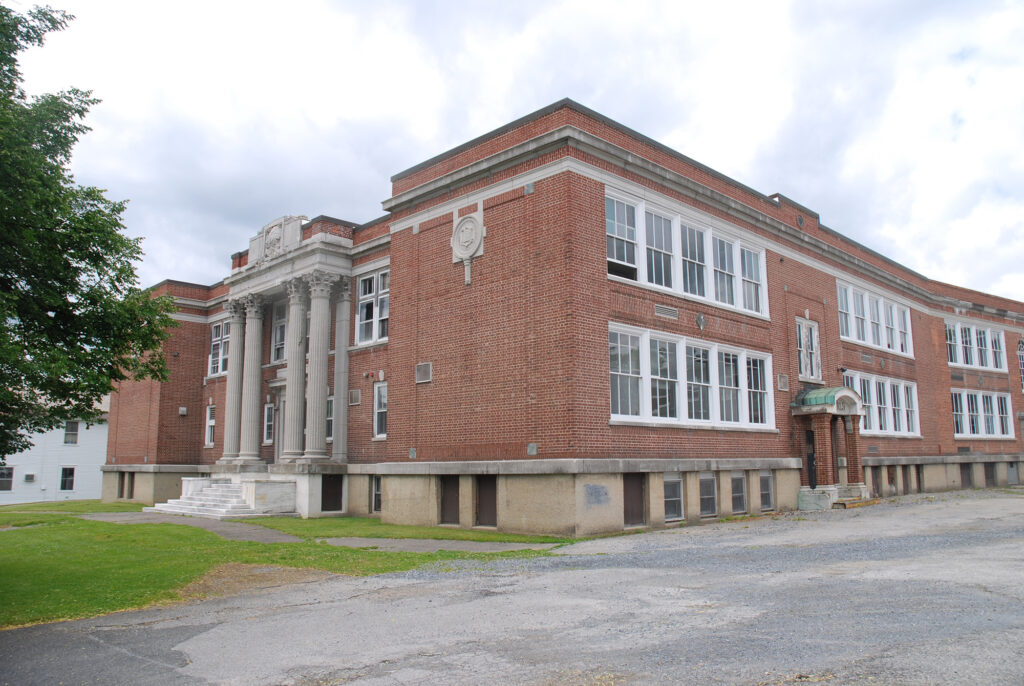
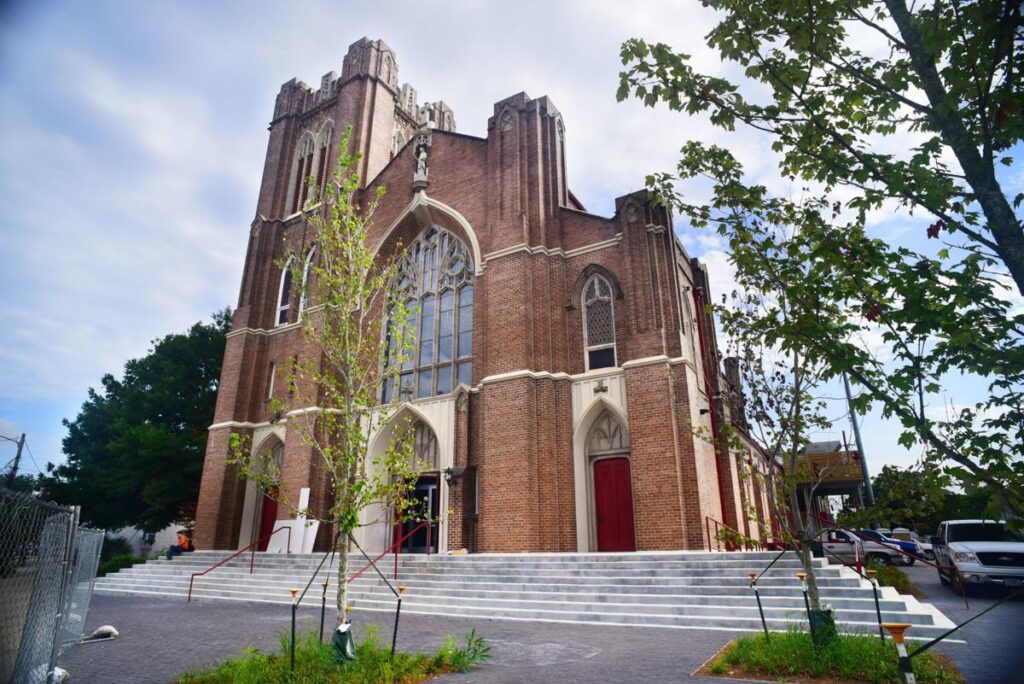
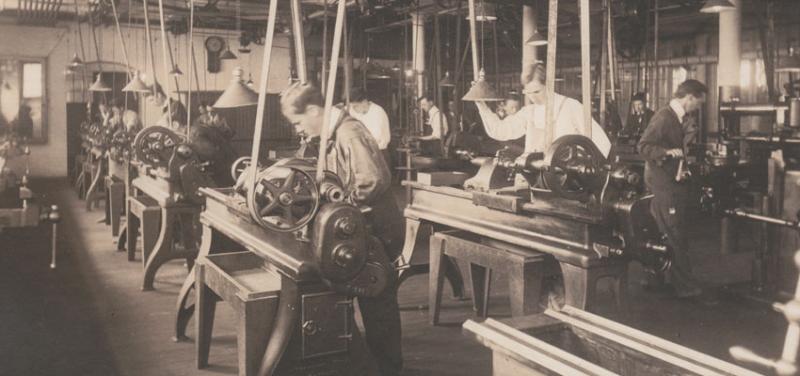
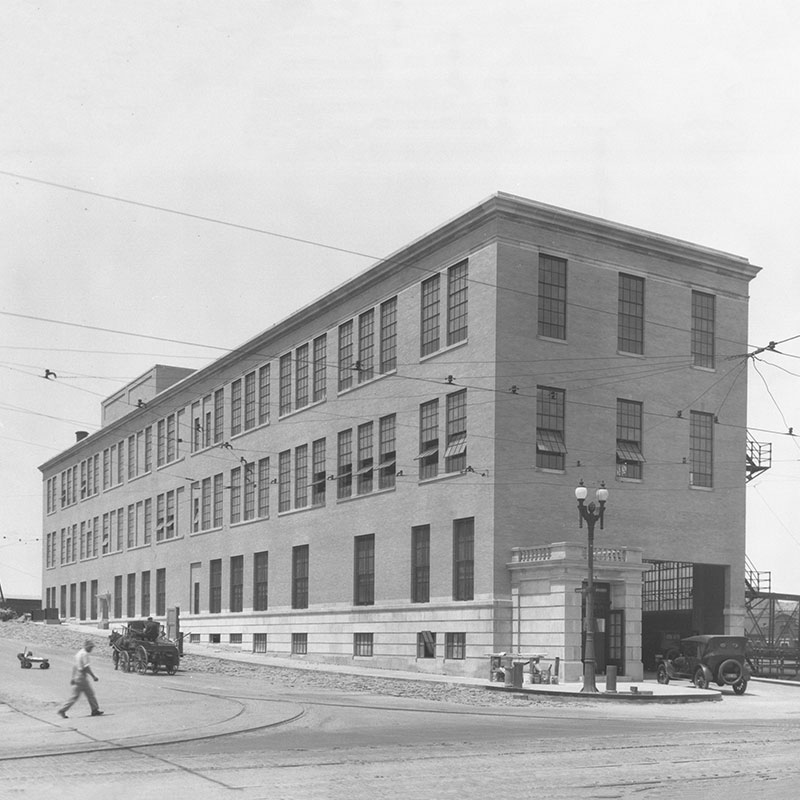
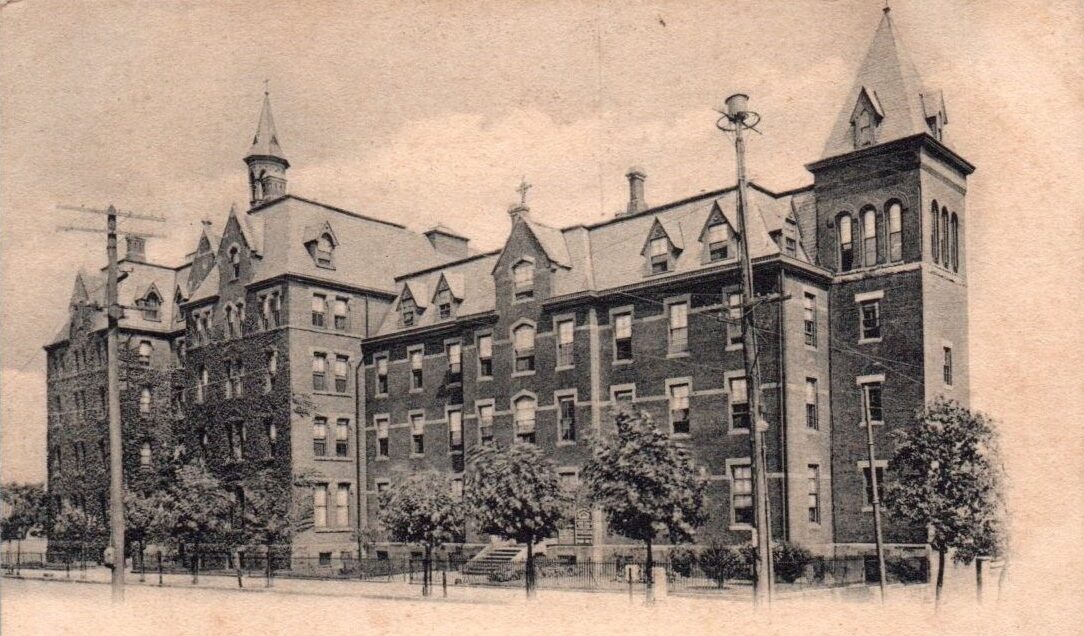
 In the late 1800s, Fall River, Massachusetts, had become one of the country’s leading textile regions in America and, by the turn of the century, housed more than 1 million spindles in operation, second in the world to only Manchester, England. Originally known as the Bradford Durfee Textile School, the facility opened its doors in 1904 to provide advanced courses in textile manufacturing and chemistry to educate the rapidly growing population of local mill workers.
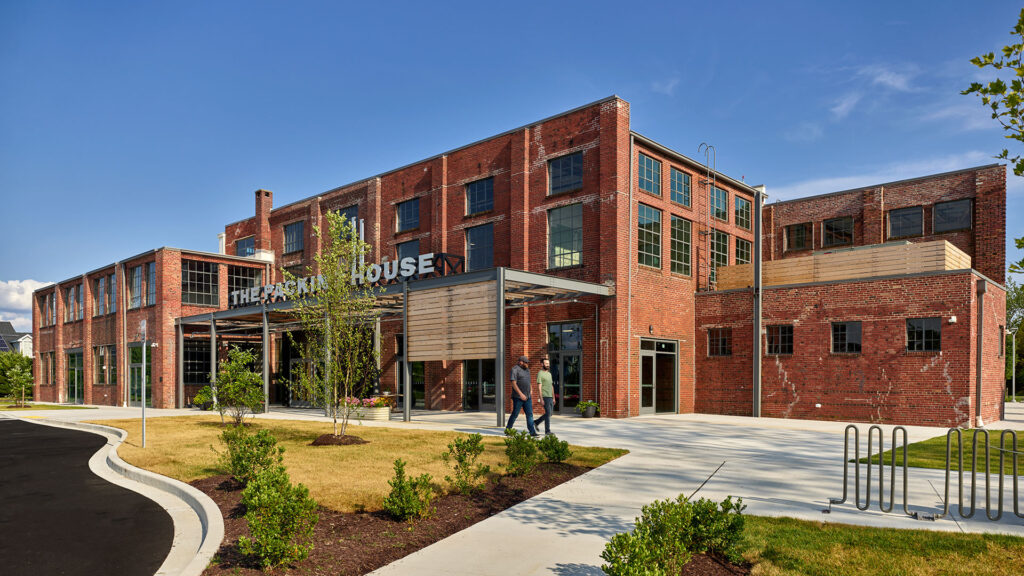
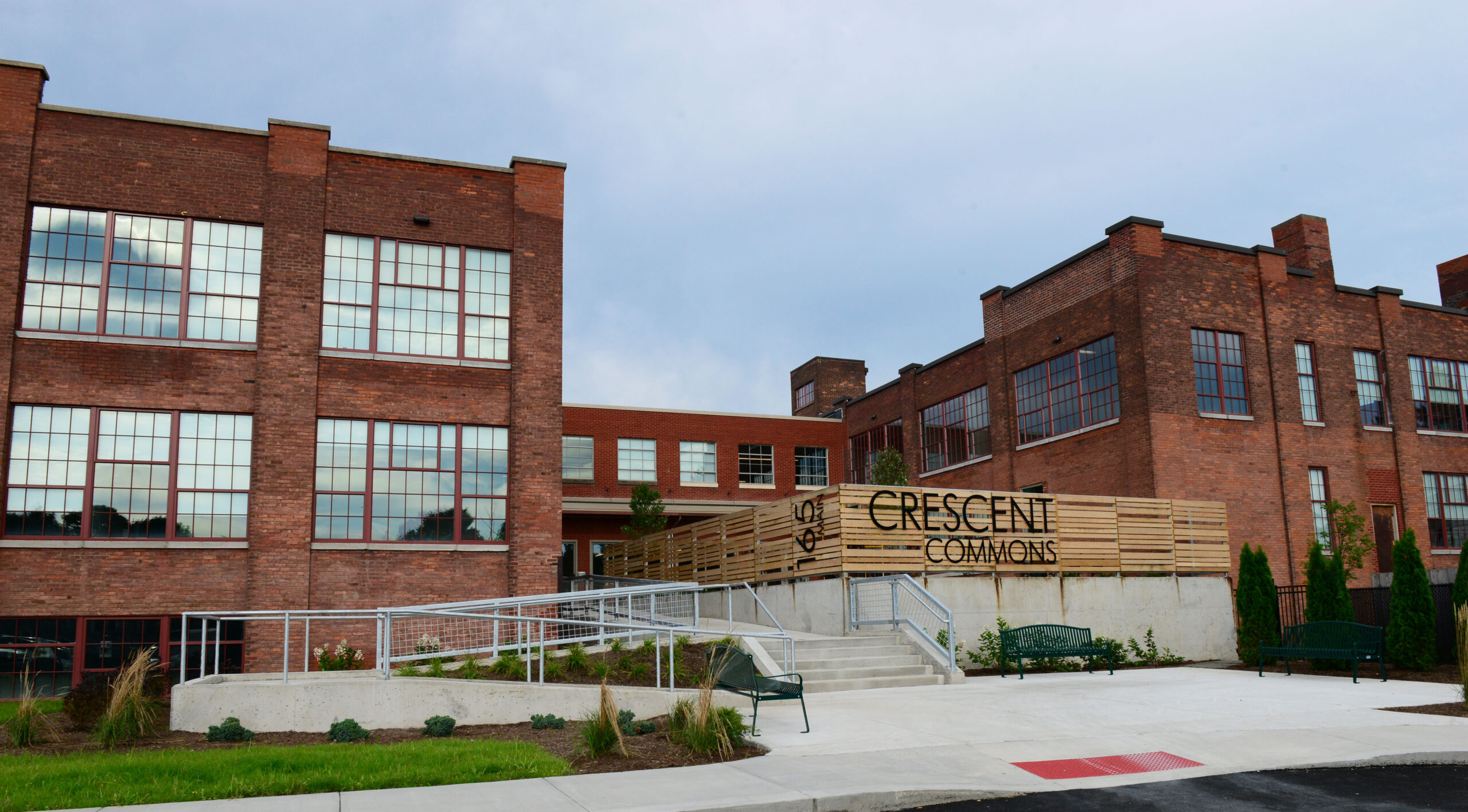
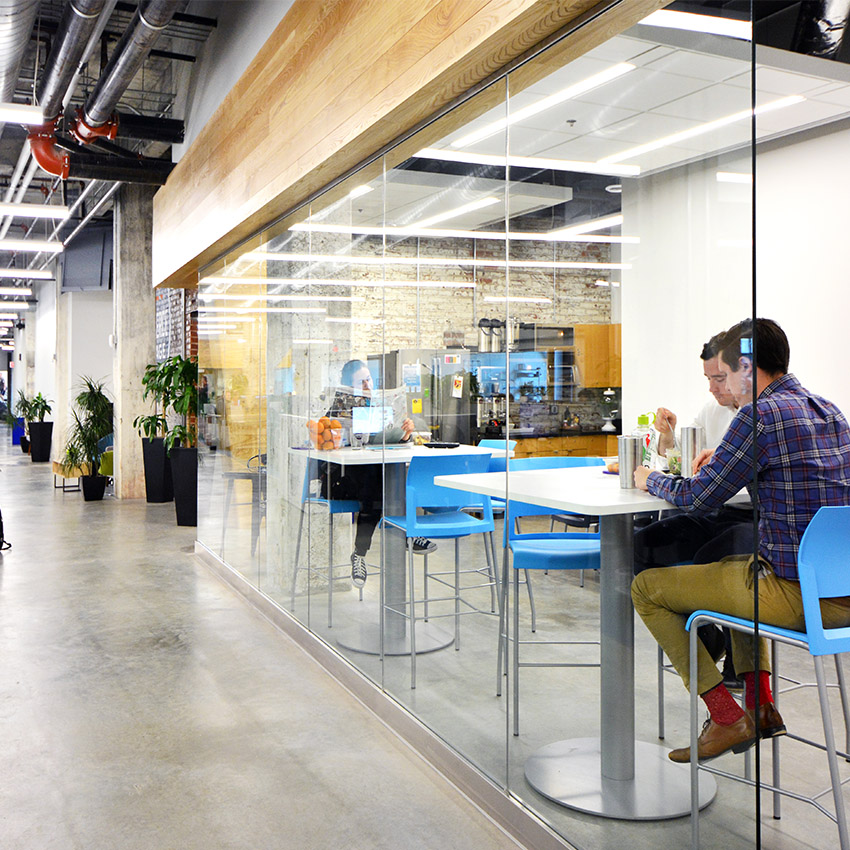
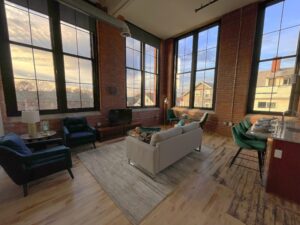 The 74,000 square foot, five-building campus will soon become the Creative Class Lofts and provide 44 market-rate apartments, 11 affordable apartments for practicing artists, and 23,345 square feet of commercial, community, and retail space.