Historic Tax Credits

$2.7 Million Federal
$3.4 Million State

New Markets Tax Credits

$10 Million

Total Project Cost

$16.8 Million

Project Partner

YWCA of Wheeling

Impact

Social Services, Healthcare Access

History

A Century of Support

Wheeling, West Virginia, has a rich tapestry of history as the state’s first capital. Nestled in the foothills of the Appalachian Mountains along the Ohio River, Wheeling was an industrial powerhouse known as the “nail city,” supplying cut nails to the entire nation. By 1910, the city’s population surged to over 41,000, and its thriving industry played a pivotal role in supporting World War I. However, at this time, Wheeling, like many American cities, was under the shadow of segregation, with Jim Crow laws deeply ingrained into the societal fabric and dictating accessibility to locations and services based on race. Amidst this complex socio-political landscape, the YWCA Wheeling was established in 1906, initially operating from a rented space on an adjacent block before construction on their permanent and current location at 1100 Chapline Street was completed in 1915.
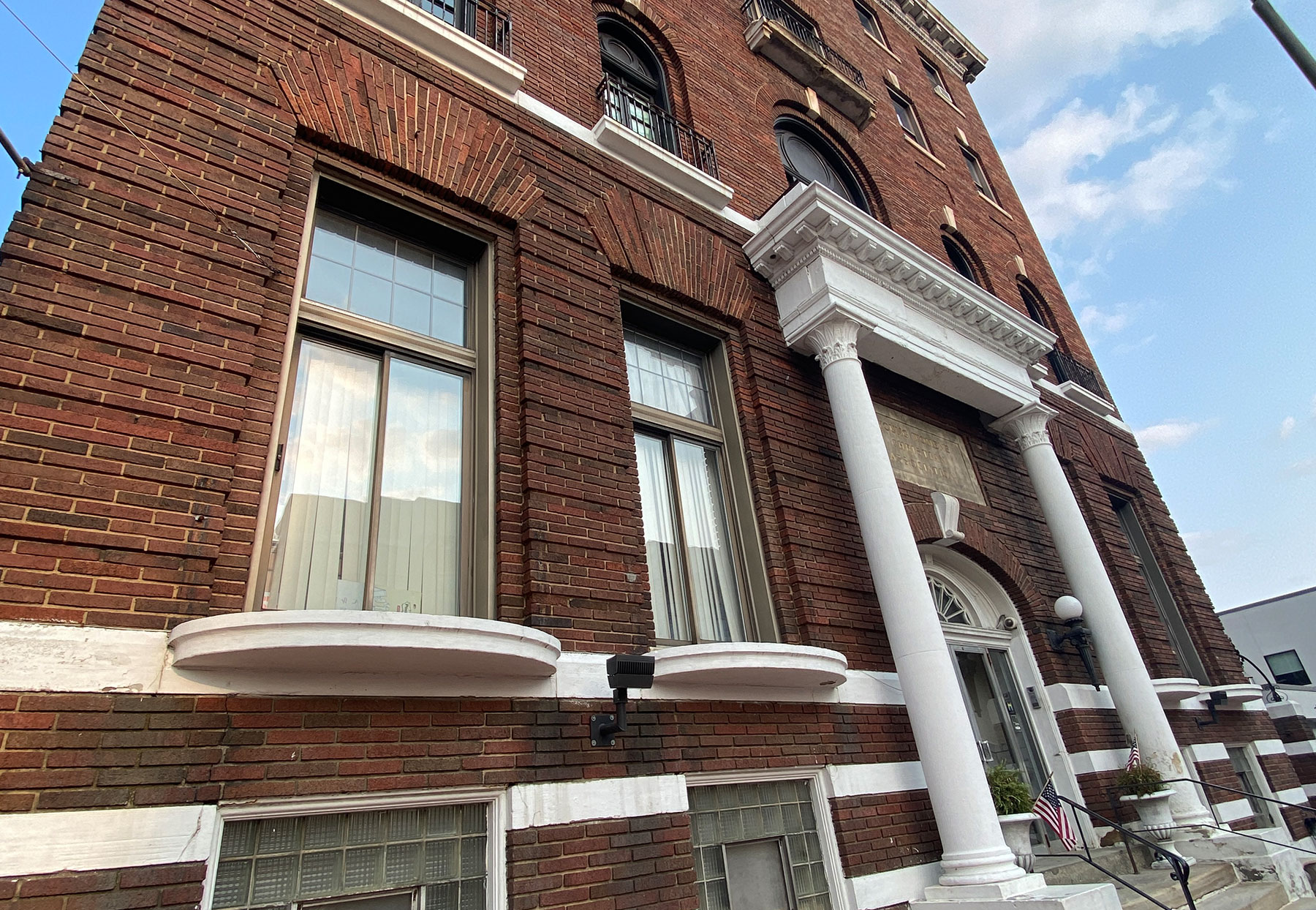
Despite the segregation laws of the time, the YWCA Wheeling emerged as a beacon of progressive ideals. While not untouched by the era’s legal constraints, the organization made it a priority to champion equal access regardless of race. In their early years, they actively campaigned and fundraised to extend their protective services and advocacy to African American girls and women, serving as a testament to their commitment to social justice.

By 1921, the YWCA Wheeling successfully established the Blue Triangle Branch in a neighboring building to serve the African American members of the community. Both organizations worked together serving the women and children of Wheeling until 1956 when the YWCA integrated the Blue Triangle Branch into its Chapline Street headquarters.

For more than a century, the YWCA Wheeling has been operating from this historic location, growing its programs, and continuing to support the women and families of Wheeling. The building, steeped in history and resilience, now requires essential repairs and upgrades to ensure the YWCA can continue its mission into the future.

Wheeling YWCA Exterior
Revitalization Efforts

A Historic Building for the Modern Age

The renovation of the century-old YWCA Wheeling building will enhance the quality of life for employees, residents, and community members, increase capacity for essential programming, and ensure the YWCA’s sustainability in its mission to provide vital services for women and families in need. Prior to renovations, the YWCA served about 7,400 participants each year.

In undertaking this project, the YWCA continued its long history of progressive action and service to the Ohio Valley. The renovation of the YWCA facility not only preserves a piece of Wheeling’s history but also ensures that the building continues to function as a vital resource for women and families in the area.

Community Impact

A Thriving Community Asset

The YWCA Wheeling, which has not seen a major upgrade since its initial construction, is poised to make a transformative impact on the program participants, organization employees, and the local community with this renovation.

Construction efforts generated an estimated 67 positions, 85% of which were accessible to those facing barriers to entering the workforce. The renovated facility will enable the YWCA to add 7 new positions in addition to its current staff of 33.

Additionally, the building has new and upgraded systems, including a new elevator which will replace the one that has been in use since 1969, updated lighting and plumbing for better energy efficiency, and a brand new HVAC system. The renovation of the programmatic, residential, and shelter spaces provides an estimated 20% increased capacity by adding 14 rooms that are even more comfortable and inviting for program participants and will enable the YWCA to support an additional 1,200 people each year.

Upgraded Infrastructure

New heating and electrical systems and a new elevator for efficiency and ease.

Expanded Programming

Supporting an additional 1,200 people annually

Expanded Shelter and Rooms

14 new shelter and residence rooms added

Job Creation

67 construction jobs created
40 permanent jobs created/retained

NTCIC & Progress

Financing the Project

NTCIC provided a $10 million New Markets Tax Credit (NMTC) allocation for the project and facilitated the investment for all real estate tax credits within the transaction, including both state and federal Historic Tax Credits (HTCs) and the NMTCs.

The swift closing facilitated by NTCIC enabled the YWCA to begin construction promptly, limiting program disruption and enabling the organization to quickly expand its crucial services and provide a safe haven for women and families at risk.

Want to Discuss Your Next Project? Talk With Our Team Today.

We bring clear insight, deep experience, and strategic focus to every project, whether you're structuring complex capital or shaping long-term, legacy-driven development.

Name
Wheeling YWCA Exterior

New Markets Tax Credits

$5 Million

Total Project Cost

$10 Million

Project Partner

Cross Street Partners

Impact

Workforce Development, Sustainability

History

A Global Canning Industry is Formed

Phillips Packing House Historic Image

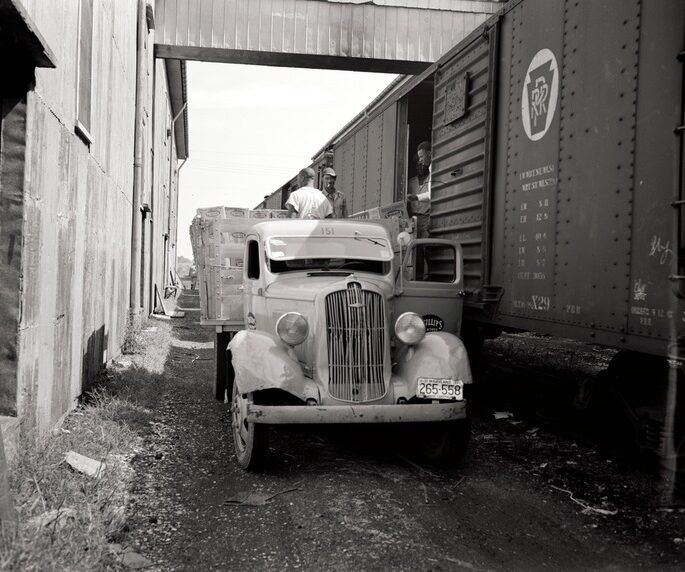
Nestled between the waters of Chesapeake Bay and the farmland of the Eastern Shore, The Phillips Packing Company utilized these nearby resources to become a leading cannery in the United States. As the company grew, it acquired its final building in 1930, one of the largest factories in Cambridge, Maryland. “Factory F,” as it was known, became the headquarters for the company’s successful tomato operation, where they soon became a global name as the largest producer of canned tomatoes in the world.

The company also extended its goods to the war effort, becoming the main supplier of individual canned and pre-cooked meals (known as C-rations) to soldiers during World Wars I and II. In the 1930s, it also supplied food and provisions to Antarctic explorers. These successes put Cambridge on the map, and the community reaped the benefits.

At one point, the Phillips Packing Company employed about a quarter of the population of Cambridge. It was also one of the few desegregated employers; anyone and everyone was welcome to work in the hustle of the factories.

The Phillips Packing Company continued to be an economic staple, eventually expanding into trucking and oil before it was finally sold to Consolidated Foods (now a Sara Lee Corporation) in the 1960s. Factory F was the only remaining production building from the Phillips Packing Company empire.

New space at the Packing House
Revitalization Efforts

A New Generation

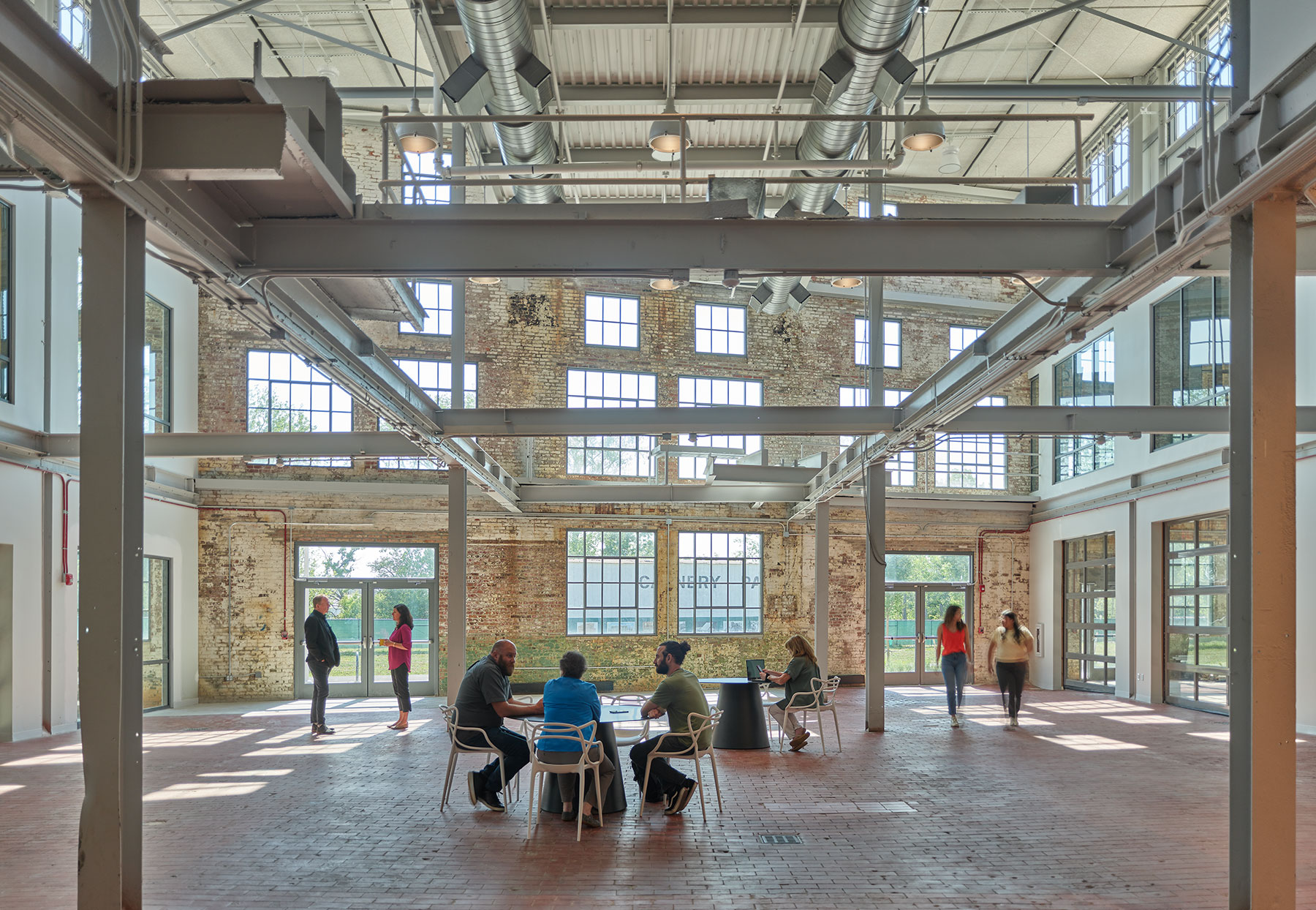
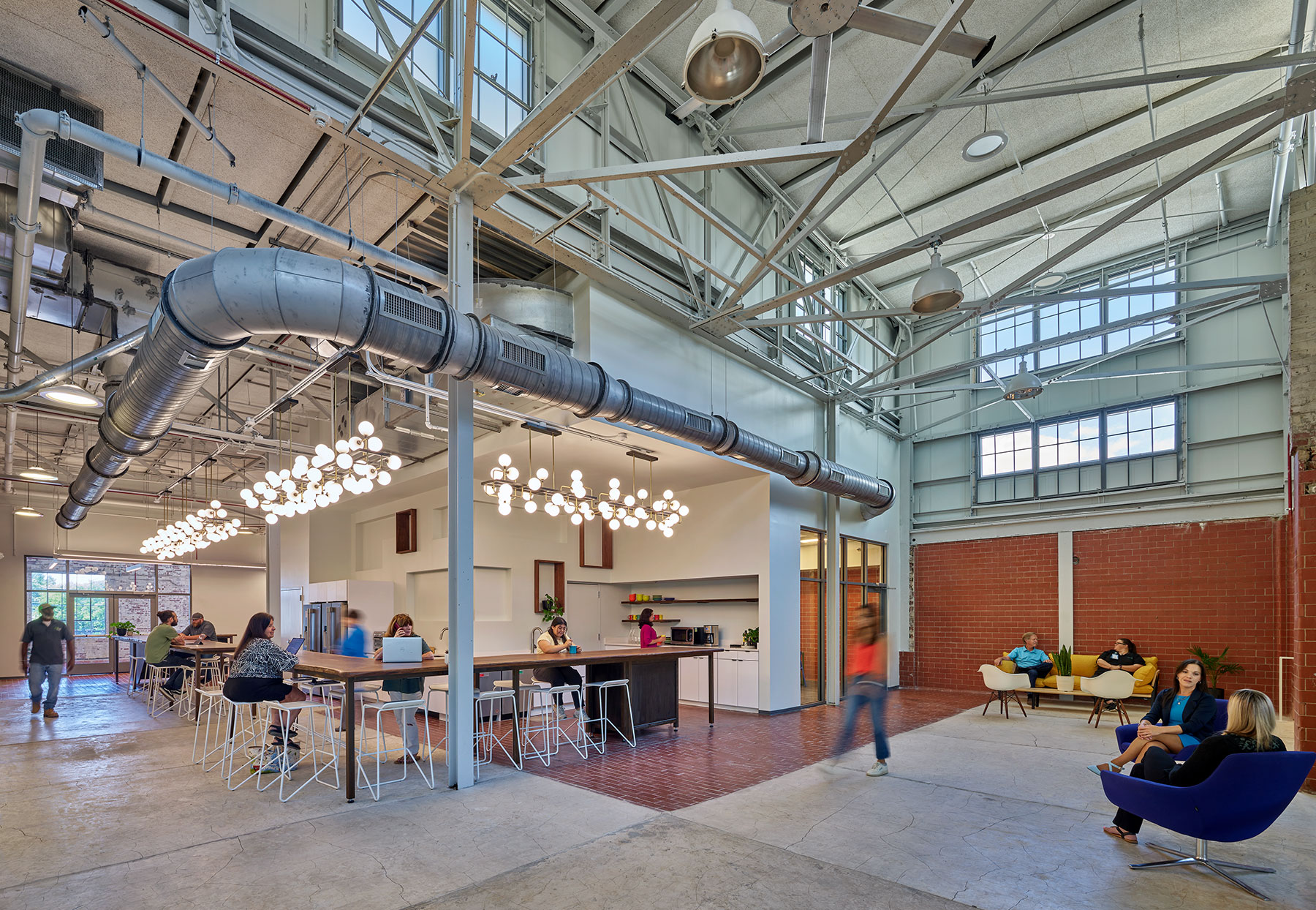
The historic warehouse has become the Packing House and will continue its legacy of the Chesapeake by creating an environmentally sustainable space for emerging entrepreneurs, workforce development, and aquaculture.

The Packing House provides space for local businesses supporting Chesapeake Bay revitalization efforts, commercial kitchen opportunities for food business startups, and workforce development training opportunities for individuals seeking new employment.

Community Impact

A Thriving Community Asset

The Cambridge community is once again benefiting from jobs created from within The Packing House. The extensive construction and preservation efforts generated 110 construction jobs, and as the tenant businesses grow in their new spaces, they’ll create and retain a projected 161 permanent jobs. 100% of the construction and permanent positions will be quality, well-paying jobs targeting and supporting the community.

The tenants of the building are dedicated to giving back to the community through various programming and support. The Maryland DHCD operates a Community Engagement Center within the Packing House to host training and certification programs for residents, including holistic health, continuing education in the medical field, farming certifications, and landscaping certifications.

MERGE is focusing on career growth support by operating one of Cambridge, Maryland’s few incubation hubs and shared office space, with a focus on education.

The new collaborative space will support an estimated 50 entrepreneurs each year. Several active MERGE members, such as the Dorchester Foundation, are community-oriented and operate youth employment programs targeting low-income families.

Food entrepreneurs will also benefit from the new space, with Four Eleven Kitchen offering classes, support, and training in its food concept spaces. Four times a year, it will offer six—to eight-week programs for six young chefs (24 annually). The Four Eleven Kitchen will also offer an additional 10–20 food concept production platforms for others looking to try their hand in the kitchen.

All of this and more will take place in the newly renovated Packing House. This historic, 60,000-square-foot industrial warehouse has been awarded LEED Gold certification for meeting high standards in energy efficiency, water conservation, and material reuse. It is projected that the restored Packing House will conserve 148.9 MWh of electricity each year, equivalent to the amount of energy used when burning 120,000 lbs. of coal.

Chesapeak Bay Restoration

Blue Oyster Environmental donates processed oyster shells to support spawning and environmental remediation

Food Startups

24 young chefs supported annually at Four Eleven Kitchen
10-20 food concept production platforms supporting new food training

Entrepreneurial Support

50 entrepreneurs supported annually at MERGE offices

Job Creation

110 construction jobs created
161 permanent jobs created/retained

Environmental Impact

LEED Gold certified construction
Conserving 150 MWh of Electricity Annually

NTCIC & Progress

Financing the Project

The $10 million phase II of the historic restoration of the Packing House was made possible through public and private financing, including a $5 million New Markets Tax Credit allocation from NTCIC. This critical funding will ensure the tenants’ spaces are activated so they can grow and support more members of the surrounding community.

Additional Phase II funding sources included Historic Tax Credit equity and $2.5 million in additional NMTC allocation from U.S. Bancorp Community Development Corporation. Phase I of the Packing House development, totaling $26 million in development costs, began in 2021 and was completed in 2023.

Want to Discuss Your Next Project? Talk With Our Team Today.

We bring clear insight, deep experience, and strategic focus to every project, whether you're structuring complex capital or shaping long-term, legacy-driven development.

Name
Want to Discuss Your Next Project? Talk With Our Team Today.

Historic Tax Credits

$5.5 Million
Federal HTCs

New Markets Tax Credits

$7 Million

Total Project Cost

$34 Million

Project Partner

Micah 6 Community

Impact

Workforce Development, Healthcare Access, and more.

History

Education in an Automotive Town

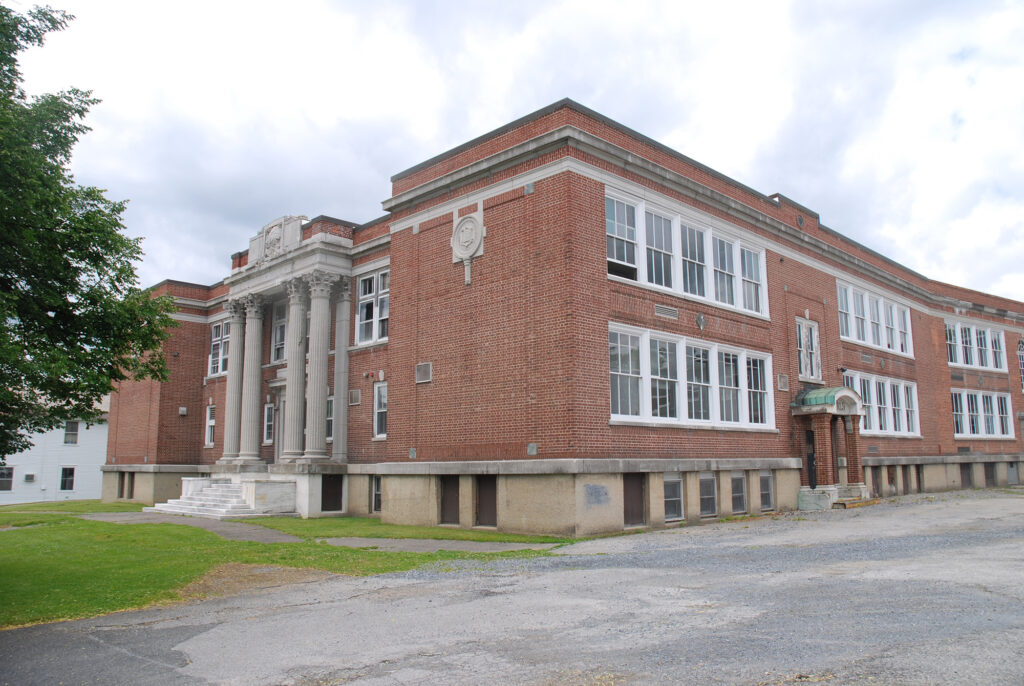
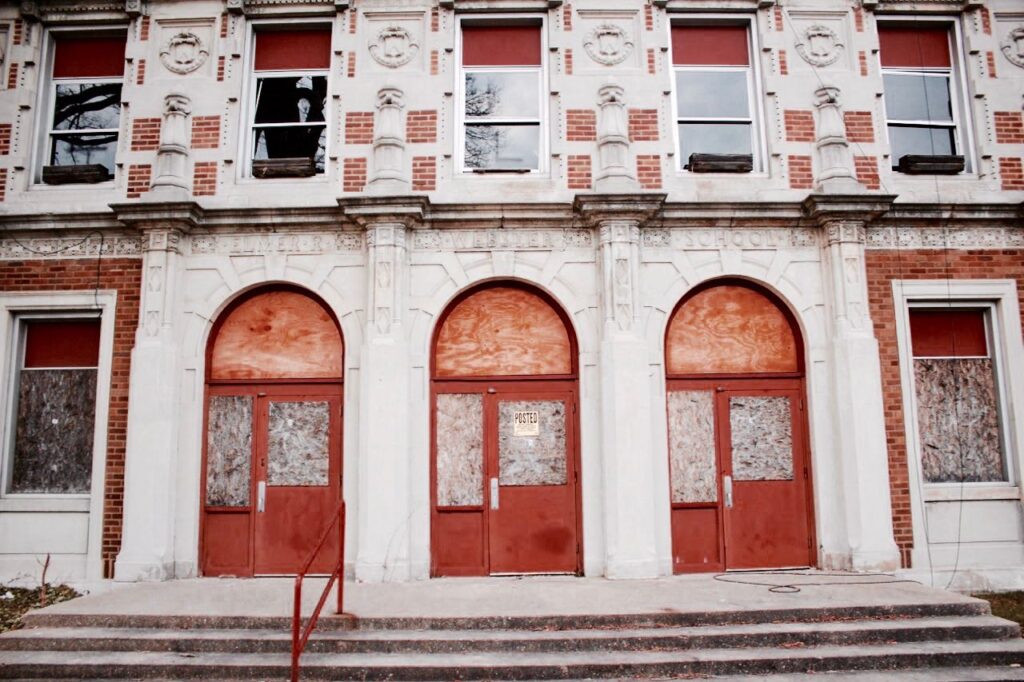
The historic 54,000 square-foot Webster School opened in 1921 to support Pontiac’s population boom as tens of thousands flocked from the south to work in the rapidly growing automotive manufacturing industry that originally put the city on the map. The building was designed by Perkins, Fellows, and Hamilton, who were known for going over budget to create particularly ornate architectural designs and responsible for other local landmarks such as Lincoln Park Zoo. It originally featured 26 classrooms, a combination gym and auditorium, and an ornate foyer, all on five acres of land.
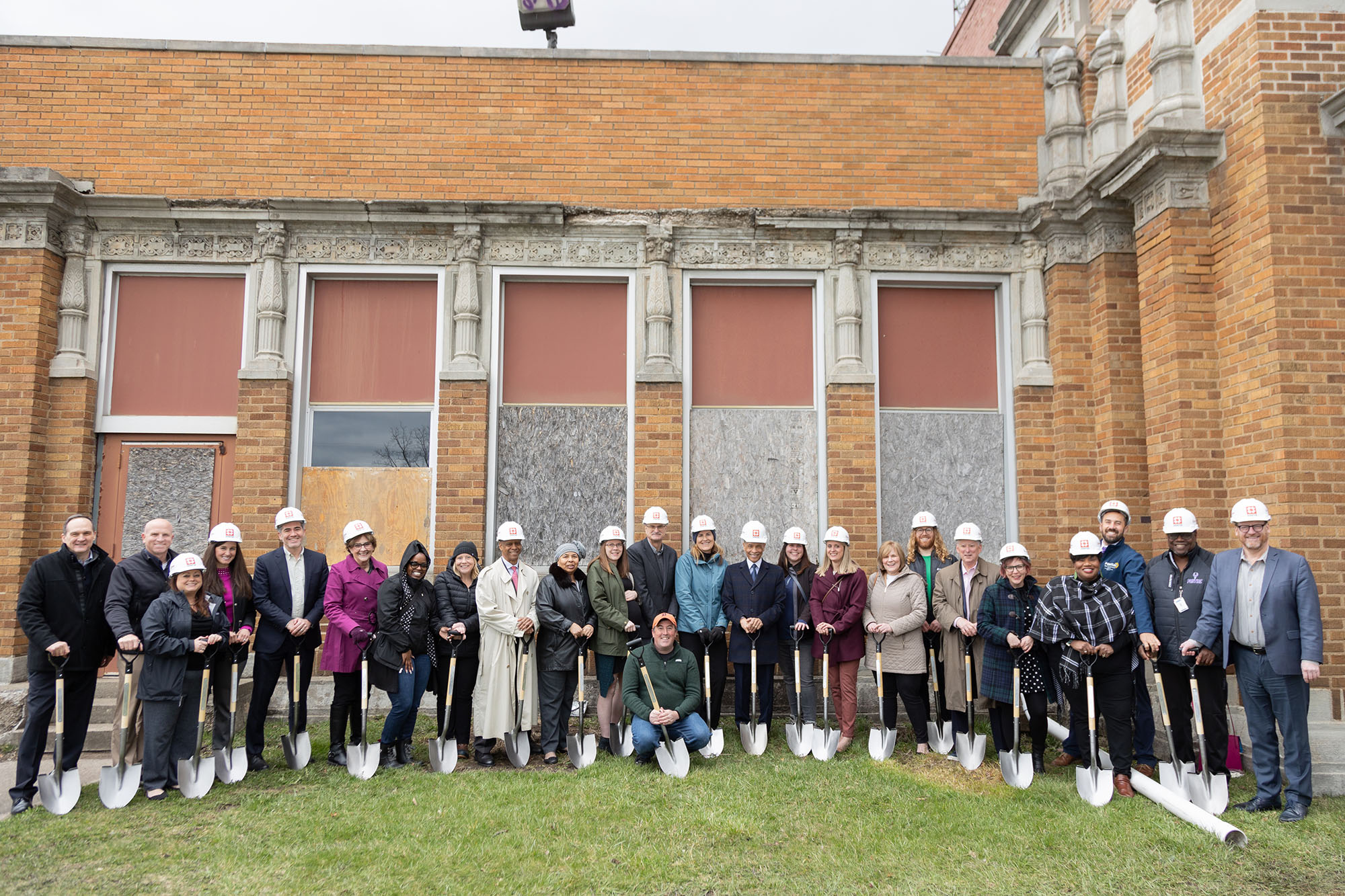
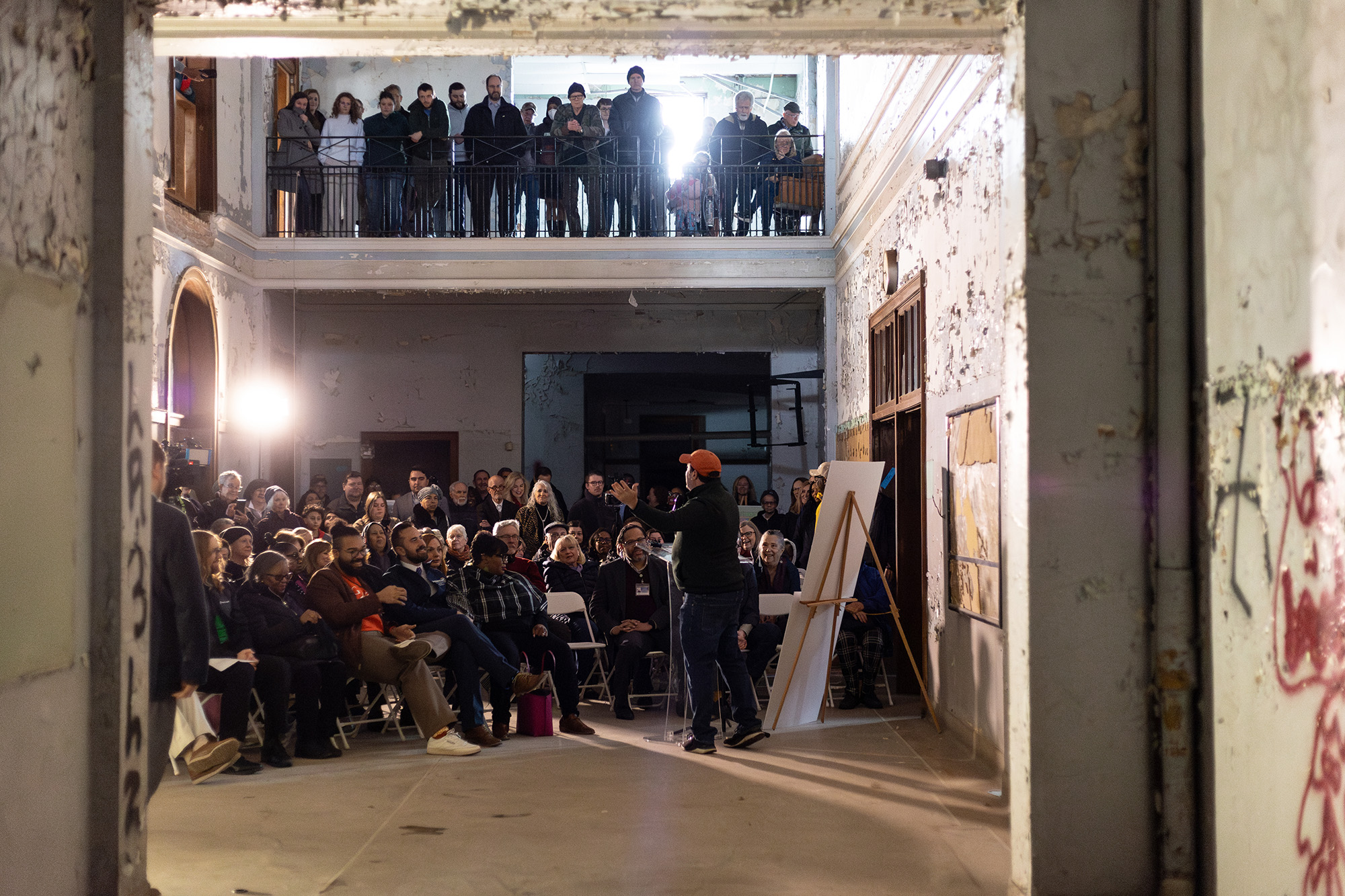
Originally an all-white school, Webster was desegregated in the 1970s and one of several schools made to participate in a bussing program after a historic lawsuit between the NAACP and the local school district. Already in a population decline as residents moved from the aging city center, the school was eventually closed in 2008 after nearly 90 years of operation.

It sat vacant for over 10 years until Micah 6 Community, the project sponsor, purchased the building in 2016 to serve as the new location for the mixed-use community-centered nonprofit hub.

A New Era Begins
Revitalization Efforts

A New Era Begins

The project is spearheaded by Micah 6 Community, a neighborhood-based community development corporation founded in 2012 with a mission to provide resources to address community challenges such as a lack of access to healthy food access, youth activities, and resources for unhoused individuals.

Once complete, the historic building will become the Webster Community Center, a vibrant ecosystem of over a dozen nonprofit and service-oriented organizations all dedicated to providing critical resources to children and families. Micah 6 Community has four primary areas of focus, all of which will be supported within the revitalized Webster Community Center: Entrepreneurship, arts and culture, youth activities, and health and wellness.

Community Impact

Creation of a Neighborhood Hub

The development of the Webster Community Center will collocate a dozen service and development providers and increase access to quality food, primary medical care, and job training for nearly 12,000 people each year, with an estimated 160,000 unique annual visits.

The HeadStart program will provide 360 low-income children with quality pre-k care, and the various afterschool programs will support more than 1,000 children each year. The business incubator estimates 32 program participants annually, over half of which will be Minority Business Enterprises (MBE). Once operational, the FQHC is estimated to support nearly 7,000 low-income people and families each year.

Quality Pre-School

For 360 low-income children

Healthcare Center

to support 7,000 low-income people each year

Business Incubator

Supporting 32 participants annually

Afterschool Programs

For more than 1,000 children each year

Areas of Focus

Entrepreneurship, arts & culture, youth activities, and health & wellness

NTCIC & Progress

Financing the Project

NTCIC facilitated an equity investment in the $5.5 million federal Historic Tax Credits generated by the $34 million historic development and provided a NMTC allocation of $7 million. Project financing also included more than $12 million in grants and donations from groups, including ARPA, Michigan Economic Development Corporation, and Environment Great Lakes & Energy,

showcasing overwhelming state and local support for the project. The successful capital campaign and NTCIC-sourced financing will enable the project to forgo long-term hard debt.

Over $17 million in additional NMTC allocation was provided by PNC Community Partners, Inc. and Michigan Community Capital.

Connect with Us

Curious About How Historic Tax Credit Investments Drive Real Impact?

Kandi Jackson leads tax credit investment activities with deep expertise in project finance, equity structuring, and compliance. When you speak with Kandi, expect clarity, honesty, and a clear roadmap for how your next investment can work in your portfolio.

Connect with Kandi

Want to Discuss Your Next Project? Talk With Our Team Today.

We bring clear insight, deep experience, and strategic focus to every project—whether you're structuring complex capital or shaping long-term, legacy-driven development.

Name
Want to Discuss Your Next Project? Talk With Our Team Today.

Historic Tax Credits

$5.14 Million
Federal HTCs

New Markets Tax Credits

$7 Million

Total Project Cost

$28.5 Million

Project Partner

Hill Community Development Corporation

Impact

Workforce Development, Healthcare Access, and more.

History

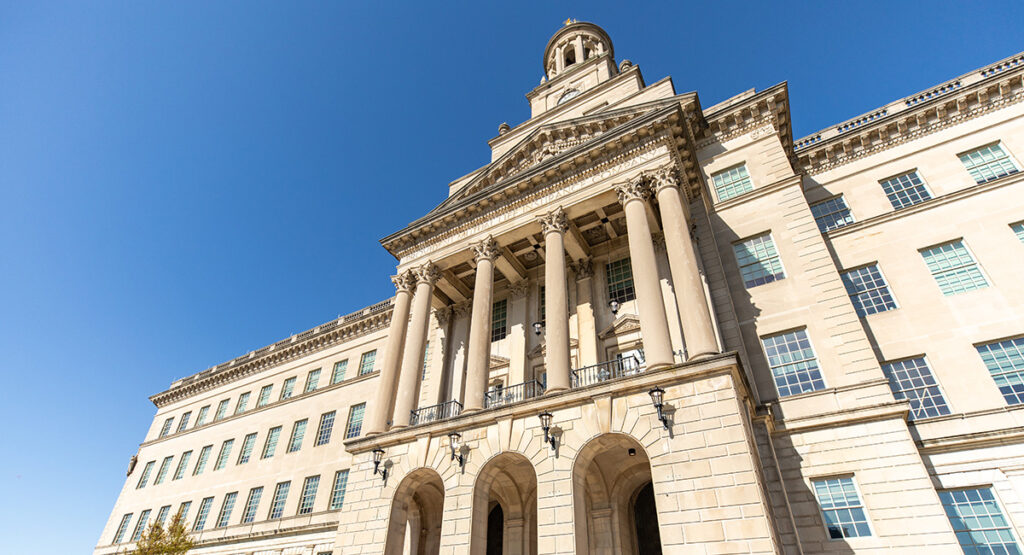
The Pythian Temple

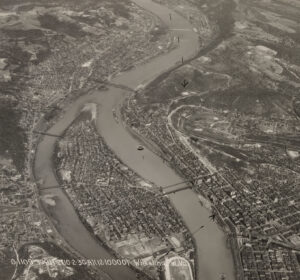
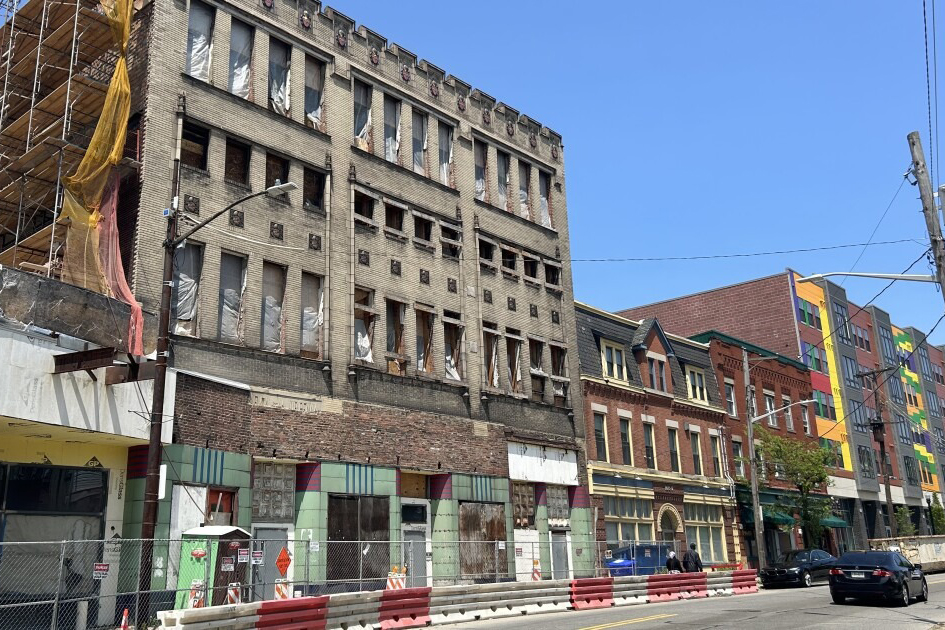
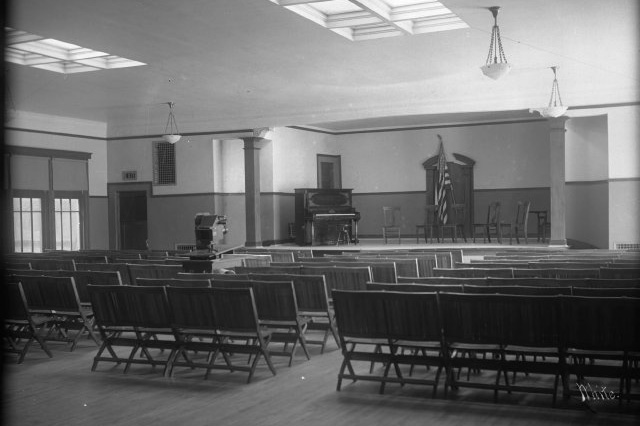
In 1925 B. G. Collier, head of the African American Grand Lodge of the Knights of Pythias, purchased lots in the Hill District neighborhood of Pittsburgh. The Hill District is often referred to as Pittsburgh’s Harlem, due to its historically rich cultural and artistic environment that remains prevalent to the present day. In 1927, Collier commissioned prominent African American Architect Louis A. S. Bellinger of Pittsburgh, to build the Pythian Temple, a fraternal lodge and commercial building for Black construction workers to enjoy community events, music, and more. Bellinger was working as one of only sixty black architects in the United States in the 1930s. Located at 2007-2013 Centre Avenue, the three-story building designed in a Tudor Revival style was completed in 1928 and became one of the largest and most prominent secular buildings in the Hill District. 
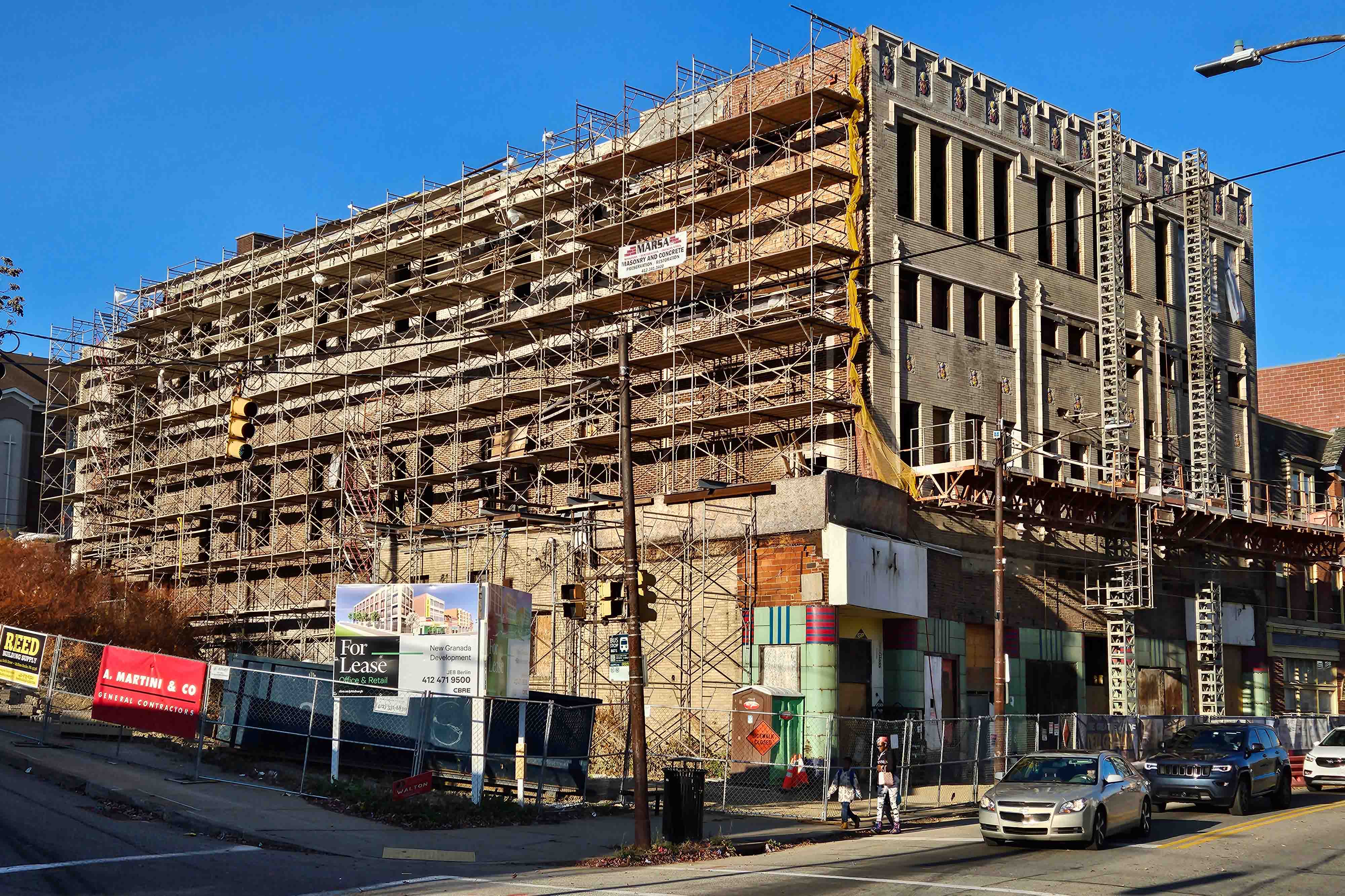
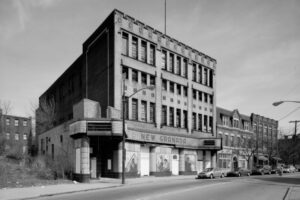
Bellinger’s architectural vision for the Temple formed the blueprint for the Temple’s transformation in 1937 when Harry Hendel, a promoter and theater owner, bought the Temple and remodeled it as a commercial theater. After the transformation, the building was known as the New Granada Theater. The first floor became a commercial movie theater while the second floor housed a ballroom with a stage where jazz greats played. Harlem musicians touring from New York City to Chicago would stop at the New Granada theater to play on the second-floor stage. Jazz legends such as Count Basie, Cab Calloway, Ella Fitzgerald, Charlie Parker, Louis Armstrong and Duke Ellington all played at the Theater during its prime.  

Through the decades, the Theater’s popularity slowly declined, and it was finally closed in the mid-1970s. During a period of vacancy between its closure and 1990, the interior suffered extensive damage after the roof collapsed. In 1990, Hill CDC purchased the Theater to save it from demolition. Since then, Hill CDC has committed itself to restoring the New Granada Theater to a place of prominence and cultural enrichment in the Hill District.

A New Era Begins
Revitalization Efforts

A New Era Begins

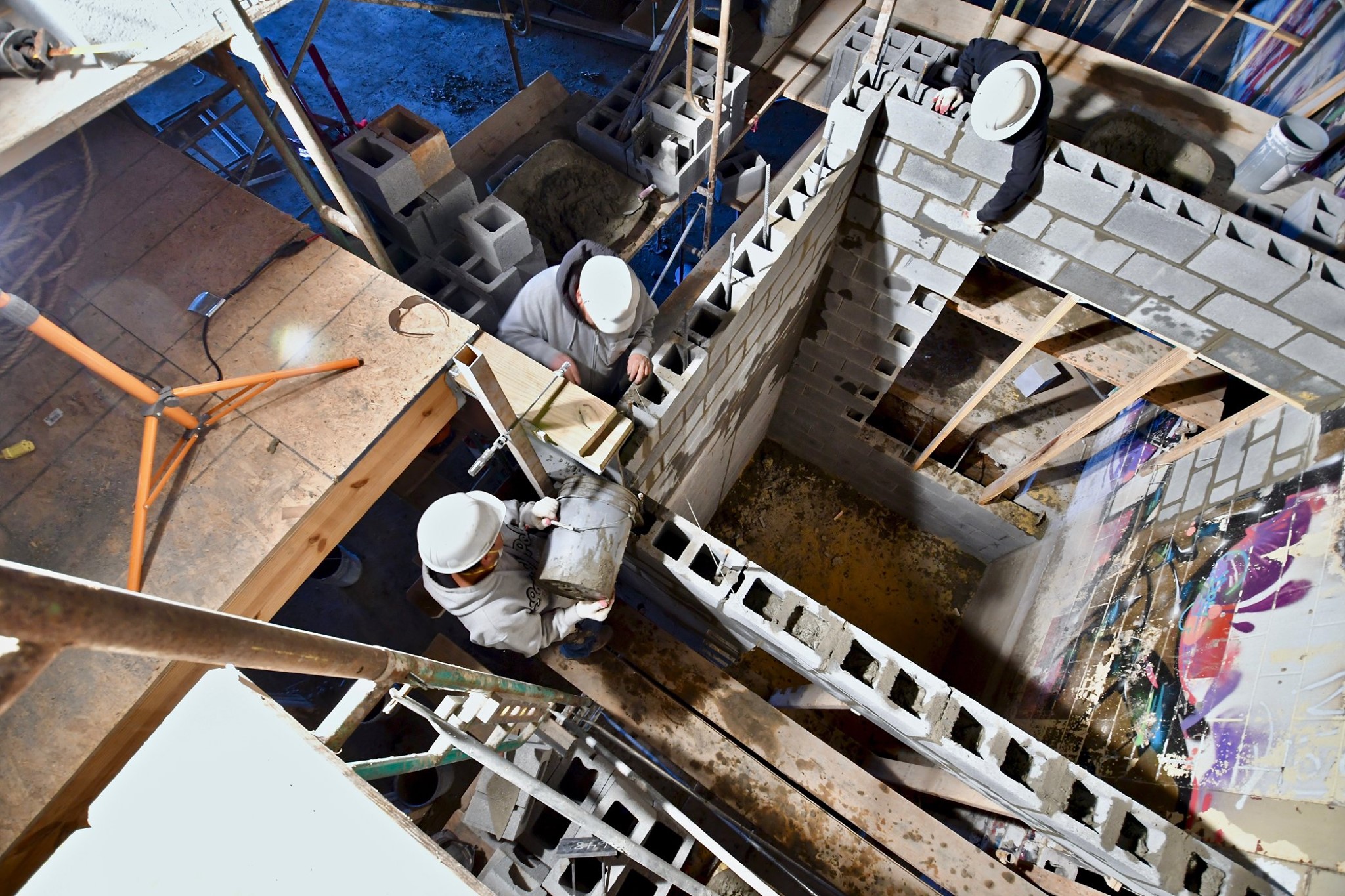
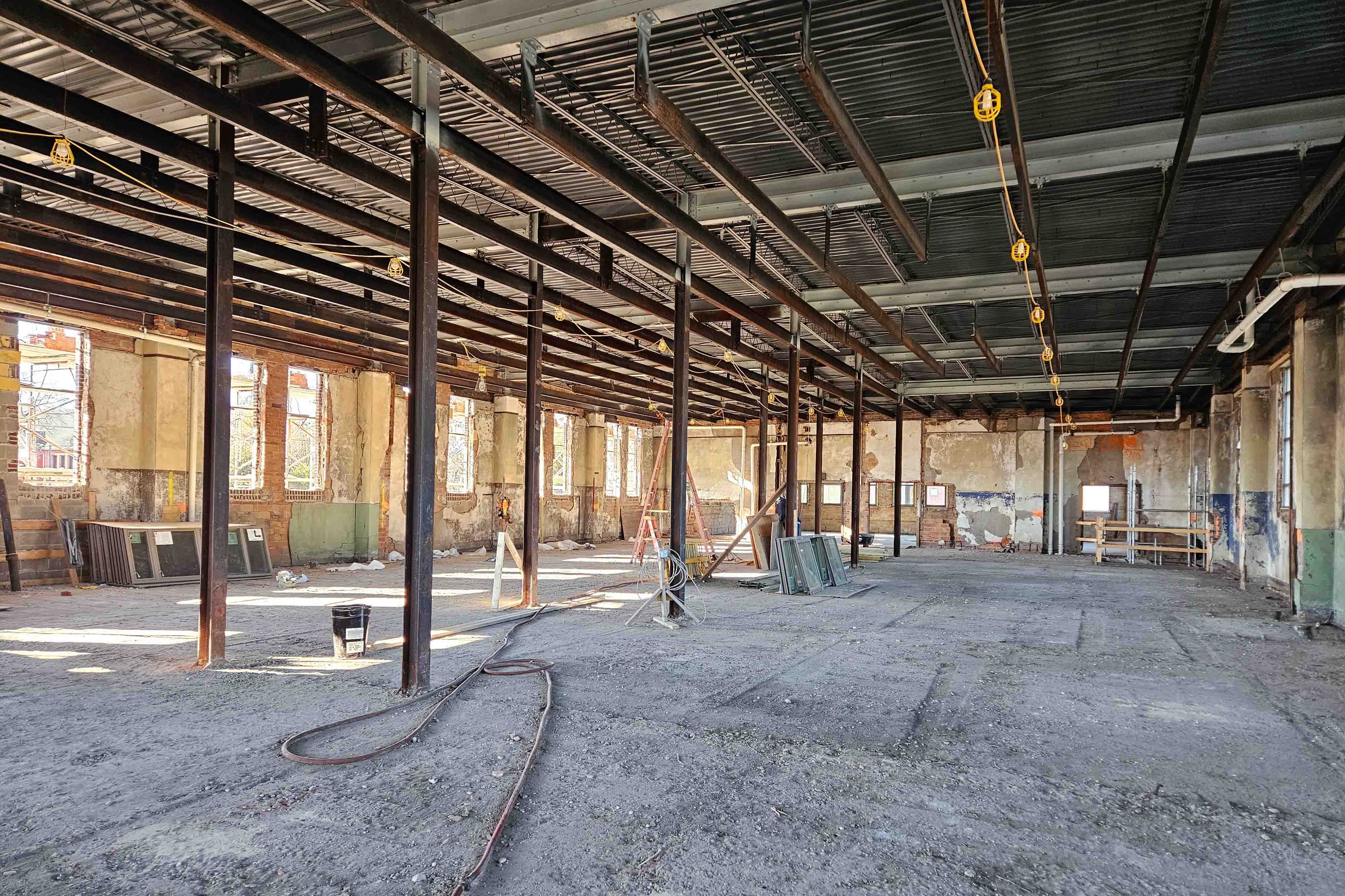
The renovation includes the buildout of a theater, black box studio, and café on the first two floors. Additionally, the renovation will provide a new home for the Hill District Community Engagement Center on the third floor and space for the group to lease the first two floors in preparation for the project’s second phase. The buildout of the third floor includes a Jazz Studies seminar room, “digital inclusion center” rooms, a community engagement center classroom, studios for the Center for African American Poetry and Poetics, a conference room, and supporting offices, restrooms, and storage rooms.

Community Impact

Creation of a Community Center

The relocation of Pitt’s operations to the New Granada site will anchor the project in community service and expand employment opportunities for local residents. The Hill Community Engagement Center already provides a wide range of educational, professional, and health‑related programs, and its move will strengthen its role as a hub for learning and support. Its offerings span mentoring for younger students, college‑readiness initiatives, engineering exposure programs, and hands‑on STEAM activities, all designed to broaden access to academic pathways and future careers.

The center also delivers extensive professional development resources, from administrative training and career sessions to small‑business support and data‑skills instruction. It will continue to host volunteer initiatives that connect students and faculty with neighborhood organizations, fostering deeper community partnerships. The project will additionally house spaces for arts, social work, jazz studies, and digital literacy, ensuring that the new site becomes a multidisciplinary resource for residents of all ages.

Educational Resources

MathUp Connections, Justice Scholars Institute, STEAM Camps, and more

Hill Community Engagement Center

1,143 visitors annually 

Professional Development Resources

Administrative Fellowship Program, small business consulting, and more

Volunteer Programs

Pitt School of Medicine home visits, nonprofit consulting, and more

Community Facilities

Classrooms, offices, programming facilities, and more.

NTCIC & Progress

The Expertise That Drove Results

This $28.1 million project was funded through a variety of sources including direct contributions from the University of Pittsburgh, grants and other sources of public funding, $5.3 million from the Hill Community Engagement Center Capital Campaign and Foundation Donors, and New Markets Tax Credit allocations of $5 million from Pittsburgh Urban Initiative, $4 million from PNC, and a $7 million allocation from NTCIC. The renovation was also 

supported by NTCIC through an equity investment in the $5.14 million federal Historic Tax Credits generated by the project. NTCIC’s role in the project includes acting as the Federal NMTC Allocatee, Federal NMTC Asset Manager, Federal HTC Investment sourcer, underwriter, and closer, Federal HTC Asset Manager, and Federal HTC Fund Manager. 

Want to Discuss Your Next Project? Talk With Our Team Today.

We bring clear insight, deep experience, and strategic focus to every project—whether you're structuring complex capital or shaping long-term, legacy-driven development.

Name
Want to Discuss Your Next Project? Talk With Our Team Today.

Historic Tax Credits

$5.54 Million
Federal HTCs

New Markets Tax Credits

$5 Million

Total Project Cost

$40.2 Million

Project Partner

Hale Resources LLC

Impact

Affordable Housing, Workforce Development, and more.

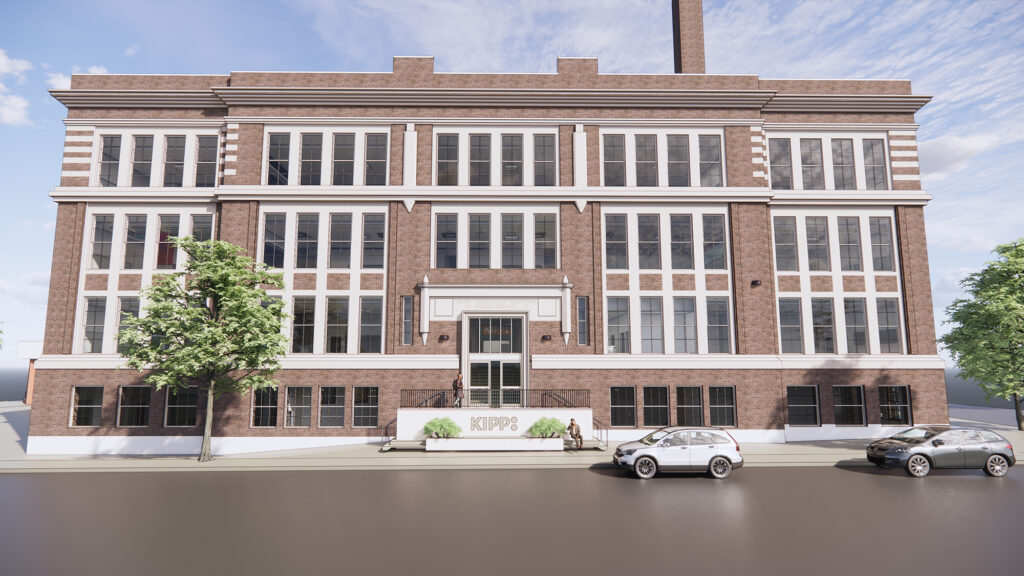
Bennington High School
History

Bennington High School

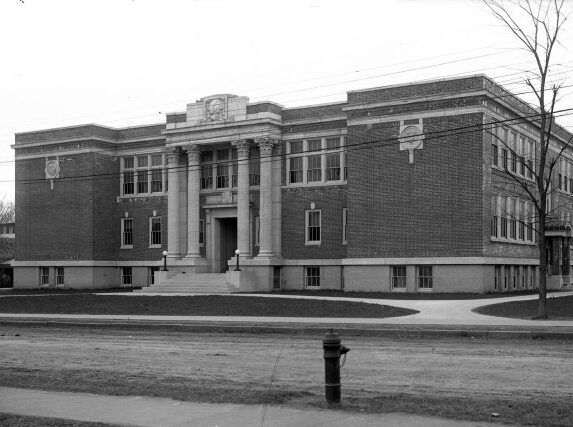
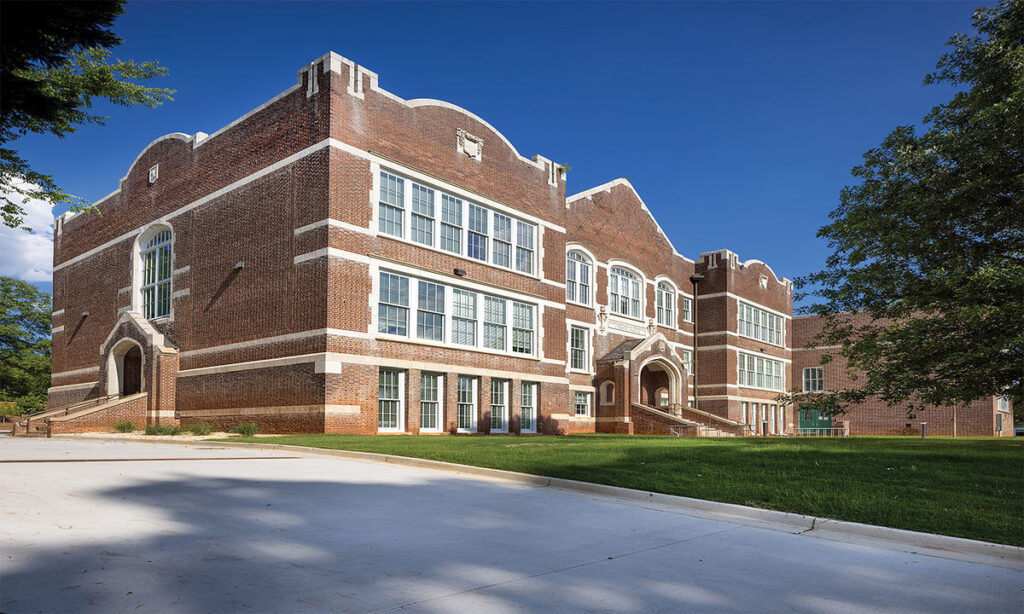
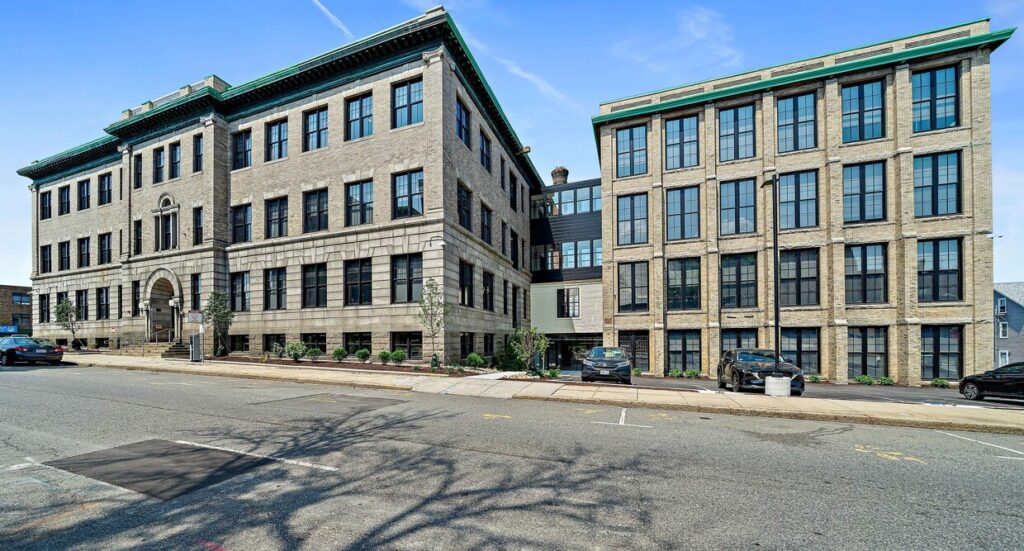
Built in 1913, Bennington High School is a significant example of an important public building displaying Beaux Arts style architecture. It was built to provide a larger educational facility as the high school population in Bennington increased rapidly between 1900 and 1912, and the original high school, built around 1875, could no longer accommodate the growing number of students. The new location opened in 1914 and served as the high school until the 1960s, when a third high school building was built, and the property became Mount Anthony Middle School. The middle school graduated its last class in 2004, and the building has stood vacant ever since.

A New Era Begins
Revitalization Efforts

A New Era Begins

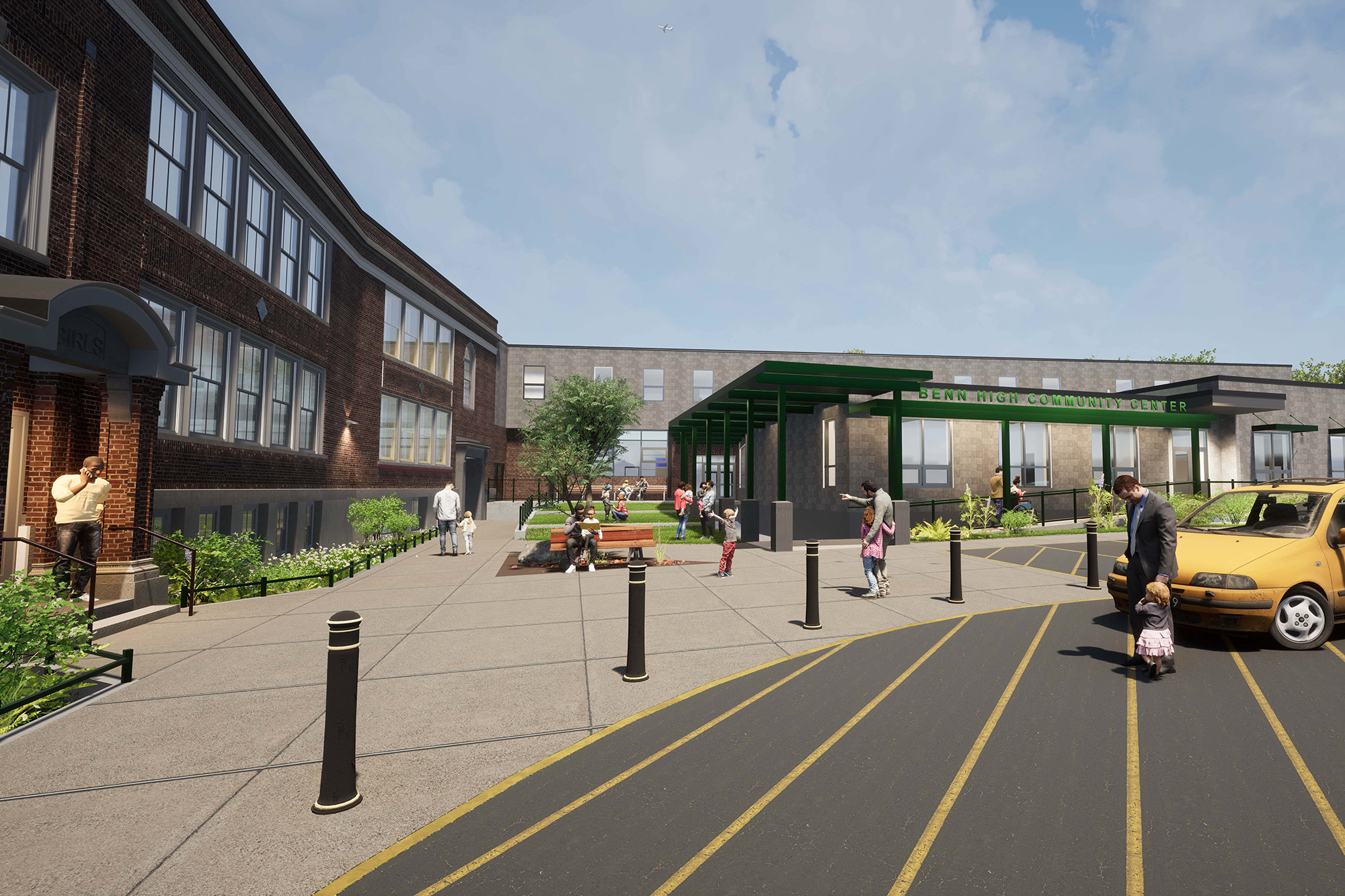
Benn High is the sustainable redevelopment of a 100,000 SF historic former school building in Bennington, Vermont, into a vibrant community hub that will consist of two condo structures, one utilizing federal NMTC and HTC financing and the other using LIHTC and HTC financing. The total anticipated development cost of both condo buildings is $51MM. The $40.2MMM NMTC condo development is a 72,000 SF space that will consist of 22 workforce housing units occupying 22,450 SF and roughly 48,000 SF of commercial space.

Community Impact

Creating a Community Hub

The Benn High redevelopment is expected to create 22 workforce housing units with five units at or below 80% AMI and all other units at 80-120% AMI. The Sponsor estimates there will be 27 new permanent full-time jobs created, and 35 full-time jobs retained, 85% of which will be high-quality jobs at a living wage and 75% of which will be accessible to people without a bachelor’s degree. Commercial tenants were chosen to maximize access to broad community benefits, including childcare, recreation, education, and senior services. A new childcare center will offer many seats for local families, with a majority reserved for those with lower incomes.

The YMCA will greatly expand community access to recreation and youth programs. The Sponsor estimates 4,308 individuals currently benefiting from the recreational center programming, with a projected 1,940 new users. The University of Vermont Extension estimates that more than 1,000 individuals in the community will benefit from their offerings, which include agricultural, nutrition, and community development resources.  Senior programming will also grow, offering wellness, cultural, and social activities for both current and new participants.

Expanded Recreational Programming

Projected 1,940 new users of the recreation center

Commitment to Sustainability

Upon completion, Benn High will be 100% electric

Senior Center

50 current seniors, 100 new seniors expected to benefit

Job Creation

27 new permanent full-time jobs created, 35 full-time jobs retained

Childcare Facility

For 102 children, 55% from low-income families

NTCIC & Progress

Project Financing

The $51 million revitalization of Benn High was supported in part by NTCIC through the facilitation of an equity investment in the $5.54 million Federal Historic Tax Credits generated by the project and an allocation of $5 million in NMTCs. NTCIC acted at the NMTC allocatee and asset manager, as well as the FHTC investment sourcer, underwriter, and closer.

Want to Discuss Your Next Project? Talk With Our Team Today.

We bring clear insight, deep experience, and strategic focus to every project—whether you're structuring complex capital or shaping long-term, legacy-driven development.

Name
Want to Discuss Your Next Project? Talk With Our Team Today.

Historic Tax Credits

$4.3 Million Federal

New Markets Tax Credits

$12 Million

Total Project Cost

$27 Million

Project Partner

CARITAS

Impact

Social Services, Healthcare, & more

History

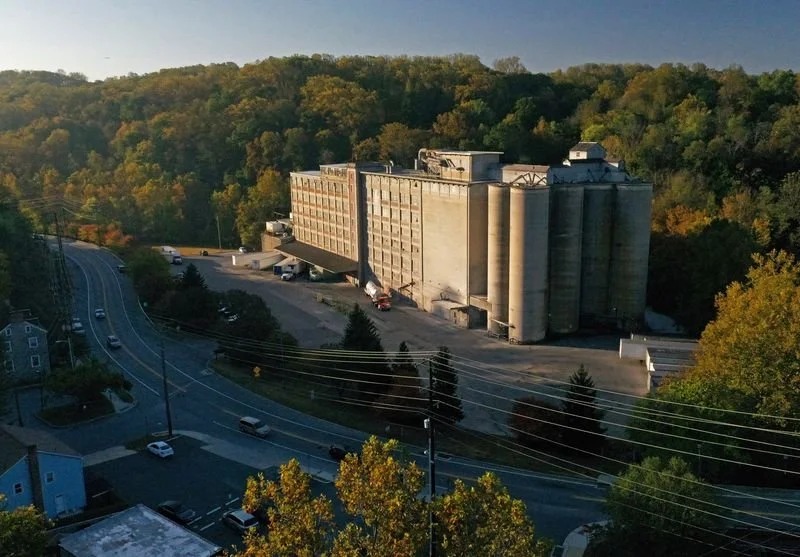
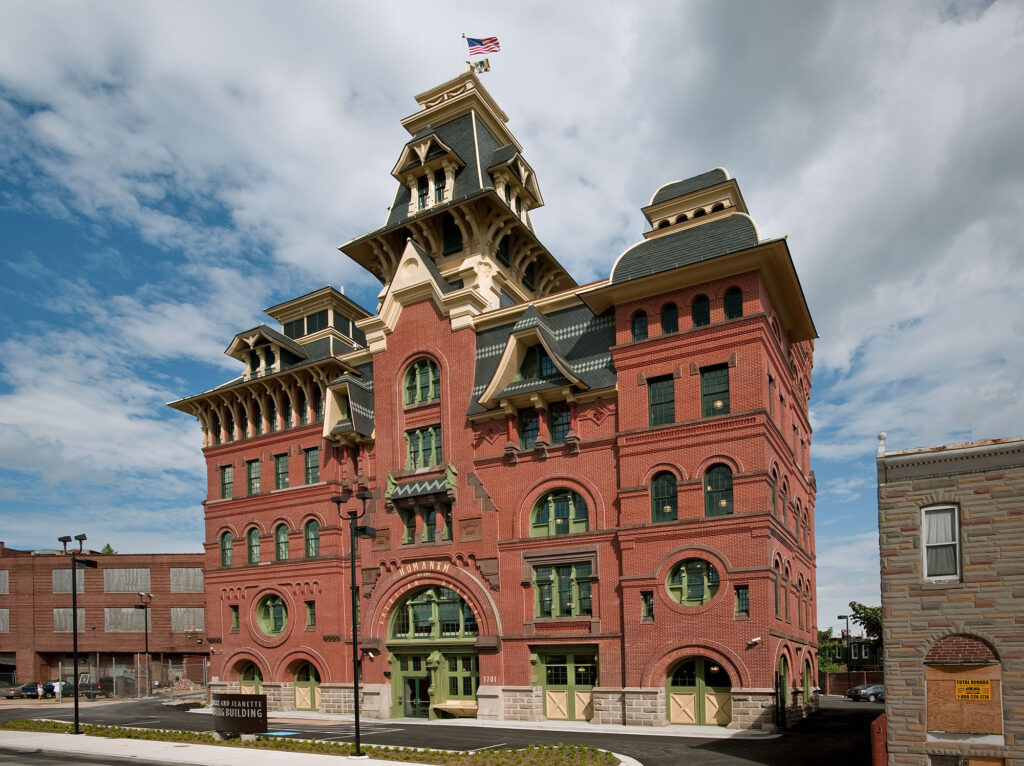
Philip Morris Blended Leaf Plant

The Philip Morris Blended Leaf Plant is a former industrial building that was originally a stemmery that supported the mass production of cigarettes. Originally constructed in the late 1950s, the facility was part of an ambitious plan of expansion initiated in the 1950s by the Philip Morris Company. The plant was the epicenter of the Philip Morris Blended Leaf Complex historic district, listed on the National Register of Historic Places in 2017, until 2011, when the factory was decommissioned and fell into disrepair.

A Space Renewed
Revitalization Efforts

A Space Renewed

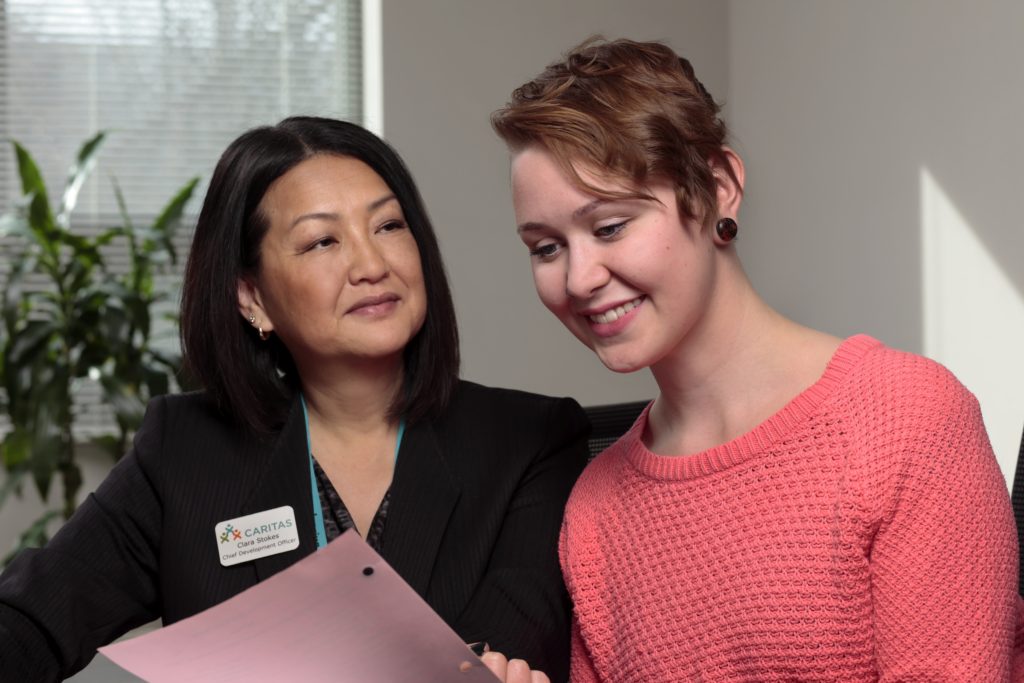
The former warehouse is now the new headquarters for Congregations Around Richmond to Assure Shelter (CARITAS), a center of support and recovery for those experiencing homelessness and battling addiction or substance use disorders. CARITAS was founded in 1987 to provide effective, permanent solutions to individuals and families dealing with the crisis of homelessness and/or substance use disorders in the Metro Richmond area. It has a strong history of continued growth and successful fundraising to support its programs which include CARITAS Shelter, CARITAS Furniture Bank, CARITAS Works, and The Healing Place. The creation of this facility allowed the organization to greatly expand the capabilities of their services while also creating new programs to more effectively serve their community. 

Community Impact

Second Chances Happen Here

By co-locating the various programs CARITAS supports, the organization has saved over $350,000 on an annual basis, which allowed it to further develop new and existing services. The project also allowed CARITAS to expand their Healing Place program to include services specifically dedicated to supporting women in need. The furniture bank supports nearly 1,000 families each year by providing those transitioning to permanent housing with low/no-cost furniture. Through the CARITAS Shelter program, the revitalized space added 40 sober living units and seven transition units for program graduates and community members. By incorporating

housing into the new facility, CARITAS no longer had to carry an $86k/year expense for the nine apartments and two houses that it used to lease to male alumni and transitional clients. 

CARITAS’ new location allowed for 26 new permanent full-time positions, with 14 of those created as a direct result of the expansion into the space. Approximately 70% of the newly created jobs were accessible to LIPs or residents of LICs. All new job opportunities for the Women’s Healing Place program were made available to members of the surrounding community. 

26

Full-Time Jobs Created

$350,000

Saved Annually by CARITAS

1,000 Families

Using Furniture Bank Annually

40

Sober Living Units

7

Transitional Living Units

NTCIC & Progress

Economic Impact

The renovation of the former Philip Morris Blended Leaf Plant into CARITAS’ new headquarters was made possible, in part, by NTCIC through an equity investment in the $4.3 million in federal Historic Tax Credits (HTC) generated by the project and a $12 million New Markets Tax Credit allocation. 

Want to Discuss Your Next Project? Talk With Our Team Today.

We bring clear insight, deep experience, and strategic focus to every project, whether you're structuring complex capital or shaping long-term, legacy-driven development.

Name
Want to Discuss Your Next Project? Talk With Our Team Today.