Historic Tax Credits

$3.5 Million Federal
$3.5 Million State

New Markets Tax Credits

$8 Million

Total Project Cost

$21+ Million

Project Partner

J. Jeffers & Co.

Impact

Small Business Support, Economic Development, & more

History

Malted Milk Puts Racine on the Map

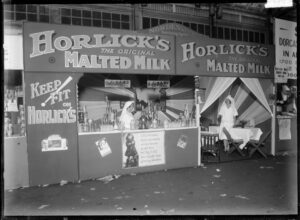
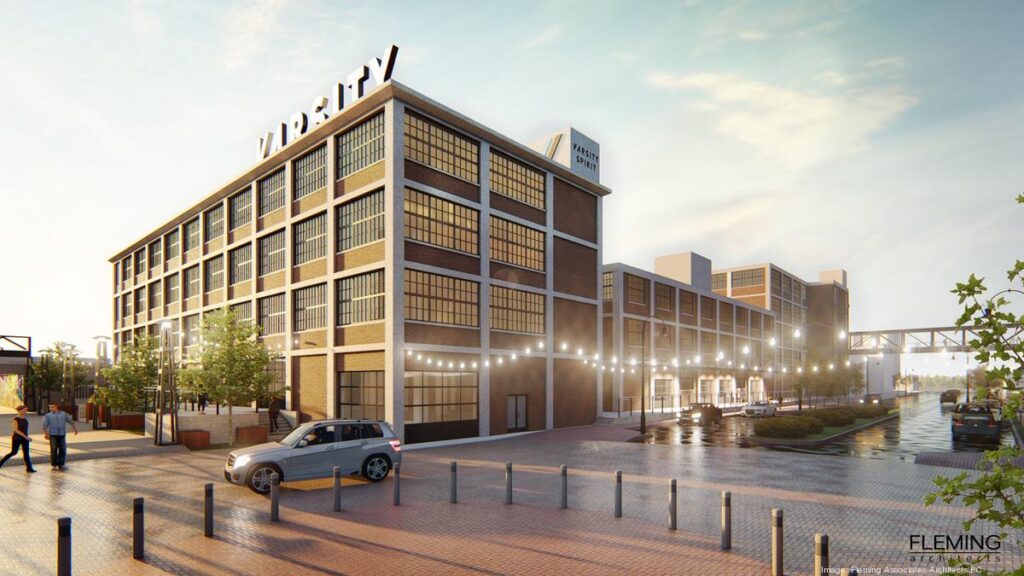
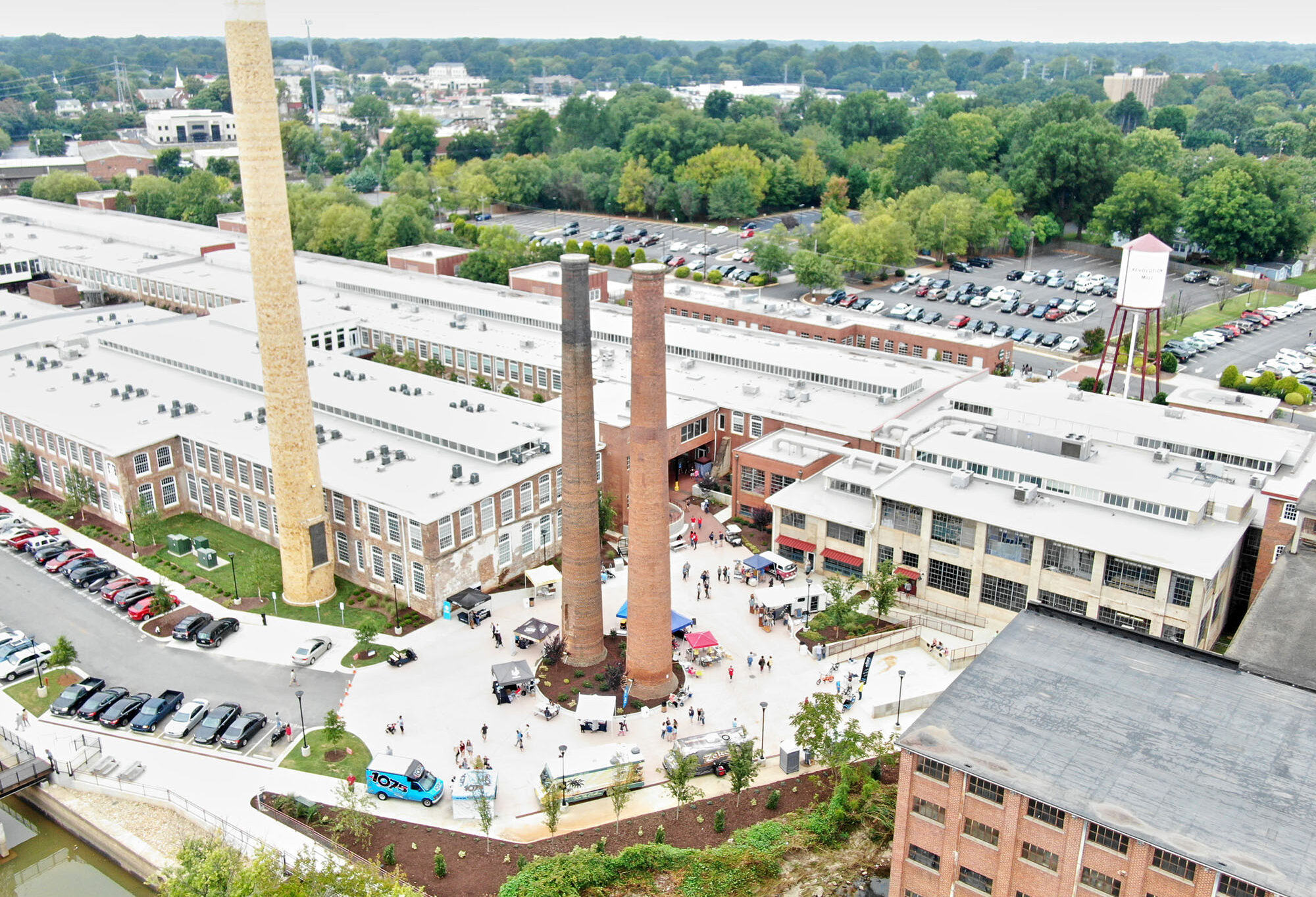
For nearly a century, the Horlick Malted Milk Company helped put Racine on the map. Founded by brothers James and William Horlick, the company pioneered malted milk products that became known around the world. Their products accompanied explorers on expeditions to Antarctica, supported troops during World War II, and became a staple in homes and soda fountains across America. 

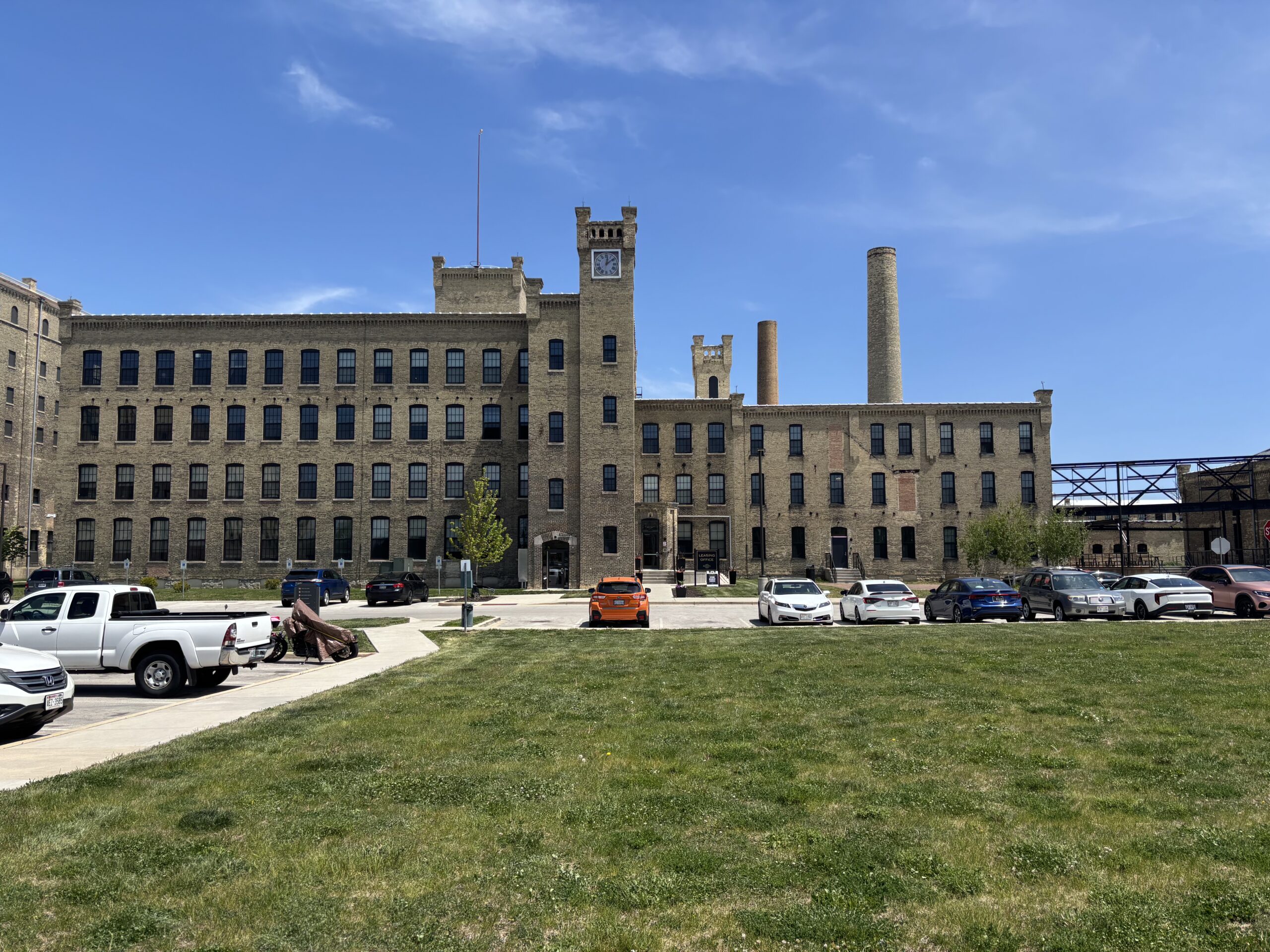
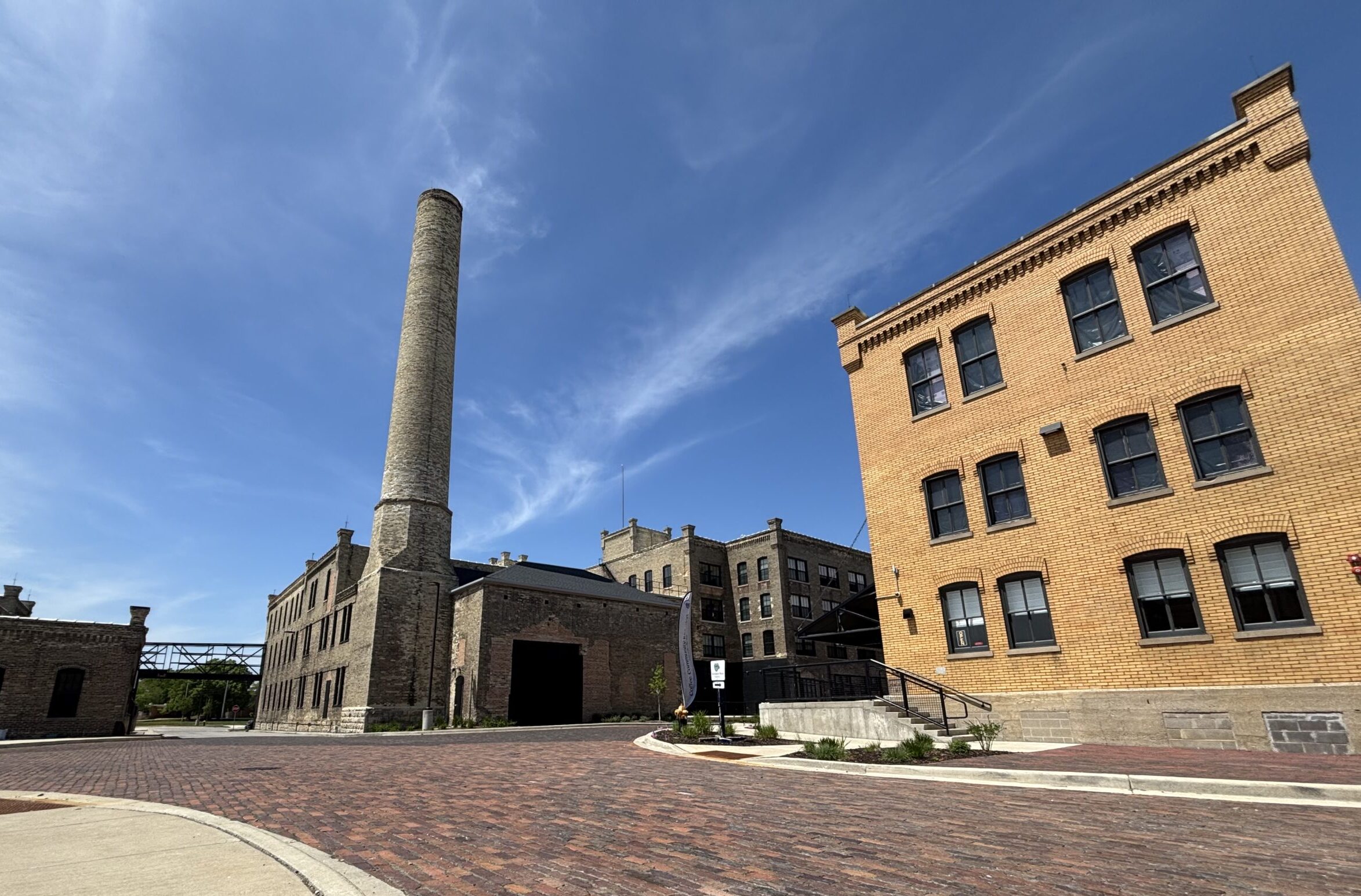
To meet growing demand, the Horlick brothers constructed an expansive industrial campus beginning in the late nineteenth century. Defined by its Gothic-inspired architecture, soaring smokestacks, and iconic clock tower, the complex became one of Racine’s most recognizable landmarks and an enduring symbol of the city’s manufacturing heritage. 

The Horlick Company also helped advance milk preservation practices and supported agricultural growth throughout the Midwest by purchasing large quantities of milk from regional dairy farms. At its peak, the company employed hundreds of workers and played a central role in Racine’s economy. 

As manufacturing patterns changed throughout the twentieth century, portions of the campus were sold and repurposed. Following the closure of Horlick’s operations, many of the buildings sat underutilized for decades despite their architectural significance. Recognizing both the historic importance and redevelopment potential of the site, local and national partners embarked on a multi-phase effort to restore the complex and return it to productive use. 

Dynamic & Usable Space for All
Revitalization Efforts

Dynamic & Usable Space for All

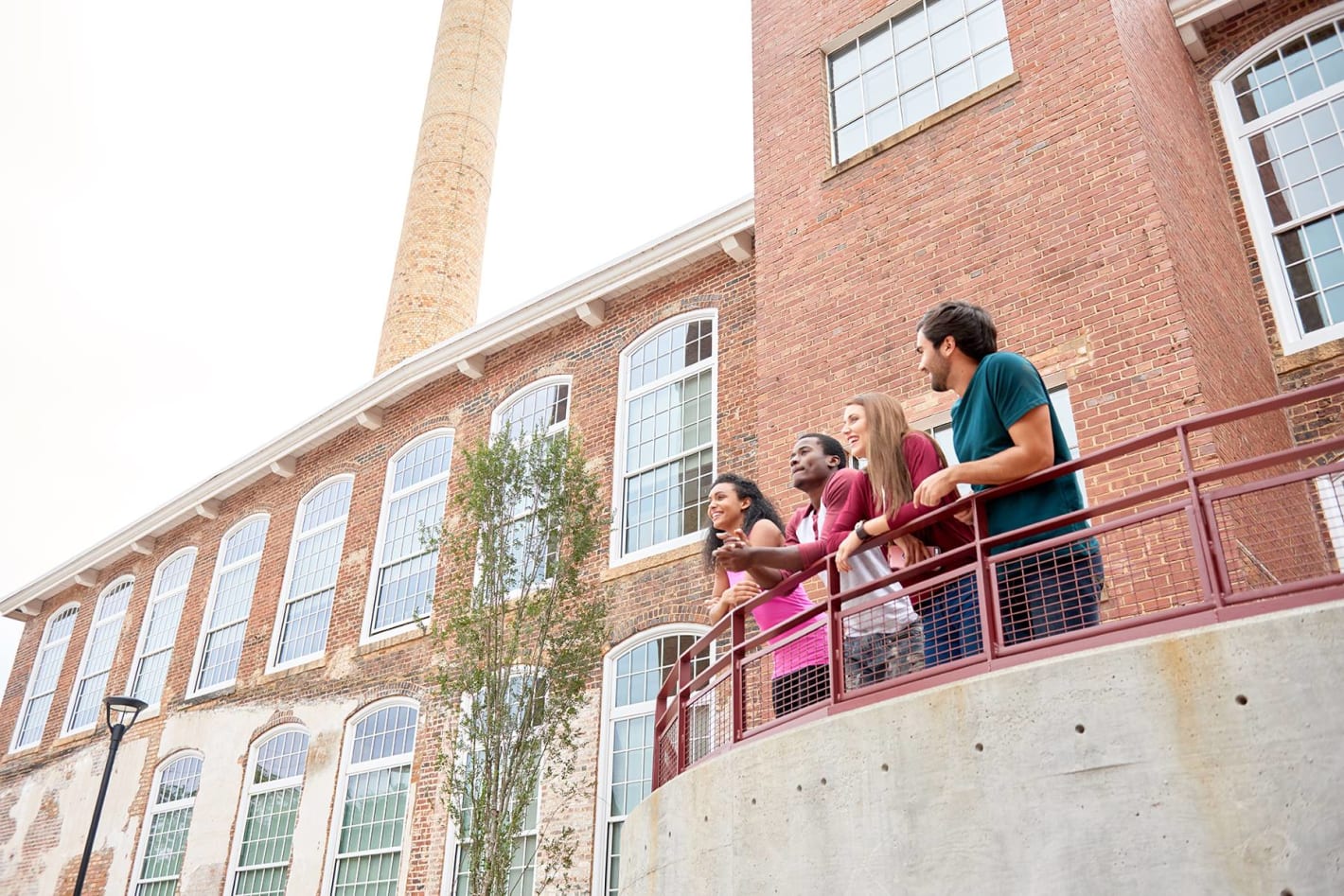
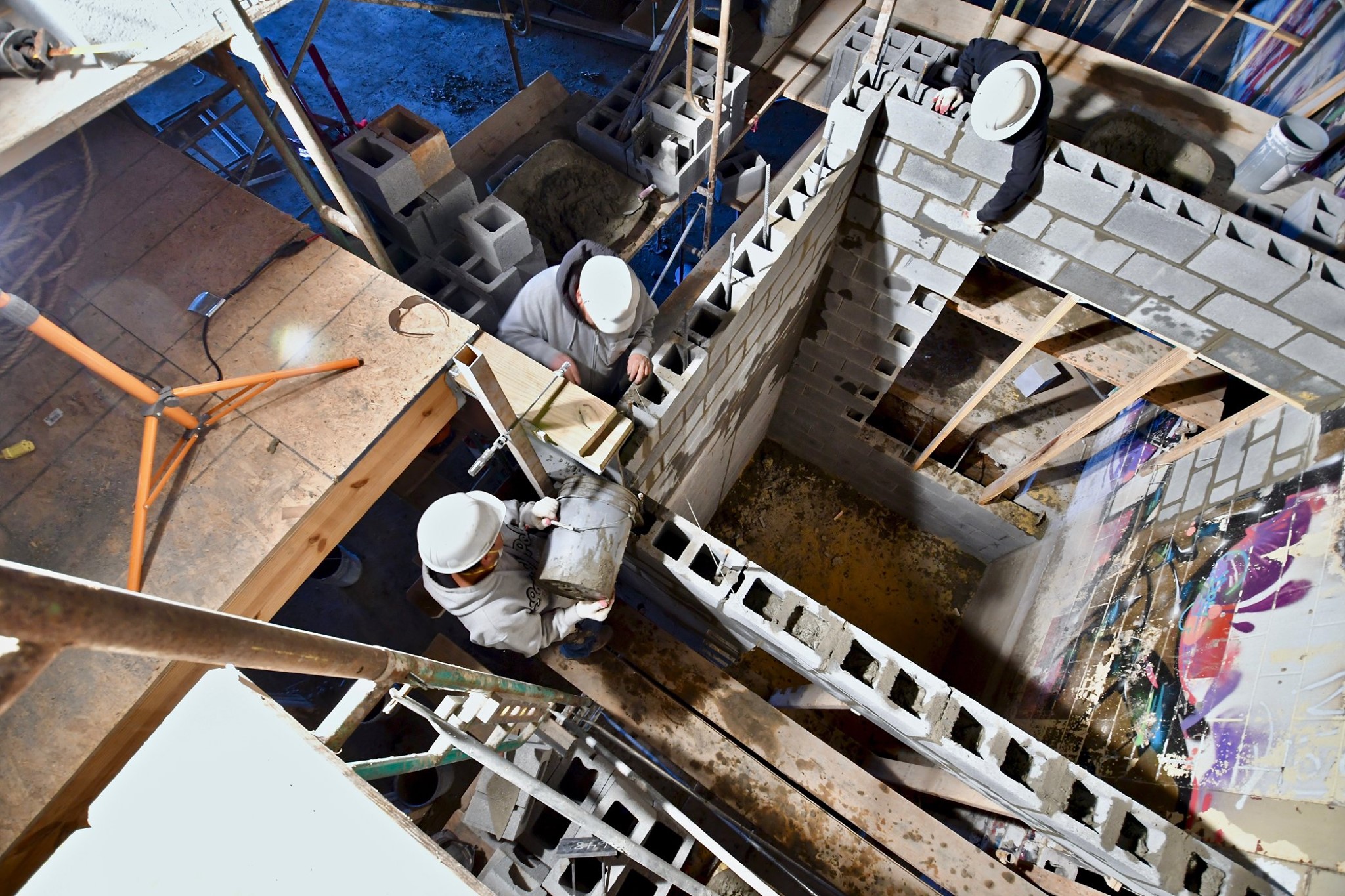
The commercial phase of Belle City Square rehabilitated more than 130,000 square feet across four historic buildings within the Horlick campus. Through a combination of historic preservation, strategic investment, and community partnerships, the project has transformed formerly vacant industrial space into a dynamic center for business growth, workforce training, entrepreneurship, and community engagement. 

Community Impact

Fostering Economic Mobility & Social Inclusion

Belle City Square has generated meaningful community impact by creating spaces that foster economic opportunity, workforce development, entrepreneurship, and social inclusion. 

The project supports a diverse mix of nonprofit organizations, educational programs, and growing businesses that collectively provide employment opportunities and workforce training for Racine residents. Programs operating within the development help connect individuals to career pathways, professional certifications, entrepreneurial resources, and supportive services that strengthen

long-term economic mobility. The Inclusive Bean has become a regional model for inclusive employment, creating meaningful work opportunities for individuals with disabilities while promoting greater community understanding and engagement. 

The project also provides space for makers, artists, entrepreneurs, and small businesses that may otherwise face barriers to accessing affordable commercial space. Through collaborative partnerships and shared resources, these organizations contribute to a growing ecosystem of innovation and local economic development. 

NTCIC & Progress

Economic Impact

The rehabilitation of Belle City Square required a layered financing strategy to address the challenges associated with redeveloping large historic industrial buildings. NTCIC supported the 4th phase of the historic restoration efforts through an $8 million New Markets Tax Credit allocation, without which a funding gap would still exist, preventing project completion. NTCIC also facilitated an equity investment by US Bank in the $7 million of state and federal Historic Tax Credits generated by the development.

The financing structure leveraged public and private investment sources, including TIF Financing and traditional debt, and grants and loans from the Milwaukee Preservation Alliance. The project also received $13 million in additional NMTC allocation provided by First Industrial Redevelopment Enterprise (FIRE). This collaborative approach enabled the preservation of historically significant structures while creating a platform for long-term economic growth and community benefit.

Want to Discuss Your Next Project? Talk With Our Team Today.

We bring clear insight, deep experience, and strategic focus to every project, whether you're structuring complex capital or shaping long-term, legacy-driven development.

Name
Want to Discuss Your Next Project? Talk With Our Team Today.

Historic Tax Credits

$6.1 Million Federal

New Markets Tax Credits

$5 Million

Total Project Cost

$37.7 Million

Project Partner

Self-Help Ventures

Impact

Small Business Support, Housing, & more

Textile Industry in the South
History

Textile Industry in the South

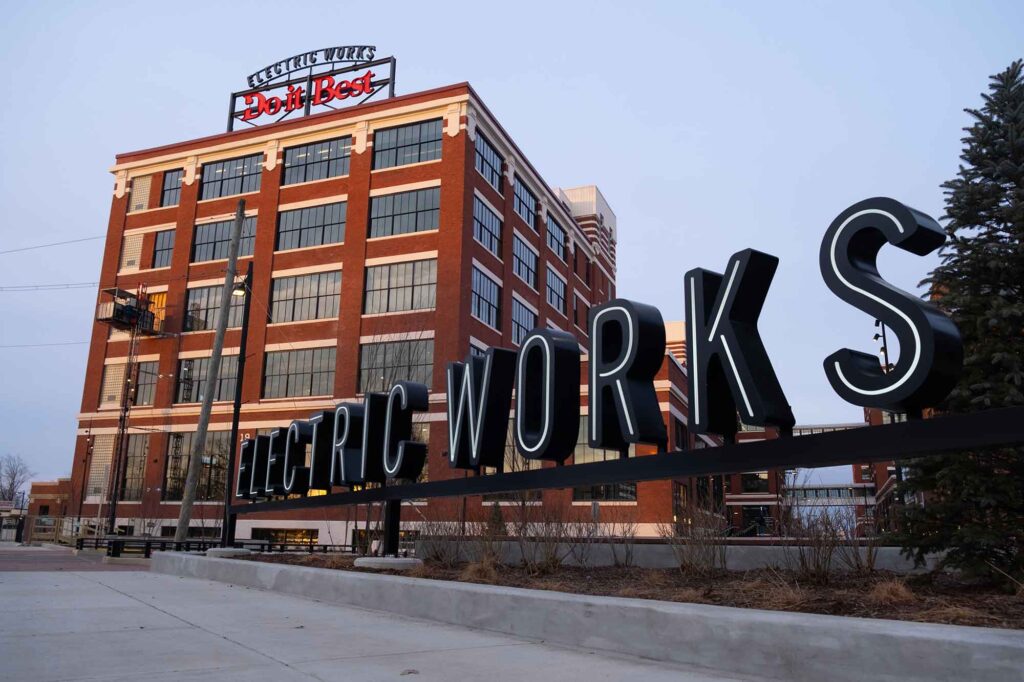
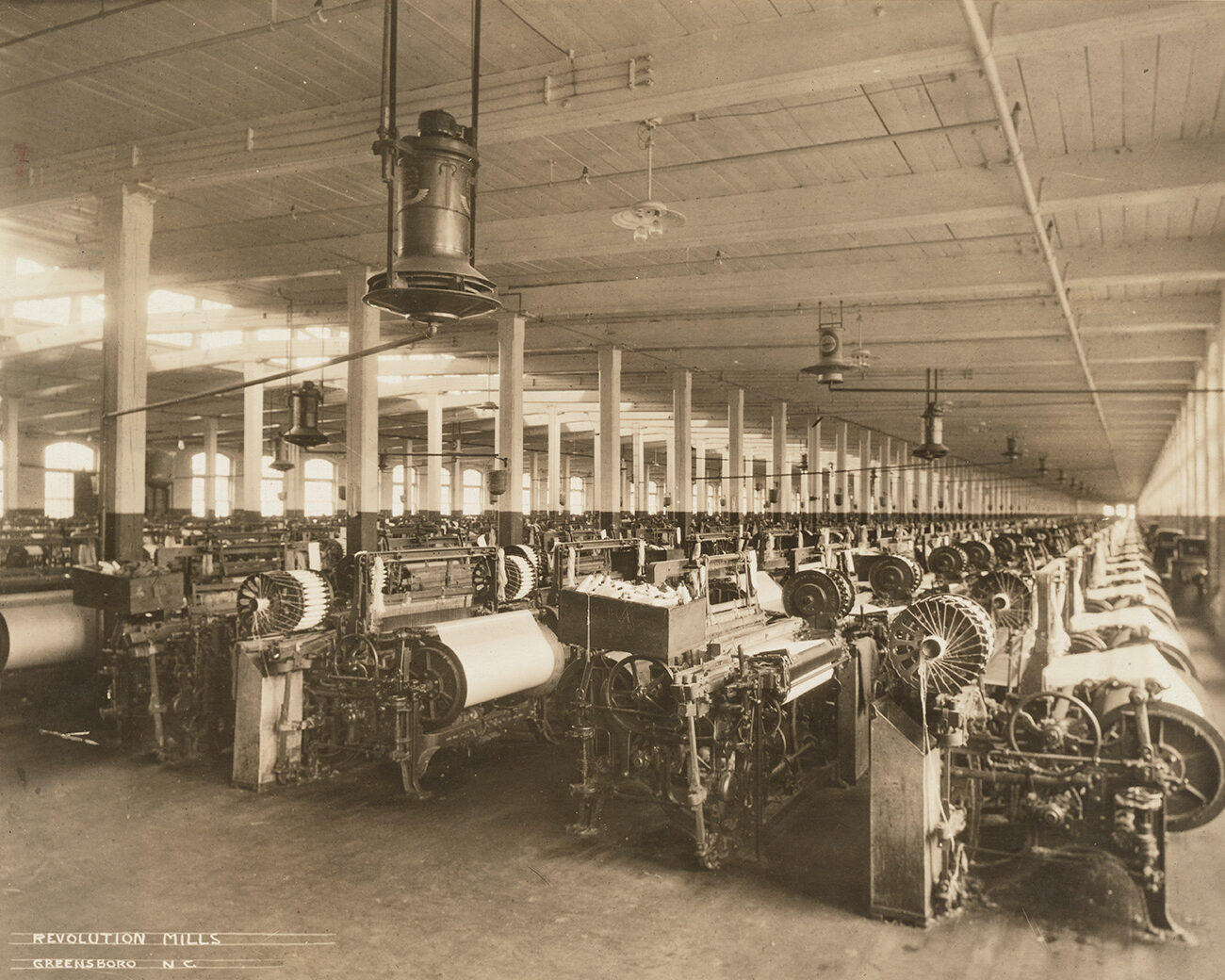
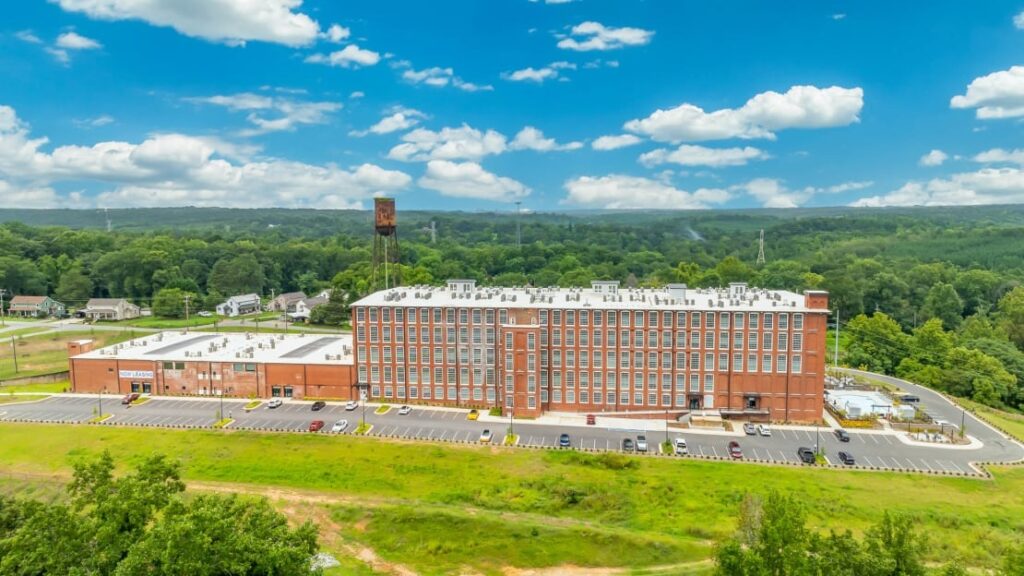
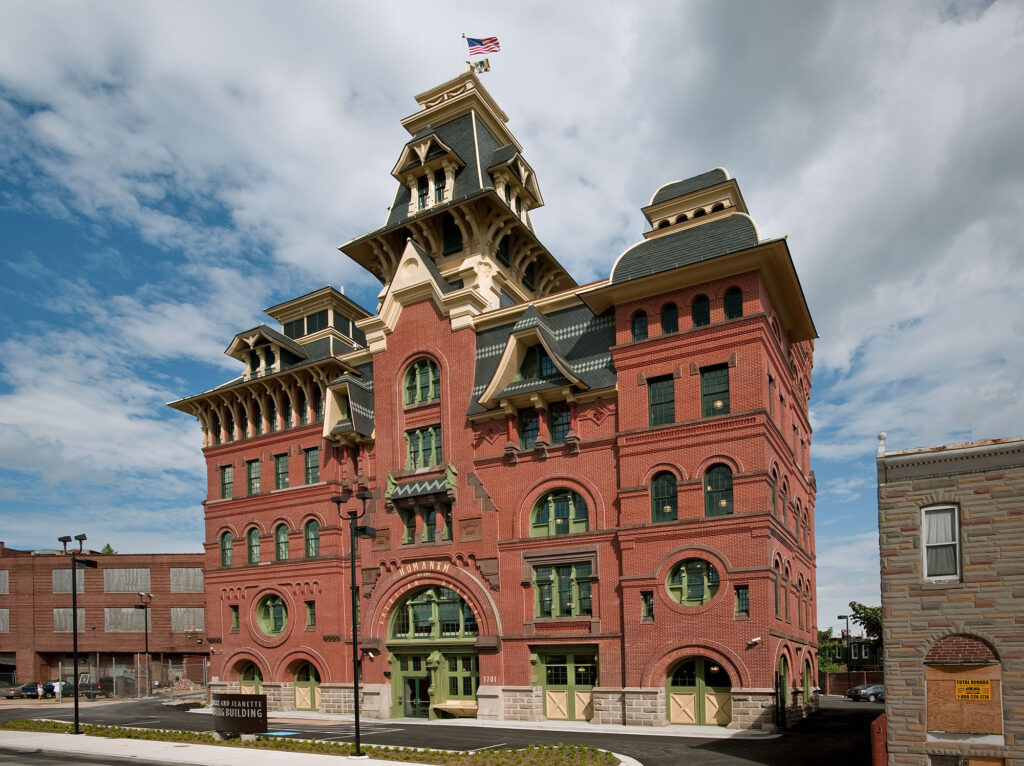
Built in 3 phases between 1900 and 1915 in Greensboro, North Carolina, the Revolution Cotton Mills is an example of the diversification in the Southern textile industry during the late nineteenth and early twentieth centuries. It was founded as a joint venture of the Cone and Sternberger families, two prominent Jewish families integral to Greensboro’s development.

The mill was fully operational by September 1900 and included 12,000 spindles, 376 looms, employed 350 people, and had 125 company houses – creating the village of Revolution. A 1910 description of the mill noted that “the company houses its employees in neat, modern houses and has supplied the village of Revolution with schools, free kindergarten, healthcare facilities, playgrounds, summer camps, a YMCA, churches, and every possible convenience.”

Revolution Mills’ particular significance lies in the fact that it was reputed to be the first flannel mill in the South, at a time when flannel was an increasingly popular fabric. By the 1930s, Revolution Cotton Mills had become the largest exclusive flannel mill globally, growing to over 1 million square feet and producing over 50 million yards annually.

In 1947, the Revolution Cotton Mills merged with Proximity Manufacturing Company, a secondary business venture founded by the Cone family, to become the Cone Mills Corporation. For approximately thirty years after the merger, the Revolution plant continued to produce flannel goods.

In the late 1970s, however, with new government standards concerning flammability, the company elected to get out of the flannel business. The plant was then converted to corduroy production, with a large export market, but when this market deteriorated, Cone Mills shut down the Revolution plant for good in February 1982. In 2012, Self-Help Ventures bought the mill and embarked on the first phase of redevelopment for the complex. The main campus was complete in 2019, and the Mill House project represents the final piece of the Revolution Mill development.


Center for Education & Community
Revitalization Efforts

Center for Education & Community

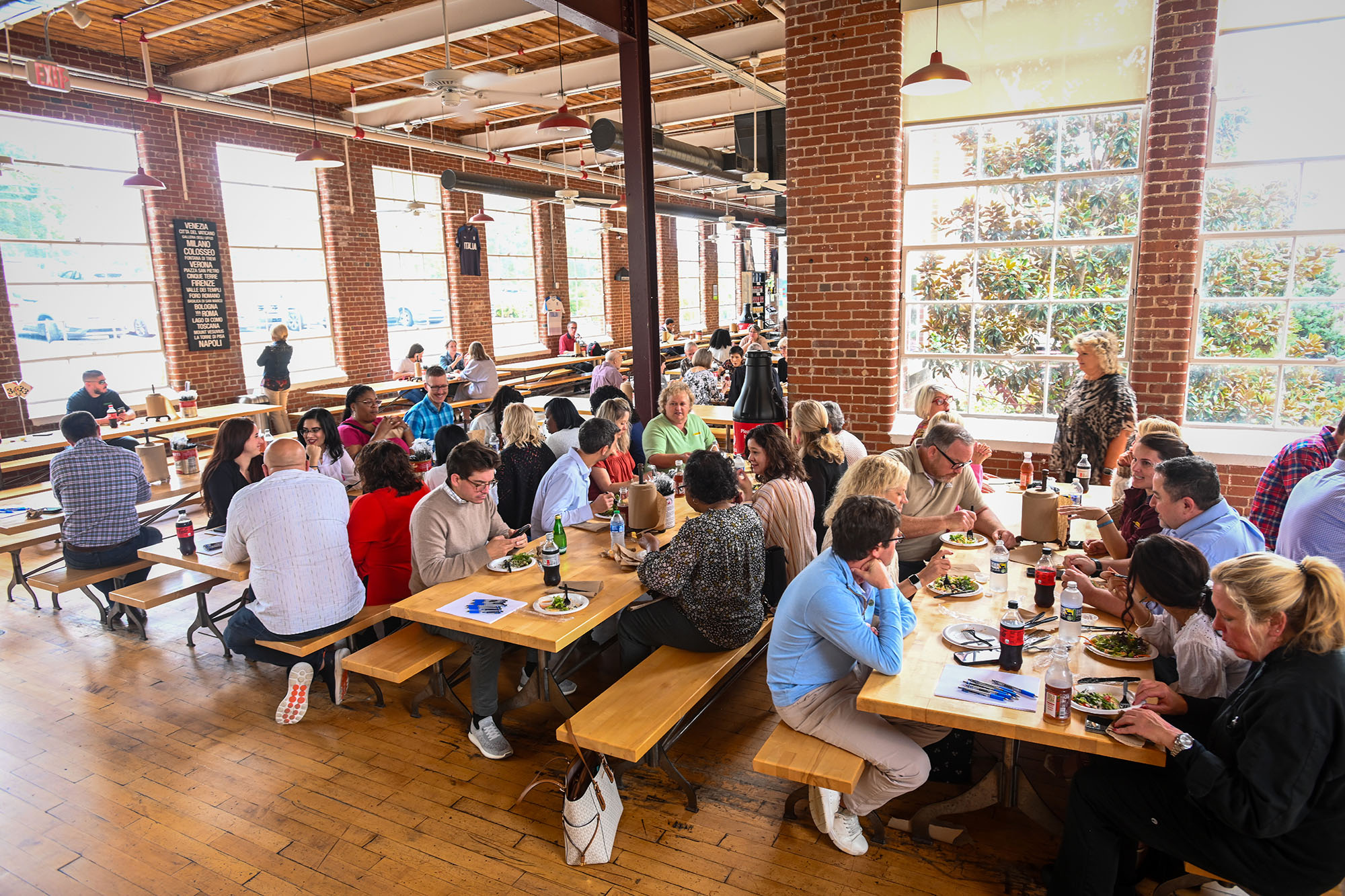
After its renovation, the original cloth warehouse is now the Mill House and includes 33 mixed-income units, as well as more than 57,000 square feet of commercial space and nearly 10,000 square feet of coworking space managed by Self-Help.

Community Impact

Becoming a Community Asset

The Mill House was vacant and underutilized for nearly 40 years, deteriorating considerably during that time. The revitalization efforts created 225 construction jobs that paid above living wage with full-benefit packages including healthcare, paid holidays, paid time off, and retirement benefits. The development team worked with general contractors to prioritize having a diverse group of businesses on the project.

Upon completion, the project supported 250 permanent jobs

through new and existing businesses. The business incubator managed by Self-Help supports 25 small businesses annually, and five additional office spaces in the building are marketed at below-market rents for local, MBE/WBE businesses and nonprofit organizations.

The local restaurant and retail tenants are provided with a flexible rental structure that allows them to succeed as they expand into the area market.

225

Construction Jobs Created

250

Permanent Jobs Created

25 Annually

Small Businesses Supported

5

Affordable Office Rentals

NTCIC & Progress

Economic Impact

The historic restoration of the final phase of the Mill House was made possible, in part, by NTCIC through an equity investment in the $6.1 million in federal Historic Tax Credits (HTC) generated by the project and a $5 million New Markets Tax Credit allocation.

Want to Discuss Your Next Project? Talk With Our Team Today.

We bring clear insight, deep experience, and strategic focus to every project, whether you're structuring complex capital or shaping long-term, legacy-driven development.

Name
Want to Discuss Your Next Project? Talk With Our Team Today.

Historic Tax Credits

$4.3 Million Federal

New Markets Tax Credits

$12 Million

Total Project Cost

$27 Million

Project Partner

CARITAS

Impact

Social Services, Healthcare, & more

History

Philip Morris Blended Leaf Plant

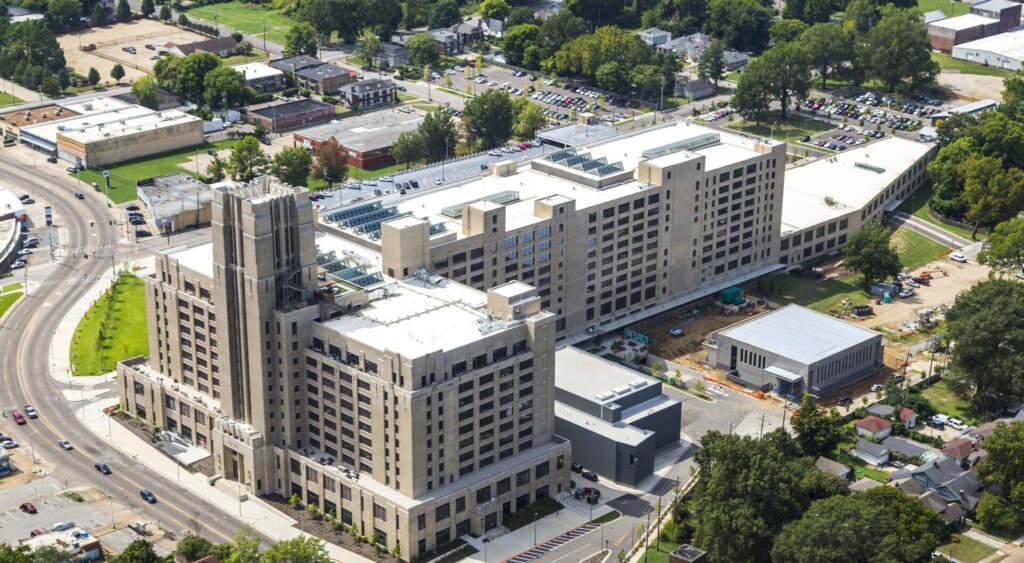
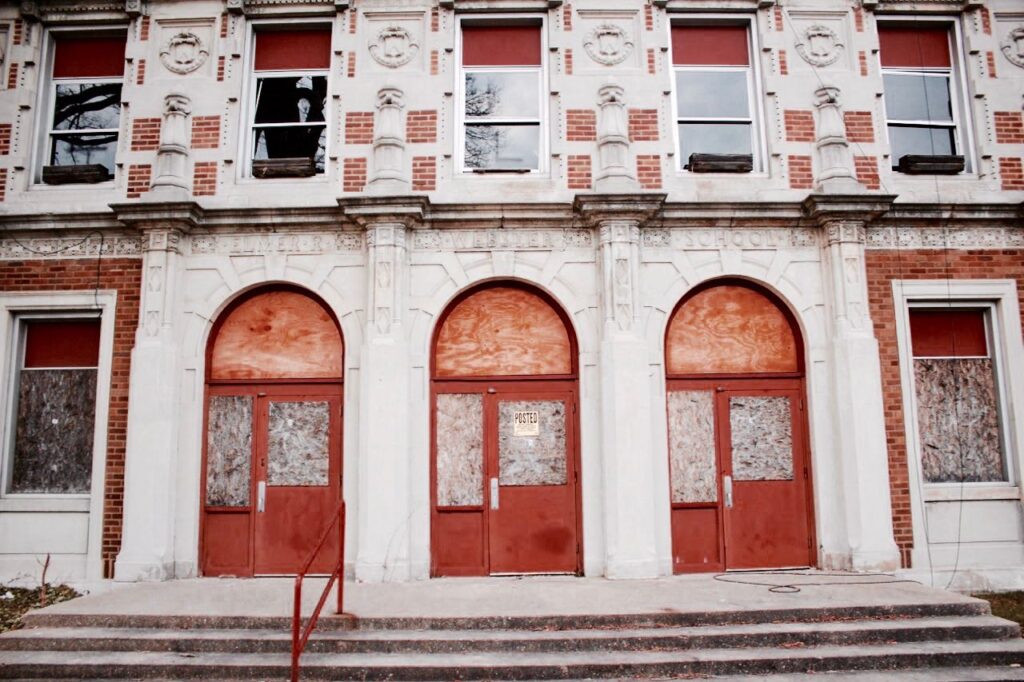
The Philip Morris Blended Leaf Plant is a former industrial building that was originally a stemmery that supported the mass production of cigarettes. Originally constructed in the late 1950s, the facility was part of an ambitious plan of expansion initiated in the 1950s by the Philip Morris Company. The plant was the epicenter of the Philip Morris Blended Leaf Complex historic district, listed on the National Register of Historic Places in 2017, until 2011, when the factory was decommissioned and fell into disrepair.

A Space Renewed
Revitalization Efforts

A Space Renewed

The former warehouse is now the new headquarters for Congregations Around Richmond to Assure Shelter (CARITAS), a center of support and recovery for those experiencing homelessness and battling addiction or substance use disorders. CARITAS was founded in 1987 to provide effective, permanent solutions to individuals and families dealing with the crisis of homelessness and/or substance use disorders in the Metro Richmond area. It has a strong history of continued growth and successful fundraising to support its programs which include CARITAS Shelter, CARITAS Furniture Bank, CARITAS Works, and The Healing Place. The creation of this facility allowed the organization to greatly expand the capabilities of their services while also creating new programs to more effectively serve their community. 

Community Impact

Second Chances Happen Here

By co-locating the various programs CARITAS supports, the organization has saved over $350,000 on an annual basis, which allowed it to further develop new and existing services. The project also allowed CARITAS to expand their Healing Place program to include services specifically dedicated to supporting women in need. The furniture bank supports nearly 1,000 families each year by providing those transitioning to permanent housing with low/no-cost furniture. Through the CARITAS Shelter program, the revitalized space added 40 sober living units and seven transition units for program graduates and community members. By incorporating

housing into the new facility, CARITAS no longer had to carry an $86k/year expense for the nine apartments and two houses that it used to lease to male alumni and transitional clients. 

CARITAS’ new location allowed for 26 new permanent full-time positions, with 14 of those created as a direct result of the expansion into the space. Approximately 70% of the newly created jobs were accessible to LIPs or residents of LICs. All new job opportunities for the Women’s Healing Place program were made available to members of the surrounding community. 

26

Full-Time Jobs Created

$350,000

Saved Annually by CARITAS

1,000 Families

Using Furniture Bank Annually

40

Sober Living Units

7

Transitional Living Units

NTCIC & Progress

Economic Impact

The renovation of the former Philip Morris Blended Leaf Plant into CARITAS’ new headquarters was made possible, in part, by NTCIC through an equity investment in the $4.3 million in federal Historic Tax Credits (HTC) generated by the project and a $12 million New Markets Tax Credit allocation. 

Want to Discuss Your Next Project? Talk With Our Team Today.

We bring clear insight, deep experience, and strategic focus to every project, whether you're structuring complex capital or shaping long-term, legacy-driven development.

Name
Want to Discuss Your Next Project? Talk With Our Team Today.

Historic Tax Credits

$5.6 Million Federal
$7.2 Million State

New Markets Tax Credits

$8 Million

Total Project Cost

$44.2 Million

Project Partner

Washington University in St. Louis

Impact

Job Creation/Retention, & more

History

A Piece of St. Louis History

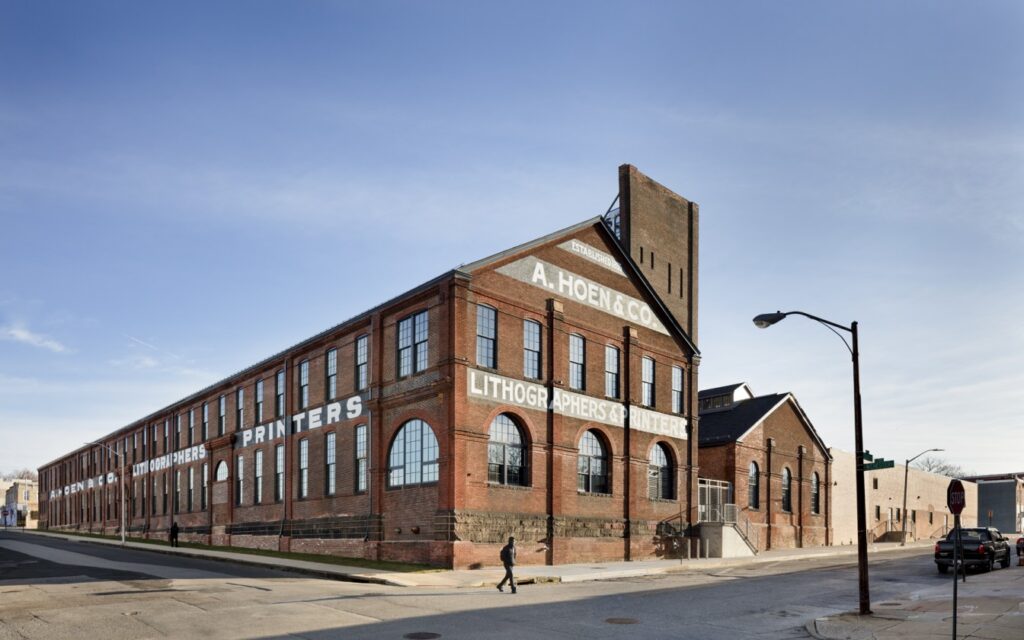
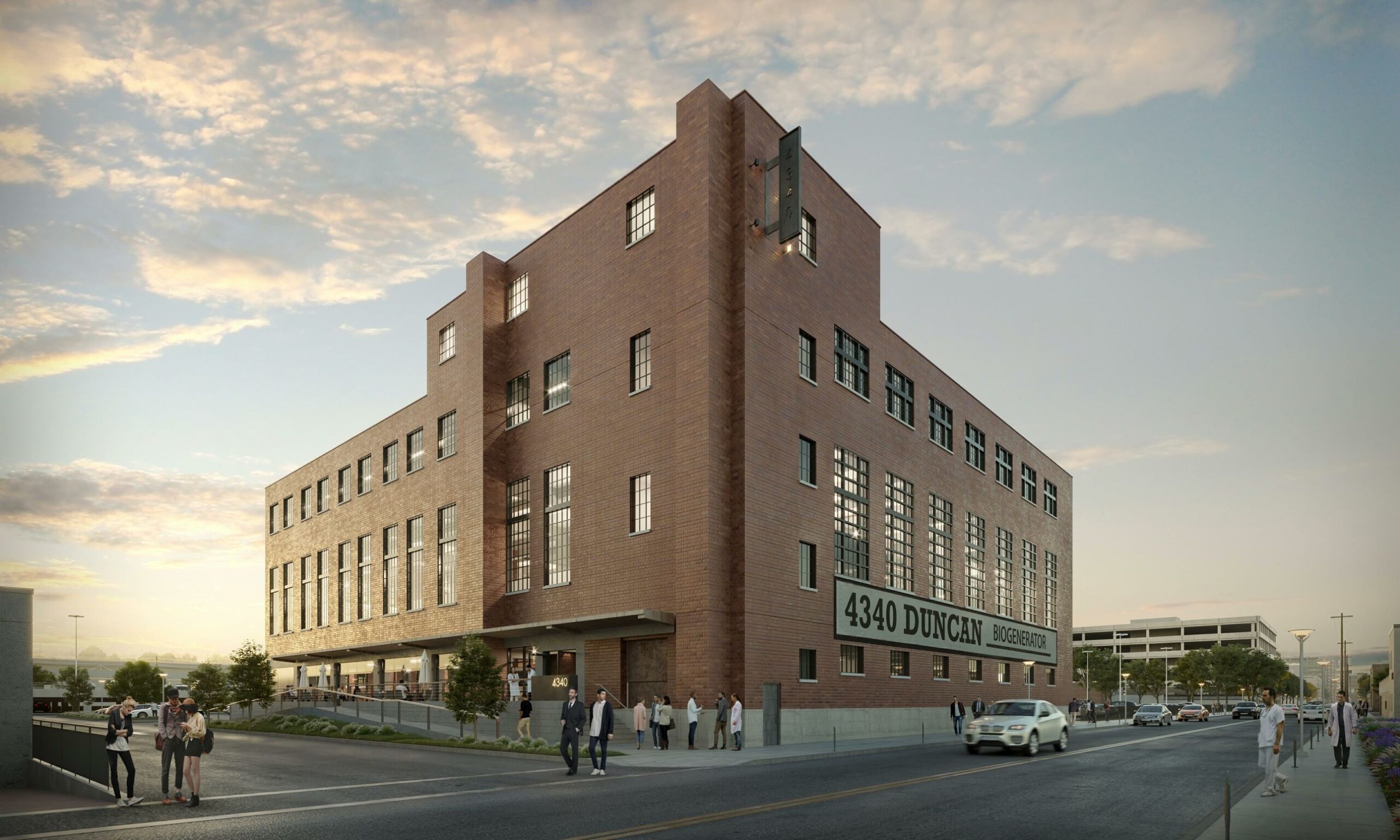
During the early part of the 1900s, rotogravure photo printing became a main part of newspaper printing in the US and Europe. To keep up with the times, many newspapers had third party companies print photo pages as additions to their newspapers. As demand increased, larger papers began to purchase their own equipment to make the rotogravure printing in-house. The St. Louis Post-Dispatch became one of a handful of papers to add this feature. When demand continued to increase, the Post-Dispatch looked to expand their operations with easier access to distribution of the paper.

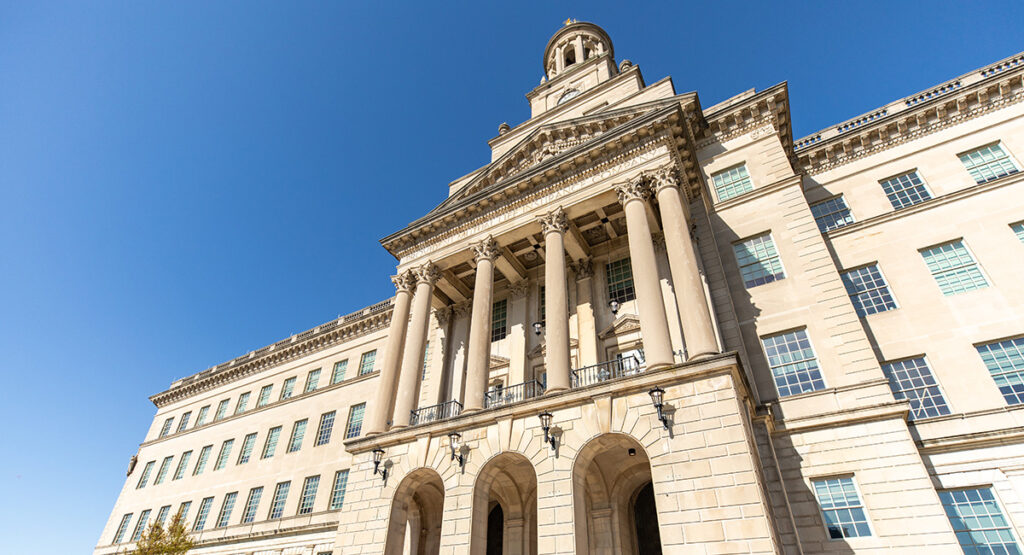
The location at 4340-4350 Duncan Avenue was a key spot between the railroad line and the streetcar lines. The building was completed in 1930 and continued to print all rotogravure photos through the 1970s for the Post-Dispatch. The Building was purchased by Crescent Parts & Equipment Company in 1976 who used it as a warehouse until 1994. A series of businesses occupied the building from 1995 through 2006. Currently, the building is vacant and owned by Washington University. The building was listed on the National Register of Historic Places on February 23rd, 2016.

20 Years in the Making
Revitalization Efforts

20 Years in the Making

The building is located in an area that became largely vacant by the early 2000s. In 2002, Wash U and Saint Louis University began to implement steps to create a 200-acre biotech focused area which is now known as the Cortex Innovation District. Since the start of the Cortex District, $500 million in investments has been made with 250 firms employing 14,000 employees.

Wash U turned the building into a biotech accelerator to fill an existing need for below-market lab and life sciences research space in the area for companies ready to graduate from the incubator spaces but not yet financially stable enough to pay market rates. The accelerator has two biotech company tenants, BioGenerator, part of the BioSTL company, and Aclaris Therapeutic Inc. (“Aclaris”). Combined, the two companies lease 57,026 square feet out of 78,055 square feet of rentable space. Wash U also worked with the local chapter of NAACP to bring new workers and companies into the accelerator as well as the St. Louis Agency on Training and Employment (SLATE).

Community Impact

Creating Accessible, Skilled Positions

The project created roughly 300 permanent positions at the tenant businesses and worked with tenants to make best efforts to ensure that a minimum of 20% of those jobs were accessible to members of the local and low-income community. Tenants worked closely with the St. Louis Agency on Training and Employment (SLATE) to source job candidates that graduated from SLATE’s skilled-based training program and were ready for entry-level employment in the

biotechnology field.

BioSTL has led the Bioscience Inclusion Initiative (BII), which serves as St. Louis’ regional convener for efforts that increase the number of women and underrepresented racial minorities starting early-stage STEM businesses and entering the STEM workforce at all levels. This impact is delivered through three distinct strategies:

NTCIC & Progress

Economic Impact

Cortex Innovation District’s project, Duncan Biotech, was made possible, in part, by NTCIC through an equity investment in the $5.6 million in federal Historic Tax Credits (HTC) and $7.2 million in state Historic Tax Credits (HTC) generated by the project as well as a $8 million New Markets Tax Credit (NMTC) allocation.

Want to Discuss Your Next Project? Talk With Our Team Today.

We bring clear insight, deep experience, and strategic focus to every project, whether you're structuring complex capital or shaping long-term, legacy-driven development.

Name
Want to Discuss Your Next Project? Talk With Our Team Today.