



During post-Katrina planning efforts, community leaders recognized a need for targeted investment in the arts and education and conceived the Rose Collaborative. Throughout its planning process, the development team worked extensively with community stakeholders to implement a shared community vision for the adaptive reuse of these historic properties.
Subsidy generated by the NTCIC investments allow for every project tenant to provide financial assistance to community members and program participants through tuition assistance, grants, and below market rents.
The Project’s performing arts venue allows the Southern Rep Theatre to expand its “School to Stage Pipeline” arts education to low-income communities. The “School to Stage Pipeline” programming includes





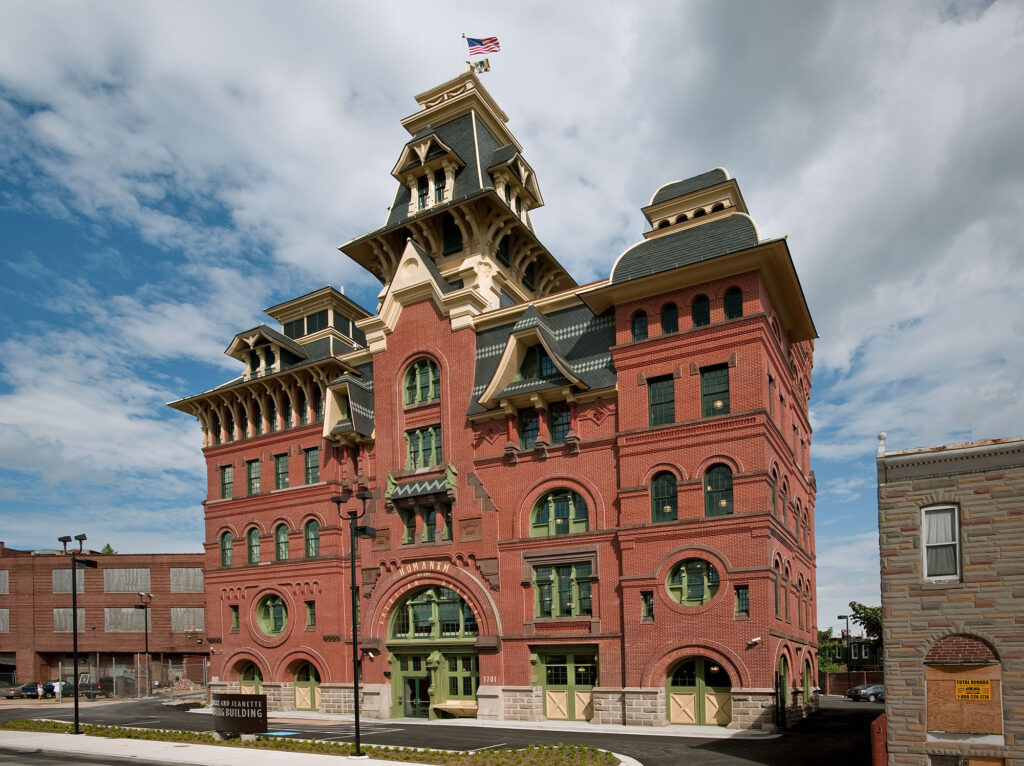
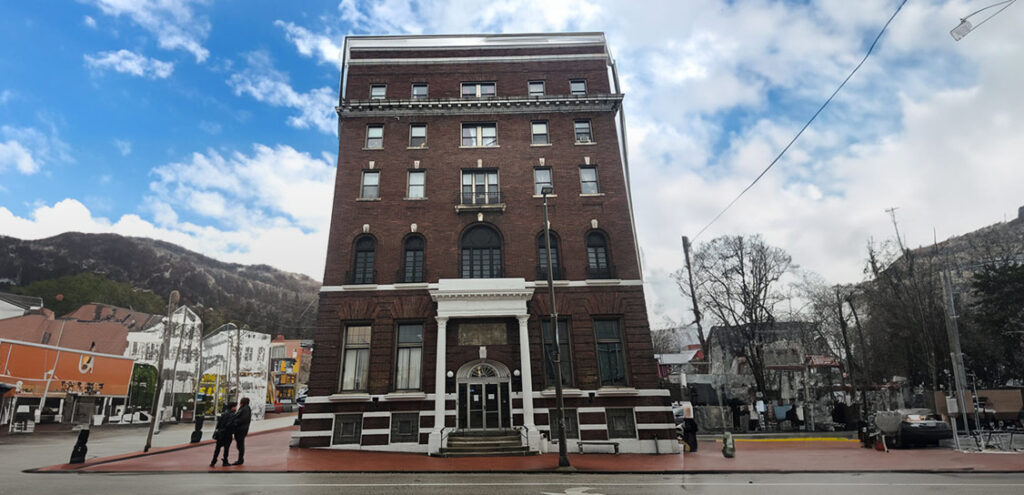
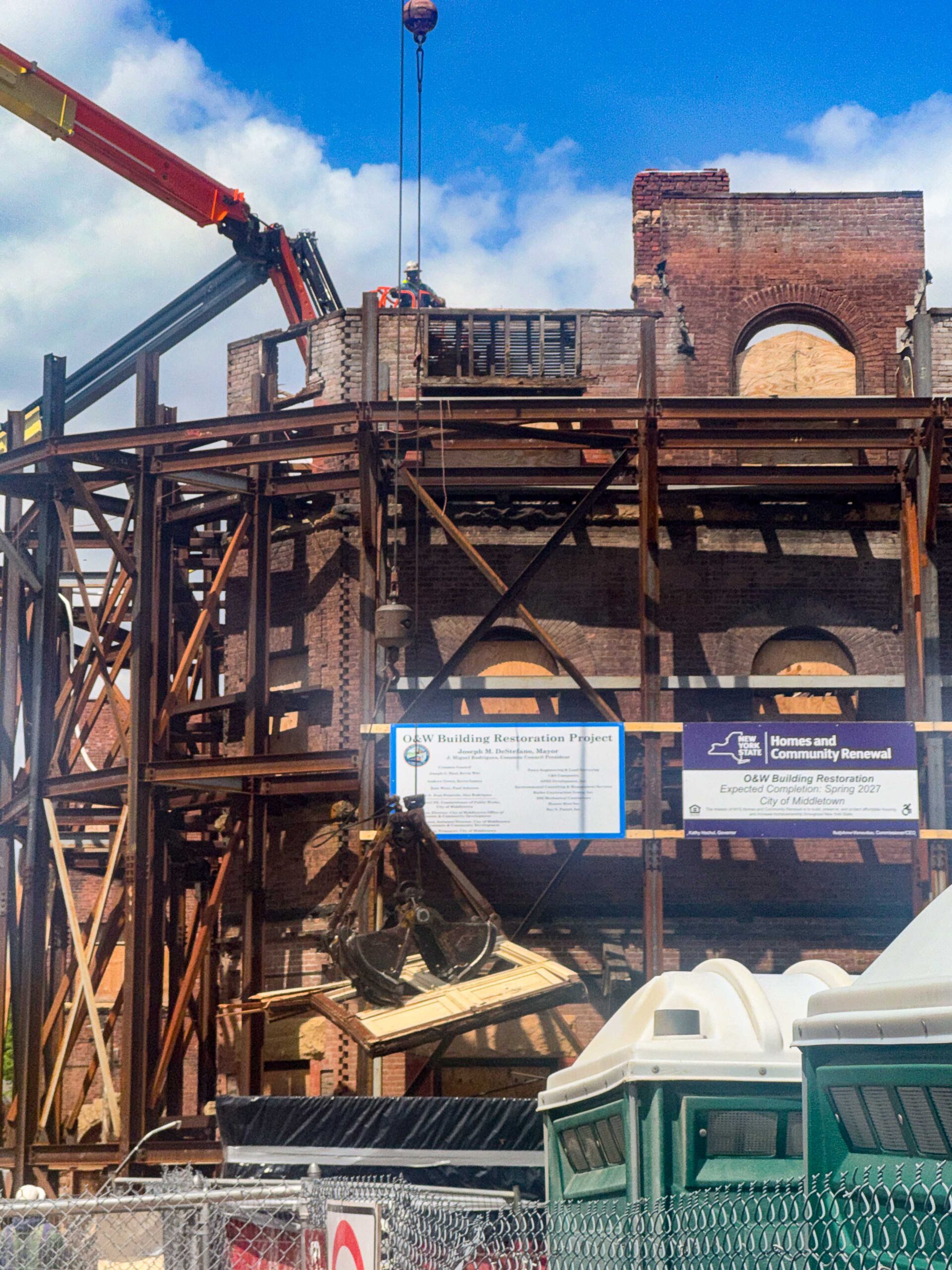
 With a foundation as a sophisticated mail-order operation that began in 1889, Sears Roebuck & Company successfully created the role of “buyer for the American farm” by connecting rural people to retail goods. Its goals were to reach communities in rural areas that had limited access to retail stores and to provide affordable and quality goods that might otherwise only be found in the largest cities.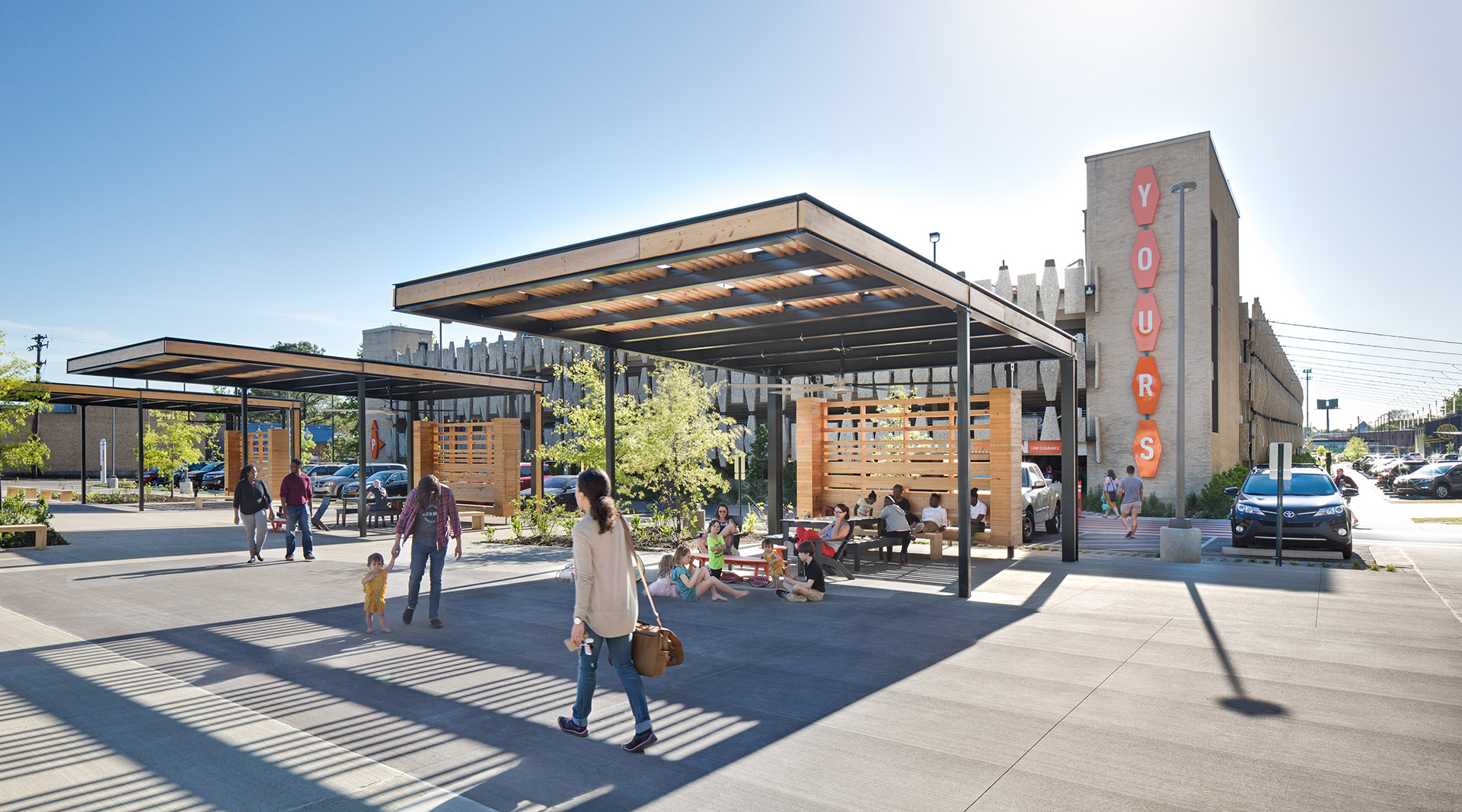
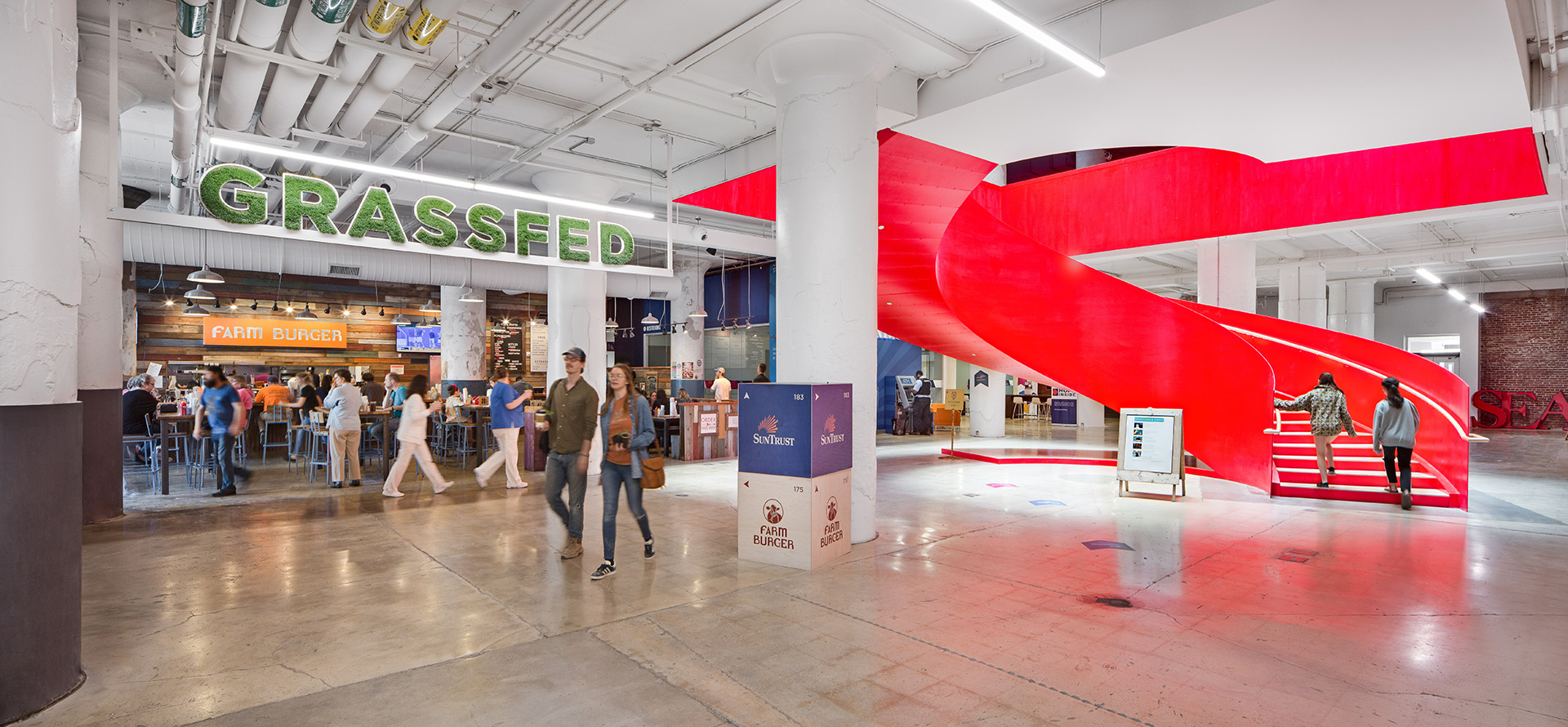


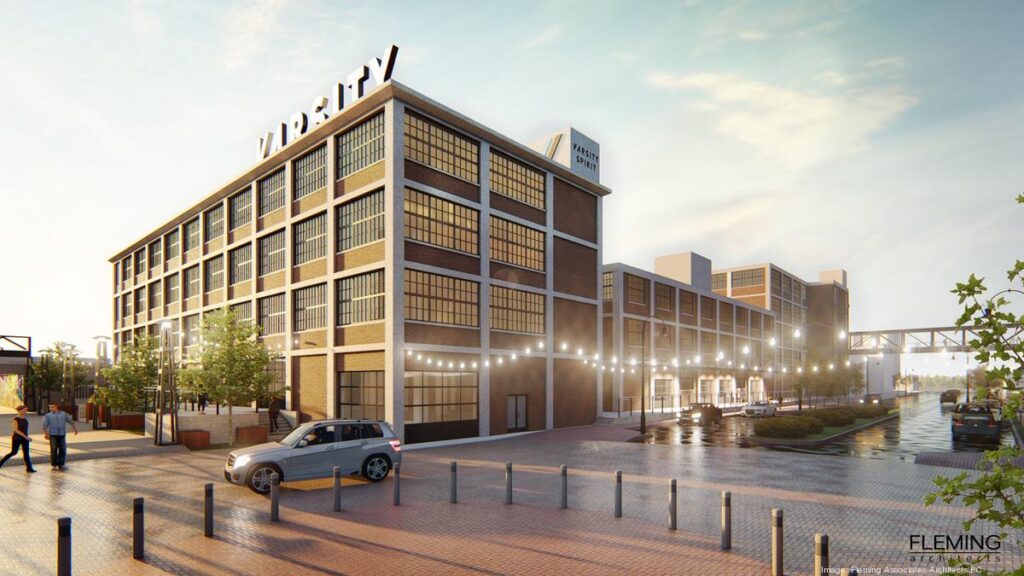
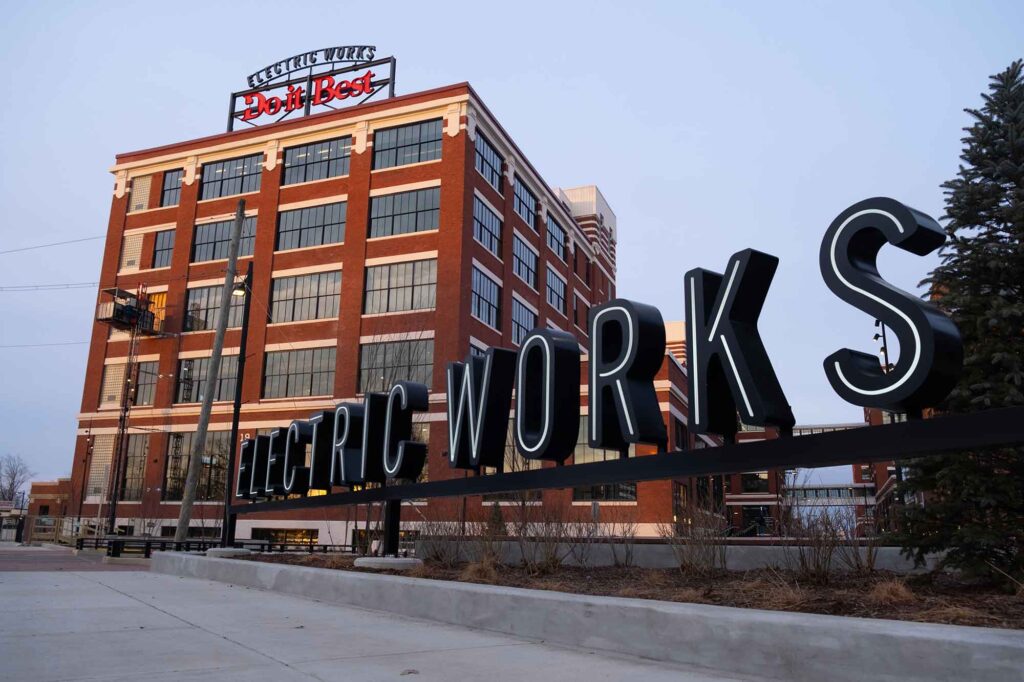

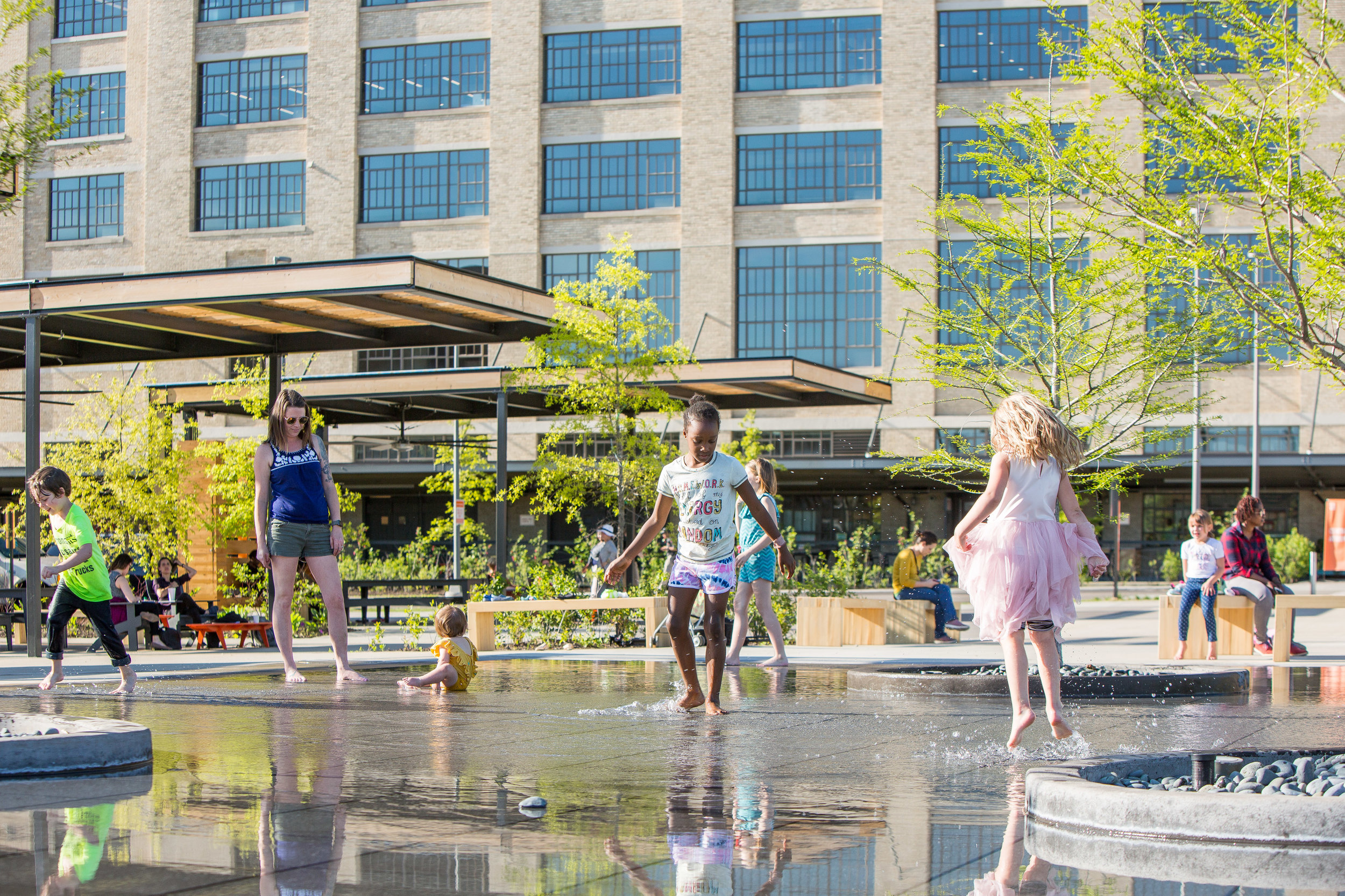
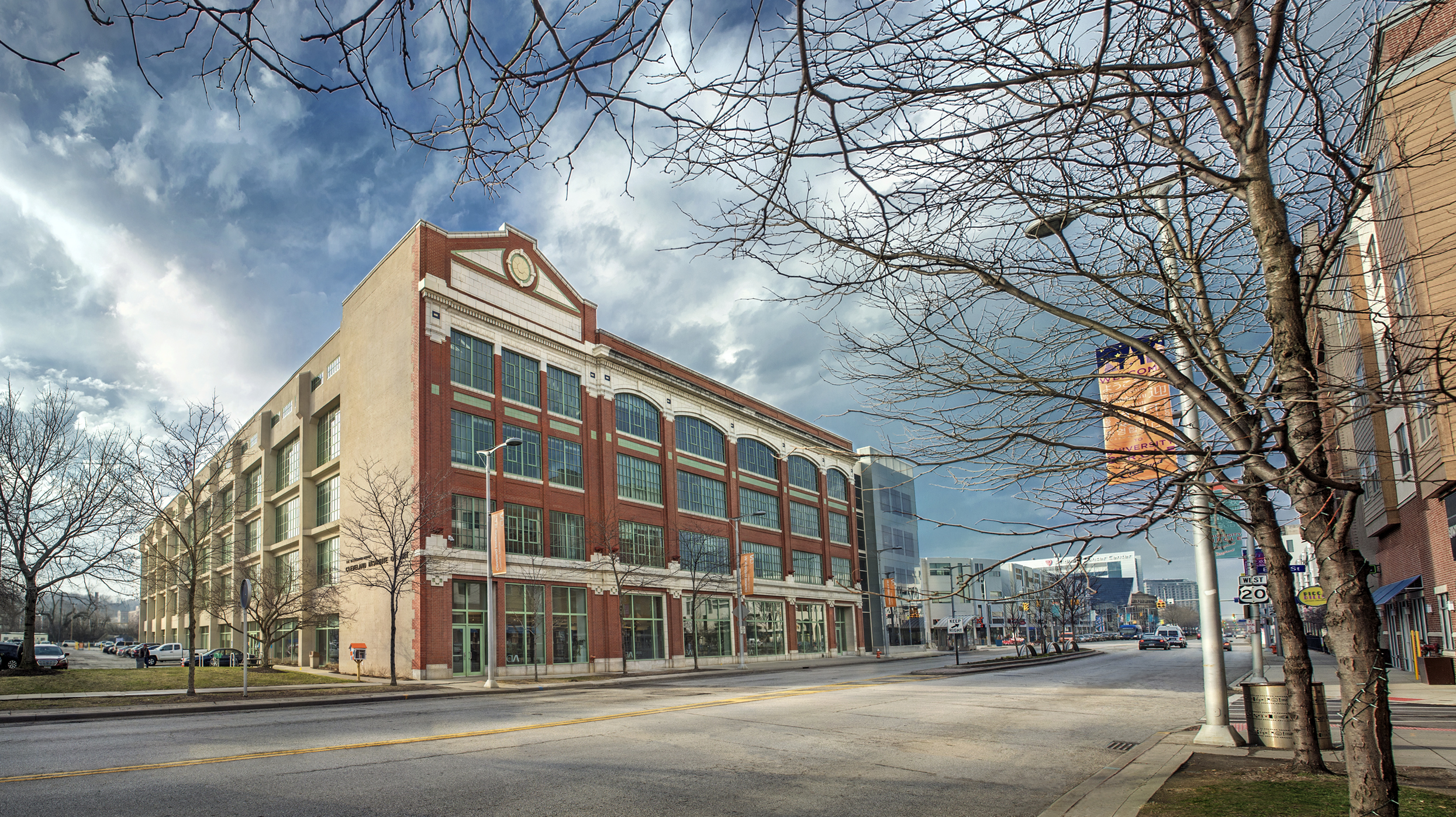
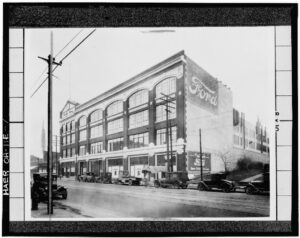 Designed by Albert Kahn, the famed “architect of Detroit,” the McCullough Center was Ford’s first assembly plant outside of the Motor City.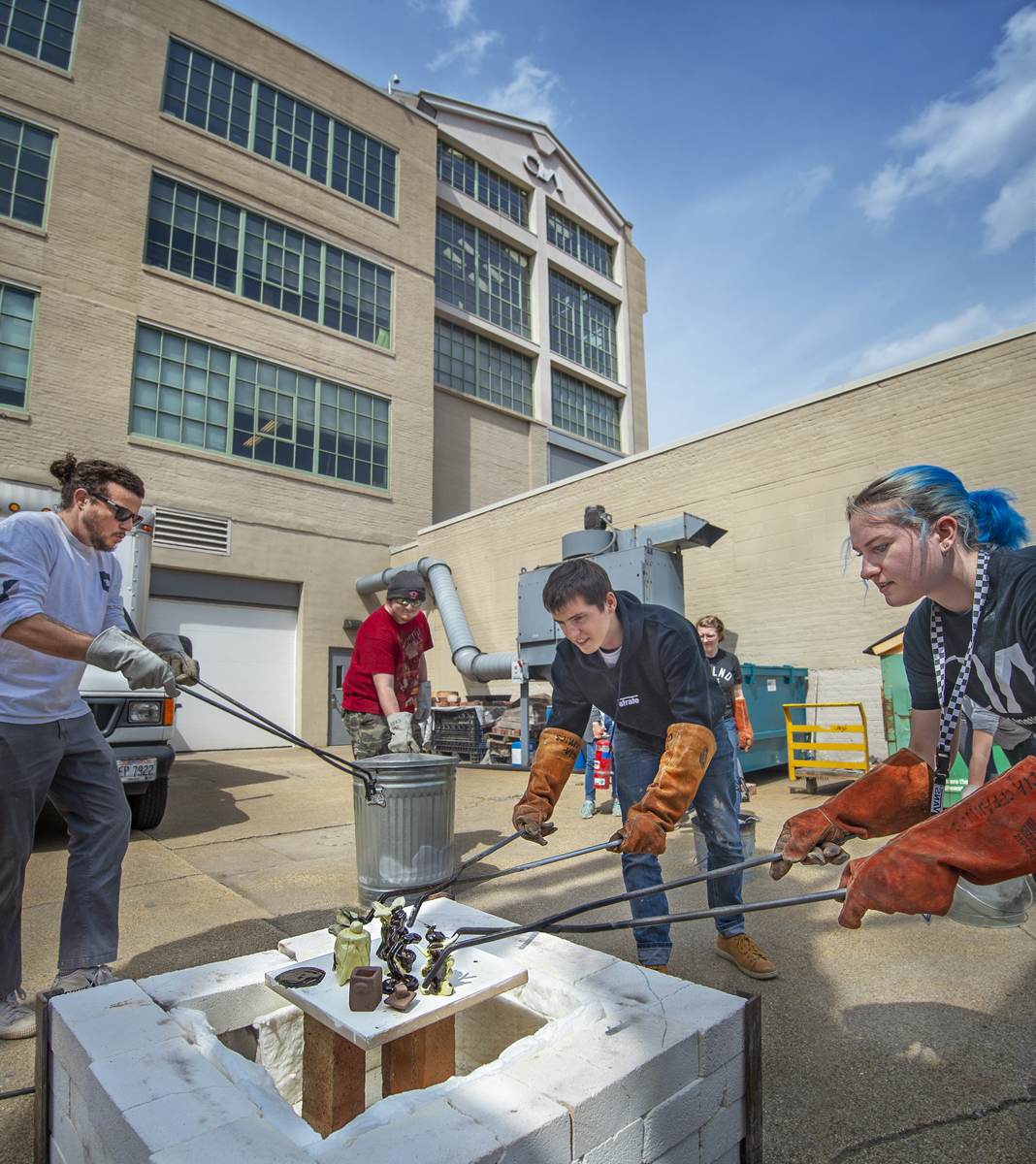

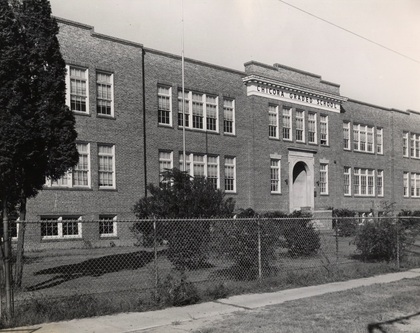

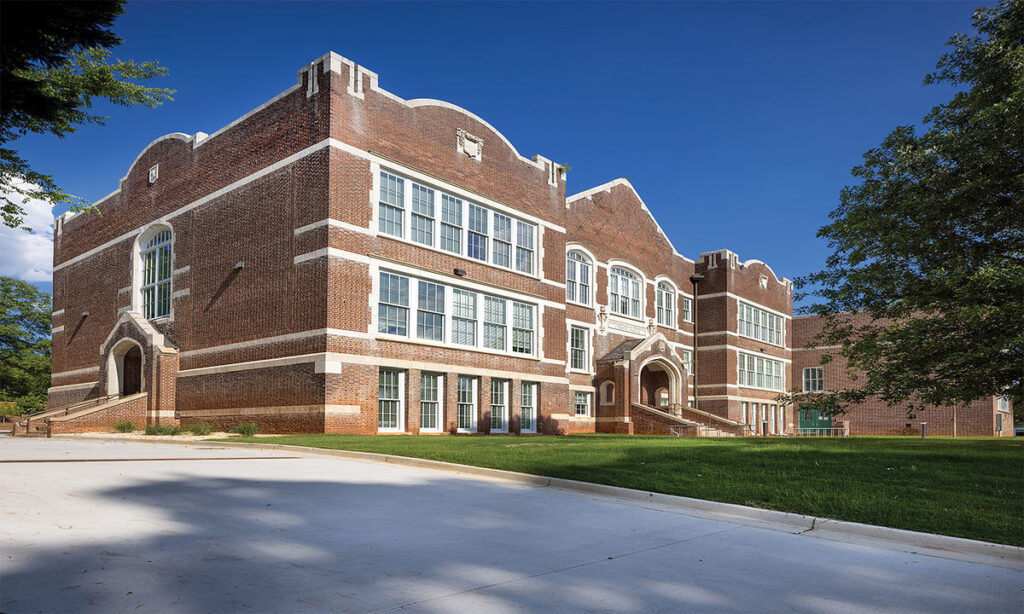
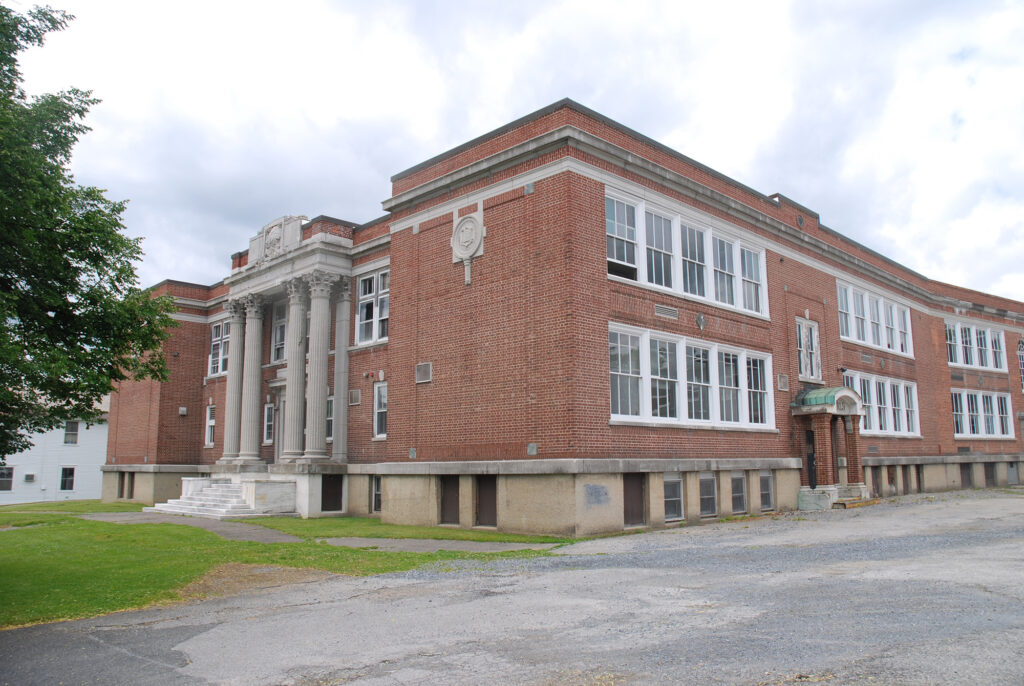
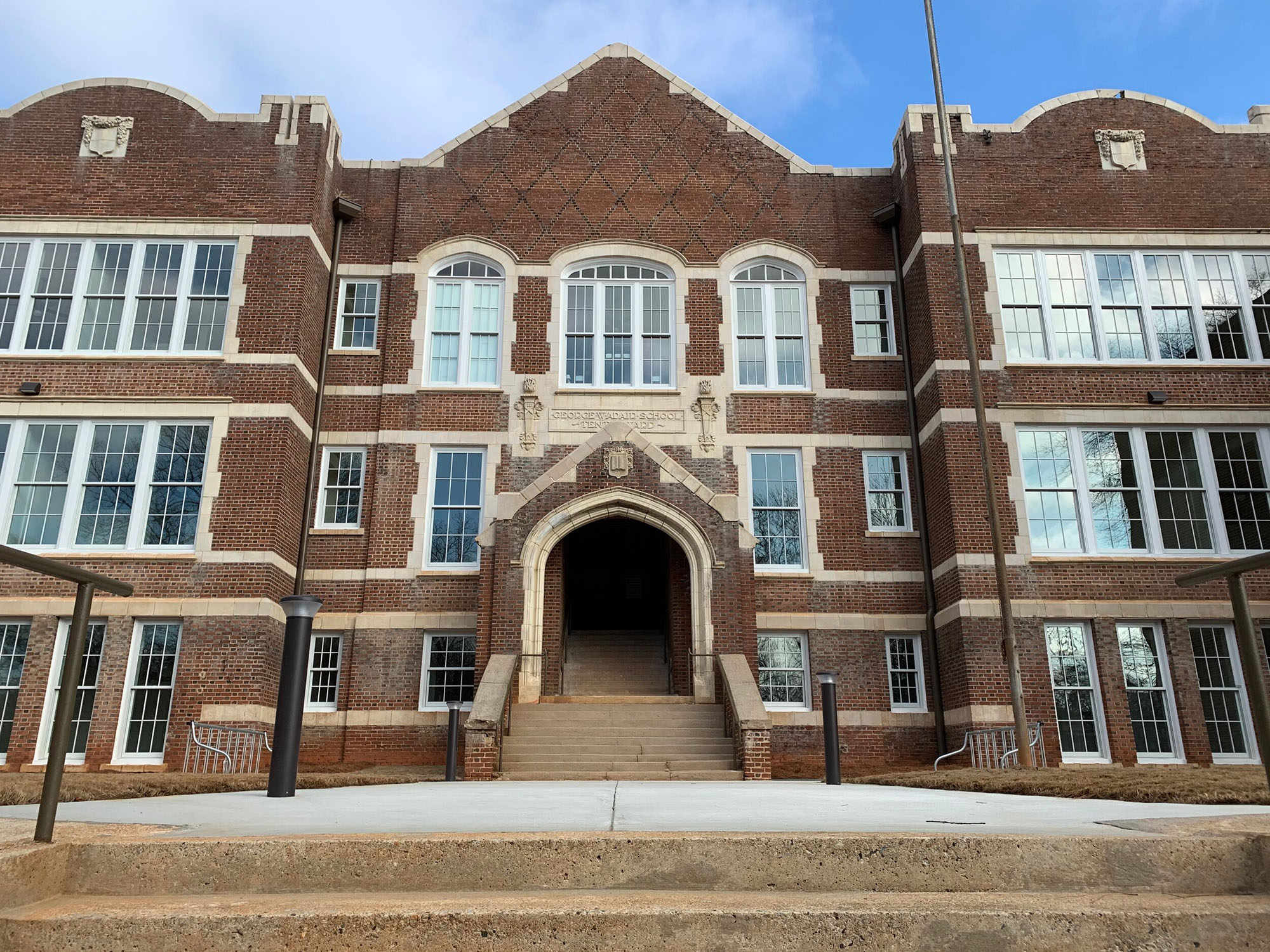
 Constructed in 1912, the George W. Adair School is a two-story brick building located at the heart of the Adair Park neighborhood in Atlanta, Georgia. Adair Park, a “bungalow suburb,” was developed between the 1890s to the 1940s and features a variety of unique architectural styles, including Queen Anne and Folk Victorian, English Revival, and the predominant American Craftsman bungalows.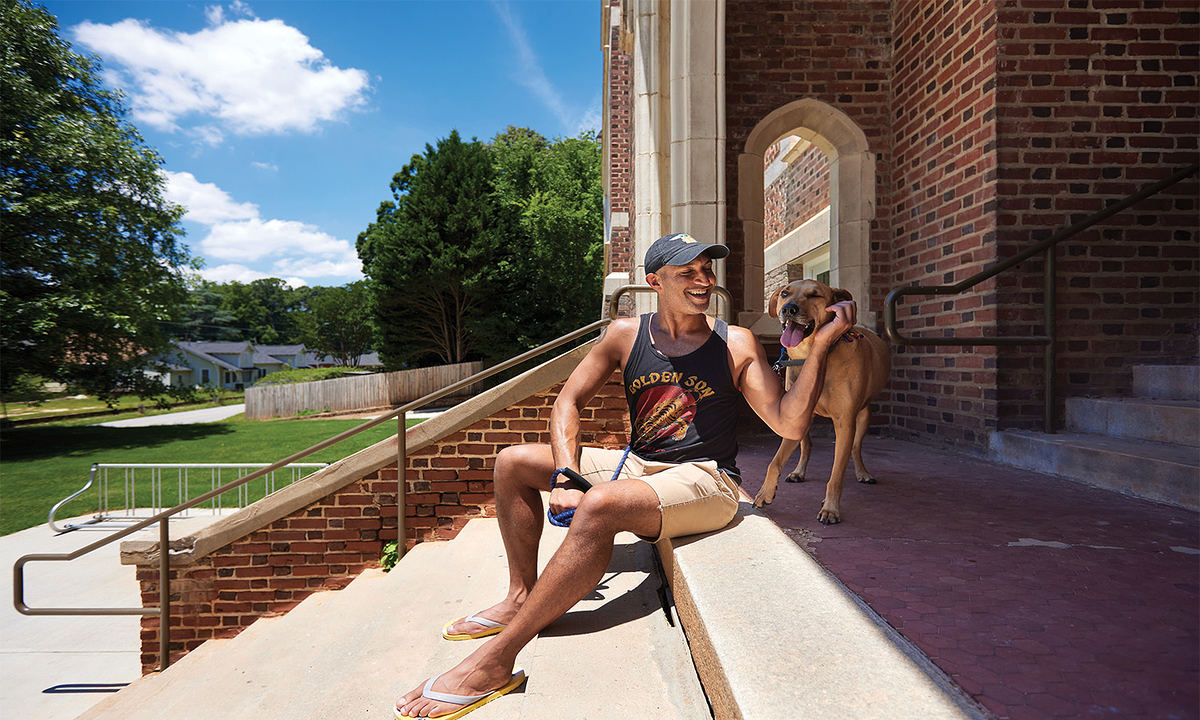

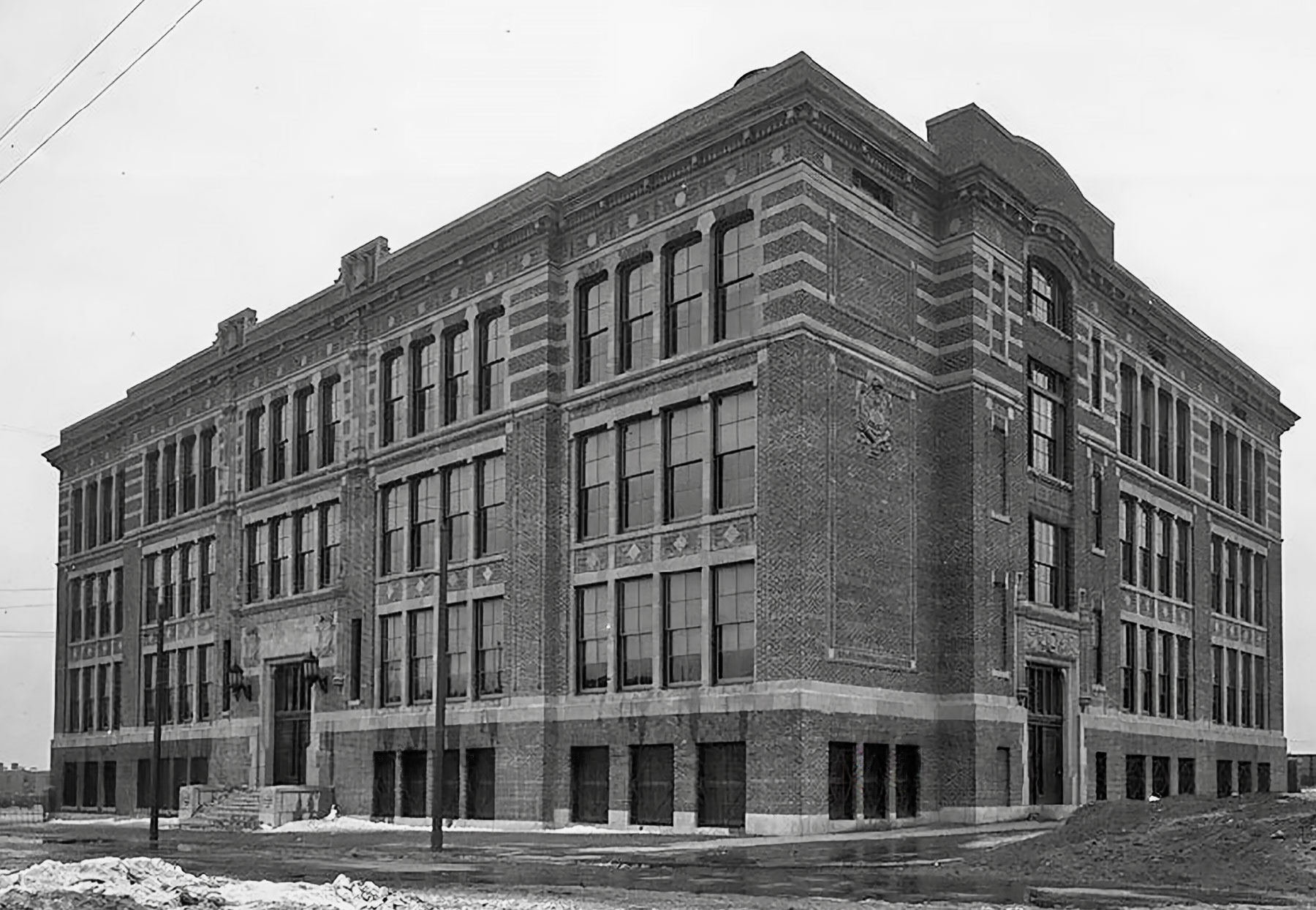
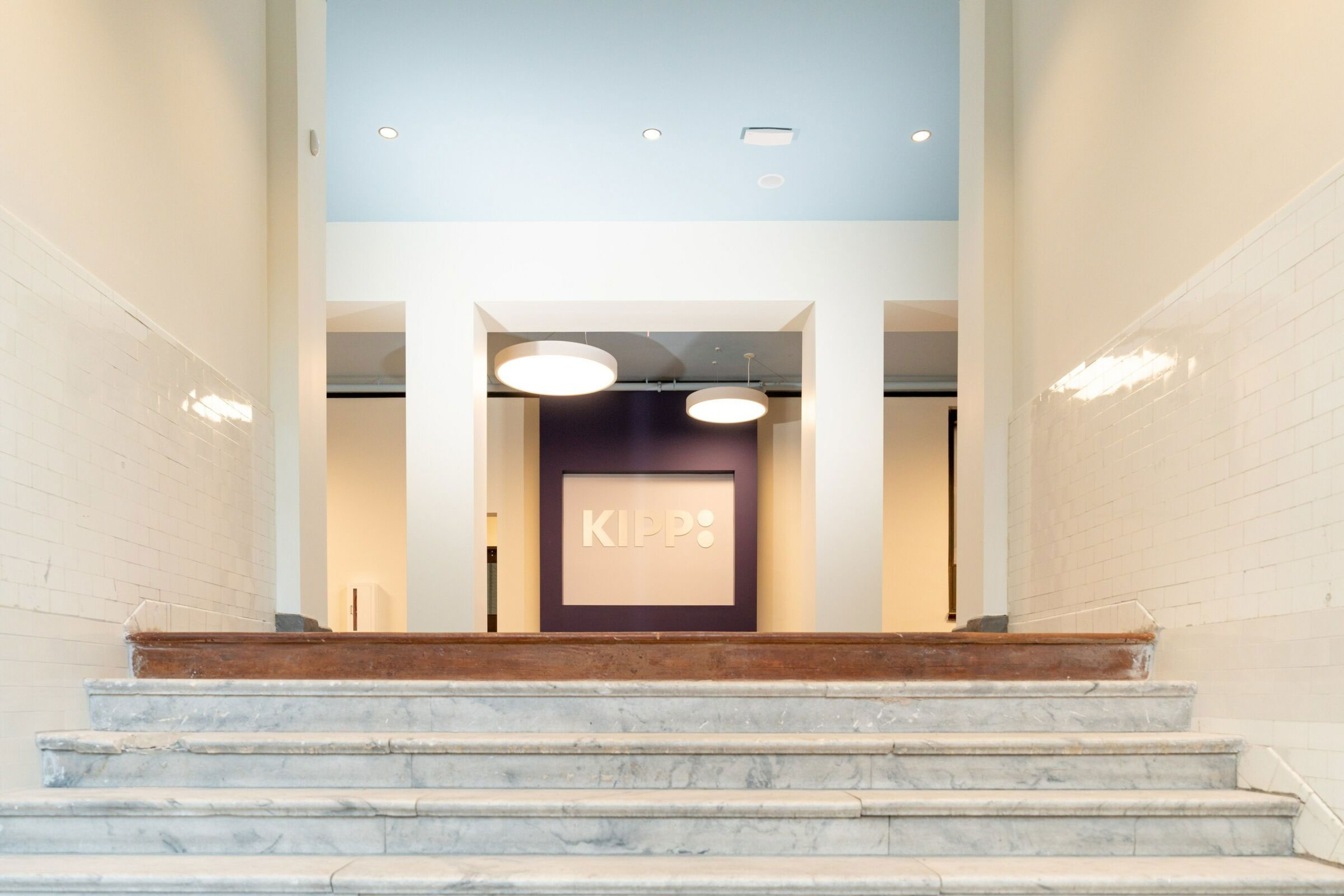


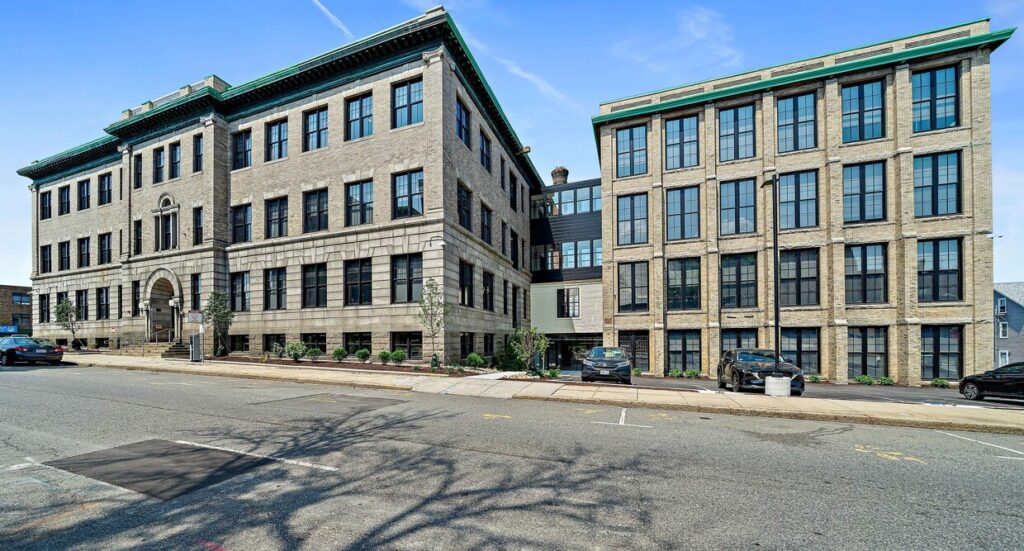
 In the late 1800s, Fall River, Massachusetts, had become one of the country’s leading textile regions in America and, by the turn of the century, housed more than 1 million spindles in operation, second in the world to only Manchester, England. Originally known as the Bradford Durfee Textile School, the facility opened its doors in 1904 to provide advanced courses in textile manufacturing and chemistry to educate the rapidly growing population of local mill workers.
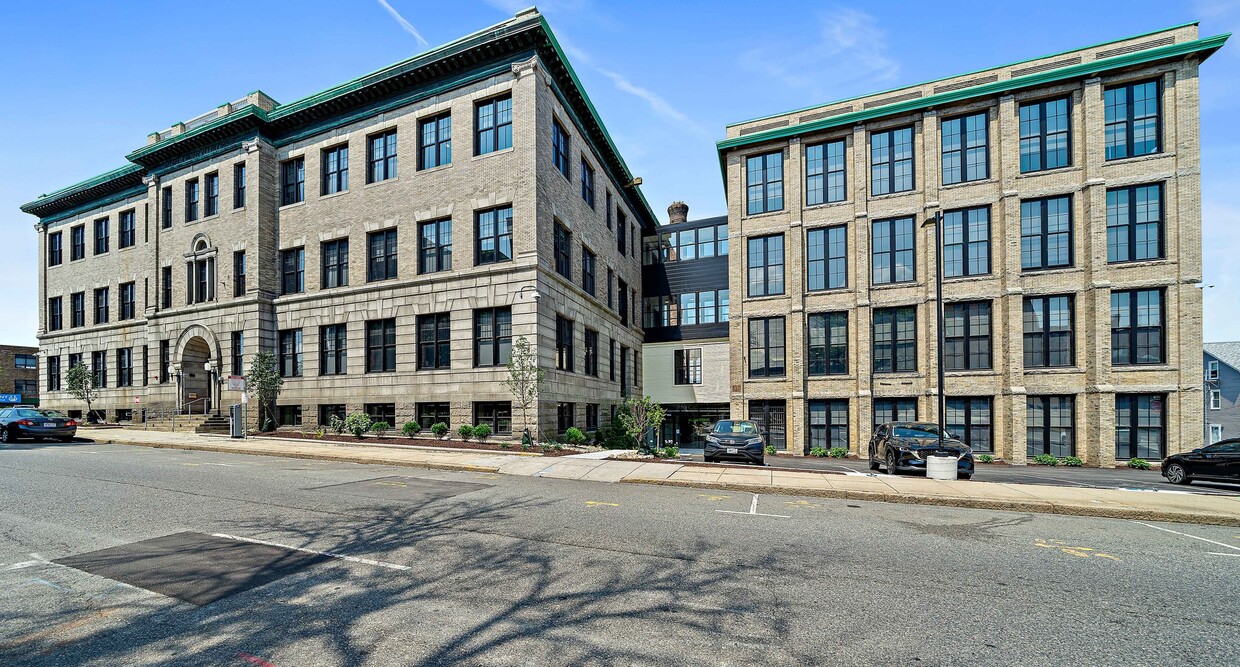
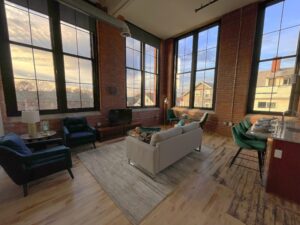 The 74,000 square foot, five-building campus will soon become the Creative Class Lofts and provide 44 market-rate apartments, 11 affordable apartments for practicing artists, and 23,345 square feet of commercial, community, and retail space.
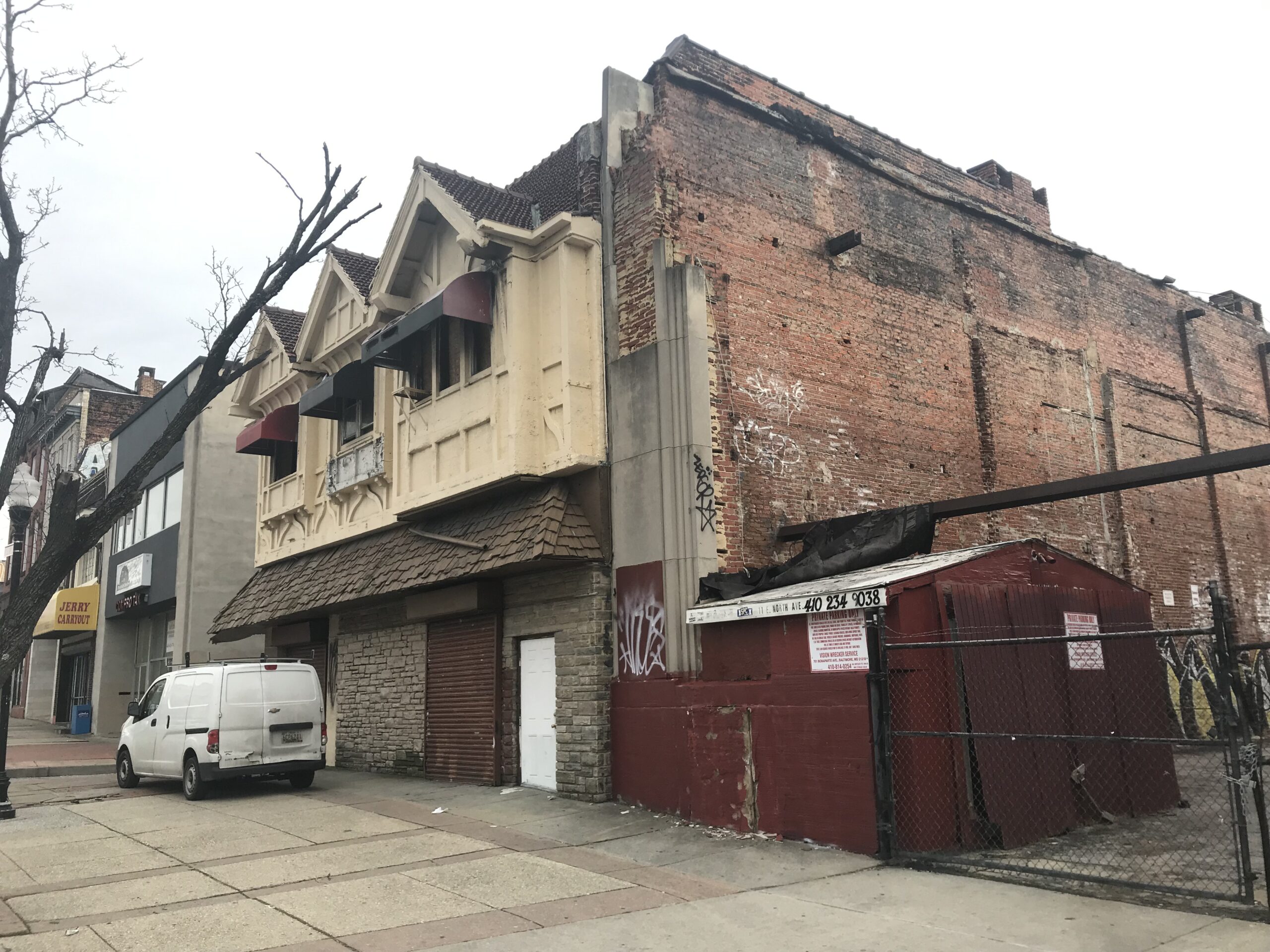
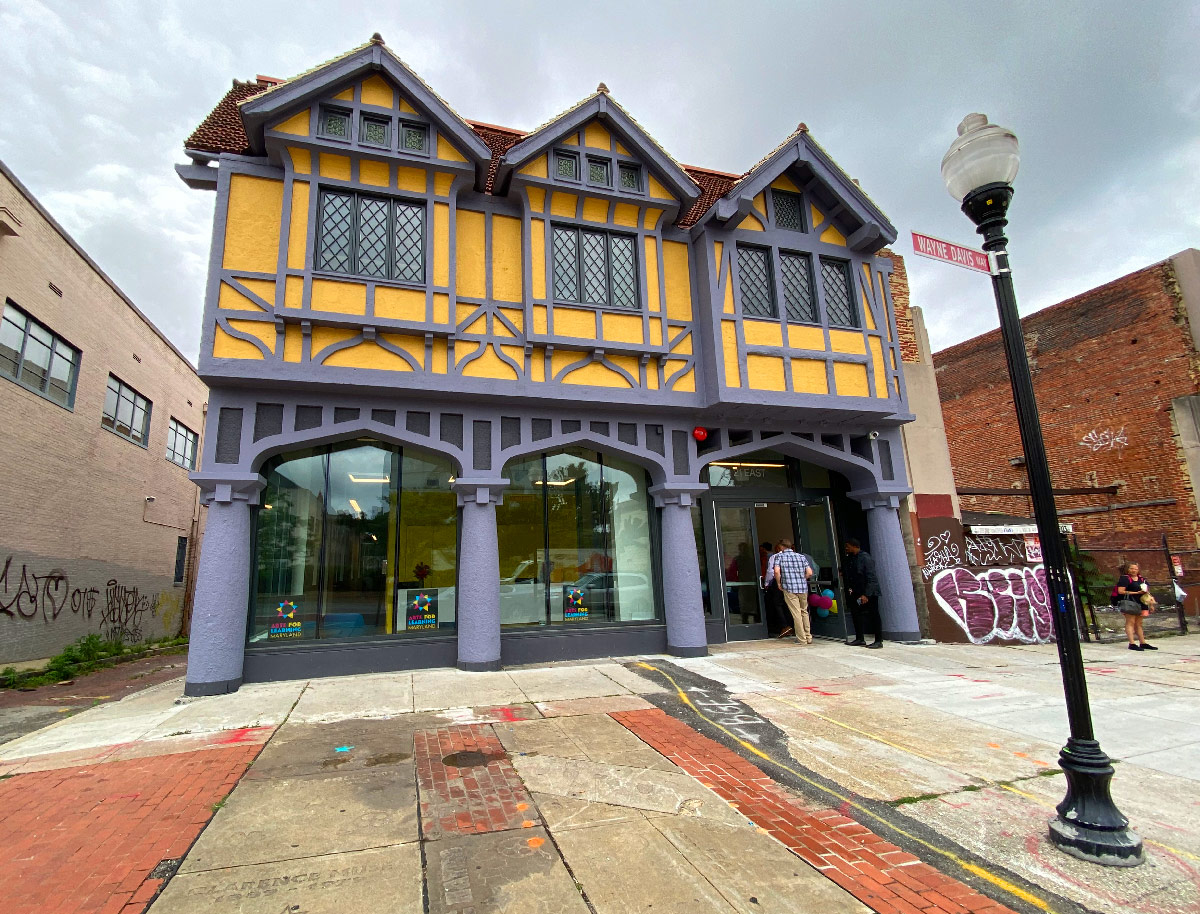
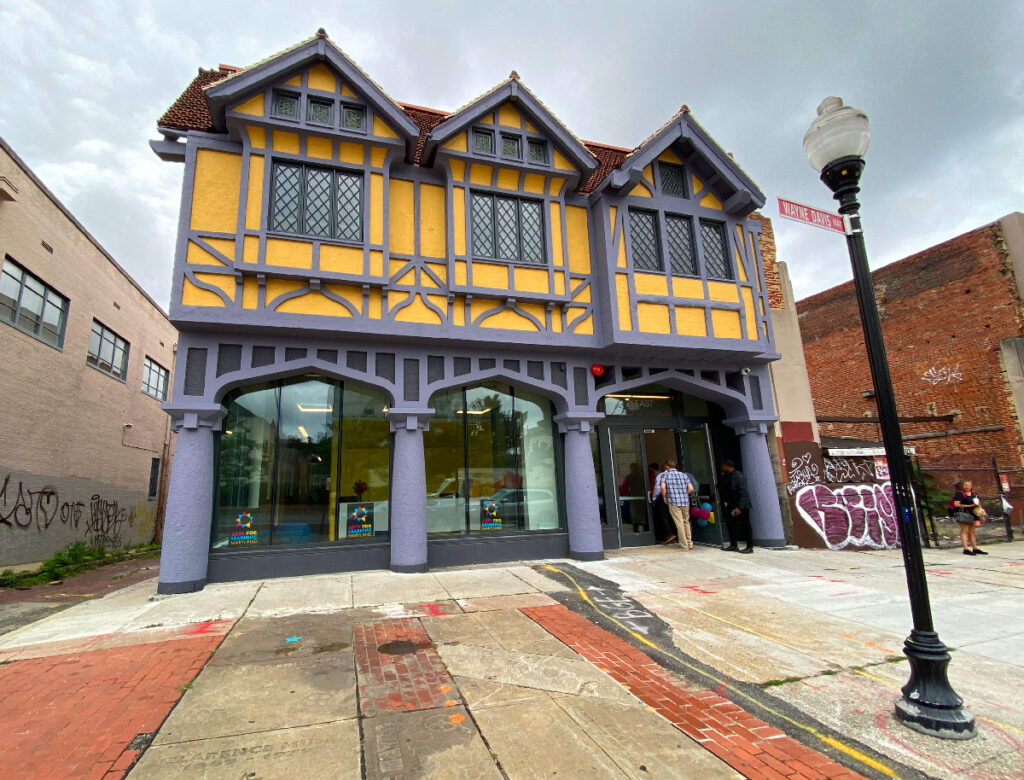
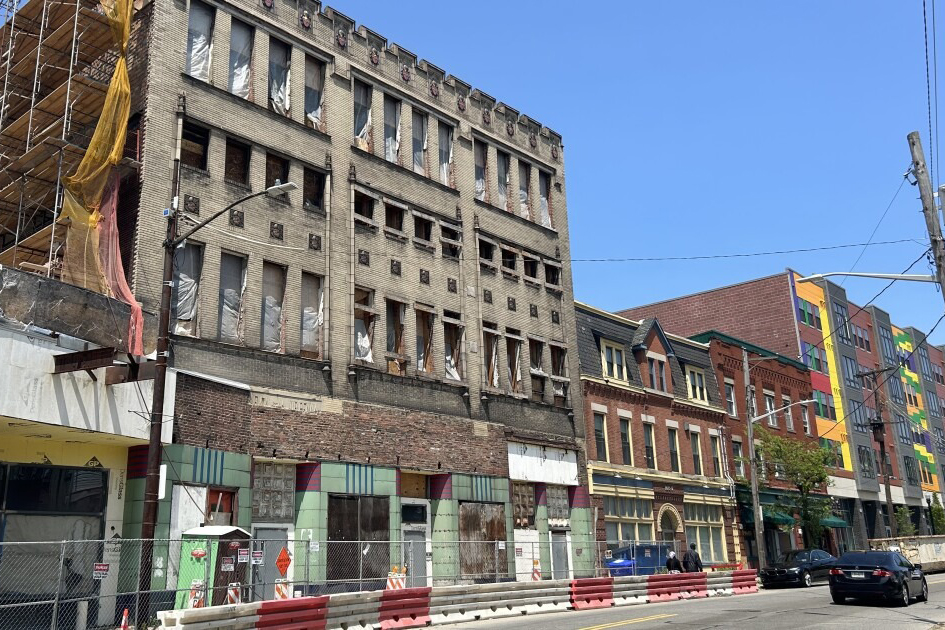
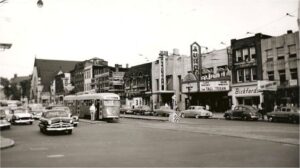 Built in 1909, the historic Odell Building at 21 North Avenue was one of the first, if not the first, commercial buildings located on what is now known as North Avenue in Baltimore City, Maryland. During the mid-1800s, Taney Place was an upper-class residential boulevard of many free-standing estates and large rowhouses. The street began to transition to more high-end commercial use with the construction of 21 North Avenue, which housed the Auto Outing Company, a luxury Buick sales and service station, and Tuttle’s Dancing Academy. Generations of Baltimore’s upper-class took lessons at this academy, including Wallis Simpson, the Duchess of Windsor.