



Historic Tax Credits
$5.8 Million Federal
New Markets Tax Credits
$6 Million

Total Development Cost
$38.5 Million

Project Partner
Green Coast Enterprises LLC and Crescent City Community Land Trust

Impact
Affordable Housing, and more.
History
The Pythian Temple
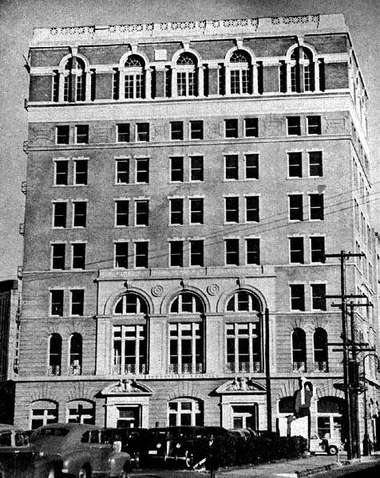
The Pythian building was originally built in 1908 by Smith W. Green, who was reputed to be the richest African American in New Orleans, and one of the wealthiest in the country. It was built for the Knights of Pythias, a late 19th early 20th-century fraternal order that grew out of a Civil War-era organization, and for almost 40 years operated as the organization’s headquarters.
Pythian Temple served for several decades as a hub of the African American community, with lodge rooms, a barbershop, a theater, a bank, an opera house, and an auditorium/dance hall. Tenants through the 1940s included many African American-owned businesses, such as the Industrial Life Insurance Company of Louisiana and the Peoples Benevolent Industrial Life Insurance Company of Louisiana.
In the 1940s, the Pythian became a wartime hiring office for Andrew Jackson Higgins, who built the Higgins boats that President Eisenhower famously said “won the war.” Higgins hired men and women of all races through a single personnel office, one of the first times this had occurred in the South. The Pythian’s top floor was a double-height ceiling dance hall where soldiers and sailors could dance and hear live music before shipping out to fight in WWII. Following its WWII use, the Pythian Building was primarily used as an office. In the late 1990s, the building began falling into disrepair space before ultimately becoming vacant after Hurricane Katrina in 2005.
Revitalization Efforts
A Place for the Community
The 10-story Pythian building hosts a variety of uses. The 4th through the 9th floor contains 69 mixed-income residential units. Of these units, 15 are affordable units restricted to households earning 80% or less of area median income at rents no more than 30% of household income.
The project intends these to be “permanently” affordable – meaning affordable for at least 99 years, significantly longer than most other affordable housing programs require. Another ten units are workforce targeted housing units leased to households earning no more than 120% of area median income. All units are heavily marketed toward healthcare workers.
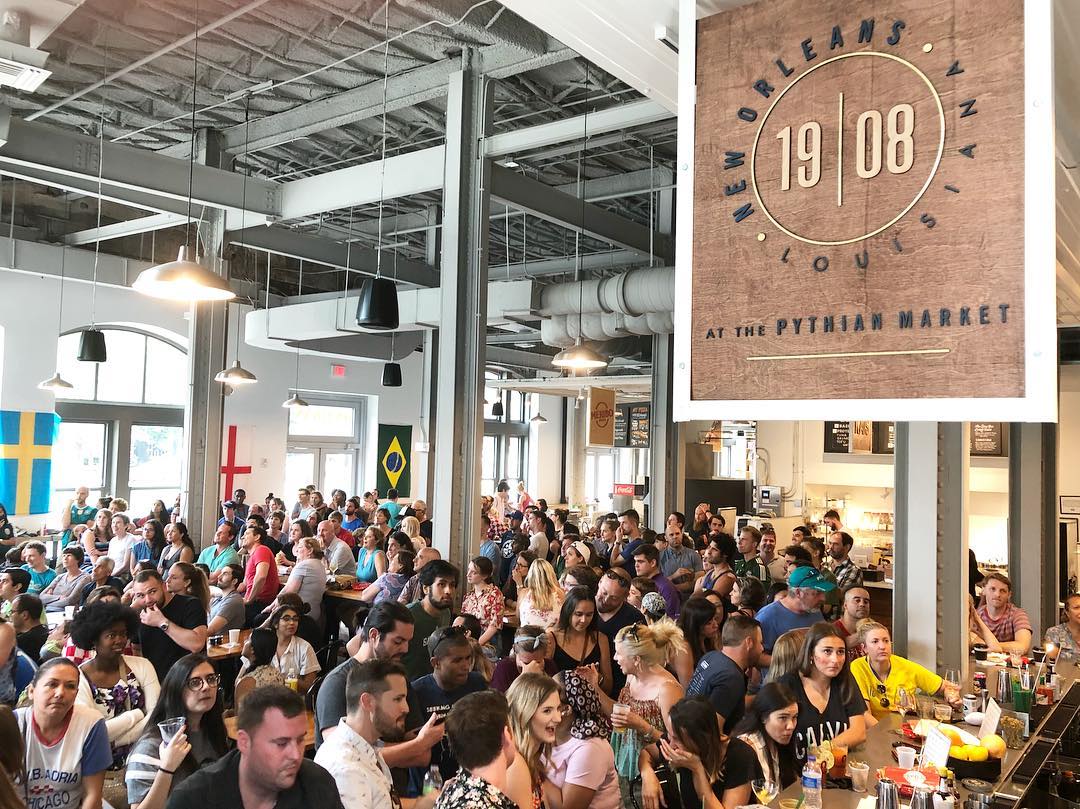
The Pythian’s lower floors contain a mix of community and commercial uses. On the ground floor is the Pythian Market, an urban food collective celebrating New Orleans’ undeniable spirit and the Pythian Building’s remarkable history. It is a gathering space for everyone, featuring local food purveyors, a fast craft bar, and retail vendors. Pythian Market is a place for community, locally sourced fare, and art. It supports a variety of growing local businesses and entrepreneurs. Upper floors include both medical and health-related tenants, such as a Federally Qualified Health Center focused on providing primary care services to the underserved and a physical therapy clinic. Office space onsite is primarily leased to non-profits who otherwise are not able to afford downtown New Orleans rents.
Community Impact
Responding to New Orleans' Needs
The Pythian delivers an economic boost to downtown New Orleans while also responding to community needs. The rehabilitation of the building created over 50 construction jobs. The current tenants have created 80 new positions and have retained another 34 permanent jobs. The building itself is located in a federally deemed medically underserved area.
The 3,000 square feet Federal Qualified Health Center directly
addresses this shortage by providing primary care services, with 50% of people served as low-income persons. The Pythian is able to help the health center provide this level of service by offering it reduced rents. The affordable housing is a critical addition to the downtown housing stock, which has seen luxury developments pricing out low and moderate-income persons.
NTCIC & Progress
Economic Impact
The creation of the Pythian was made possible, in part, by NTCIC through an investment in the $5.8 Million federal Historic Tax Credits generated by the project and an $8 Million New Markets Tax Credit Allocation.
Check Out Similar Projects Here
Browse all projects
New Granada
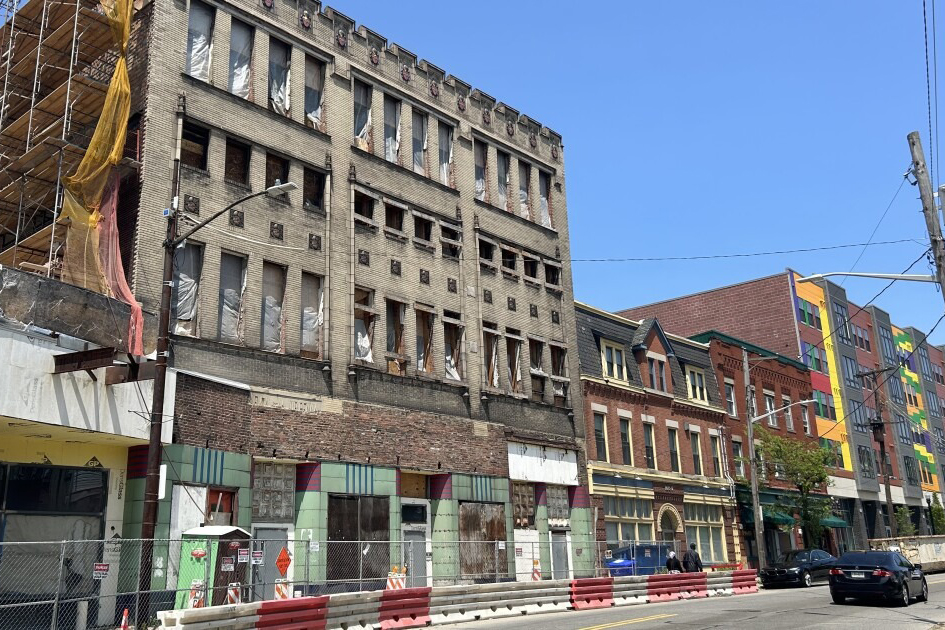
Historic Music Venue Transforms into Community Center
West Side Bazaar
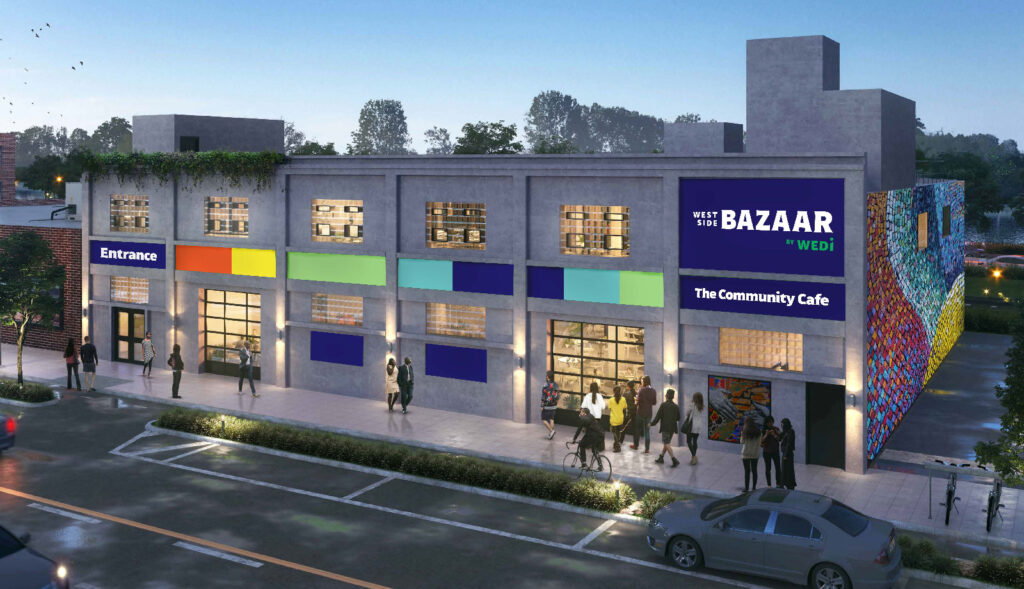
A New Incubator and Cultural Marketplace in Buffalo
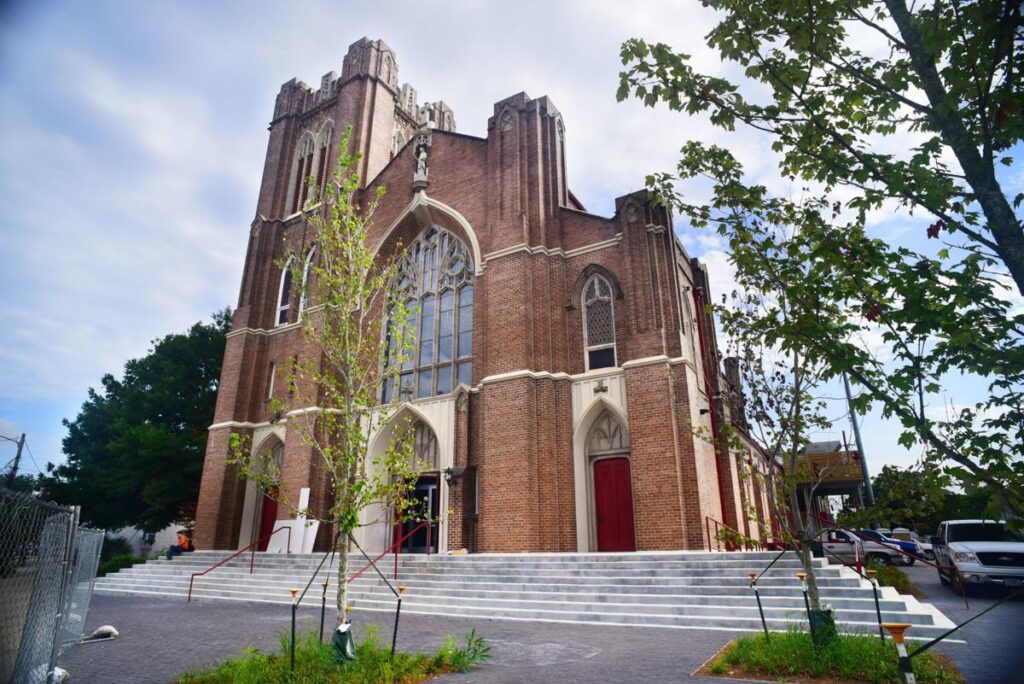
Rose Collaborative
Church Campus Brings Art and Education to New Orleans Neighborhood
New Granada
Historic Music Venue Transforms into Community Center
West Side Bazaar
A New Incubator and Cultural Marketplace in Buffalo
Rose Collaborative
Church Campus Brings Art and Education to New Orleans Neighborhood
Want to Discuss Your Next Project? Talk With Our Team Today.
We bring clear insight, deep experience, and strategic focus to every project, whether you're structuring complex capital or shaping long-term, legacy-driven development.