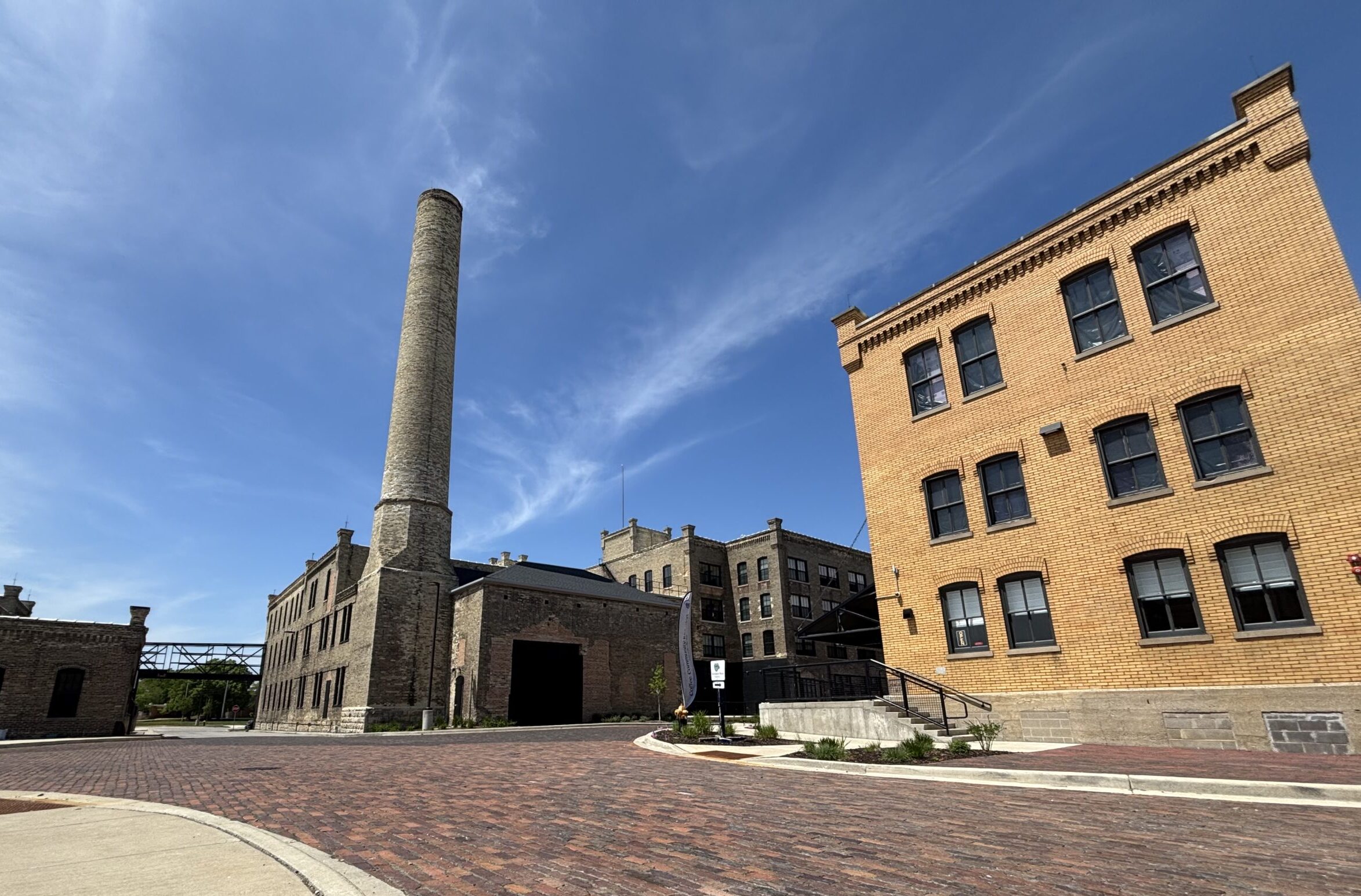



Historic Tax Credits
$3.5 Million Federal
$3.5 Million State
New Markets Tax Credits
$8 Million

Total Project Cost
$21+ Million

Project Partner
J. Jeffers & Co.

Impact
Small Business Support, Economic Development, & more
History
Malted Milk Puts Racine on the Map
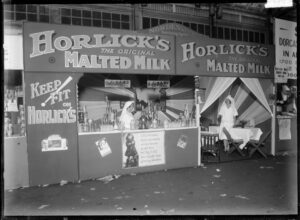 For nearly a century, the Horlick Malted Milk Company helped put Racine on the map. Founded by brothers James and William Horlick, the company pioneered malted milk products that became known around the world. Their products accompanied explorers on expeditions to Antarctica, supported troops during World War II, and became a staple in homes and soda fountains across America.
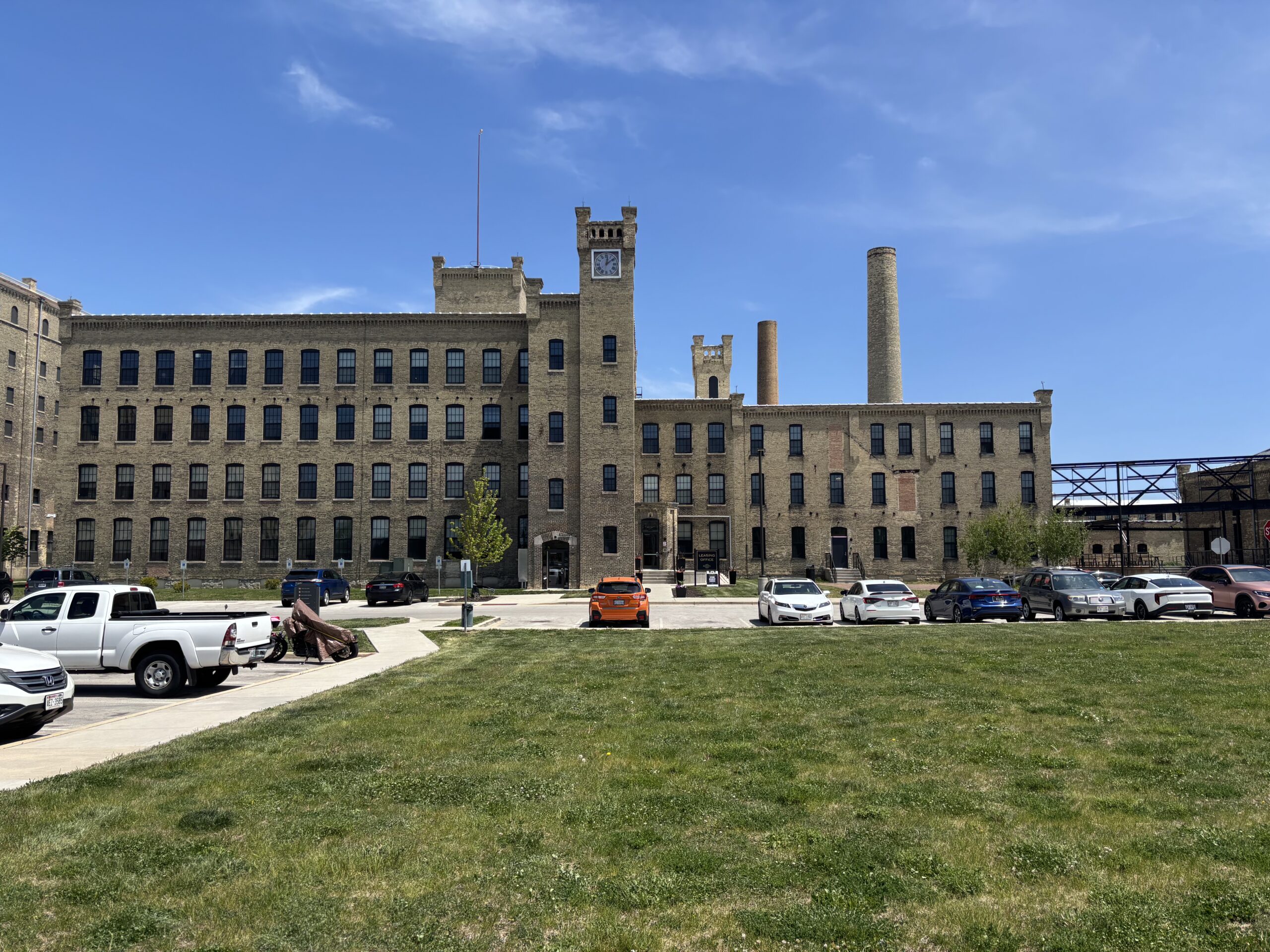
To meet growing demand, the Horlick brothers constructed an expansive industrial campus beginning in the late nineteenth century. Defined by its Gothic-inspired architecture, soaring smokestacks, and iconic clock tower, the complex became one of Racine’s most recognizable landmarks and an enduring symbol of the city’s manufacturing heritage.
The Horlick Company also helped advance milk preservation practices and supported agricultural growth throughout the Midwest by purchasing large quantities of milk from regional dairy farms. At its peak, the company employed hundreds of workers and played a central role in Racine’s economy.
As manufacturing patterns changed throughout the twentieth century, portions of the campus were sold and repurposed. Following the closure of Horlick’s operations, many of the buildings sat underutilized for decades despite their architectural significance. Recognizing both the historic importance and redevelopment potential of the site, local and national partners embarked on a multi-phase effort to restore the complex and return it to productive use.
Revitalization Efforts
Dynamic & Usable Space for All
The commercial phase of Belle City Square rehabilitated more than 130,000 square feet across four historic buildings within the Horlick campus. Through a combination of historic preservation, strategic investment, and community partnerships, the project has transformed formerly vacant industrial space into a dynamic center for business growth, workforce training, entrepreneurship, and community engagement.
Community Impact
Fostering Economic Mobility & Social Inclusion
Belle City Square has generated meaningful community impact by creating spaces that foster economic opportunity, workforce development, entrepreneurship, and social inclusion.
The project supports a diverse mix of nonprofit organizations, educational programs, and growing businesses that collectively provide employment opportunities and workforce training for Racine residents. Programs operating within the development help connect individuals to career pathways, professional certifications, entrepreneurial resources, and supportive services that strengthen
long-term economic mobility. The Inclusive Bean has become a regional model for inclusive employment, creating meaningful work opportunities for individuals with disabilities while promoting greater community understanding and engagement.
The project also provides space for makers, artists, entrepreneurs, and small businesses that may otherwise face barriers to accessing affordable commercial space. Through collaborative partnerships and shared resources, these organizations contribute to a growing ecosystem of innovation and local economic development.
NTCIC & Progress
Economic Impact
The rehabilitation of Belle City Square required a layered financing strategy to address the challenges associated with redeveloping large historic industrial buildings. NTCIC supported the 4th phase of the historic restoration efforts through an $8 million New Markets Tax Credit allocation, without which a funding gap would still exist, preventing project completion. NTCIC also facilitated an equity investment by US Bank in the $7 million of state and federal Historic Tax Credits generated by the development.
The financing structure leveraged public and private investment sources, including TIF Financing and traditional debt, and grants and loans from the Milwaukee Preservation Alliance. The project also received $13 million in additional NMTC allocation provided by First Industrial Redevelopment Enterprise (FIRE). This collaborative approach enabled the preservation of historically significant structures while creating a platform for long-term economic growth and community benefit.
Check Out Similar Projects Here
Browse all projects
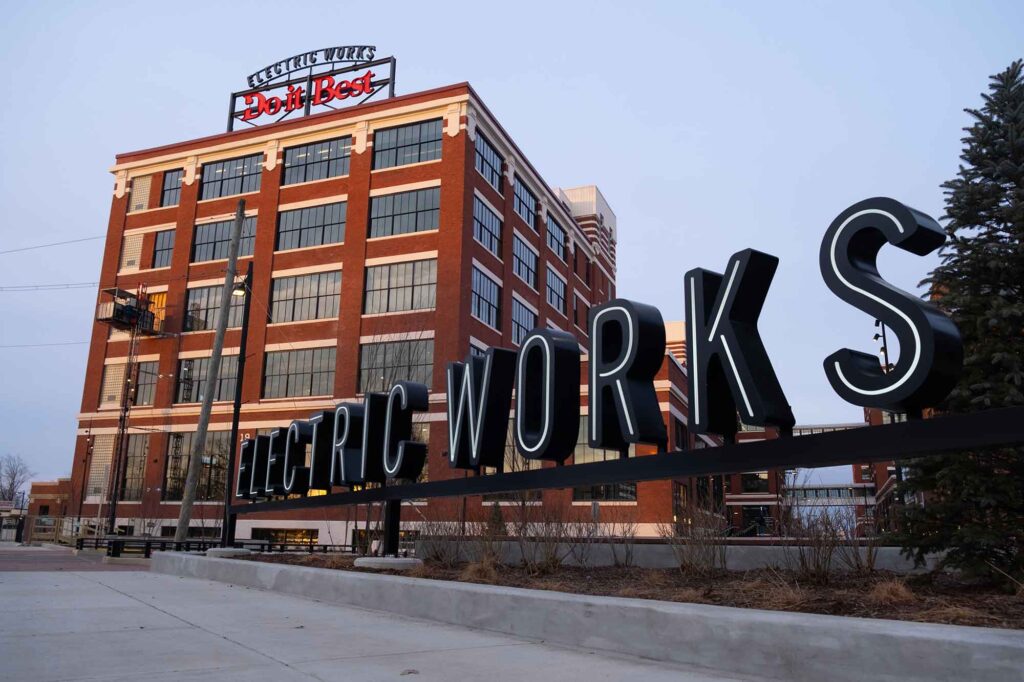
Electric Works
A District of Innovation in Fort Wayne
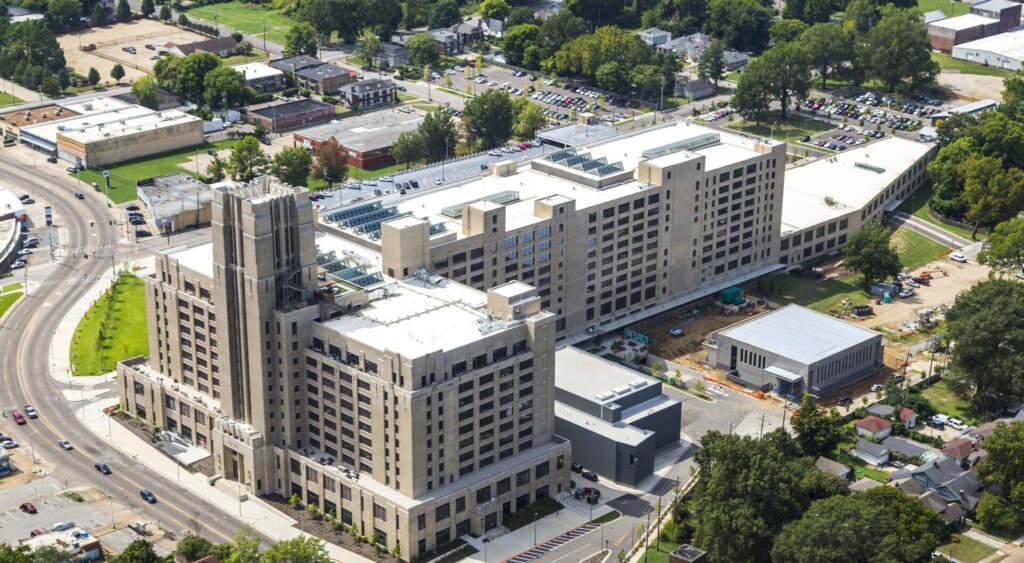
Crosstown Concourse
Sears Building Becomes Vertical Urban Village
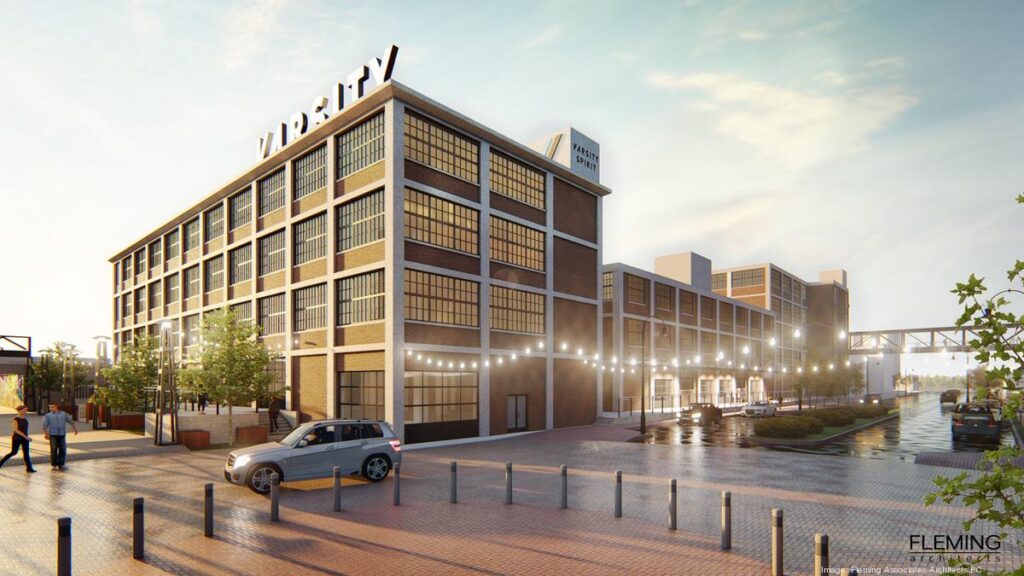
Conwood
Former Tobacco Complex Transforms into Mixed-Use Community Hub
Electric Works
A District of Innovation in Fort Wayne
Crosstown Concourse
Sears Building Becomes Vertical Urban Village
Conwood
Former Tobacco Complex Transforms into Mixed-Use Community Hub
Want to Discuss Your Next Project? Talk With Our Team Today.
We bring clear insight, deep experience, and strategic focus to every project, whether you're structuring complex capital or shaping long-term, legacy-driven development.