

Historic Tax Credits

$8.5 Million Federal

New Markets Tax Credits

$1.5 Million

Total Development Cost

$50 Million

Project Partner

Center Stage Foundation

Impact

Arts Education, Support & Access

Richmond's Loew's Theater
History

Richmond's Loew's Theater

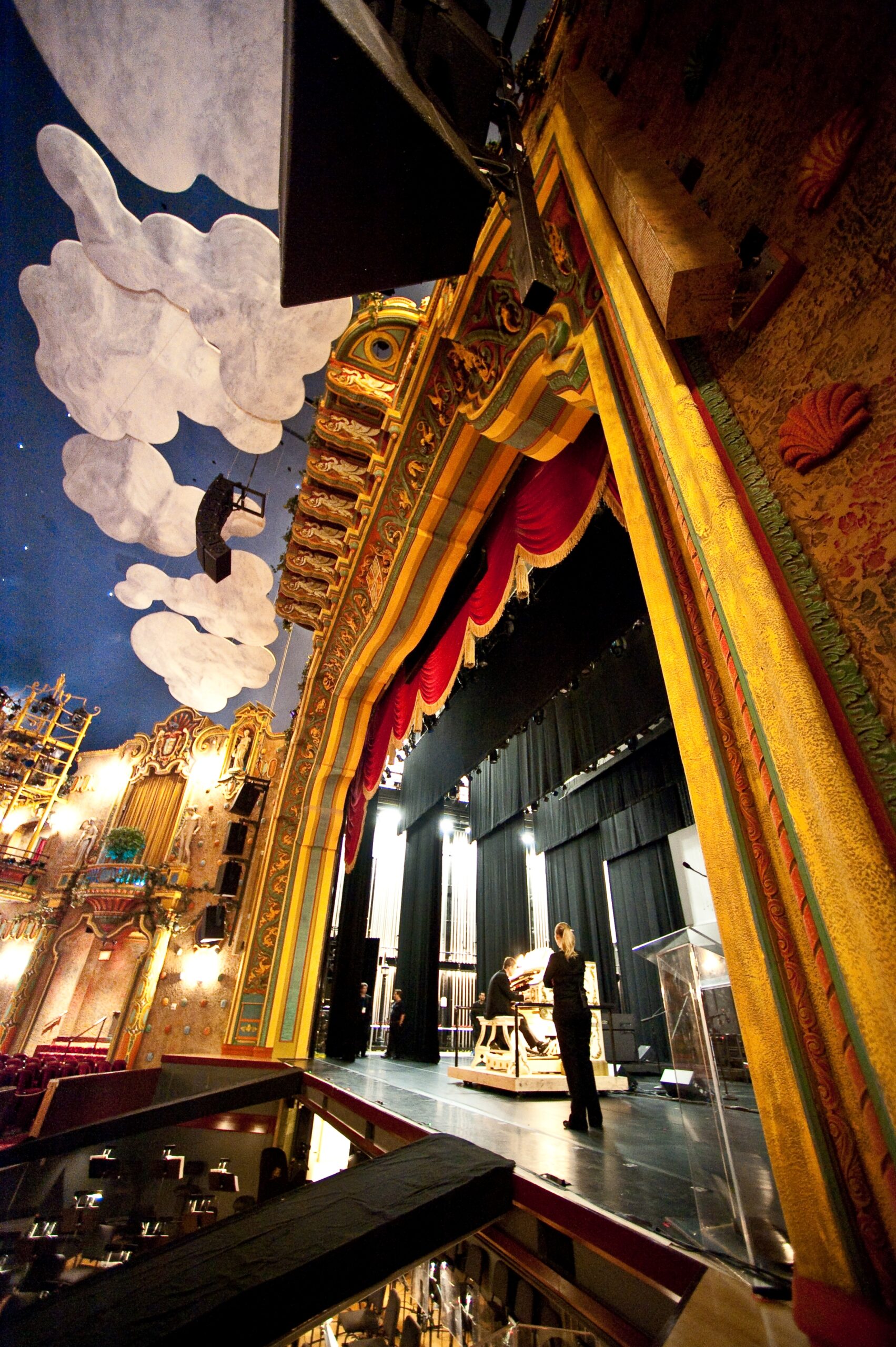
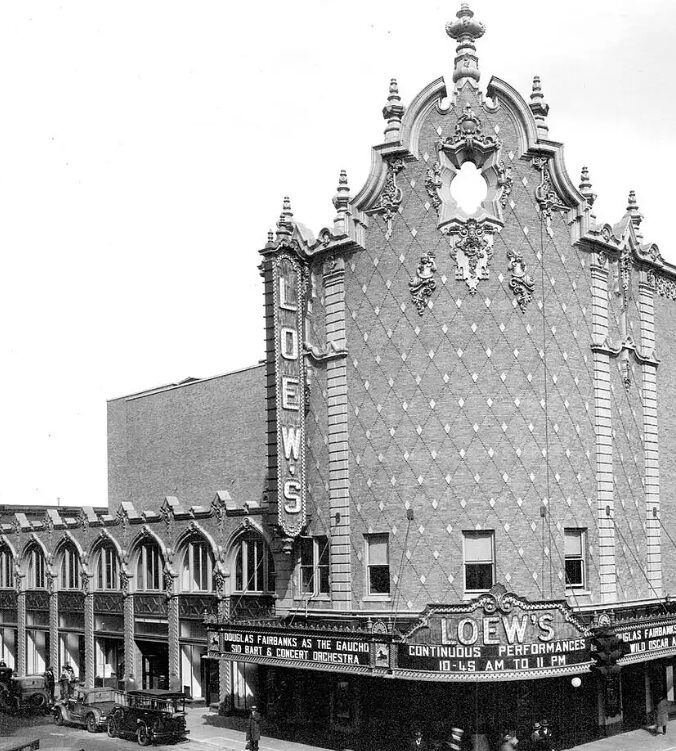
The Carpenter Theatre first opened its doors in 1928 as a Loew’s Theater for moving pictures. It was shuttered in 1979 due to competition from suburban multiplexes and changing demographics, and remained vacant until 1983. At that time, it was restored and reopened as the Carpenter Center for the Performing Arts. The Carpenter Center again closed in 2004 for a $50 million rehabilitation by the CenterStage Foundation, that up-dated its acoustics, lobby and amenities while expanding its stage size to draw major touring shows. This project also incorporated the Carpenter into a four-venue performing arts complex, Richmond CenterStage, that provides the community with a rich and varied arts experience in downtown Richmond.

Updating and Expanding the Theater
Revitalization Efforts

Updating and Expanding the Theater

The architect of the original Carpenter, John Eberson, was a leading New York architect of the 1920’s noted for his extravagant theater designs. The theater certainly bears his stamp. It is an elaborate interpretation of the Spanish Mission style, with a dark red brick exterior heavily ornamented with sculpted terra cotta and limestone.

The rehabilitation preserved this style while creating a larger stagehouse to accommodate Broadway shows, expanding the lobby, ticketing and concession areas and updating its acoustics, electrical systems, seating and ticketing technology to meet modern standards.

Community Impact

Supporting the Arts in Richmond

The theater has served as home for the Richmond Symphony, the Richmond Ballet and the Virginia Opera as well as smaller Broadway productions, special concerts and other performances. In its renovated state, the nearly doubled in size stage now draws more than 40 touring plays, musicals, family shows and popular entertainment events annually. A dozen or more community presentations round out the calendar for the year, helping the theatre to stay busy for an estimated 200 days a year. These expanded offerings brought new permanent jobs and helped increase foot traffic downtown, as well as generating roughly $2.5 million in state and local taxes and $28.2 million in household and business income.


NTCIC & Progress

Economic Impact

The rehabilitation of Carpenter Theatre was made possible, in part, by NTCIC through an equity investment in the $8.5 Million federal Historic Tax Credits generated by the project and a $1.5 Million New Markets Tax Credit allocation.

Want to Discuss Your Next Project? Talk With Our Team Today.

We bring clear insight, deep experience, and strategic focus to every project, whether you're structuring complex capital or shaping long-term, legacy-driven development.

Name
Want to Discuss Your Next Project? Talk With Our Team Today.

Historic Tax Credits

$4.3 Million Federal

New Markets Tax Credits

$12 Million

Total Project Cost

$27 Million

Project Partner

CARITAS

Impact

Social Services, Healthcare, & more

History

Philip Morris Blended Leaf Plant

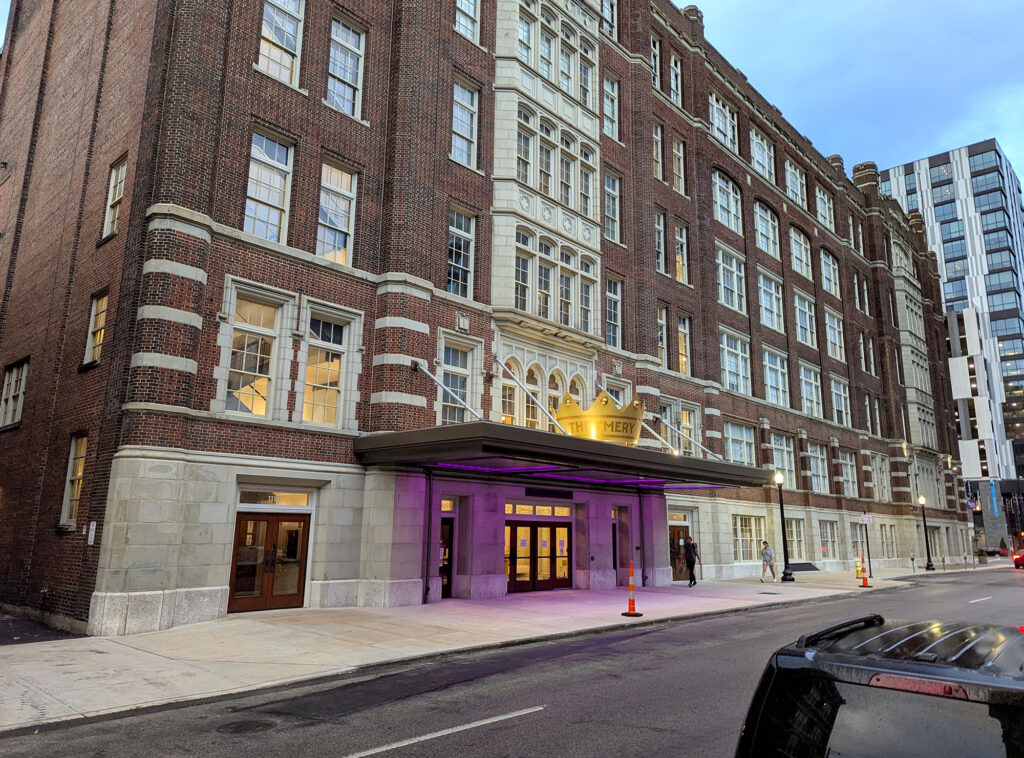
The Philip Morris Blended Leaf Plant is a former industrial building that was originally a stemmery that supported the mass production of cigarettes. Originally constructed in the late 1950s, the facility was part of an ambitious plan of expansion initiated in the 1950s by the Philip Morris Company. The plant was the epicenter of the Philip Morris Blended Leaf Complex historic district, listed on the National Register of Historic Places in 2017, until 2011, when the factory was decommissioned and fell into disrepair.

A Space Renewed
Revitalization Efforts

A Space Renewed

The former warehouse is now the new headquarters for Congregations Around Richmond to Assure Shelter (CARITAS), a center of support and recovery for those experiencing homelessness and battling addiction or substance use disorders. CARITAS was founded in 1987 to provide effective, permanent solutions to individuals and families dealing with the crisis of homelessness and/or substance use disorders in the Metro Richmond area. It has a strong history of continued growth and successful fundraising to support its programs which include CARITAS Shelter, CARITAS Furniture Bank, CARITAS Works, and The Healing Place. The creation of this facility allowed the organization to greatly expand the capabilities of their services while also creating new programs to more effectively serve their community. 

Community Impact

Second Chances Happen Here

By co-locating the various programs CARITAS supports, the organization has saved over $350,000 on an annual basis, which allowed it to further develop new and existing services. The project also allowed CARITAS to expand their Healing Place program to include services specifically dedicated to supporting women in need. The furniture bank supports nearly 1,000 families each year by providing those transitioning to permanent housing with low/no-cost furniture. Through the CARITAS Shelter program, the revitalized space added 40 sober living units and seven transition units for program graduates and community members. By incorporating

housing into the new facility, CARITAS no longer had to carry an $86k/year expense for the nine apartments and two houses that it used to lease to male alumni and transitional clients. 

CARITAS’ new location allowed for 26 new permanent full-time positions, with 14 of those created as a direct result of the expansion into the space. Approximately 70% of the newly created jobs were accessible to LIPs or residents of LICs. All new job opportunities for the Women’s Healing Place program were made available to members of the surrounding community. 

26

Full-Time Jobs Created

$350,000

Saved Annually by CARITAS

1,000 Families

Using Furniture Bank Annually

40

Sober Living Units

7

Transitional Living Units

NTCIC & Progress

Economic Impact

The renovation of the former Philip Morris Blended Leaf Plant into CARITAS’ new headquarters was made possible, in part, by NTCIC through an equity investment in the $4.3 million in federal Historic Tax Credits (HTC) generated by the project and a $12 million New Markets Tax Credit allocation. 

Want to Discuss Your Next Project? Talk With Our Team Today.

We bring clear insight, deep experience, and strategic focus to every project, whether you're structuring complex capital or shaping long-term, legacy-driven development.

Name
Want to Discuss Your Next Project? Talk With Our Team Today.