


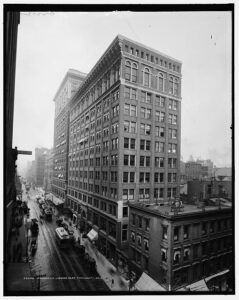
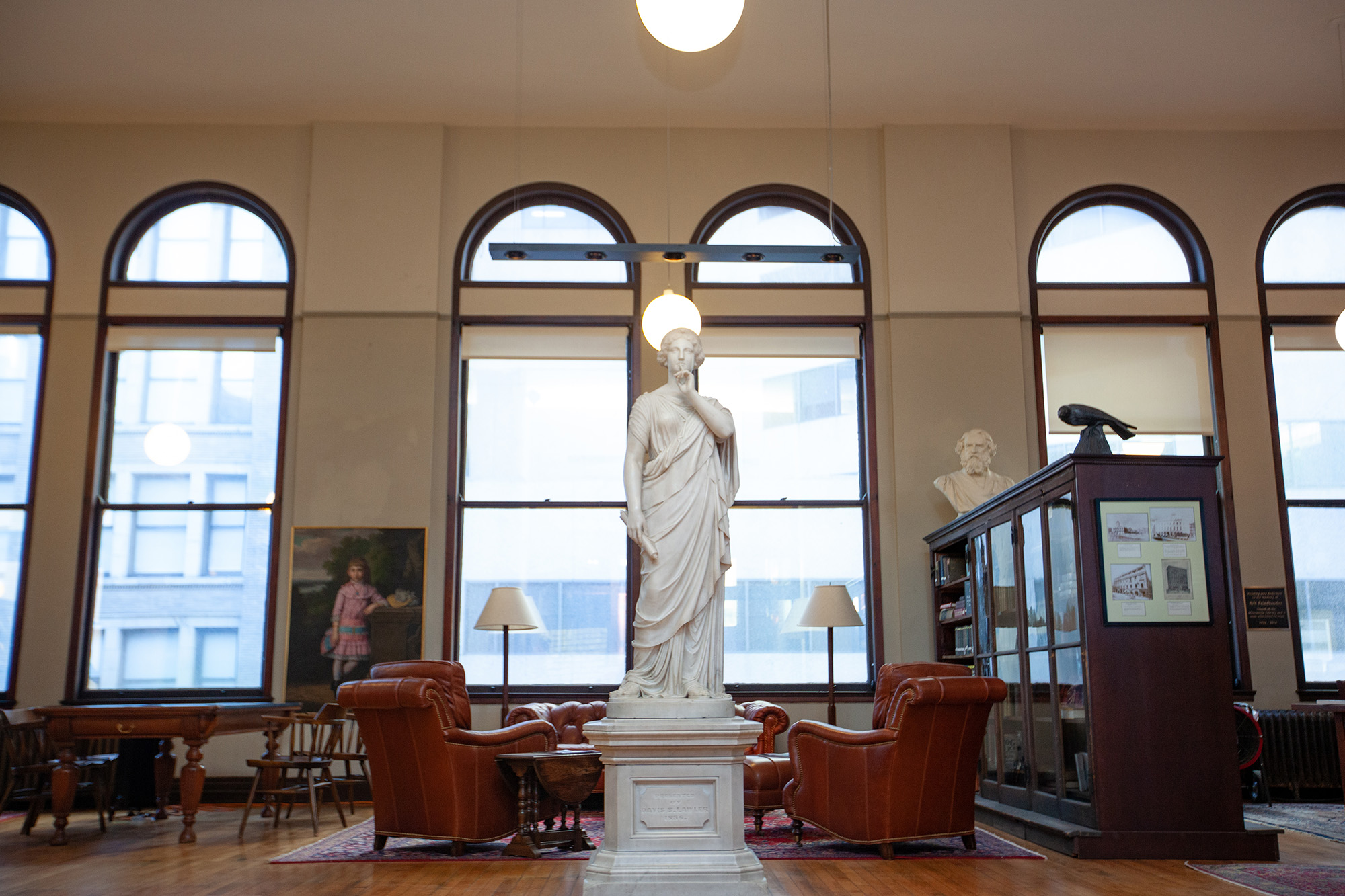
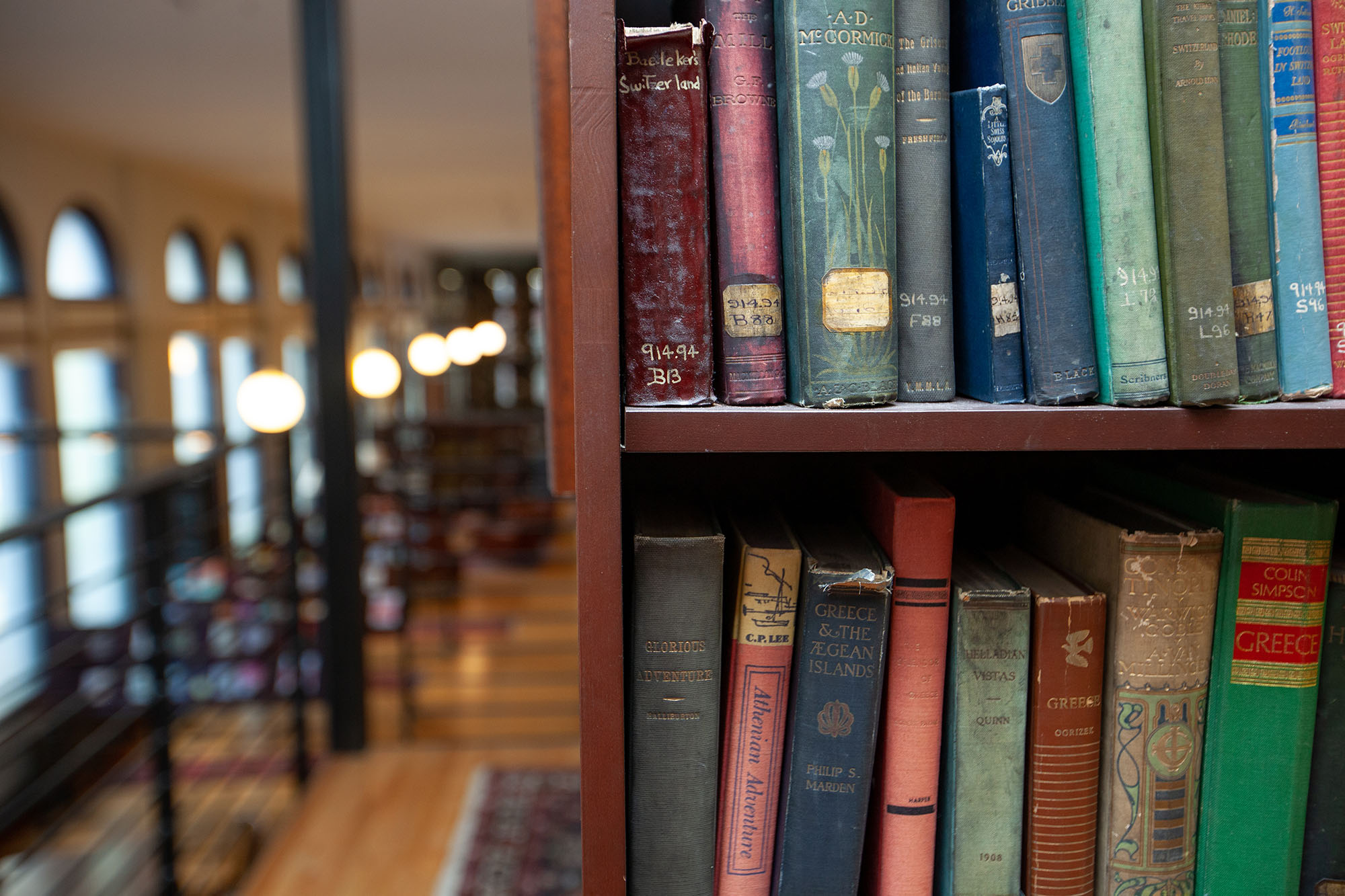
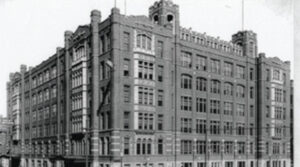
 The Mercantile Library Building and the Formica Building have rich histories that are deeply intertwined with Cincinnati’s architectural and cultural heritage. The Mercantile Library was originally established in 1835 by a group of young men who pooled their resources to collect books, art, and host prominent speakers and authors. Over the years, the library has welcomed renowned figures such as Ralph Waldo Emerson, Herman Melville, and Harriet Beecher Stowe. As the collection grew to nearly 2,000 books, the need for a dedicated space led to the construction of the Mercantile Library Building at 414 Walnut Street in 1904. The building was designed by Joseph G. Steinkamp & Brother and was developed by Thomas Emery Sons, who contributed to the development of several skyscrapers in Downtown Cincinnati during the early 20th century. The building featured commercial space on the first floor and office space on the floors above. The 11th and a portion of the 12th floor were custom designed to house the Mercantile Library.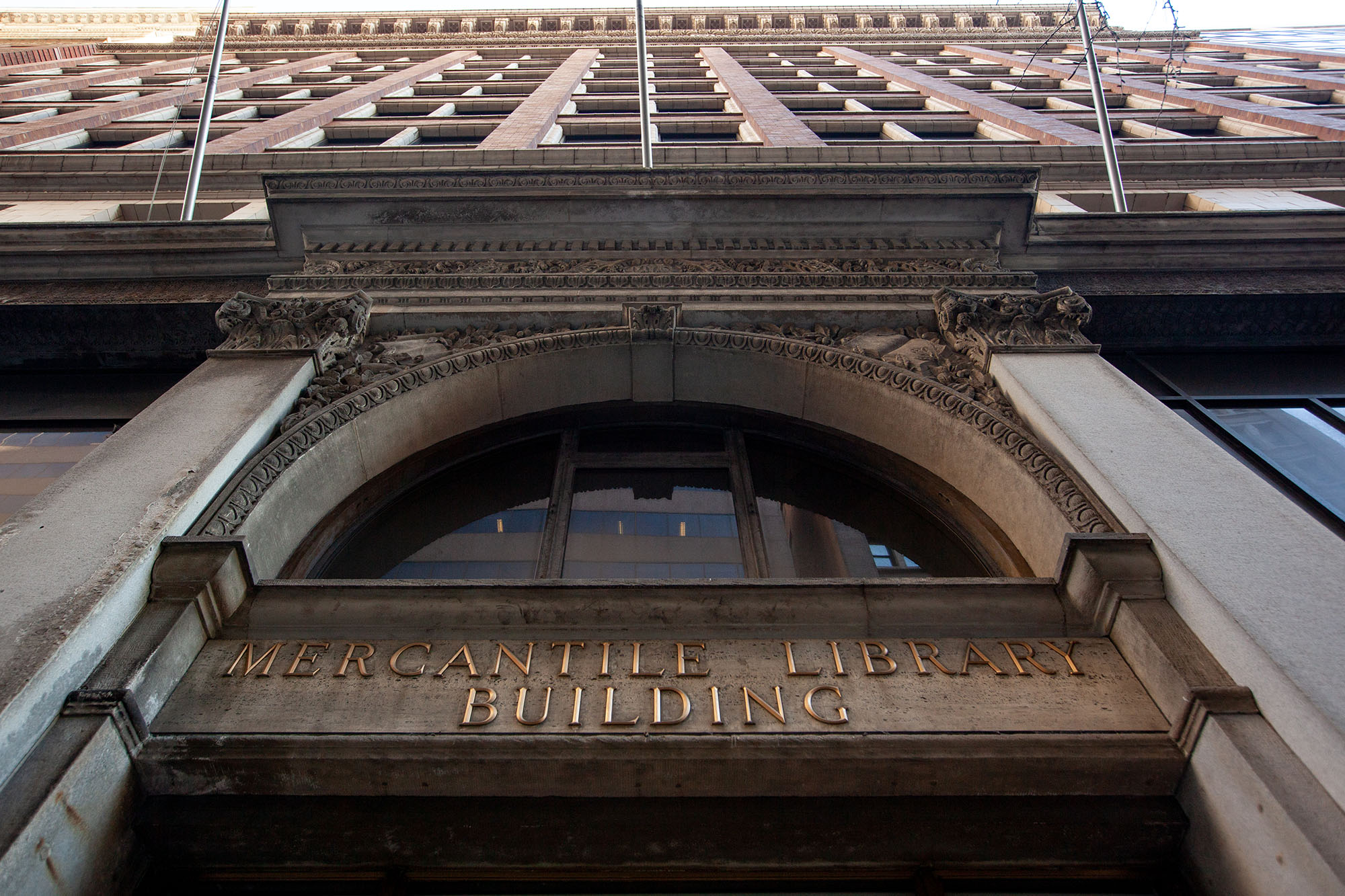
To support the project completion, NTCIC was the primary project underwriter and sourced financing for the $12.7 million in federal Historic Tax Credits generated by the project. Additional project financing included traditional debt, sponsor equity, state Historic Tax Credits, TMUD credits, and Ohio Opportunity Zone Tax Credit financing.
The project is spearheaded by the Model Group, a recognized leader in historic preservation, mixed-use urban development, senior living communities, and affordable housing. Based in Cincinnati, the group


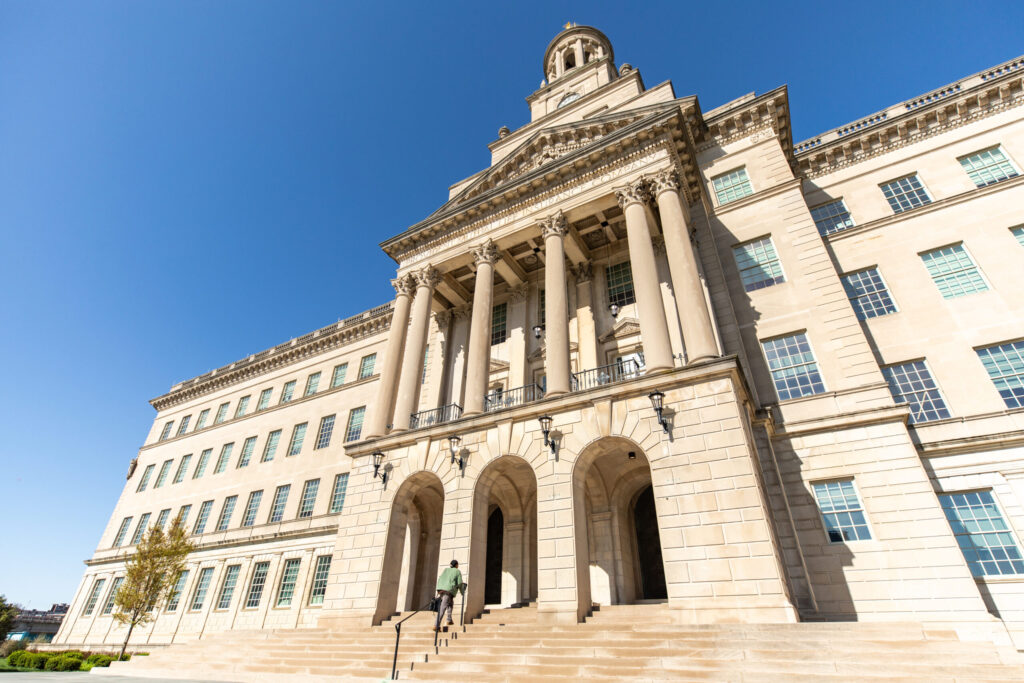
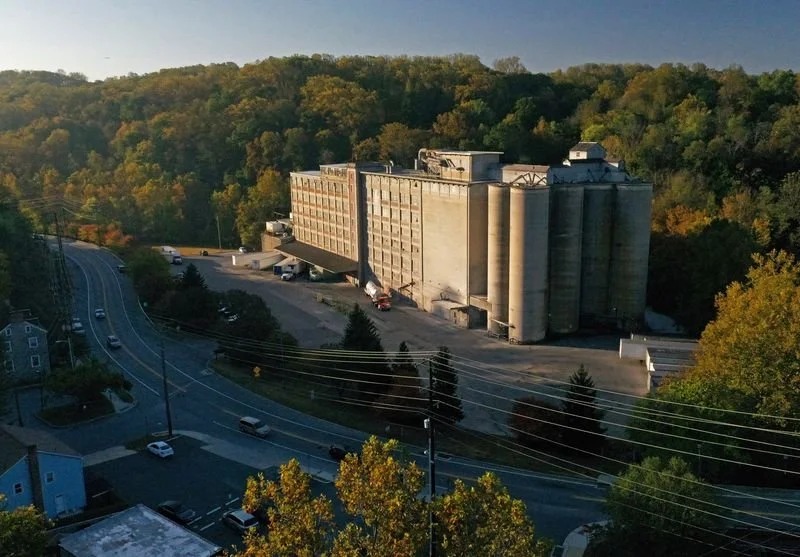
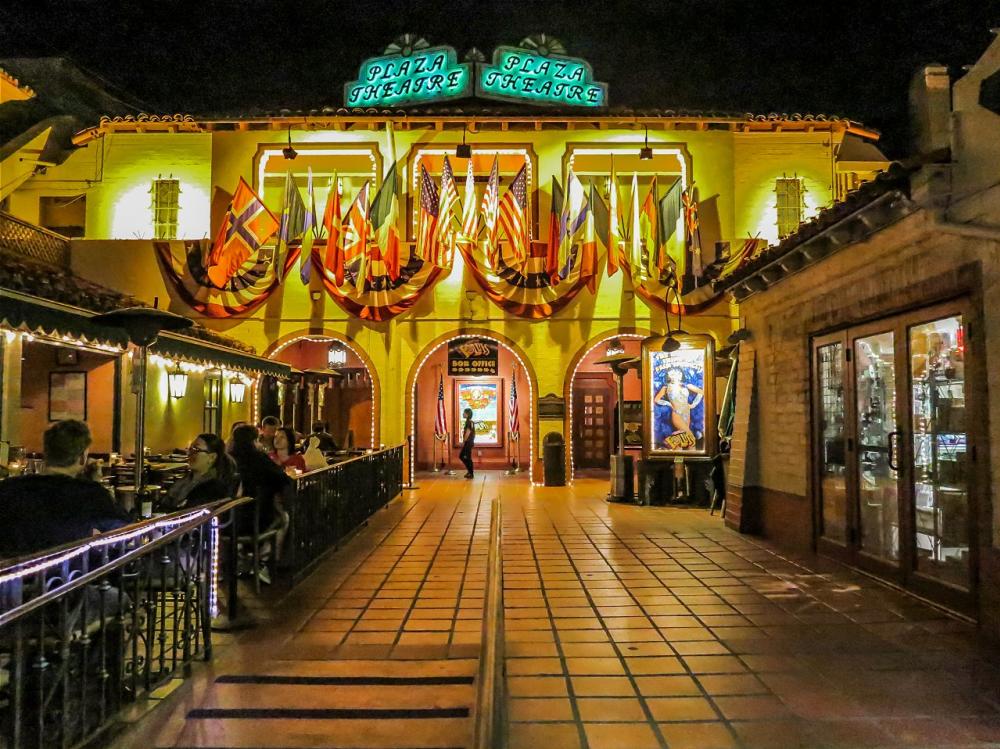

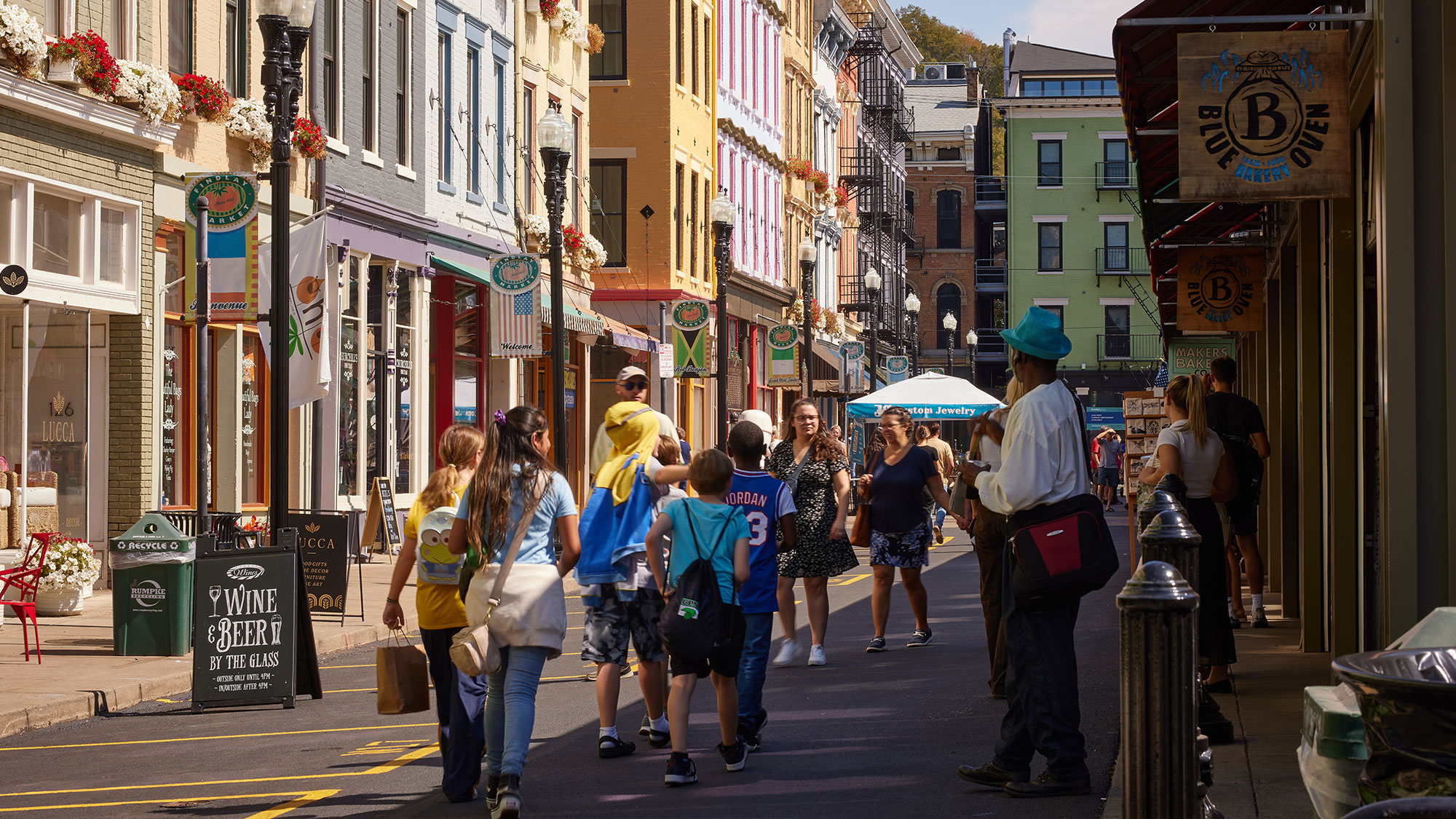
 Findlay Parkside is located in the Over-the-Rhine (OTR) neighborhood in Cincinnati, OH, one of the largest and most intact urban historic districts in the United States. OTR lies just north of the Central Business District in Downtown Cincinnati, boasting low-rise Greek Revival, Italianate, and Queen Anne brick buildings, primarily constructed by German immigrants in the mid-1800s. Among the neighborhood’s most notable attractions is the Findlay Market, the oldest and only surviving municipal market house in Cincinnati, which operates year-round and houses over three dozen indoor merchants offering a wide array of goods.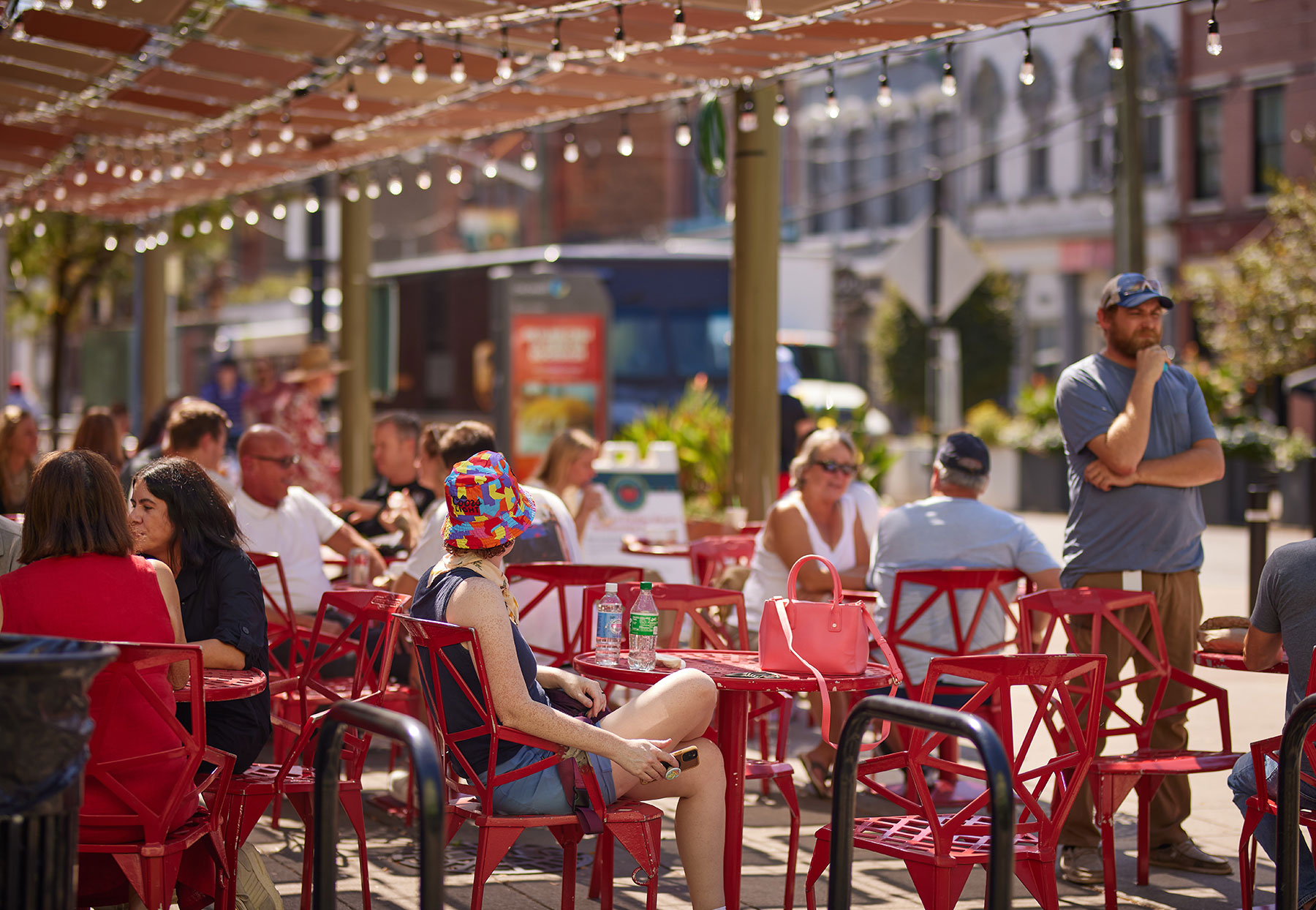


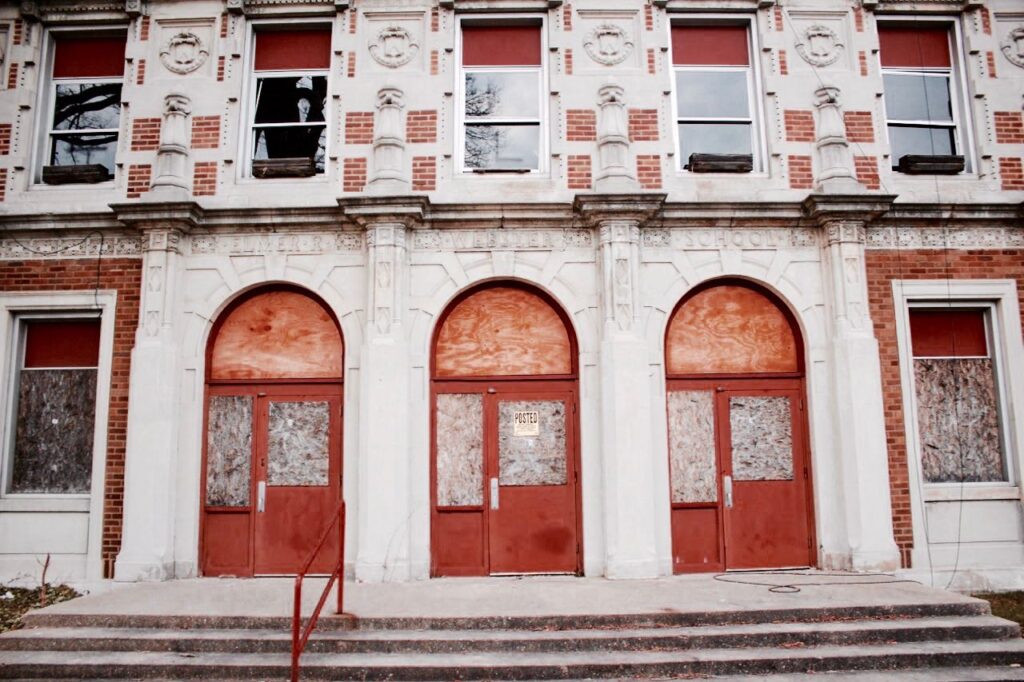
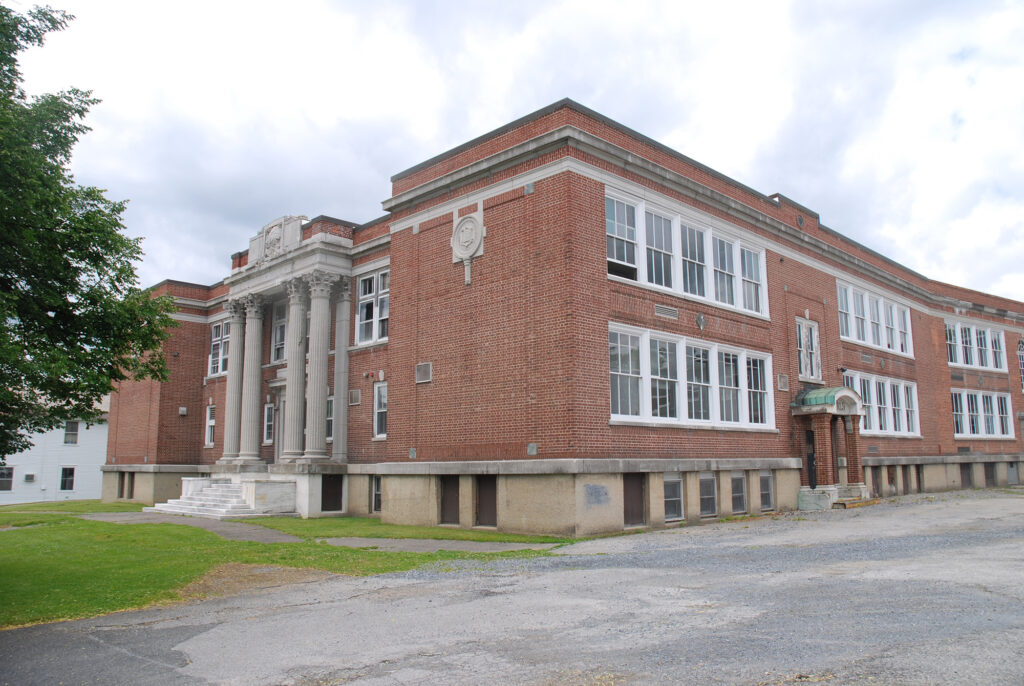
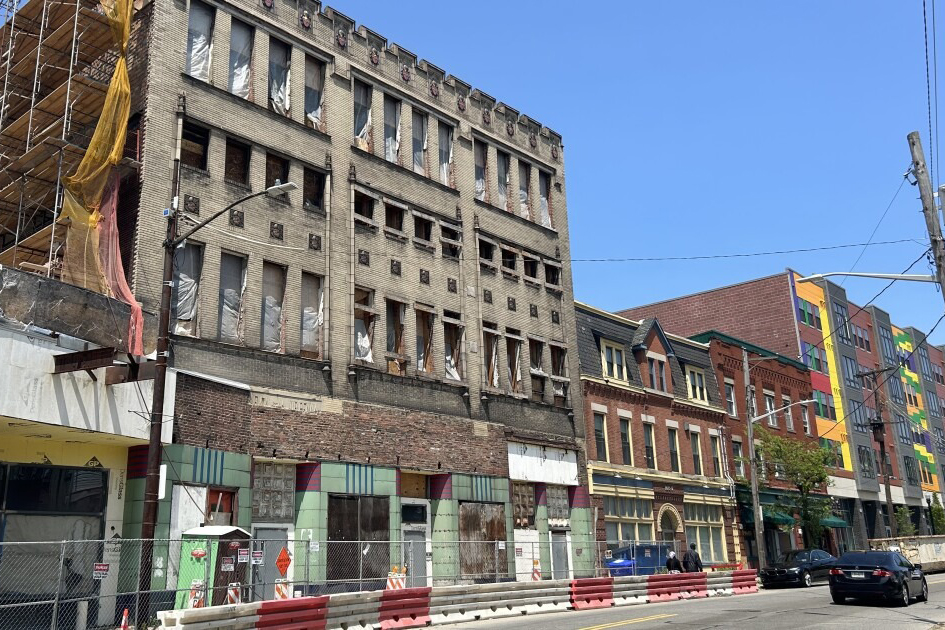
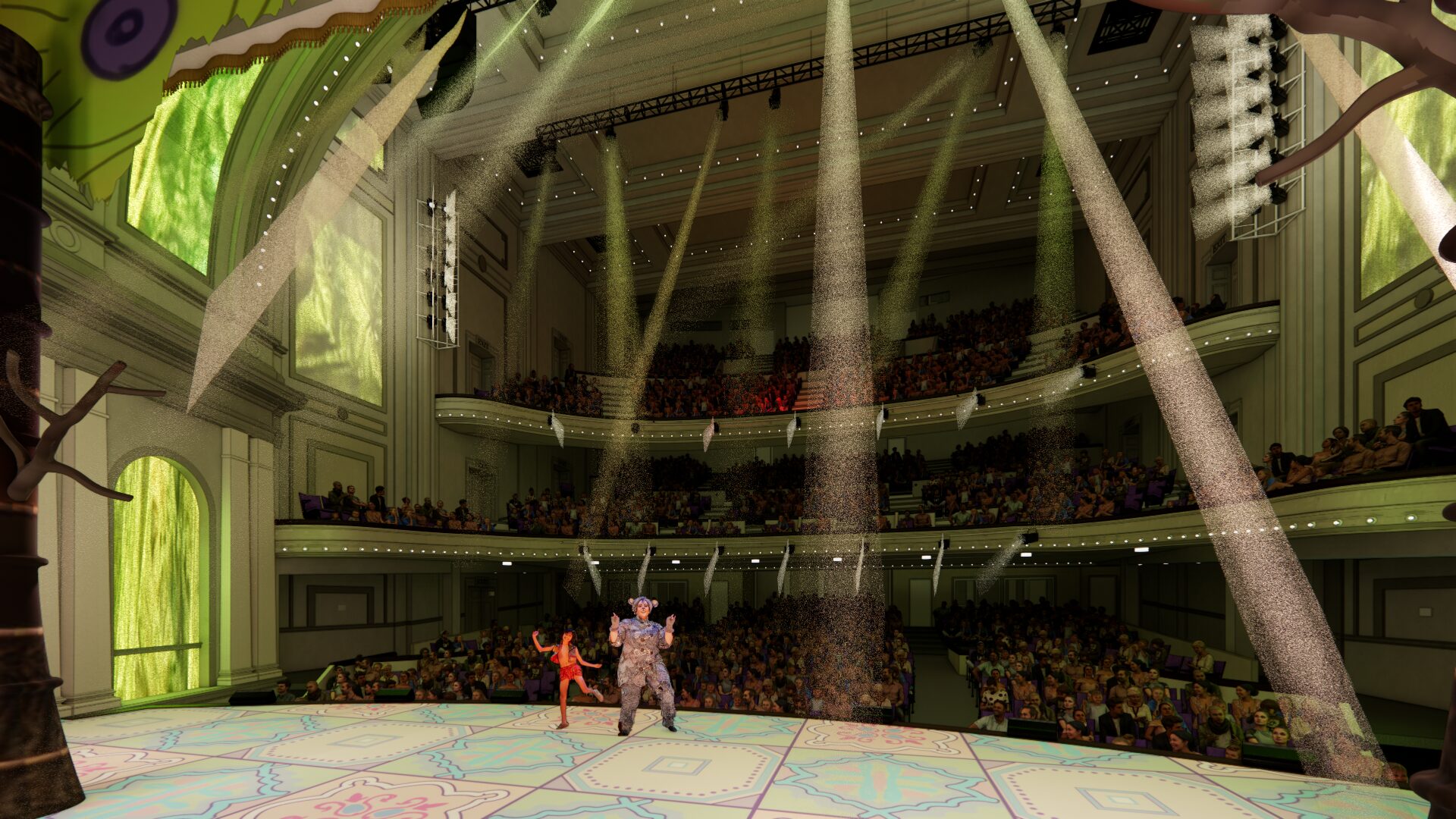
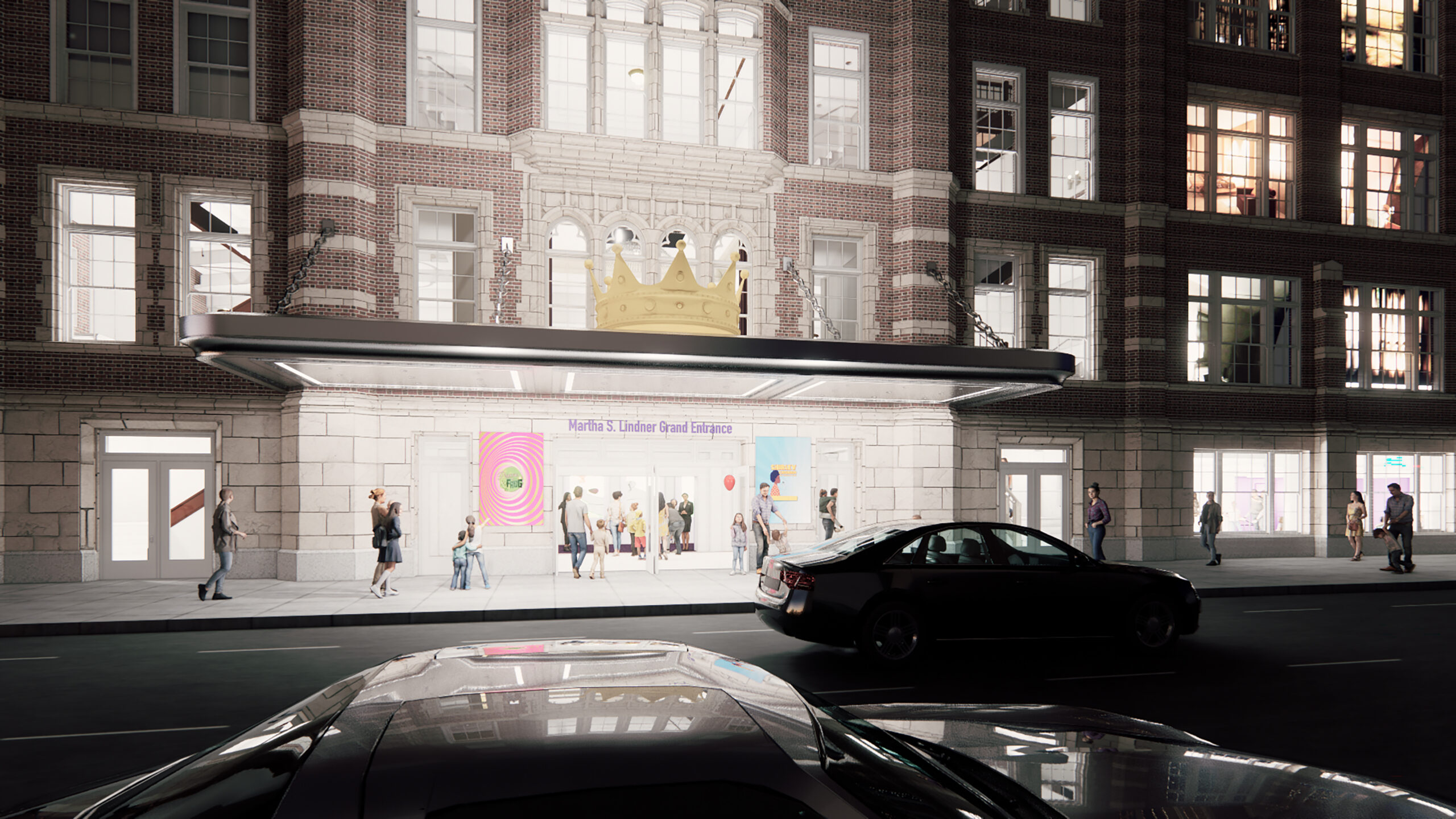
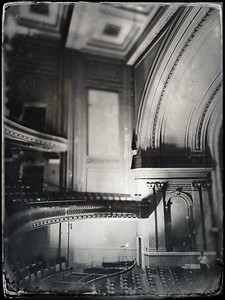 This project is facilitating the long-awaited reunion of the iconic Children’s Theatre of Cincinnati with its original home, the Emery Theater. Historic Emery Theater was constructed in 1911 in Cincinnati’s “Over-the-Rhine” neighborhood. Commissioned by Mary Emery and built by the famous architecture firm Samuel Hannaford & Sons, the large theater was designed to hold thousands of patrons while astonishing each of them with an unobstructed view and exceptional acoustics. It was built using the principle of the “isacoustic curve,” meaning the room sloped upward from front to back, an ideal configuration for sending sound effortlessly throughout. It also featured two large balconies, both of which seemed to float above the main floor, in a method of theater construction that was new in the early 19th century. Originally part of the Ohio Mechanics Institute trade school, the Emery Theater soon hosted world-renowned artists like George Gershwin and John Philip Sousa, as well as influential dignitaries like Eleanor Roosevelt and Martin Luther King, Jr.
 professional theatrical productions and arts education programming. TCT called the historic Emery Theater home from their incorporation as an independent nonprofit until 1969, when they relocated to downtown Cincinnati’s Taft Theatre.