Federal Historic Tax Credits

$9 Million

Total Project Cost

$52.2 Million

Project Partner

Brain Group, Sustainable Development Partners Kansas City

Impact

Economic Development

Historic Westport High School
History

School of Magnificent Distances

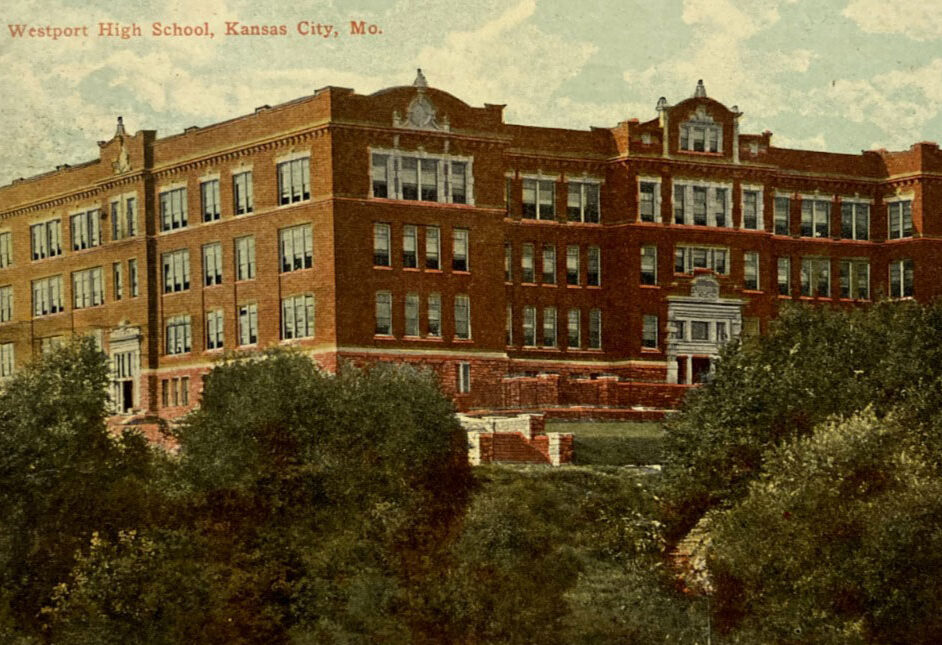
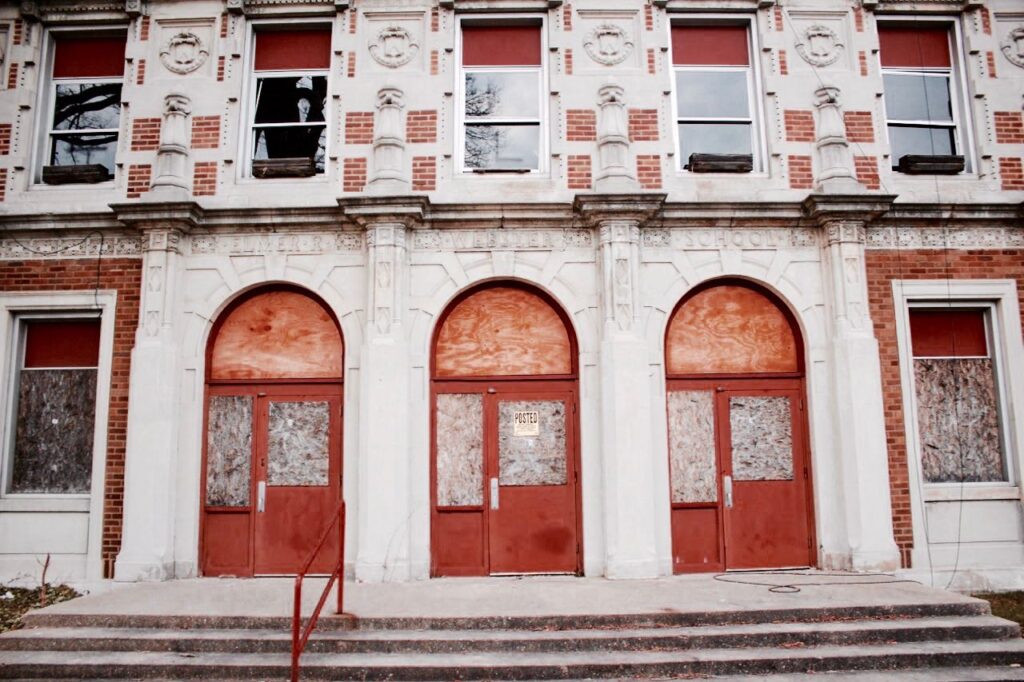
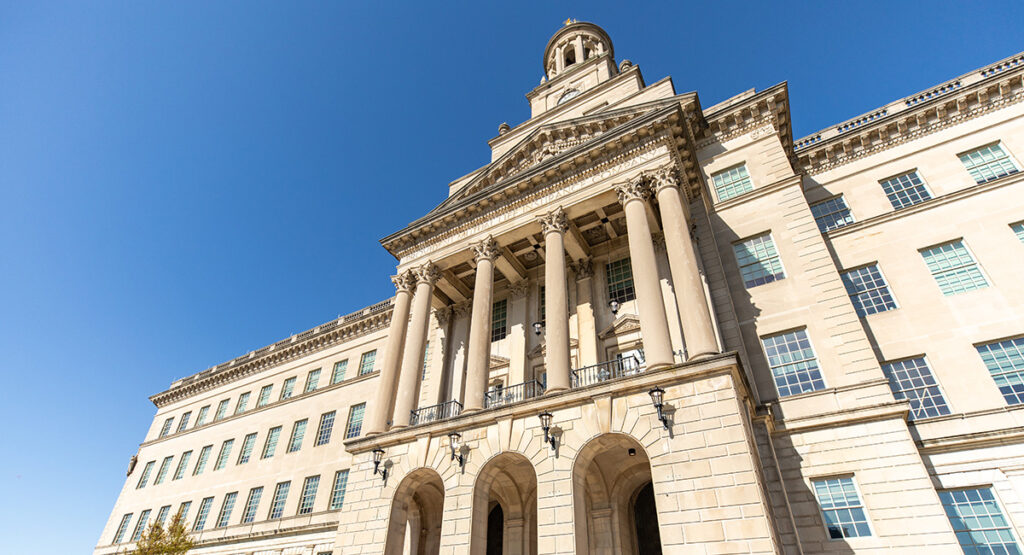
The former Westport High School complex, once nicknamed “The school of magnificent distances,” was originally constructed in 1908 in the historic Westport neighborhood of Kansas City, Missouri. Built at a construction cost of nearly $500,000, the school was considered state-of-the-art and the finest school building in Missouri.

Two additional buildings were added to the complex in 1964 and 1992, and the school served over 400 students at its peak. The school closed in 2010 as part of a “right-size” plan that shuttered 25 other schools in the district. In 2011, the Kansas City Public Schools (KCPS) began a Repurposing Initiative to identify other uses for many of these now-vacant school buildings.

A New Vision for Westport
Revitalization Efforts

A New Vision for Westport

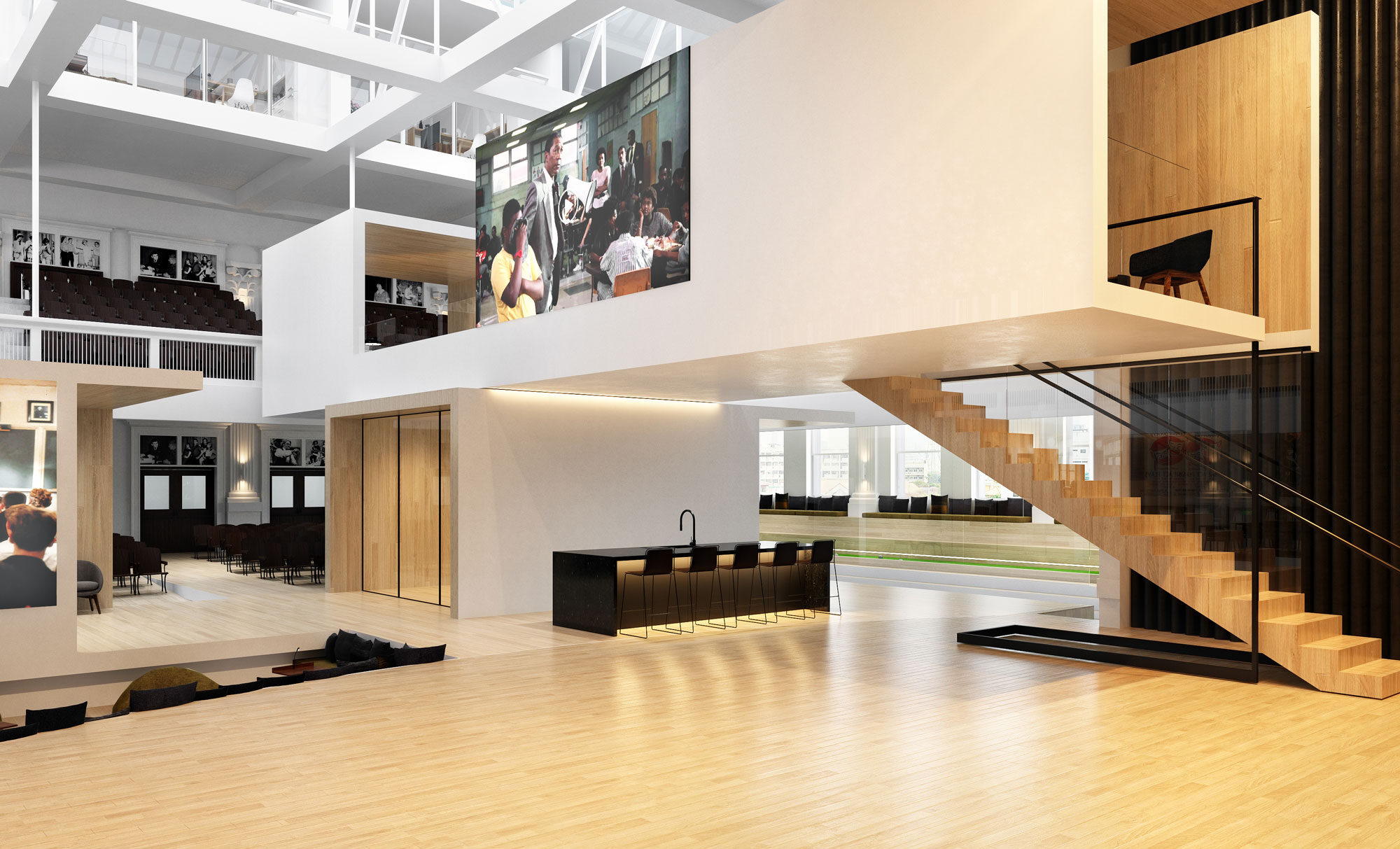
The former Westport High School is being reimagined as a vibrant mixed-use development that preserves its historic character while introducing modern amenities.

The project transforms two historic school buildings into 138 market-rate apartments and repurposes the 1992 addition into 20,000 square feet of commercial space for childcare services or coworking offices. This adaptive reuse ensures long-term sustainability and creates a dynamic hub for living, working, and community engagement.

NTCIC & Progress

Financing the Project

NTCIC provided an equity investment in the $9 million Federal Historic Tax Credits generated by the preservation efforts, making the redevelopment of Westport Commons possible. This support helped preserve the historic school building while creating a sustainable mixed-use development that benefits the community and local economy.

Additional funding was secured through State Historic Tax Credits, private equity partners, and a HUD 221(d)(4) loan, ensuring the project’s financial feasibility. These combined resources allowed for the adaptive reuse of the property, delivering long-term economic growth and positioning Westport Commons as a model for historic preservation and urban revitalization.

Want to Discuss Your Next Project? Talk With Our Team Today.

We bring clear insight, deep experience, and strategic focus to every project, whether you're structuring complex capital or shaping long-term, legacy-driven development.

Name(Required)
Want to Discuss Your Next Project? Talk With Our Team Today.

Federal Historic Tax Credits

$11.1 Million

State Historic Tax Credits

$12.5 Million

Total Project Cost

$73.5 Million

Project Partner

Campo Architecture & Interior Design

Impact

Job Creation, Economic Development

History

A History of Commercial Architecture

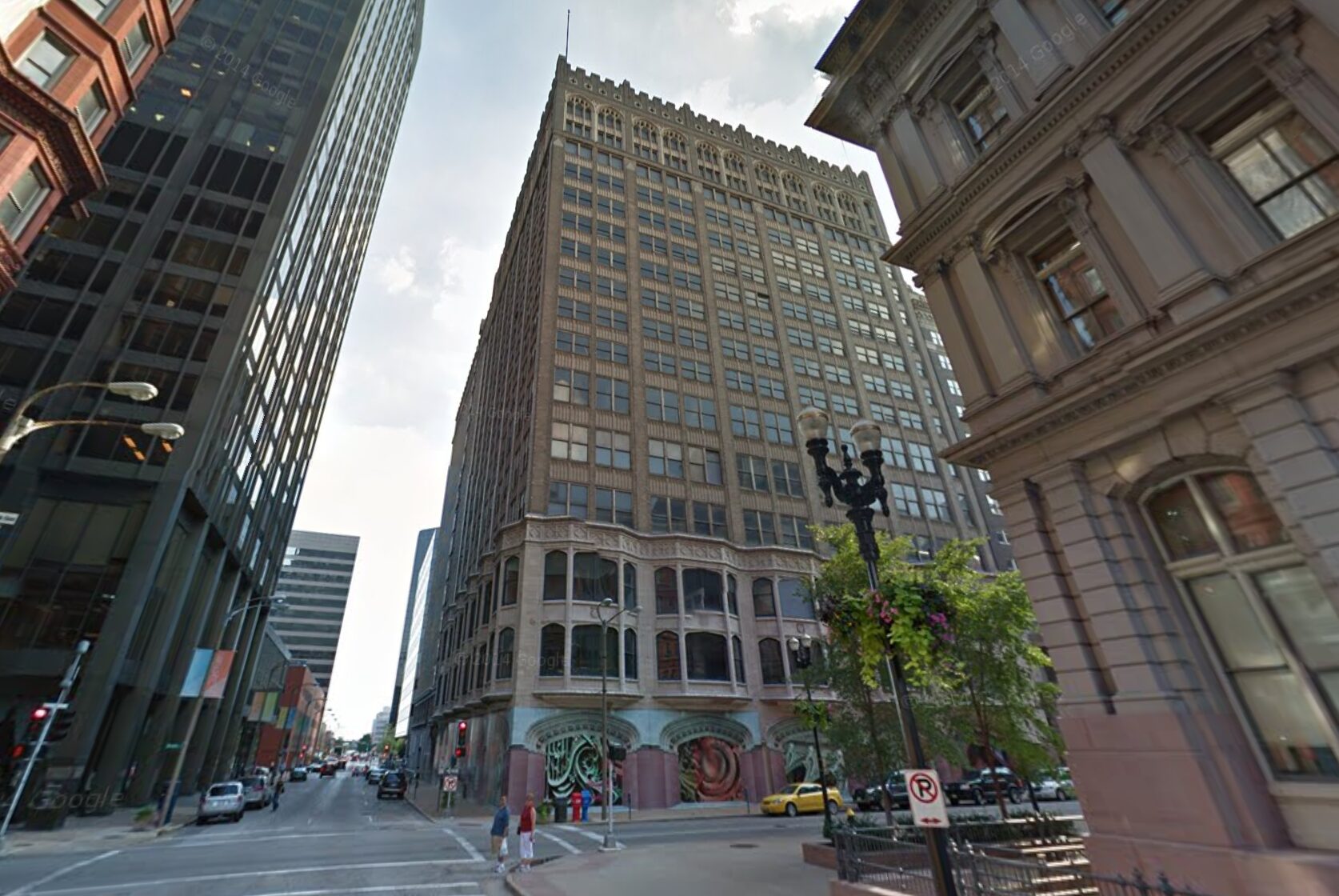
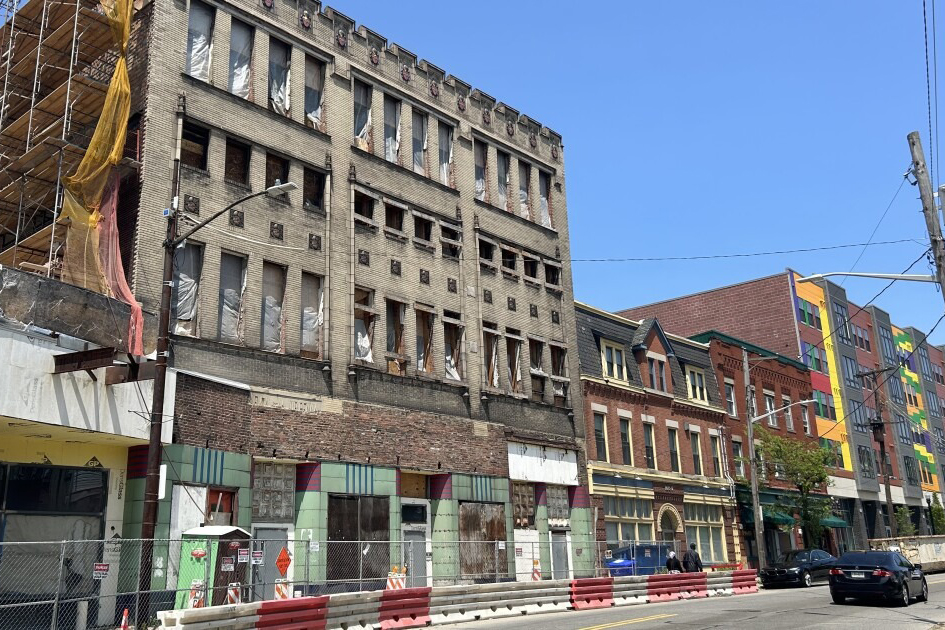
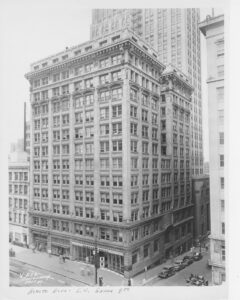
The Rialto Building, originally constructed in 1887, was designed to house a variety of tenants, including physicians, dentists, and other professionals, as well as retail spaces and a barber shop. In December 1909, the original five-story Rialto Building was destroyed by fire and displaced many medical professionals whose practices were lost. Owner and Kansas City real estate icon Albert Marty prioritized building a new fireproof skyscraper to meet the increasing demand for commercial space near East Ninth Street and Grand Boulevard. Completed in 1911, the thirteen-story early steel-frame skyscraper featured Commercial-style architecture by renowned architects Smith, Rea, and Lovitt and was constructed by George L. Brown & Son. By embracing the latest design and technological advances, the building featured specialized office spaces for doctors and dentists, a formal elevator lobby, a bank room, and retail spaces on the ground floor.

Over the years, the Rialto maintained high occupancy by adapting to the evolving needs of its tenants. In 1939, the Sinclaire Refining Company relocated its headquarters to the Rialto. In 1967, the building underwent substantial modernization, focusing on interior updates while maintaining the historic facade. In 1968, the structure was re-christened the Ozark National Life Building after the insurance company moved its offices to the top floors. The building continued to evolve through several more ownerships and renovations, including a $600,000 restoration in 1984 and extensive modernization in 1994. Acquired by the current ownership in 2020, the building’s transformation into a hotel preserves its architectural legacy while revitalizing it for contemporary use.

Office to Hotel Conversion
Revitalization Efforts

Office to Hotel Conversion

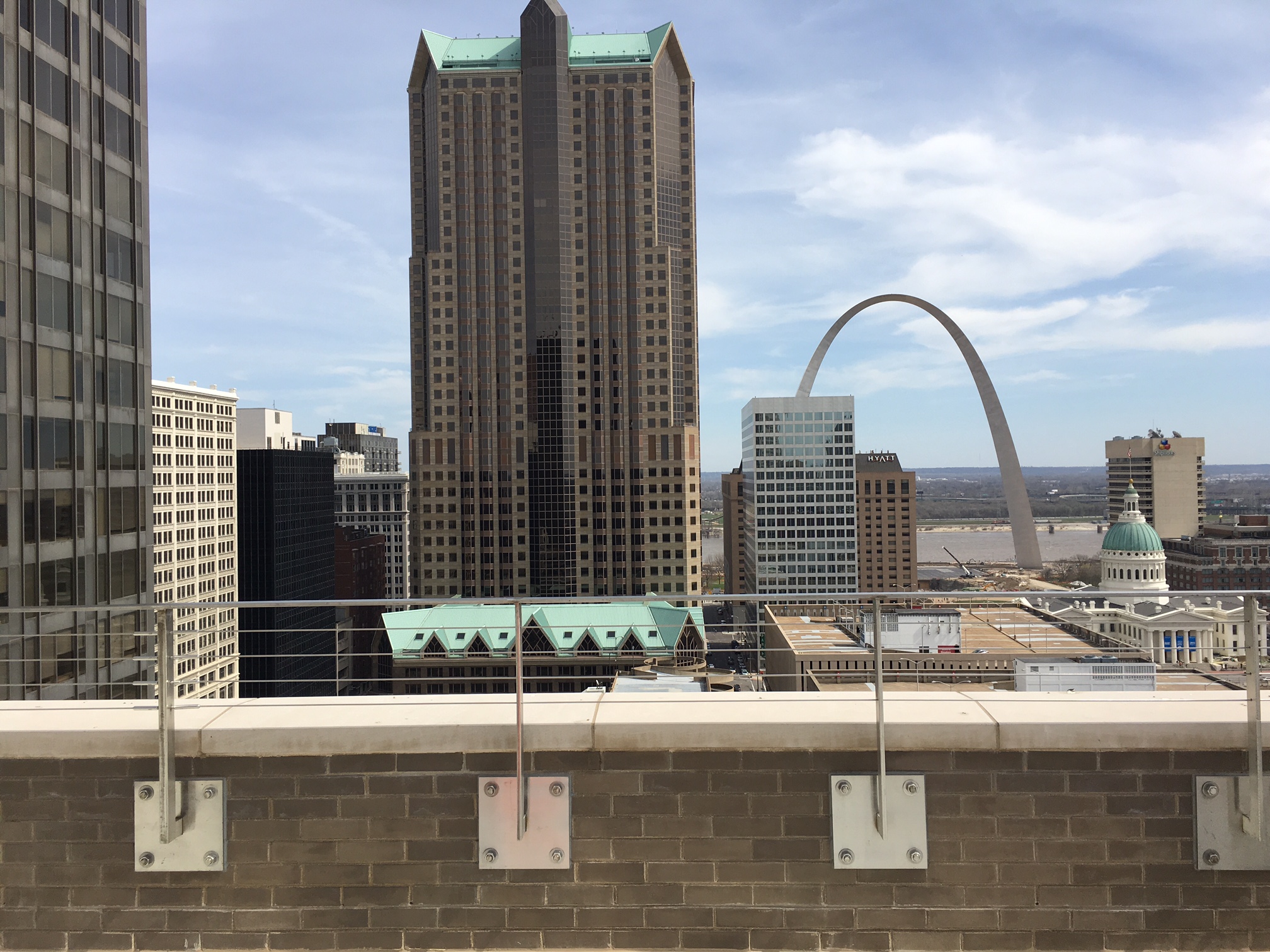
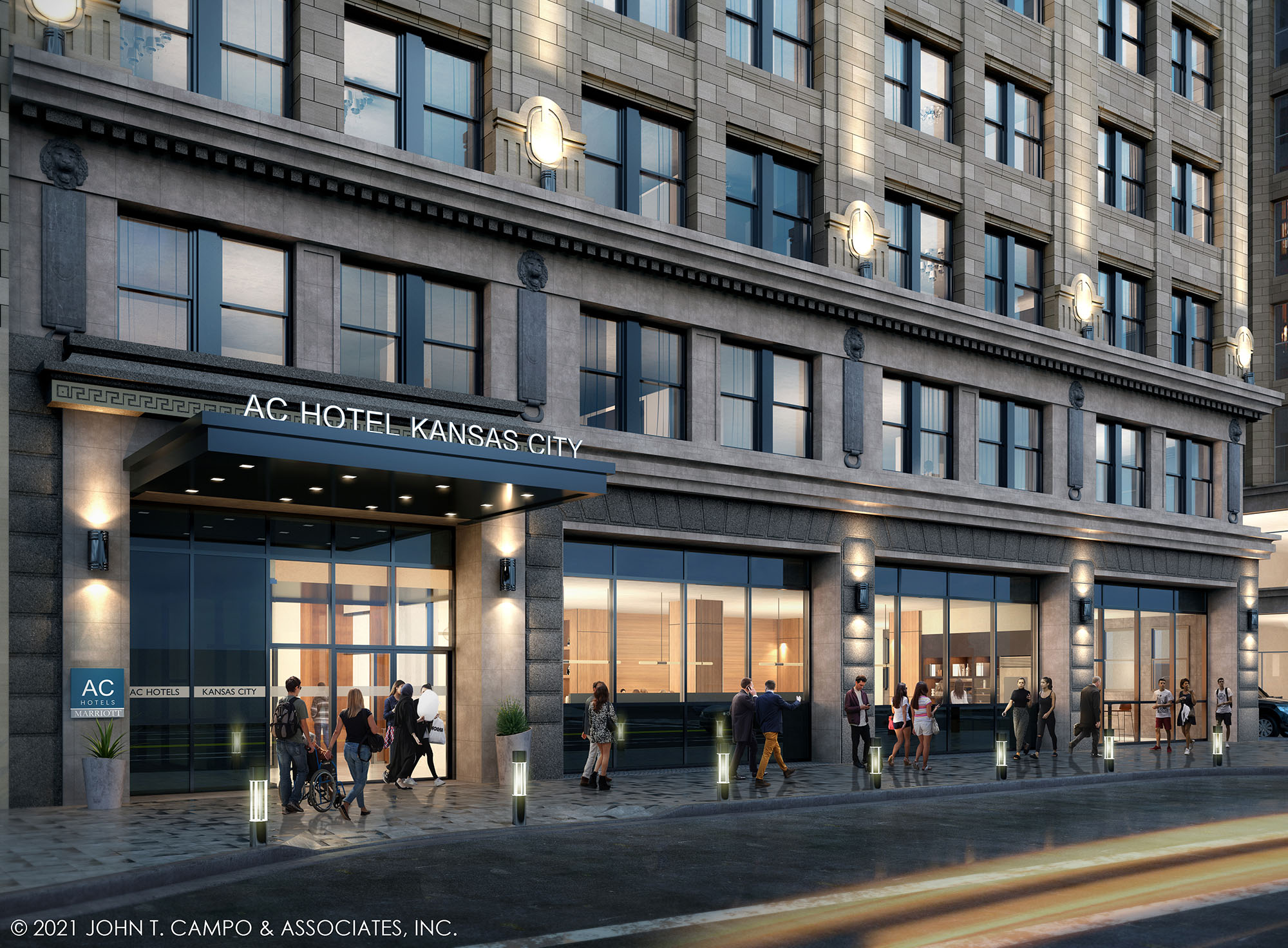
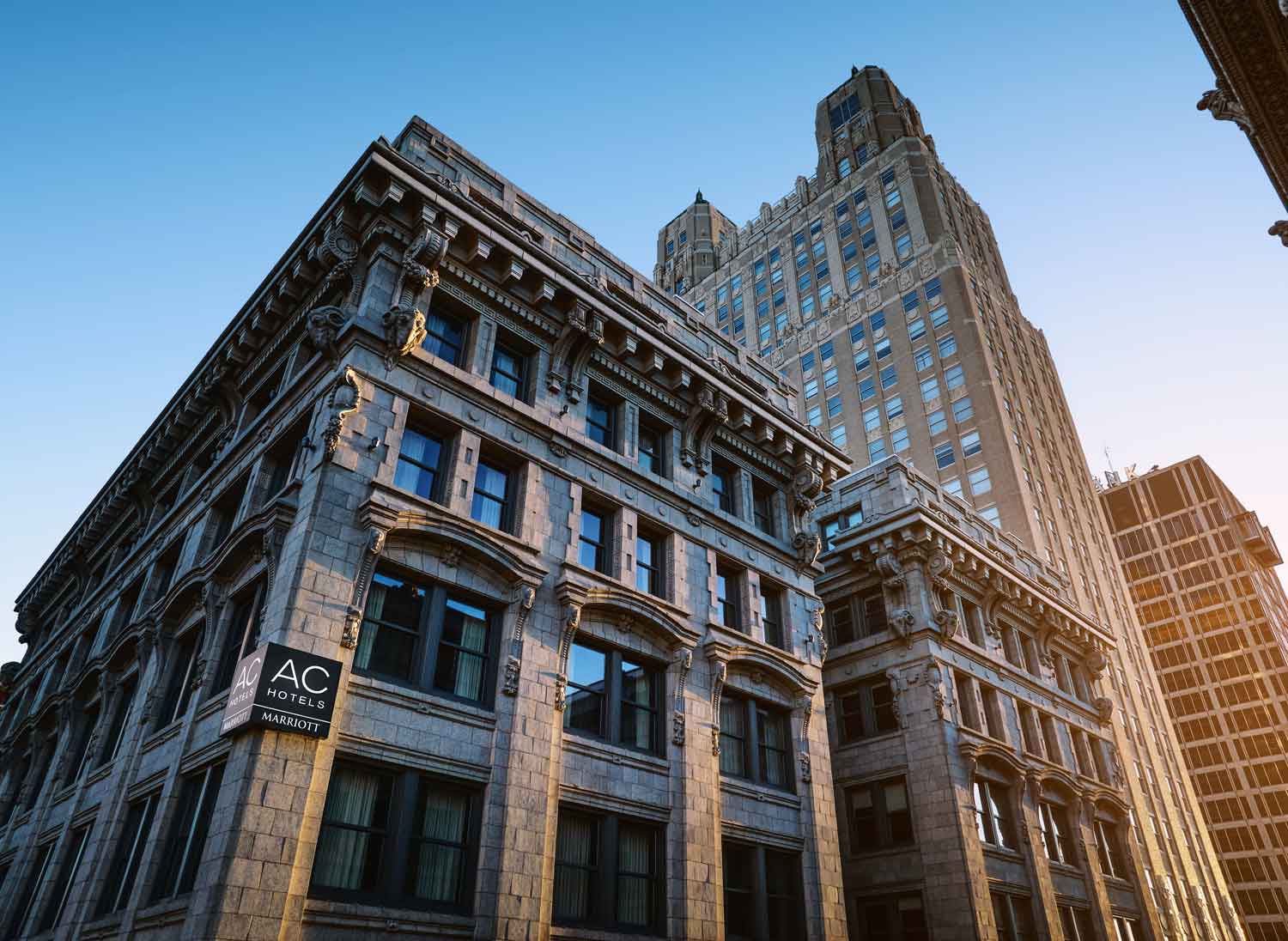
Kansas City’s historic Rialto building reopened in October 2024 as a 239-key AC Hotel by Marriott. Marriott’s AC brand is a select-service hotel, and is a top-performing brand in the Marriott portfolio. The renovation of the 155,000 square foot building will include a full-service bar on the ground floor, meeting rooms and a business center, a fitness center, and a Bonvoy club lounge on the penthouse level of the hotel. The project is located less than a mile from Kansas City’s highly sought-after Power and Light District (P&L), an eight-block entertainment area featuring over 50 bars, restaurants, and shops. The district’s covered outdoor event space, KC Live!, hosts more than 130 free events annually. The addition of the hotel in this area will continue to promote economic growth, providing those traveling for both business and leisure with a centrally located lodging option in the heart of the city.

NTCIC & Progress

Financing the Project

The renovation of the 155,000 square-foot historic Rialto Building is part of a larger trend of repurposing historic office spaces in response to the growing demand for more flexible and remote work environments. As traditional office use continues to decline, more and more historic buildings are being reimagined as hotels, housing, or retail spaces to accommodate the changing dynamics of urban life.

The renovation of Rialto was supported by NTCIC through an equity investment in the $11.1 million federal Historic Tax Credits and $12.5 million State Historic Tax Credits generated by the project.

Want to Discuss Your Next Project? Talk With Our Team Today.

We bring clear insight, deep experience, and strategic focus to every project, whether you're structuring complex capital or shaping long-term, legacy-driven development.

Name(Required)
Want to Discuss Your Next Project? Talk With Our Team Today.

Historic Tax Credits

$5.6 Million Federal
$7.2 Million State

New Markets Tax Credits

$8 Million

Total Project Cost

$44.2 Million

Project Partner

Washington University in St. Louis

Impact

Job Creation/Retention, & more

History

A Piece of St. Louis History

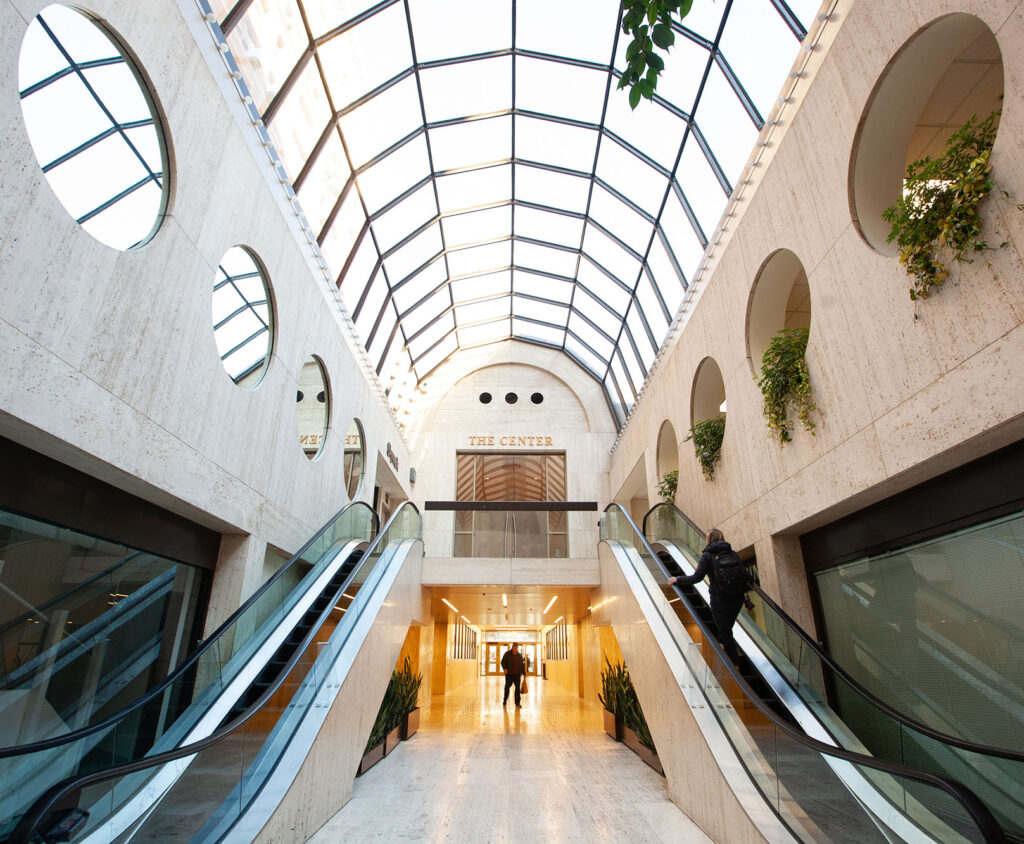
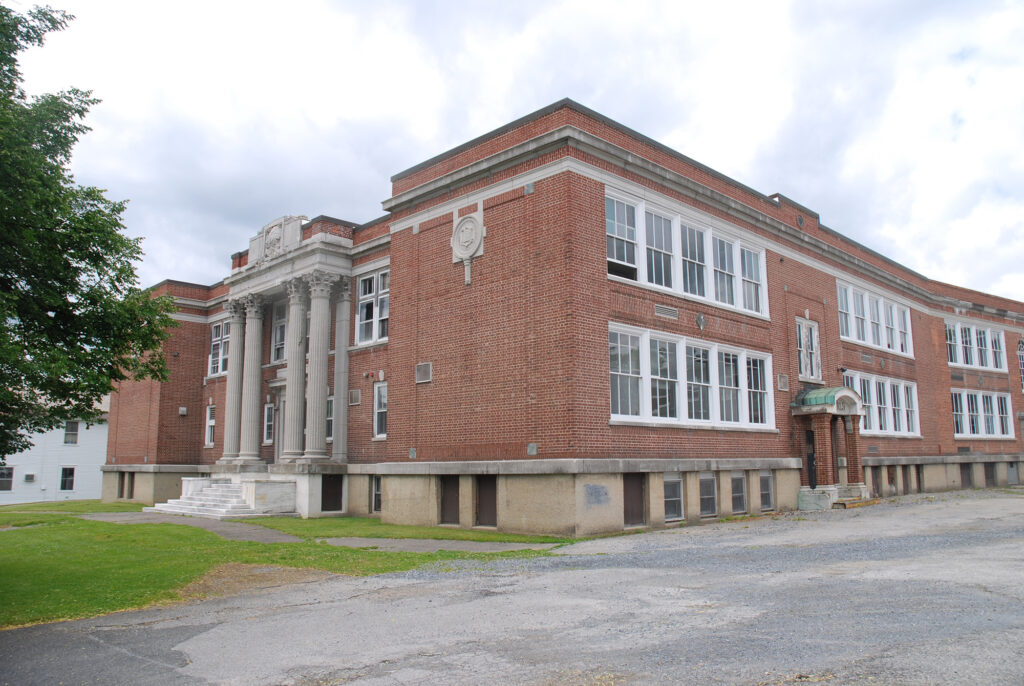
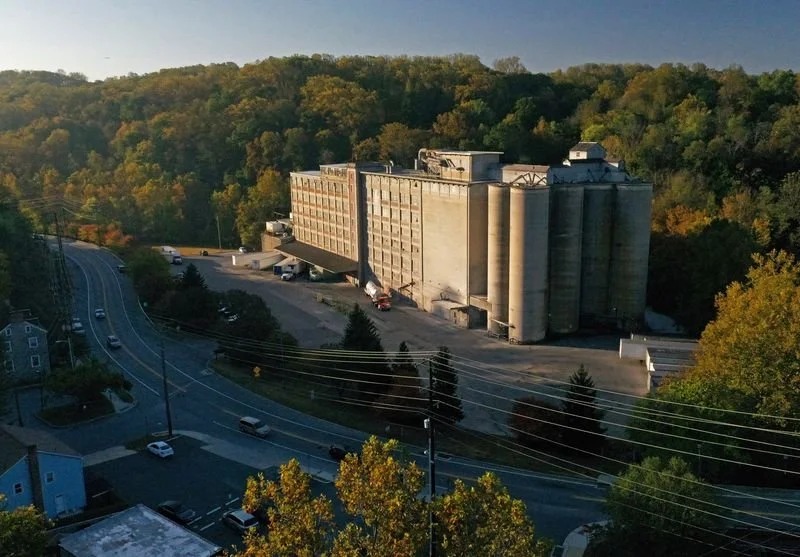
During the early part of the 1900s, rotogravure photo printing became a main part of newspaper printing in the US and Europe. To keep up with the times, many newspapers had third party companies print photo pages as additions to their newspapers. As demand increased, larger papers began to purchase their own equipment to make the rotogravure printing in-house. The St. Louis Post-Dispatch became one of a handful of papers to add this feature. When demand continued to increase, the Post-Dispatch looked to expand their operations with easier access to distribution of the paper.

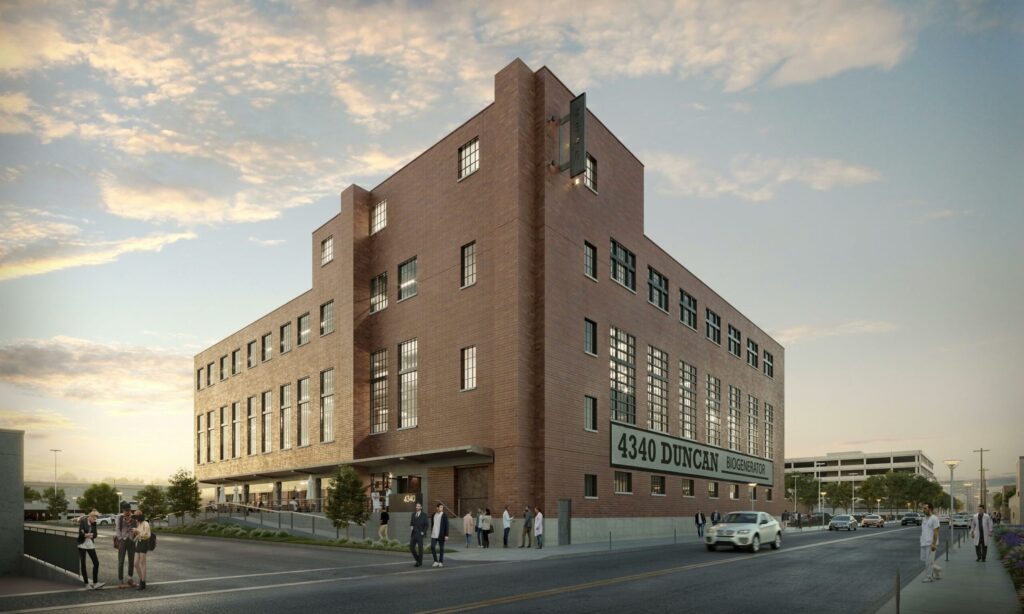
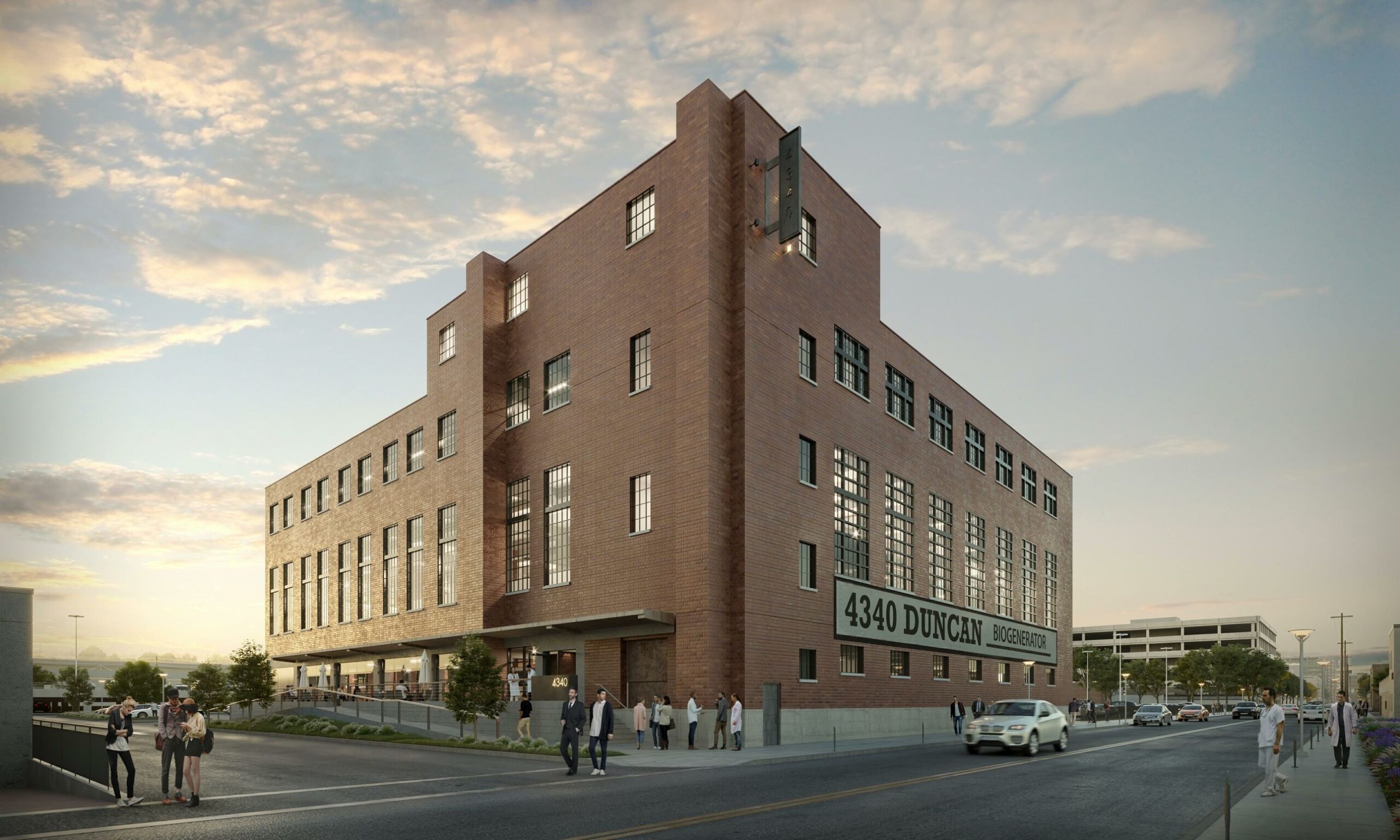
The location at 4340-4350 Duncan Avenue was a key spot between the railroad line and the streetcar lines. The building was completed in 1930 and continued to print all rotogravure photos through the 1970s for the Post-Dispatch. The Building was purchased by Crescent Parts & Equipment Company in 1976 who used it as a warehouse until 1994. A series of businesses occupied the building from 1995 through 2006. Currently, the building is vacant and owned by Washington University. The building was listed on the National Register of Historic Places on February 23rd, 2016.

20 Years in the Making
Revitalization Efforts

20 Years in the Making

The building is located in an area that became largely vacant by the early 2000s. In 2002, Wash U and Saint Louis University began to implement steps to create a 200-acre biotech focused area which is now known as the Cortex Innovation District. Since the start of the Cortex District, $500 million in investments has been made with 250 firms employing 14,000 employees.

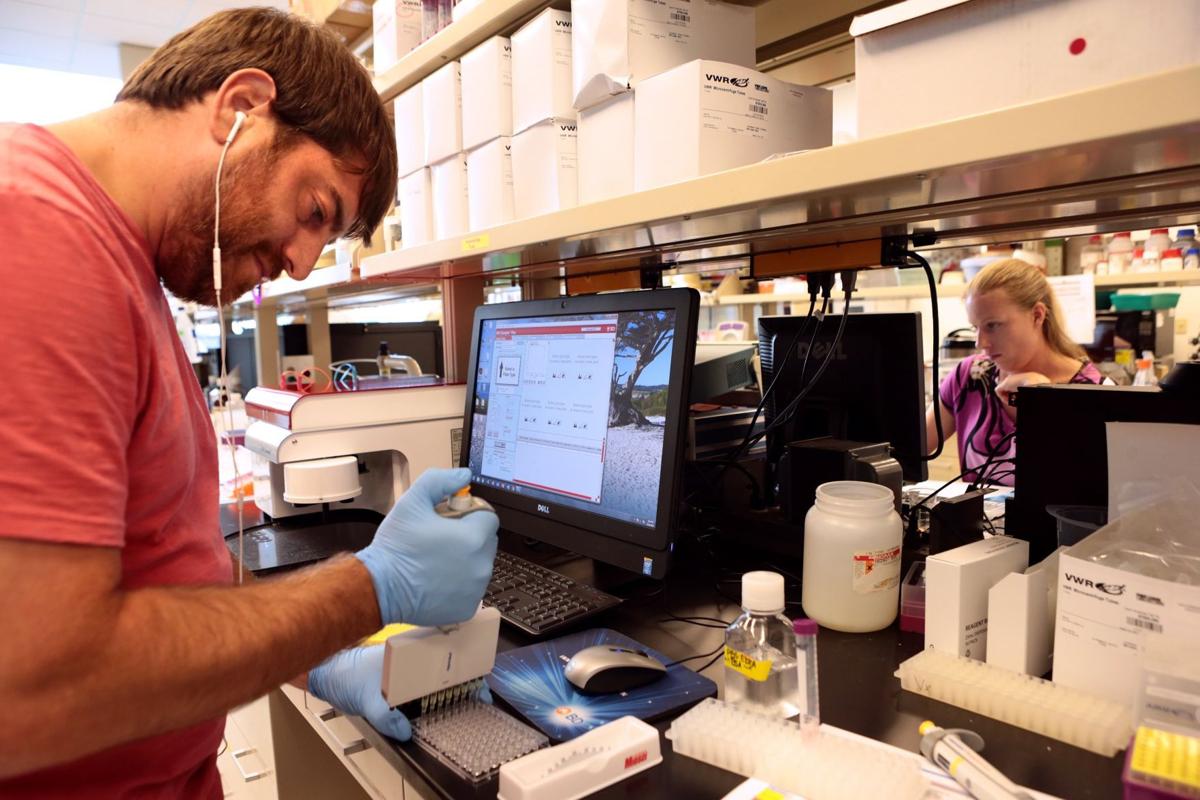
Wash U turned the building into a biotech accelerator to fill an existing need for below-market lab and life sciences research space in the area for companies ready to graduate from the incubator spaces but not yet financially stable enough to pay market rates. The accelerator has two biotech company tenants, BioGenerator, part of the BioSTL company, and Aclaris Therapeutic Inc. (“Aclaris”). Combined, the two companies lease 57,026 square feet out of 78,055 square feet of rentable space. Wash U also worked with the local chapter of NAACP to bring new workers and companies into the accelerator as well as the St. Louis Agency on Training and Employment (SLATE).


Community Impact

Creating Accessible, Skilled Positions

The project created roughly 300 permanent positions at the tenant businesses and worked with tenants to make best efforts to ensure that a minimum of 20% of those jobs were accessible to members of the local and low-income community. Tenants worked closely with the St. Louis Agency on Training and Employment (SLATE) to source job candidates that graduated from SLATE’s skilled-based training program and were ready for entry-level employment in the

biotechnology field.

BioSTL has led the Bioscience Inclusion Initiative (BII), which serves as St. Louis’ regional convener for efforts that increase the number of women and underrepresented racial minorities starting early-stage STEM businesses and entering the STEM workforce at all levels. This impact is delivered through three distinct strategies:

NTCIC & Progress

Economic Impact

Cortex Innovation District’s project, Duncan Biotech, was made possible, in part, by NTCIC through an equity investment in the $5.6 million in federal Historic Tax Credits (HTC) and $7.2 million in state Historic Tax Credits (HTC) generated by the project as well as a $8 million New Markets Tax Credit (NMTC) allocation.

Want to Discuss Your Next Project? Talk With Our Team Today.

We bring clear insight, deep experience, and strategic focus to every project, whether you're structuring complex capital or shaping long-term, legacy-driven development.

Name(Required)
Want to Discuss Your Next Project? Talk With Our Team Today.