New Markets Tax Credits

$1.7 Million

Total Project Cost

$6.7 Million

Project Partner

Jubilee Baltimore

Impact

Arts Education, Support, & Access

History

Auto Shop & Dance Academy

Built in 1909, the historic Odell Building at 21 North Avenue was one of the first, if not the first, commercial buildings located on what is now known as North Avenue in Baltimore City, Maryland. During the mid-1800s, Taney Place was an upper-class residential boulevard of many free-standing estates and large rowhouses. The street began to transition to more high-end commercial use with the construction of 21 North Avenue, which housed the Auto Outing Company, a luxury Buick sales and service station, and Tuttle’s Dancing Academy. Generations of Baltimore’s upper-class took lessons at this academy, including Wallis Simpson, the Duchess of Windsor.
During the 1920s, the street became fully commercial and catered almost exclusively to wealthy patrons. During this time, the founder of Auto Outing Company, JM Robbins, changed the business name to Robbins Buick, to reflect an increased focus on car sales. This period was short-lived and came to an end with the Great Depression of 1929. Robbins Buick closed its doors in 1932, but the ballroom remained.

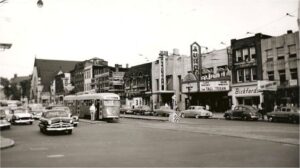
As the country recovered through the 1940s, the area around North Avenue shifted to serve the growing middle-class community and became a major point of connection for the city’s eastern and western residential areas. With excellent streetcar services, North Avenue became a social and entertainment center for Baltimore’s younger population, and the building became the social landmark. From the 1950s through the building’s vacancy in 1992, the building housed several famous nightclubs and venues, the most iconic of which being Odell’s. Opened in 1976, Odell’s was Baltimore’s premier disco venue through the 1980s and is often cited as the birthplace of Baltimore Club Music. Since the club’s closing in 1992, the building has sat vacant and waiting for revitalization.

An Inovative Campus
Revitalization Efforts

An Inovative Campus

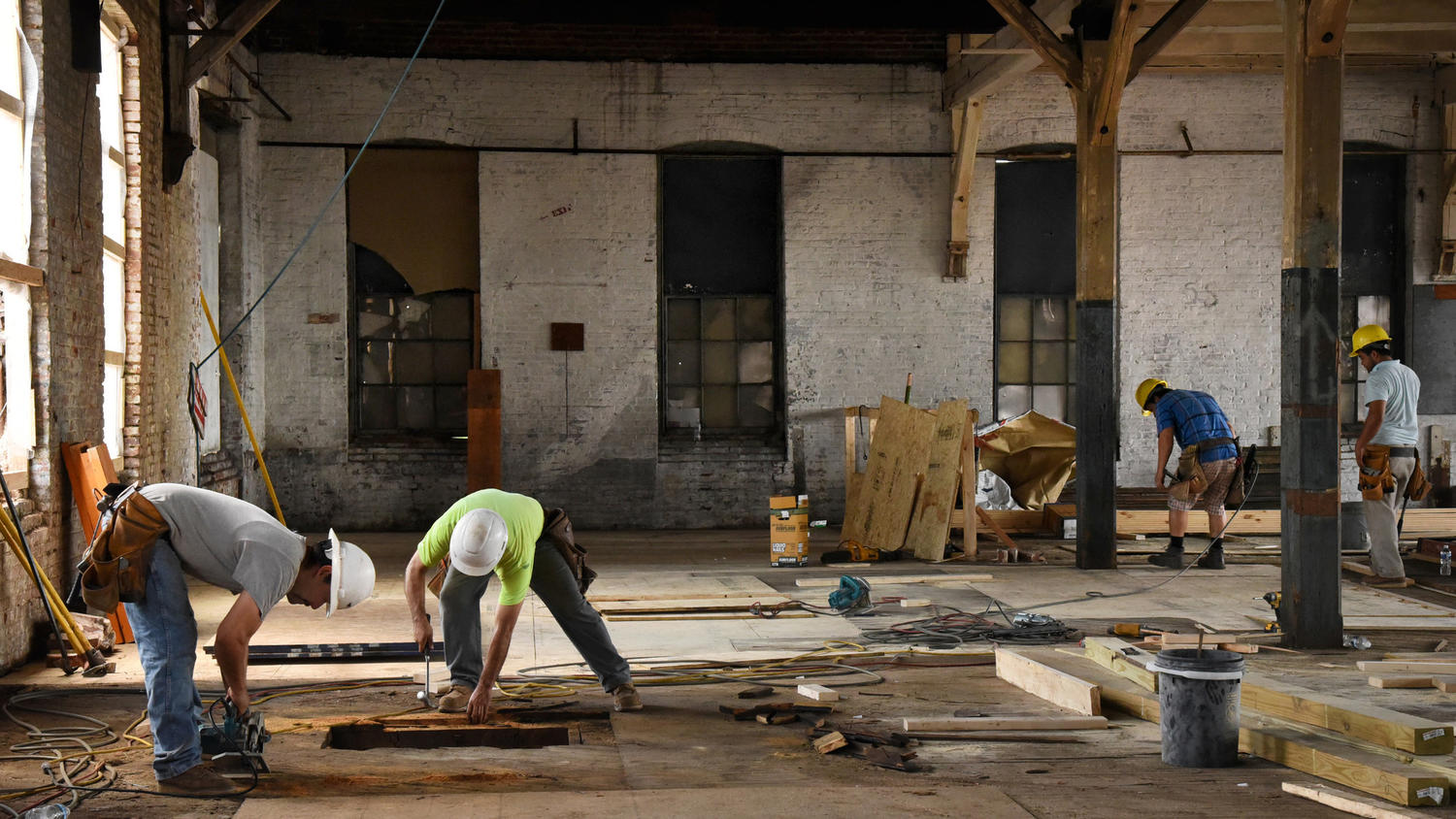
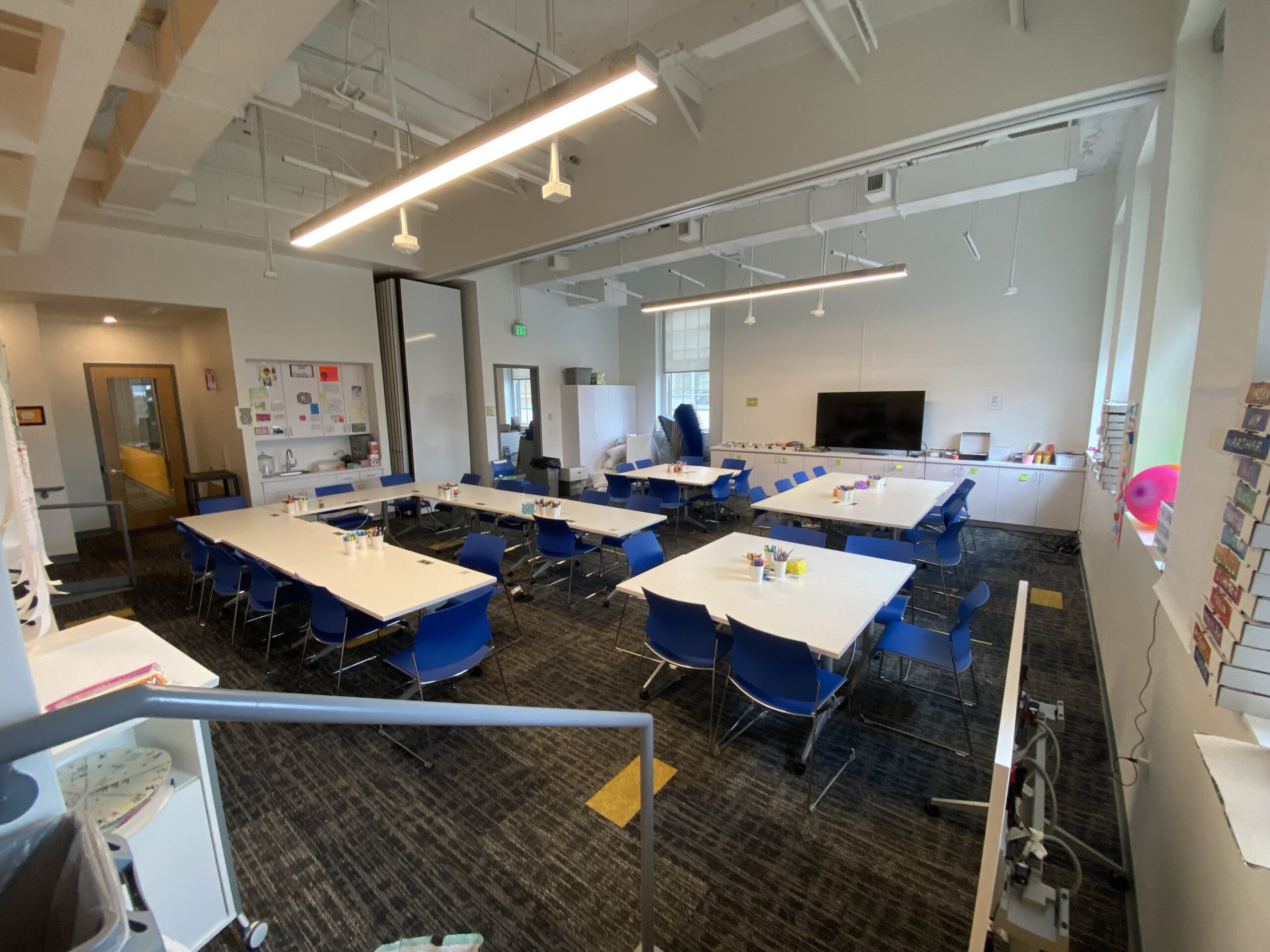
The redevelopment of the historic Odell building into the North Avenue Educational Hub will reactivate the 18,000 square foot landmark and become a new home to two Baltimore-based nonprofit organizations dedicated to enriching the lives of students.

A Neighborhood Landmark Revived

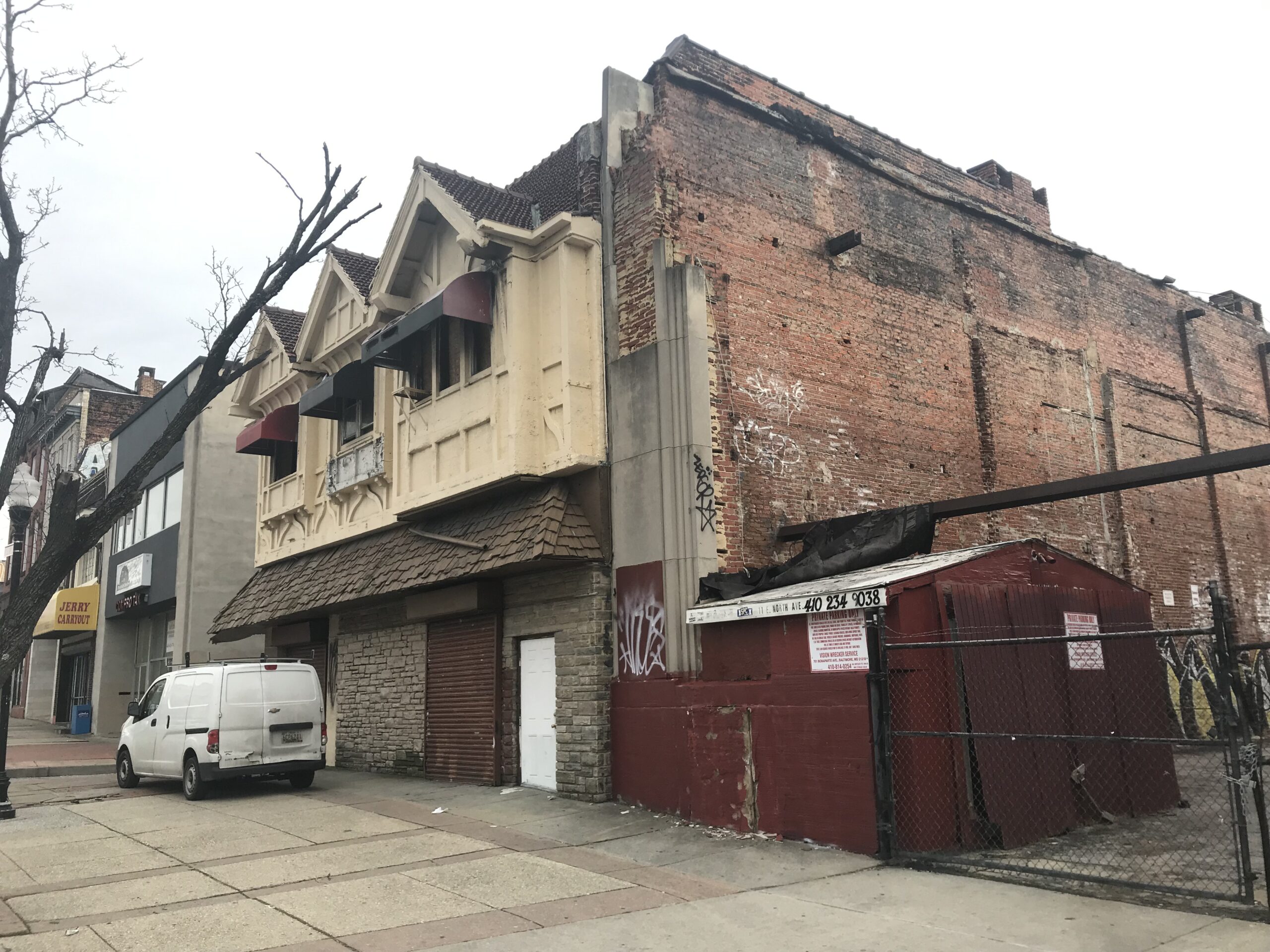
BEFORE

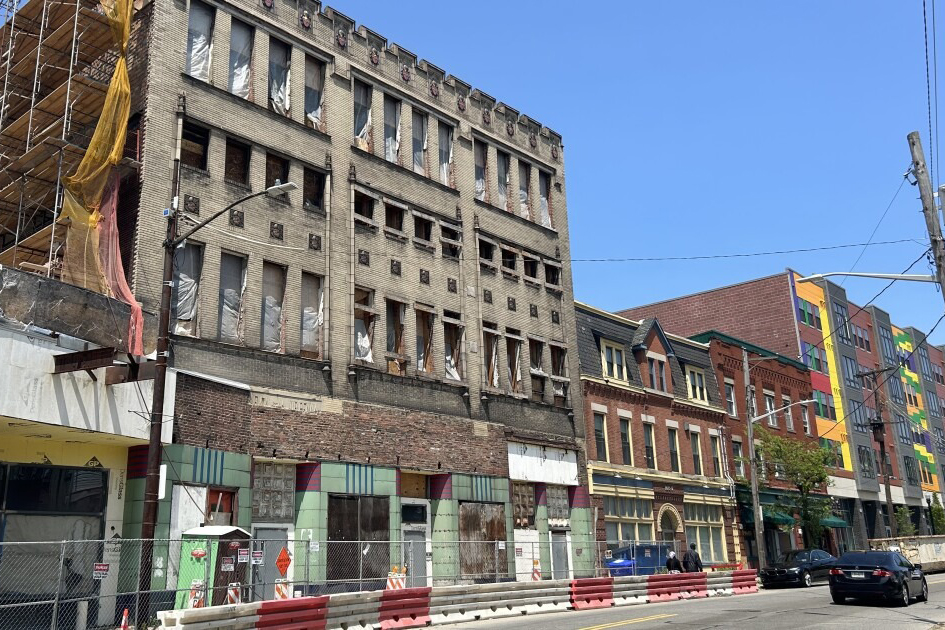
Vacant and Neglected

Since Odell’s closing in 1992, the historic structure sat vacant, ready to be revitalized.

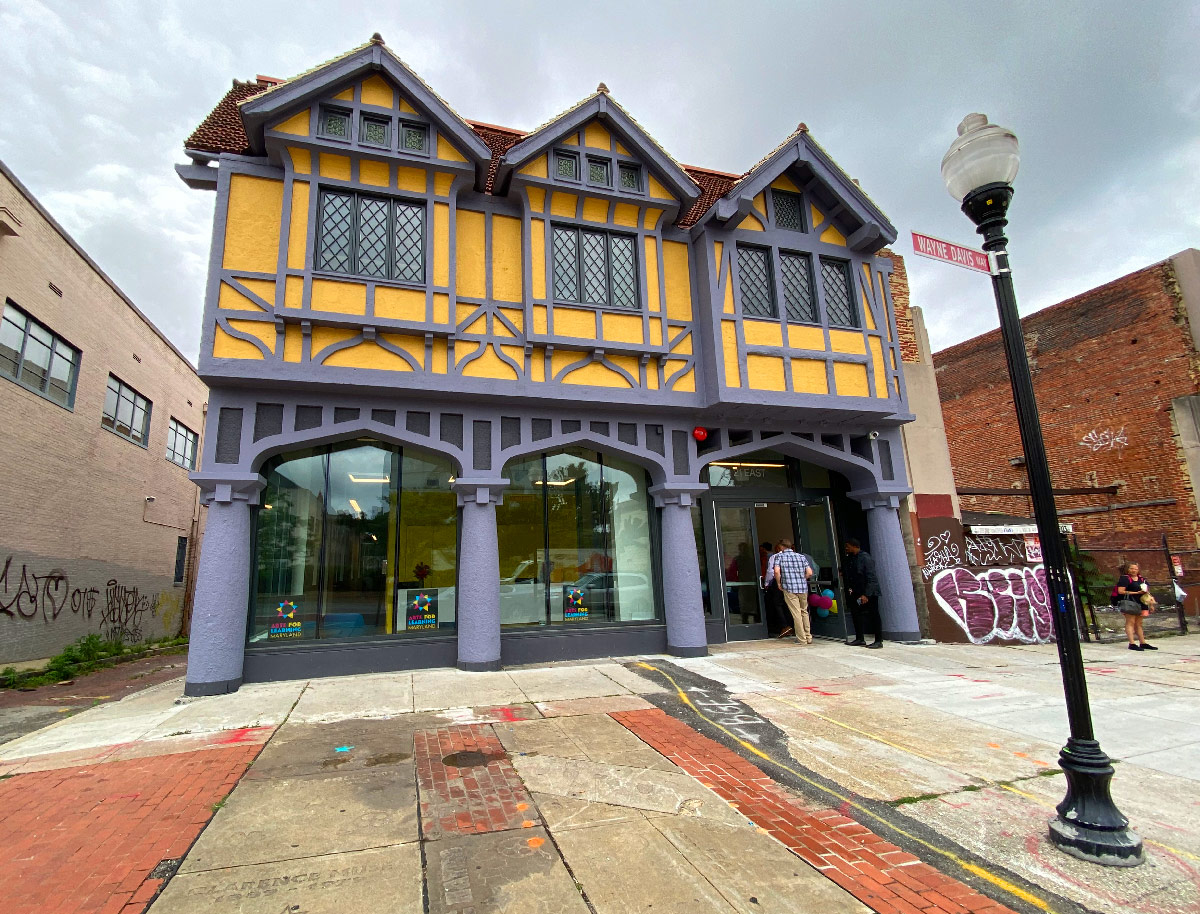
AFTER

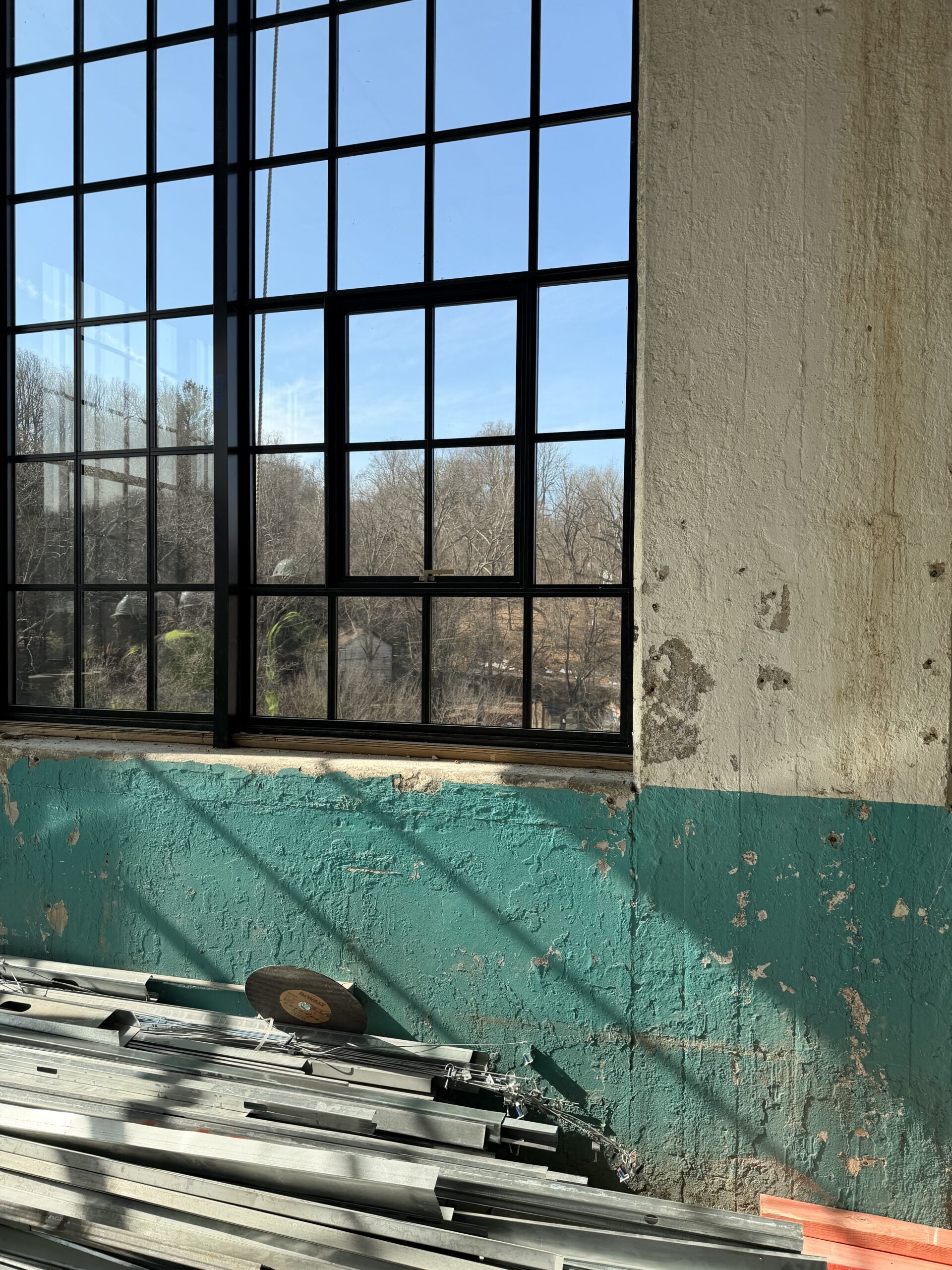
Reactivated for the Community

After its renovation, the historic building is now alive again, hosting two non-profits dedicated to serving the community

Community & Economic Impact

Community and Culture

The revitalization of this historic building, led by the nonprofit development organization Jubilee Baltimore, created positive community outcomes from the moment the first brick was laid. The construction team created roughly 57 full-time equivalent (FTE) jobs, all paying the Maryland Prevailing Wage (or higher). Additionally, the construction team worked with Project Jumpstart, a 14-week construction training program, to provide employment and training opportunities for Baltimore residents. Upon its completion, the expanded space and lower rents enabled both non-profit

organizations to hire additional employees, expand their training programs and help more children in Baltimore. In total, the project created and retained 62 permanent jobs, all of which pay a living wage (or higher), and provide healthcare, paid leave, retirement benefits, job training, and opportunities for advancement. The large space for Code in the Schools helped roughly 50 students gain access to computer science education courses on-site every day during the school year.

NTCIC & Progress

Financing the Project

The project financing was made possible, in part, the $1.7 million New Markets Tax Credit allocation, provided by NTCIC’s Irvin Henderson Main Street Revitalization Fund. This innovative use of the New Markets Tax Credit supports historic preservation efforts in Main Street communities that are of a development cost that may preclude them from some federal incentive programs. The project also utilized state and federal Historic Tax Credits, provided by additional funding partners.

Want to Discuss Your Next Project? Talk With Our Team Today.

We bring clear insight, deep experience, and strategic focus to every project, whether you're structuring complex capital or shaping long-term, legacy-driven development.

Name(Required)
Want to Discuss Your Next Project? Talk With Our Team Today.

Historic Tax Credits

$3.8 Million
Federal HTCs

New Markets Tax Credits

$5.3 Million

Total Project Cost

$21.2 Million

Project Partner

Humanim, Inc.

Impact

Social Services, Workforce Development

A Baltimore Brewery
History

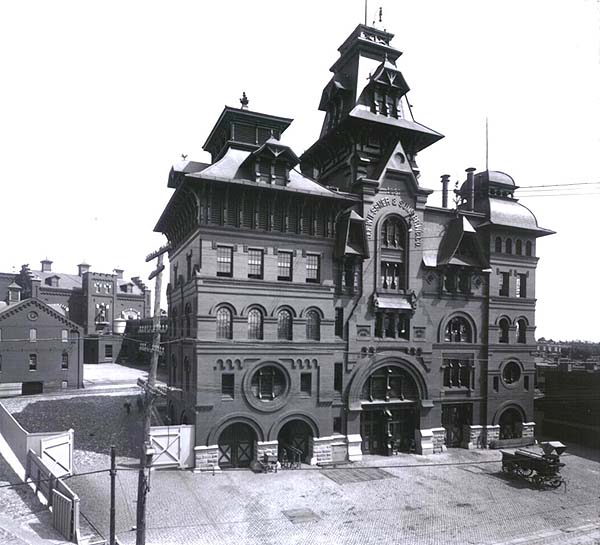
A Baltimore Brewery

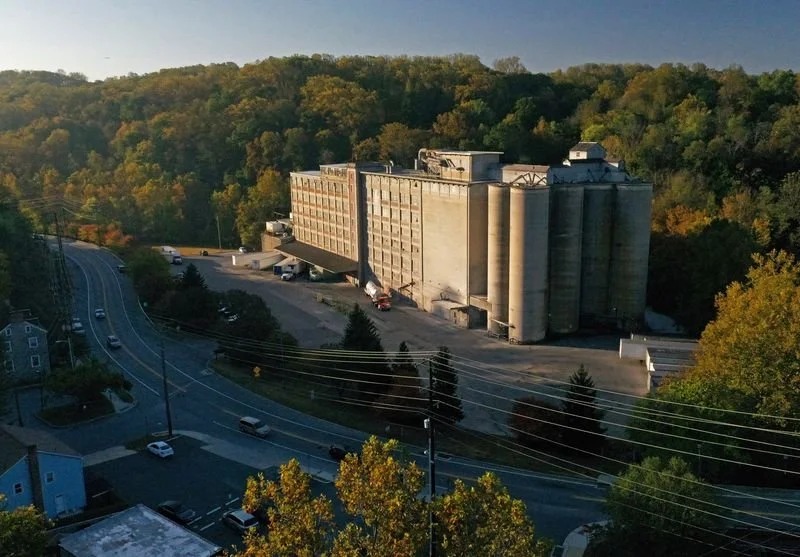
The five-story American Brewery Brewhouse building was built in 1887 in East Baltimore as part of a five-acre brewery complex. It operated as a brewhouse and beverage plant until its closing in 1973. The building and an adjacent bottling plant were donated to the City of Baltimore in 1977. After several failed redevelopment attempts by various entities, Streuver Brothers, Gotham Development, and Humanim were awarded the rights to develop both properties in 2005. Thanks to vision and dedication, the long-time vacant Brewhouse is now office and program space for Humanim, a 35-year old nonprofit social and human services provider.

A Beacon in the Midst of Blight
Revitalization Effort

A Beacon in the Midst of Blight

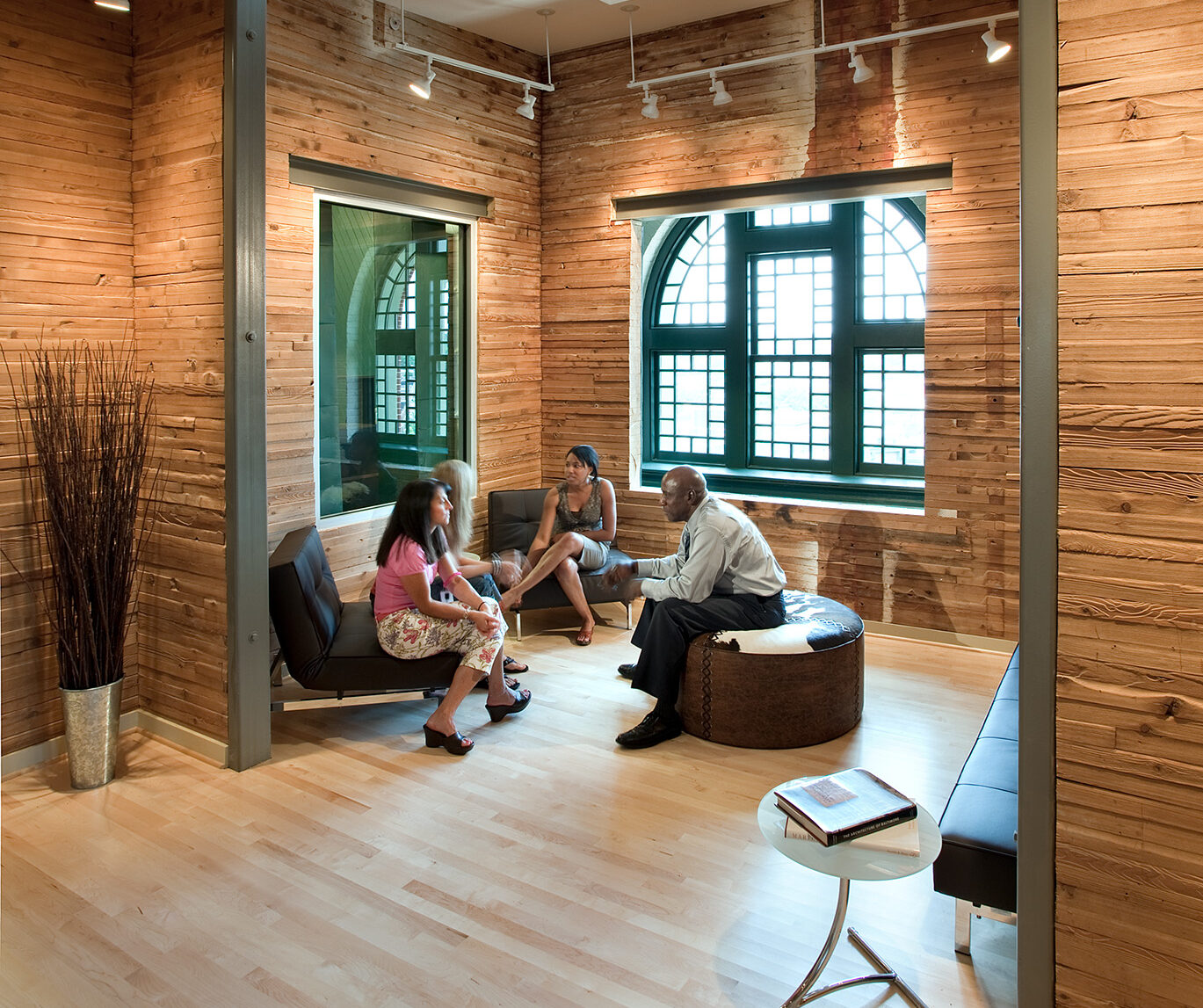
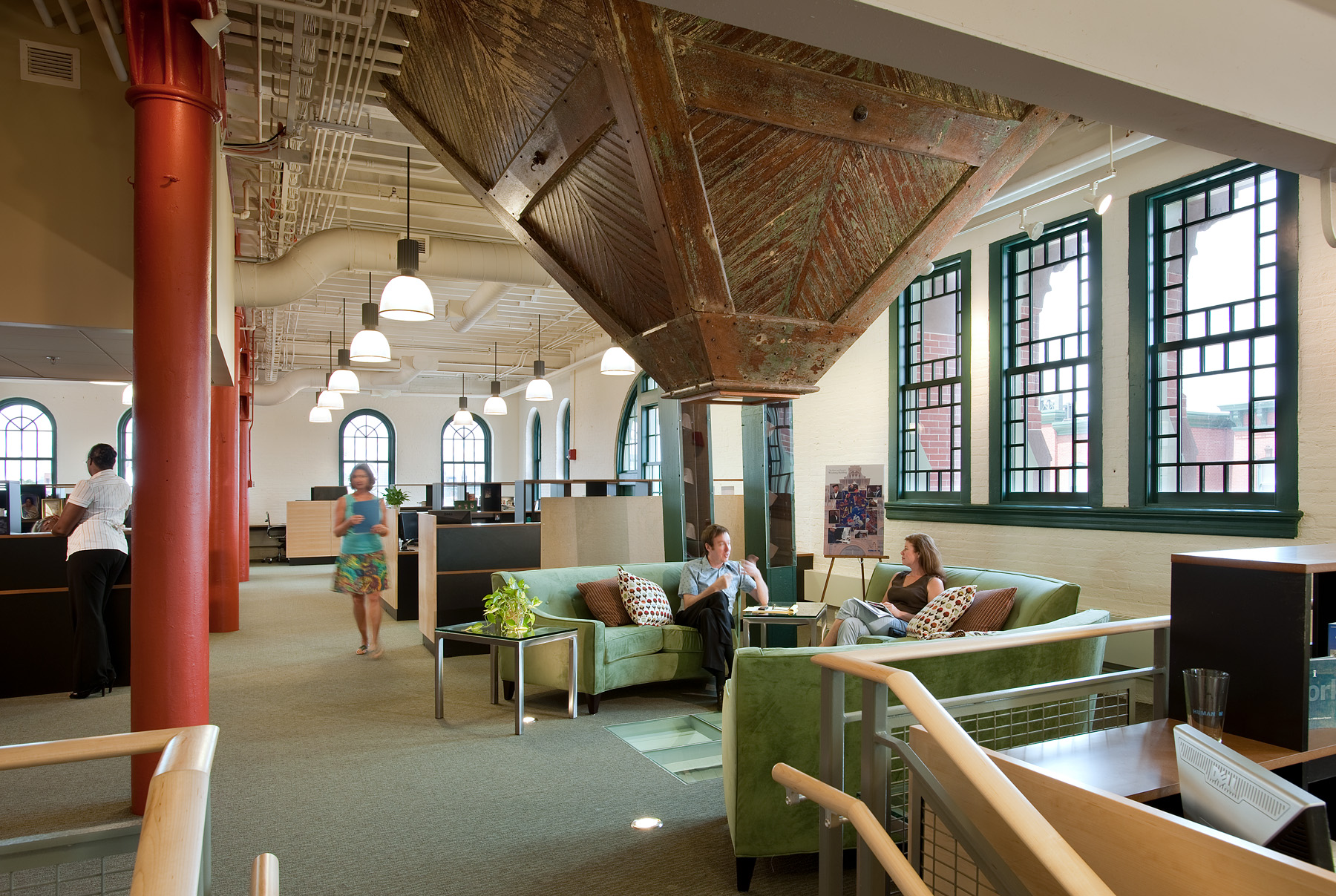
The reuse of the American Brewery Building is a huge boon for its Broadway East neighborhood – one characterized by poverty and a high degree of abandonment and blight. Roughly half the properties in the area are vacant or have been demolished. The building was in poor condition and necessitated an extensive, $24 million rehabilitation. Approximately 80% of the existing wood windows were retained and repaired, the west tower underwent substantial structural repair and interior reframing throughout the building was necessary. New electrical, plumbing, and mechanical systems were also installed. The rehabilitated Brewhouse enables Humanim to consolidate its operations and expand its existing employment and clinical service programs. These include services for individuals with developmental, emotional, neurological, and physical disabilities.

NTCIC & Progress

Impact & Financing

The project returns a building into a high-quality, high-character home for an established social services agency that provides workforce development services and job creation opportunities to a neighborhood desperate for economic revitalization. The surrounding census tract has a 51% poverty rate and an unemployment rate more than four times the national average. A rehabilitated American Brewery Building is a beacon of hope for continued economic

investment and revitalization in one of the most neglected and desperate areas of Baltimore.

NTCIC facilitated the investment in the $3.8 million of federal Historic Tax Credits generated by the $21.2 million historic revitalization efforts and provided $5.3 million in New Markets Tax Credit allocation to ensure the project’s success.


Connect with Us

Curious About How Historic Tax Credit Investments Drive Real Impact?

Kandi Jackson leads tax credit investment activities with deep expertise in project finance, equity structuring, and compliance. When you speak with Kandi, expect clarity, honesty, and a clear roadmap for how your next investment can work in your portfolio.

Connect with Kandi

Check Out Similar Projects Here

Browse all projects

Want to Discuss Your Next Project? Talk With Our Team Today.

We bring clear insight, deep experience, and strategic focus to every project—whether you're structuring complex capital or shaping long-term, legacy-driven development.

Name(Required)
Want to Discuss Your Next Project? Talk With Our Team Today.

New Markets Tax Credits

$5 Million

Total Project Cost

$10 Million

Project Partner

Cross Street Partners

Impact

Workforce Development, Sustainability

History

A Global Canning Industry is Formed

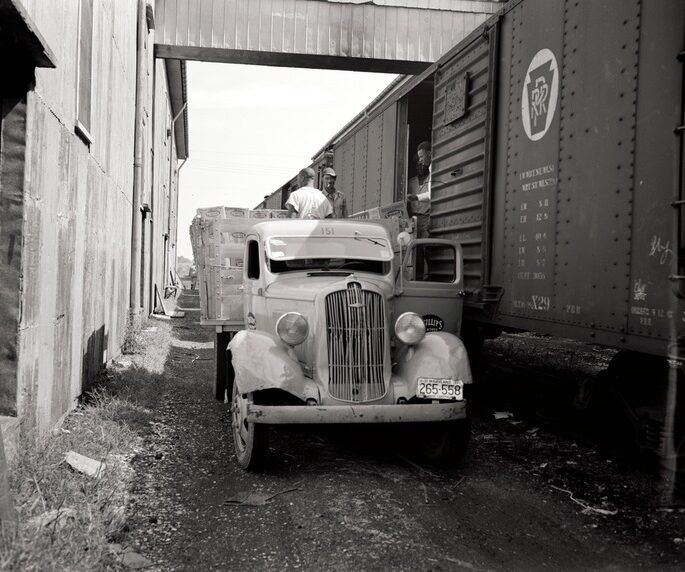
Phillips Packing House Historic Image

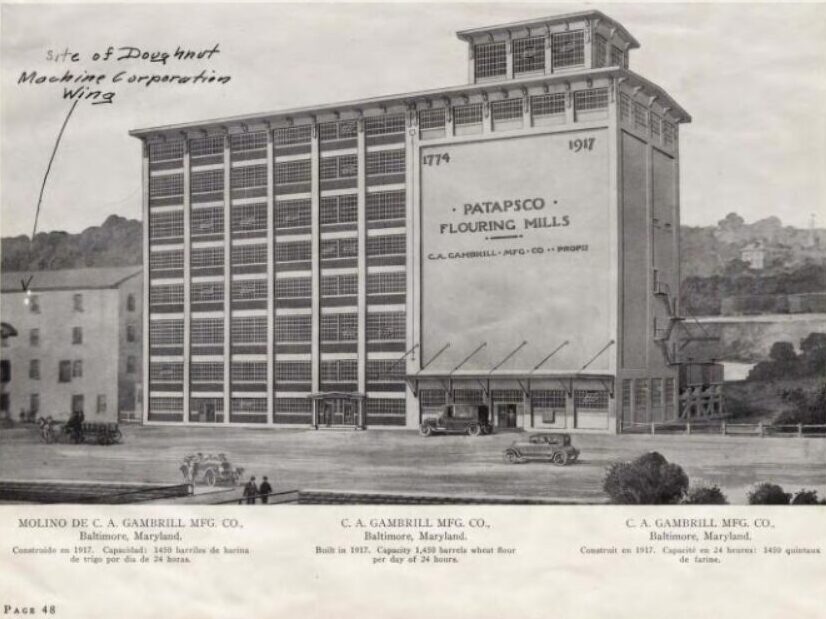
Nestled between the waters of Chesapeake Bay and the farmland of the Eastern Shore, The Phillips Packing Company utilized these nearby resources to become a leading cannery in the United States. As the company grew, it acquired its final building in 1930, one of the largest factories in Cambridge, Maryland. “Factory F,” as it was known, became the headquarters for the company’s successful tomato operation, where they soon became a global name as the largest producer of canned tomatoes in the world.

The company also extended its goods to the war effort, becoming the main supplier of individual canned and pre-cooked meals (known as C-rations) to soldiers during World Wars I and II. In the 1930s, it also supplied food and provisions to Antarctic explorers. These successes put Cambridge on the map, and the community reaped the benefits.

At one point, the Phillips Packing Company employed about a quarter of the population of Cambridge. It was also one of the few desegregated employers; anyone and everyone was welcome to work in the hustle of the factories.

The Phillips Packing Company continued to be an economic staple, eventually expanding into trucking and oil before it was finally sold to Consolidated Foods (now a Sara Lee Corporation) in the 1960s. Factory F was the only remaining production building from the Phillips Packing Company empire.

New space at the Packing House
Revitalization Efforts

A New Generation

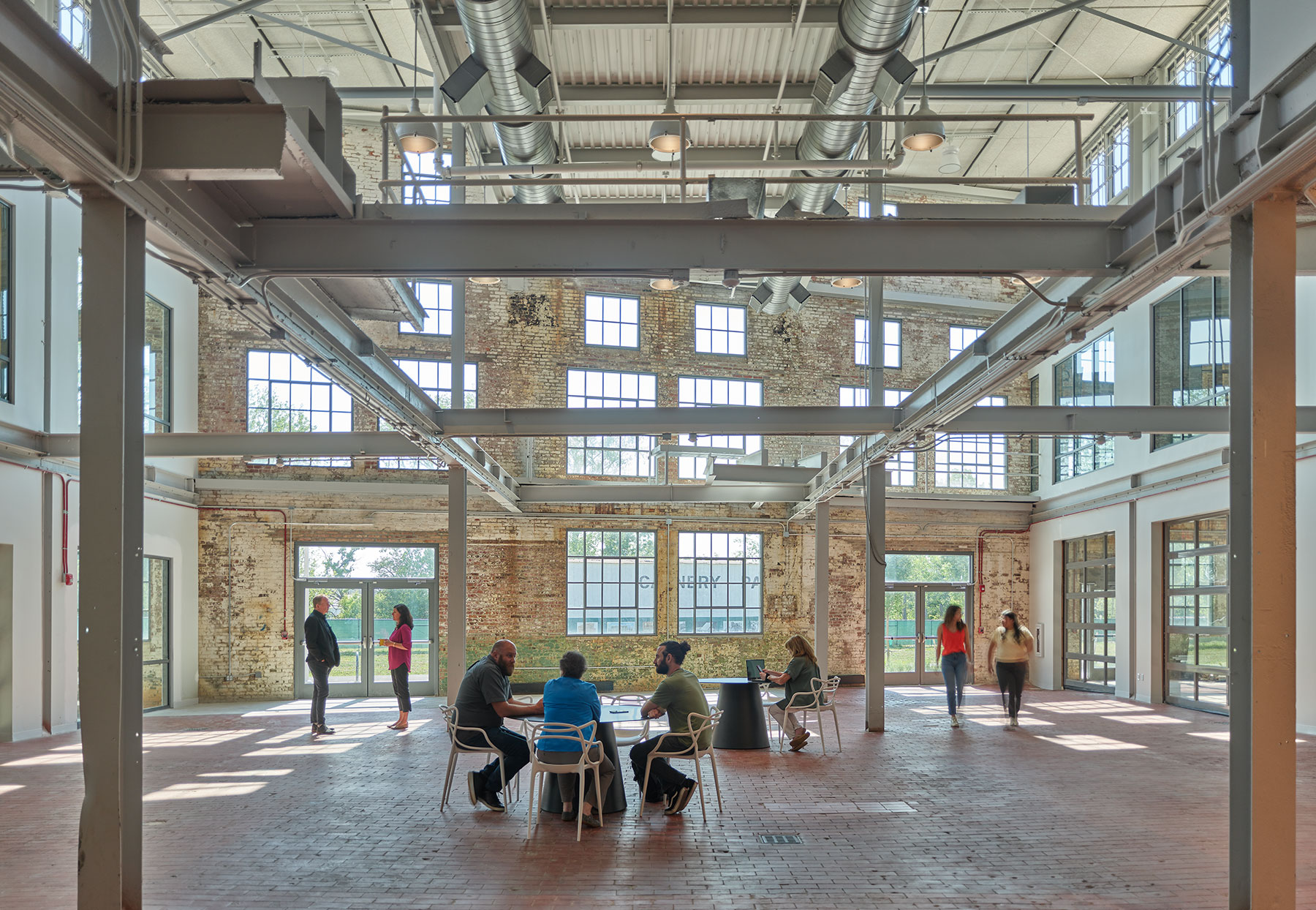
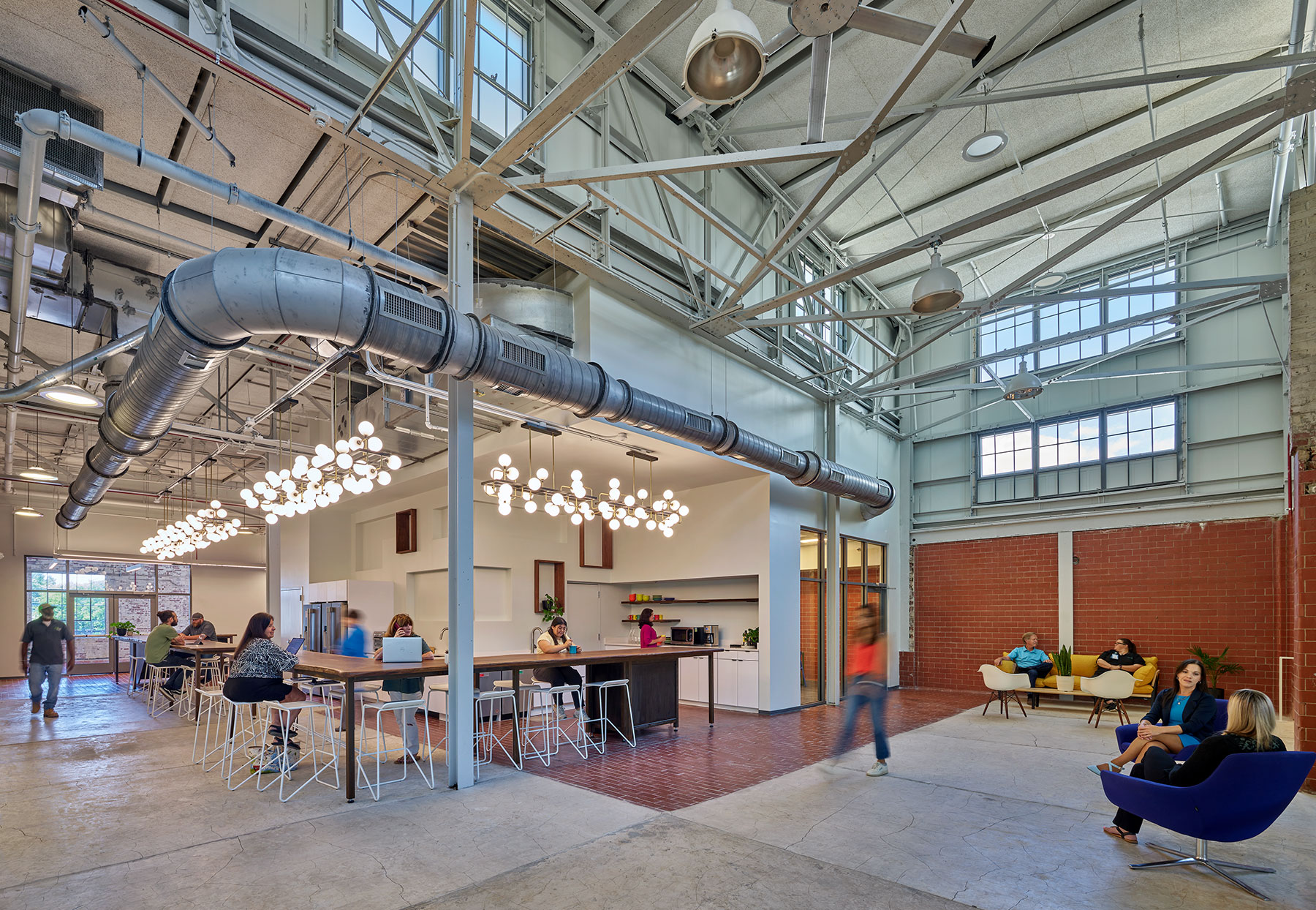
The historic warehouse has become the Packing House and will continue its legacy of the Chesapeake by creating an environmentally sustainable space for emerging entrepreneurs, workforce development, and aquaculture.

The Packing House provides space for local businesses supporting Chesapeake Bay revitalization efforts, commercial kitchen opportunities for food business startups, and workforce development training opportunities for individuals seeking new employment.

Community Impact

A Thriving Community Asset

The Cambridge community is once again benefiting from jobs created from within The Packing House. The extensive construction and preservation efforts generated 110 construction jobs, and as the tenant businesses grow in their new spaces, they’ll create and retain a projected 161 permanent jobs. 100% of the construction and permanent positions will be quality, well-paying jobs targeting and supporting the community.

The tenants of the building are dedicated to giving back to the community through various programming and support. The Maryland DHCD operates a Community Engagement Center within the Packing House to host training and certification programs for residents, including holistic health, continuing education in the medical field, farming certifications, and landscaping certifications.

MERGE is focusing on career growth support by operating one of Cambridge, Maryland’s few incubation hubs and shared office space, with a focus on education.

The new collaborative space will support an estimated 50 entrepreneurs each year. Several active MERGE members, such as the Dorchester Foundation, are community-oriented and operate youth employment programs targeting low-income families.

Food entrepreneurs will also benefit from the new space, with Four Eleven Kitchen offering classes, support, and training in its food concept spaces. Four times a year, it will offer six—to eight-week programs for six young chefs (24 annually). The Four Eleven Kitchen will also offer an additional 10–20 food concept production platforms for others looking to try their hand in the kitchen.

All of this and more will take place in the newly renovated Packing House. This historic, 60,000-square-foot industrial warehouse has been awarded LEED Gold certification for meeting high standards in energy efficiency, water conservation, and material reuse. It is projected that the restored Packing House will conserve 148.9 MWh of electricity each year, equivalent to the amount of energy used when burning 120,000 lbs. of coal.

Chesapeak Bay Restoration

Blue Oyster Environmental donates processed oyster shells to support spawning and environmental remediation

Food Startups

24 young chefs supported annually at Four Eleven Kitchen
10-20 food concept production platforms supporting new food training

Entrepreneurial Support

50 entrepreneurs supported annually at MERGE offices

Job Creation

110 construction jobs created
161 permanent jobs created/retained

Environmental Impact

LEED Gold certified construction
Conserving 150 MWh of Electricity Annually

NTCIC & Progress

Financing the Project

The $10 million phase II of the historic restoration of the Packing House was made possible through public and private financing, including a $5 million New Markets Tax Credit allocation from NTCIC. This critical funding will ensure the tenants’ spaces are activated so they can grow and support more members of the surrounding community.

Additional Phase II funding sources included Historic Tax Credit equity and $2.5 million in additional NMTC allocation from U.S. Bancorp Community Development Corporation. Phase I of the Packing House development, totaling $26 million in development costs, began in 2021 and was completed in 2023.

Want to Discuss Your Next Project? Talk With Our Team Today.

We bring clear insight, deep experience, and strategic focus to every project, whether you're structuring complex capital or shaping long-term, legacy-driven development.

Name(Required)
Want to Discuss Your Next Project? Talk With Our Team Today.