
Federal Historic Tax Credits

$41 Million

New Markets Tax Credits

$12.5 Million

Total Project Cost

$280 Million

Project Partner

Ancora Partners

Impact

Job Creation, Healthcare Access, and more.

History

General Electric Complex

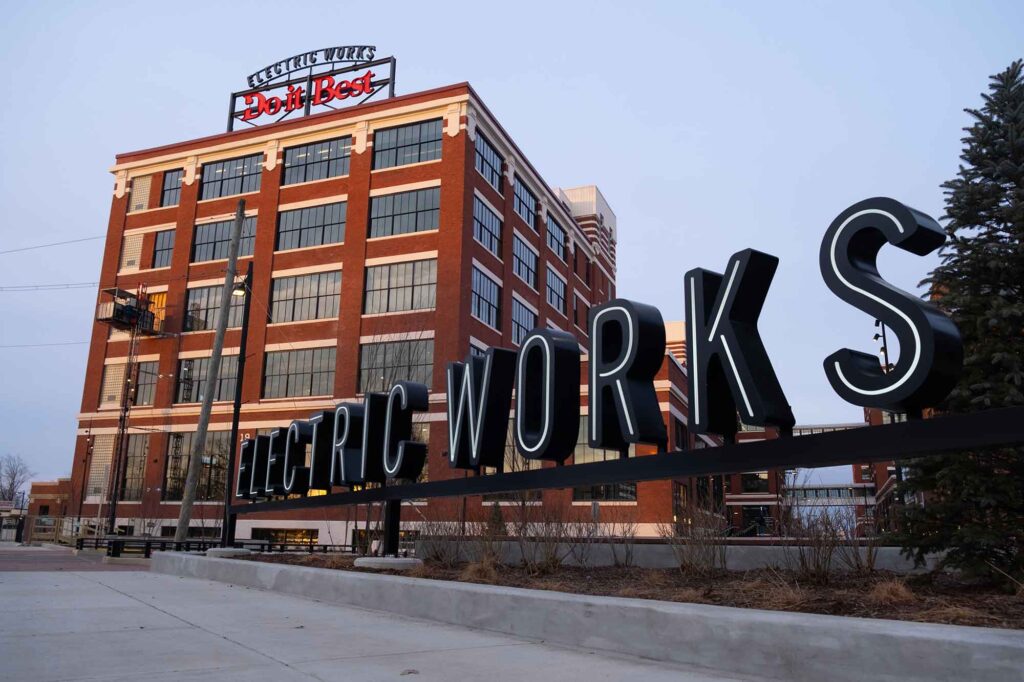
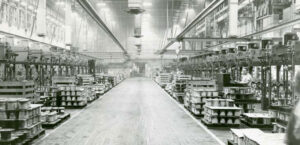
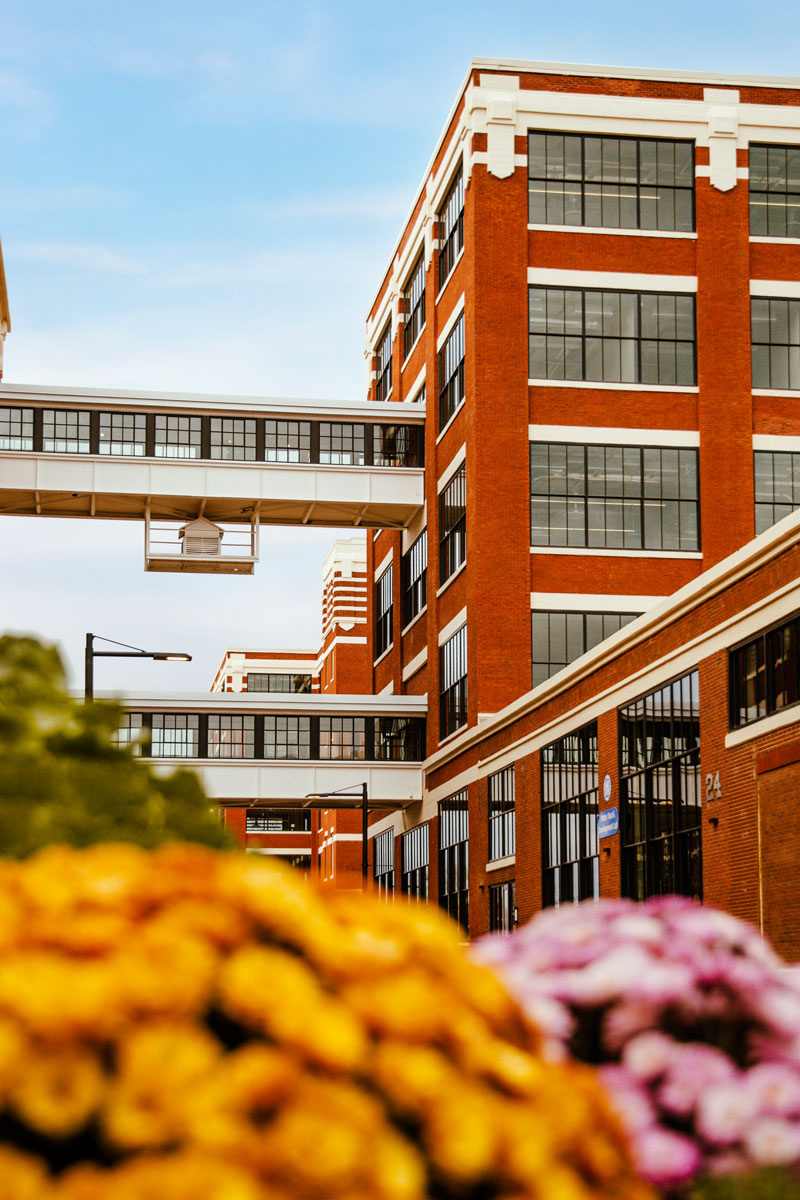
The historic General Electric complex and its contribution to the community began in 1881 with the establishment of the Fort Wayne Electric Company. After meeting with the inventor of one of the earliest variations of arc lighting, local entrepreneur Ranald Macdonald established the Fort Wayne electric company to manufacture and sell the Jenney arc lighting system for Indiana and four other states. Within four years, the Fort Wayne Electric Works had grown from a start-up enterprise to a successful and growing business. By 1892, Fort Wayne Electric caught the eye of and was acquired by the General Electric (GE) company, one of the three largest electrical companies in the country at the time.
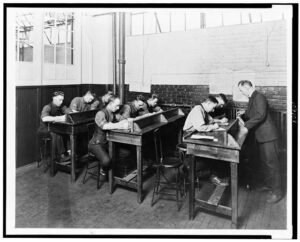
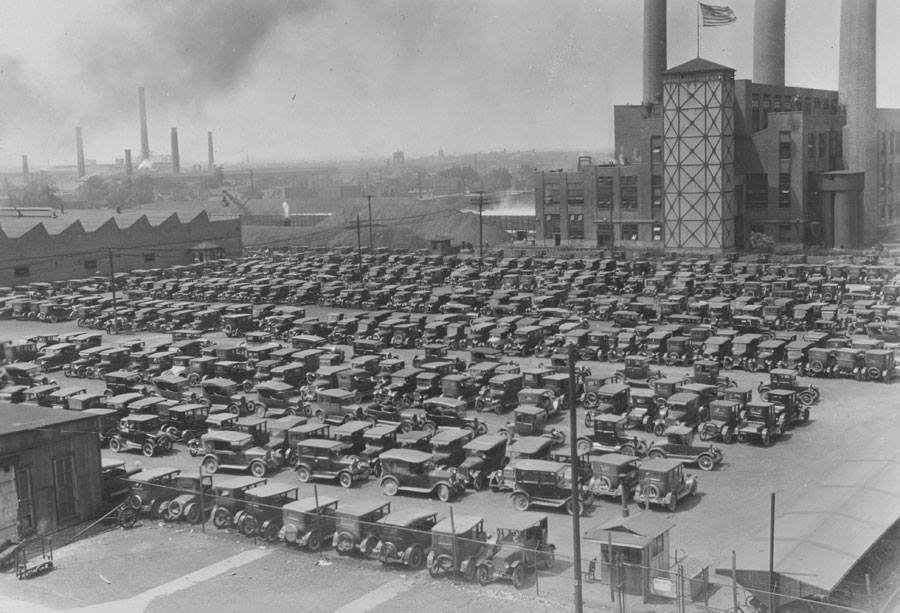
Upon taking control of the Fort Wayne Electric Works, General Electric invested heavily in expanding its operations in Fort Wayne. Through World War I and into the heady economic years of the 1920s, the company continued to grow exponentially. The company was at the forefront of the rise of electrical streetcar systems and the leader of electrical consumer appliances. As America electrified, General Electric grew rapidly. By the mid-1940s, the complex supported more than 20,000 employees.
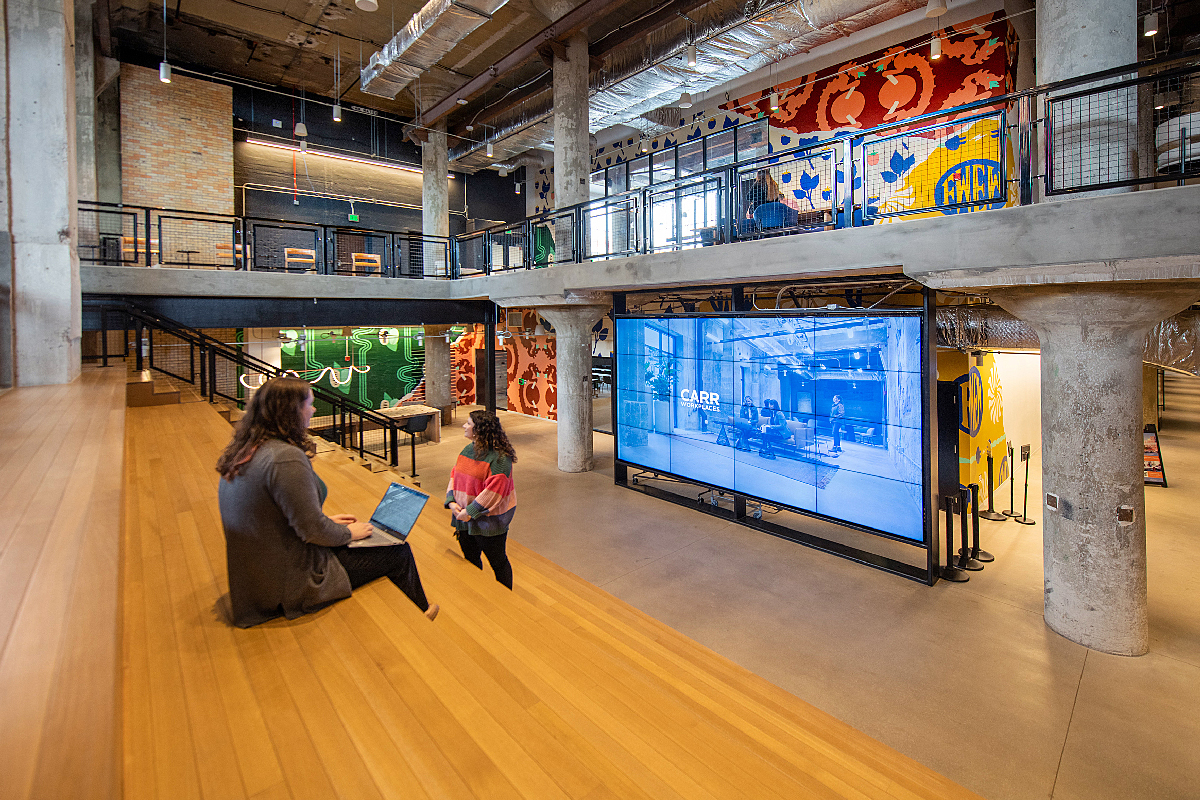
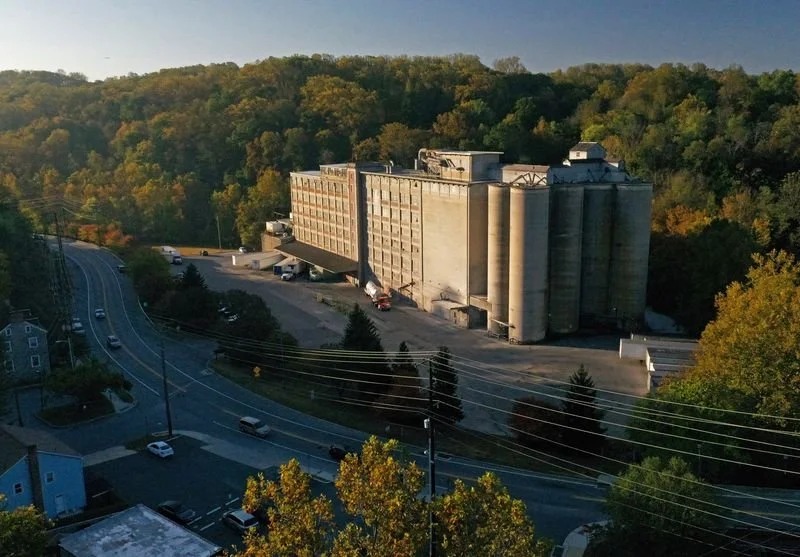
However, through these decades, GE’s national footprint continued to expand and its prioritization of the Fort Wayne location began to diminish. By the 1950s, the Fort Wayne location was no longer the epicenter of GE’s key business. Over the ensuing years, production and employment levels at the Broadway campus dropped consistently and at times significantly as GE shifted production to newer, more efficient factories with cheaper and typically non-union workforces. Thus beginning in the Post-World War II years, the Broadway campus no longer served as a singular symbol of Fort Wayne’s industrial-strength, but rather one of many GE assets to be managed by GE’s corporate headquarters in Schenectady, New York. The company permanently closed the 39-acre complex in 2015 and it was acquired in 2017 for redevelopment by a partnership led by Durham-based Ancora Partners.

An Inovative Campus
Revitalization Efforts

An Inovative Campus

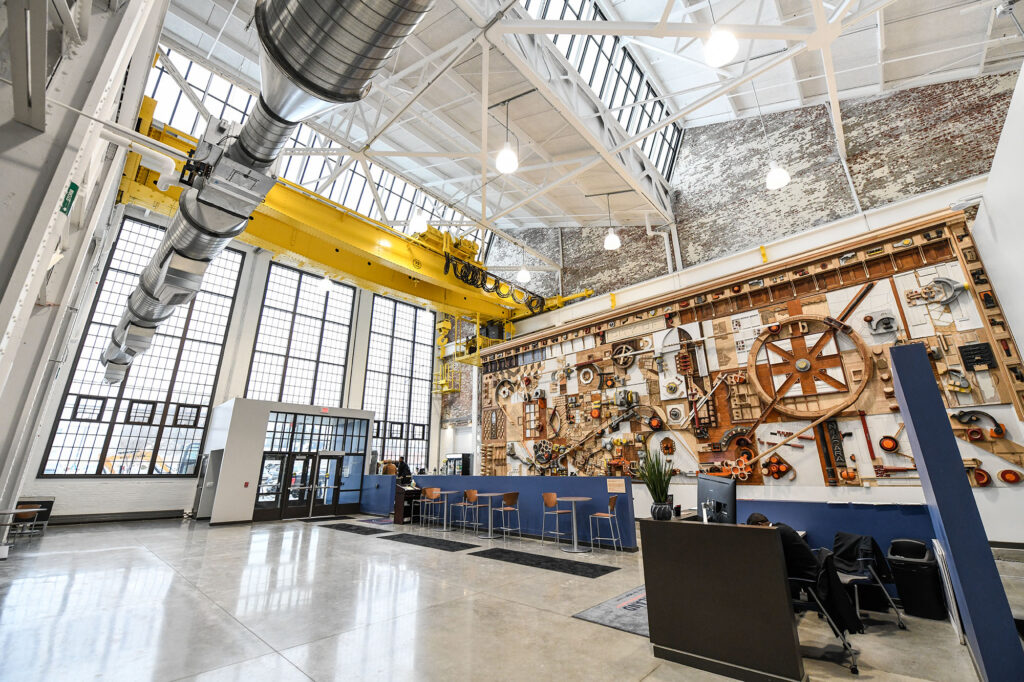
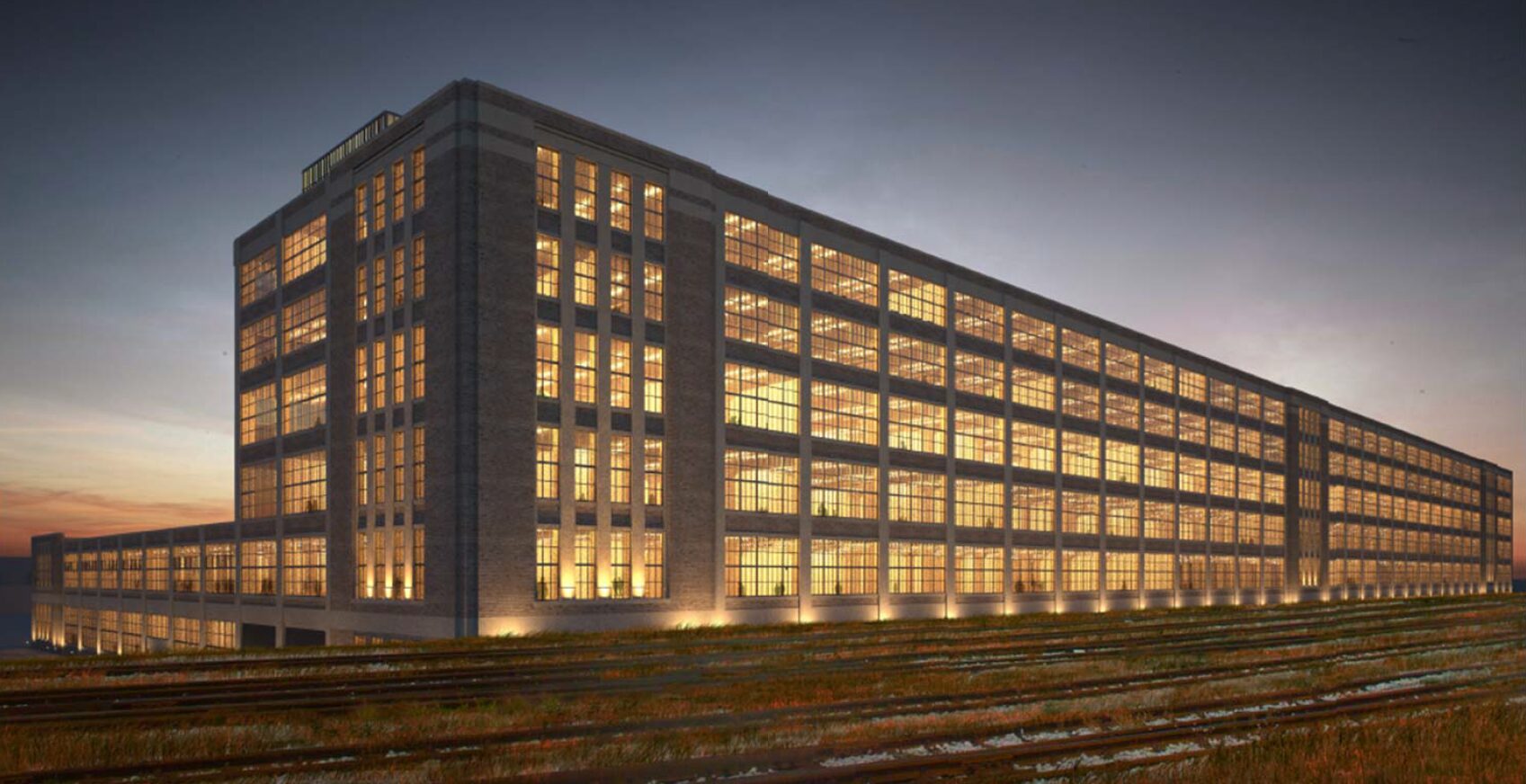
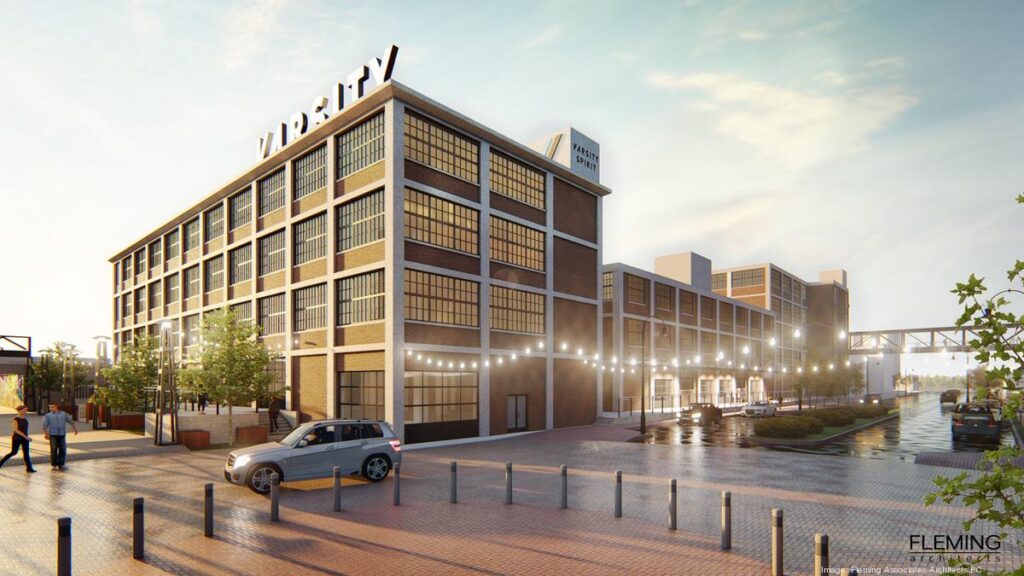
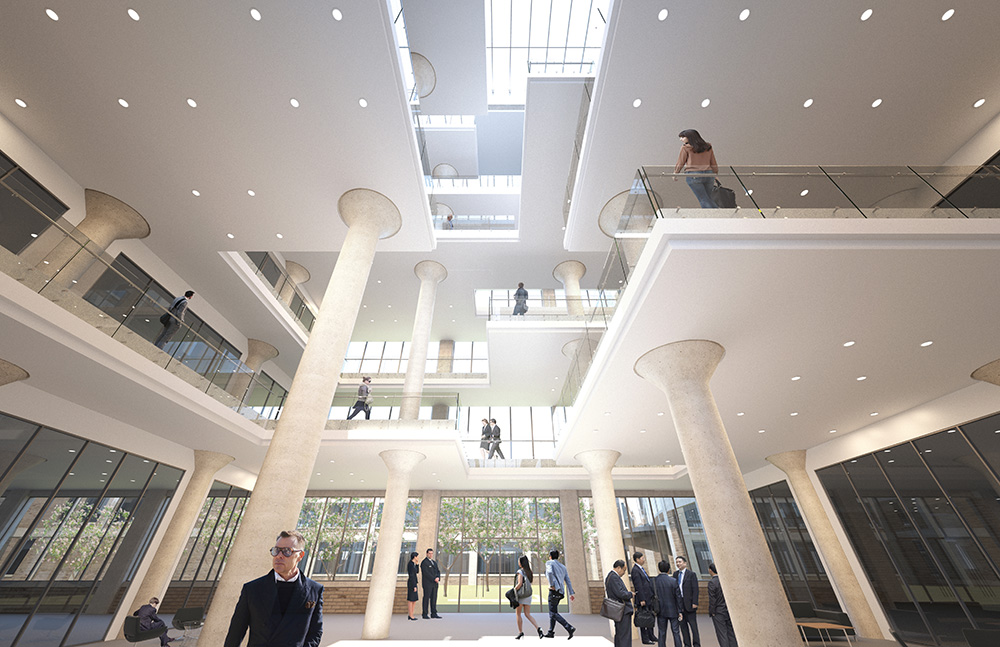
The first phase of the project will transform 10 historic manufacturing buildings and the construction of one additional building on the western portion of the former General Electric campus into a lively 730,000+ square-foot innovation district. It is part of a greater redevelopment plan for the entire General Electric campus which includes 18 historic buildings and more than 1.2 million square feet of space for office, education, retail, residential, hospitality, and entertainment uses. The subsequent East Campus project includes the redevelopment of eight historic buildings, as well as a significant new construction component that will be a mix of affordable housing and hospitality.

Community & Economic Impact

Community and Culture

The massive revitalization efforts of the 12-acre west campus will ultimately create and support approximately 2,000 accessible construction-related jobs, a majority of which will be union and pay a living wage. Once complete, the variety of commercial tenants will help grow and attract new and existing businesses to the area and support over 1,500 permanent jobs.

The first phase of Electric Works – West Campus – is expected to generate nearly $300 million in economic impact to the local region. When the West Campus opens in 2022, it is estimated to generate almost $400 million in annual economic impact.

One of the largest healthcare providers in Indiana will operate the primary care clinic and pharmacy providing services to 15,000 patients annually for the medically underserved population, of which

at least 3,000 Medicaid patients annually. Fort Wayne STEAM high school, a new sciences-oriented community school, will utilize 26,000 square feet to prepare over 300 low-income students for both college and the workforce.

The project will also provide space for the relocation of two local non-profit farmers’ markets to expand the number of vendors and the number of market days.

Do It Best Headquarters, the anchor tenant, is a member-owned hardware, lumber, and building materials cooperative. The space at the project will allow Do It Best to retain 432 quality jobs in Fort Wayne and expand operations creating an additional 88 quality jobs. Approximately 25% of Do It Best jobs are accessible by requiring no more than a high-school diploma or equivalent.

Job Creation

2,000 construction and 1,500 permanent jobs

Healthcare Access

15,000 patients annually

Do It Best HQ

Add 88 quality jobs

Both Campuses

Expected to generate $700 million

NTCIC & Progress

Financing the Project

The $286 million public-private partnership was financed with a diverse capital stack, including NTCIC’s investment in the $41 million federal HTCs generated by the project. This HTC investment was funded in partnership with two of NTCIC’s federal HTC investors including the recently-launched Climate Impact and Revitalization

Fund. Financing also included $51 million in NMTC allocation from five different Community Development Entities, including $12.5 million from NTCIC. Additional public and private financing sources included $60 million in state tax credits, bond financing from the City of Fort Wayne, and $22 million of LP capital.

Want to Discuss Your Next Project? Talk With Our Team Today.

We bring clear insight, deep experience, and strategic focus to every project, whether you're structuring complex capital or shaping long-term, legacy-driven development.

Name(Required)
Want to Discuss Your Next Project? Talk With Our Team Today.

Historic Tax Credits

Federal HTCs

Project Partner

Keystone Group

Impact

Job Creation & Economic Development

History

The Illinois Building

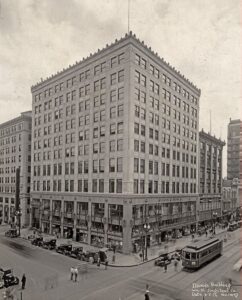
The Illinois Building, located in the Washington Street-Monument Circle Historic District in downtown Indianapolis, Indiana, is a historic office building situated at the heart of the Mile Square business district, which dates back to the city’s founding in 1821. InterContinental Hotel

The Illinois Building was commissioned by the president of what is now Levi Strauss & Company in 1924, who envisioned a “luxurious” office building to replace several smaller structures. Upon its completion in 1926, the building featured modern amenities, such as parking facilities, high-speed elevators, and ice water and toilets on each floor.

The building was designed by the esteemed architectural firm Rubush & Hunter, whose other notable landmarks within Indianapolis include the Masonic Temple, City Hall, Circle Theater, Indiana Theater, and the Stutz Motor Company complex.

Throughout its history, the Illinois Building maintained its purpose as an office building despite changes in ownership through the 1960s and 1970s. A ground lease established during an early transfer complicated future building transfers. In 1988, a local developer purchased the building and invested $16 million in renovations. Despite these efforts, the building became predominantly vacant by the mid-2000s. To encourage interest in its revitalization, Indiana Landmarks listed the Illinois Building on its 10 Most Endangered list in 2006.

Revitalization Efforts

The Transformation

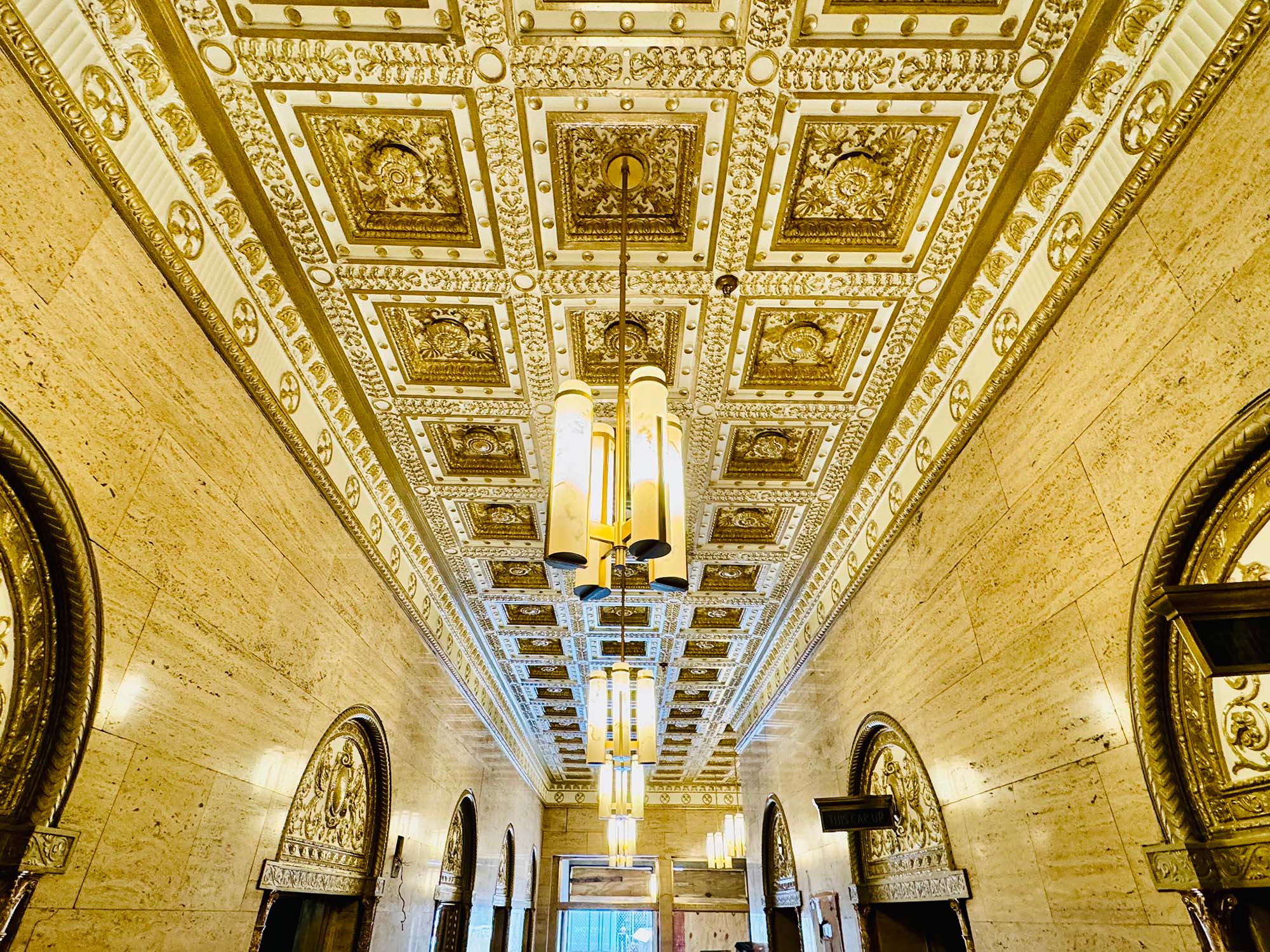
The 10-story, 135,004 square foot Illinois Building was transformed into a 170-key full-service luxury InterContinental hotel, featuring two ground-floor restaurants currently occupying the spaces, as well as a 2nd-floor hotel restaurant/bar and a rooftop bar and venue. IHG, which currently manages 6,000 hotels globally, manages this hotel.
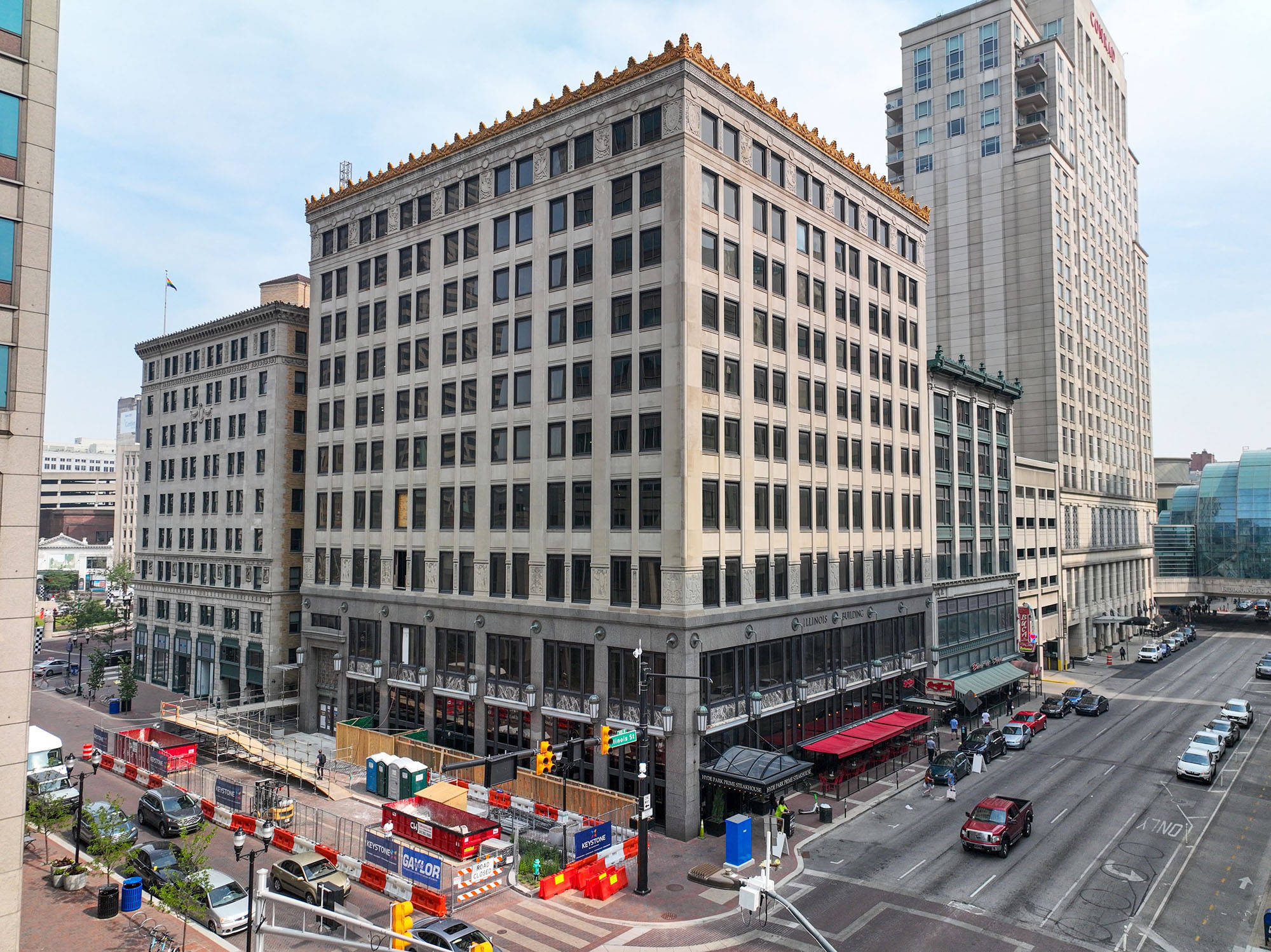

The project is sponsored by Keystone Group, a premier Indiana-based developer with decades of and a commitment to creating mixed-use properties that enhance the community in which they’re located. Their headquarters is located four blocks from the project in the historic Majestic Building, which they rehabbed, own, and operate.

NTCIC & Progress

Financing & Community Impact

The conversion of the historic Illinois Building into a hotel exemplifies the shift of companies to more remote and flexible work arrangements and a reduction in the demand for traditional office spaces. This trend has led to an increased interest in repurposing these historic spaces into other types of properties, such as hotels, housing, and retail, which can cater to the evolving needs of urban centers.

To facilitate the restoration of the Illinois Building, NTCIC financed the federal Historic Tax Credits generated by the project through its Climate Impact and Revitalization Fund. Additionally, NTCIC provided underwriting and transaction management services and will provide asset management services through the HTC compliance period.

Connect with Us

Curious About How Historic Tax Credit Investments Drive Real Impact?

Kandi Jackson leads tax credit investment activities with deep expertise in project finance, equity structuring, and compliance. When you speak with Kandi, expect clarity, honesty, and a clear roadmap for how your next investment can work in your portfolio.

Connect with Kandi

Check Out Similar Projects Here

Browse all projects

Want to Discuss Your Next Project? Talk With Our Team Today.

We bring clear insight, deep experience, and strategic focus to every project—whether you're structuring complex capital or shaping long-term, legacy-driven development.

Name(Required)
Want to Discuss Your Next Project? Talk With Our Team Today.