



Historic Tax Credits
$2.7 Million Federal
$3.4 Million State
New Markets Tax Credits
$10 Million

Total Project Cost
$16.8 Million

Project Partner
YWCA of Wheeling

Impact
Social Services, Healthcare Access
History
A Century of Support
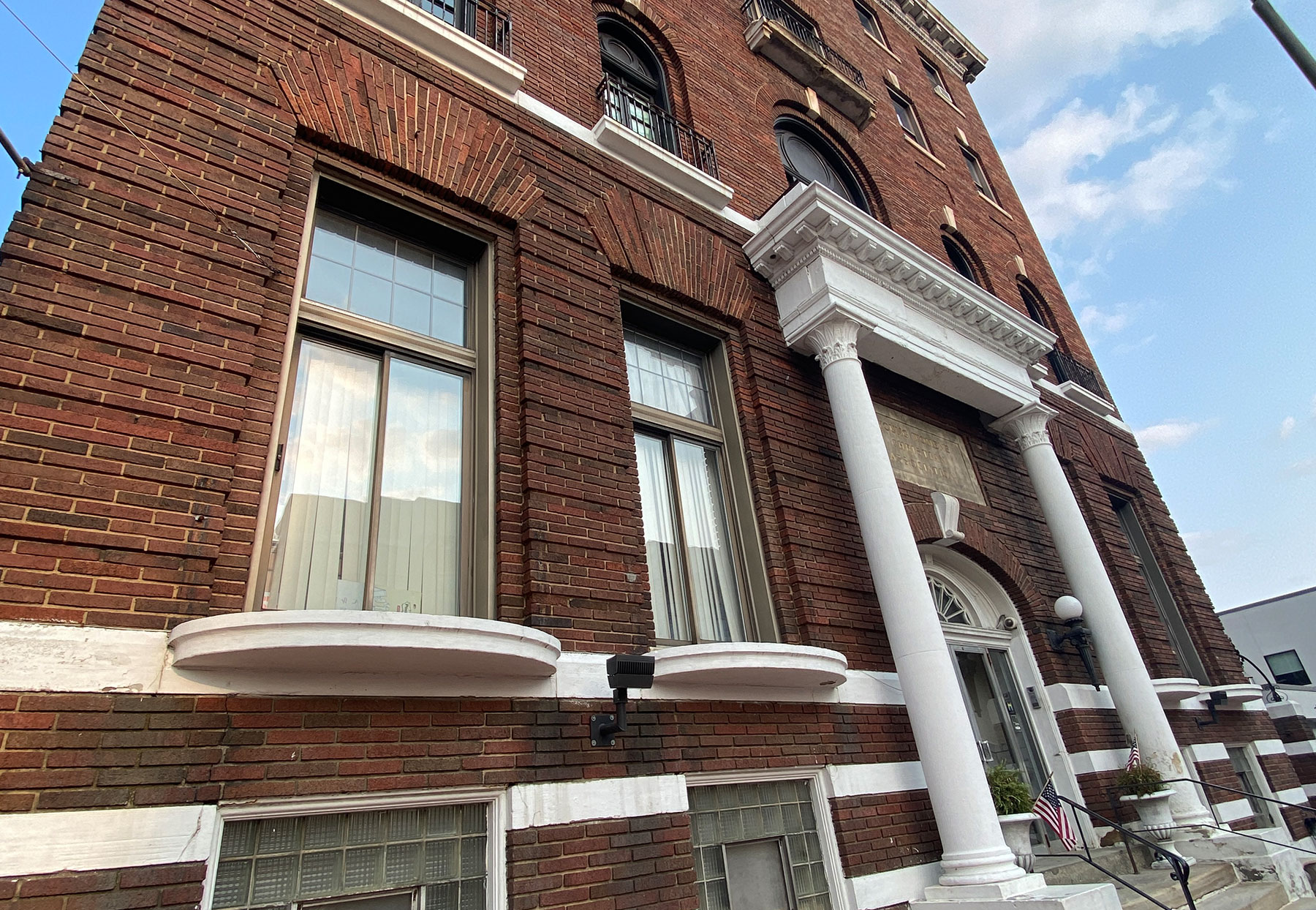
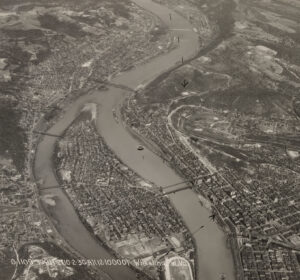 Wheeling, West Virginia, has a rich tapestry of history as the state’s first capital. Nestled in the foothills of the Appalachian Mountains along the Ohio River, Wheeling was an industrial powerhouse known as the “nail city,” supplying cut nails to the entire nation. By 1910, the city’s population surged to over 41,000, and its thriving industry played a pivotal role in supporting World War I. However, at this time, Wheeling, like many American cities, was under the shadow of segregation, with Jim Crow laws deeply ingrained into the societal fabric and dictating accessibility to locations and services based on race. Amidst this complex socio-political landscape, the YWCA Wheeling was established in 1906, initially operating from a rented space on an adjacent block before construction on their permanent and current location at 1100 Chapline Street was completed in 1915.
Despite the segregation laws of the time, the YWCA Wheeling emerged as a beacon of progressive ideals. While not untouched by the era’s legal constraints, the organization made it a priority to champion equal access regardless of race. In their early years, they actively campaigned and fundraised to extend their protective services and advocacy to African American girls and women, serving as a testament to their commitment to social justice.
By 1921, the YWCA Wheeling successfully established the Blue Triangle Branch in a neighboring building to serve the African American members of the community. Both organizations worked together serving the women and children of Wheeling until 1956 when the YWCA integrated the Blue Triangle Branch into its Chapline Street headquarters.
For more than a century, the YWCA Wheeling has been operating from this historic location, growing its programs, and continuing to support the women and families of Wheeling. The building, steeped in history and resilience, now requires essential repairs and upgrades to ensure the YWCA can continue its mission into the future.
Revitalization Efforts
A Historic Building for the Modern Age
The renovation of the century-old YWCA Wheeling building will enhance the quality of life for employees, residents, and community members, increase capacity for essential programming, and ensure the YWCA’s sustainability in its mission to provide vital services for women and families in need. Prior to renovations, the YWCA served about 7,400 participants each year.
In undertaking this project, the YWCA continued its long history of progressive action and service to the Ohio Valley. The renovation of the YWCA facility not only preserves a piece of Wheeling’s history but also ensures that the building continues to function as a vital resource for women and families in the area.
Community Impact
A Thriving Community Asset
The YWCA Wheeling, which has not seen a major upgrade since its initial construction, is poised to make a transformative impact on the program participants, organization employees, and the local community with this renovation.
Construction efforts generated an estimated 67 positions, 85% of which were accessible to those facing barriers to entering the workforce. The renovated facility will enable the YWCA to add 7 new positions in addition to its current staff of 33.
Additionally, the building has new and upgraded systems, including a new elevator which will replace the one that has been in use since 1969, updated lighting and plumbing for better energy efficiency, and a brand new HVAC system. The renovation of the programmatic, residential, and shelter spaces provides an estimated 20% increased capacity by adding 14 rooms that are even more comfortable and inviting for program participants and will enable the YWCA to support an additional 1,200 people each year.

Upgraded Infrastructure
New heating and electrical systems and a new elevator for efficiency and ease.

Expanded Programming
Supporting an additional 1,200 people annually

Expanded Shelter and Rooms
14 new shelter and residence rooms added

Job Creation
67 construction jobs created
40 permanent jobs created/retained
NTCIC & Progress
Financing the Project
NTCIC provided a $10 million New Markets Tax Credit (NMTC) allocation for the project and facilitated the investment for all real estate tax credits within the transaction, including both state and federal Historic Tax Credits (HTCs) and the NMTCs.
The swift closing facilitated by NTCIC enabled the YWCA to begin construction promptly, limiting program disruption and enabling the organization to quickly expand its crucial services and provide a safe haven for women and families at risk.
Check Out Similar Projects Here
Browse all projects
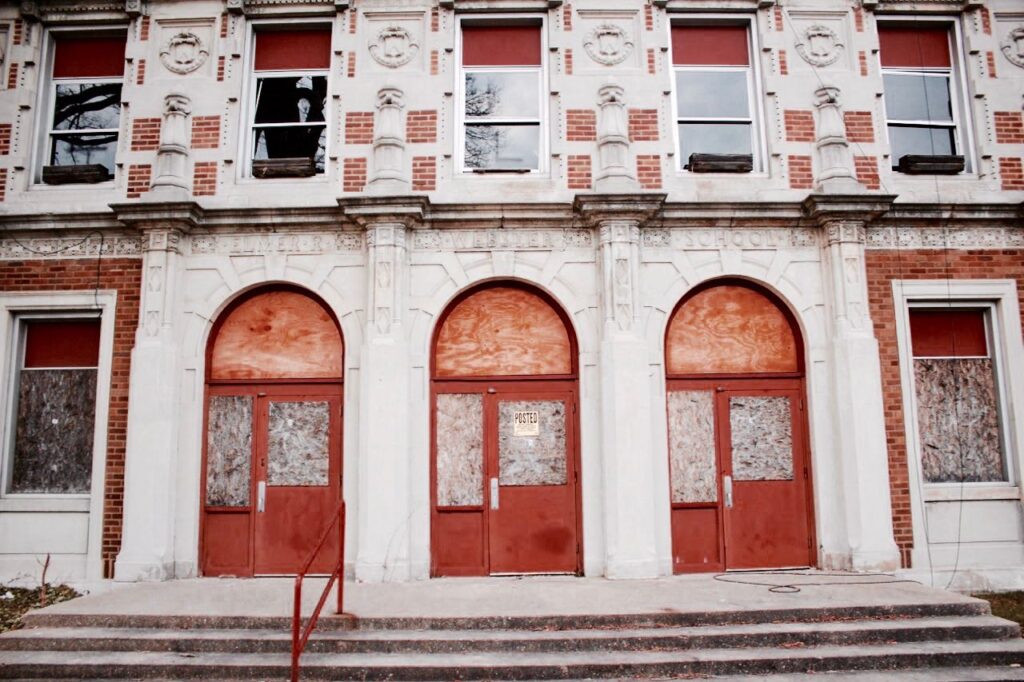
Webster Community Center
From Abandoned School to Community Hub
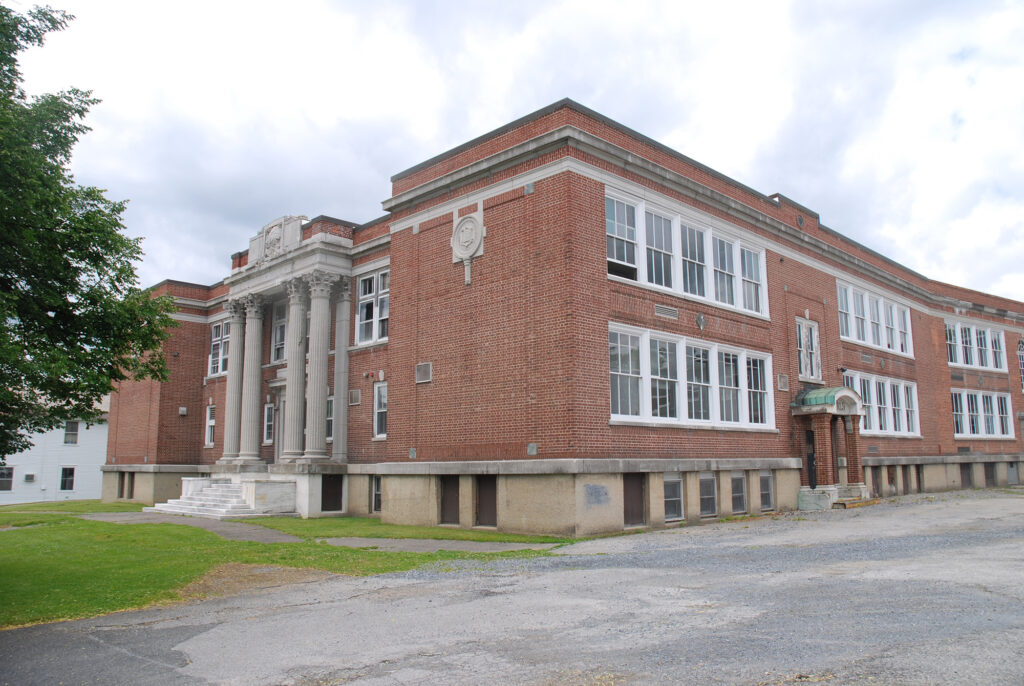
Benn High
Vacant School Building Becomes Community Hub
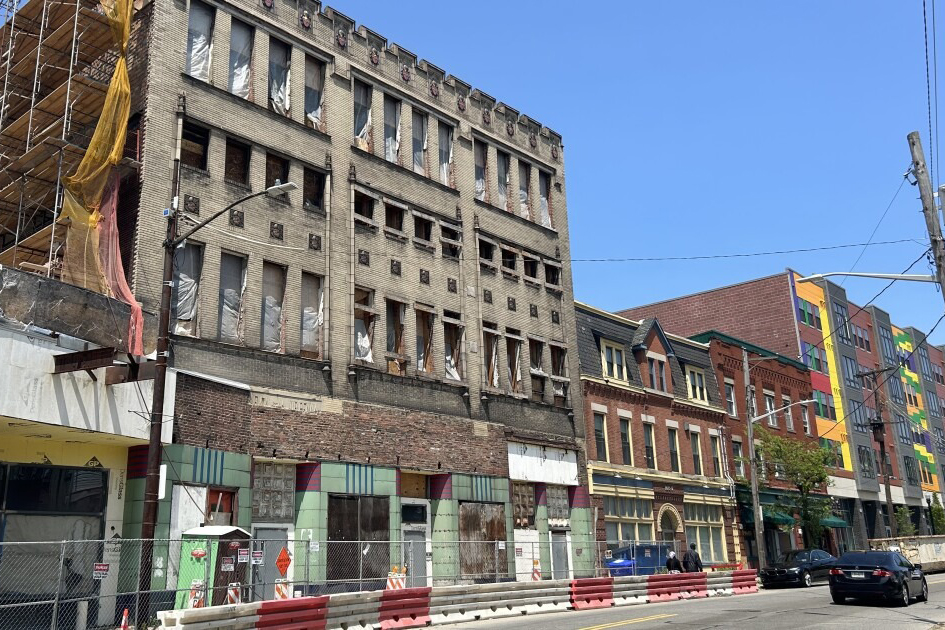
New Granada
Historic Music Venue Transforms into Community Center
Webster Community Center
From Abandoned School to Community Hub
Benn High
Vacant School Building Becomes Community Hub
New Granada
Historic Music Venue Transforms into Community Center
Want to Discuss Your Next Project? Talk With Our Team Today.
We bring clear insight, deep experience, and strategic focus to every project, whether you're structuring complex capital or shaping long-term, legacy-driven development.