



New Markets Tax Credits
$1.7 Million

Total Project Cost
$6.7 Million

Project Partner
Jubilee Baltimore

Impact
Arts Education, Support, & Access
History
Auto Shop & Dance Academy
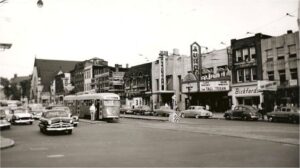 Built in 1909, the historic Odell Building at 21 North Avenue was one of the first, if not the first, commercial buildings located on what is now known as North Avenue in Baltimore City, Maryland. During the mid-1800s, Taney Place was an upper-class residential boulevard of many free-standing estates and large rowhouses. The street began to transition to more high-end commercial use with the construction of 21 North Avenue, which housed the Auto Outing Company, a luxury Buick sales and service station, and Tuttle’s Dancing Academy. Generations of Baltimore’s upper-class took lessons at this academy, including Wallis Simpson, the Duchess of Windsor.
During the 1920s, the street became fully commercial and catered almost exclusively to wealthy patrons. During this time, the founder of Auto Outing Company, JM Robbins, changed the business name to Robbins Buick, to reflect an increased focus on car sales. This period was short-lived and came to an end with the Great Depression of 1929. Robbins Buick closed its doors in 1932, but the ballroom remained.
As the country recovered through the 1940s, the area around North Avenue shifted to serve the growing middle-class community and became a major point of connection for the city’s eastern and western residential areas. With excellent streetcar services, North Avenue became a social and entertainment center for Baltimore’s younger population, and the building became the social landmark. From the 1950s through the building’s vacancy in 1992, the building housed several famous nightclubs and venues, the most iconic of which being Odell’s. Opened in 1976, Odell’s was Baltimore’s premier disco venue through the 1980s and is often cited as the birthplace of Baltimore Club Music. Since the club’s closing in 1992, the building has sat vacant and waiting for revitalization.
Revitalization Efforts
An Inovative Campus
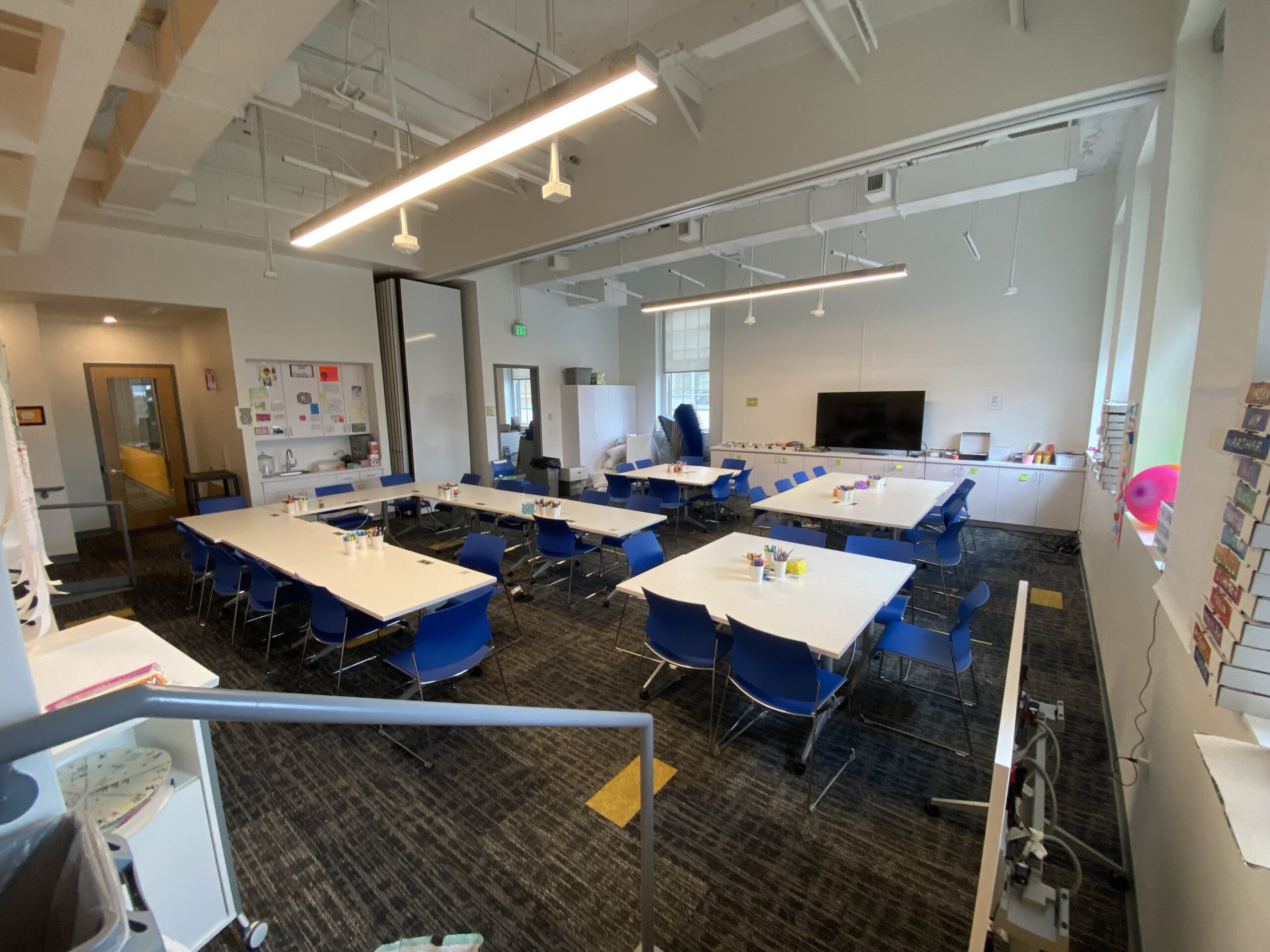
The redevelopment of the historic Odell building into the North Avenue Educational Hub will reactivate the 18,000 square foot landmark and become a new home to two Baltimore-based nonprofit organizations dedicated to enriching the lives of students.
A Neighborhood Landmark Revived
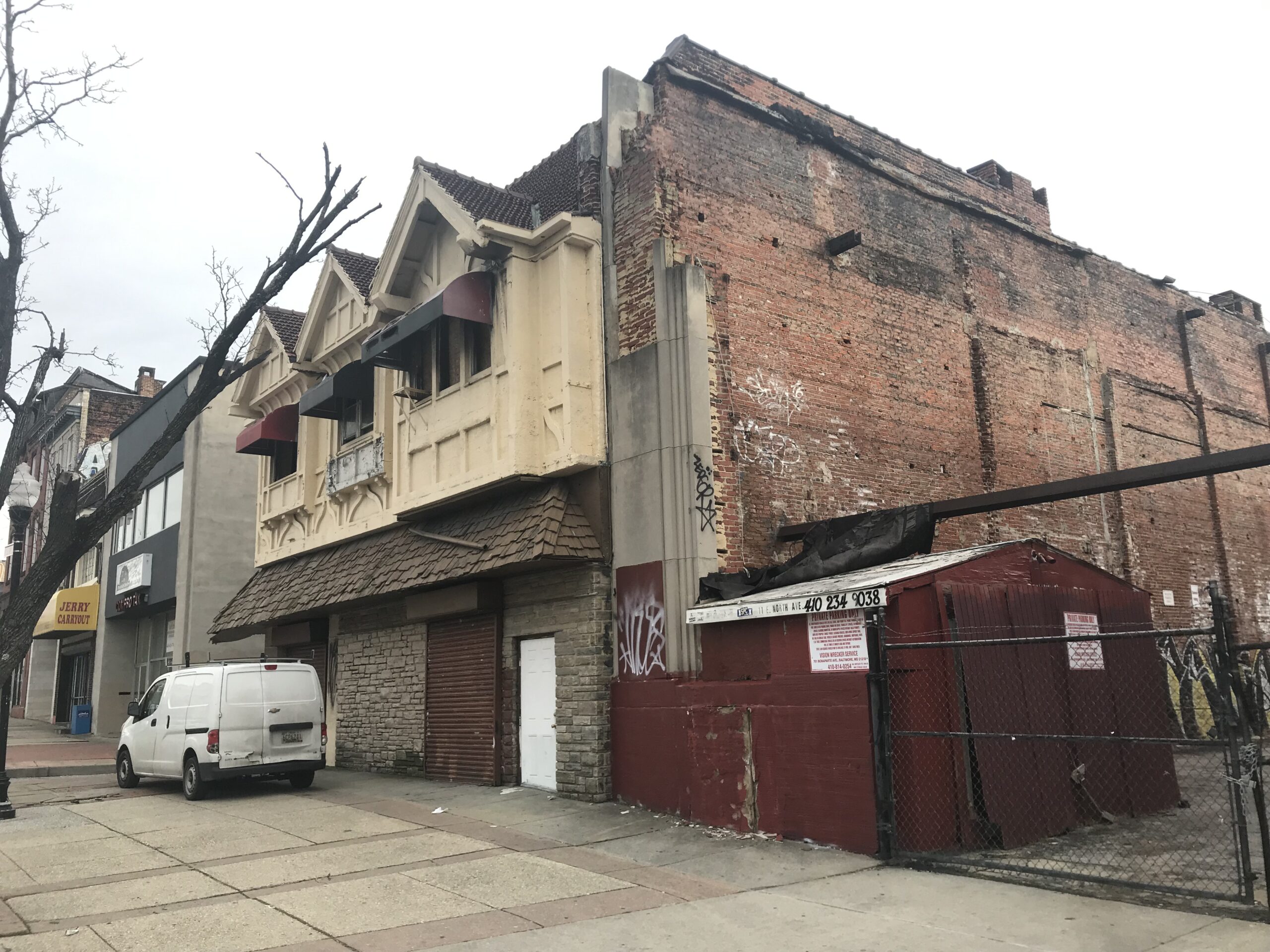
BEFORE
Vacant and Neglected
Since Odell’s closing in 1992, the historic structure sat vacant, ready to be revitalized.
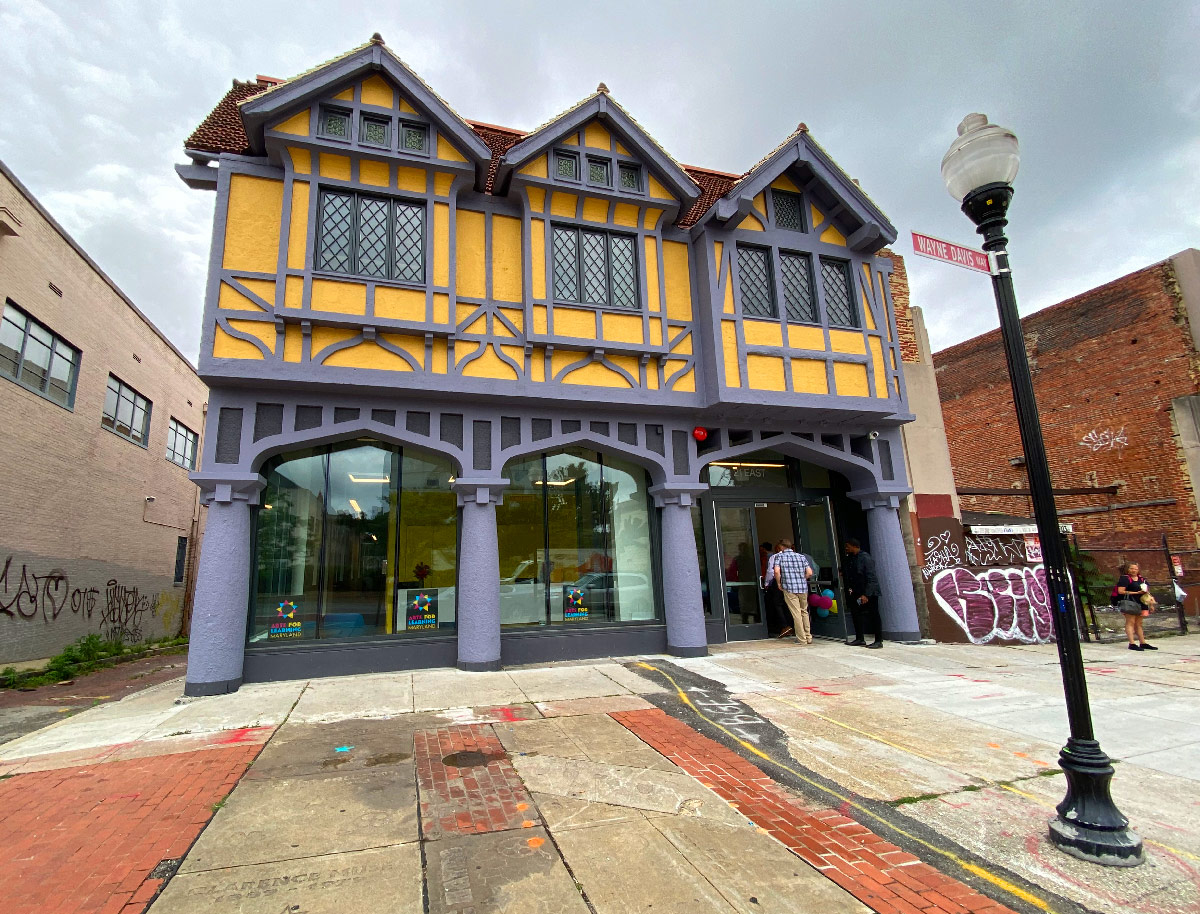
AFTER
Reactivated for the Community
After its renovation, the historic building is now alive again, hosting two non-profits dedicated to serving the community
Community & Economic Impact
Community and Culture
The revitalization of this historic building, led by the nonprofit development organization Jubilee Baltimore, created positive community outcomes from the moment the first brick was laid. The construction team created roughly 57 full-time equivalent (FTE) jobs, all paying the Maryland Prevailing Wage (or higher). Additionally, the construction team worked with Project Jumpstart, a 14-week construction training program, to provide employment and training opportunities for Baltimore residents. Upon its completion, the expanded space and lower rents enabled both non-profit
organizations to hire additional employees, expand their training programs and help more children in Baltimore. In total, the project created and retained 62 permanent jobs, all of which pay a living wage (or higher), and provide healthcare, paid leave, retirement benefits, job training, and opportunities for advancement. The large space for Code in the Schools helped roughly 50 students gain access to computer science education courses on-site every day during the school year.
NTCIC & Progress
Financing the Project
The project financing was made possible, in part, the $1.7 million New Markets Tax Credit allocation, provided by NTCIC’s Irvin Henderson Main Street Revitalization Fund. This innovative use of the New Markets Tax Credit supports historic preservation efforts in Main Street communities that are of a development cost that may preclude them from some federal incentive programs. The project also utilized state and federal Historic Tax Credits, provided by additional funding partners.
Check Out Similar Projects Here
Browse all projects
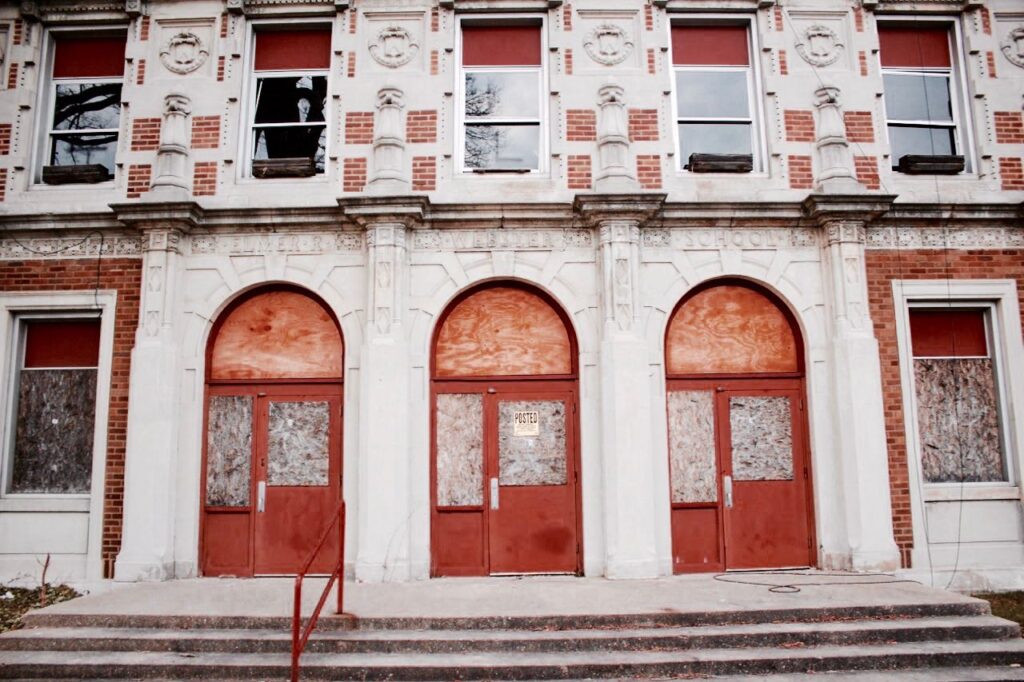
Webster Community Center
From Abandoned School to Community Hub
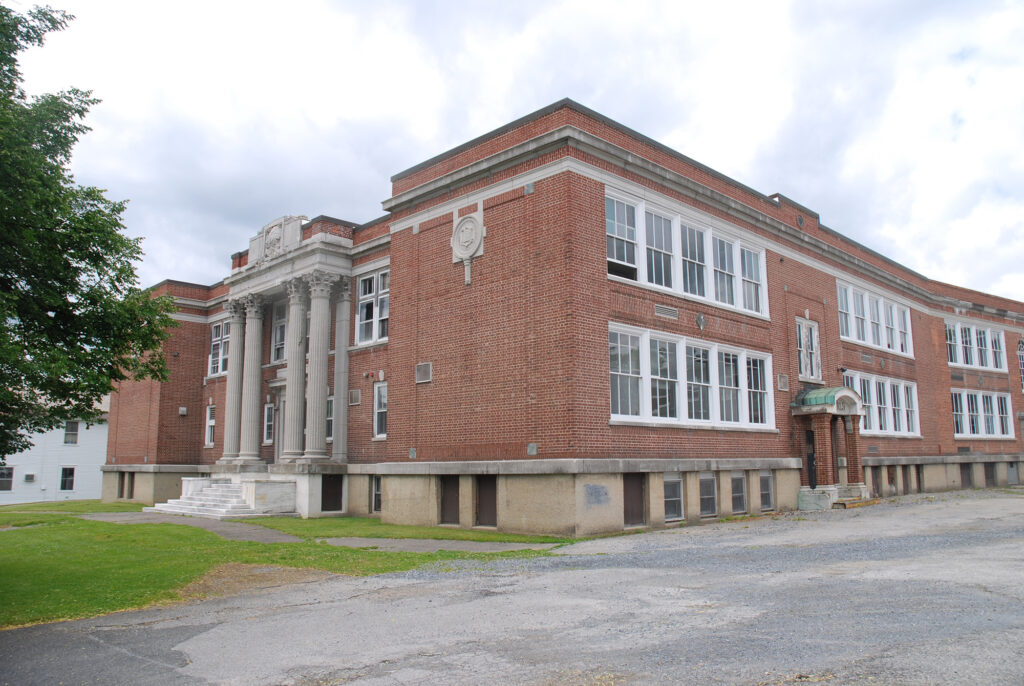
Benn High
Vacant School Building Becomes Community Hub
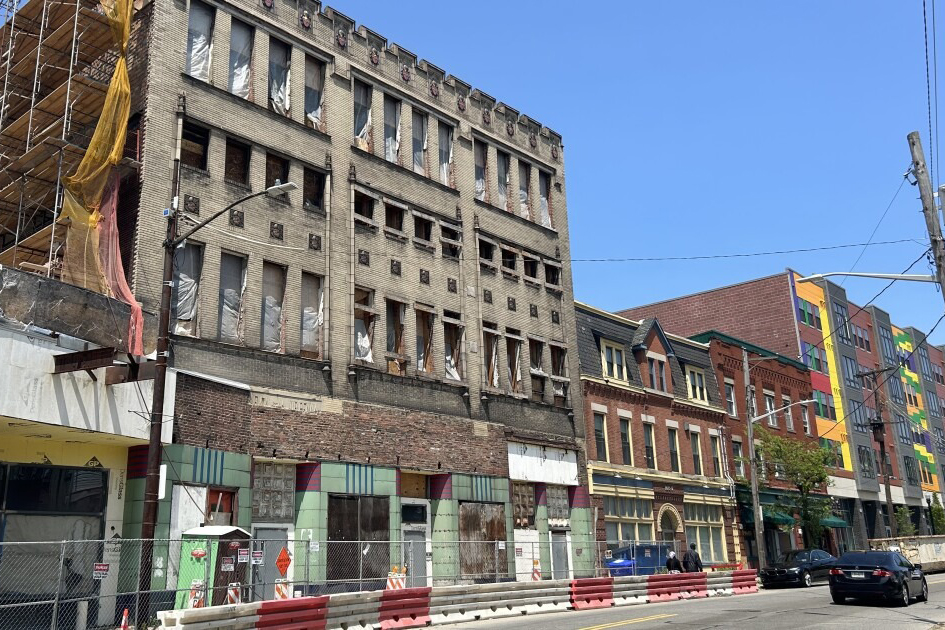
New Granada
Historic Music Venue Transforms into Community Center
Webster Community Center
From Abandoned School to Community Hub
Benn High
Vacant School Building Becomes Community Hub
New Granada
Historic Music Venue Transforms into Community Center
Want to Discuss Your Next Project? Talk With Our Team Today.
We bring clear insight, deep experience, and strategic focus to every project, whether you're structuring complex capital or shaping long-term, legacy-driven development.