


Historic Tax Credits
$5.6 Million Federal
$7.2 Million State
New Markets Tax Credits
$8 Million

Total Project Cost
$44.2 Million

Project Partner
Washington University in St. Louis

Impact
Job Creation/Retention, & more
History
A Piece of St. Louis History
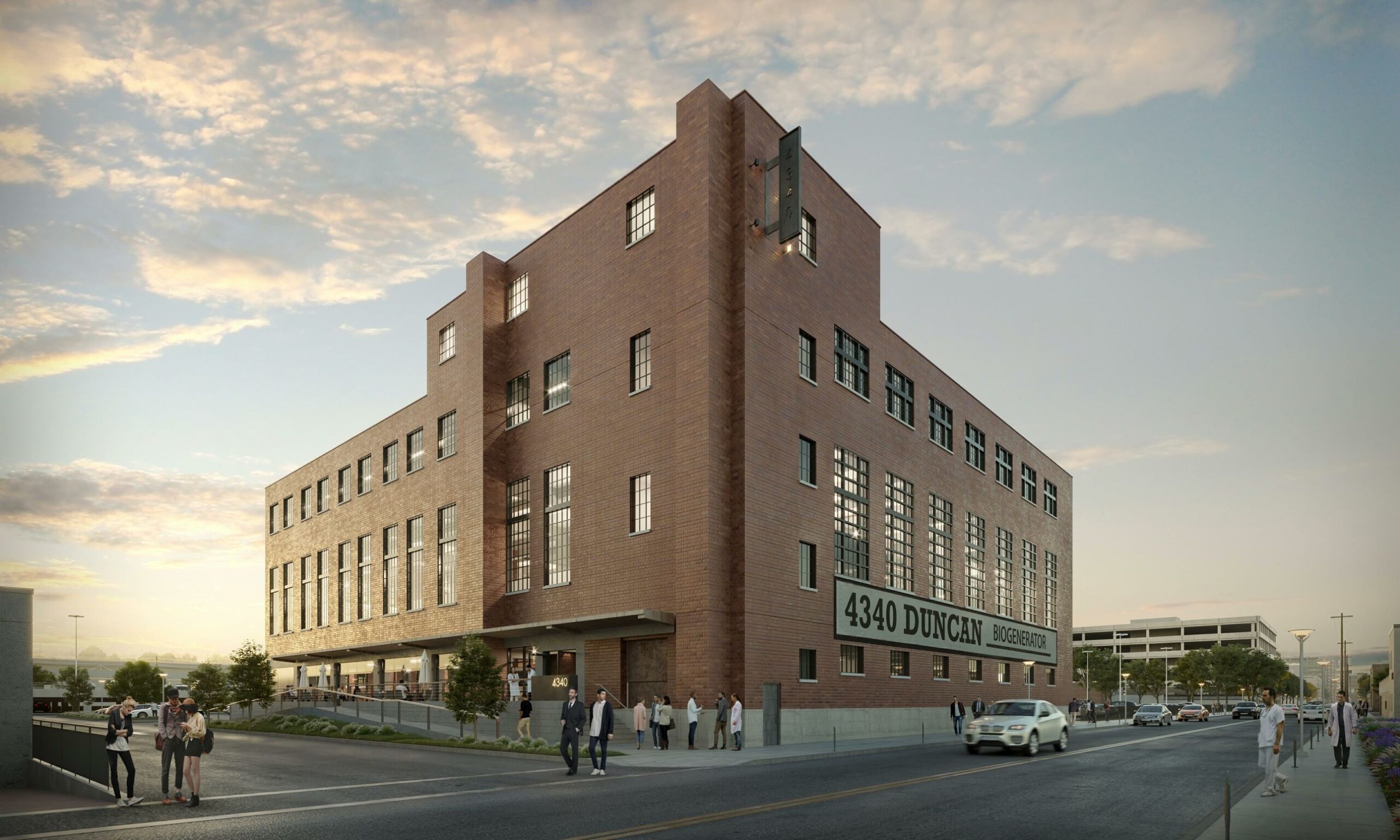
During the early part of the 1900s, rotogravure photo printing became a main part of newspaper printing in the US and Europe. To keep up with the times, many newspapers had third party companies print photo pages as additions to their newspapers. As demand increased, larger papers began to purchase their own equipment to make the rotogravure printing in-house. The St. Louis Post-Dispatch became one of a handful of papers to add this feature. When demand continued to increase, the Post-Dispatch looked to expand their operations with easier access to distribution of the paper.
The location at 4340-4350 Duncan Avenue was a key spot between the railroad line and the streetcar lines. The building was completed in 1930 and continued to print all rotogravure photos through the 1970s for the Post-Dispatch. The Building was purchased by Crescent Parts & Equipment Company in 1976 who used it as a warehouse until 1994. A series of businesses occupied the building from 1995 through 2006. Currently, the building is vacant and owned by Washington University. The building was listed on the National Register of Historic Places on February 23rd, 2016.
Revitalization Efforts
20 Years in the Making
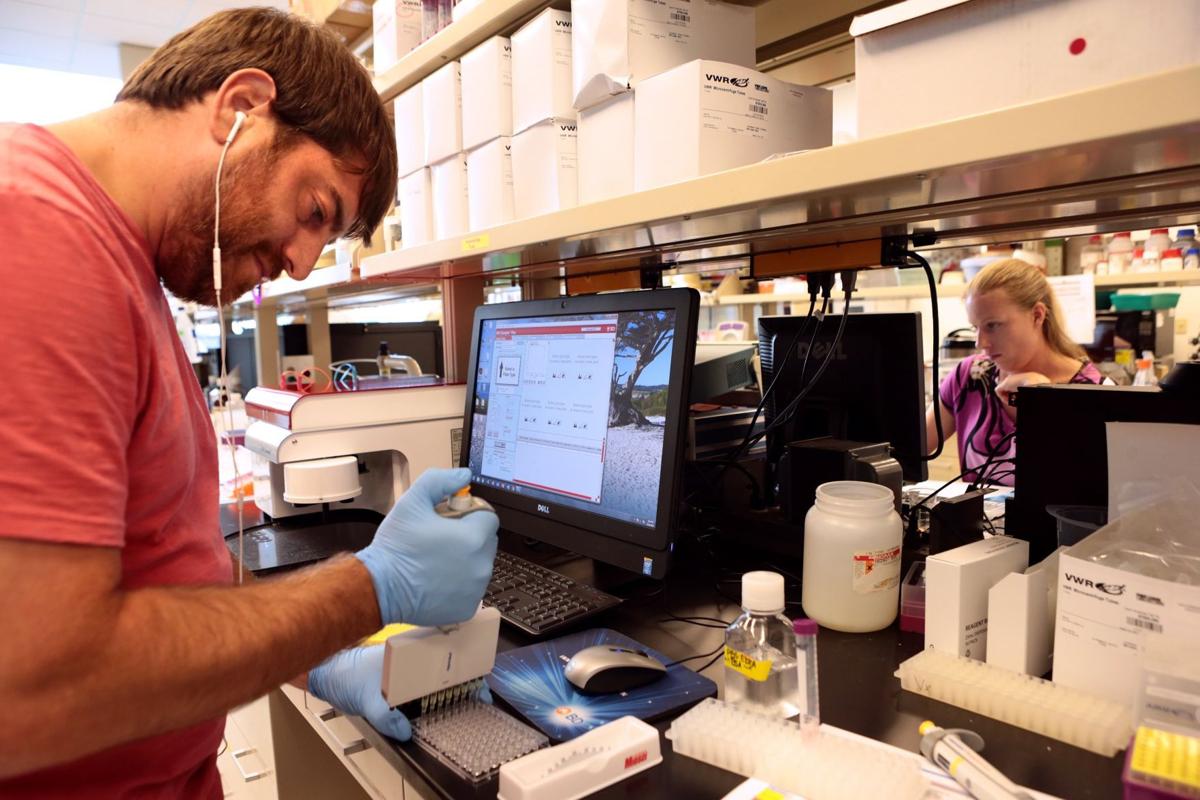
The building is located in an area that became largely vacant by the early 2000s. In 2002, Wash U and Saint Louis University began to implement steps to create a 200-acre biotech focused area which is now known as the Cortex Innovation District. Since the start of the Cortex District, $500 million in investments has been made with 250 firms employing 14,000 employees.
Wash U turned the building into a biotech accelerator to fill an existing need for below-market lab and life sciences research space in the area for companies ready to graduate from the incubator spaces but not yet financially stable enough to pay market rates. The accelerator has two biotech company tenants, BioGenerator, part of the BioSTL company, and Aclaris Therapeutic Inc. (“Aclaris”). Combined, the two companies lease 57,026 square feet out of 78,055 square feet of rentable space. Wash U also worked with the local chapter of NAACP to bring new workers and companies into the accelerator as well as the St. Louis Agency on Training and Employment (SLATE).
Community Impact
Creating Accessible, Skilled Positions
The project created roughly 300 permanent positions at the tenant businesses and worked with tenants to make best efforts to ensure that a minimum of 20% of those jobs were accessible to members of the local and low-income community. Tenants worked closely with the St. Louis Agency on Training and Employment (SLATE) to source job candidates that graduated from SLATE’s skilled-based training program and were ready for entry-level employment in the
biotechnology field.
BioSTL has led the Bioscience Inclusion Initiative (BII), which serves as St. Louis’ regional convener for efforts that increase the number of women and underrepresented racial minorities starting early-stage STEM businesses and entering the STEM workforce at all levels. This impact is delivered through three distinct strategies:
NTCIC & Progress
Economic Impact
Cortex Innovation District’s project, Duncan Biotech, was made possible, in part, by NTCIC through an equity investment in the $5.6 million in federal Historic Tax Credits (HTC) and $7.2 million in state Historic Tax Credits (HTC) generated by the project as well as a $8 million New Markets Tax Credit (NMTC) allocation.
Check Out Similar Projects Here
Browse all projects
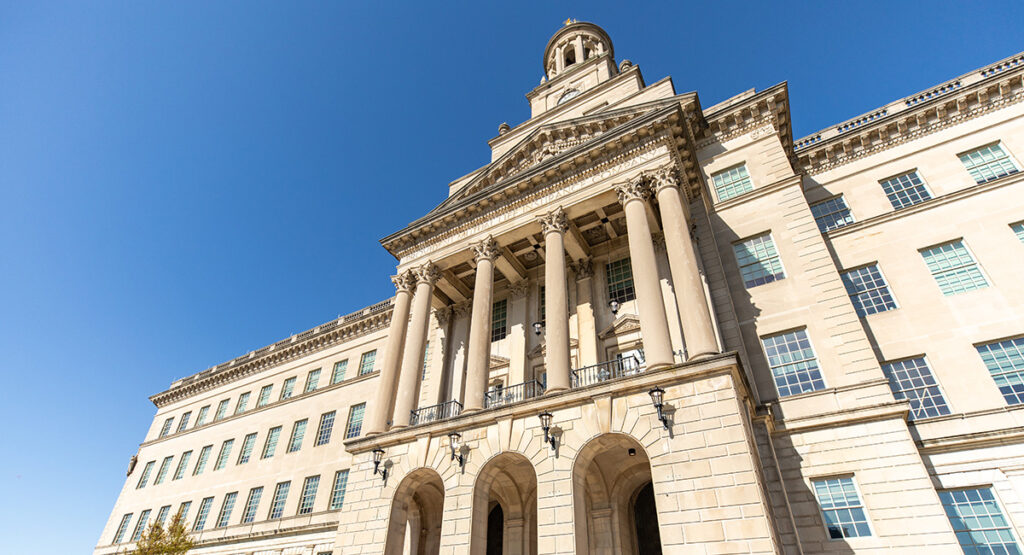
Provident Health Campus
An Integrated Health Campus Serving West Philadelphia
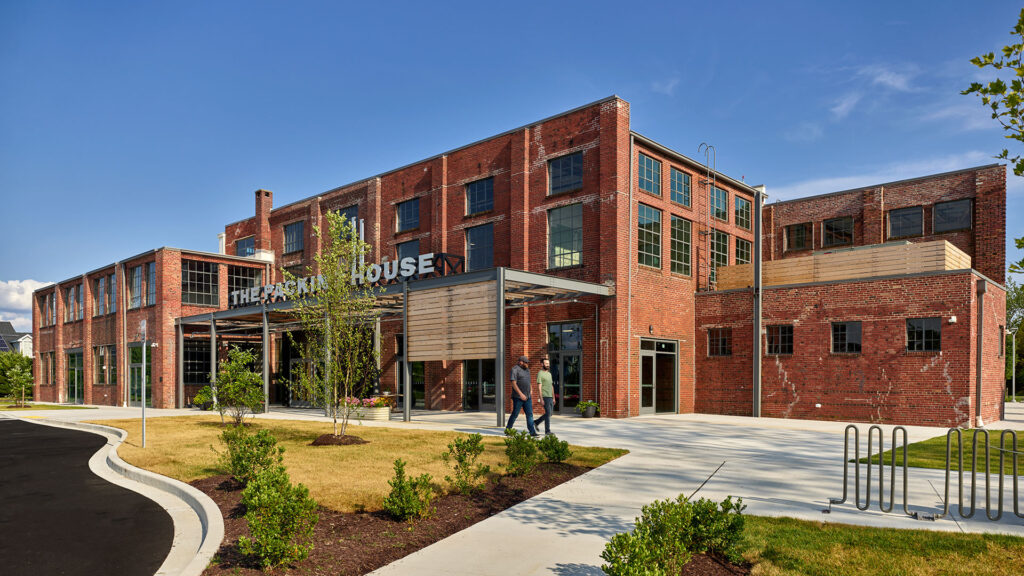
Packing House Phase II
Innovation and Sustainability on Maryland’s Eastern Shore
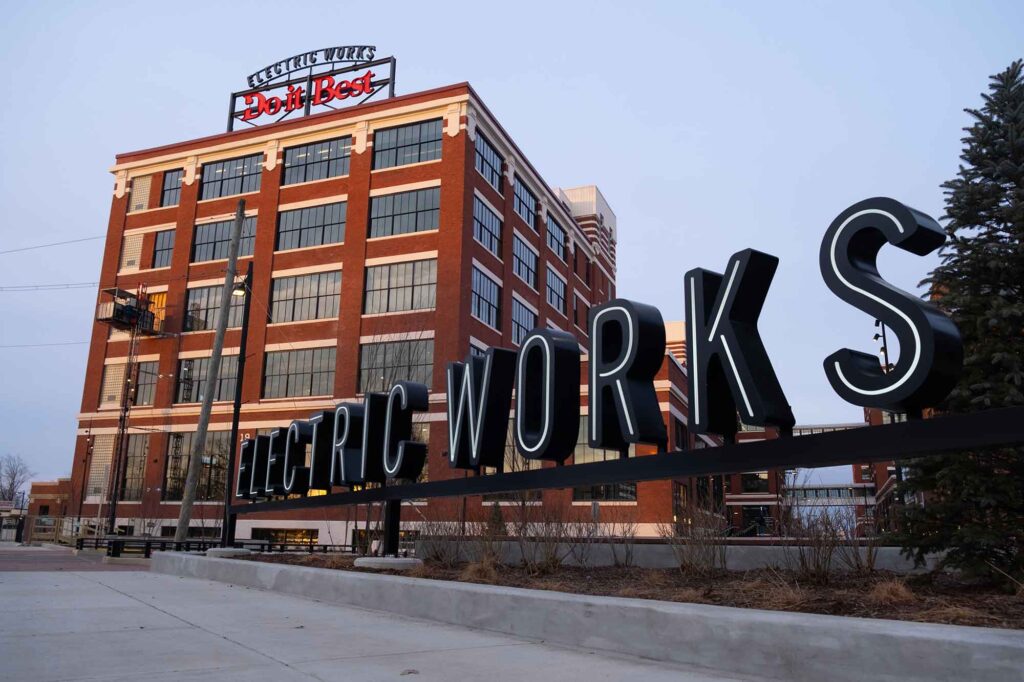
Electric Works
A District of Innovation in Fort Wayne
Provident Health Campus
An Integrated Health Campus Serving West Philadelphia
Packing House Phase II
Innovation and Sustainability on Maryland’s Eastern Shore
Electric Works
A District of Innovation in Fort Wayne
Want to Discuss Your Next Project? Talk With Our Team Today.
We bring clear insight, deep experience, and strategic focus to every project, whether you're structuring complex capital or shaping long-term, legacy-driven development.