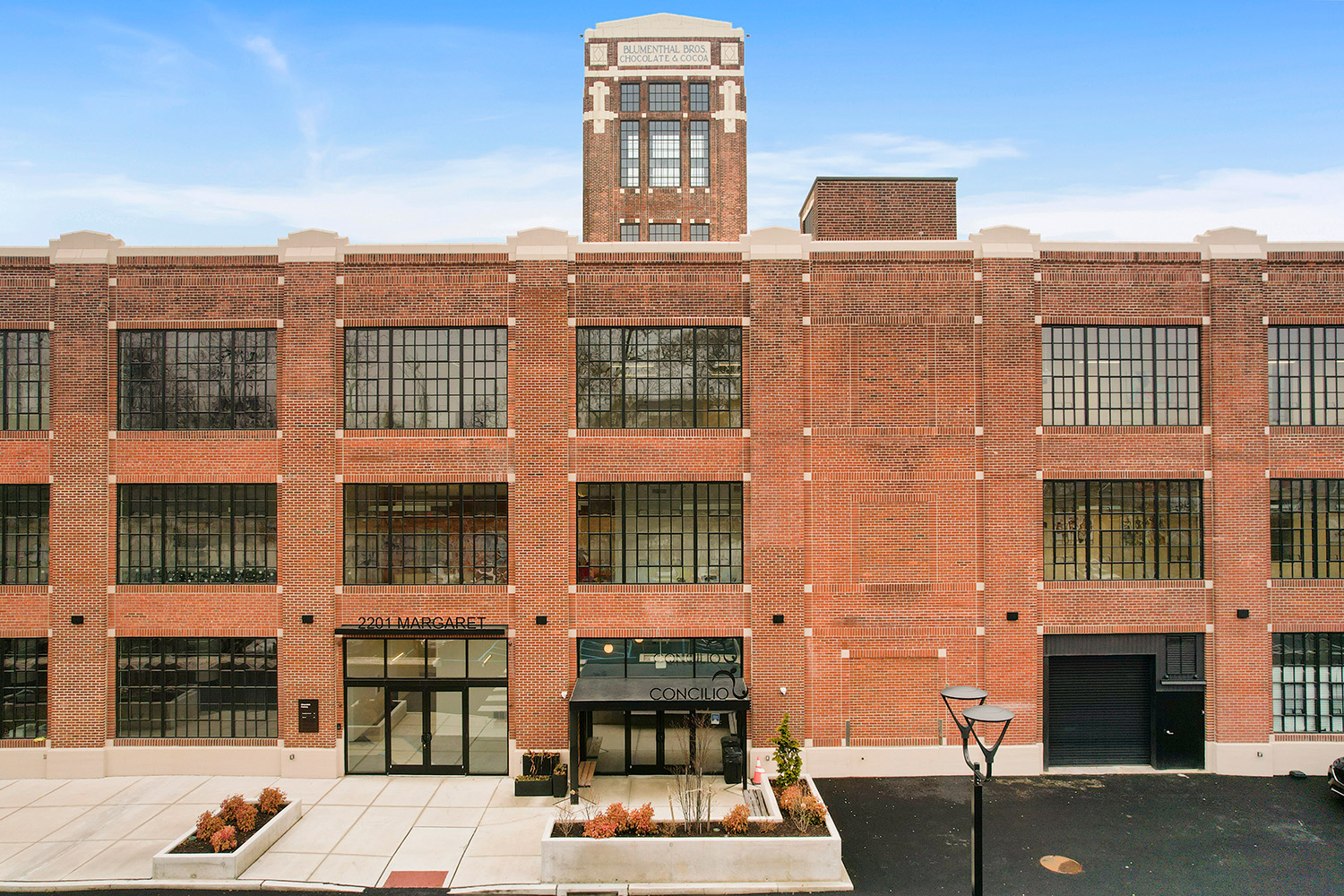



Historic Tax Credits
$2.7 Million Federal
New Markets Tax Credits
$6.9 Million

Total Development Cost
$20 Million

Project Partner
D3 Development

Impact
Childcare Services, Social Services
History
Iconic Candy Origins
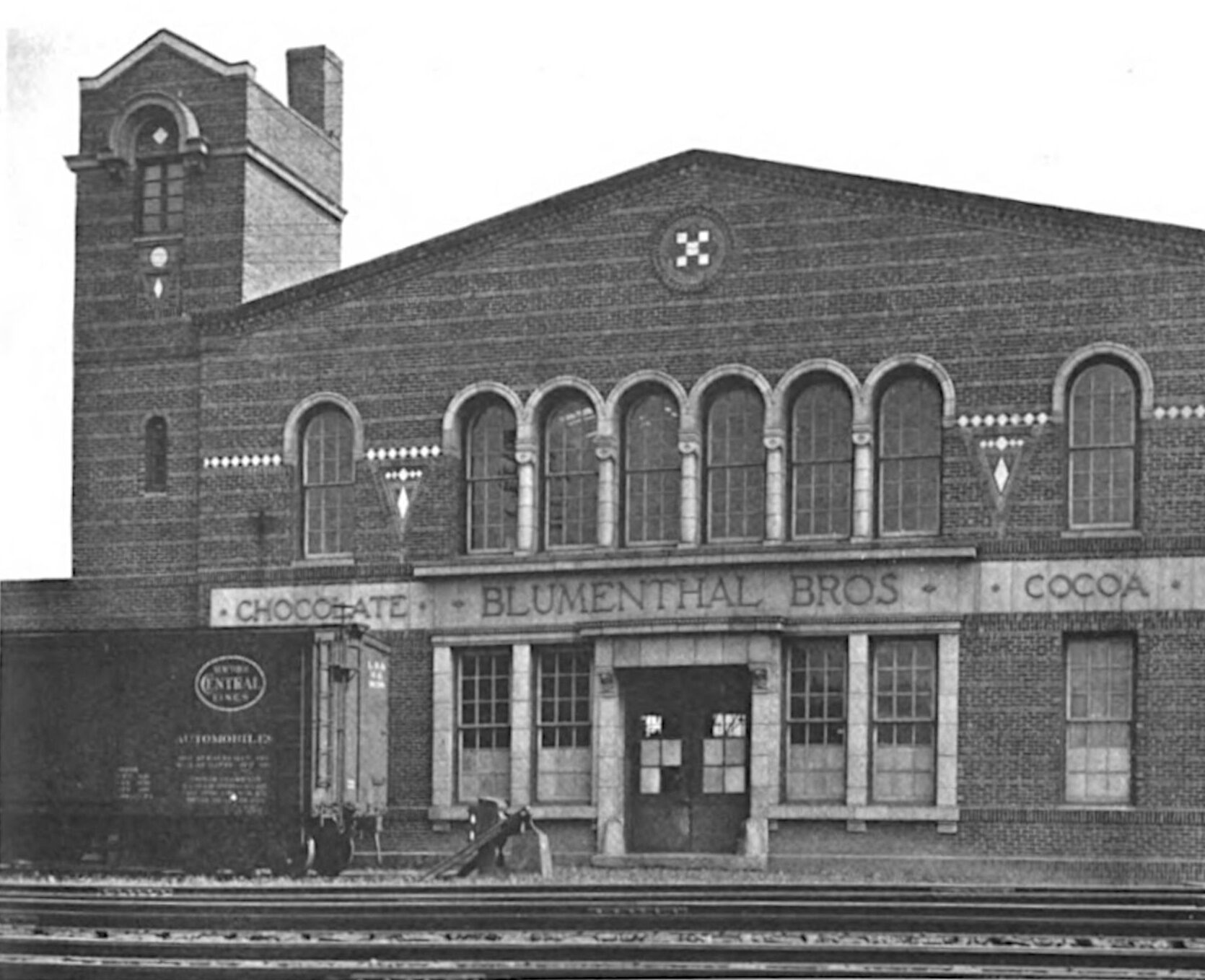
The Blumenthal Brothers Chocolate Factory was founded as a small extract business in 1900 before experiencing massive growth and transitioning into a major national chocolate manufacturer. In 1910, the company built a large new plant in Bridesburg, Philadelphia, allowing it to expand production and develop new retail products. By the 1920s, Blumenthal introduced Goobers, Raisinets, and Sno-caps, treats designed for the burgeoning movie theater market; products still familiar to millions of movie-going Americans decades later. Rapid growth led to the construction of a striking Art Deco factory building in 1922, designed by the Ballinger Company, which became a recognizable symbol of the brand and appeared in advertising and packaging for decades.
The company remained financially stable into the 1960s, but the second generation of Blumenthals sold the business in 1969 to Ward Foods, which continued producing its signature candies at the Bridesburg plant until it went bankrupt in 1984. Nestlé later acquired the brands and still manufactures the three iconic products. The factory property was purchased in 1985 by William and Marilyn Shaw, who used the site for auto salvage operations, with only parts of the main building actively utilized while other structures sat unused.
Revitalization Efforts
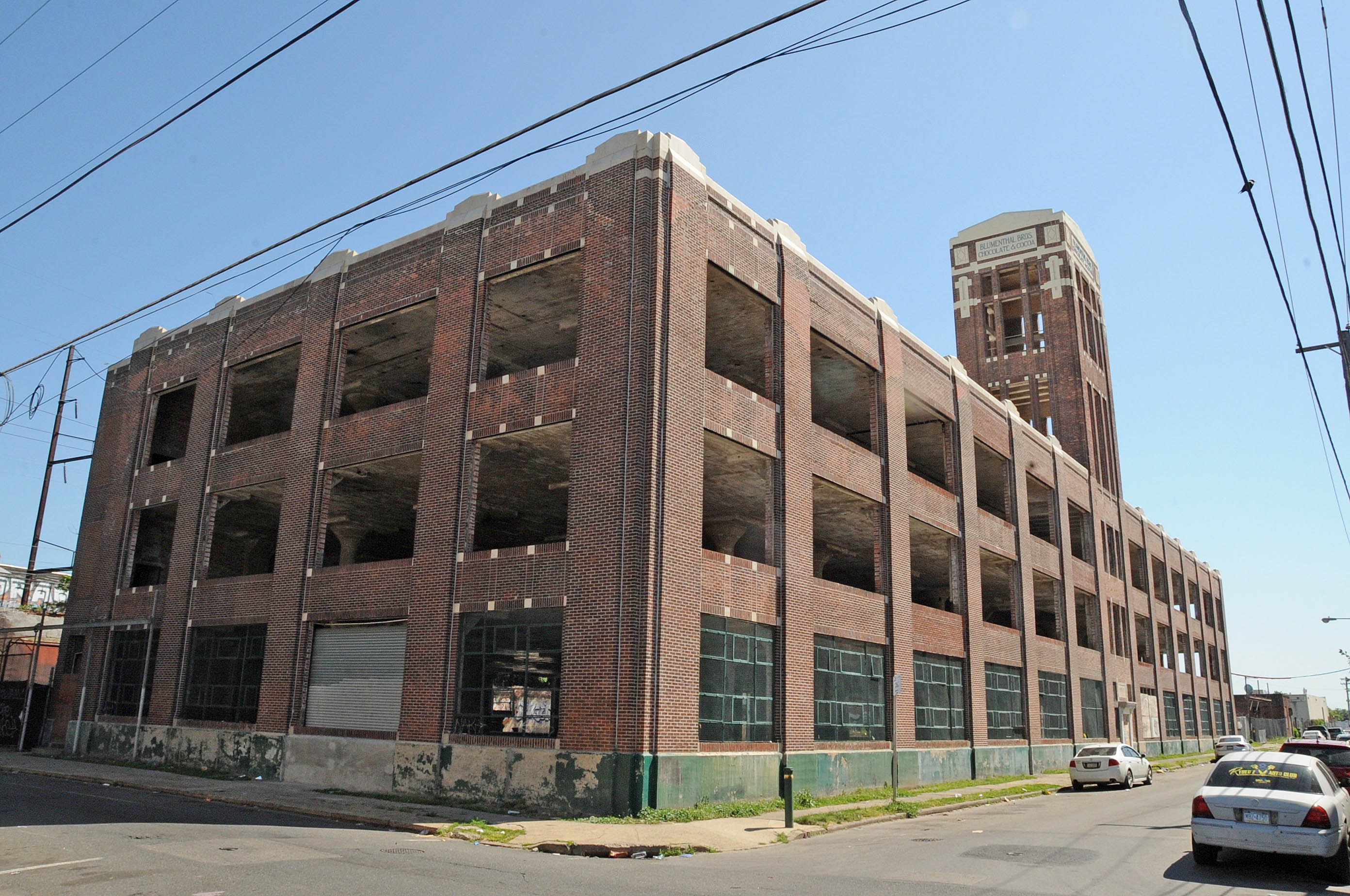
Creating Space for Community
The main building of the Blumenthal Brothers Chocolate Factory underwent a $20 Million adaptive renovation to transform into a facility supporting nonprofit and community-minded tenants, more than 47,000 square feet of which was leased to Concilio, a Latino-focused organization that provides social, educational, cultural, prevention, and intervention services and programs to underserved young people and families in Philadelphia. The remaining 19,000 square feet of space was leased to several other tenants providing services to the local community.
Community Impact
Supporting Critical Services
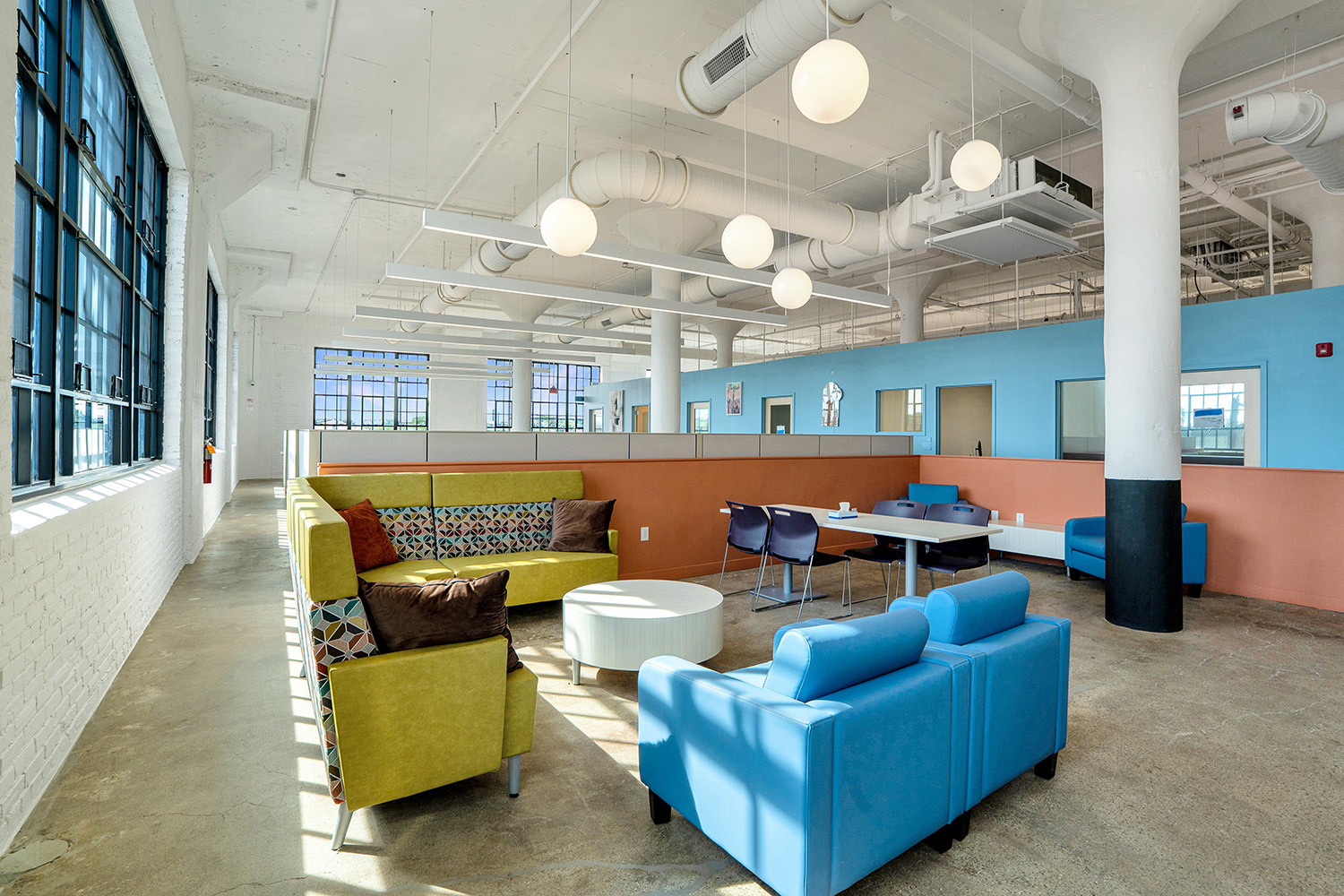
The Chocolate Factory rehabilitation transformed a historic building into an updated facility supporting several critical nonprofits and civic-minded tenants in Philadelphia. The primary tenant occupying the most space in the project is Concilio, a Latino focused organization that provides social, educational, cultural, prevention, and intervention services. Concilio operates two primary programs out of the Chocolate Factory: Family Social Services and Community Umbrella Agency 3. Through these programs, Concilio provides foster care and adoption services, parenting education and support, and ongoing case management for children and families involved with Philadelphia’s child welfare meeting rooms and family spaces designed to support
confidential, family-centered services. Concilio provides services to 600-700 children annually via the CUA3 program, with 80% of the families served being Hispanic or African American and 80% of them being low-income.
Other tenants include the Madden School, an early education and childcare program, Gateway Community Action Partnership, a Head Start and childcare program, and BAYADA Home Health, a national leader in home health focused on supporting individuals with intellectual and developmental disabilities.
600-700
Children Served Annually by Concilio

132
Students at the Madden School

61
Individuals Supported by BAYADA

120
Field Employees at BAYADA
NTCIC & Progress
Economic Impact
NTCIC provided a $6.9 million New Markets Tax Credit allocation, as well as an equity investment in the $2.7 million federal Historic Tax Credits generated by the Project. These investments supported the rehabilitation of the Chocolate Factory and its transformation into a community facility.
NTCIC served as the federal NMTC allocatee and acted as the federal and state Historic Tax Credit investment sourcer, underwriter, and closer. NTCIC also serves as the asset manager for the New Markets and Historic Tax Credits investments, and fund manager for the Historic Tax Credit investments, providing ongoing oversight and coordination across multiple financing sources to support the Project’s long-term success.
Check Out Similar Projects Here
Browse all projects
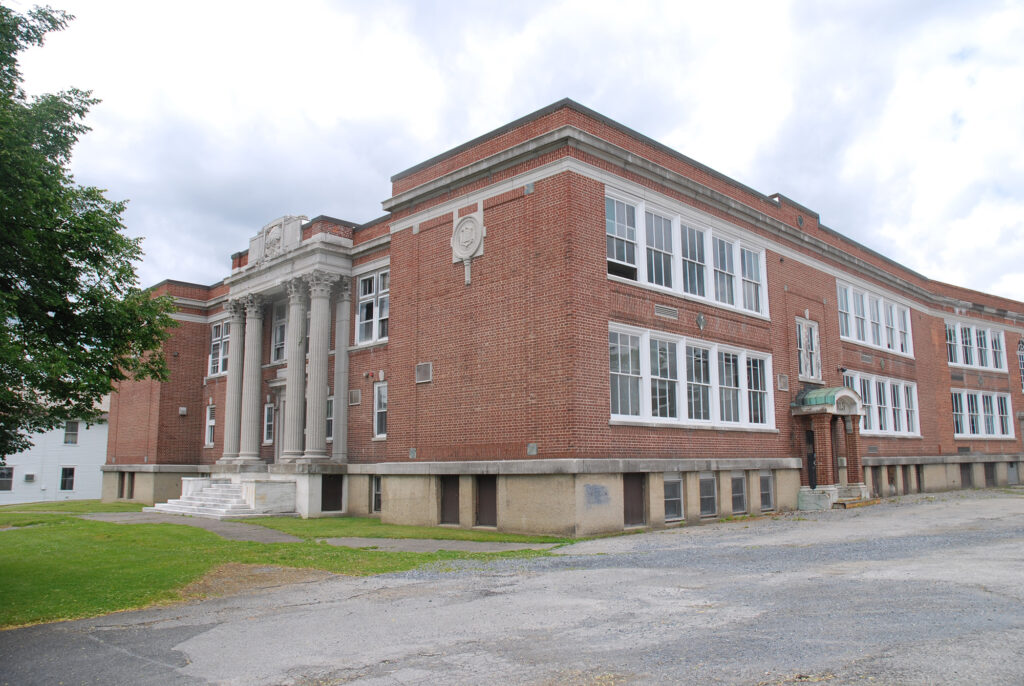
Benn High
Vacant School Building Becomes Community Hub
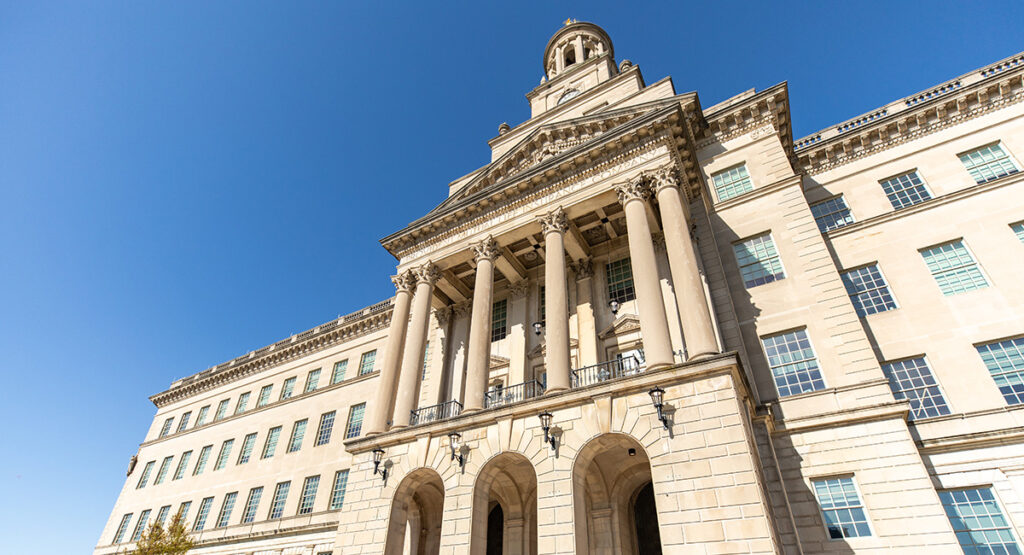
Provident Health Campus
An Integrated Health Campus Serving West Philadelphia
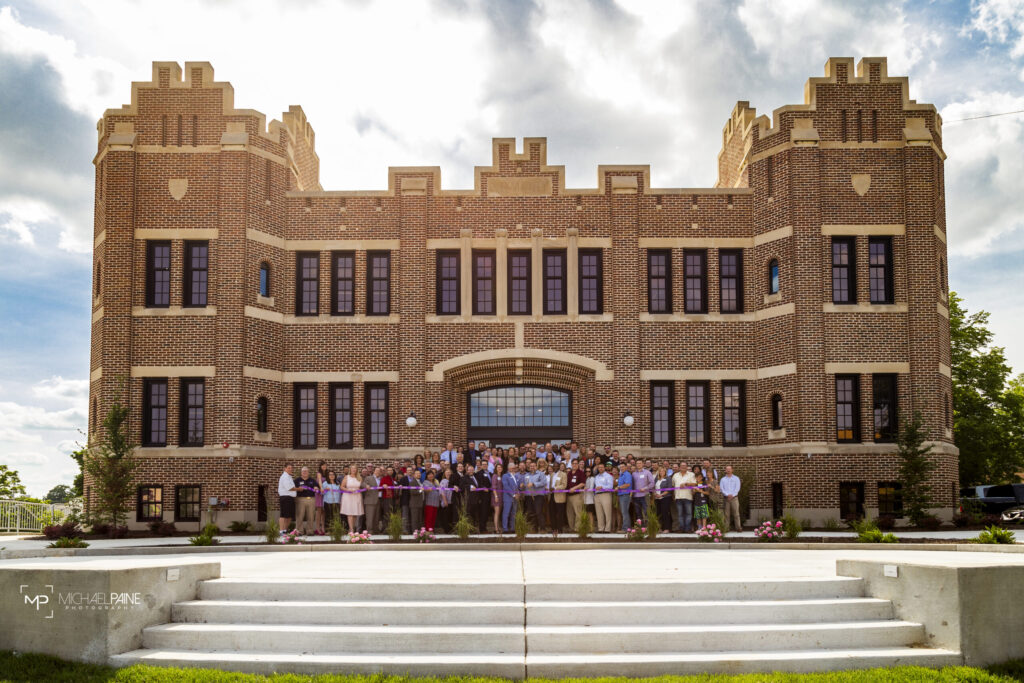
Owosso Armory
Former Armory Becomes Community Resource
Benn High
Vacant School Building Becomes Community Hub
Provident Health Campus
An Integrated Health Campus Serving West Philadelphia
Owosso Armory
Former Armory Becomes Community Resource
Want to Discuss Your Next Project? Talk With Our Team Today.
We bring clear insight, deep experience, and strategic focus to every project, whether you're structuring complex capital or shaping long-term, legacy-driven development.