


Historic Tax Credits
$8.5 Million Federal
New Markets Tax Credits
$1.5 Million

Total Development Cost
$50 Million

Project Partner
Center Stage Foundation

Impact
Arts Education, Support & Access
History
Richmond's Loew's Theater
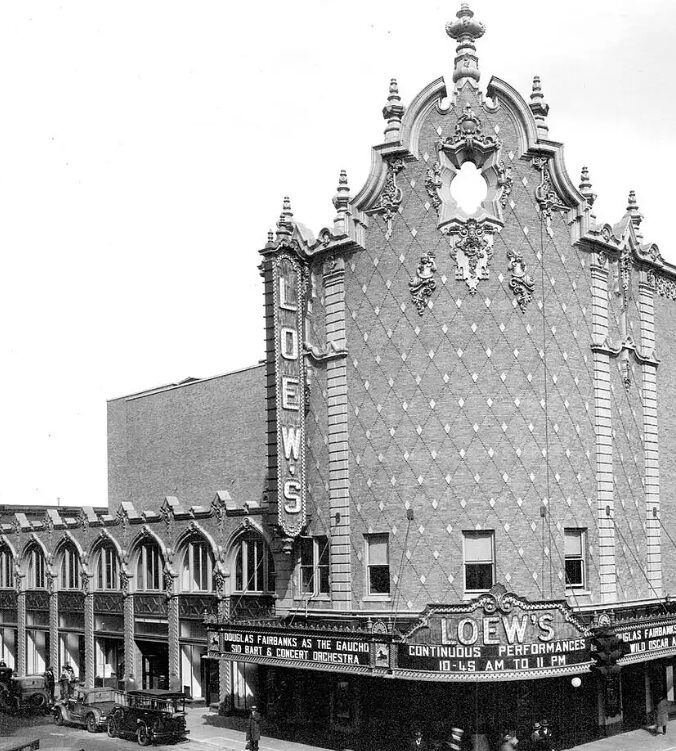
The Carpenter Theatre first opened its doors in 1928 as a Loew’s Theater for moving pictures. It was shuttered in 1979 due to competition from suburban multiplexes and changing demographics, and remained vacant until 1983. At that time, it was restored and reopened as the Carpenter Center for the Performing Arts. The Carpenter Center again closed in 2004 for a $50 million rehabilitation by the CenterStage Foundation, that up-dated its acoustics, lobby and amenities while expanding its stage size to draw major touring shows. This project also incorporated the Carpenter into a four-venue performing arts complex, Richmond CenterStage, that provides the community with a rich and varied arts experience in downtown Richmond.
Revitalization Efforts
Updating and Expanding the Theater
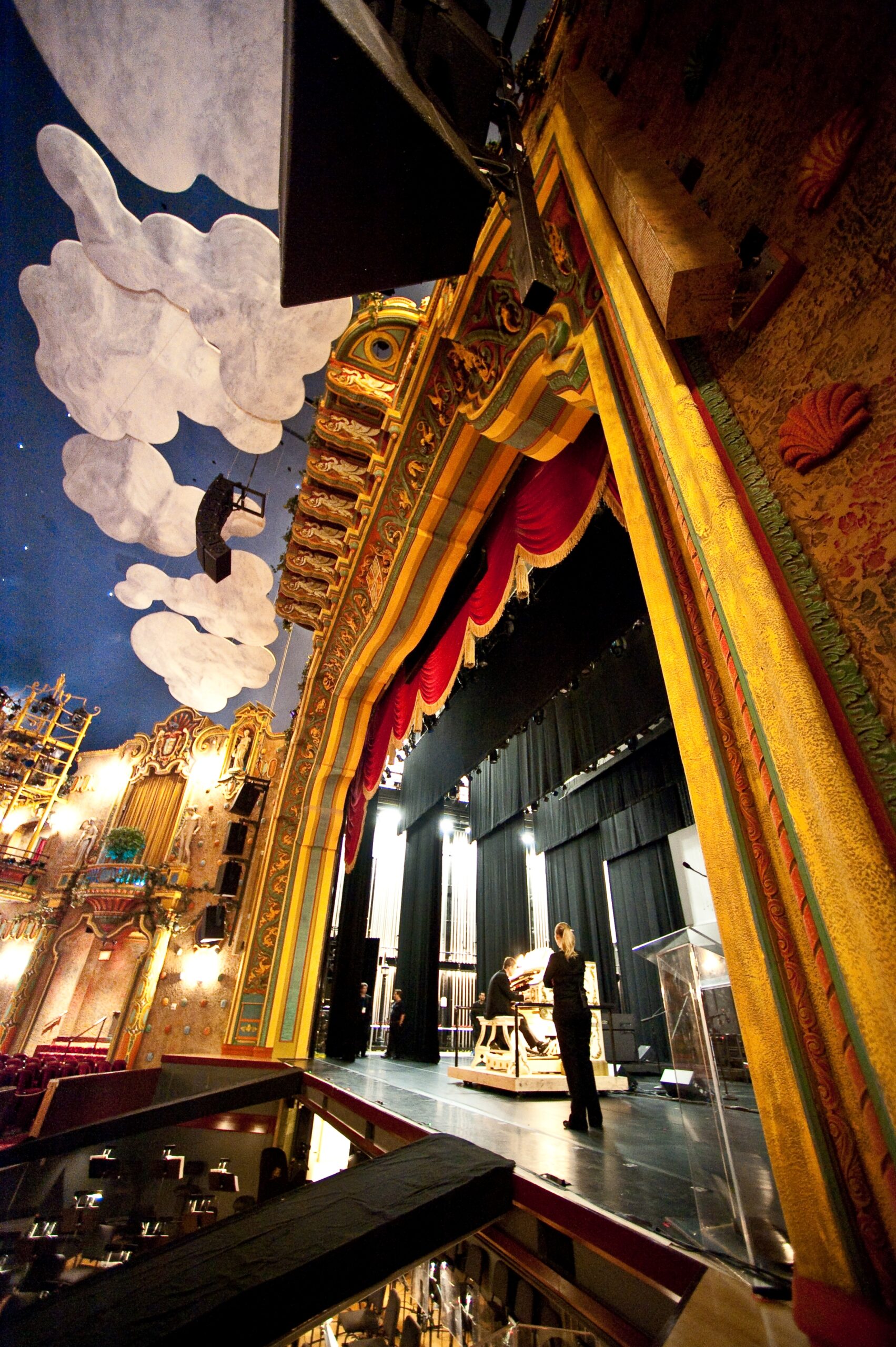
The architect of the original Carpenter, John Eberson, was a leading New York architect of the 1920’s noted for his extravagant theater designs. The theater certainly bears his stamp. It is an elaborate interpretation of the Spanish Mission style, with a dark red brick exterior heavily ornamented with sculpted terra cotta and limestone.
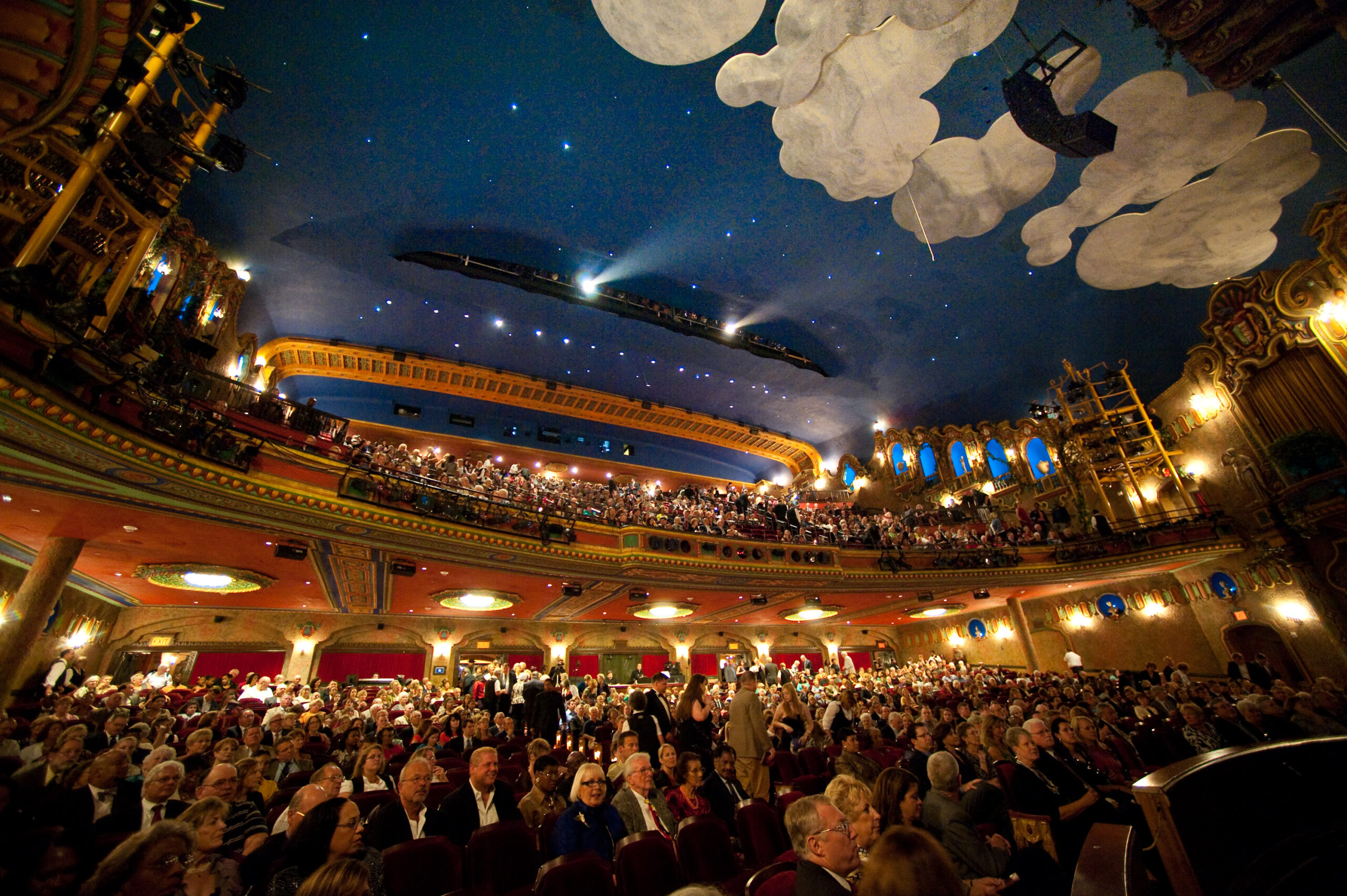
The rehabilitation preserved this style while creating a larger stagehouse to accommodate Broadway shows, expanding the lobby, ticketing and concession areas and updating its acoustics, electrical systems, seating and ticketing technology to meet modern standards.
Community Impact
Supporting the Arts in Richmond
The theater has served as home for the Richmond Symphony, the Richmond Ballet and the Virginia Opera as well as smaller Broadway productions, special concerts and other performances. In its renovated state, the nearly doubled in size stage now draws more than 40 touring plays, musicals, family shows and popular entertainment events annually. A dozen or more community presentations round out the calendar for the year, helping the theatre to stay busy for an estimated 200 days a year. These expanded offerings brought new permanent jobs and helped increase foot traffic downtown, as well as generating roughly $2.5 million in state and local taxes and $28.2 million in household and business income.
NTCIC & Progress
Economic Impact
The rehabilitation of Carpenter Theatre was made possible, in part, by NTCIC through an equity investment in the $8.5 Million federal Historic Tax Credits generated by the project and a $1.5 Million New Markets Tax Credit allocation.
Check Out Similar Projects Here
Browse all projects
Huntington Theatre
A Legacy of Performance and Community in Boston
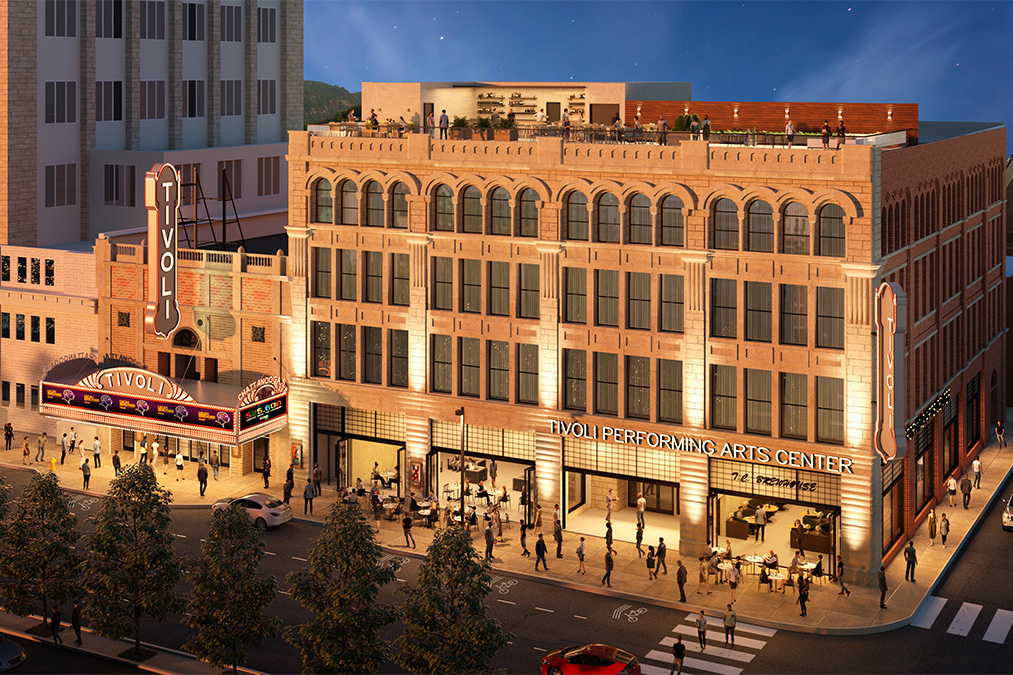
Tivoli Theatre
Community Takes Center Stage at Historic Chattanooga Theatre
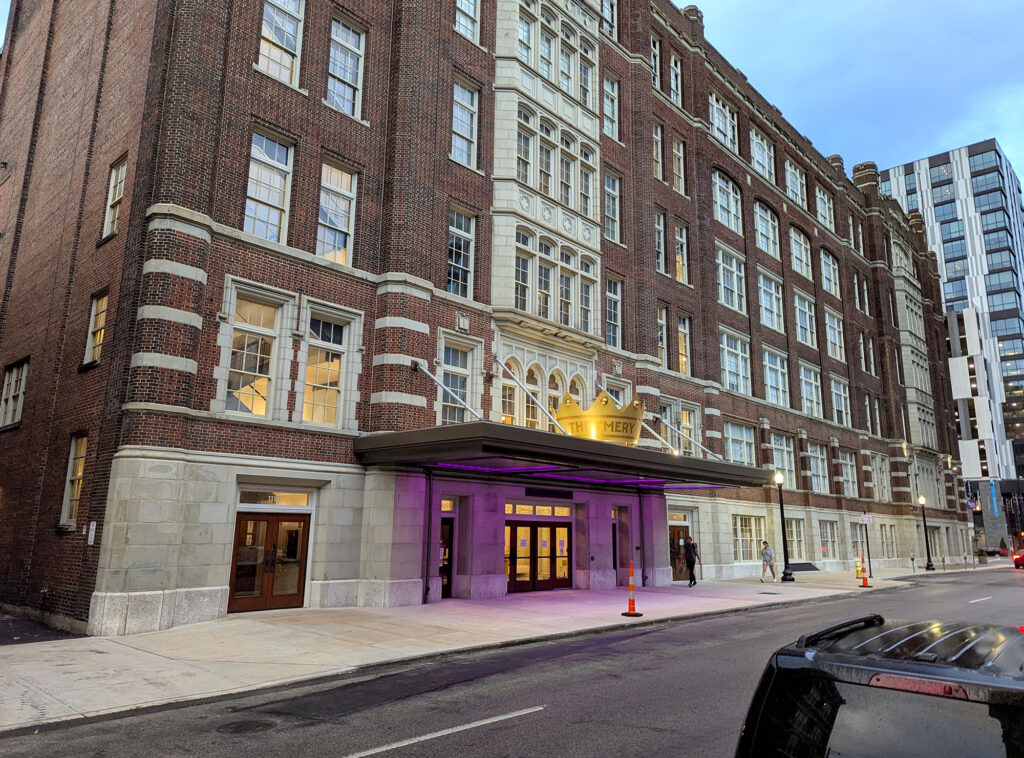
The Children's Theatre of Cincinnati
Historic Children’s Theatre Returns Home
Huntington Theatre
A Legacy of Performance and Community in Boston
Tivoli Theatre
Community Takes Center Stage at Historic Chattanooga Theatre
The Children's Theatre of Cincinnati
Historic Children’s Theatre Returns Home
Want to Discuss Your Next Project? Talk With Our Team Today.
We bring clear insight, deep experience, and strategic focus to every project, whether you're structuring complex capital or shaping long-term, legacy-driven development.