Historic Tax Credits

$10 Million Federal

$3 Million State

Bridge Loan

$7 Million

Total Project Cost

$85 Million

Project Partner

Terra Nova Ventures LLC

Impact

Economic Development

History

Maryland's First Flour Mill

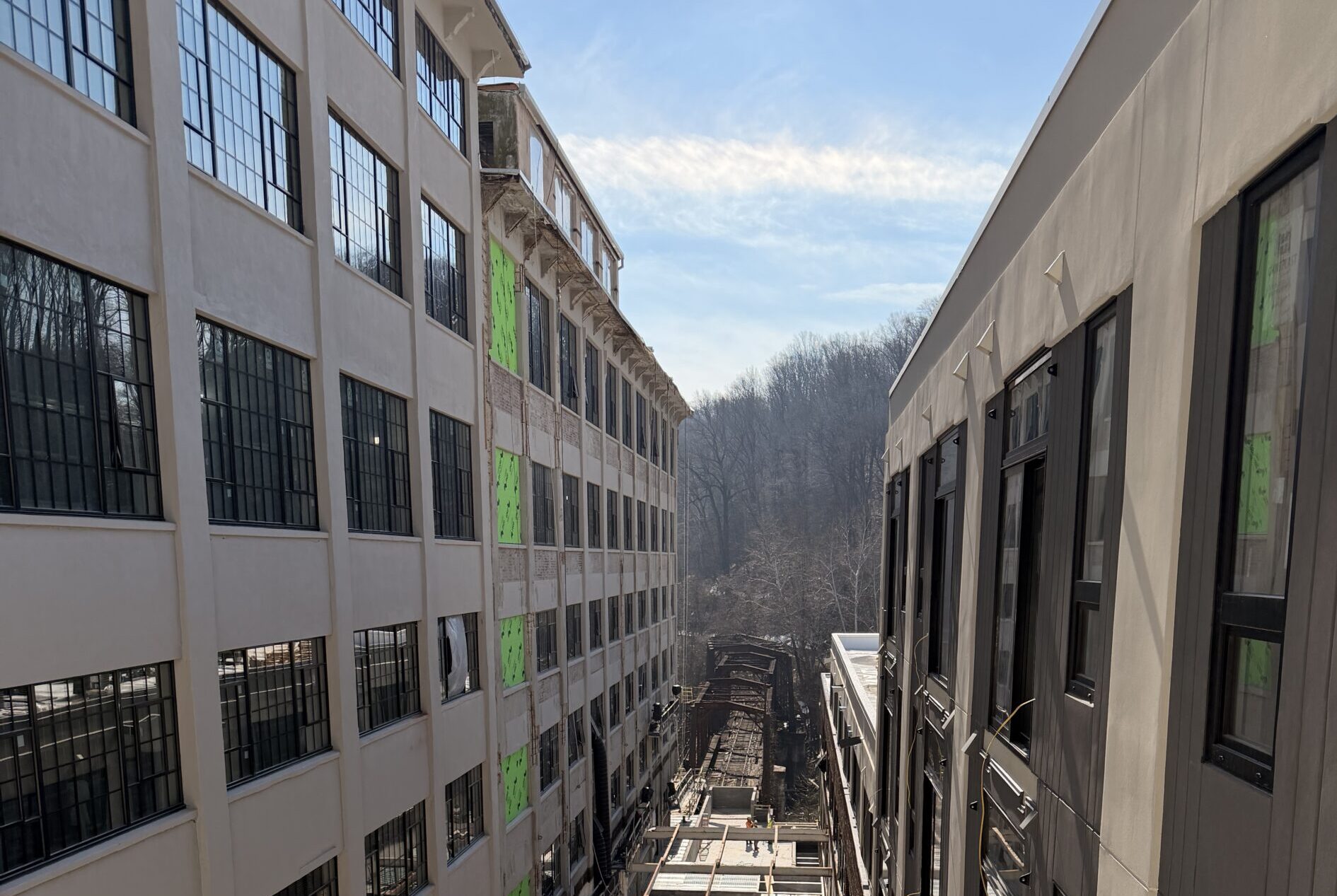
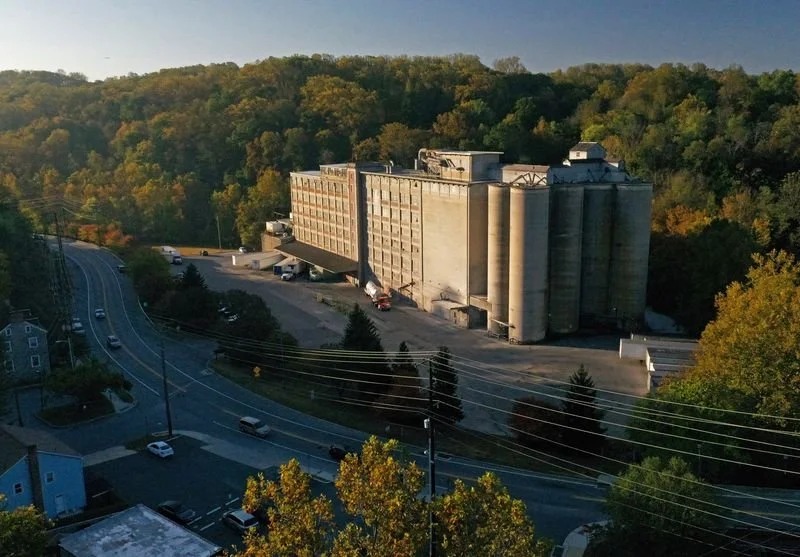
The history of the Wilkins Rogers Mill complex in Ellicott City, Maryland, traces its roots back to 1774, when the Ellicott brothers built a grist mill on the banks of the Patapsco River, becoming the first in Maryland to produce flour as a commercial enterprise. The mill was also a pioneer in the region, adopting Oliver Evans’ system of mill automation, which played a key role in establishing Baltimore as one of the nation’s most successful producers of flour products. After the Panic of 1837, the mill was acquired by Charles Carroll and Charles Gambrill, with the Gambrill family continuing to operate it into the 1920s.

The original mill building, constructed in two phases from 1916 to 1918, was later expanded with the addition of a combined warehouse, laboratory, and machine shop in 1941, replacing an earlier structure destroyed by fire. This complex, which includes the main mill building, attached boiler house, nine silos, and other structures, was significantly impacted by tenants like C.A. Gambrill Mfg. Company and the Doughnut Corporation of America (DCA), who oversaw renovations following a fire in 1941.

The Wilkins Rogers Company acquired the property in 1967 and operated it until 2020. Today, the complex remains a contributing property in the Ellicott’s Mills Historic District, which was listed in the National Register of Historic Places in 1976.  

Historic Mill Gets New Life
Revitalization Efforts

Historic Mill Gets New Life

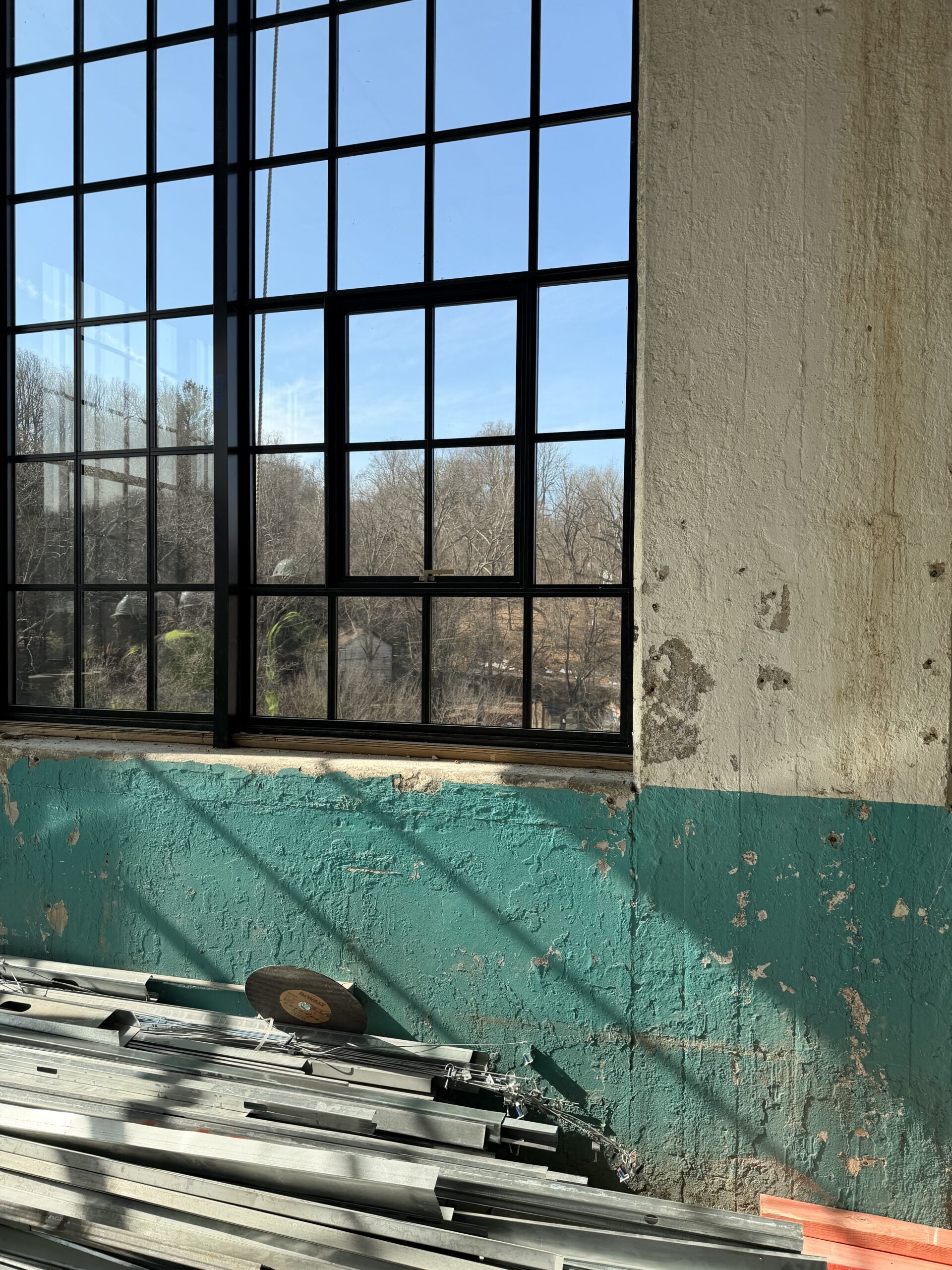
The historic Wilkins Rogers complex will be redeveloped into a mixed-use project called Ellicott Mill consisting of apartments, a restaurant overlooking the Patapsco River, retail space, a swimming pool, modern amenities and parking garage. The project will maintain its historic character with rehab to the main mill building, as well as other contributing buildings and a railroad trestle. Ellicott Mill is within walking distance to downtown Ellicott City and is conveniently located between Baltimore and DC.  

NTCIC & Progress

Financing & Impact

The $85 million revitalization of Ellicott Mill was supported in part by NTCIC through an equity investment in the $10 million Federal Historic Tax Credits generated by the project, $3 million in State Historic Tax Credits, and a $7 million bridge loan.

NTCIC acted as the investor in Federal and State historic tax creditsbridge lender, and will continue its partnership in the project as a servicer and asset manager. 

Want to Discuss Your Next Project? Talk With Our Team Today.

We bring clear insight, deep experience, and strategic focus to every project, whether you're structuring complex capital or shaping long-term, legacy-driven development.

Name(Required)
Want to Discuss Your Next Project? Talk With Our Team Today.

Federal Historic Tax Credits

$1.3 Million

New Markets Tax Credits

$2 Million

Total Project Cost

$8.2 Million

Project Partner

711 Catherine Developers & Stryant Investments LLC

Impact

Affordable Housing, Arts Education Support & Access

History

School & Community Center

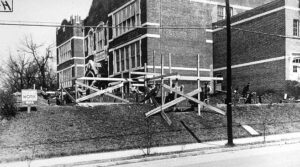
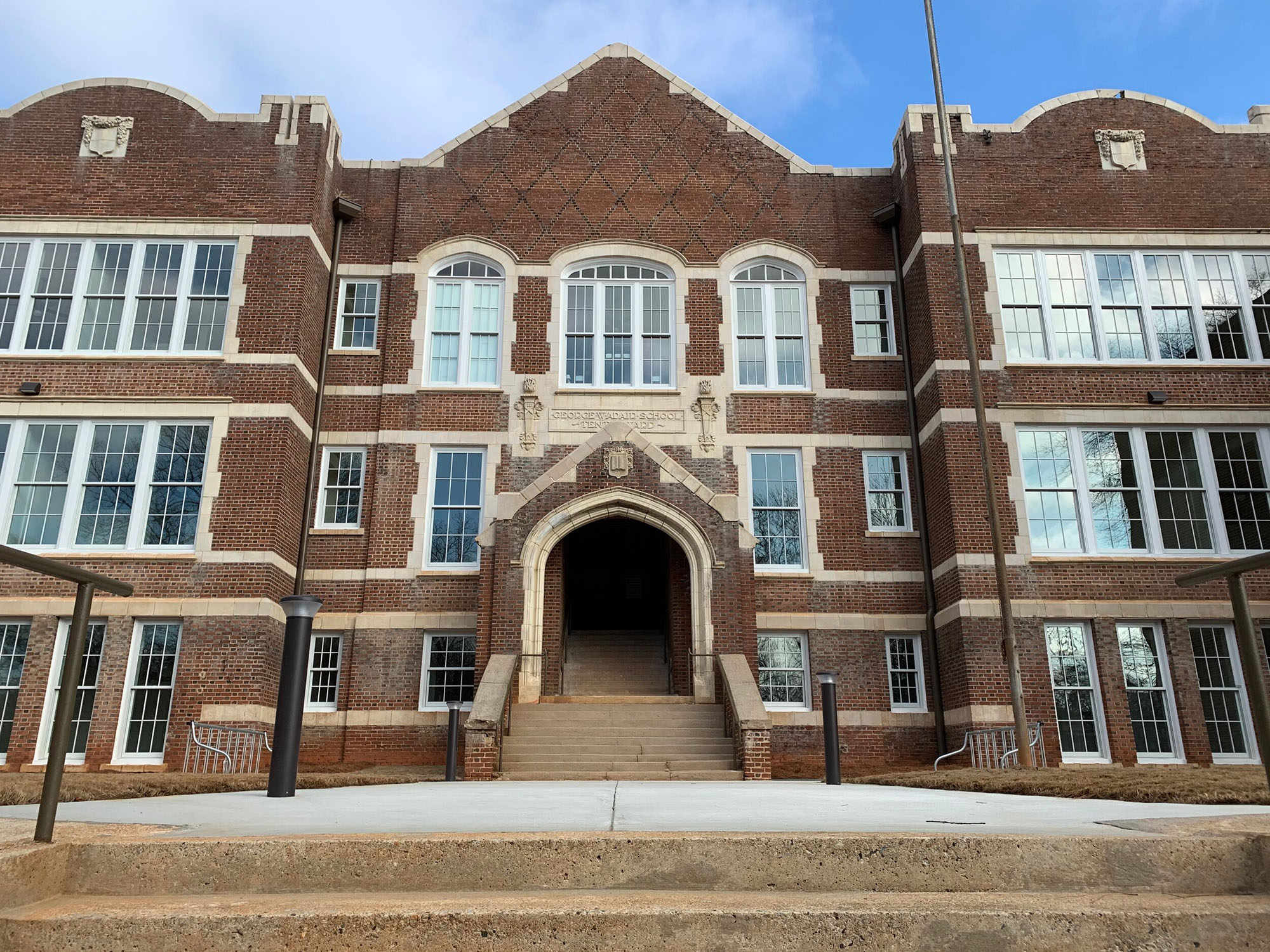
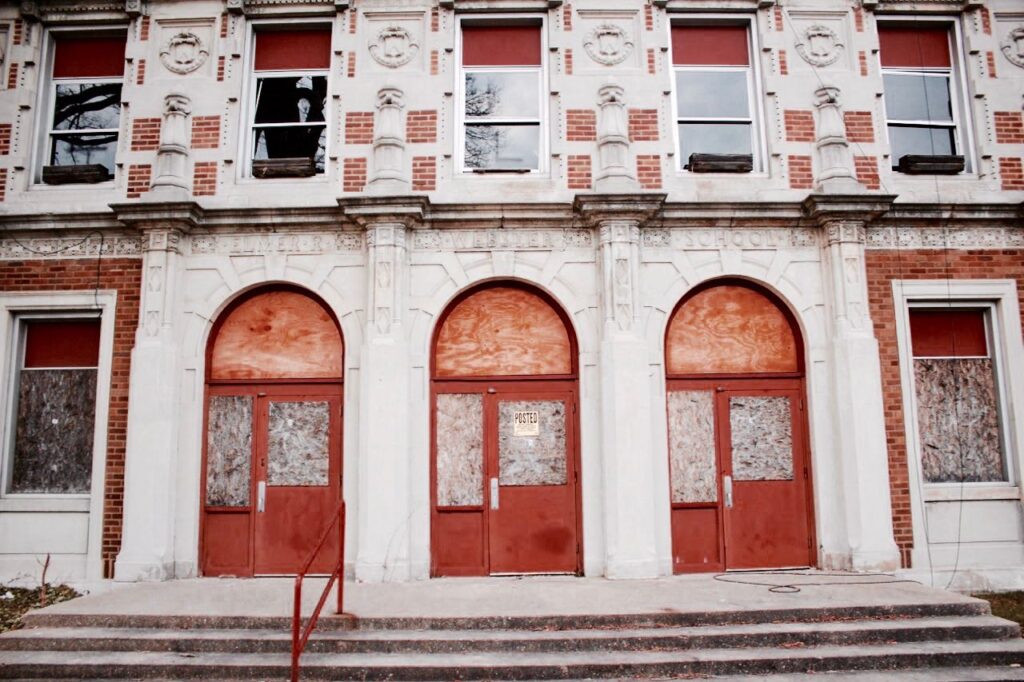
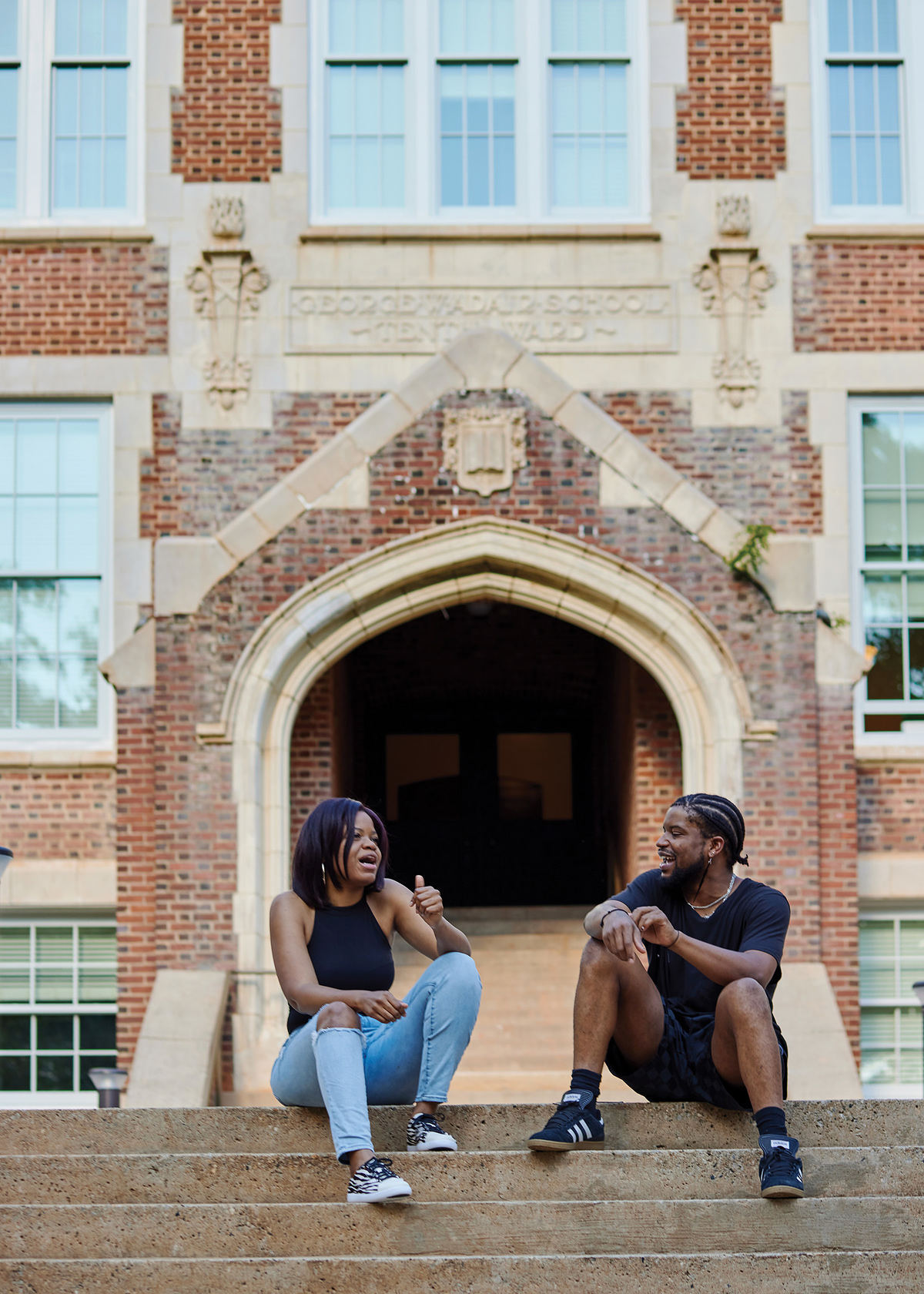
Constructed in 1912, the George W. Adair School is a two-story brick building located at the heart of the Adair Park neighborhood in Atlanta, Georgia. Adair Park, a “bungalow suburb,” was developed between the 1890s to the 1940s and features a variety of unique architectural styles, including Queen Anne and Folk Victorian, English Revival, and the predominant American Craftsman bungalows.

The George W. Adair School was designed in the Academic Gothic Revival style by Edward Dougherty, one of Atlanta’s leading architects of the time known for his works throughout Atlanta, including Druid Hills Baptist Church, Druid Hills Golf Club, Imperial Hotel, and the Highland School. For almost 60 years, it operated as both a school and a community gathering center, until enrollment began to diminish in the early 1960s. The school shut its doors in the fall of 1973 and has remained vacant and decaying ever since.

From Abandoned to Artist Hub
Revitalization Efforts

From Abandoned to Artist Hub

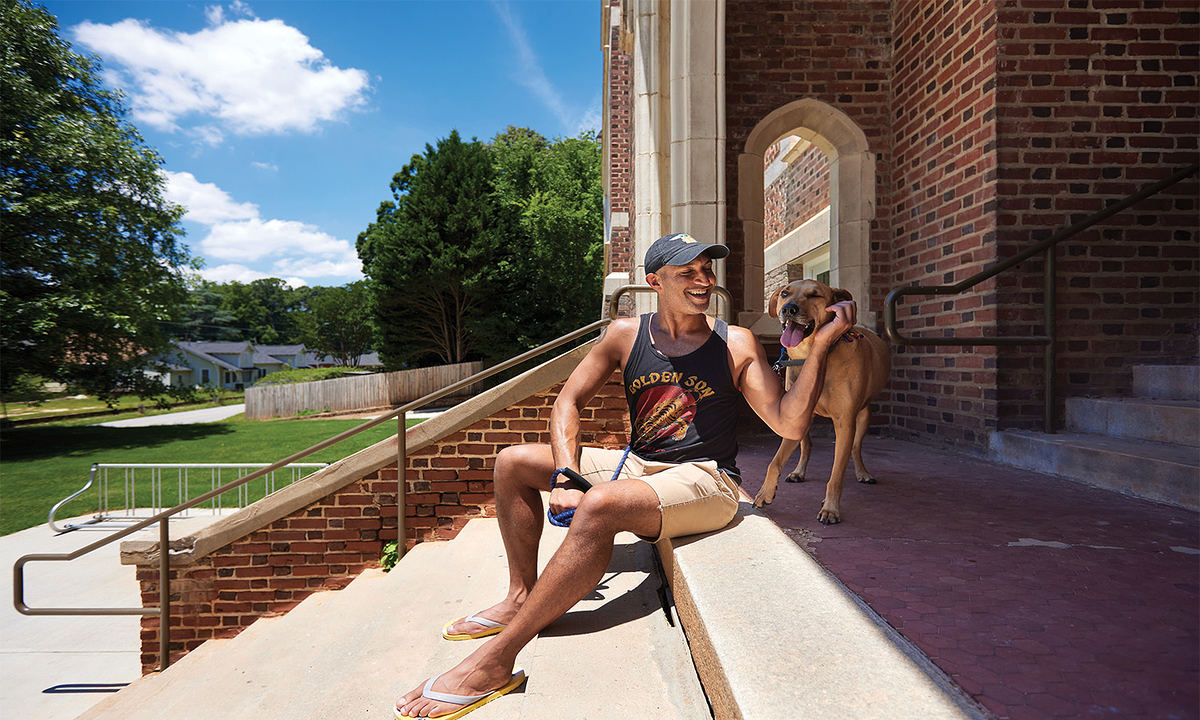
The George W. Adair Elementary School will be transformed into the Academy Lofts of Adair Park, a space where creative enthusiasts, artists, and entrepreneurs will live, work, and interact with each other and their local communities.

NTCIC & Progress

Financing & Impact

Academy Lofts was NTCIC’s 7th project supported by the Irvin Henderson Main Street Revitalization Fund and will be the first deal closed in partnership with Great Southern Bank. The Main Street Revitalization Fund provides financing through the Historic Tax Credit (HTC) and New Markets Tax Credit (NMTC) program to community development initiatives that support direct benefits to communities in need.

The Academy Lofts project will reactivate a long-vacant historic building, provide 35 affordable residential apartment-style housing units, and space for nonprofit tenants and arts-focused

education. Thirty of the units will be rent and income-restricted to households earning 60% AMI or less. The new nonprofit tenants will provide classes, services, community space, and outreach to communities focusing on art-based therapy.

The revitalization of the Academy Lofts is estimated to create/retain 98 jobs during construction and 88 post-completion. It will also include green technology to improve operational efficiency, including Energy Star appliances, water-sense fixtures, and LED lighting. The Academy Lofts opened in 2020.

Want to Discuss Your Next Project? Talk With Our Team Today.

We bring clear insight, deep experience, and strategic focus to every project, whether you're structuring complex capital or shaping long-term, legacy-driven development.

Name(Required)
Want to Discuss Your Next Project? Talk With Our Team Today.

Federal Historic Tax Credits

$3.77 Million

State Historic Tax Credits

$4.3 Million

New Markets Tax Credits

$2 Million

Total Project Cost

$20.7 Million

Project Partner

Main Street Projects, LLC

History

A Rich Textile History

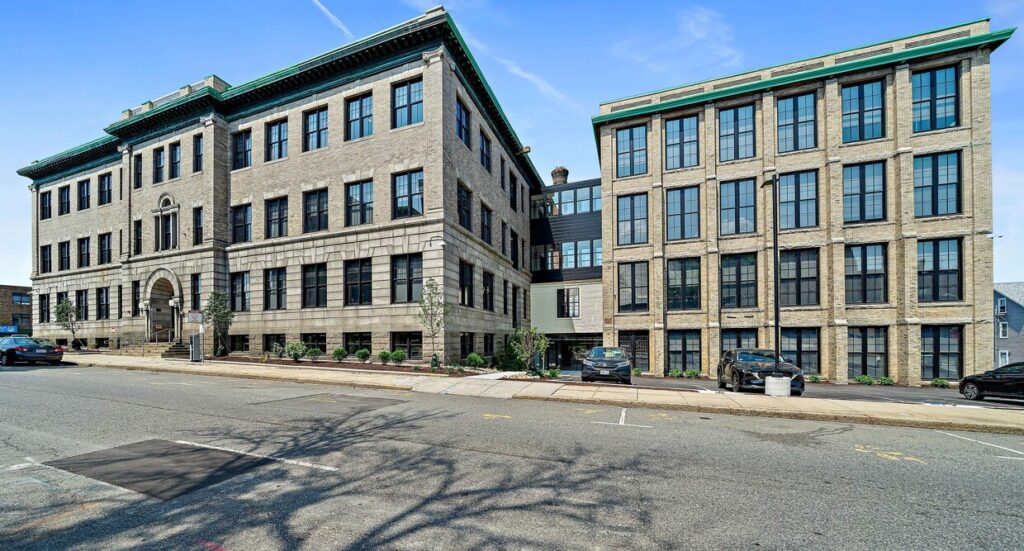
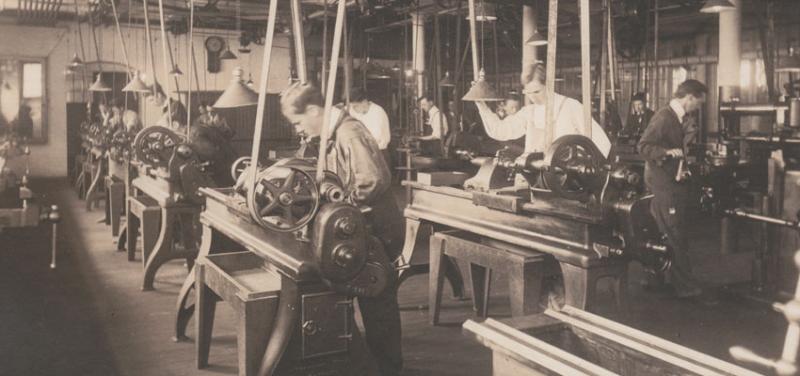
In the late 1800s, Fall River, Massachusetts, had become one of the country’s leading textile regions in America and, by the turn of the century, housed more than 1 million spindles in operation, second in the world to only Manchester, England. Originally known as the Bradford Durfee Textile School, the facility opened its doors in 1904 to provide advanced courses in textile manufacturing and chemistry to educate the rapidly growing population of local mill workers.

The school was named by the school’s original landowner, Miss Sarah S. Brayton, a descendant of local textile industry pioneer and Civil War veteran Maj. Bradford Dufree. Classes initially offered included advanced designing, electrical laboratory, motor testing, hand warping, loom, mechanical drawing, and machine shop.

The school expanded over the years and started to offer additional courses of study, eventually gaining the ability to award Bachelor’s degrees. At that point, the school’s name was changed to the Bradford Durfee College of Technology. In 1960, it merged with a neighboring technical institute to form the Southeastern Massachusetts Technological Institute and, in 1991, was acquired and merged with several branches of the University of Massachusetts to become UMass Dartmouth, vacating the building in the transition. A local community college briefly took over some of the space for classes but left nearly 20 years ago. The building has since sat vacant, awaiting a new use.

Revitalization

Creative Campus

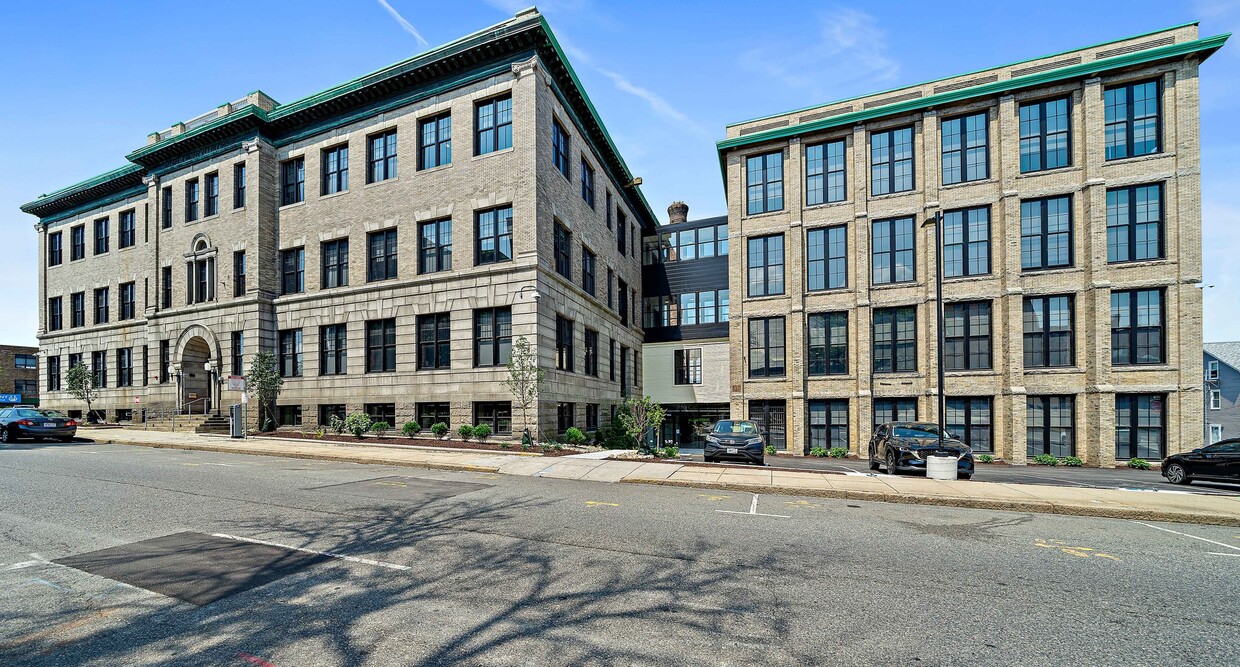
The 74,000 square foot, five-building campus will soon become the Creative Class Lofts and provide 44 market-rate apartments, 11 affordable apartments for practicing artists, and 23,345 square feet of commercial, community, and retail space.

Anchoring the commercial portion of the building will be the Spectrum Empowerment Project and the Youth Musical Theater Corporation (YMTC). Spectrum provides autistic adults with an alternate path to college and employment through economic independence, social growth, and creative expression. YMTC is a nonprofit, all-volunteer organization that provides young people with the opportunity to participate in theatrical experiences and produces two Broadway-style musicals each year. The building will also include a 170-seat event space/black box theater to support these groups, as well as an art gallery open to the public.

Groundwork, a Massachusetts-based coworking space provider, will be opening a new site within Creative Class Lofts after celebrating five years of successful growth in their New Bedford location. The Groundwork space will provide coworking memberships and support several local businesses, including Entrepreneurship for All (“E for All”), a year-long small business incubation program.

Community & Economic Impact

Building a Community

The project received an impressive level of community support through the development process and a variety of public funding designed for economic and residential expansion. The development team received letters of support from both Mayor Jasiel Correia II and the Massachusetts Department of Housing and Community Development.

In addition to below-market-rate leases, the larger, revitalized space will allow the commercial tenants to expand their programming to support more community members. Groundwork will provide affordable membership rates to an estimated 400 annual users and host job training programs as part of its partnership with the MassHire Bristol Workforce Investment Board.

Additionally, it will support Entrepreneurship for All (“E for All”), a year-long small business incubation program that will provide 30 entrepreneurs a year—predominantly women, minorities, and immigrants— with the opportunity to move their businesses forward.

The larger space and new theater will enable both the Spectrum Empowerment Project and YMTC to greatly develop and expand their

community programming. With a dedicated theater at their disposal, YMTC plans to add 4 additional performances to their annual calendar, growing their audience to 800 people annually. Additionally, the new location’s proximity to the Fall River District Court will allow Spectrum’s Employ Workforce Integration program, which provides job training for adults on the spectrum, to develop a new Paralegal Assistant program. The project will also create affordable housing for practicing artists (those earning 60% AMI or less), who typically have been pioneers in creating vibrancy in blighted neighborhoods. The project is a significant part of the city’s “Downtown Urban Renewal Plan.” In 2007, the city created an Arts Overlay District to promote the expansion of art and culture, encourage art uses, and enhance the vitality of the central business district by fostering a mix of housing and art-related uses. This project will be the “mix of housing and art-related uses,” which has been so elusive to the community.

The revitalization of the historic building will create an estimated 126 quality construction jobs, 72% of which are accessible to underserved individuals. Once complete, the building’s tenants will create an estimated 46 permanent jobs.

Theater Programming

Will grow audience to 800 annually

Entrepreneurship for All

30 participants annually

Housing for Artists

Part of city’s Downtown Renewal Plan

Groundwork Coworking

400 affordable memberships

Job Creation

46 full time jobs created

NTCIC & Progress

Financing the Project

The $20.7 million project was financed in part with $2 million in New Markets Tax Credit (NMTC) allocation from NTCIC’s Irvin Henderson Main Street Revitalization Fund. Additionally, NTCIC’s invested in the $3.77 million in federal Historic Tax Credits (HTC)

and $4.3 million in state HTCs generated by the project. Additional financing included funds from the Massachusetts Housing Development Incentive Program (HDIP) and additional state and federal programs including the HOME Program.

Want to Discuss Your Next Project? Talk With Our Team Today.

We bring clear insight, deep experience, and strategic focus to every project, whether you're structuring complex capital or shaping long-term, legacy-driven development.

Name(Required)
Want to Discuss Your Next Project? Talk With Our Team Today.

Federal Historic Tax Credits

$21 Million

Total Project Cost

$153.6 Million

Project Partner

Lubert-Adler Real Estate Funds

History

Philadelphia Electric

The Delaware Power Station of the Philadelphia Electric Company was, at its peak, Philadelphia’s largest power station in the post-World War I period and a critical component to the company’s incredible growth. Founded in 1899 and incorporated in 1902, Philadelphia Electric first formed as a corporation by consolidating many small electric utilities under a single large holding company with the goal of being the sole supplier of electricity to the city. A critical success toward the goal of standardization began in 1902 with the construction of the largest coal-powered central power plant in the world known as Schuylkill A-1. When run at full capacity, this station could generate all of the city’s electricity needs at a lower cost than what was possible through multiple smaller plants.

Within just 16 years, a site expansion, and the construction of a second station, by 1918, the company’s customer base and power needs had grown more than fivefold and continued to increase. This demand was further compounded by the industrial expansion resulting from the United States entering World War I. To meet the ever-growing needs, Philadelphia Electric began the two-phase construction of the Delaware Power Station in 1917. By 1923, the Delaware Station was in full operation and capable of generating over 46% of the city’s electricity when running at its full capacity, making it the largest power station in the Philadelphia Electric system.

Over the next several decades the company would continue to dominate the industry, constructing additional stations around the city and expanding the Delaware station once more in 1953. Although no expansions occurred after 1953, the Delaware Station continued to power a large portion of Philadelphia over the next several decades.

With the development of newer generating technologies such as nuclear power, however, the Delaware Station’s dependence on fossil fuels, both coal and oil, meant that it was becoming increasingly inefficient. By 1969, the original sections of the station were retired, leaving only the 1953 expansion in operation. Philadelphia Electric was acquired by the Exelon company in 2000 and, by 2008, the station ceased to function as a power plant. Exelon sold the station in 2015 when early development plans for the station’s future use began. Current ownership acquired the property in late 2019.

Revitalization

A Dynamic Campus Experience

The former power station is now ‘The Battery,’ a 500,000 square foot dynamic multifamily and workplace campus experience on the Delaware River, adjacent to the heart of the bustling Fishtown neighborhood in Philadelphia, with a specific focus towards open-air, greenspace, and health and wellness.

The campus was developed in three phases, the first of which focused on two of the original historic structures, the “Boiler House” and the “Switchgear Building,” as well as an expansive public outdoor space. The Boiler House contains 239 loft and rooftop apartments, 49,000 square feet of office space on the ground floor, and a dramatic 2-story central amenity hub. Amenities include lounge, meeting, co-working, and café space with a rooftop outdoor terrace and garden. The Switchgear Building renovation created 45 studio and one-bedroom units and 25,000 square feet of event space operated by Cescaphe, a well-established event brand in Philadelphia.

The Battery lies directly adjacent to Penn Treaty Park and features a large outdoor space along the Delaware River waterfront with direct access to trails for walking/biking.

NTCIC & Progress

Financing & Impact

The Battery is located within a Keystone Opportunity Zone (KOZ), a unique Pennsylvania program designed to develop a community’s underutilized land and buildings. Projects located within KOZs are able to apply for several economic development tools that promote business growth including state and local tax credits, exemptions, and tax abatements.

The $153.6 million project was financed in part by NTCIC’s investment in the $21 million in federal Historic Tax Credits generate by the project.

Want to Discuss Your Next Project? Talk With Our Team Today.

We bring clear insight, deep experience, and strategic focus to every project, whether you're structuring complex capital or shaping long-term, legacy-driven development.

Name(Required)
Want to Discuss Your Next Project? Talk With Our Team Today.

Federal Historic Tax Credits

$9 Million

Total Project Cost

$52.2 Million

Project Partner

Brain Group, Sustainable Development Partners Kansas City

Impact

Economic Development

Historic Westport High School
History

School of Magnificent Distances

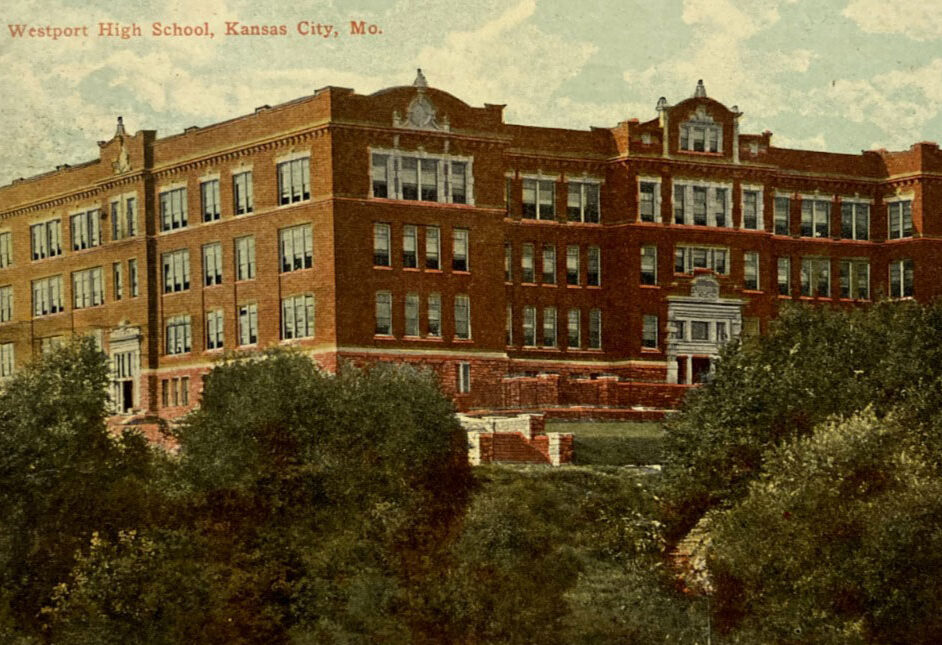
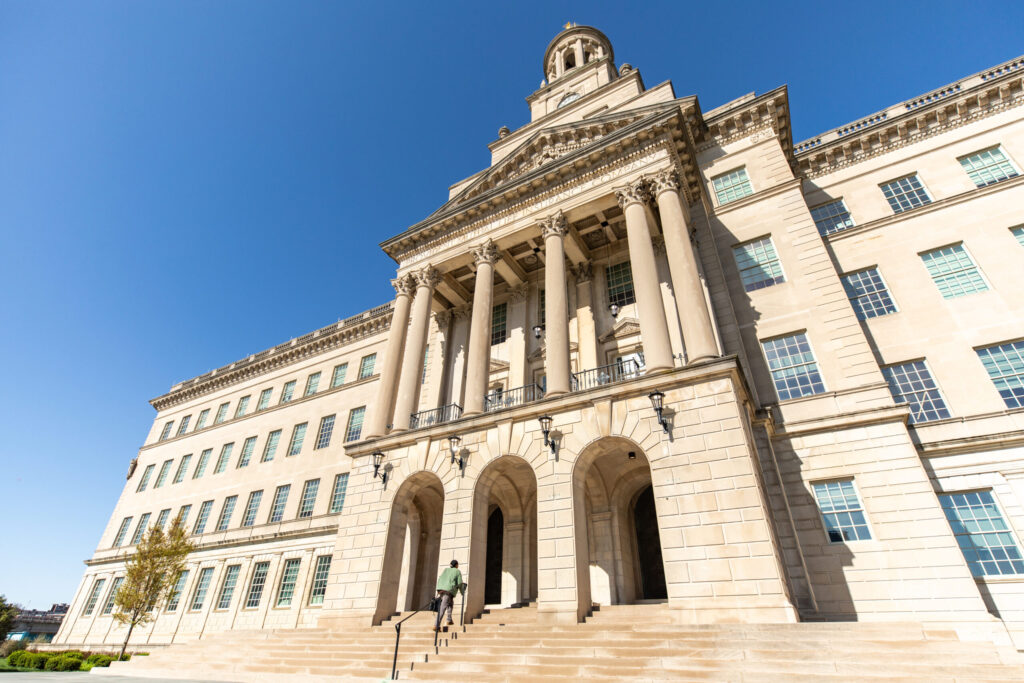
The former Westport High School complex, once nicknamed “The school of magnificent distances,” was originally constructed in 1908 in the historic Westport neighborhood of Kansas City, Missouri. Built at a construction cost of nearly $500,000, the school was considered state-of-the-art and the finest school building in Missouri.

Two additional buildings were added to the complex in 1964 and 1992, and the school served over 400 students at its peak. The school closed in 2010 as part of a “right-size” plan that shuttered 25 other schools in the district. In 2011, the Kansas City Public Schools (KCPS) began a Repurposing Initiative to identify other uses for many of these now-vacant school buildings.

A New Vision for Westport
Revitalization Efforts

A New Vision for Westport

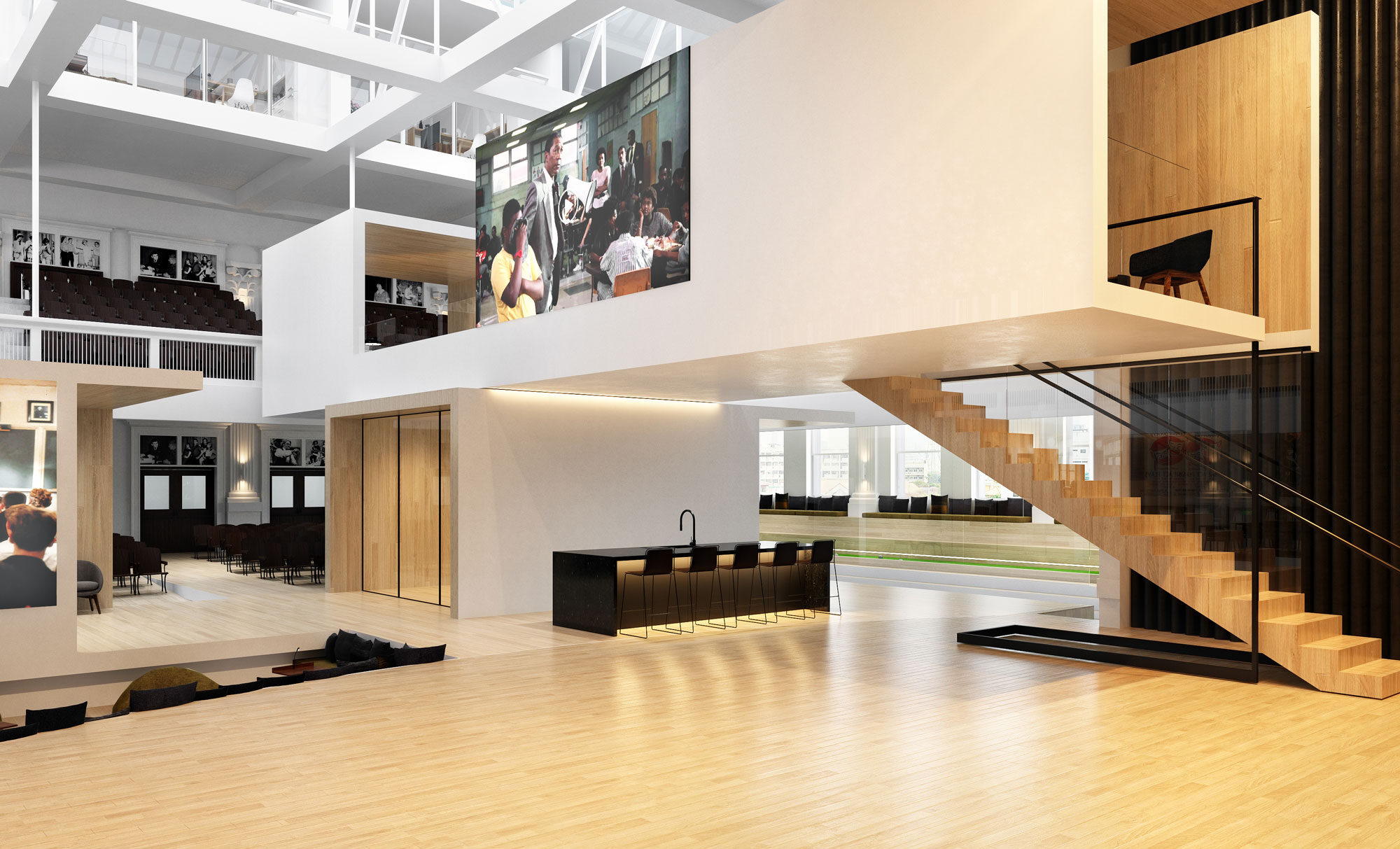
The former Westport High School is being reimagined as a vibrant mixed-use development that preserves its historic character while introducing modern amenities.

The project transforms two historic school buildings into 138 market-rate apartments and repurposes the 1992 addition into 20,000 square feet of commercial space for childcare services or coworking offices. This adaptive reuse ensures long-term sustainability and creates a dynamic hub for living, working, and community engagement.

NTCIC & Progress

Financing the Project

NTCIC provided an equity investment in the $9 million Federal Historic Tax Credits generated by the preservation efforts, making the redevelopment of Westport Commons possible. This support helped preserve the historic school building while creating a sustainable mixed-use development that benefits the community and local economy.

Additional funding was secured through State Historic Tax Credits, private equity partners, and a HUD 221(d)(4) loan, ensuring the project’s financial feasibility. These combined resources allowed for the adaptive reuse of the property, delivering long-term economic growth and positioning Westport Commons as a model for historic preservation and urban revitalization.

Want to Discuss Your Next Project? Talk With Our Team Today.

We bring clear insight, deep experience, and strategic focus to every project, whether you're structuring complex capital or shaping long-term, legacy-driven development.

Name(Required)
Want to Discuss Your Next Project? Talk With Our Team Today.

Historic Tax Credits

$10 Million
Federal HTCs

Total Project Cost

$42 Million

Project Partner

Black Point Investments

History

One of Nation's Largest Textile Mills

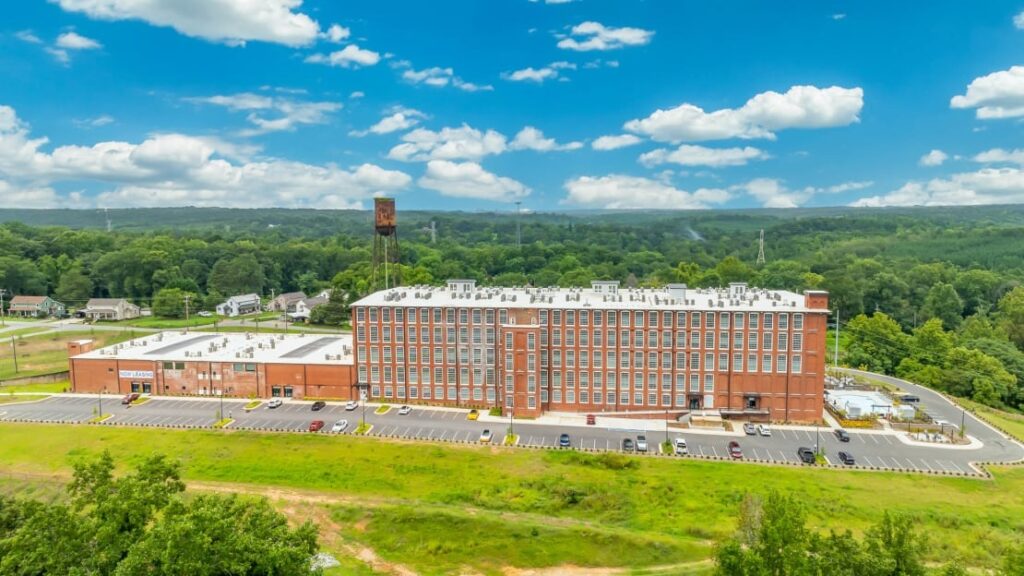
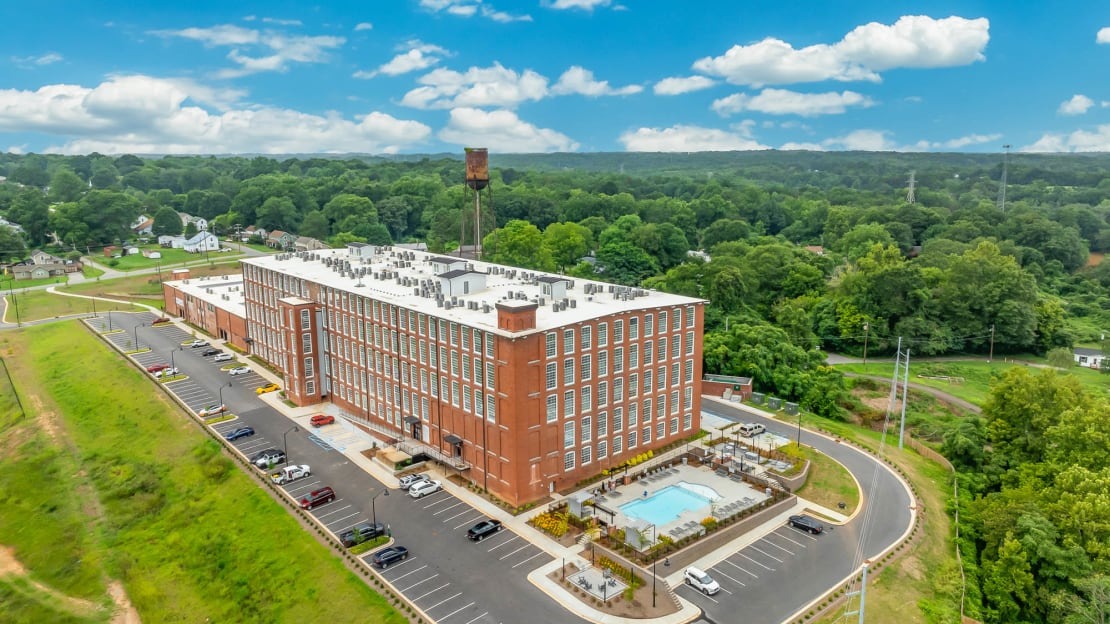
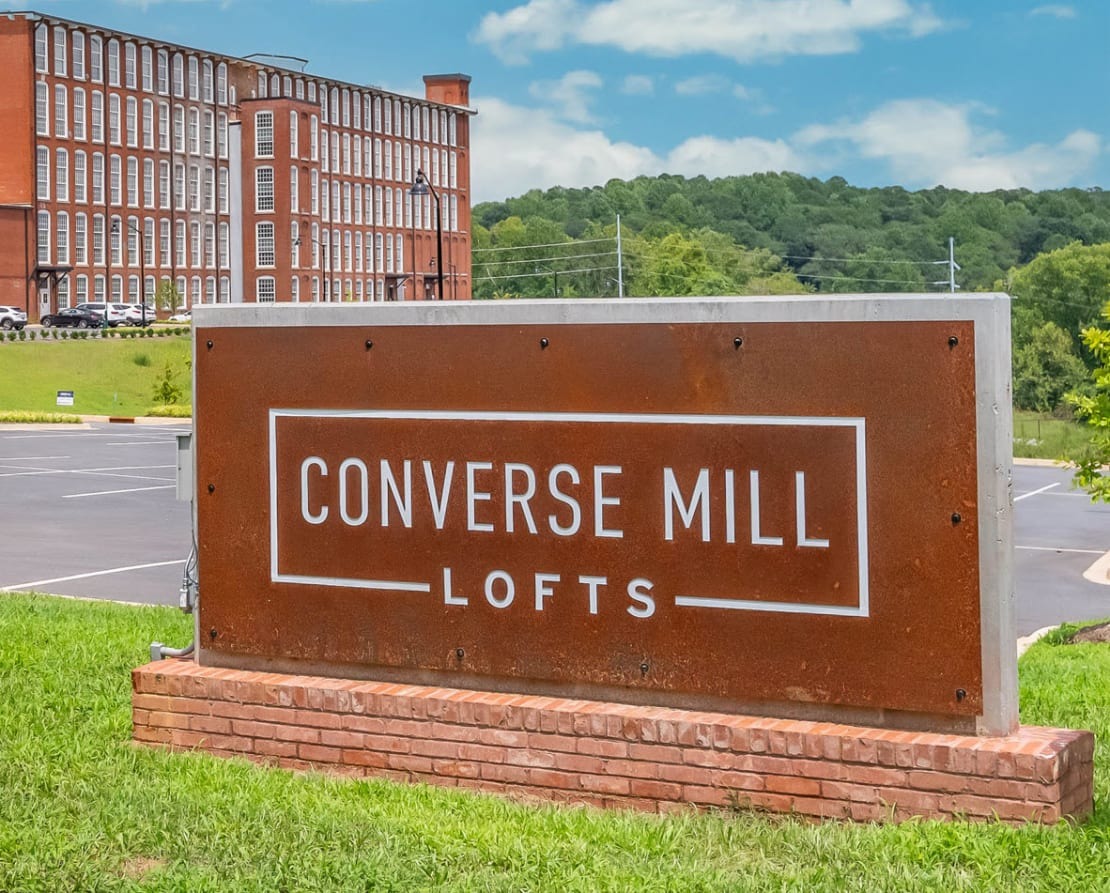
Originally known as Clifton Mill No. 3, the building was constructed in 1896 on the bank of the Pacolet River as part of the Clifton Manufacturing Company, one of the largest textile mills in the United States. The mill complex was part of the major growth of Spartanburg County, South Carolina’s textile industry leading the area to become one of the nation’s largest textile centers. At its peak, the factory complex housed over 57,000 spindles and 2,200 looms by the year 1900, nearly twice the number of its nearby competitors.

On June 6, 1903, a devastating flash flood destroyed dozens of homes and businesses, including Mill No. 3. It was rebuilt within the year as a five-story mill complex with adjacent cotton warehouses by the famed Boston mill engineering and architectural firm Lockwood, Greene, and Company. It remained a working textile mill for over 50 years.

By mid-century, Spartanburg County’s hold on the textile industry began to loosen and in 1965, the Clifton Manufacturing Company was sold to Dan River Mills, a large textile firm based out of Virginia. It was the beginning of the end as the company shut down all three mills between 1968 and 1973. Converse Mill was used as a warehouse for many years until two of the three mills were demolished between 2002 and 2013. The only remaining vestige of the vast Clifton Manufacturing Company is Converse Mill.

In 2006, a local owner purchased the building to preserve its history and bring new opportunities to Spartanburg County.

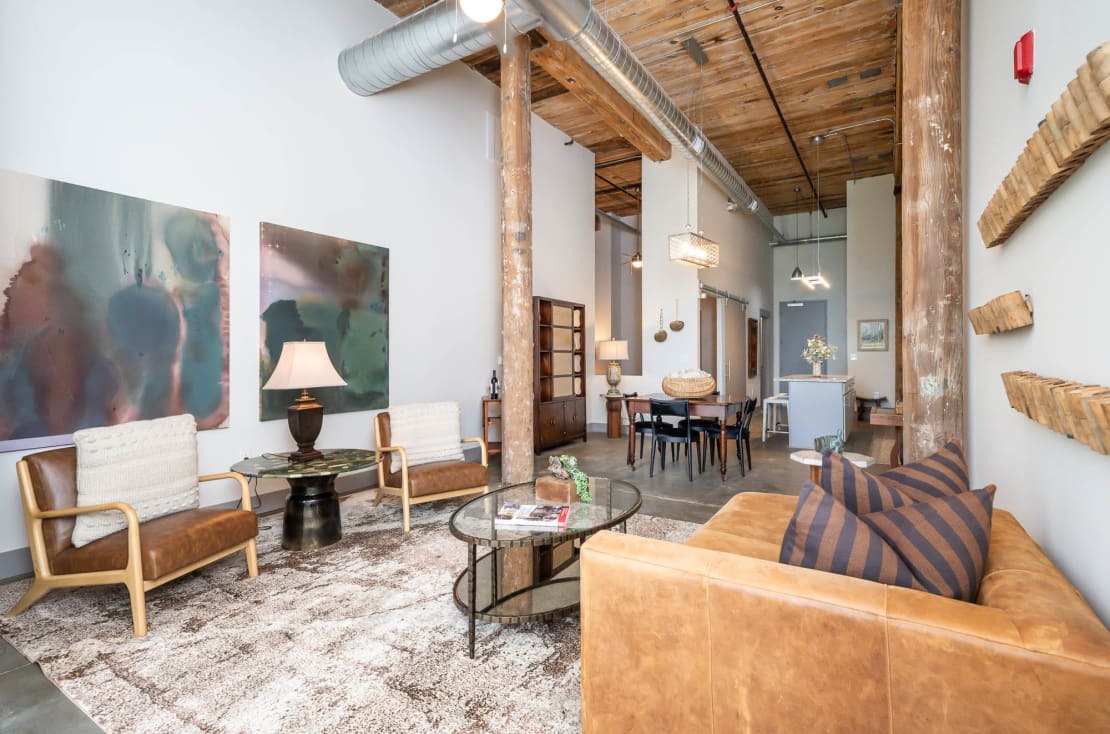
Riverside Living
Revitalization Efforts

Riverside Living

The 247,000 square foot former textile mill will be transformed into Converse Mill Lofts and will create 173 loft-style apartments overlooking the Pacolet River, well-known for its paddling and other recreational activities. The development team has incorporated green requirements into the design to achieve National Green Building Standards (NGBS) Bronze level. The sponsor, Black Point Investments, has over 20 years of experience in real estate development and an affinity for historic renovation and multifamily properties. To date, they have completed over 2.1 million square feet of historic renovation including two mills: The Loray Mill in Gastonia, NC, and the Johnston Mill in Columbus, GA.

NTCIC & Progress

Project Financing

The historic restoration of the Converse Mill was made possible, in part, by NTCIC through an equity investment in the $8.5 million in federal Historic Tax Credits generated by the project. Additional financing included a South Carolina State Historic and Textile Mill Tax Credit supported by Monarch Private Capital, as well as a Housing and Urban Development (HUD) 221(d)(4) loan financed by the Greystone Funding Company. The project will support an estimated 382 construction jobs (FTE) based on the Preservation Economic Impact Model (PEIM).

Connect with Us

Curious About How Historic Tax Credit Investments Drive Real Impact?

Kandi Jackson leads tax credit investment activities with deep expertise in project finance, equity structuring, and compliance. When you speak with Kandi, expect clarity, honesty, and a clear roadmap for how your next investment can work in your portfolio.

Connect with Kandi

Check Out Similar Projects Here

Browse all projects

Want to Discuss Your Next Project? Talk With Our Team Today.

We bring clear insight, deep experience, and strategic focus to every project—whether you're structuring complex capital or shaping long-term, legacy-driven development.

Name(Required)
Want to Discuss Your Next Project? Talk With Our Team Today.

Historic Tax Credits

$12 Million
Federal HTCs

Total Project Cost

$77 Million

Project Partner

Model Group

Impact

Economic Development

History

A 10,000 Year Lease

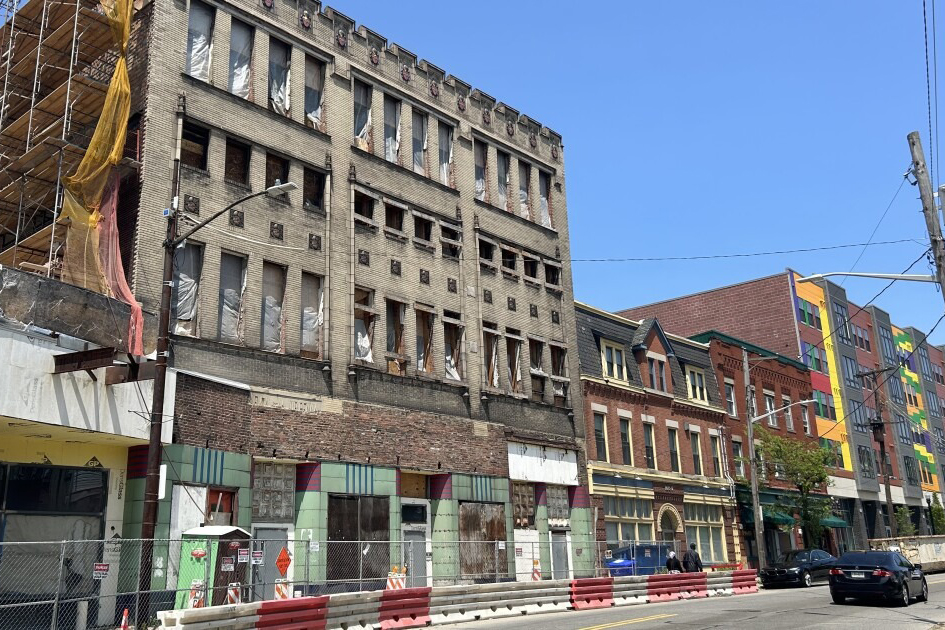
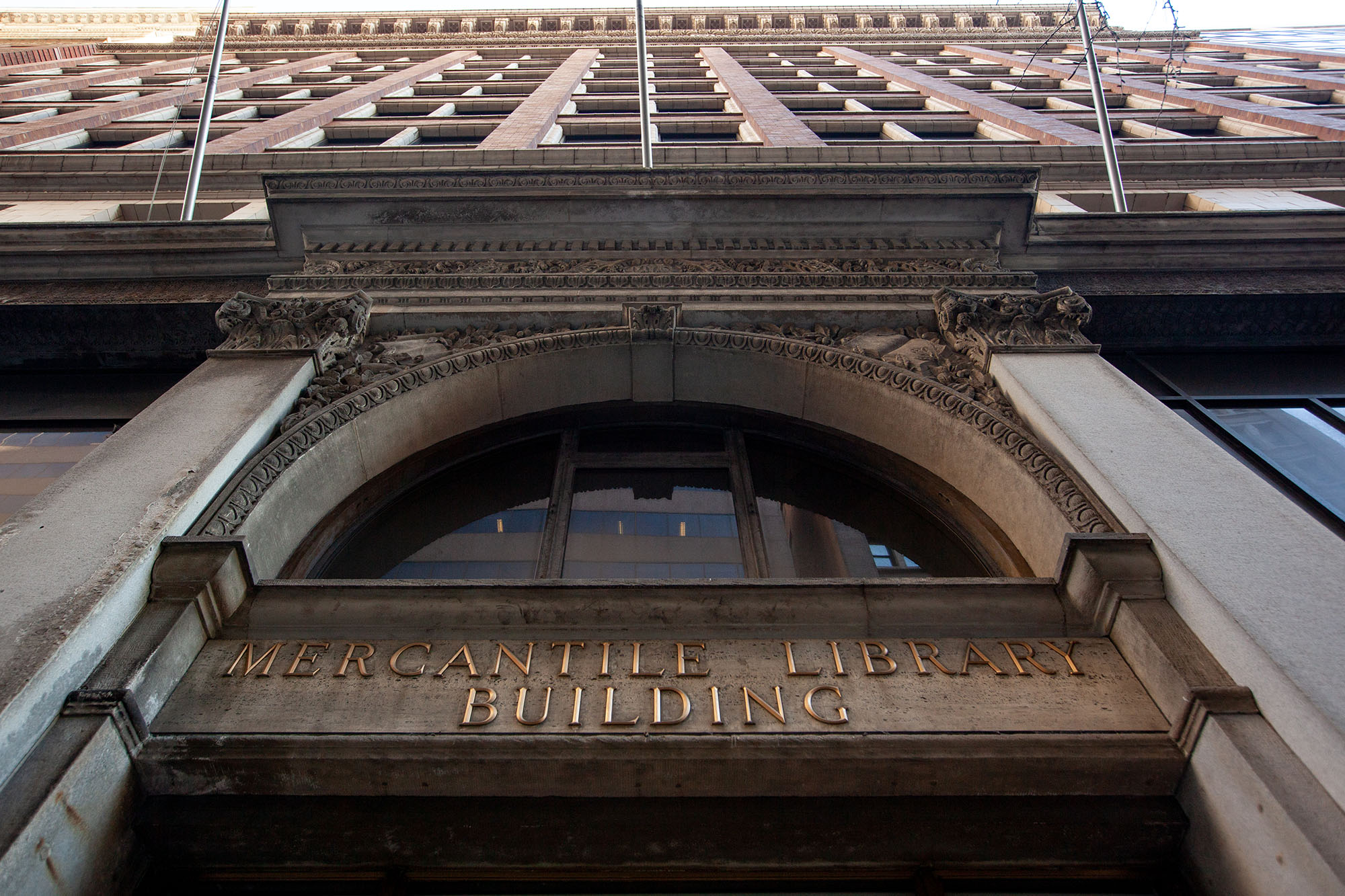
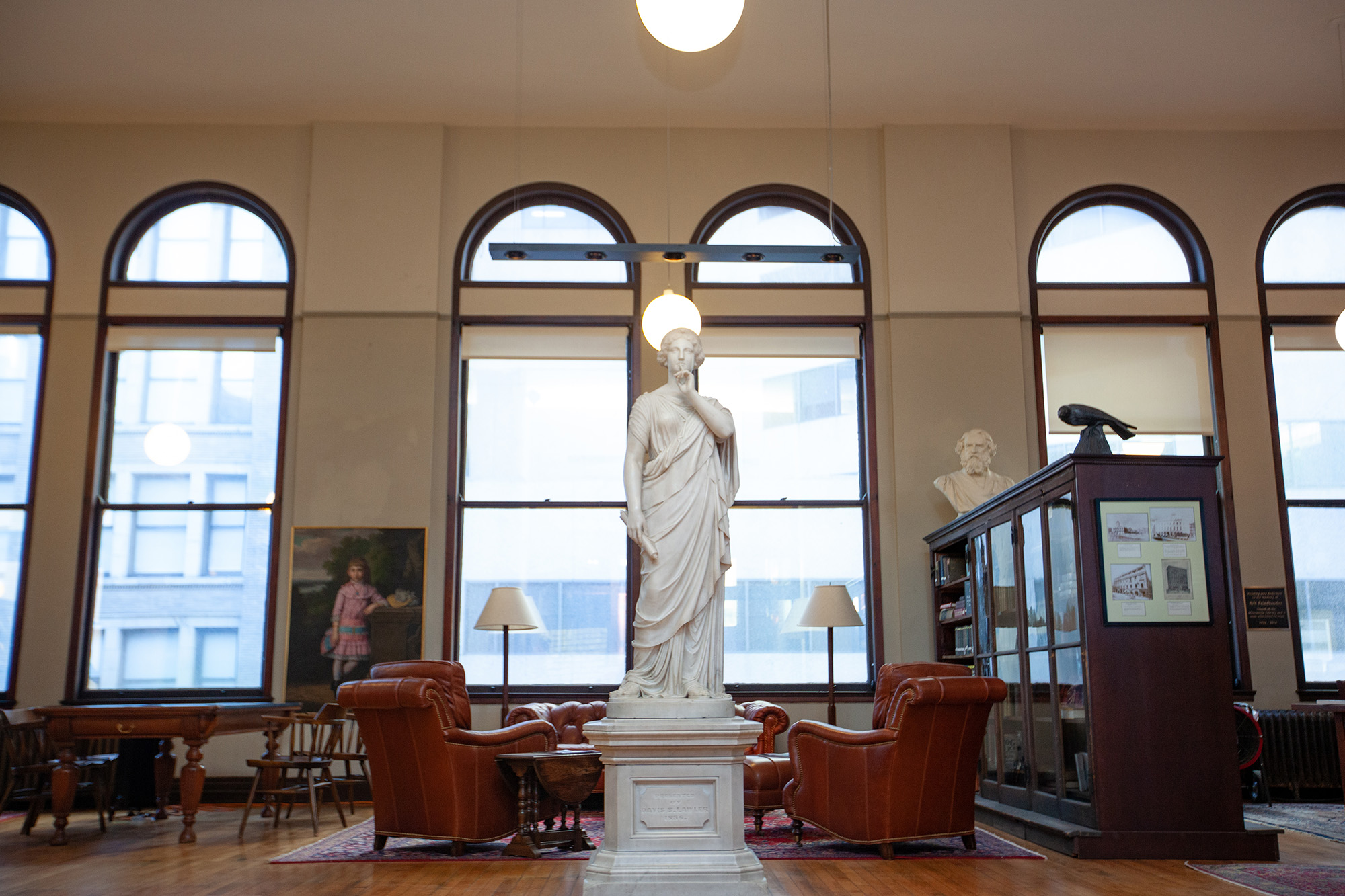
The Mercantile Library Building and the Formica Building have rich histories that are deeply intertwined with Cincinnati’s architectural and cultural heritage. The Mercantile Library was originally established in 1835 by a group of young men who pooled their resources to collect books, art, and host prominent speakers and authors. Over the years, the library has welcomed renowned figures such as Ralph Waldo Emerson, Herman Melville, and Harriet Beecher Stowe. As the collection grew to nearly 2,000 books, the need for a dedicated space led to the construction of the Mercantile Library Building at 414 Walnut Street in 1904. The building was designed by Joseph G. Steinkamp & Brother and was developed by Thomas Emery Sons, who contributed to the development of several skyscrapers in Downtown Cincinnati during the early 20th century. The building featured commercial space on the first floor and office space on the floors above. The 11th and a portion of the 12th floor were custom designed to house the Mercantile Library.

The institution has a perpetually renewable 10,000-year lease issued by Cincinnati College, thanks to the support provided by the men of the Mercantile Library Association after the college’s structure burned in 1845. The Mercantile Library Building was placed on the National Register of Historic Places in 2021.

The Formica Building, located at 120 East Fourth Street, along with the connected Crystal Arcade and Contemporary Arts Center at 255 East Fifth Street, were developed by Towne Properties and designed by Harry Weese & Associates of Chicago, a firm renowned for designing the Metro stations in Washington, DC. Completed in 1970, the Formica Building was constructed with travertine, glass, and bronze, showcasing modern, Miesian, and post-modern elements. The design incorporated elements from the neighboring Mercantile Library Building, such as eliminating the band of travertine between the 11th and 12th floors to mimic the double-height library. The Contemporary Arts Center (CAC) was housed in the Formica Building from 1970 to 2003, before moving into the newly constructed Lois & Richard Rosenthal Center for Contemporary Art in the spring of 2003.

Today, the Formica Building holds the distinction of being the most recently constructed building in Cincinnati to be listed on the National Register of Historic Places. As both the Mercantile Library Building and the Formica Building undergo an adaptive reuse transformation, their storied pasts will contribute to the revitalization of Cincinnati’s urban core and serve as a testament to the city’s architectural and cultural legacy.


Adaptive Reuse
Revitalization Efforts

Adaptive Reuse

The Mercantile and Formica buildings in downtown Cincinnati are set to undergo a remarkable transformation that will breathe new life into these historic landmarks. Upon completion, the mixed-use community will be rebranded as “The Historic Mercantile Building,” with the residential component as “Merc & Mica,” featuring 156 luxury rental apartments and over 76,000 square feet of commercial space. This exciting development will showcase the distinct eras of each building while catering to the modern, urban lifestyle.

NTCIC & Progress

Project Financing

To support the project completion, NTCIC was the primary project underwriter and sourced financing for the $12.7 million in federal Historic Tax Credits generated by the project. Additional project financing included traditional debt, sponsor equity, state Historic Tax Credits, TMUD credits, and Ohio Opportunity Zone Tax Credit financing.

The project is spearheaded by the Model Group, a recognized leader in historic preservation, mixed-use urban development, senior living communities, and affordable housing. Based in Cincinnati, the group

is responsible for several high-profileand award-winning historic preservation initiatives, such as the Dayton Arcade and the Jobs Café at Findlay Market, for which NTCIC provided New Markets Tax Credit allocation and HTC financing in 2018.

The project will also be utilizing the recently created Transformational Mixed-Use Development credit, a new incentive in Ohio that provides tax credits for projects that will be a catalyst for future development in their area.

Connect with Us

Curious About How Historic Tax Credit Investments Drive Real Impact?

Kandi Jackson leads tax credit investment activities with deep expertise in project finance, equity structuring, and compliance. When you speak with Kandi, expect clarity, honesty, and a clear roadmap for how your next investment can work in your portfolio.

Connect with Kandi

Check Out Similar Projects Here

Browse all projects

Want to Discuss Your Next Project? Talk With Our Team Today.

We bring clear insight, deep experience, and strategic focus to every project—whether you're structuring complex capital or shaping long-term, legacy-driven development.

Name(Required)
Want to Discuss Your Next Project? Talk With Our Team Today.

Federal Historic Tax Credits

$28.7 Million

Total Project Cost

$187 Million

Project Partner

Lubert-Adler

Impact

Job Creation, Economic Development

History

The Grand Dame of Broad Street


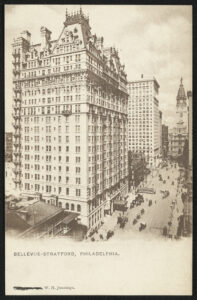
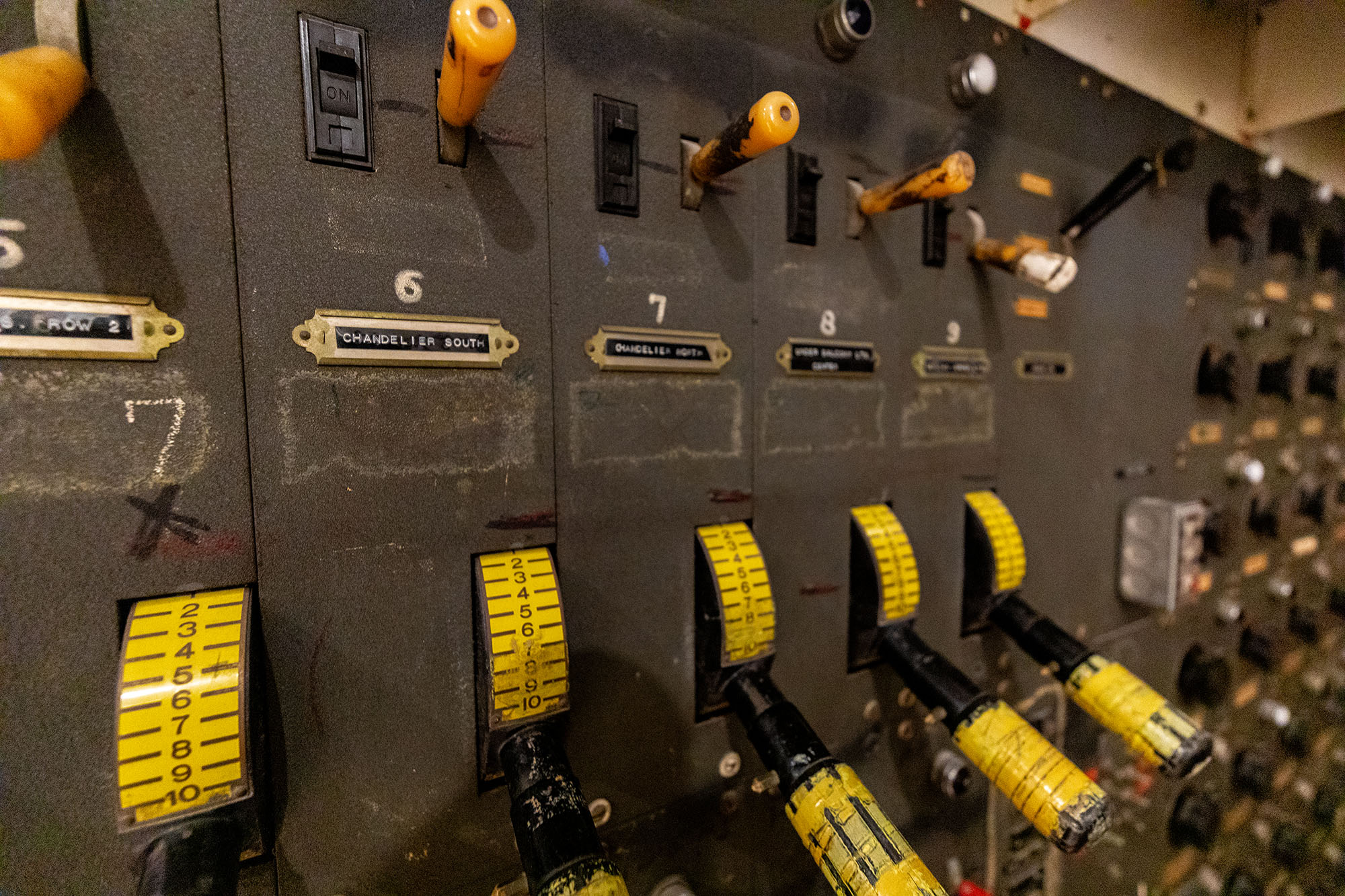
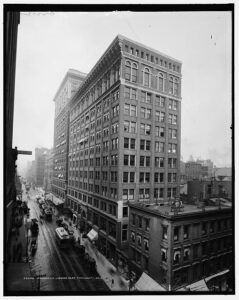
The Bellevue-Stratford Hotel, at the southwest corner of South Broad and Walnut Streets in Center City Philadelphia, was completed in 1904 in the French Renaissance style and was described at the time as the most luxurious hotel in the nation and perhaps the most spectacular hotel building in the world, with the most magnificent ballroom in the US on the first floor. Modeled after the Waldorf-Astoria in Manhattan, it boasted 19 floors, 725 rooms, and the grandest event space in the city: a 500-person ballroom that could host events for nearly 3,000 people when including adjoining spaces. For many decades the Bellevue-Stratford, the “Grand Dame of Broad Street,” was Philadelphia’s largest hotel. Thomas Edison was involved in the lighting design for the hotel, creating fixtures as well as a switchboard for the hotel’s ballroom. Throughout its time in operation, 15 presidents were guests at the hotel, including Theodore Roosevelt and Woodrow Wilson. 
Apart from a large addition in 1912, which brought the square footage to 657,000 and the room total above 1,000 and added the iconic cameo rooms and other function spaces to the 19th floor, the hotel remained largely unchanged until its closing. In 1976, an outbreak of an unidentified respiratory disease led to the hotel’s sudden closure. In 1978 the building was sold to the Richard I. Rubin Company, saving it from demolition. Rubin undertook a $25 million renovation, reducing the key count to 565 and restoring the public areas, before reopening it as the Fairmont. Westin later acquired an interest in the building, and the Hotel was renamed the Westin Bellevue Stratford in 1983 before closing in 1986 due to low occupancy. In 1988, a new owner reopened the building as The Bellevue, converting much of the hotel to office and cutting an atrium into the remaining hotel portion.

A New Era Begins
Revitalization Efforts

A New Era Begins

Lubert-Adler acquired The Bellevue in 2021, beginning a large-scale renovation of the hotel and event spaces. The renovations included upgrades to the existing hotel, conversion of offices into residential space, the opening of new retail opportunities, and more.

NTCIC & Progress

Financing & Impact

To facilitate the restoration of the iconic Bellevue, NTCIC made an equity investment in the $28.7 million of federal Historic Tax Credits generated by the project. Additionally, NTCIC provided underwriting and transaction management services and will provide asset management services through the HTC compliance period.   

The renovation of the historic downtown Philadelphia landmark marks a pivot away from single-use structures into multi-use, diversified

properties. The historic building’s evolution from a hotel, to a hotel and office building, to a hotel, office building, luxury apartments, restaurants, retail space, and more, shows a shift in the way developers and investors can think about large-scale historic buildings. By expanding the ways in which a historic building can function and serve the public, you not only diversify your revenue stream, but also the breadth of people who can experience and utilize the building in the future. 

How NTCIC Helped

Preservation is a Team Sport

To facilitate the restoration of the iconic Bellevue, NTCIC made an equity investment in the $28.7 million of federal Historic Tax Credits generated by the project. Additionally, NTCIC provided underwriting and transaction management services and will provide asset management services through the HTC compliance period.   

The renovation of the historic downtown Philadelphia landmark marks a pivot away from single-use structures into multi-use, diversified

properties. The historic building’s evolution from a hotel, to a hotel and office building, to a hotel, office building, luxury apartments, restaurants, retail space, and more, shows a shift in the way developers and investors can think about large-scale historic buildings. By expanding the ways in which a historic building can function and serve the public, you not only diversify your revenue stream, but also the breadth of people who can experience and utilize the building in the future. 

Amanda Bloomberg, Senior Acquisitions Manager

Sourced project, performed preliminary underwriting, negotiated terms, and paired with investor.

Tony Maruca, Senior Project Manager

Underwrote and closed the project.

Andrae Baly, Senior Asset Manager

Provides ongoing construction monitoring, as well as quarterly and annual reporting through the project’s compliance period.
Connect with Us

Curious About How Historic Tax Credit Investments Drive Real Impact?

Kandi Jackson leads tax credit investment activities with deep expertise in project finance, equity structuring, and compliance. When you speak with Kandi, expect clarity, honesty, and a clear roadmap for how your next investment can work in your portfolio.

Connect with Kandi

Check Out Similar Projects Here

Browse all projects

Want to Discuss Your Next Project? Talk With Our Team Today.

We bring clear insight, deep experience, and strategic focus to every project, whether you're structuring complex capital or shaping long-term, legacy-driven development.

Name(Required)
Want to Discuss Your Next Project? Talk With Our Team Today.

Federal Historic Tax Credits

$16.8 Million

State Historic Tax Credits

$21 Million

Total Project Cost

$125 Million

Project Partner

J Jeffers & Company, Jon Wiegand, Ed Cross, and McCombs Enterprises

Impact

Affordable Housing

History

A Generation of History Begins

“Tower Life Building from Tower of the Americas” licensed under CC BY-SA 3.0.

The historic 31-story Tower Life Building, originally known as the Smith-Young Tower, was constructed in San Antonio, Texas, between 1927 and 1928 by the renowned architects Robert and his father Atlee Ayres, who were among the most influential architects in Texas during the 20th century. Their work can be seen across the city such as the Municipal Auditorium, the Plaza Hotel, the Federal Reserve Bank, and the Administration Building at Randolph Field.

For a decade, Sears, Roebuck and Company occupied the first six floors, featuring large display windows along St. Mary’s and Villita streets, while the upper floors were leased to prominent local professionals and businesses, cementing the building’s place as a focal point of commerce and innovation in the city. The Smith-Young Tower with its rich history has borne witness to many significant moments throughout the years, serving as a mooring mast for a blimp, a performance site for aerialists, the headquarters of the third U.S. Army, and a television station transmission tower.

The San Antonio Transit Company purchased and renamed the building the Transit Tower in the 1950s, and by the early 1960s, the building was sold again to the Tower Life Insurance Company where the building was renamed to what we know it as today, the Tower Life Building. It was the tallest building and structure in San Antonio until 1968 and is currently the fourth tallest building in the city and the tallest 8-sided building in the U.S.

A New Era Begins
Revitalization Efforts

A New Era Begins

The Tower Life building sits on a quarter acre site along the beautiful downtown San Antonio River Walk. The San Antonio River Walk is a historic and cultural landmark that traces the city’s vibrant past, from its Spanish colonial roots to its modern-day role as a thriving hub of commerce and tourism. This iconic waterway site has inspired similar developments around the world, blending natural beauty with rich history and offering a unique glimpse into the heart of San Antonio’s heritage.

Tower Life’s renovation will create new ground-floor commercial space opportunities and transforms the upper floors into mixed-income residential space.

NTCIC's Role

Financing the Project

The $125 million revitalization was supported, in part, by NTCIC through an equity investment in the $16.8 million federal Historic Tax Credits and $21 million in State Historic Tax Credits generated by the construction efforts. NTCIC sourced, underwrote, and oversaw the financial closing of the Federal and State HTCs, and will provide tax credit fund and asset management services post-closing.

The Project was also approved for a 75-year real estate tax exemption through a lease partnership with Bexar County, as the Sponsor builds workforce housing for middle-income families that are not currently served by housing tax credits or market-rate developments.

Check Out Similar Projects Here

Browse all projects

Want to Discuss Your Next Project? Talk With Our Team Today.

We bring clear insight, deep experience, and strategic focus to every project, whether you're structuring complex capital or shaping long-term, legacy-driven development.

Name(Required)
Want to Discuss Your Next Project? Talk With Our Team Today.

Historic Tax Credits

$5.54 Million
Federal HTCs

New Markets Tax Credits

$5 Million

Total Project Cost

$40.2 Million

Project Partner

Hale Resources LLC

Impact

Affordable Housing, Workforce Development, and more.

Bennington High School
History

Bennington High School

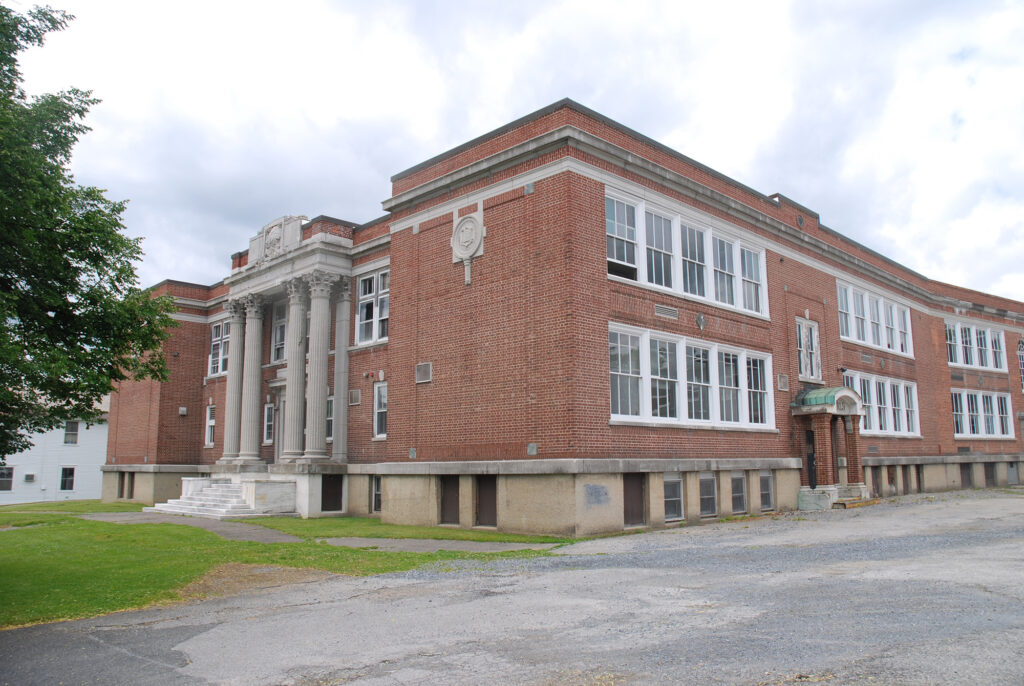
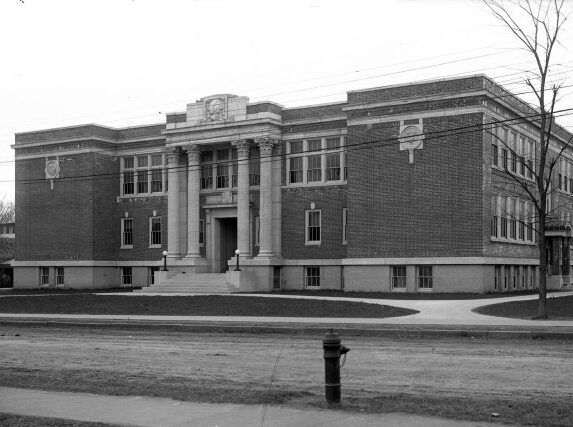
Built in 1913, Bennington High School is a significant example of an important public building displaying Beaux Arts style architecture. It was built to provide a larger educational facility as the high school population in Bennington increased rapidly between 1900 and 1912, and the original high school, built around 1875, could no longer accommodate the growing number of students. The new location opened in 1914 and served as the high school until the 1960s, when a third high school building was built, and the property became Mount Anthony Middle School. The middle school graduated its last class in 2004, and the building has stood vacant ever since.

A New Era Begins
Revitalization Efforts

A New Era Begins

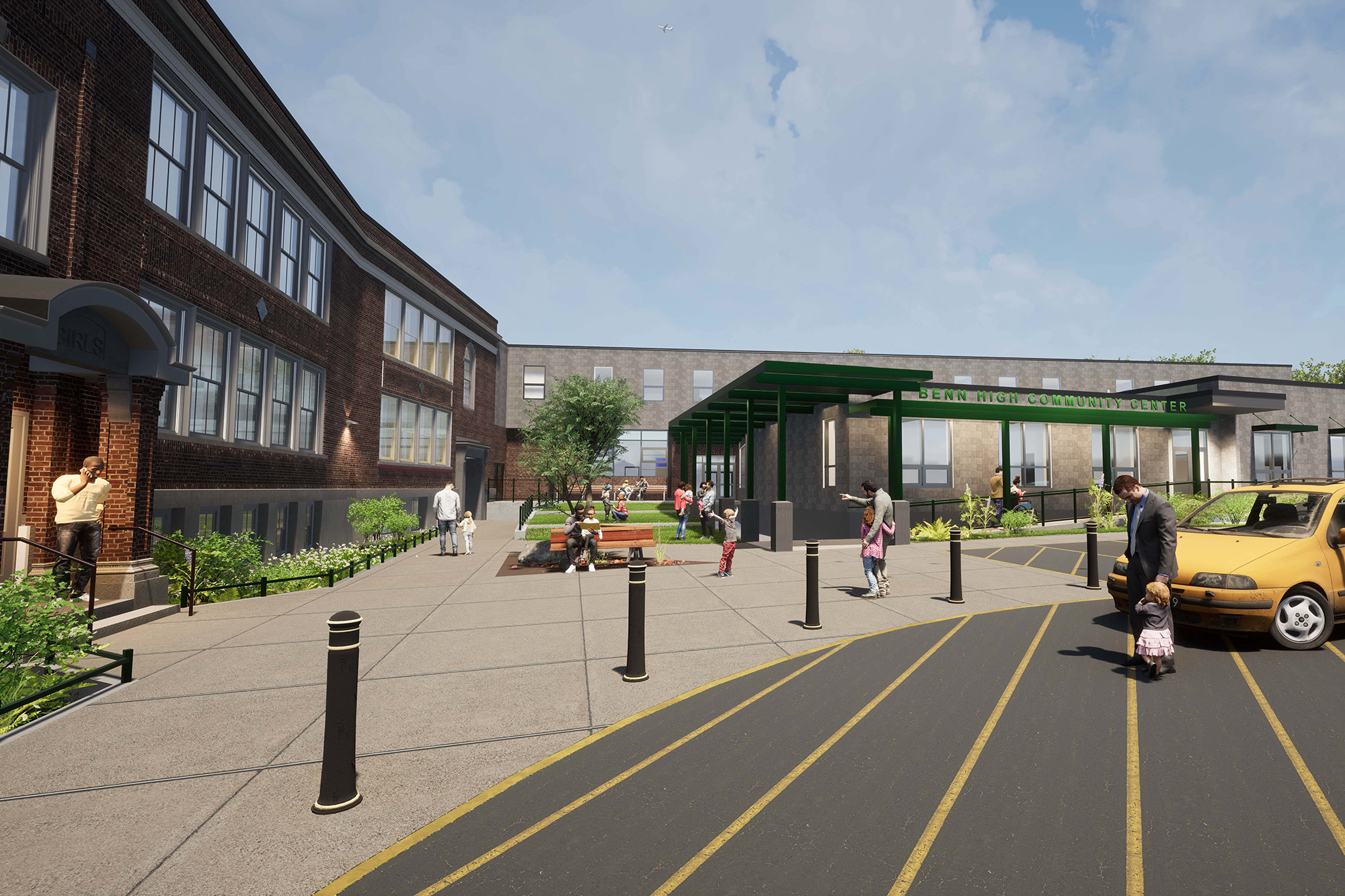
Benn High is the sustainable redevelopment of a 100,000 SF historic former school building in Bennington, Vermont, into a vibrant community hub that will consist of two condo structures, one utilizing federal NMTC and HTC financing and the other using LIHTC and HTC financing. The total anticipated development cost of both condo buildings is $51MM. The $40.2MMM NMTC condo development is a 72,000 SF space that will consist of 22 workforce housing units occupying 22,450 SF and roughly 48,000 SF of commercial space.

Community Impact

Creating a Community Hub

The Benn High redevelopment is expected to create 22 workforce housing units with five units at or below 80% AMI and all other units at 80-120% AMI. The Sponsor estimates there will be 24 new permanent full-time jobs created, and 35 full-time jobs retained, 85% of which will be high-quality jobs at a living wage and 75% of which will be accessible to people without a bachelor’s degree. Commercial tenants were chosen to maximize access to broad community benefits, including childcare, recreation, education, and senior services. A new childcare center will offer many seats for local families, with a majority reserved for those with lower incomes.

The YMCA will greatly expand community access to recreation and youth programs. The Sponsor estimates 4,308 individuals currently benefiting from the recreational center programming, with a projected 1,940 new users. The University of Vermont Extension estimates that more than 1,000 individuals in the community will benefit from their offerings, which include agricultural, nutrition, and community development resources.  Senior programming will also grow, offering wellness, cultural, and social activities for both current and new participants.

Expanded Recreational Programming

Projected 1,940 new users of the recreation center

Commitment to Sustainability

Upon completion, Benn High will be 100% electric

Senior Center

50 current seniors, 100 new seniors expected to benefit

Job Creation

24 new permanent full-time jobs created, 35 full-time jobs retained

Childcare Facility

For 102 children, 55% from low-income families

NTCIC & Progress

Project Financing

The $51 million revitalization of Benn High was supported in part by NTCIC through the facilitation of an equity investment in the $5.54 million Federal Historic Tax Credits generated by the project and an allocation of $5 million in NMTCs. NTCIC acted at the NMTC allocatee and asset manager, as well as the FHTC investment sourcer, underwriter, and closer.

Check Out Similar Projects Here

Browse all projects

Want to Discuss Your Next Project? Talk With Our Team Today.

We bring clear insight, deep experience, and strategic focus to every project—whether you're structuring complex capital or shaping long-term, legacy-driven development.

Name(Required)
Want to Discuss Your Next Project? Talk With Our Team Today.