Historic Tax Credits
Federal HTCs
Project Partner
Keystone Group
Impact
Job Creation & Economic Development
History
The Illinois Building
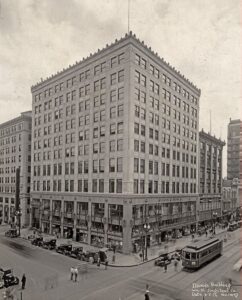
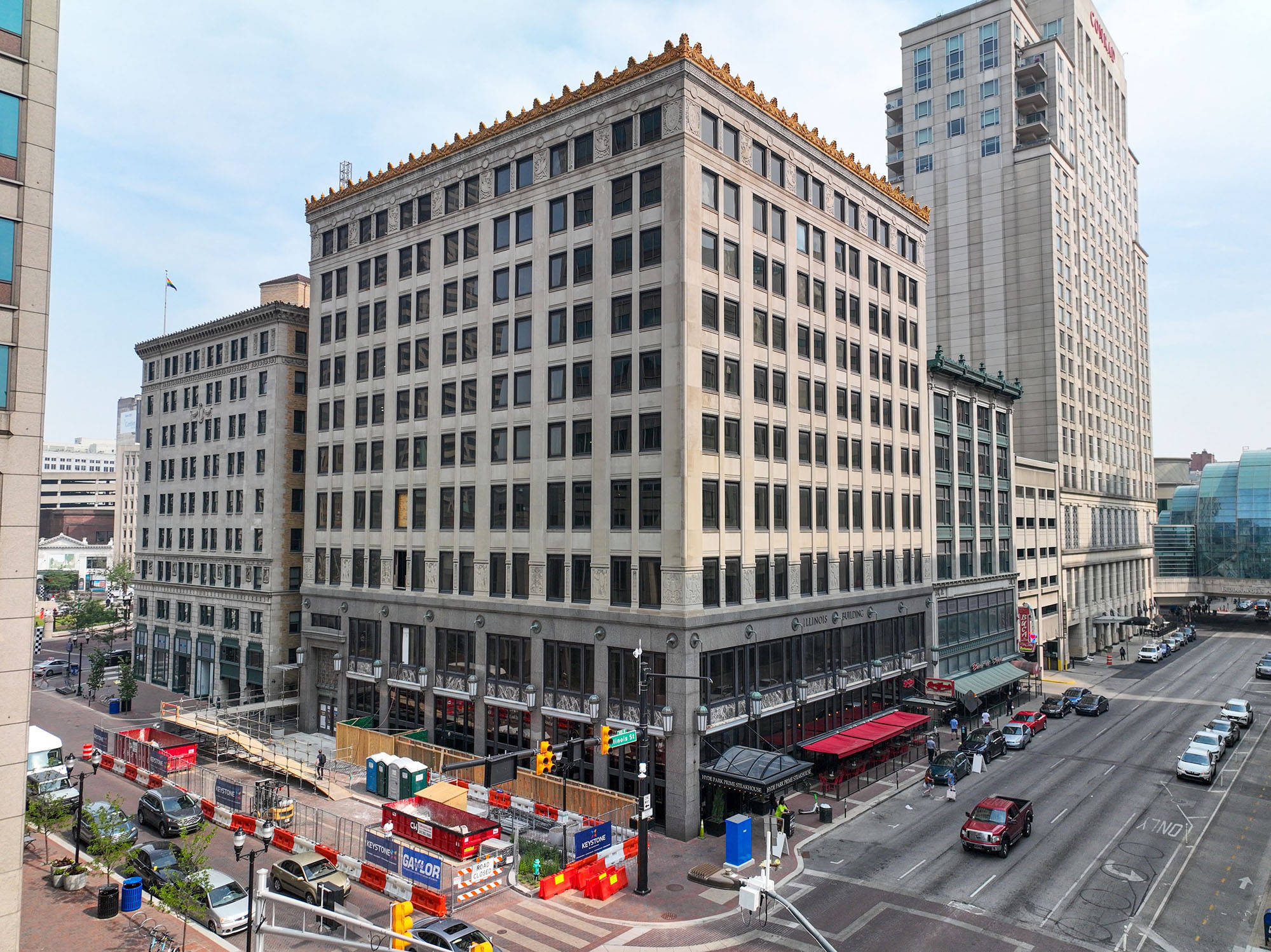
The Illinois Building, located in the Washington Street-Monument Circle Historic District in downtown Indianapolis, Indiana, is a historic office building situated at the heart of the Mile Square business district, which dates back to the city’s founding in 1821. InterContinental Hotel
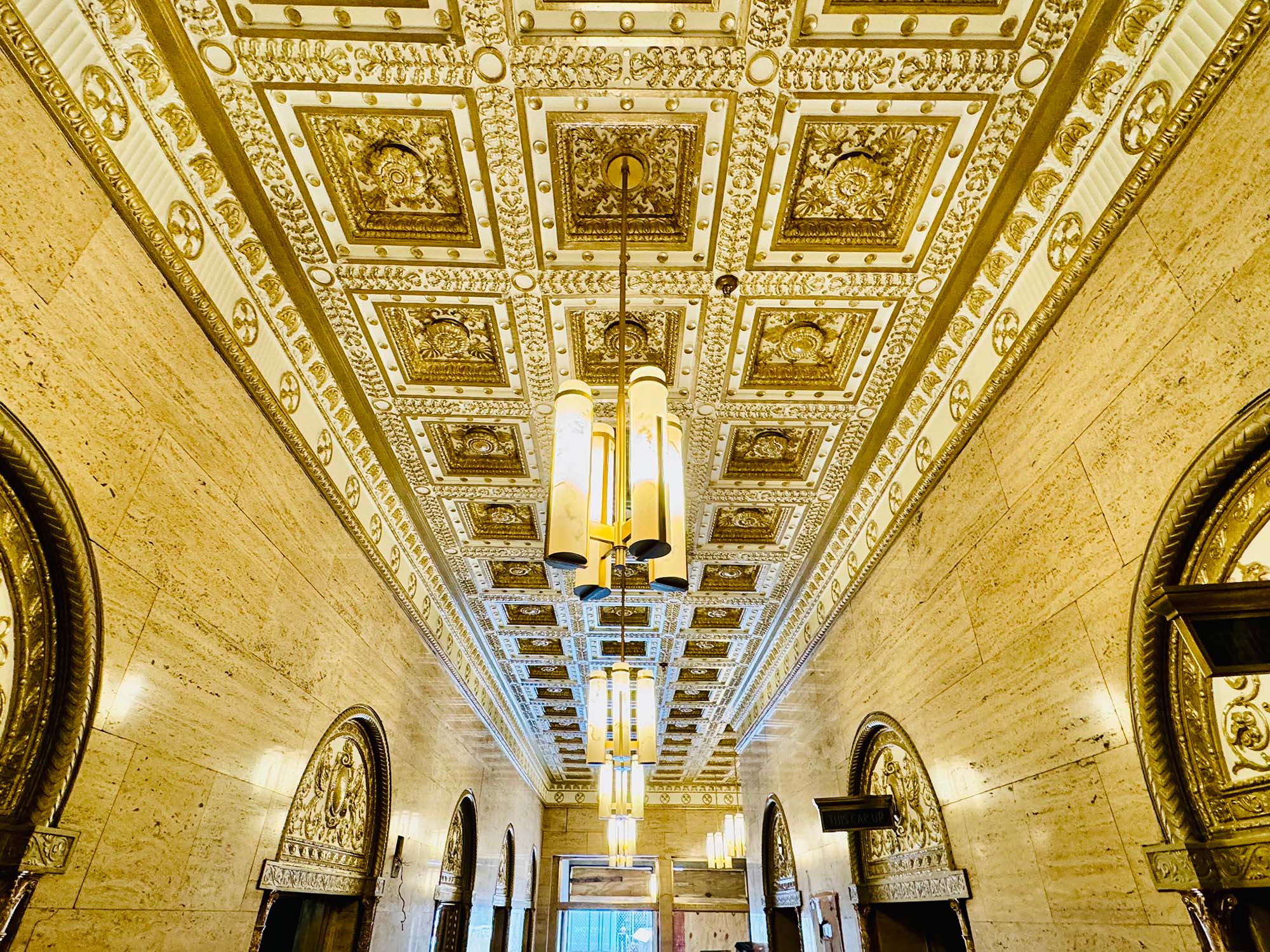
The Illinois Building was commissioned by the president of what is now Levi Strauss & Company in 1924, who envisioned a “luxurious” office building to replace several smaller structures. Upon its completion in 1926, the building featured modern amenities, such as parking facilities, high-speed elevators, and ice water and toilets on each floor.
The building was designed by the esteemed architectural firm Rubush & Hunter, whose other notable landmarks within Indianapolis include the Masonic Temple, City Hall, Circle Theater, Indiana Theater, and the Stutz Motor Company complex.
Throughout its history, the Illinois Building maintained its purpose as an office building despite changes in ownership through the 1960s and 1970s. A ground lease established during an early transfer complicated future building transfers. In 1988, a local developer purchased the building and invested $16 million in renovations. Despite these efforts, the building became predominantly vacant by the mid-2000s. To encourage interest in its revitalization, Indiana Landmarks listed the Illinois Building on its 10 Most Endangered list in 2006.
Revitalization Efforts
The Transformation
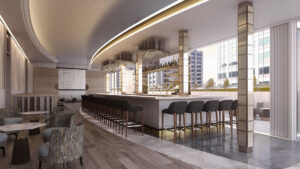
The 10-story, 135,004 square foot Illinois Building was transformed into a 170-key full-service luxury InterContinental hotel, featuring two ground-floor restaurants currently occupying the spaces, as well as a 2nd-floor hotel restaurant/bar and a rooftop bar and venue. IHG, which currently manages 6,000 hotels globally, manages this hotel.
The project is sponsored by Keystone Group, a premier Indiana-based developer with decades of and a commitment to creating mixed-use properties that enhance the community in which they’re located. Their headquarters is located four blocks from the project in the historic Majestic Building, which they rehabbed, own, and operate.
NTCIC & Progress
Financing & Community Impact
The conversion of the historic Illinois Building into a hotel exemplifies the shift of companies to more remote and flexible work arrangements and a reduction in the demand for traditional office spaces. This trend has led to an increased interest in repurposing these historic spaces into other types of properties, such as hotels, housing, and retail, which can cater to the evolving needs of urban centers.
To facilitate the restoration of the Illinois Building, NTCIC financed the federal Historic Tax Credits generated by the project through its Climate Impact and Revitalization Fund. Additionally, NTCIC provided underwriting and transaction management services and will provide asset management services through the HTC compliance period.
Connect with Us
Curious About How Historic Tax Credit Investments Drive Real Impact?
Kandi Jackson leads tax credit investment activities with deep expertise in project finance, equity structuring, and compliance. When you speak with Kandi, expect clarity, honesty, and a clear roadmap for how your next investment can work in your portfolio.
Check Out Similar Projects Here
Browse all projects
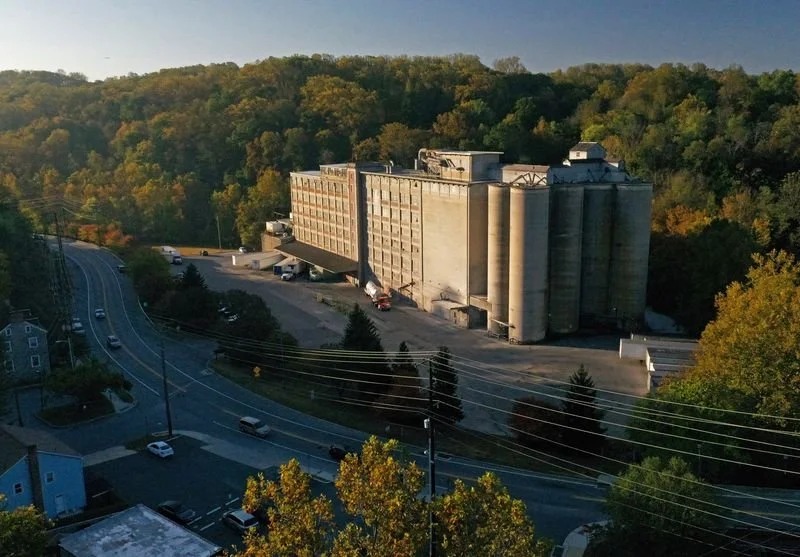
Ellicott Mill
Former School Becomes Affordable Housing and a Community Anchor
Fells Point Baltimore, MD
Heritage Reborn on the Baltimore Waterfront
Want to Discuss Your Next Project? Talk With Our Team Today.
We bring clear insight, deep experience, and strategic focus to every project—whether you're structuring complex capital or shaping long-term, legacy-driven development.
Federal Historic Tax Credits
$11.1 Million
State Historic Tax Credits
$12.5 Million
Total Project Cost
$73.5 Million
Project Partner
Campo Architecture & Interior Design
Impact
Job Creation, Economic Development
History
A History of Commercial Architecture
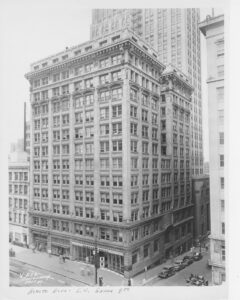
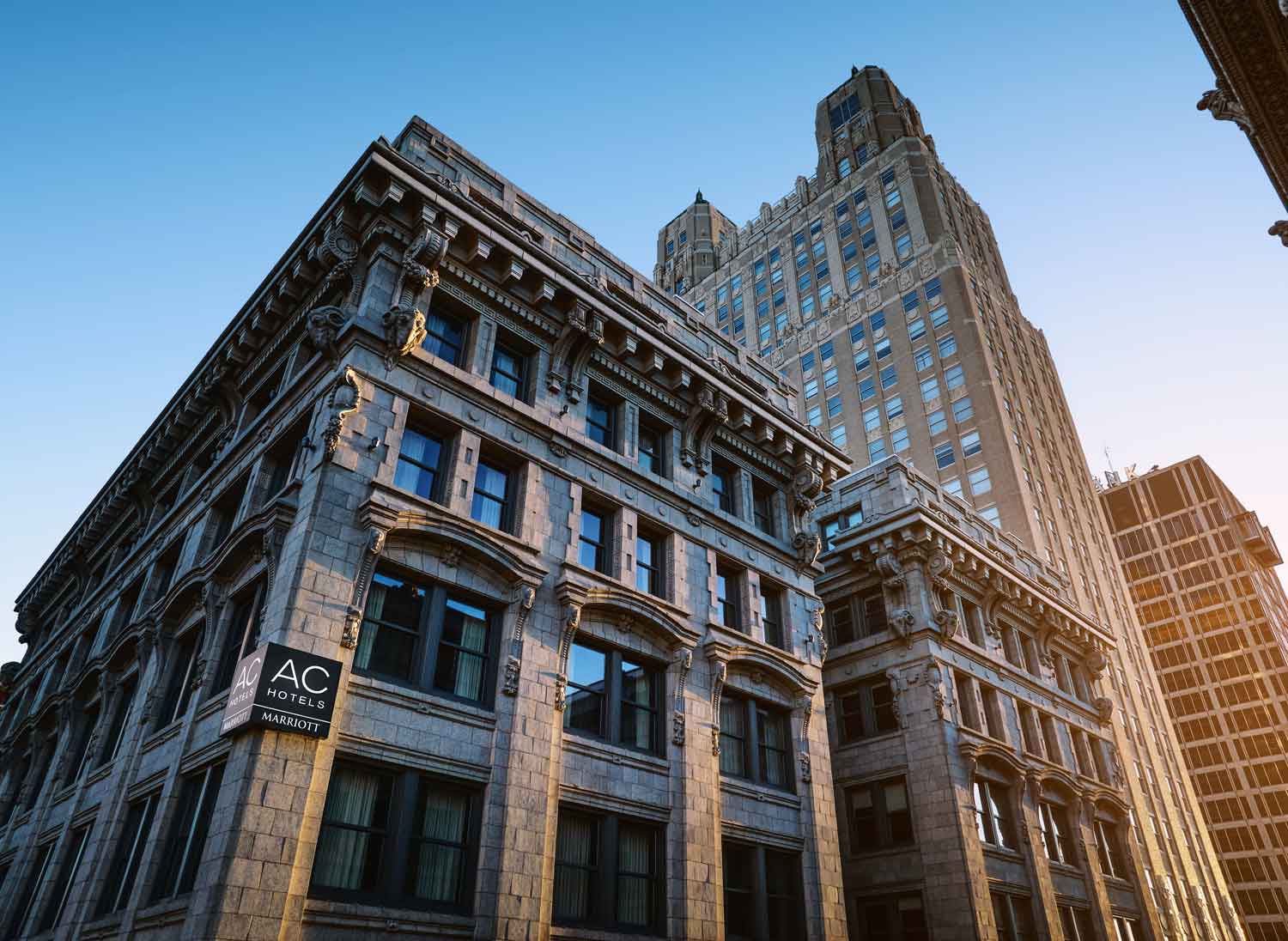
The Rialto Building, originally constructed in 1887, was designed to house a variety of tenants, including physicians, dentists, and other professionals, as well as retail spaces and a barber shop. In December 1909, the original five-story Rialto Building was destroyed by fire and displaced many medical professionals whose practices were lost. Owner and Kansas City real estate icon Albert Marty prioritized building a new fireproof skyscraper to meet the increasing demand for commercial space near East Ninth Street and Grand Boulevard. Completed in 1911, the thirteen-story early steel-frame skyscraper featured Commercial-style architecture by renowned architects Smith, Rea, and Lovitt and was constructed by George L. Brown & Son. By embracing the latest design and technological advances, the building featured specialized office spaces for doctors and dentists, a formal elevator lobby, a bank room, and retail spaces on the ground floor.
Over the years, the Rialto maintained high occupancy by adapting to the evolving needs of its tenants. In 1939, the Sinclaire Refining Company relocated its headquarters to the Rialto. In 1967, the building underwent substantial modernization, focusing on interior updates while maintaining the historic facade. In 1968, the structure was re-christened the Ozark National Life Building after the insurance company moved its offices to the top floors. The building continued to evolve through several more ownerships and renovations, including a $600,000 restoration in 1984 and extensive modernization in 1994. Acquired by the current ownership in 2020, the building’s transformation into a hotel preserves its architectural legacy while revitalizing it for contemporary use.
Revitalization Efforts
Office to Hotel Conversion
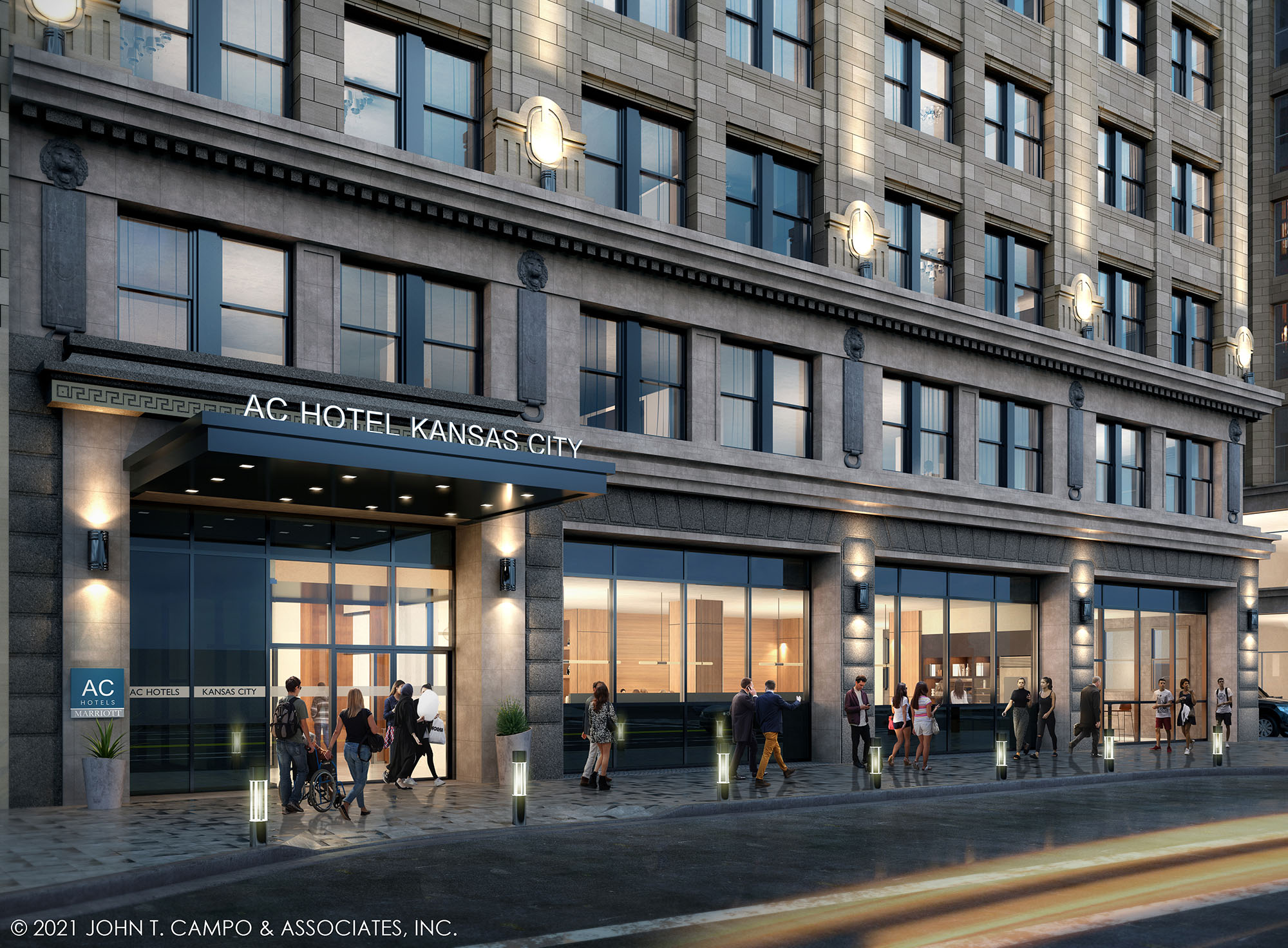
Kansas City’s historic Rialto building reopened in October 2024 as a 239-key AC Hotel by Marriott. Marriott’s AC brand is a select-service hotel, and is a top-performing brand in the Marriott portfolio. The renovation of the 155,000 square foot building will include a full-service bar on the ground floor, meeting rooms and a business center, a fitness center, and a Bonvoy club lounge on the penthouse level of the hotel. The project is located less than a mile from Kansas City’s highly sought-after Power and Light District (P&L), an eight-block entertainment area featuring over 50 bars, restaurants, and shops. The district’s covered outdoor event space, KC Live!, hosts more than 130 free events annually. The addition of the hotel in this area will continue to promote economic growth, providing those traveling for both business and leisure with a centrally located lodging option in the heart of the city.

NTCIC & Progress
Financing the Project
The renovation of the 155,000 square-foot historic Rialto Building is part of a larger trend of repurposing historic office spaces in response to the growing demand for more flexible and remote work environments. As traditional office use continues to decline, more and more historic buildings are being reimagined as hotels, housing, or retail spaces to accommodate the changing dynamics of urban life.
The renovation of Rialto was supported by NTCIC through an equity investment in the $11.1 million federal Historic Tax Credits and $12.5 million State Historic Tax Credits generated by the project.
Check Out Similar Projects Here
Browse all projects
Liberty Theater North Bend, OR
Civil Rights Landmark Gets New Life as a Cultural Beacon
Ellicott Mill
Former School Becomes Affordable Housing and a Community Anchor
Fells Point Baltimore, MD
Heritage Reborn on the Baltimore Waterfront
Want to Discuss Your Next Project? Talk With Our Team Today.
We bring clear insight, deep experience, and strategic focus to every project, whether you're structuring complex capital or shaping long-term, legacy-driven development.
Federal Historic Tax Credits
$28.7 Million
Total Project Cost
$187 Million
Project Partner
Lubert-Adler
Impact
Job Creation, Economic Development
History
The Grand Dame of Broad Street
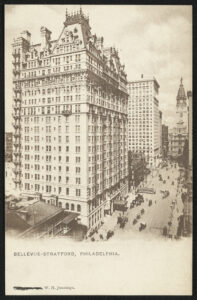
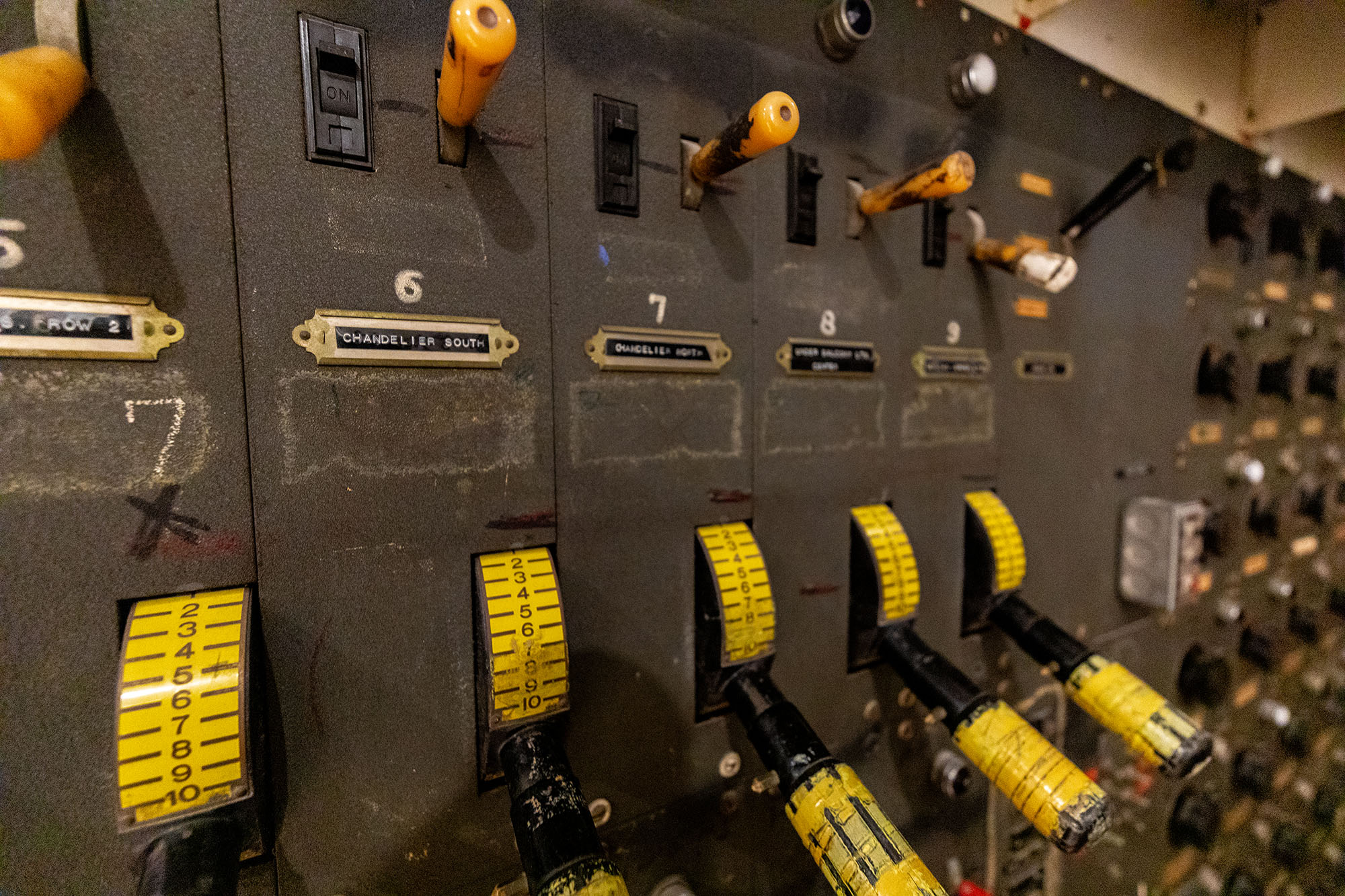
The Bellevue-Stratford Hotel, at the southwest corner of South Broad and Walnut Streets in Center City Philadelphia, was completed in 1904 in the French Renaissance style and was described at the time as the most luxurious hotel in the nation and perhaps the most spectacular hotel building in the world, with the most magnificent ballroom in the US on the first floor. Modeled after the Waldorf-Astoria in Manhattan, it boasted 19 floors, 725 rooms, and the grandest event space in the city: a 500-person ballroom that could host events for nearly 3,000 people when including adjoining spaces. For many decades the Bellevue-Stratford, the “Grand Dame of Broad Street,” was Philadelphia’s largest hotel. Thomas Edison was involved in the lighting design for the hotel, creating fixtures as well as a switchboard for the hotel’s ballroom. Throughout its time in operation, 15 presidents were guests at the hotel, including Theodore Roosevelt and Woodrow Wilson.
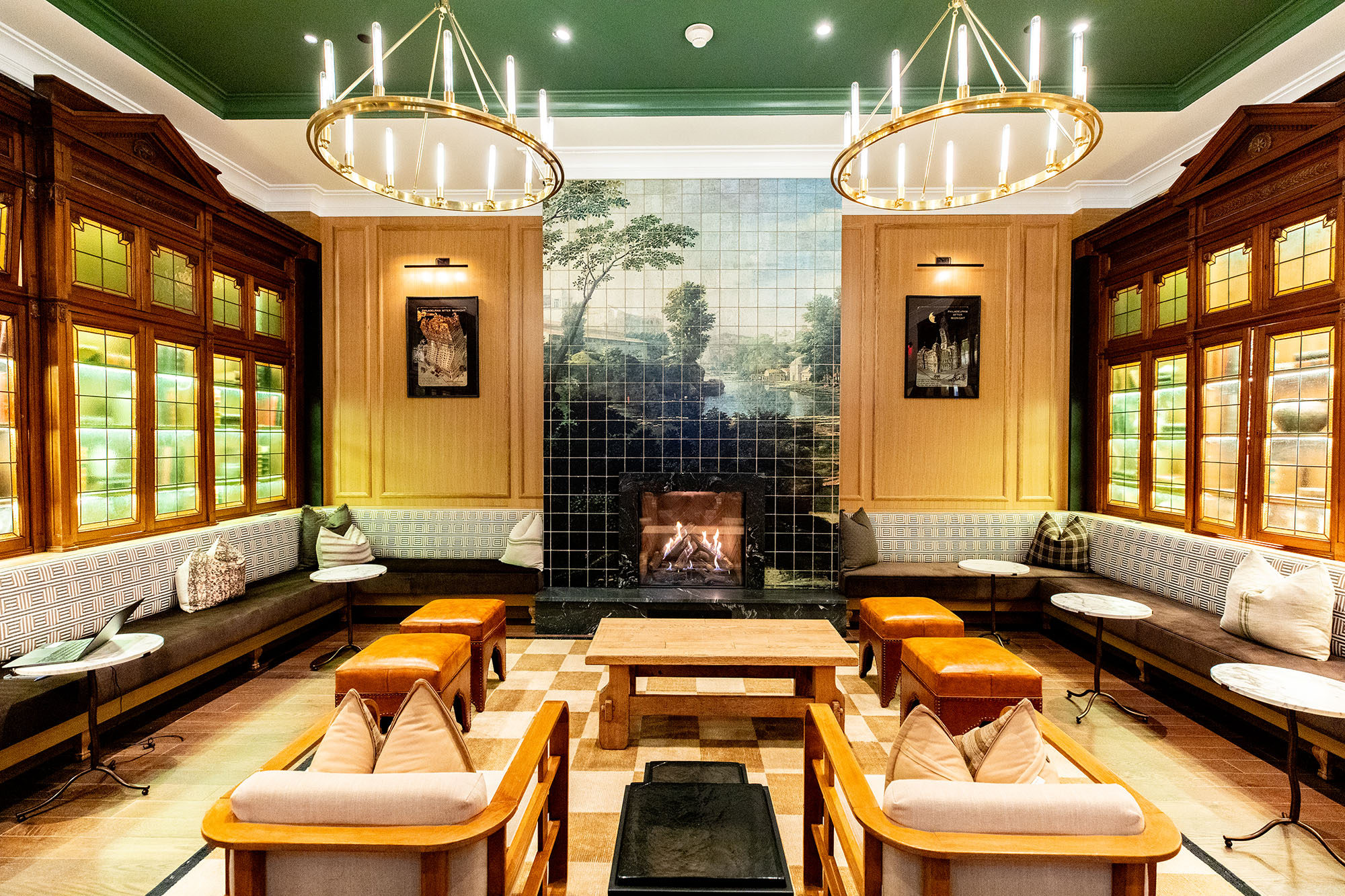
Apart from a large addition in 1912, which brought the square footage to 657,000 and the room total above 1,000 and added the iconic cameo rooms and other function spaces to the 19th floor, the hotel remained largely unchanged until its closing. In 1976, an outbreak of an unidentified respiratory disease led to the hotel’s sudden closure. In 1978 the building was sold to the Richard I. Rubin Company, saving it from demolition. Rubin undertook a $25 million renovation, reducing the key count to 565 and restoring the public areas, before reopening it as the Fairmont. Westin later acquired an interest in the building, and the Hotel was renamed the Westin Bellevue Stratford in 1983 before closing in 1986 due to low occupancy. In 1988, a new owner reopened the building as The Bellevue, converting much of the hotel to office and cutting an atrium into the remaining hotel portion.
Revitalization Efforts
A New Era Begins
Lubert-Adler acquired The Bellevue in 2021, beginning a large-scale renovation of the hotel and event spaces. The renovations included upgrades to the existing hotel, conversion of offices into residential space, the opening of new retail opportunities, and more.
NTCIC & Progress
Financing & Impact
To facilitate the restoration of the iconic Bellevue, NTCIC made an equity investment in the $28.7 million of federal Historic Tax Credits generated by the project. Additionally, NTCIC provided underwriting and transaction management services and will provide asset management services through the HTC compliance period.
The renovation of the historic downtown Philadelphia landmark marks a pivot away from single-use structures into multi-use, diversified
properties. The historic building’s evolution from a hotel, to a hotel and office building, to a hotel, office building, luxury apartments, restaurants, retail space, and more, shows a shift in the way developers and investors can think about large-scale historic buildings. By expanding the ways in which a historic building can function and serve the public, you not only diversify your revenue stream, but also the breadth of people who can experience and utilize the building in the future.
Connect with Us
Curious About How Historic Tax Credit Investments Drive Real Impact?
Kandi Jackson leads tax credit investment activities with deep expertise in project finance, equity structuring, and compliance. When you speak with Kandi, expect clarity, honesty, and a clear roadmap for how your next investment can work in your portfolio.
Check Out Similar Projects Here
Browse all projects
Liberty Theater North Bend, OR
Civil Rights Landmark Gets New Life as a Cultural Beacon
Ellicott Mill
Former School Becomes Affordable Housing and a Community Anchor
Fells Point Baltimore, MD
Heritage Reborn on the Baltimore Waterfront
Want to Discuss Your Next Project? Talk With Our Team Today.
We bring clear insight, deep experience, and strategic focus to every project, whether you're structuring complex capital or shaping long-term, legacy-driven development.