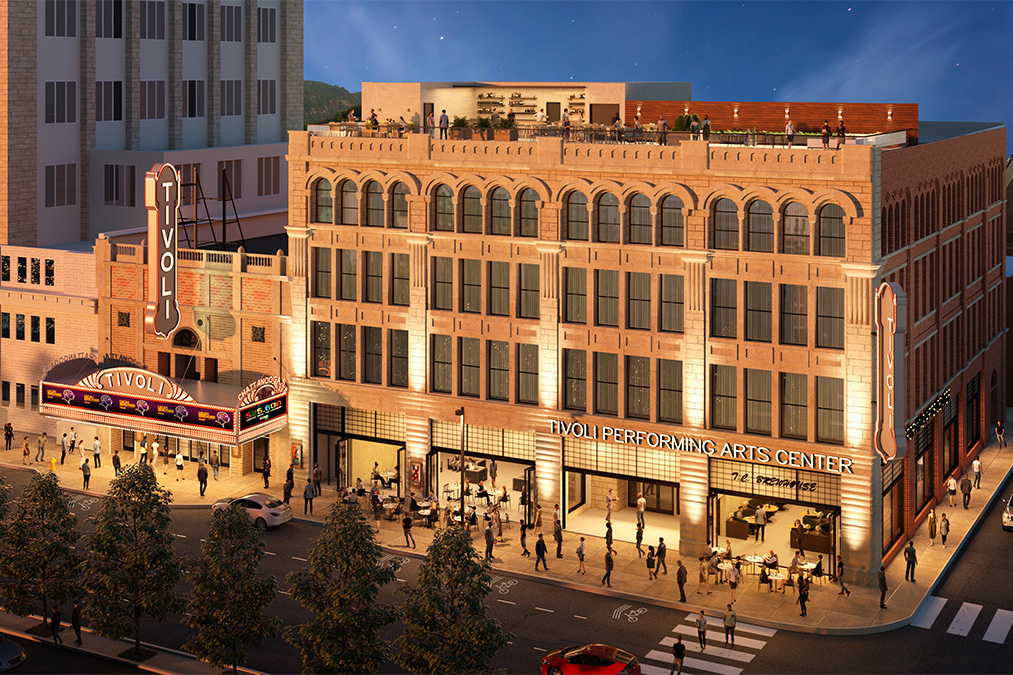
NTCIC facilitated the investment in the $12 million of federal Historic Tax Credits generated by the $71 million historic revitalization efforts and provided $10 million in New Markets Tax Credit allocation to ensure the project’s success.
$41 Million
$12.5 Million
$280 Million
Ancora Partners
Job Creation, Healthcare Access, and more.
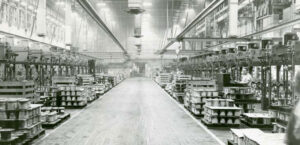
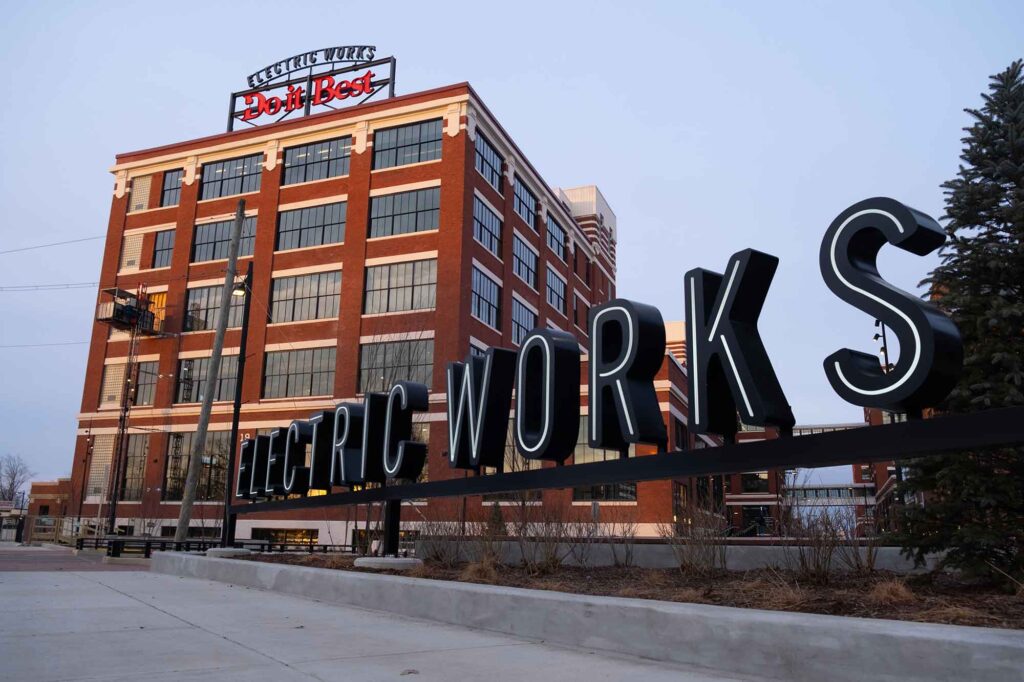
The historic General Electric complex and its contribution to the community began in 1881 with the establishment of the Fort Wayne Electric Company. After meeting with the inventor of one of the earliest variations of arc lighting, local entrepreneur Ranald Macdonald established the Fort Wayne electric company to manufacture and sell the Jenney arc lighting system for Indiana and four other states. Within four years, the Fort Wayne Electric Works had grown from a start-up enterprise to a successful and growing business. By 1892, Fort Wayne Electric caught the eye of and was acquired by the General Electric (GE) company, one of the three largest electrical companies in the country at the time.
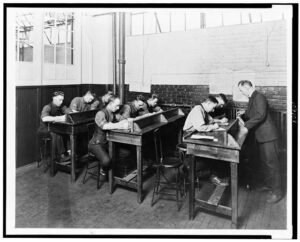
Upon taking control of the Fort Wayne Electric Works, General Electric invested heavily in expanding its operations in Fort Wayne. Through World War I and into the heady economic years of the 1920s, the company continued to grow exponentially. The company was at the forefront of the rise of electrical streetcar systems and the leader of electrical consumer appliances. As America electrified, General Electric grew rapidly. By the mid-1940s, the complex supported more than 20,000 employees.
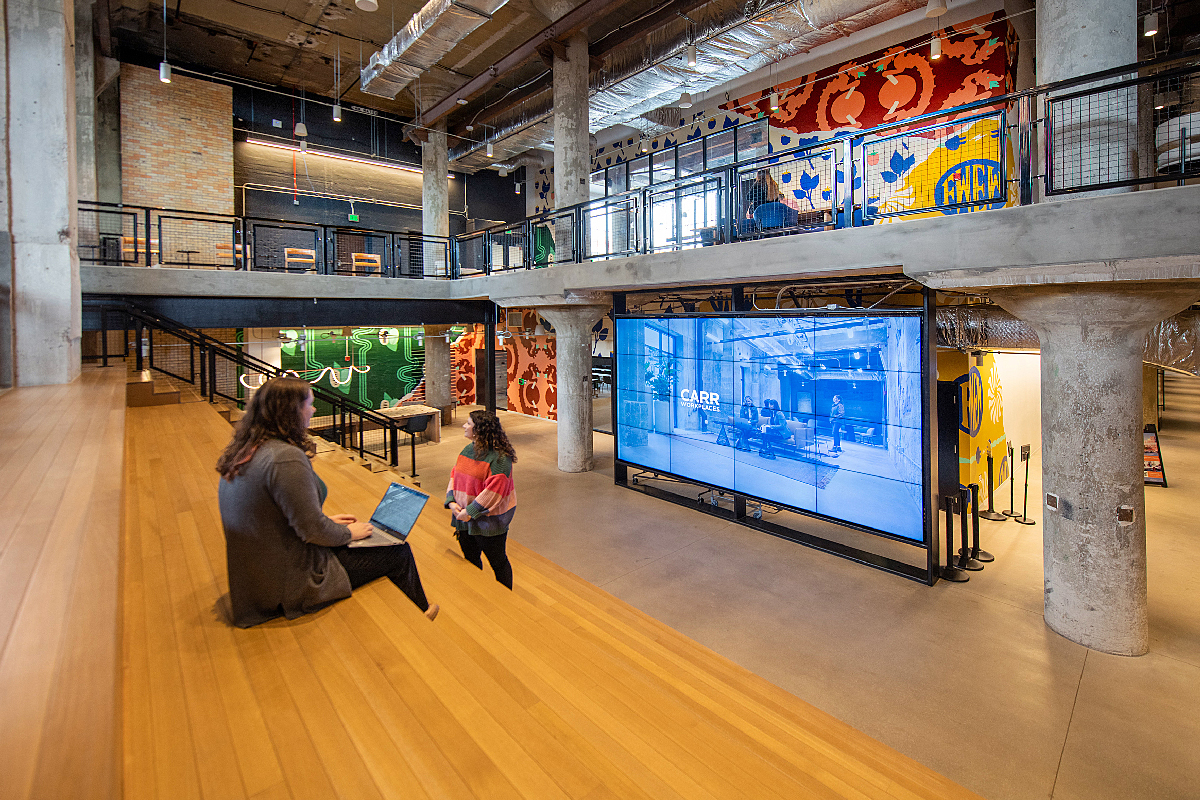
However, through these decades, GE’s national footprint continued to expand and its prioritization of the Fort Wayne location began to diminish. By the 1950s, the Fort Wayne location was no longer the epicenter of GE’s key business. Over the ensuing years, production and employment levels at the Broadway campus dropped consistently and at times significantly as GE shifted production to newer, more efficient factories with cheaper and typically non-union workforces. Thus beginning in the Post-World War II years, the Broadway campus no longer served as a singular symbol of Fort Wayne’s industrial-strength, but rather one of many GE assets to be managed by GE’s corporate headquarters in Schenectady, New York. The company permanently closed the 39-acre complex in 2015 and it was acquired in 2017 for redevelopment by a partnership led by Durham-based Ancora Partners.
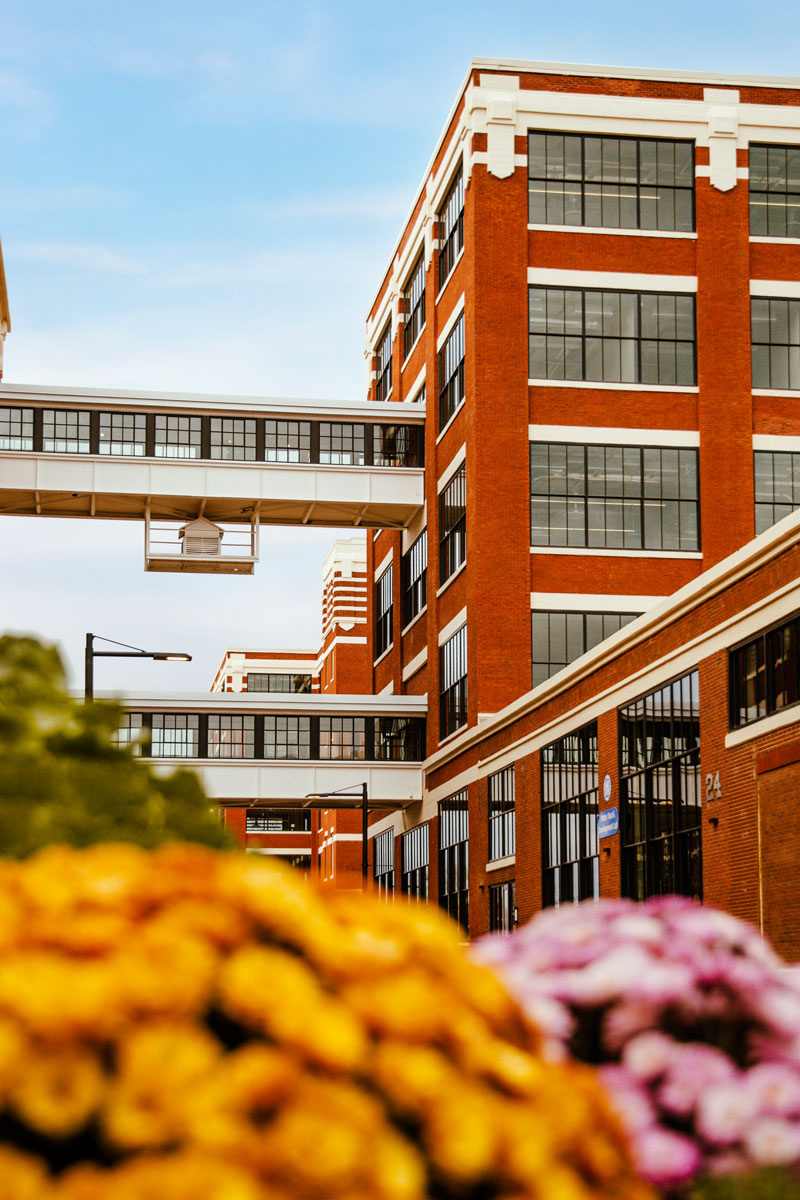
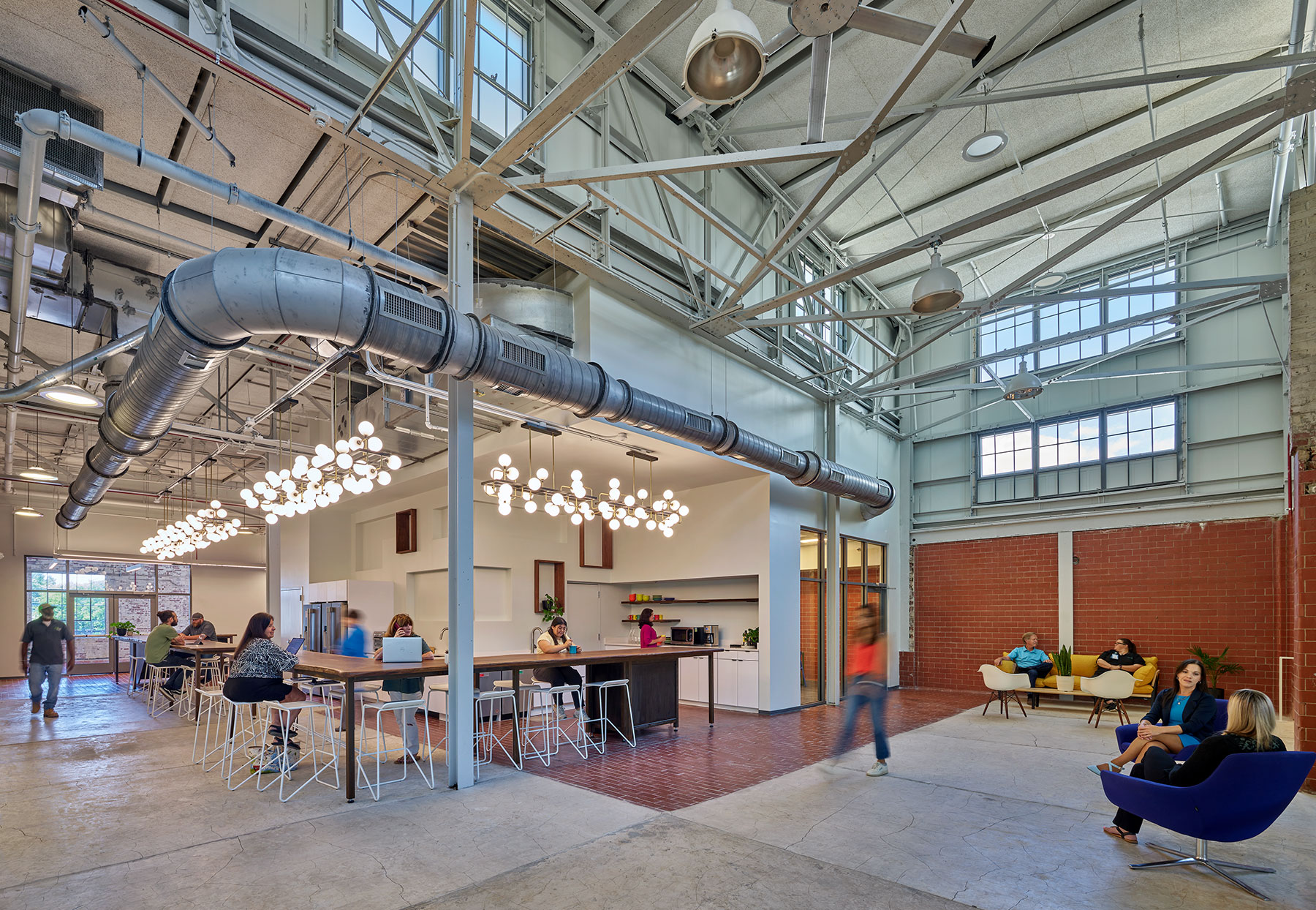
The first phase of the project will transform 10 historic manufacturing buildings and the construction of one additional building on the western portion of the former General Electric campus into a lively 730,000+ square-foot innovation district. It is part of a greater redevelopment plan for the entire General Electric campus which includes 18 historic buildings and more than 1.2 million square feet of space for office, education, retail, residential, hospitality, and entertainment uses. The subsequent East Campus project includes the redevelopment of eight historic buildings, as well as a significant new construction component that will be a mix of affordable housing and hospitality.
The massive revitalization efforts of the 12-acre west campus will ultimately create and support approximately 2,000 accessible construction-related jobs, a majority of which will be union and pay a living wage. Once complete, the variety of commercial tenants will help grow and attract new and existing businesses to the area and support over 1,500 permanent jobs.
The first phase of Electric Works – West Campus – is expected to generate nearly $300 million in economic impact to the local region. When the West Campus opens in 2022, it is estimated to generate almost $400 million in annual economic impact.
One of the largest healthcare providers in Indiana will operate the primary care clinic and pharmacy providing services to 15,000 patients annually for the medically underserved population, of which
at least 3,000 Medicaid patients annually. Fort Wayne STEAM high school, a new sciences-oriented community school, will utilize 26,000 square feet to prepare over 300 low-income students for both college and the workforce.
The project will also provide space for the relocation of two local non-profit farmers’ markets to expand the number of vendors and the number of market days.
Do It Best Headquarters, the anchor tenant, is a member-owned hardware, lumber, and building materials cooperative. The space at the project will allow Do It Best to retain 432 quality jobs in Fort Wayne and expand operations creating an additional 88 quality jobs. Approximately 25% of Do It Best jobs are accessible by requiring no more than a high-school diploma or equivalent.
2,000 construction and 1,500 permanent jobs
15,000 patients annually
Add 88 quality jobs
Expected to generate $700 million
The $286 million public-private partnership was financed with a diverse capital stack, including NTCIC’s investment in the $41 million federal HTCs generated by the project. This HTC investment was funded in partnership with two of NTCIC’s federal HTC investors including the recently-launched Climate Impact and Revitalization
Fund. Financing also included $51 million in NMTC allocation from five different Community Development Entities, including $12.5 million from NTCIC. Additional public and private financing sources included $60 million in state tax credits, bond financing from the City of Fort Wayne, and $22 million of LP capital.
We bring clear insight, deep experience, and strategic focus to every project, whether you're structuring complex capital or shaping long-term, legacy-driven development.
$12 Million
$10 Million
$71 Million
Iron Stone Real Estate Partners
Education Access, Healthcare Access, and more
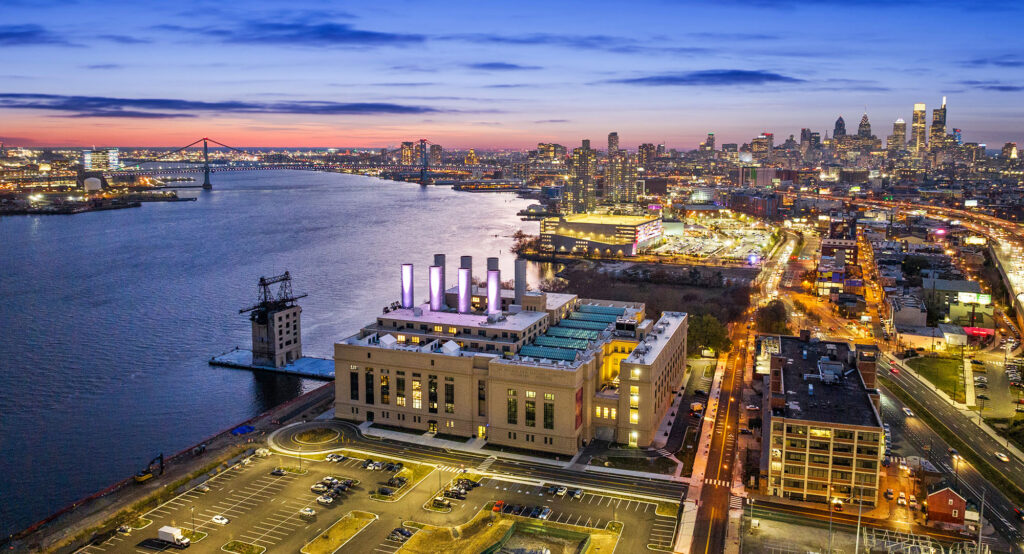
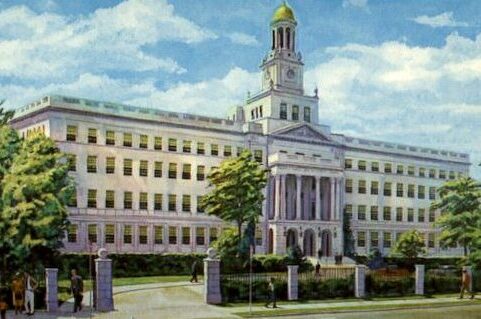
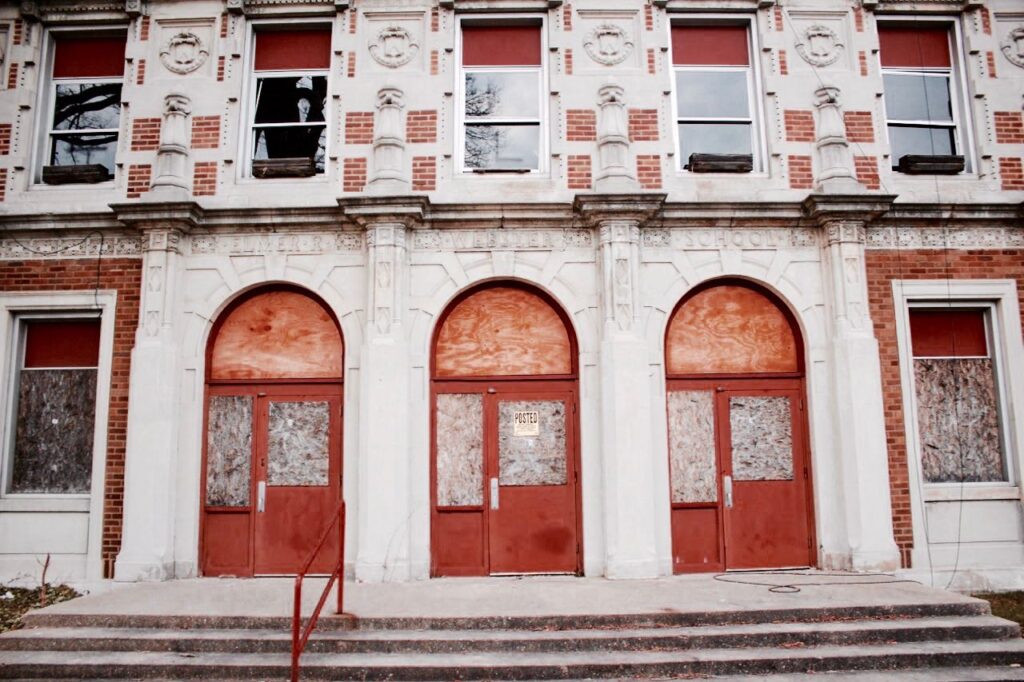
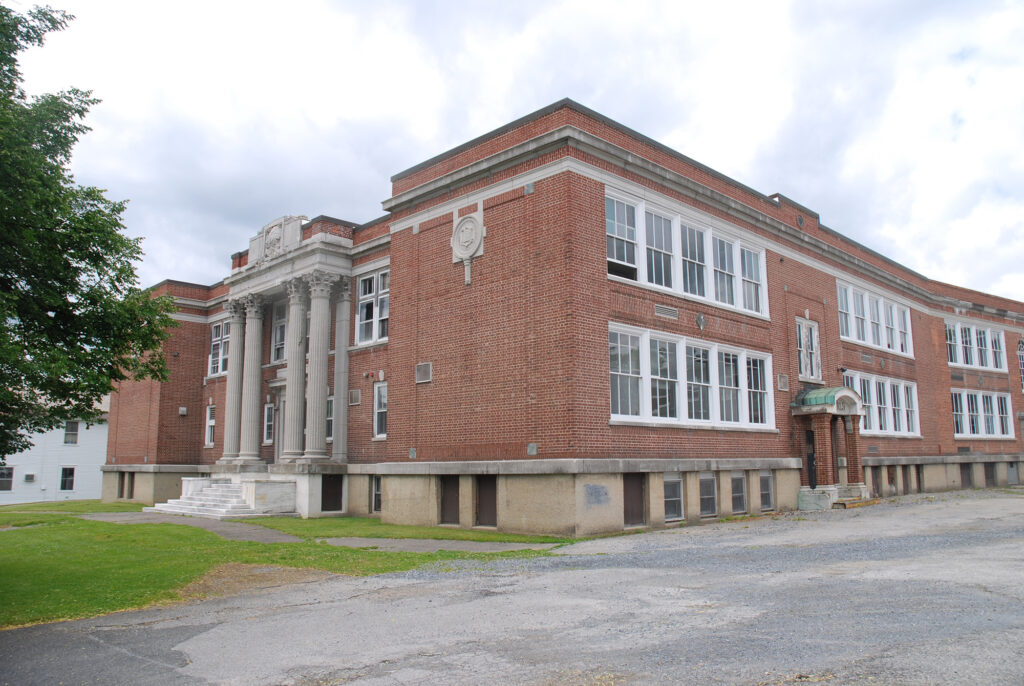
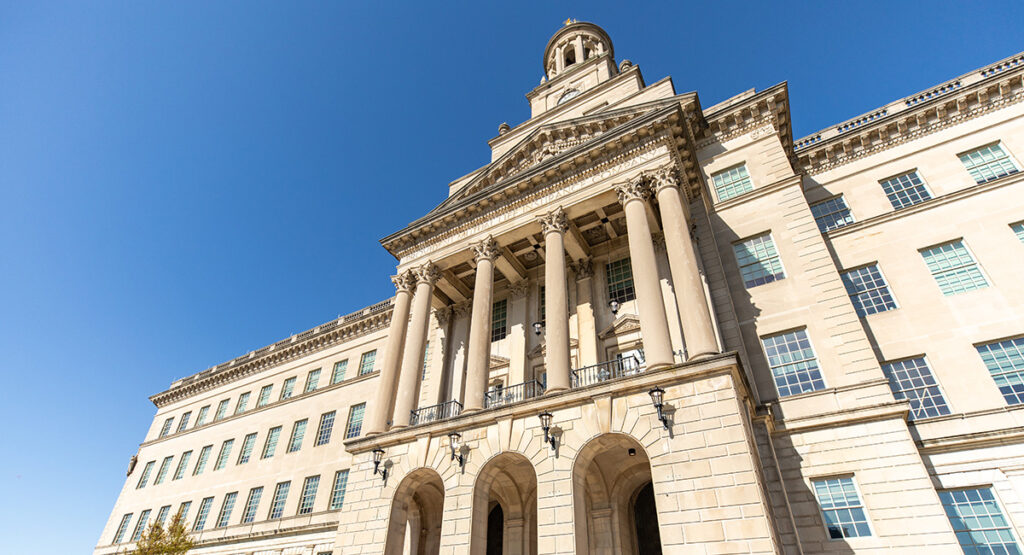
The Provident Life and Trust Company of Philadelphia was founded in 1865 by a group of Quakers, becoming one of the larger banking and insurance companies in the region. In the early 1920s, changes in state law required the separation of banking and insurance arms, creating a new company, Provident Mutual Life Insurance Company of Philadelphia. This new company picked a 12.5-acre parcel at 46th and Market, previously part of the sprawling campus of the Pennsylvania Hospital for the Insane, for a campus. After weathering a rocky decade in the 1930s, Provident Mutual grew steadily in the 40s and 50s, and by 1962, it had over 1,000 employees at its headquarters. Provident had finally outgrown its campus and decided to move back into downtown Philadelphia in 1983. The organization left Philadelphia in 1993.
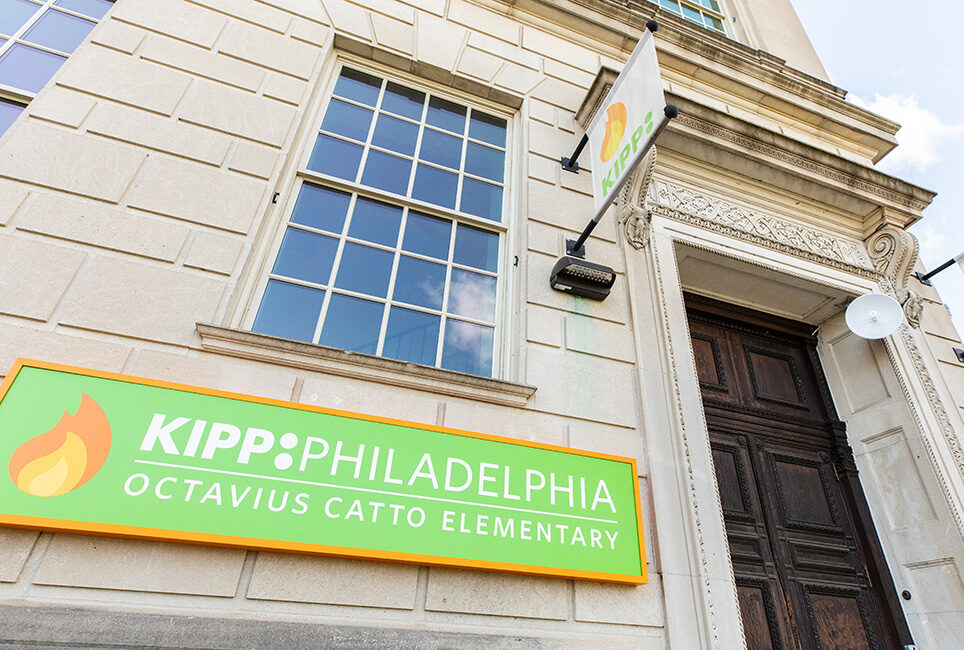
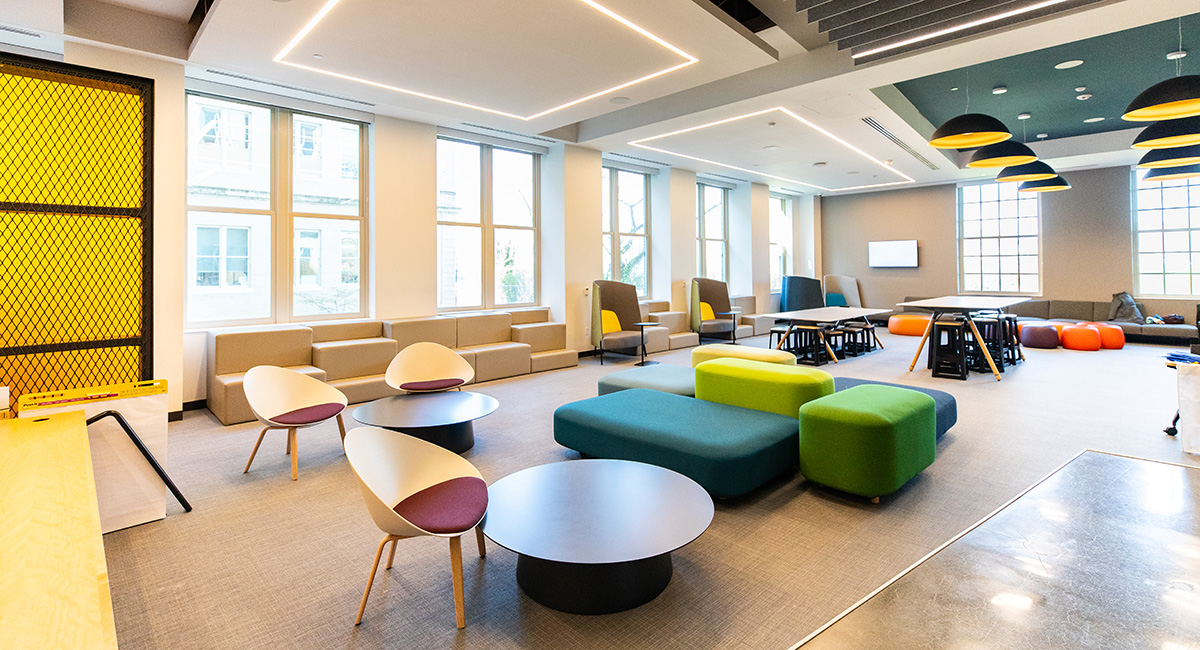
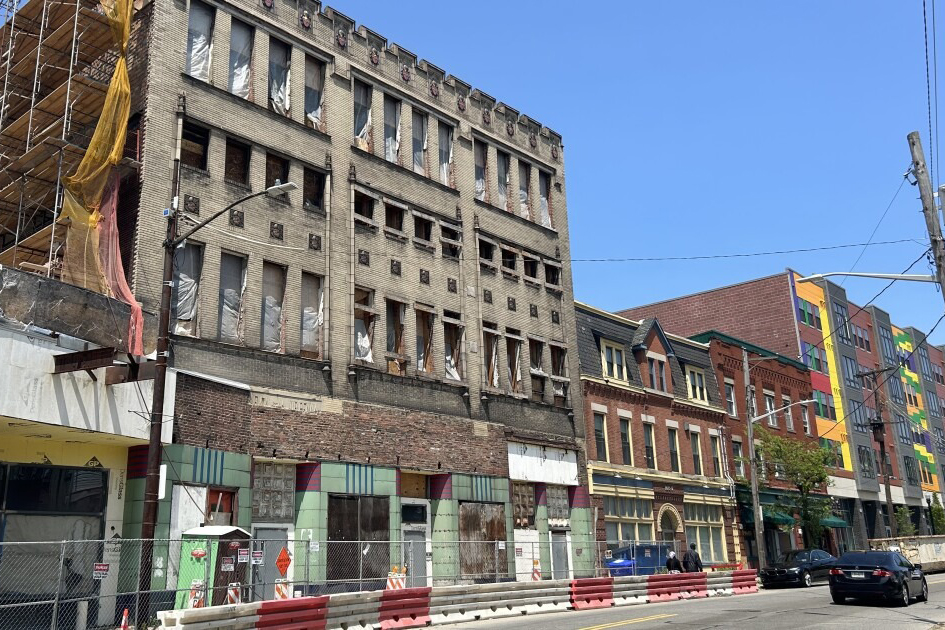
The historic Provident Mutual Life Insurance Company building was renovated into an integrated health campus that will provide outpatient pediatric and adult behavioral health services, a federally qualified health center, early childhood education, a workforce development program, and public community space. The buildings will be anchored by Public Health Management Corporation (PHMC), a nonprofit public health institute that builds healthier communities through partnerships with government, foundations, businesses, and community-based organizations. The restored campus will also become the new home of the Children’s Hospital of Philadelphia (CHOP), the nation’s first hospital devoted exclusively to the care of children.
As the new homes for PHMC and CHOP, the Provident Health campus created over 150,000 square feet of direct healthcare space with specialized facilities dedicated to pediatric care. PHMC provides direct case management services to over 850 each year in their new facilities. The revitalized space also houses their Turning Points for Children program, which provides child welfare, family strengthening
and behavioral health services to more than 10,000 individuals each year. By moving to a larger space, CHOP was able to expand its pediatric outpatient behavioral health services, with over 35% of patients qualifying as low-income. The project supports over 1,100 jobs, 450 of which were newly created as a result of the revitalization effort.
NTCIC facilitated the investment in the $12 million of federal Historic Tax Credits generated by the $71 million historic revitalization efforts and provided $10 million in New Markets Tax Credit allocation to ensure the project’s success.
We bring clear insight, deep experience, and strategic focus to every project—whether you're structuring complex capital or shaping long-term, legacy-driven development.
$2.7 Million Federal
$3.4 Million State
$10 Million
$16.8 Million
YWCA of Wheeling
Social Services, Healthcare Access
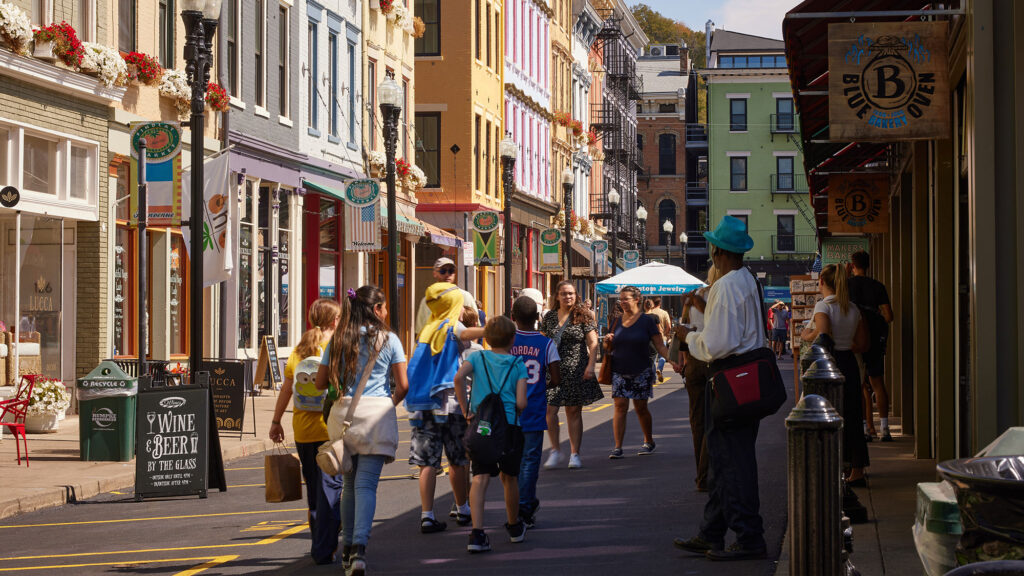
Wheeling, West Virginia, has a rich tapestry of history as the state’s first capital. Nestled in the foothills of the Appalachian Mountains along the Ohio River, Wheeling was an industrial powerhouse known as the “nail city,” supplying cut nails to the entire nation. By 1910, the city’s population surged to over 41,000, and its thriving industry played a pivotal role in supporting World War I. However, at this time, Wheeling, like many American cities, was under the shadow of segregation, with Jim Crow laws deeply ingrained into the societal fabric and dictating accessibility to locations and services based on race. Amidst this complex socio-political landscape, the YWCA Wheeling was established in 1906, initially operating from a rented space on an adjacent block before construction on their permanent and current location at 1100 Chapline Street was completed in 1915.
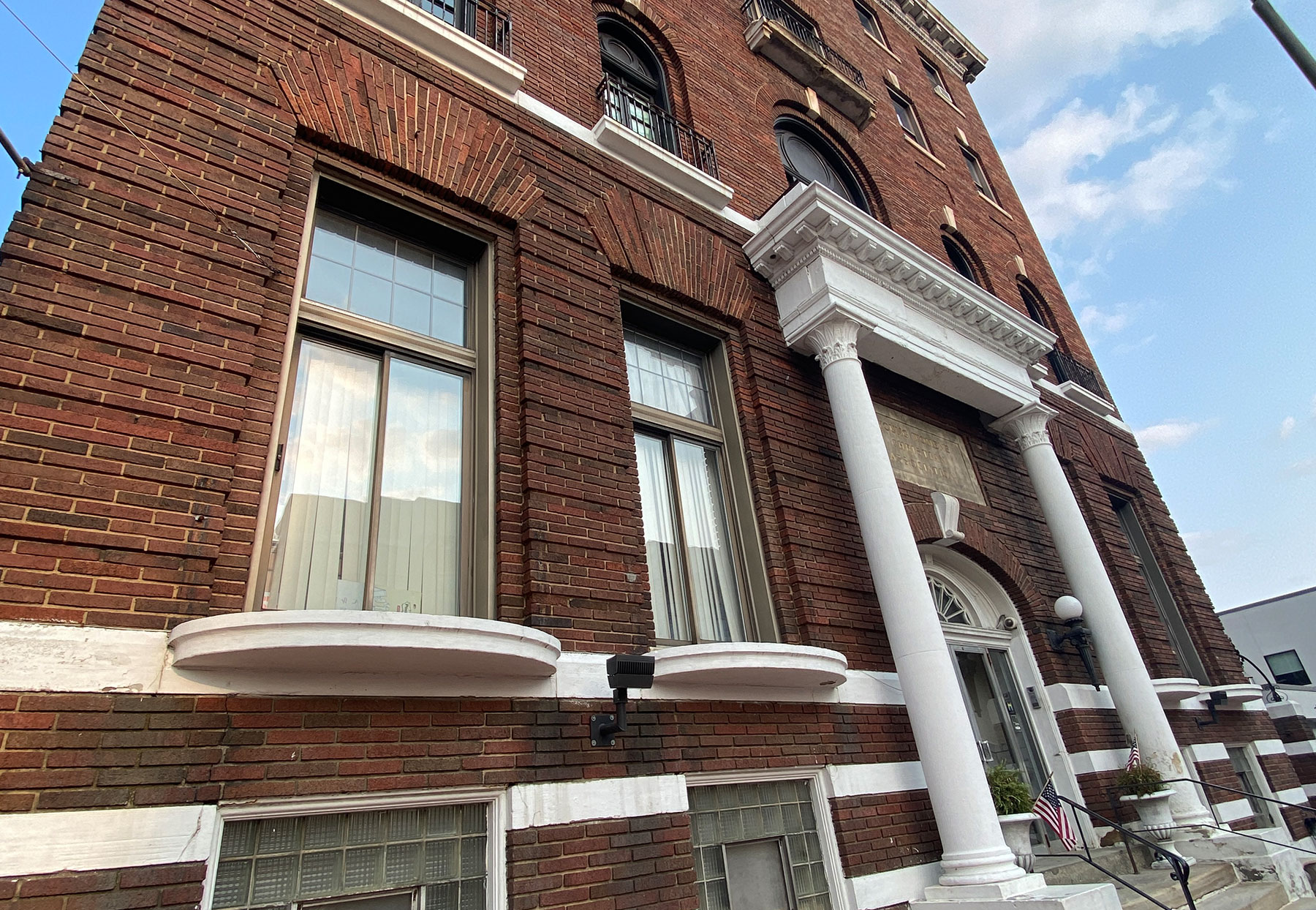
Despite the segregation laws of the time, the YWCA Wheeling emerged as a beacon of progressive ideals. While not untouched by the era’s legal constraints, the organization made it a priority to champion equal access regardless of race. In their early years, they actively campaigned and fundraised to extend their protective services and advocacy to African American girls and women, serving as a testament to their commitment to social justice.
By 1921, the YWCA Wheeling successfully established the Blue Triangle Branch in a neighboring building to serve the African American members of the community. Both organizations worked together serving the women and children of Wheeling until 1956 when the YWCA integrated the Blue Triangle Branch into its Chapline Street headquarters.
For more than a century, the YWCA Wheeling has been operating from this historic location, growing its programs, and continuing to support the women and families of Wheeling. The building, steeped in history and resilience, now requires essential repairs and upgrades to ensure the YWCA can continue its mission into the future.
The renovation of the century-old YWCA Wheeling building will enhance the quality of life for employees, residents, and community members, increase capacity for essential programming, and ensure the YWCA’s sustainability in its mission to provide vital services for women and families in need. Prior to renovations, the YWCA served about 7,400 participants each year.
In undertaking this project, the YWCA continued its long history of progressive action and service to the Ohio Valley. The renovation of the YWCA facility not only preserves a piece of Wheeling’s history but also ensures that the building continues to function as a vital resource for women and families in the area.
The YWCA Wheeling, which has not seen a major upgrade since its initial construction, is poised to make a transformative impact on the program participants, organization employees, and the local community with this renovation.
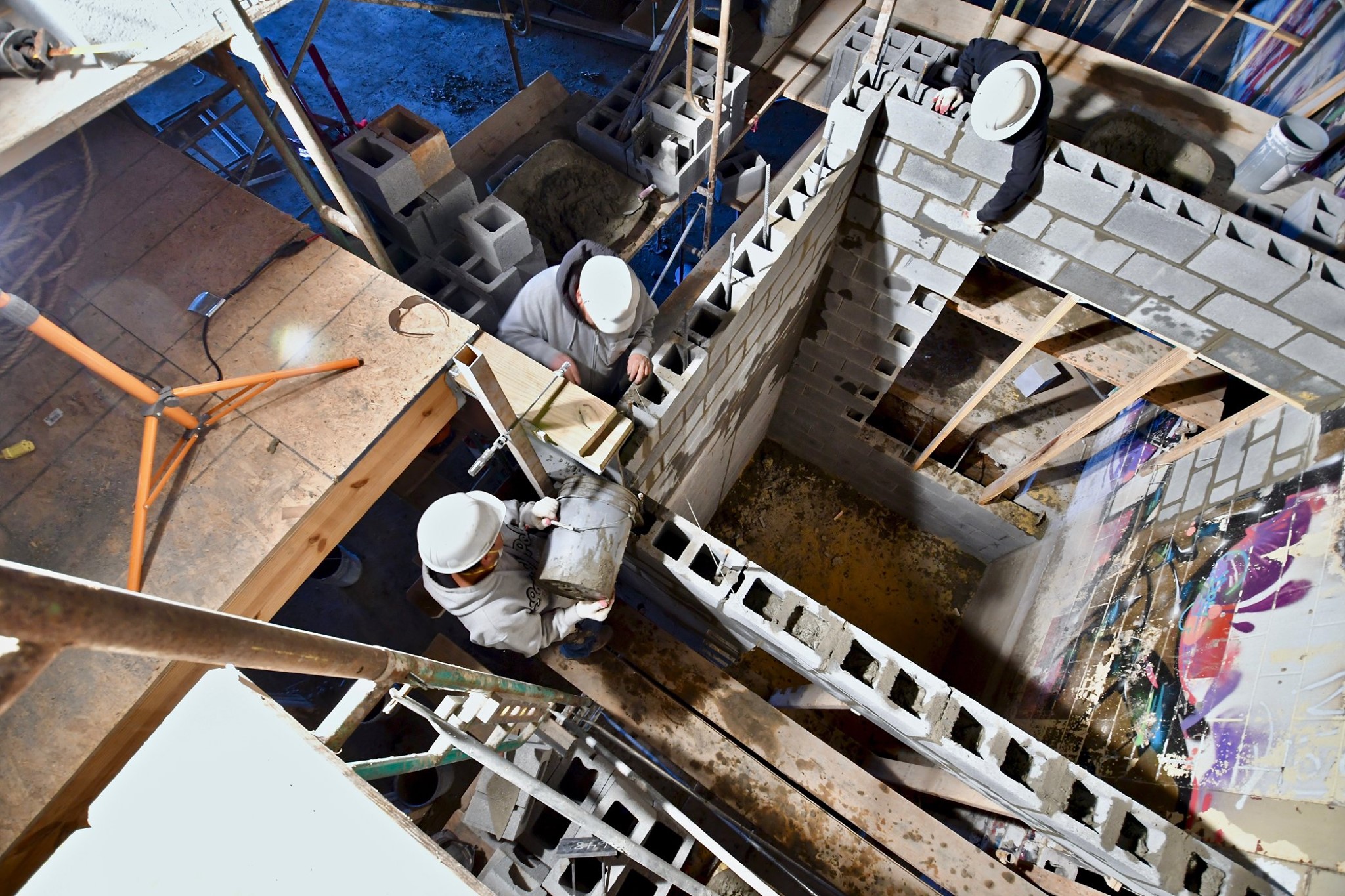
Construction efforts generated an estimated 67 positions, 85% of which were accessible to those facing barriers to entering the workforce. The renovated facility will enable the YWCA to add 7 new positions in addition to its current staff of 33.
Additionally, the building has new and upgraded systems, including a new elevator which will replace the one that has been in use since 1969, updated lighting and plumbing for better energy efficiency, and a brand new HVAC system. The renovation of the programmatic, residential, and shelter spaces provides an estimated 20% increased capacity by adding 14 rooms that are even more comfortable and inviting for program participants and will enable the YWCA to support an additional 1,200 people each year.
New heating and electrical systems and a new elevator for efficiency and ease.
Supporting an additional 1,200 people annually
14 new shelter and residence rooms added
67 construction jobs created
40 permanent jobs created/retained
NTCIC provided a $10 million New Markets Tax Credit (NMTC) allocation for the project and facilitated the investment for all real estate tax credits within the transaction, including both state and federal Historic Tax Credits (HTCs) and the NMTCs.
The swift closing facilitated by NTCIC enabled the YWCA to begin construction promptly, limiting program disruption and enabling the organization to quickly expand its crucial services and provide a safe haven for women and families at risk.
We bring clear insight, deep experience, and strategic focus to every project, whether you're structuring complex capital or shaping long-term, legacy-driven development.
$5 Million
$10 Million
Cross Street Partners
Workforce Development, Sustainability

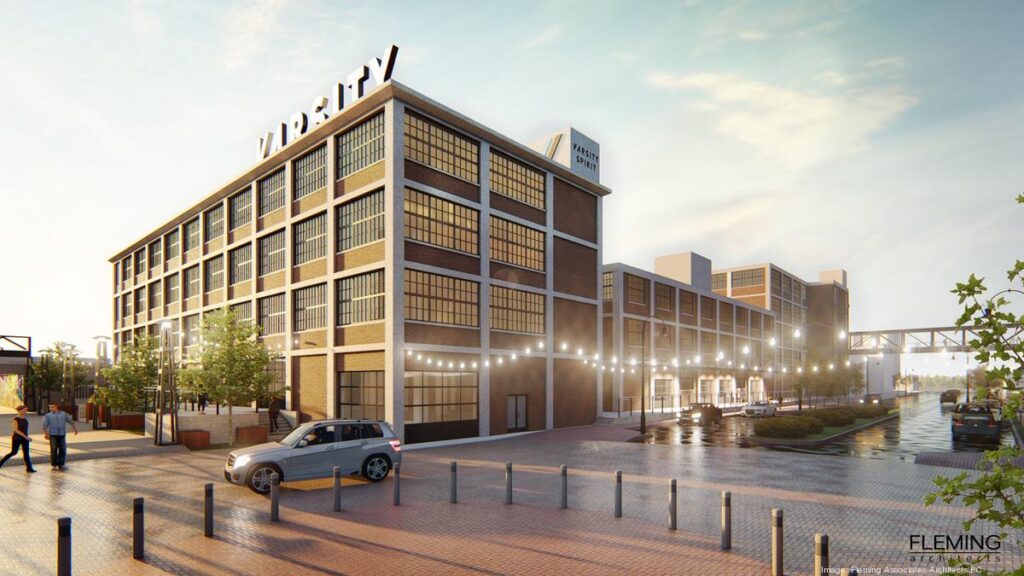
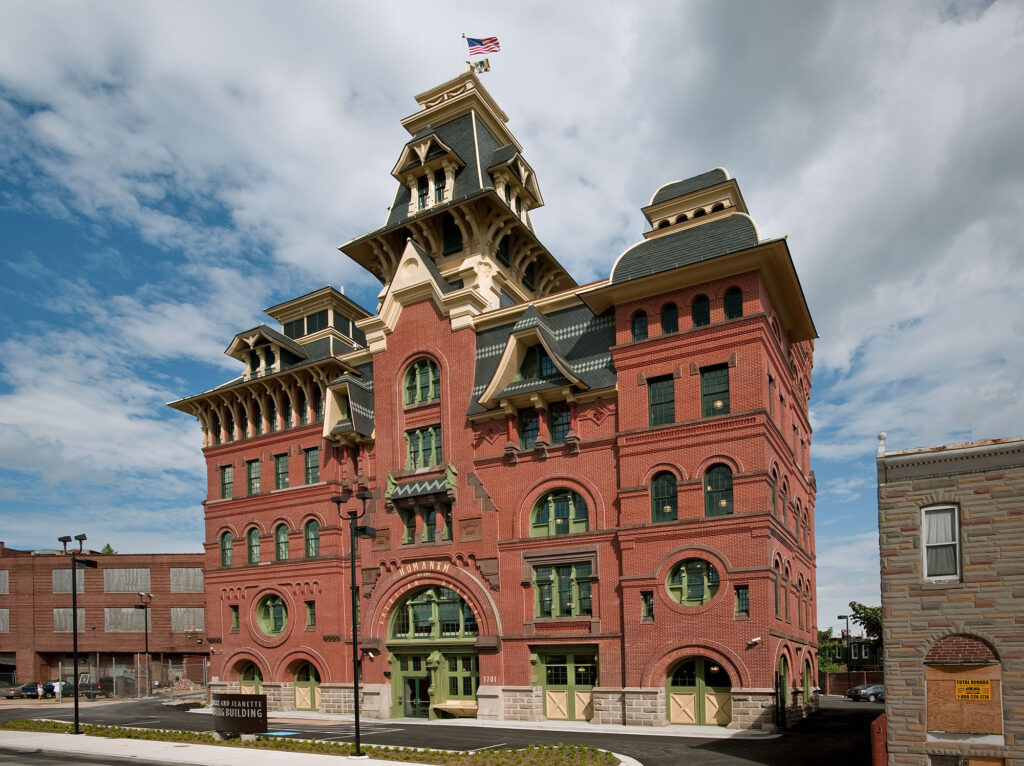
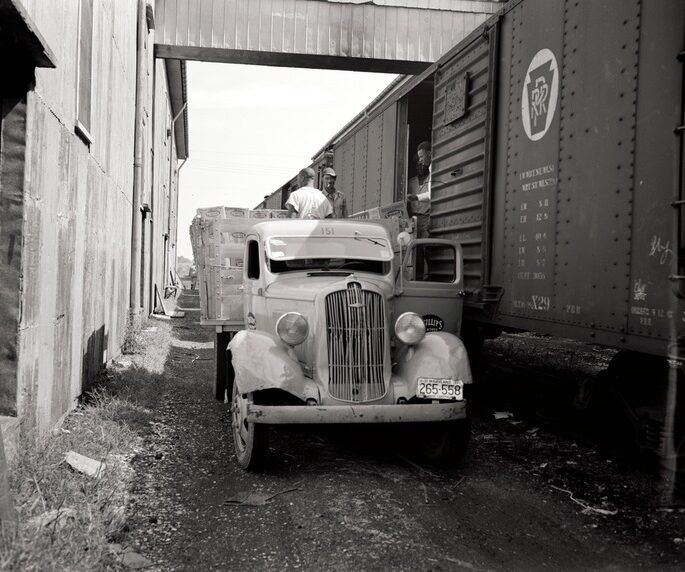
Nestled between the waters of Chesapeake Bay and the farmland of the Eastern Shore, The Phillips Packing Company utilized these nearby resources to become a leading cannery in the United States. As the company grew, it acquired its final building in 1930, one of the largest factories in Cambridge, Maryland. “Factory F,” as it was known, became the headquarters for the company’s successful tomato operation, where they soon became a global name as the largest producer of canned tomatoes in the world.
The company also extended its goods to the war effort, becoming the main supplier of individual canned and pre-cooked meals (known as C-rations) to soldiers during World Wars I and II. In the 1930s, it also supplied food and provisions to Antarctic explorers. These successes put Cambridge on the map, and the community reaped the benefits.
At one point, the Phillips Packing Company employed about a quarter of the population of Cambridge. It was also one of the few desegregated employers; anyone and everyone was welcome to work in the hustle of the factories.
The Phillips Packing Company continued to be an economic staple, eventually expanding into trucking and oil before it was finally sold to Consolidated Foods (now a Sara Lee Corporation) in the 1960s. Factory F was the only remaining production building from the Phillips Packing Company empire.
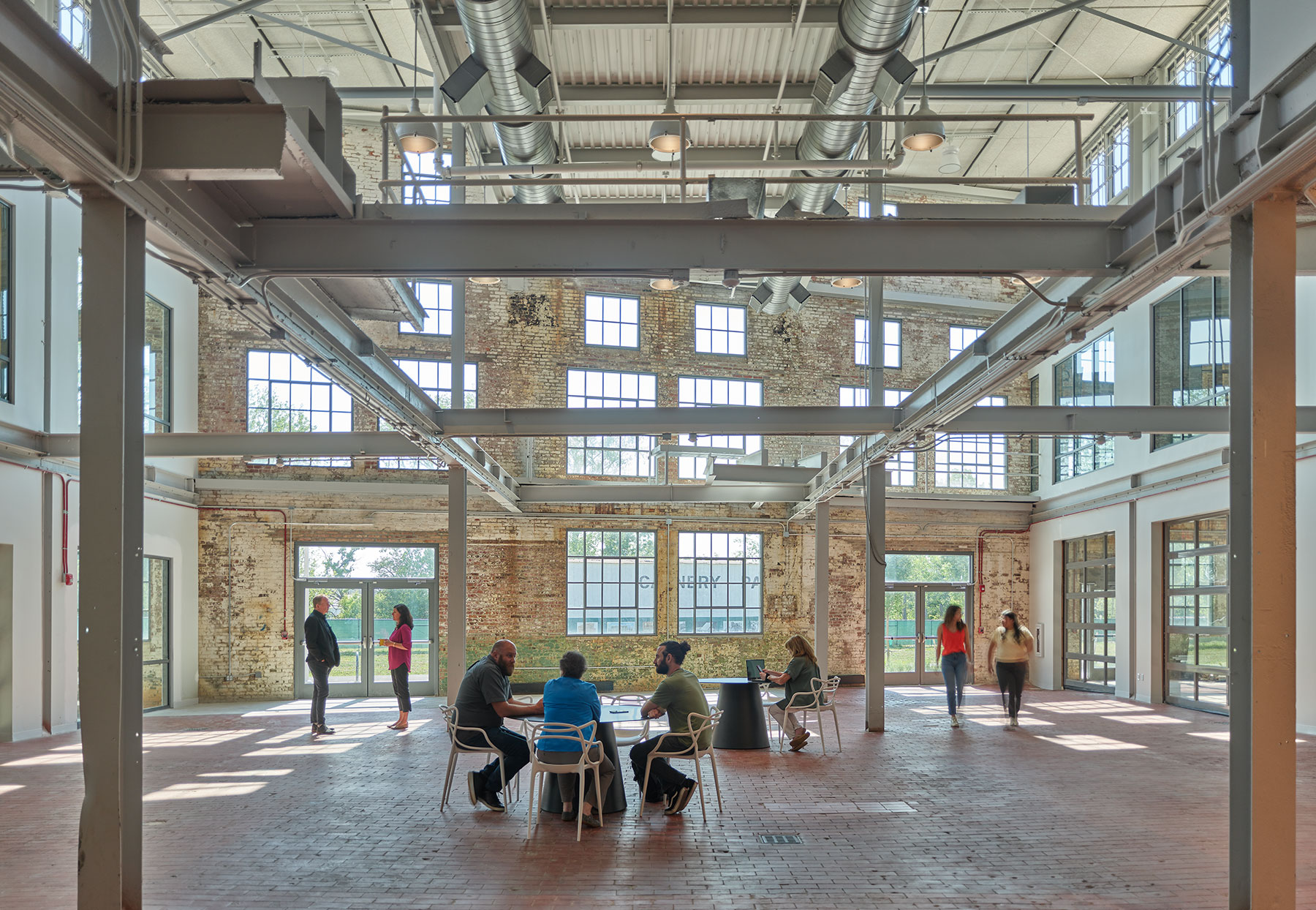
The historic warehouse has become the Packing House and will continue its legacy of the Chesapeake by creating an environmentally sustainable space for emerging entrepreneurs, workforce development, and aquaculture.
The Packing House provides space for local businesses supporting Chesapeake Bay revitalization efforts, commercial kitchen opportunities for food business startups, and workforce development training opportunities for individuals seeking new employment.
The Cambridge community is once again benefiting from jobs created from within The Packing House. The extensive construction and preservation efforts generated 110 construction jobs, and as the tenant businesses grow in their new spaces, they’ll create and retain a projected 161 permanent jobs. 100% of the construction and permanent positions will be quality, well-paying jobs targeting and supporting the community.
The tenants of the building are dedicated to giving back to the community through various programming and support. The Maryland DHCD operates a Community Engagement Center within the Packing House to host training and certification programs for residents, including holistic health, continuing education in the medical field, farming certifications, and landscaping certifications.
MERGE is focusing on career growth support by operating one of Cambridge, Maryland’s few incubation hubs and shared office space, with a focus on education.
The new collaborative space will support an estimated 50 entrepreneurs each year. Several active MERGE members, such as the Dorchester Foundation, are community-oriented and operate youth employment programs targeting low-income families.
Food entrepreneurs will also benefit from the new space, with Four Eleven Kitchen offering classes, support, and training in its food concept spaces. Four times a year, it will offer six—to eight-week programs for six young chefs (24 annually). The Four Eleven Kitchen will also offer an additional 10–20 food concept production platforms for others looking to try their hand in the kitchen.
All of this and more will take place in the newly renovated Packing House. This historic, 60,000-square-foot industrial warehouse has been awarded LEED Gold certification for meeting high standards in energy efficiency, water conservation, and material reuse. It is projected that the restored Packing House will conserve 148.9 MWh of electricity each year, equivalent to the amount of energy used when burning 120,000 lbs. of coal.
Blue Oyster Environmental donates processed oyster shells to support spawning and environmental remediation
24 young chefs supported annually at Four Eleven Kitchen
10-20 food concept production platforms supporting new food training
50 entrepreneurs supported annually at MERGE offices
110 construction jobs created
161 permanent jobs created/retained
LEED Gold certified construction
Conserving 150 MWh of Electricity Annually
The $10 million phase II of the historic restoration of the Packing House was made possible through public and private financing, including a $5 million New Markets Tax Credit allocation from NTCIC. This critical funding will ensure the tenants’ spaces are activated so they can grow and support more members of the surrounding community.
Additional Phase II funding sources included Historic Tax Credit equity and $2.5 million in additional NMTC allocation from U.S. Bancorp Community Development Corporation. Phase I of the Packing House development, totaling $26 million in development costs, began in 2021 and was completed in 2023.
We bring clear insight, deep experience, and strategic focus to every project, whether you're structuring complex capital or shaping long-term, legacy-driven development.