Historic Tax Credits

$9.5 Million
Federal HTCs

New Markets Tax Credits

$7 Million

Total Project Cost

$50 Million

Project Partner

Huntington Theatre Company, Inc.

Impact

Arts Education, Support, & Access

One of the First Nonprofit Playhouses
History

One of the First Nonprofit Playhouses

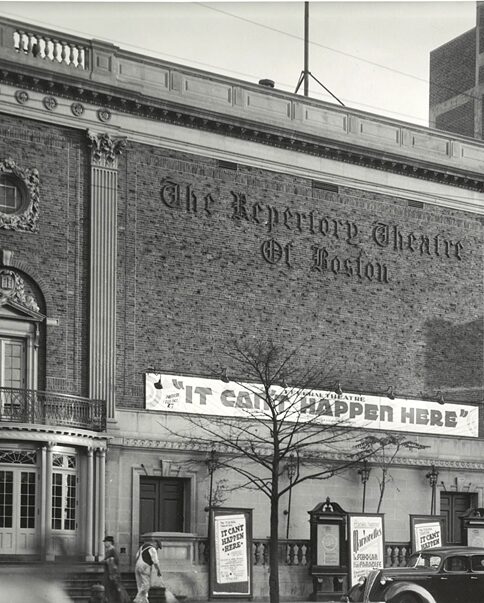
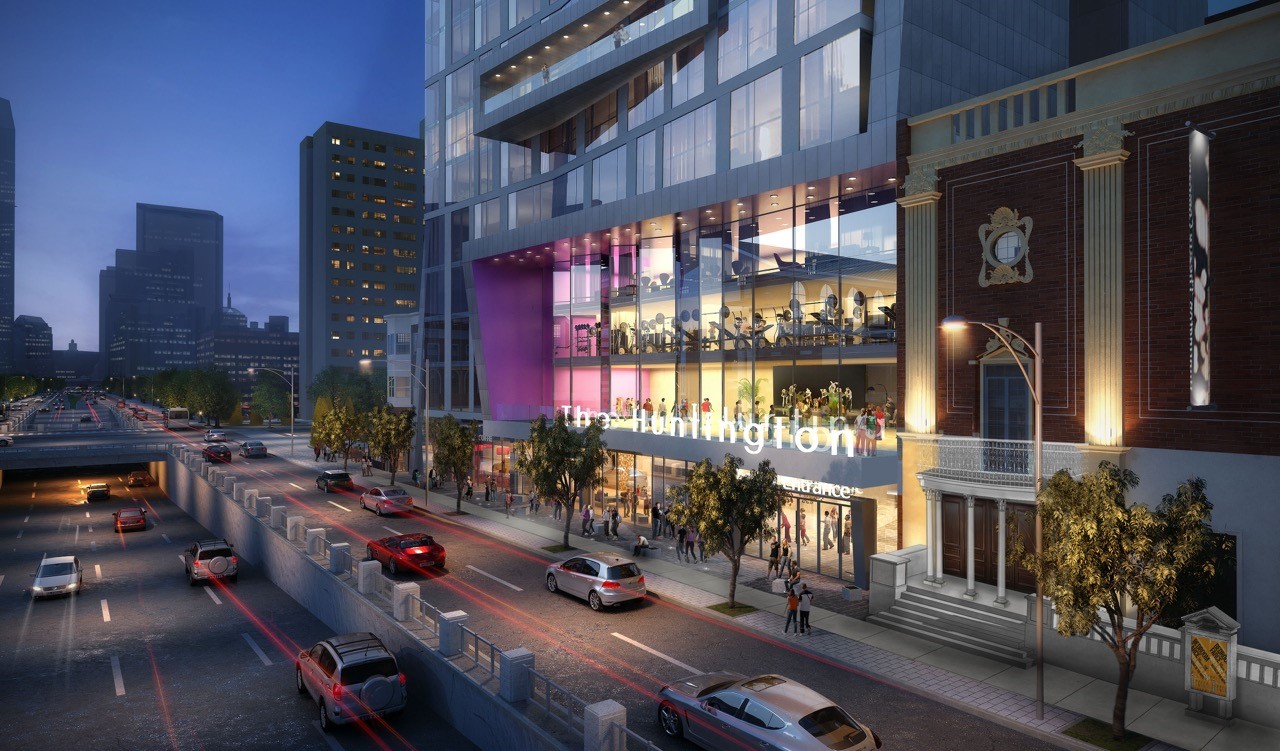
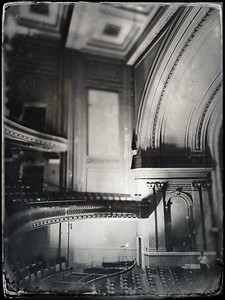
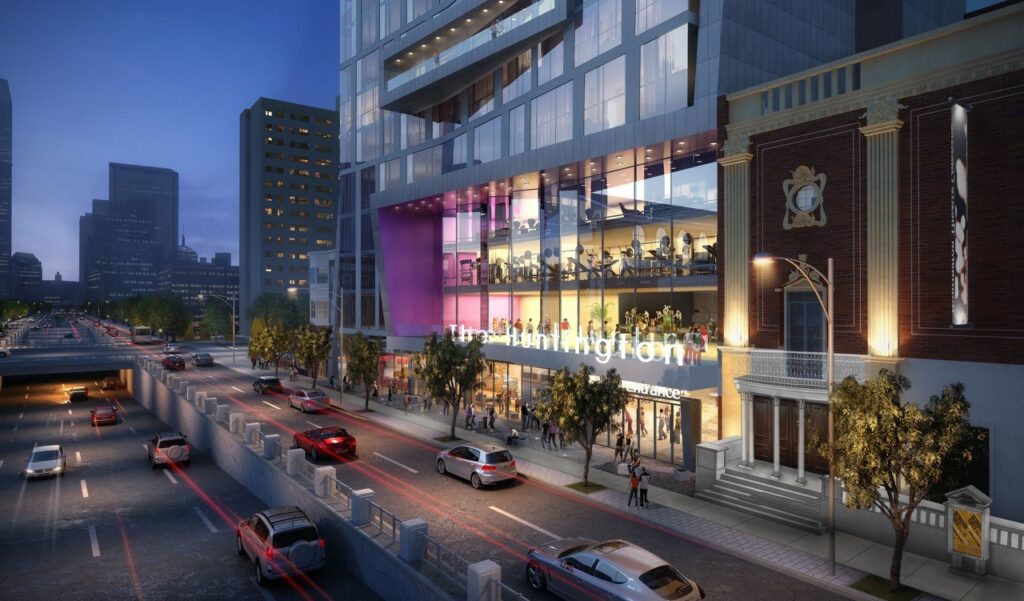
Originally built in 1925 as the “Repertory Theatre of Boston,” the Huntington Theatre was one of the country’s first nonprofit playhouses. It was built to be a permanent home for the Henry Jewett Players‚ a Boston–based repertory theatre company. In choosing to locate the theatre across from Symphony Hall and near the Museum of Fine Arts and the old Boston Opera House‚ the theatre’s creators intended to signify its character as a major cultural institution of Boston and its difference from the commercial playhouses in the Boylston‚ Washington‚ Tremont streets area of the city.

Huntington Theatre Company, Inc., the organization spearheading the rehabilitation of the space, has been operating out of the theatre since its founding in 1982 as part of a partnership with Boston University (“BU”). Over the years the Huntington has received over 150 Elliot Norton and Independent Reviewers of New England Awards, as well as the Tony Award for Outstanding Regional Theatre. In the past 36 years, the Huntington has played to an audience of 3.5 million, presented over 200 plays (18 of which went on to Broadway or Off-Broadway), and served over 500,000 students, community members, and other cultural organizations, becoming Boston’s leading professional theatre and one of the region’s premier cultural assets. Boston Magazine named the Huntington the 2019 “Best Theatre Company, Large” in the city.

Improving the Huntington
Revitalization Efforts

Improving the Huntington

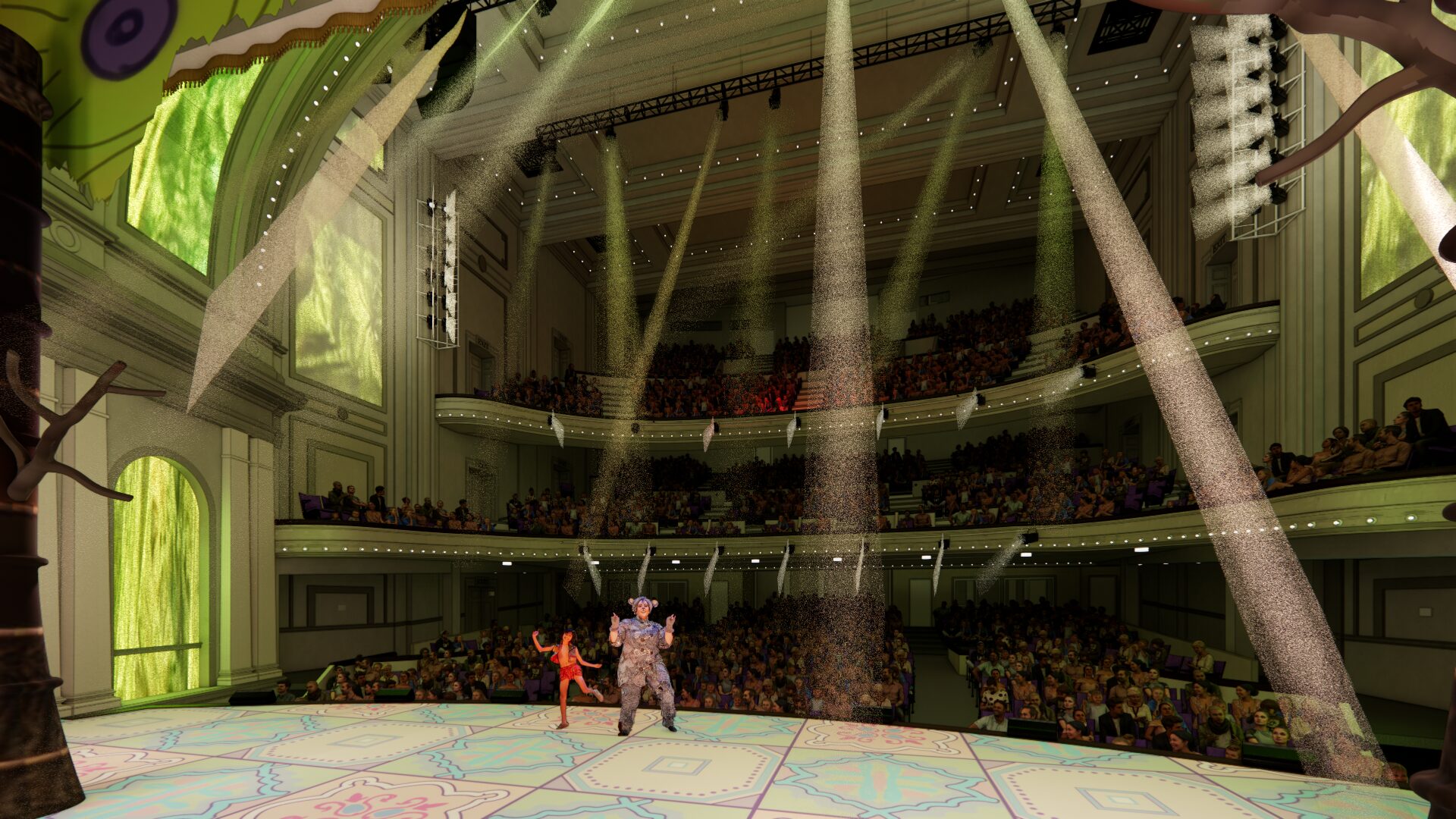
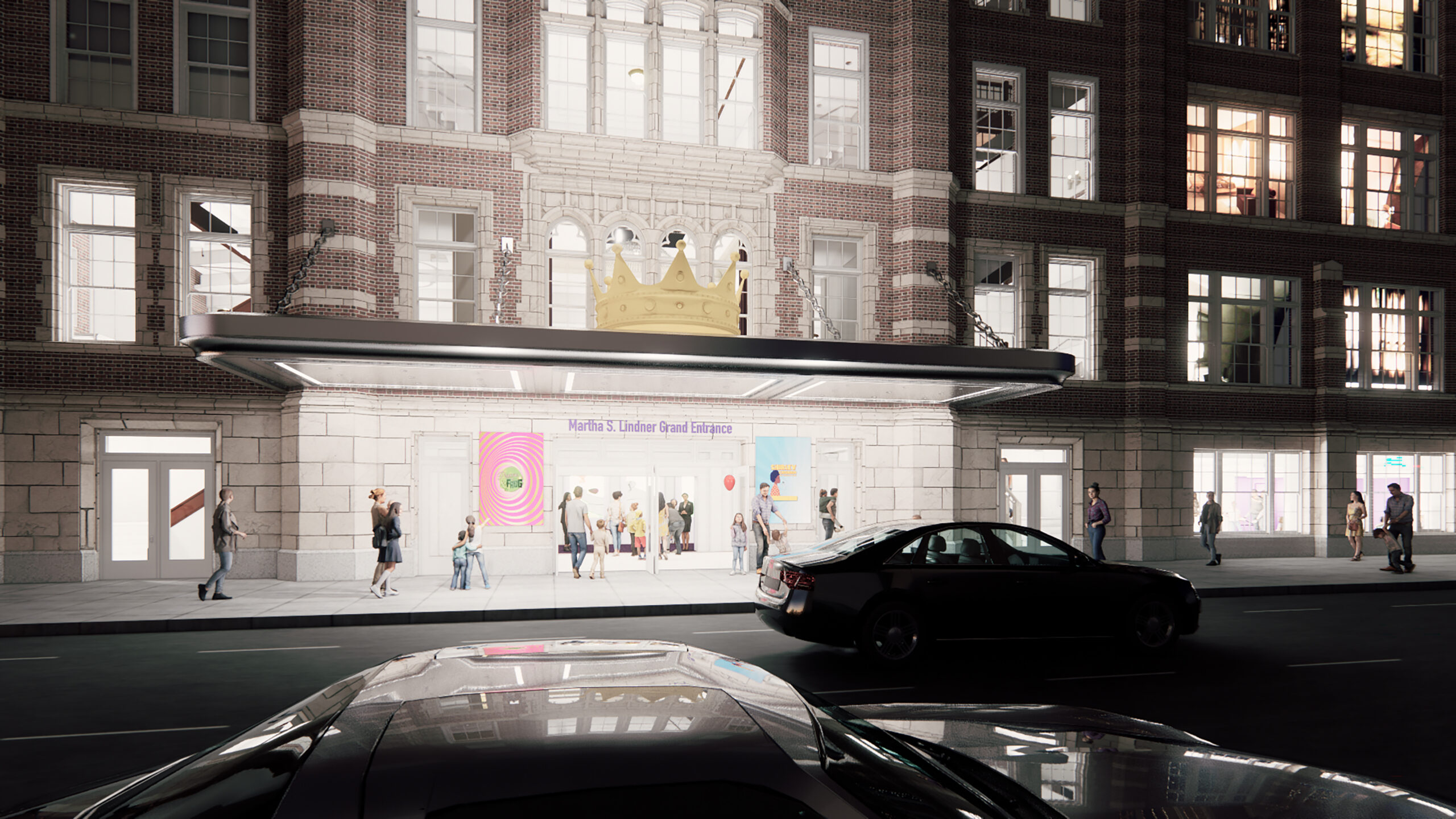
The redevelopment will consist of restoring the 44,000 SF theatre and the attached service building. Once renovated, the theatre intends to increase its annual performances from 150 to 180 and expand its educational programs. The completion of the proposed overhaul to the building will enable the owners to provide more programs in a much more modern theater with larger seats, better equipment, and back-of-the-house facilities. The new theatre space will have additional accessible seating locations, improved sightlines, and new acoustic systems which will ensure high quality and comfortable audience experience.

Community Impact

Culture & Community

The Huntington is a community-centered theatre with strong, proactive goals to expand community participation and inclusion. Once renovated, it intends to increase its annual performances from 150 to 180 at the conclusion of the historic theatre restoration. This increase will also allow for expansion and staff increases in the Huntington’s education, community, and workforce development programs, including an increase to the Huntington Community Membership Initiative (HCMI), a program designed to reduce economic barriers to attending live theatre for those with limited

income. By partnering with 245+ organizations in local neighborhoods, the program provides more than 3,400 low-income patrons with affordable tickets to the best available seats, a multi-departmental theatre apprenticeship program, career pathways partnership program, and award-winning youth arts education initiatives. This project will increase the program’s overall capabilities by 40%. It will also allow for an additional 1,087 youth to be served through one of three annual spoken word programs hosted by Huntington Theatre.

Huntington Community Membership Initiative

Reduce economic barriers to live theater

Partnership with 245+ Organizations

3,400+ tickets for low-income patrons

Expanded Programming

Additional 1,087 youth to be served

Increased Performances

From 150 to 180 annually

Additional Resources

Allow for more workforce development, community engagement, etc.

NTCIC & Progress

Project Financing

In addition to a large capital campaign spearheaded by the Huntington, the project was financed by over $9.5 million in federal Historic Tax Credits, as well as a $7 million New Markets Tax Credit (NMTC) allocation, both of which were supported by NTCIC.

Check Out Similar Projects Here

Browse all projects

Want to Discuss Your Next Project? Talk With Our Team Today.

We bring clear insight, deep experience, and strategic focus to every project—whether you're structuring complex capital or shaping long-term, legacy-driven development.

Name(Required)
Want to Discuss Your Next Project? Talk With Our Team Today.

Historic Tax Credits

$12 Million
Federal HTCs

Total Project Cost

$77 Million

Project Partner

Model Group

Impact

Economic Development

History

A 10,000 Year Lease

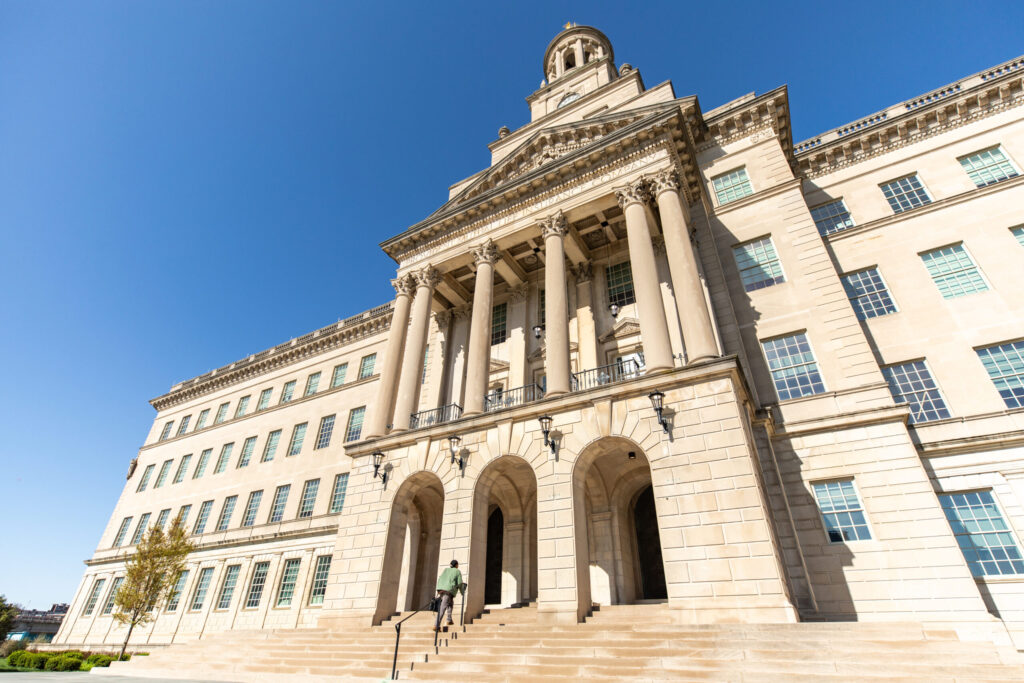
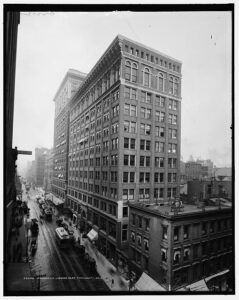
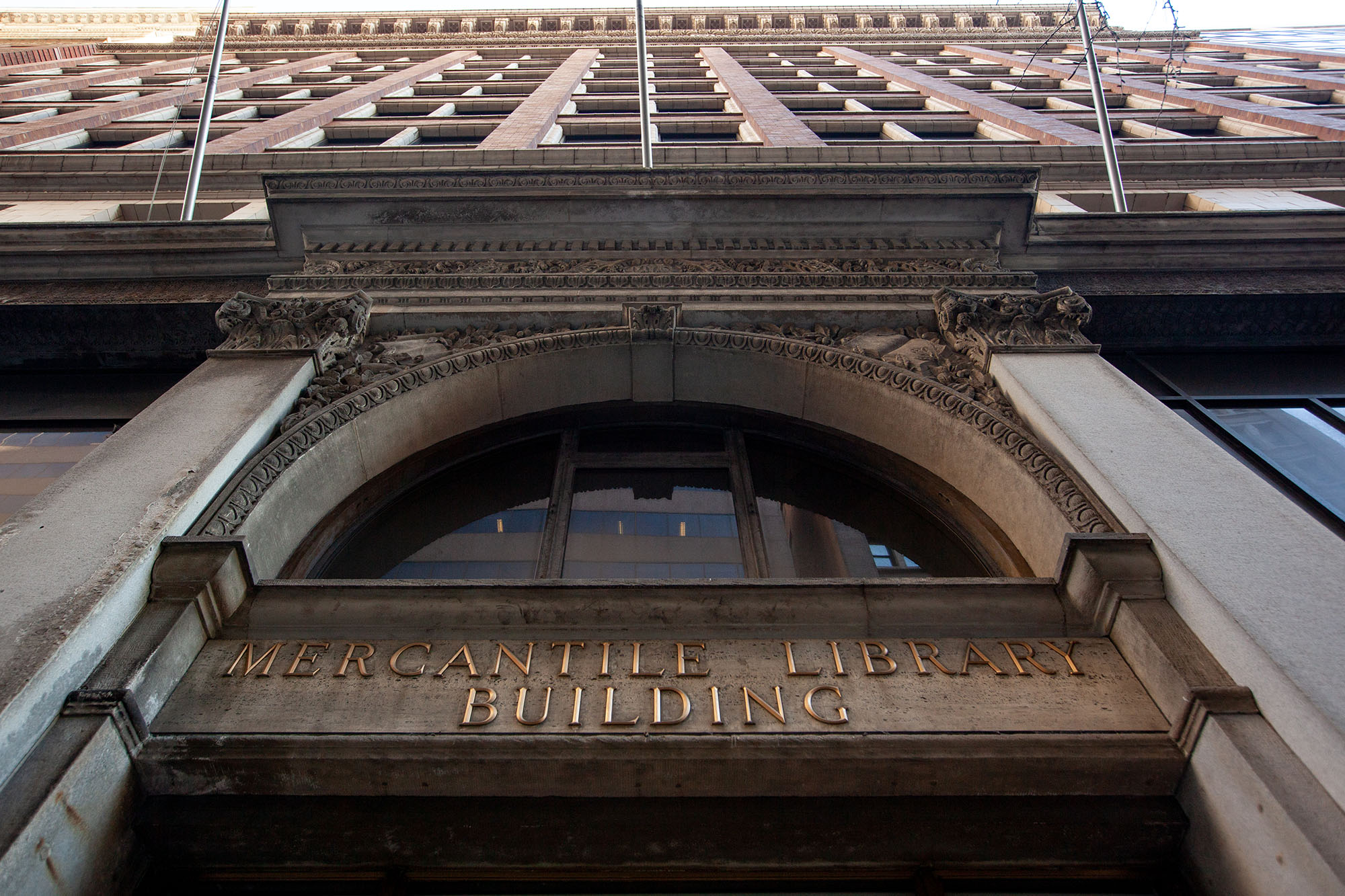
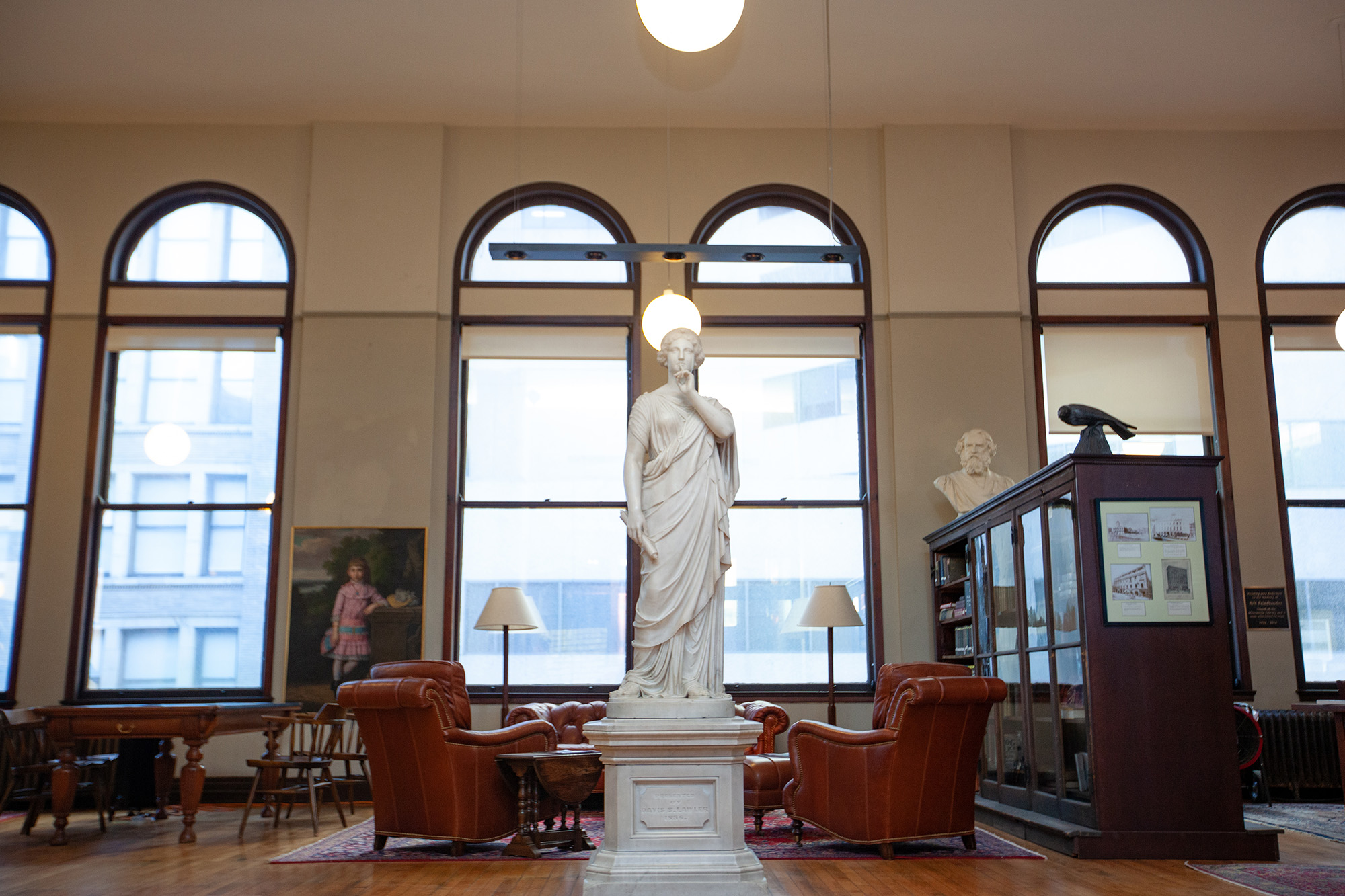
The Mercantile Library Building and the Formica Building have rich histories that are deeply intertwined with Cincinnati’s architectural and cultural heritage. The Mercantile Library was originally established in 1835 by a group of young men who pooled their resources to collect books, art, and host prominent speakers and authors. Over the years, the library has welcomed renowned figures such as Ralph Waldo Emerson, Herman Melville, and Harriet Beecher Stowe. As the collection grew to nearly 2,000 books, the need for a dedicated space led to the construction of the Mercantile Library Building at 414 Walnut Street in 1904. The building was designed by Joseph G. Steinkamp & Brother and was developed by Thomas Emery Sons, who contributed to the development of several skyscrapers in Downtown Cincinnati during the early 20th century. The building featured commercial space on the first floor and office space on the floors above. The 11th and a portion of the 12th floor were custom designed to house the Mercantile Library.

The institution has a perpetually renewable 10,000-year lease issued by Cincinnati College, thanks to the support provided by the men of the Mercantile Library Association after the college’s structure burned in 1845. The Mercantile Library Building was placed on the National Register of Historic Places in 2021.

The Formica Building, located at 120 East Fourth Street, along with the connected Crystal Arcade and Contemporary Arts Center at 255 East Fifth Street, were developed by Towne Properties and designed by Harry Weese & Associates of Chicago, a firm renowned for designing the Metro stations in Washington, DC. Completed in 1970, the Formica Building was constructed with travertine, glass, and bronze, showcasing modern, Miesian, and post-modern elements. The design incorporated elements from the neighboring Mercantile Library Building, such as eliminating the band of travertine between the 11th and 12th floors to mimic the double-height library. The Contemporary Arts Center (CAC) was housed in the Formica Building from 1970 to 2003, before moving into the newly constructed Lois & Richard Rosenthal Center for Contemporary Art in the spring of 2003.

Today, the Formica Building holds the distinction of being the most recently constructed building in Cincinnati to be listed on the National Register of Historic Places. As both the Mercantile Library Building and the Formica Building undergo an adaptive reuse transformation, their storied pasts will contribute to the revitalization of Cincinnati’s urban core and serve as a testament to the city’s architectural and cultural legacy.

Adaptive Reuse
Revitalization Efforts

Adaptive Reuse

The Mercantile and Formica buildings in downtown Cincinnati are set to undergo a remarkable transformation that will breathe new life into these historic landmarks. Upon completion, the mixed-use community will be rebranded as “The Historic Mercantile Building,” with the residential component as “Merc & Mica,” featuring 156 luxury rental apartments and over 76,000 square feet of commercial space. This exciting development will showcase the distinct eras of each building while catering to the modern, urban lifestyle.

NTCIC & Progress

Project Financing

To support the project completion, NTCIC was the primary project underwriter and sourced financing for the $12.7 million in federal Historic Tax Credits generated by the project. Additional project financing included traditional debt, sponsor equity, state Historic Tax Credits, TMUD credits, and Ohio Opportunity Zone Tax Credit financing.

The project is spearheaded by the Model Group, a recognized leader in historic preservation, mixed-use urban development, senior living communities, and affordable housing. Based in Cincinnati, the group

is responsible for several high-profileand award-winning historic preservation initiatives, such as the Dayton Arcade and the Jobs Café at Findlay Market, for which NTCIC provided New Markets Tax Credit allocation and HTC financing in 2018.

The project will also be utilizing the recently created Transformational Mixed-Use Development credit, a new incentive in Ohio that provides tax credits for projects that will be a catalyst for future development in their area.

Connect with Us

Curious About How Historic Tax Credit Investments Drive Real Impact?

Kandi Jackson leads tax credit investment activities with deep expertise in project finance, equity structuring, and compliance. When you speak with Kandi, expect clarity, honesty, and a clear roadmap for how your next investment can work in your portfolio.

Connect with Kandi

Check Out Similar Projects Here

Browse all projects

Want to Discuss Your Next Project? Talk With Our Team Today.

We bring clear insight, deep experience, and strategic focus to every project—whether you're structuring complex capital or shaping long-term, legacy-driven development.

Name(Required)
Want to Discuss Your Next Project? Talk With Our Team Today.

Historic Tax Credits

$7.57 Million
Federal HTCs

New Markets Tax Credits

$8 Million

Total Project Cost

$52.1 Million

Project Partner

The Children’s Theatre of Cincinnati

Impact

Arts Education, Support, & Access

History

Returning Home

This project is facilitating the long-awaited reunion of the iconic Children’s Theatre of Cincinnati with its original home, the Emery Theater. Historic Emery Theater was constructed in 1911 in Cincinnati’s “Over-the-Rhine” neighborhood. Commissioned by Mary Emery and built by the famous architecture firm Samuel Hannaford & Sons, the large theater was designed to hold thousands of patrons while astonishing each of them with an unobstructed view and exceptional acoustics. It was built using the principle of the “isacoustic curve,” meaning the room sloped upward from front to back, an ideal configuration for sending sound effortlessly throughout. It also featured two large balconies, both of which seemed to float above the main floor, in a method of theater construction that was new in the early 19th century. Originally part of the Ohio Mechanics Institute trade school, the Emery Theater soon hosted world-renowned artists like George Gershwin and John Philip Sousa, as well as influential dignitaries like Eleanor Roosevelt and Martin Luther King, Jr.

The Children’s Theatre of Cincinnati (TCT), founded in 1919, is the oldest professional children’s theatre in the nation, spending more than a century entertaining youth and inspiring them in the art of theatre. Originally owned and operated by Cincinnati’s Junior League, TCT launched as an independent nonprofit in 1949 with a mission to educate, entertain, and engage audiences of all ages through professional theatrical productions and arts education programming. TCT called the historic Emery Theater home from their incorporation as an independent nonprofit until 1969, when they relocated to downtown Cincinnati’s Taft Theatre.

In the years after losing the patronage of The Children’s Theatre and The Cincinnati Symphony Orchestra, the Emery fell deeper into disrepair, lying dormant for many years while TCT was forced to limit their performance days to only 40 a year at their new location in the Taft Theatre. The decision was made by TCT to return home to the historic Emery Theater and they launched a campaign to undertake a major renovation in a way that pays homage to the past while reimagining it for the future.

Emery's Second Act
Revitalization Efforts

Emery's Second Act

Once completed, the historic Emery Theater will be transformed into a premier 1,500-seat theater that will feature performances for children of all ages and backgrounds. The scope of the project includes the complete revitalization of the historic space to serve as the new MainStage home of TCT.

These programs have changed and expanded over the decades, and with the rehabilitation of the Emery, TCT’s purpose will continue to grow in the very place it got its start. This historic theater was built to be unlike anything else, and thanks to restoration efforts, its legacy will flourish for years to come.

Community Impact

Culture & Community

The revitalization of this long-vacant theater for the continued use of TCT will allow them to more than double the number of annual performances to nearly 150, serving almost 170,000 patrons each year. With an active partnership between TCT and Cincinnati public schools, the number of students provided with access to performing arts will also increase by 63%, giving more than 97,000 youth the opportunity to visit the theater annually.

Performances will come with study guides that allow art education to continue in the classroom. Operationally, it costs TCT an average of $30 to put a child in a seat, however, no school ever pays more than $10 per ticket with even deeper discounts for Title 1 schools. Last season, TCT provided over $900,000 in ticket subsidies to schools, which will increase exponentially at the Emery.

Educational Partnerships

Student access to increase by 63%

Affordable Arts

Reduced-cost tickets for students and schools

Education

Study guides for performances

Increased Performances

For about 170,000 patrons annually

School Ticket Subsidies

Will increase from previous $900,000

NTCIC & Progress

Project Financing

The Children’s Theatre of Cincinnati led a phenomenal capital campaign that raised over $33.2 million, which is a testament to the extensive support the organization has from the community it serves. The remaining portion of the $52.1 million revitalization was supported by NTCIC through an equity investment of $7.5 million in federal Historic Tax Credits. NTCIC also provided $8 million in

New Markets Tax Credit allocation, which helped lower the capital campaign burden, covered additional financing gaps, and ensured expanded access to shows and programming for low-income youth. In addition to the tax credit financing provided by NTCIC, the project was also supported by $1.65 million in funding from city and state partners.

Connect with Us

Curious About How Historic Tax Credit Investments Drive Real Impact?

Kandi Jackson leads tax credit investment activities with deep expertise in project finance, equity structuring, and compliance. When you speak with Kandi, expect clarity, honesty, and a clear roadmap for how your next investment can work in your portfolio.

Connect with Kandi

Check Out Similar Projects Here

Browse all projects

Want to Discuss Your Next Project? Talk With Our Team Today.

We bring clear insight, deep experience, and strategic focus to every project—whether you're structuring complex capital or shaping long-term, legacy-driven development.

Name(Required)
Want to Discuss Your Next Project? Talk With Our Team Today.

Historic Tax Credits

$19.57 Million
Federal HTCs

Total Project Cost

$130 Million

Project Partner

Loew’s Jersey City Project LLC

Impact

Arts Education, Support, & Access

A Loew's "Wonder Theatre"
History

A Loew's "Wonder Theatre"

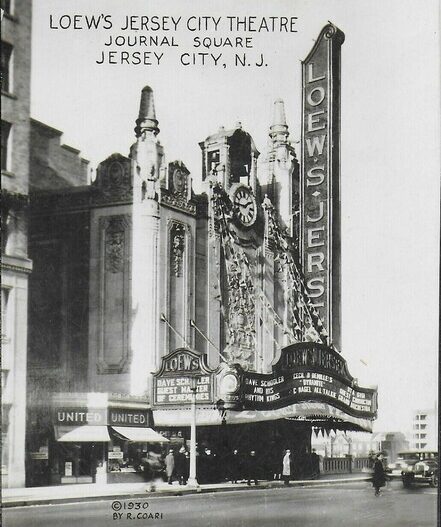
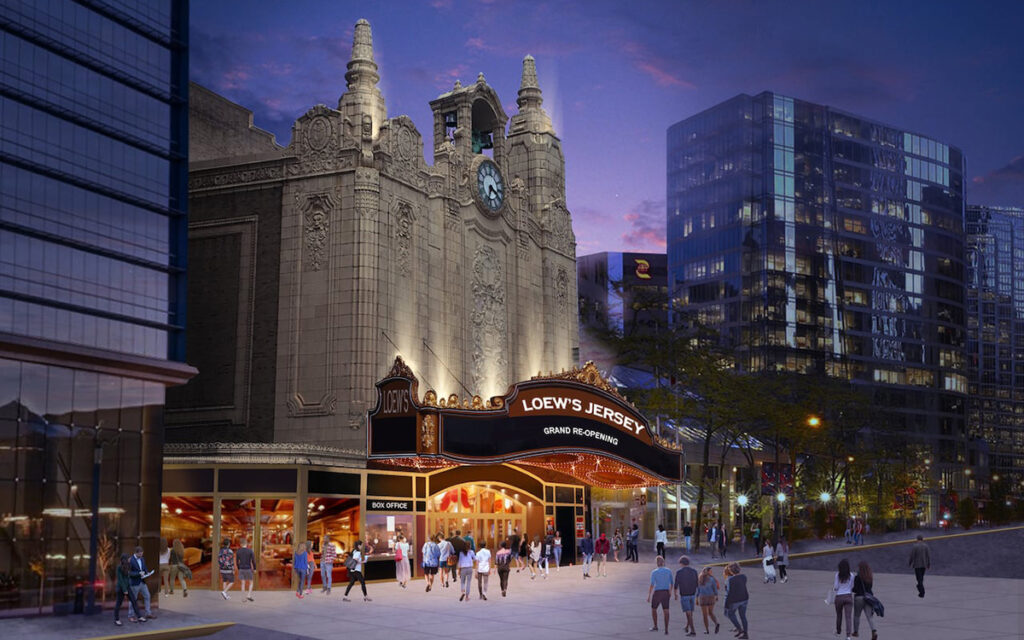
The Loew’s Jersey Theatre opened its doors in 1929 in Jersey City’s Journal Square. It is one of the five “wonder theatres” built in and around New York City, showcasing the grandeur of early 20th-century cinema. The theatre’s historic facade features intricate terracotta and brick elements, while its interior boasts ornate plaster detailing, fabric wall hangings, stone floors, and plaster ceilings. In recognition of its architectural and cultural significance, the Loew’s Jersey Theatre was designated as a New Jersey registered historic site in 2009.

The Curtain Rises
Revitalization Efforts

The Curtain Rises

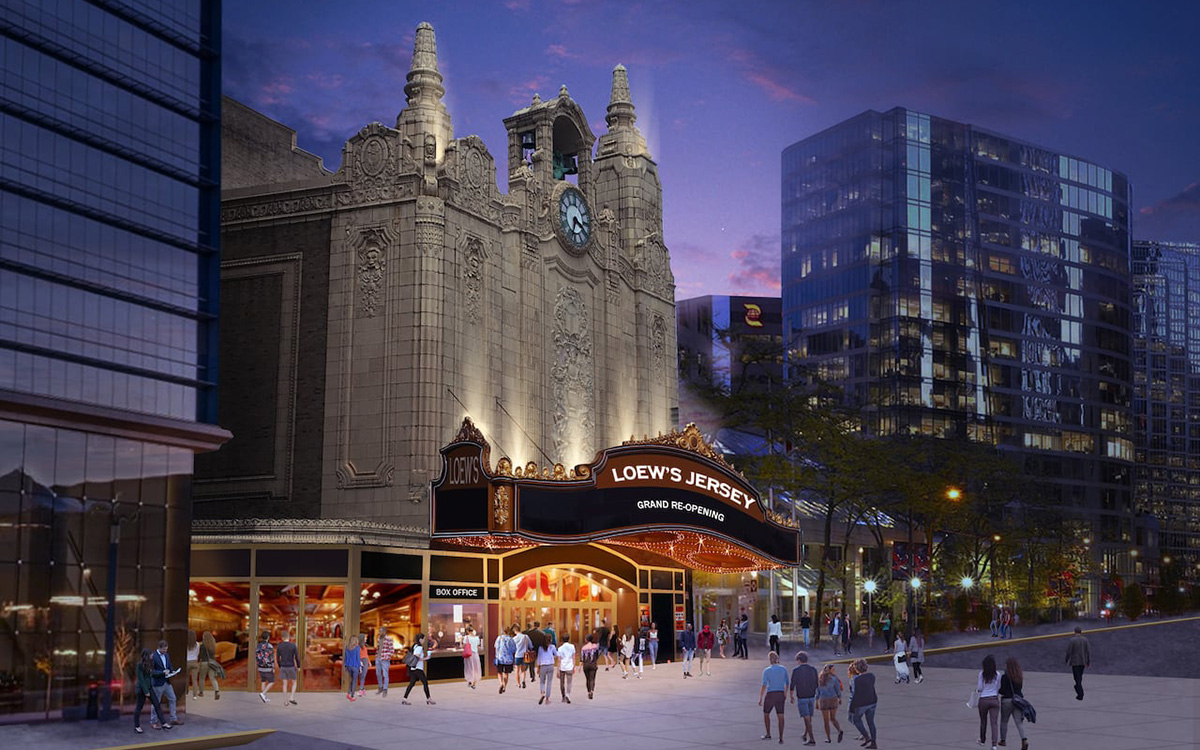
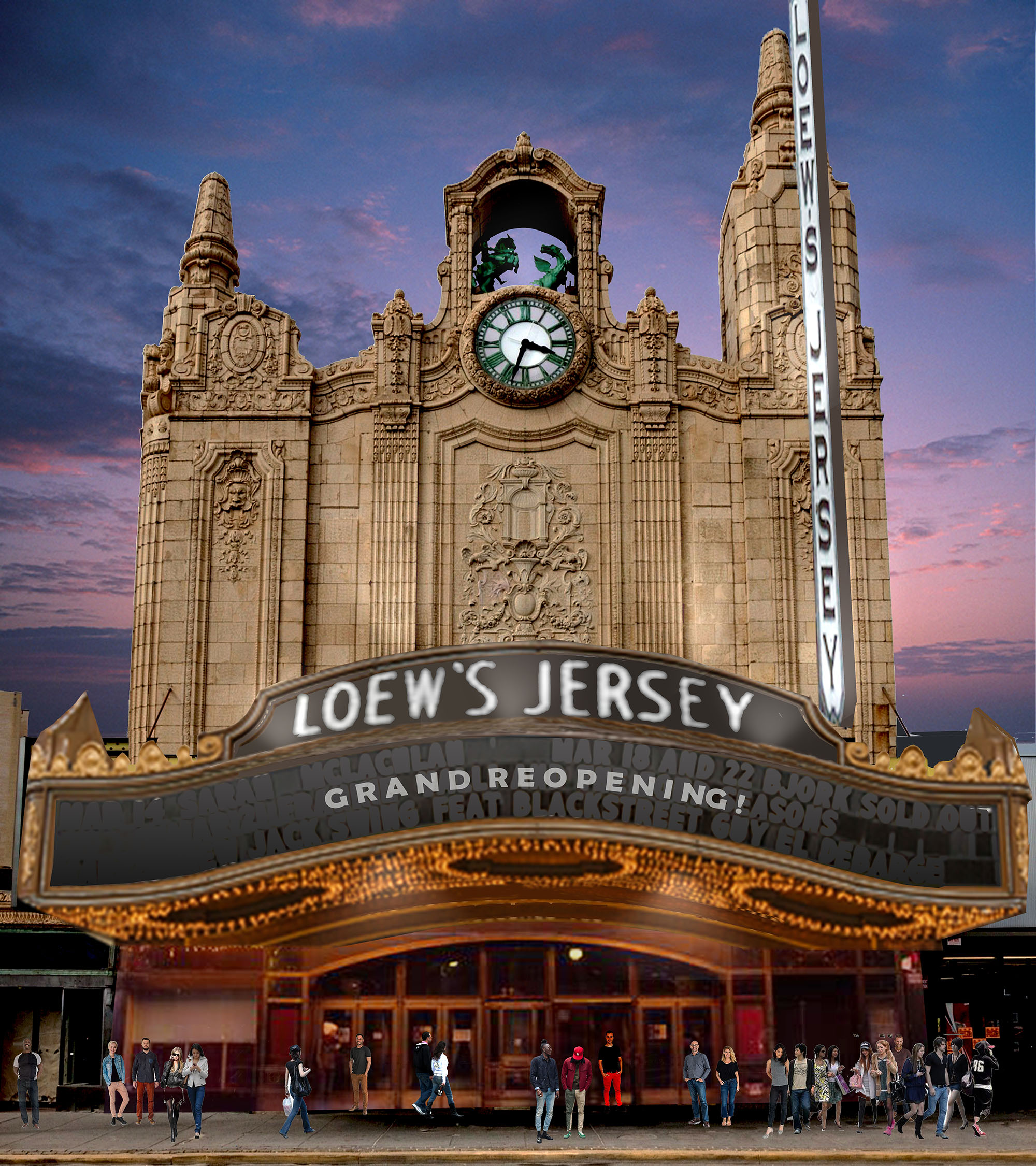
The restoration of Loew’s Theatre involves updating outdated or non-operational MEP systems, installing a new elevator, and implementing a full-coverage sprinkler system and fully automatic fire alarm system. The exterior work includes historic restoration, terracotta repairs, brick repointing, steel repairs, new roof, new LED marquee, and replacing doors and windows. A new construction, two-bay loading dock will be added to allow for quick turnover between shows. While much of the interior work focuses on plaster detailing, painting, and restoring or replacing existing finishes and features, perhaps the biggest change will be remodeling the orchestra level to include removable seating. This renovation is key to realizing the theatre’s vision of hosting events of all different kinds, allowing for a variety of seating arrangements.

Community Impact

Renewal in Journal Square

Nestled in the heart of the vibrant Journal Square neighborhood in Jersey City, Loew’s Jersey is poised to return to its former glory as a cultural and economic beacon in one of the nation’s most diverse and densely populated urban centers, boasting 17,000 residents per square mile. Jersey City is currently experiencing a wave of construction and revitalization, with booming residential and commercial developments painting a promising economic picture. That being said, while the city is experiencing promising growth, Loew’s Theatre is located in a severely distressed census tract.

Renovation of the theatre will create local union construction jobs, and when Loew’s is reopens, up to 55 nights per year will be reserved for community-oriented programming. Designed with versatility at its core and hosting more than 160 events annually, the revamped venue will prioritize live concerts, with fully removable orchestra seats allowing for a dynamic range of configurations— from a 4,000-person standing concert crowd, to elegant table setups for private galas, or even an adrenaline-charged MMA ring.

NTCIC & Progress

Project Financing

The $130 million revitalization was supported, in part, by NTCIC through an equity investment in the $19.57 million of federal Historic Tax Credits generated by the project. Jersey City, Hudson County, and the State of New Jersey together are investing more than $100 million in the Project, with the State’s investment coming via the State Historic Tax Credit, known as the Historic Property Reinvestment Program.

Connect with Us

Curious About How Historic Tax Credit Investments Drive Real Impact?

Kandi Jackson leads tax credit investment activities with deep expertise in project finance, equity structuring, and compliance. When you speak with Kandi, expect clarity, honesty, and a clear roadmap for how your next investment can work in your portfolio.

Connect with Kandi

Check Out Similar Projects Here

Browse all projects

Want to Discuss Your Next Project? Talk With Our Team Today.

We bring clear insight, deep experience, and strategic focus to every project—whether you're structuring complex capital or shaping long-term, legacy-driven development.

Name(Required)
Want to Discuss Your Next Project? Talk With Our Team Today.

Historic Tax Credits

$12.5 Million
Federal HTCs

New Markets Tax Credits

$9 Million

Total Project Cost

$73.3 Million

Project Partner

Tivoli Theatre Foundation

Impact

Arts Education, Support, & Access

History

The Jewel of the South

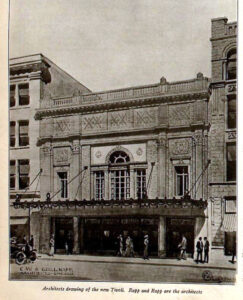
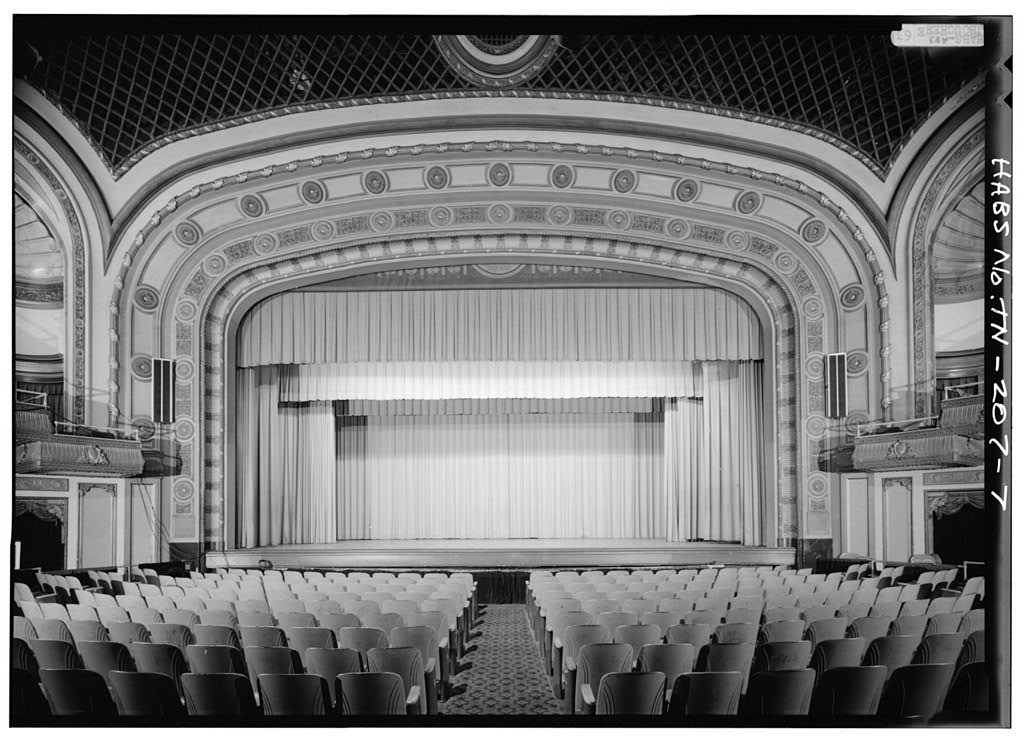
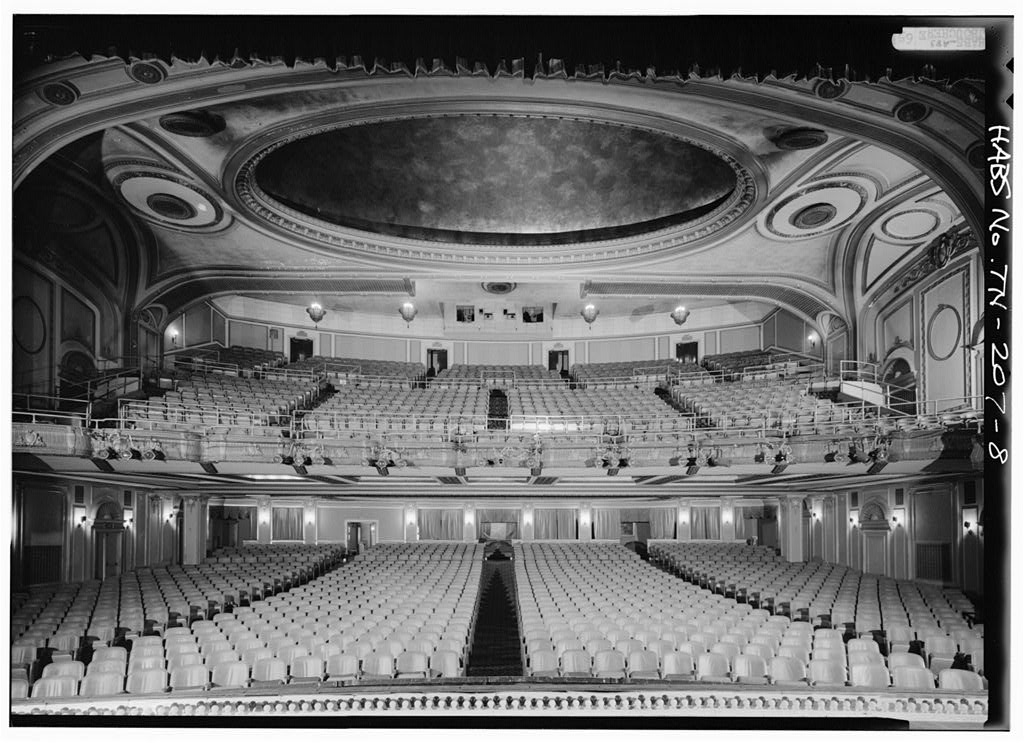
Chattanooga’s Tivoli Theatre, “the Jewel of the South,” opened its doors to the public in 1921 as a state-of-the-art performance space. Built as a smaller-scale replica of Chicago’s Tivoli Theatre, this 1,750-seat entertainment hall was the first public building in the south, and one of the first in the country, to install an air conditioning system. After decades of success, the theatre’s performance steadily declined through the 1950s as more modern movie theatres started to open in the city. The city took control of the building in early 1961 and reopened the space in 1963 as Chattanooga’s new Cultural Center.

The transformation into a Cultural Center was hailed as the beginning of revitalization in Chattanooga’s downtown area and the space was listed on the National Register of Historic Places in 1973. In 2015, the city of Chattanooga created the nonprofit Tivoli Theatre Foundation to operate the venue and to lead fundraising efforts to repair the building. The theatre was closed in 2022 to begin the full restoration.

The Trigg-Smartt building adjacent to the Tivoli Theatre was built in 1889 as a commercial space. The building was named after the original tenants, Trigg Dobbs & Company, a wholesale grocer, and Smartt Brothers & Company, a wholesale shoes and boots company. Trigg-Smartt was owned and operated by these two companies until 1911 when James Trigg sold his portion of the building to James Smartt and vacated the building. Smartt Brothers & Company continued to operate in the building until the death of Smartt in 1913. After his death, the business vacated the building and welcomed a variety of commercial tenants through the years. One of those tenants included the Fowler Brothers Furniture Company, the largest furniture company in Tennessee, which occupied the building until 1985. The Trigg-Smartt building was listed on the National Register of Historic Places in 1986.

The Second Act
Revitalization Efforts

The Second Act

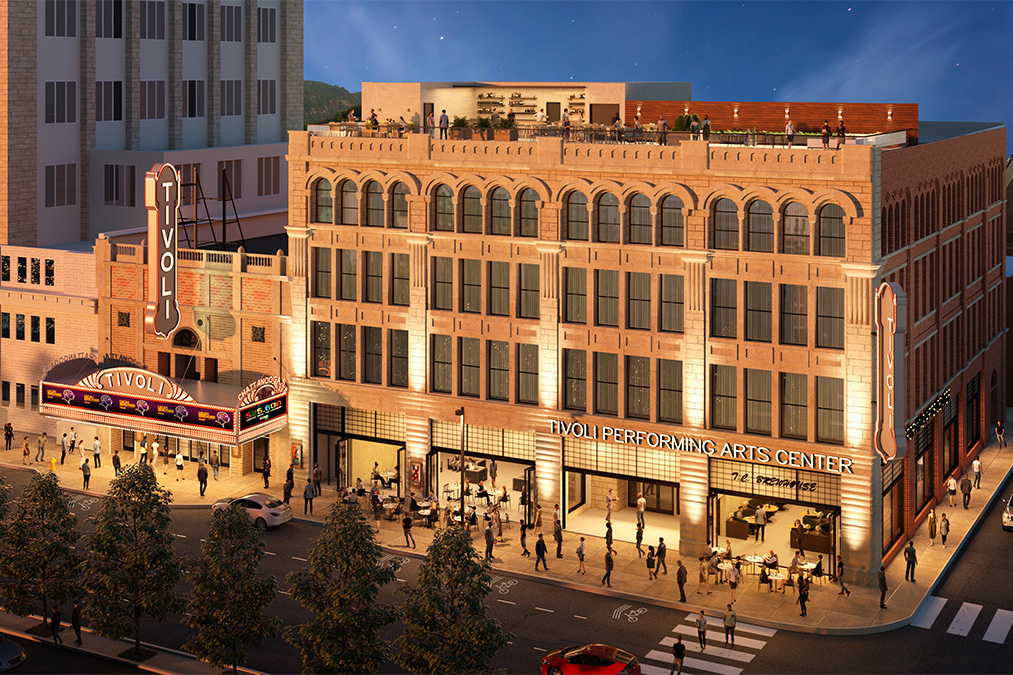
The restoration will unite two historic downtown buildings into a modern performing arts center, featuring an upgraded main theater, a new cinema and studio, expanded public spaces, and a refreshed marquee. The redesigned complex will offer enhanced amenities such as a larger lobby, dining options, multiple bar areas, and improved building systems. Alongside the physical transformation, the Tivoli Theatre Foundation plans to deepen its collaborations with local arts organizations and schools, creating new programming, summer camps, and more.

Community Impact

Culture & Community

The Tivoli Theatre will continue to function as a hub of culture and community by expanding access to the arts for Chattanooga’s residents and providing educational opportunities for students and teachers alike. Financing provided by NTCIC will enable the theatre to provide reduced-cost tickets and programming for low-income children and families. Once renovations are complete, the new and enhanced venue will provide more space and accommodation to expand partnerships with other area arts organizations and schools. The Tivoli Theatre will provide larger space for the Chattanooga

Symphony & Opera Young People’s Concert program, which pairs orchestras with students in grades 3–5 to explore orchestral repertoire and fundamental musical skills, including creative work and composition, through a hands-on music curriculum. The larger theatre space will host more performances by the Chattanooga Ballet and Chattanooga Boys Choir and expand the touring children’s theatre program. Once complete, these partnerships will support more than 25,000 additional students each year.

Expanded Partnerships

With area arts organizations and schools

Affordable Arts

Reduced-cost tickets for low-income children and families

Musical Mentorship

Pairs orchestras with local students

25,000 Additional Students Annually

Will benefit from expanded partnerships

NTCIC & Progress

Project Financing

The $73 million revitalization was supported, in part, by NTCIC through an equity investment in the $12.5 million federal Historic Tax Credits generated by the project. NTCIC also provided $9 million in New Markets Tax Credit allocation, which helped lower the capital campaign burden, covered additional financing gaps, and ensured expanded access to shows and programming for low-income individuals.

In addition to the tax credit financing provided by NTCIC, the project will be funded by a $20+ million capital campaign by the foundation

and nearly $12 million in PACE financing dedicated to energy-efficient upgrades.

The Tivoli Theatre has historically played a significant role in downtown Chattanooga’s economic and community development. Once renovated, the expanded venue will host over 100 events annually between the restored Tivoli Theatre and the new Bobby Stone Theatre, representing an annual increase of over 32,000 patrons and a nearly 60% increase in revenue within five years of the project’s reopening.

Connect with Us

Curious About How Historic Tax Credit Investments Drive Real Impact?

Kandi Jackson leads tax credit investment activities with deep expertise in project finance, equity structuring, and compliance. When you speak with Kandi, expect clarity, honesty, and a clear roadmap for how your next investment can work in your portfolio.

Connect with Kandi

Check Out Similar Projects Here

Browse all projects

Want to Discuss Your Next Project? Talk With Our Team Today.

We bring clear insight, deep experience, and strategic focus to every project—whether you're structuring complex capital or shaping long-term, legacy-driven development.

Name(Required)
Want to Discuss Your Next Project? Talk With Our Team Today.

Historic Tax Credits

$14.8 Million
Federal & State HTCs

New Markets Tax Credits

$8 Million

Total Project Cost

$64.5 Million

Project Partner

The Apollo Theater Foundation, Inc.

Impact

Arts Education, Support & Access

History

A Historic Nightlife Destination is Born

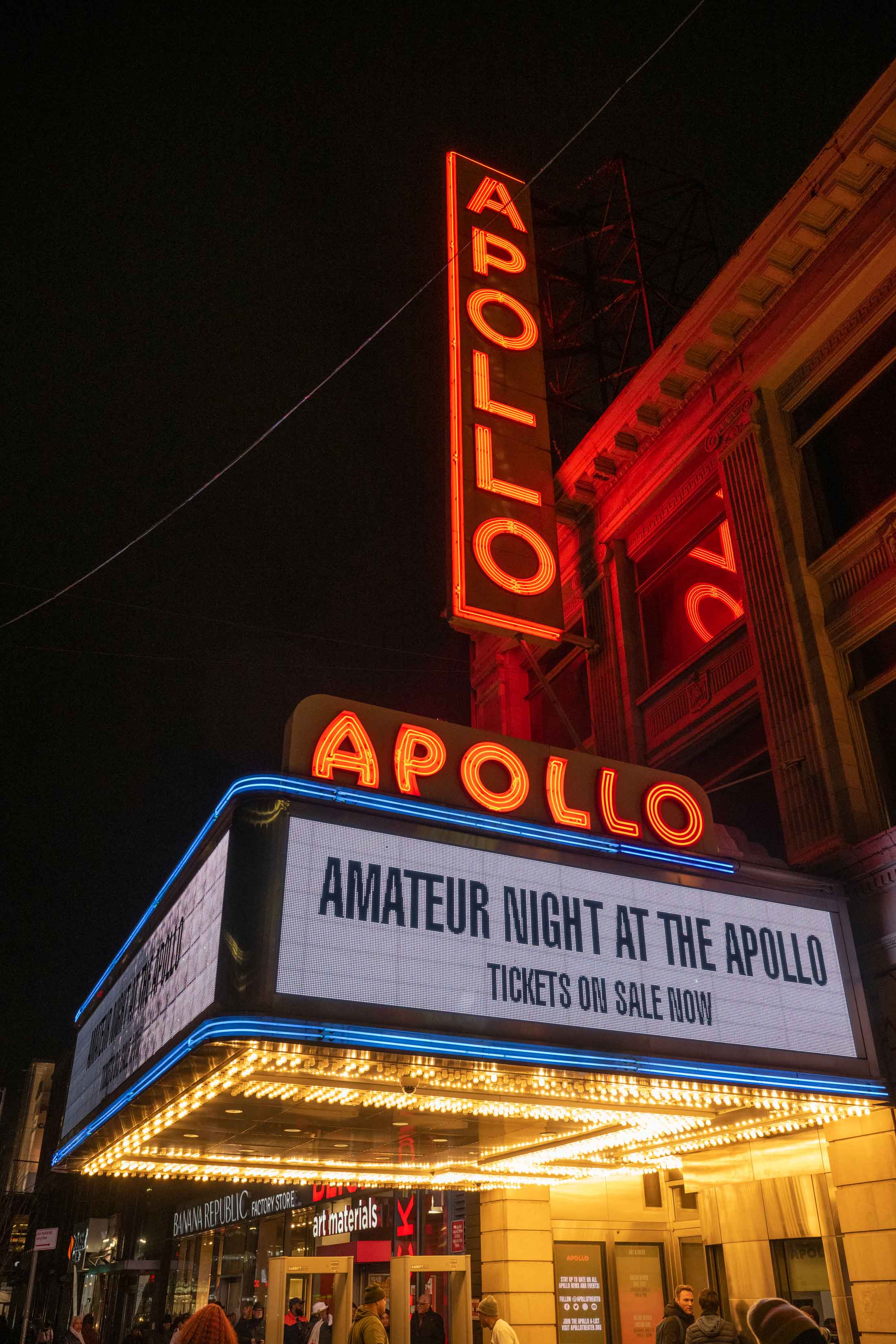
The Apollo Theater opened in 1914 as Hurtig & Seamon’s New Burlesque Theater and was renamed the Apollo in 1934, branding itself as “America’s Finest Colored Theatre.” It became a cultural hub during Harlem’s shift to 125th Street and survived the Great Depression by merging with the Harlem Opera House. Its 1,700-seat capacity and central location made it a key nightlife destination, drawing up to a million attendees annually. The Apollo helped shape the trajectory of American music and popular culture, launching the careers of legendary artists and pioneering new genres.

Amateur Night helped discover stars like Sarah Vaughan, James Brown, and the Jackson 5. The Apollo was also vital to the development of bebop and R&B. Performers often viewed its passionate audience, especially those located in the “buzzard’s roost” in the balcony, as the ultimate test.

The theater thrived during the R&B and soul eras but declined in the 1970s, closing in 1976. After several failed revivals, Percy Sutton’s Inner City Broadcasting renovated and reopened it in the 1980s. The state took over in 1991, creating the Apollo Theater Foundation. The theater stabilized financially in the 2000s, and a major renovation in 2006 modernized the facility. In 2024, the Kennedy Center honored the Apollo for its lasting impact on American culture.

A New Era Begins
Revitalization Efforts

A New Era Begins

With this restoration, the use of the property will not change. The historic theater will continue to be used for Apollo Program events, namely Amateur Night at the Apollo and year-round ‘Apollo Presents’ programming, as well as facility rental events, which include events promoted through third parties and corporate rentals. The soundstage will continue to be utilized primarily for Apollo-promoted events and intimate cabaret-style theatrical entertainment. Apollo Program events will continue to be priced affordably for the community, while facility rental prices for private events are projected to provide an increased revenue stream.

Community Impact

Expanding Access to a Cultural Icon

Through the Sponsor’s Apollo Theater Academy, young adult creatives have the opportunities to develop as thought leaders, skilled technicians, and purveyors of artistic change. The planned renovation of the Apollo Theater will amplify this mission and deepen community impact across Harlem and New York City.

Cultural programming will rise as annual performances grow by 10%, from 161 to 177, bringing more residents and visitors into the landmark venue.

School tours will welcome more than 1,343 students, 86% of whom will be from low-income households, introducing them to the Apollo’s 90+-year legacy.

Education and workforce pipelines will expand substantially. The Apollo Theater Academy will increase its capacity to 125 high school students annually, while the High School Internship Program will grow by 50%, serving 75 students across three cohorts each year.

Expanded Programming

Annual performances are projected to grow by 10%

Commitment to Community

“Half Off Harlem” discount keeps performances affordable for neighbors.

Internship Opportunity

The High School Internship Program will grow by 50%.

Job Creation

28 new jobs created, lifting employment to 196 full-time jobs.

Environmental Impact

Aim for LEED Silver certification to ensure sustainable growth.

NTCIC & Progress

Financing the Project

The $64.5 million renovation of the iconic Apollo Theater was supported in part by NTCIC through an equity investment in the $14.8 million in state and federal Historic Tax Credits generated by the project, as well as an $8 million New Markets Tax Credit allocation.

Additional project financing was provided by J.P. Morgan through a combination of $25 million in bridge debt financing, a $4.9 million NMTC allocation, and acted as the NMTC investor for the project. Octagon Finance supported project financing through a $9 million

Historic Tax Credit bridge loan, and the New York City Economic Development Corporation (NYCEDC) provided $23 in NMTC allocation.

Additional funding includes $20.7 million in grant commitments from organizations such as the NYC Department of Cultural Affairs, a $10 million grant from Empire State Development, and a $5 million grant from SiriusXM.

Preservation is a Team Sport
Who Worked On This

Preservation is a Team Sport

NTCIC’s in-house experts bring depth across finance and compliance:

  • Kathleen GalvanAcquisitions Manager: Sourced project, performed preliminary underwriting, negotiated terms, and paired with investor.
  • Carolyn Tom Project Manager: Underwrote and closed the project.
  • Maggie Ramold – Asset Manager: Construction monitoring, quarterly and annual reporting through compliance period.
Connect with Us

Curious About How Historic Tax Credit Investments Drive Real Impact?

Kandi Jackson leads tax credit investment activities with deep expertise in project finance, equity structuring, and compliance. When you speak with Kandi, expect clarity, honesty, and a clear roadmap for how your next investment can work in your portfolio.

Connect with Kandi

Want to Discuss Your Next Project? Talk With Our Team Today.

We bring clear insight, deep experience, and strategic focus to every project—whether you're structuring complex capital or shaping long-term, legacy-driven development.

Name(Required)
The marquee of the Apollo Theater

Federal Historic Tax Credits

$6.4 Million

Total Project Cost

$39.8 Million

Project Partner

City of Palm Springs

Impact

Iconic Historic Preservation

History

A Star Studded Stage

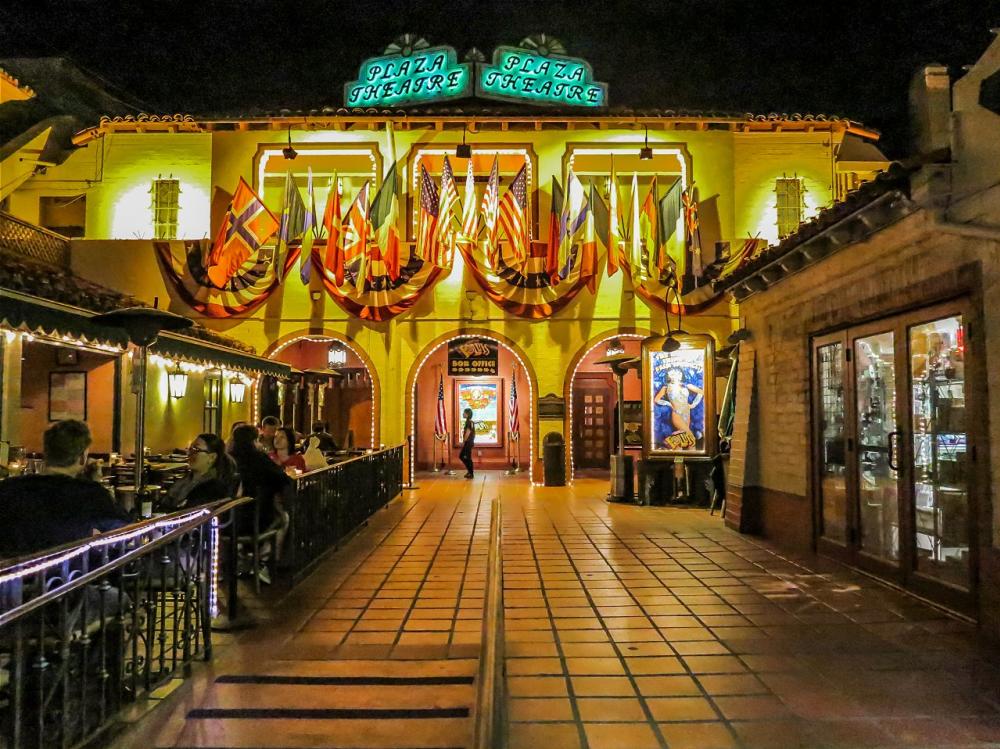
The Plaza Theatre stands as one of Palm Springs’ most iconic cultural landmarks, with a rich Hollywood history spanning nearly nine decades. Built as part of La Plaza, one of the first planned shopping centers in Southern California, the theatre was commissioned by Julia Carnell, a Dayton, Ohio businesswoman, philanthropist, and heiress to the National Cash Register Corporation fortune, who spent the later years of her life as a winter resident in Palm Springs. The theatre’s Spanish Colonial Revival architecture, designed by Palm Springs architect Harry Williams, featured elaborate facades carved into the walls and twinkling, star-like lights on the ceiling. 
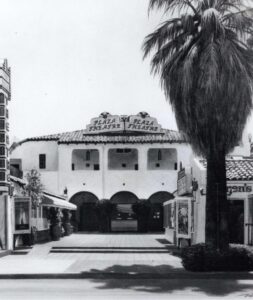
 The Plaza Theatre was originally owned by Earl Strebe from its completion in 1936 through 1974. The theatre opened with the world premiere of the Oscar-winning George Cukor film “Camille.” With the rise of the film and entertainment industry, the 1940s and early 1950s marked a particularly prolific period for the theatre, during which time it hosted an array of charity events, benefit shows, live theatre and variety show performances, and several live audience radio show recordings. Local Palm Springs enthusiasts Frank Sinatra and Bob Hope were known to host and perform at the Plaza Theatre. During the 1940s, Bing Crosby used the Plaza Theatre to record several episodes of “The Bing Crosby Show.” 

 Beginning in 1974, the Plaza Theatre was leased to distributor, exhibitor, and producer Fred Stein. Stein made alterations to the original structure including new stucco interior walls and a snack bar. The theatre was then sold in 1977 to Metropolitan Theatres, a Los Angeles-based multiplex theatre corporation, which removed the theatre’s historic ticket booth and subdivided the auditorium into two smaller theatres. Metropolitan Theatres ceased operating the Plaza Theatre in 1987, and the auditorium was restored to its original one-theatre size the following year. 
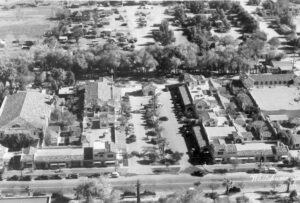
 In 1989, the City of Palm Springs purchased the theatre and began an interior remodel. This included lighting, electrical, and mechanical upgrades, enclosure of the south exit arcade, alterations to the auditorium, remodeling of the control booth, and construction of a ticket booth and accessible restrooms. The renovation was largely completed between 1989 and 1992. In 1990, the Plaza Theatre began hosting the Palm Springs International Film Festival, and in 1991, the building became a Palm Springs Class 1 Historic Resource and home to a musical revue show titled The Fabulous Palm Springs Follies. The Follies ran seasonally for almost 25 years until closing permanently in 2014. The revue show gained national attention through features on ABC’s 20/20, The Today Show, and other major media outlets. After the Follies closed, the Plaza Theatre was shuttered while the City of Palm Springs, and later the Palm Springs Plaza Theatre Foundation, worked to fully restore the theatre to its former historic glory.


Revitalization Efforts

The Second Act Begins

After completion of the renovation and restoration, the 702-seat theatre will reopen as a live performance theatre, showcasing musical, comedic, theatrical, and variety performances, along with community events. 
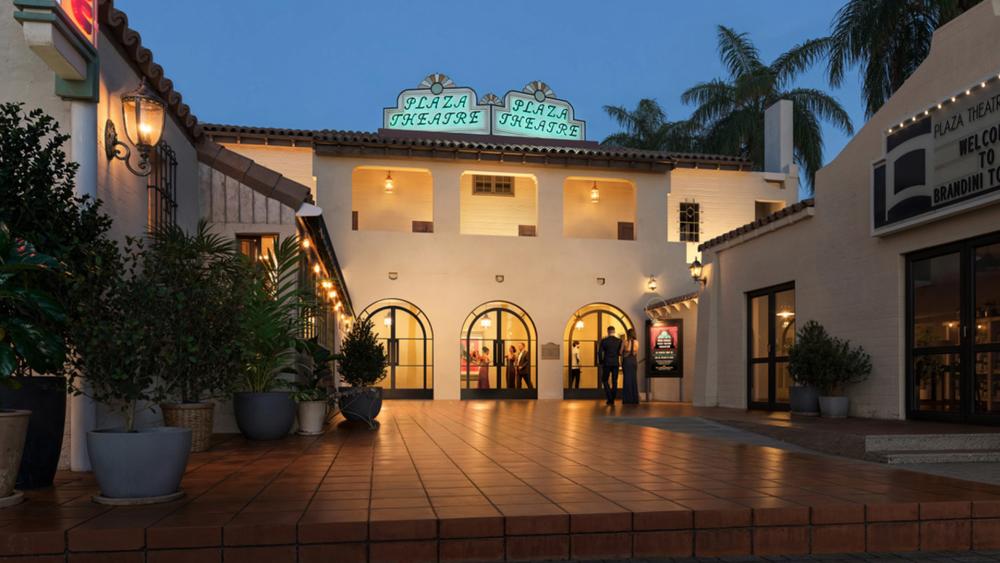
 The renovations will include an expanded, air-conditioned lobby area, as well as a renovated inner lobby featuring a new bar. Upgrades within the theatre itself include the installation of new seating and a leveled floor area to provide wheelchair-accessible seating, along with the repair and preservation of the historically significant atmospheric sidewalls and ceiling. The stage area will be reconfigured with an expanded apron and a new stage floor. New theatrical equipment will be installed, including lighting trusses, grid, and drapery, as well as updated audio/visual systems and a surround sound system. Dressing rooms will be modernized with new restrooms and showers, including a new accessible dressing room at stage level. Additional acoustic treatment and sound control enhancements will also be incorporated throughout the facility. Structural work has been completed and includes a seismic upgrade to the historic building and structural reinforcements to accommodate the planned theatre renovations. 

 A dedicated Plaza Theatre museum will be located in a hallway at the stage-left side of the building. The hallway includes formerly bricked-over archways that have now been reopened with windows installed. The hallway museum will include important memorabilia from the theatre’s early years, showcasing its historic connection to Hollywood. 

Impact & Results

When the Plaza Theatre reopens its doors, residents and visitors alike are sure to be wowed not only by the additions of modern conveniences and expanded accessibility, but by the careful consideration of the building’s unique history and architectural character in the renovations.

NTCIC & Progress

Project Financing

This $39.8 million project was funded through a variety of sources including $15 million from the Palm Springs Theatre Foundation, grants, and an equity investment by NTCIC in the $6.4 million federal Historic Tax Credits generated by the project.

NTCIC’s role in the project includes acting as the Federal HTC Investment sourcer, underwriter, and closer, Federal HTC Asset Manager, and HTC Investor Fund Manager. 

Preservation is a Team Sport
Who Worked On This

Preservation is a Team Sport

NTCIC’s in-house experts bring depth across finance and compliance:

Team & Roles

Want to Discuss Your Next Project? Connect With Our Team Today.

We bring clear insight, deep experience, and strategic focus to every project—whether you're structuring complex capital or shaping long-term, legacy-driven development.

Name(Required)
Want to Discuss Your Next Project? Connect With Our Team Today.