


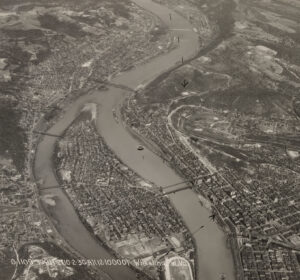
 Wheeling, West Virginia, has a rich tapestry of history as the state’s first capital. Nestled in the foothills of the Appalachian Mountains along the Ohio River, Wheeling was an industrial powerhouse known as the “nail city,” supplying cut nails to the entire nation. By 1910, the city’s population surged to over 41,000, and its thriving industry played a pivotal role in supporting World War I. However, at this time, Wheeling, like many American cities, was under the shadow of segregation, with Jim Crow laws deeply ingrained into the societal fabric and dictating accessibility to locations and services based on race. Amidst this complex socio-political landscape, the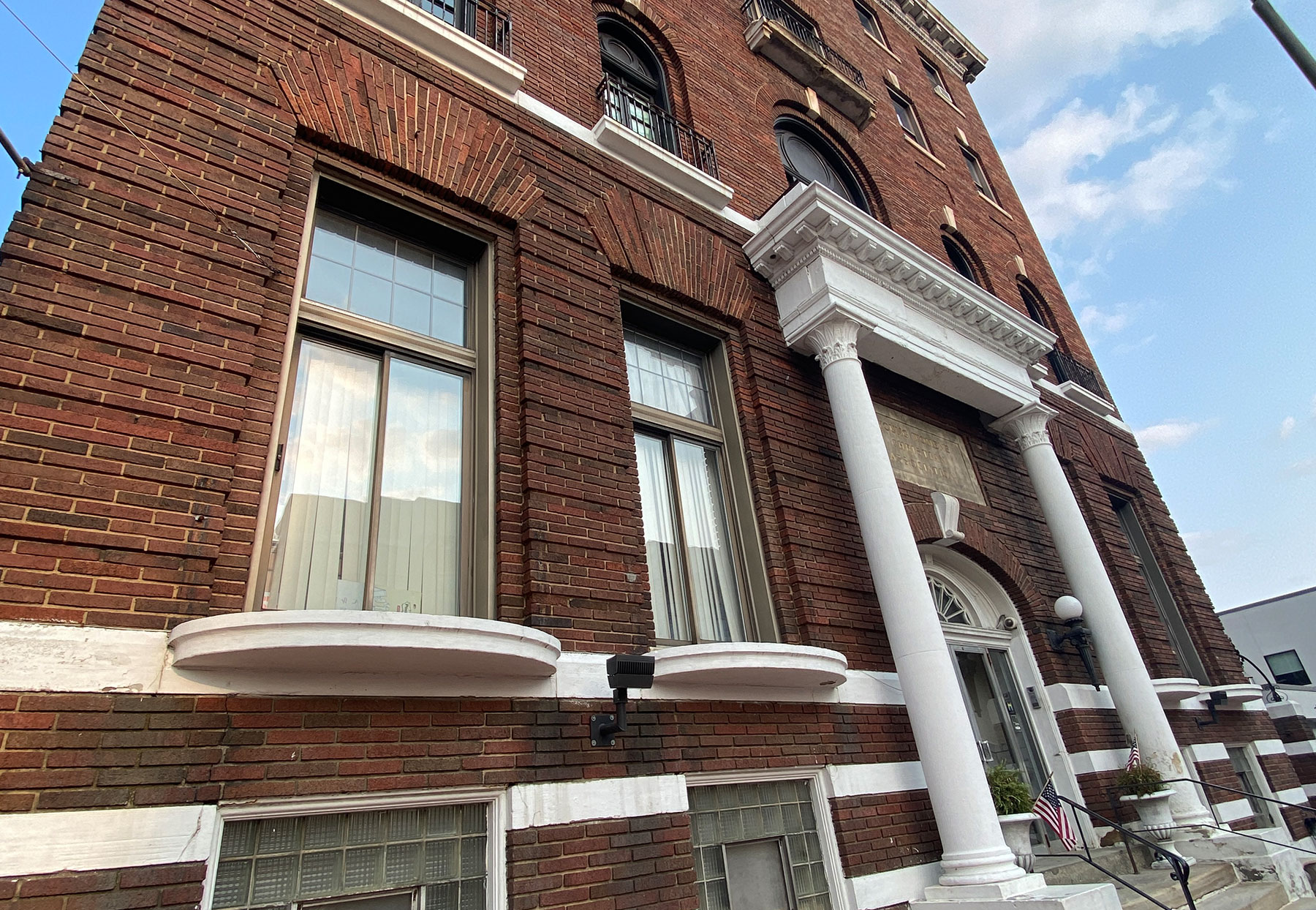



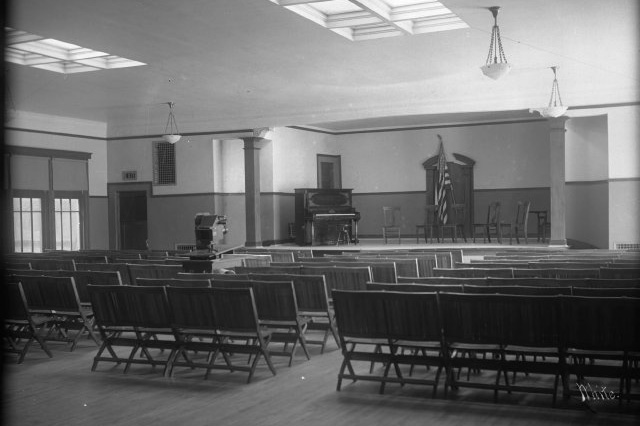
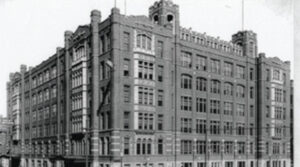
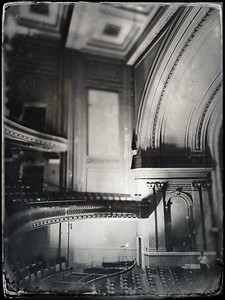 This project is facilitating the long-awaited reunion of the iconic Children’s Theatre of Cincinnati with its original home, the Emery Theater. Historic Emery Theater was constructed in 1911 in Cincinnati’s “Over-the-Rhine” neighborhood. Commissioned by Mary Emery and built by the famous architecture firm Samuel Hannaford & Sons, the large theater was designed to hold thousands of patrons while astonishing each of them with an unobstructed view and exceptional acoustics. It was built using the principle of the “isacoustic curve,” meaning the room sloped upward from front to back, an ideal configuration for sending sound effortlessly throughout. It also featured two large balconies, both of which seemed to float above the main floor, in a method of theater construction that was new in the early 19th century. Originally part of the Ohio Mechanics Institute trade school, the Emery Theater soon hosted world-renowned artists like George Gershwin and John Philip Sousa, as well as influential dignitaries like Eleanor Roosevelt and Martin Luther King, Jr.
 professional theatrical productions and arts education programming. TCT called the historic Emery Theater home from their incorporation as an independent nonprofit until 1969, when they relocated to downtown Cincinnati’s Taft Theatre.
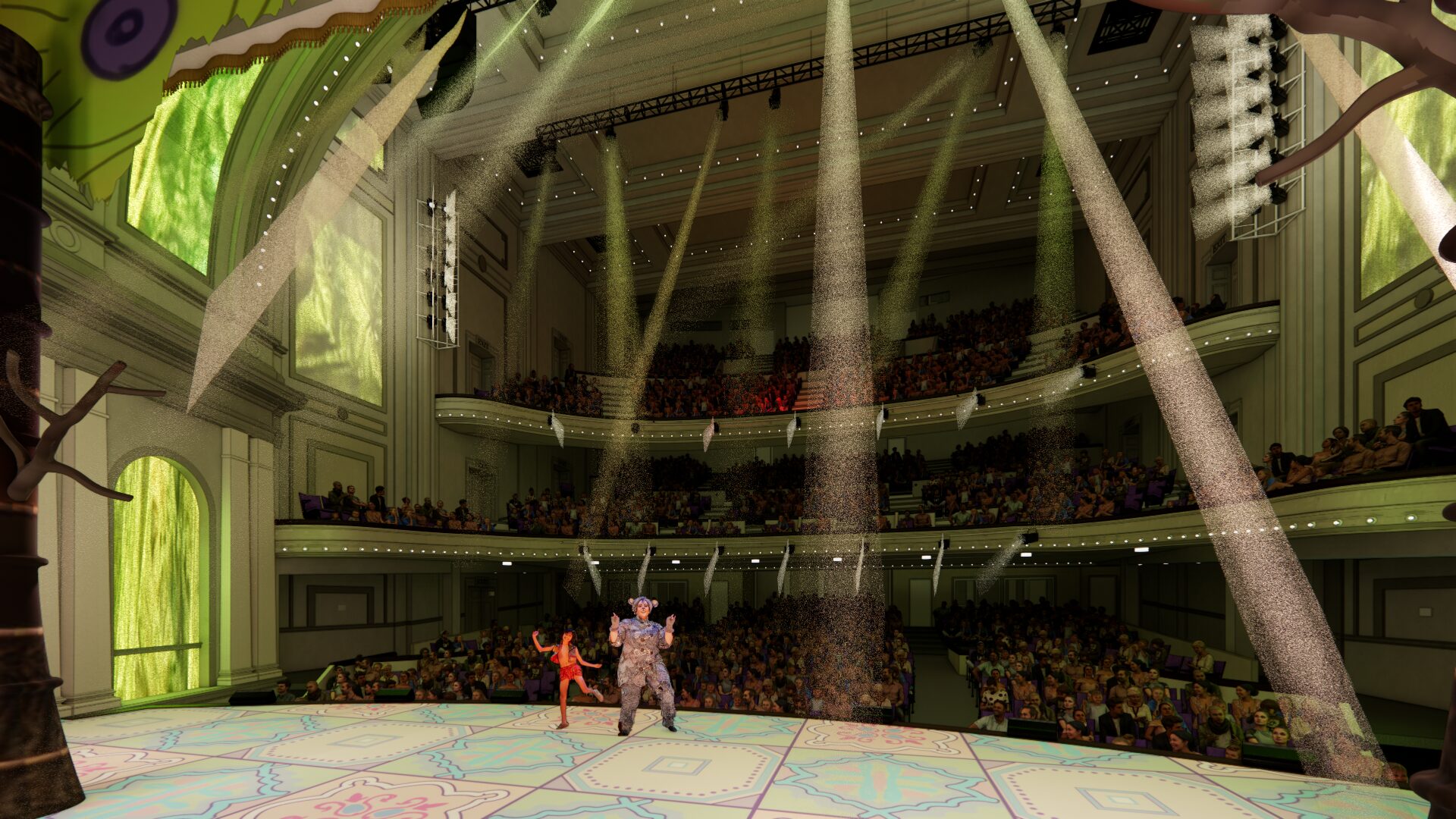


The Children’s Theatre of Cincinnati led a phenomenal capital campaign that raised over $33.2 million, which is a testament to the extensive support the organization has from the community it serves. The remaining portion of the $52.1 million revitalization was supported by NTCIC through an equity investment of $7.5 million in federal Historic Tax Credits. NTCIC also provided $8 million in
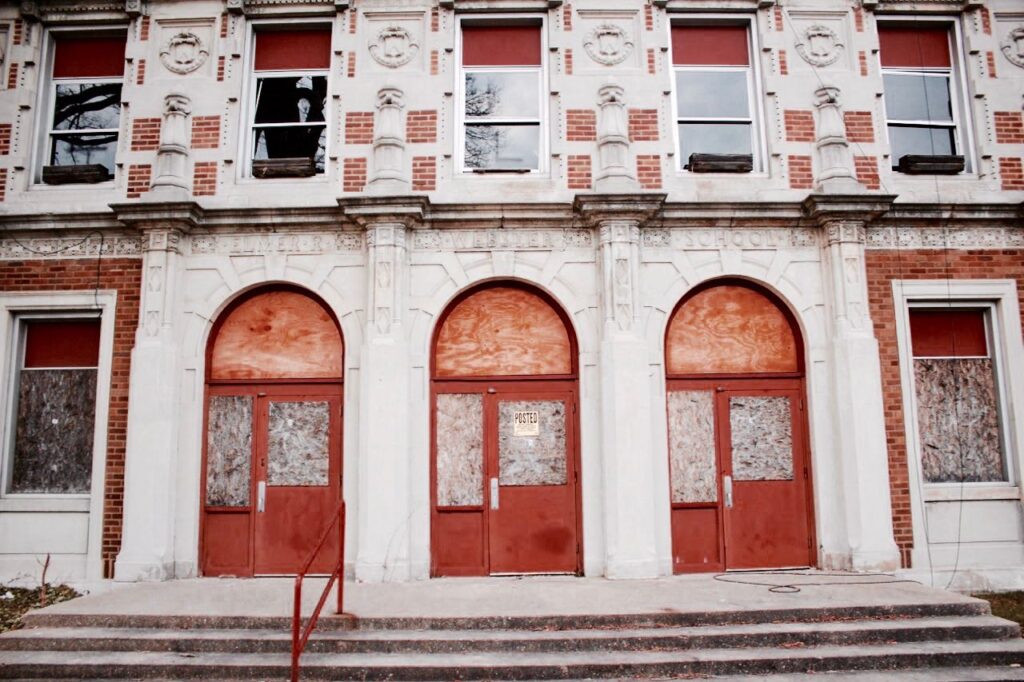
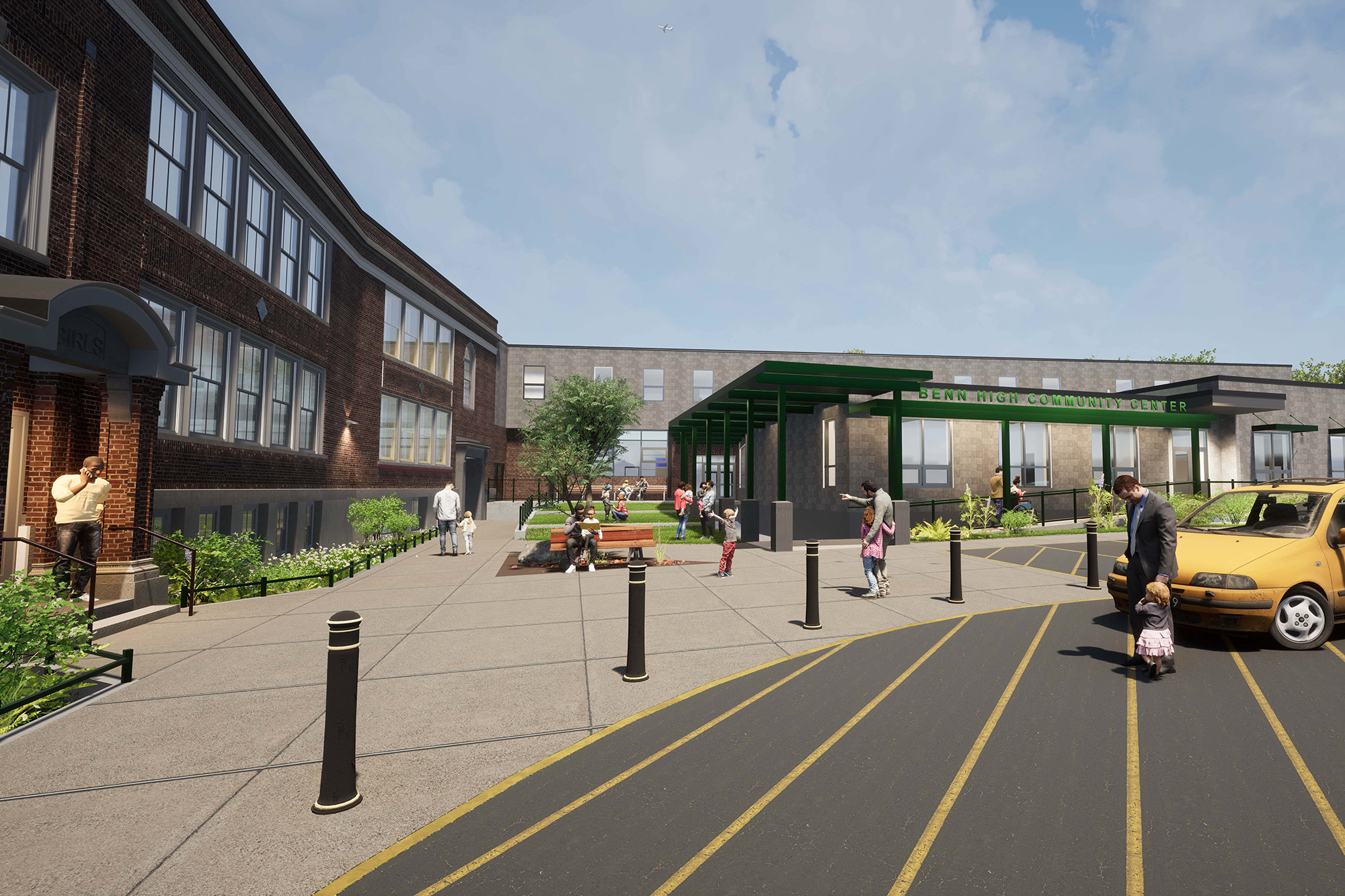
Webster Community Center
From Abandoned School to Community Hub
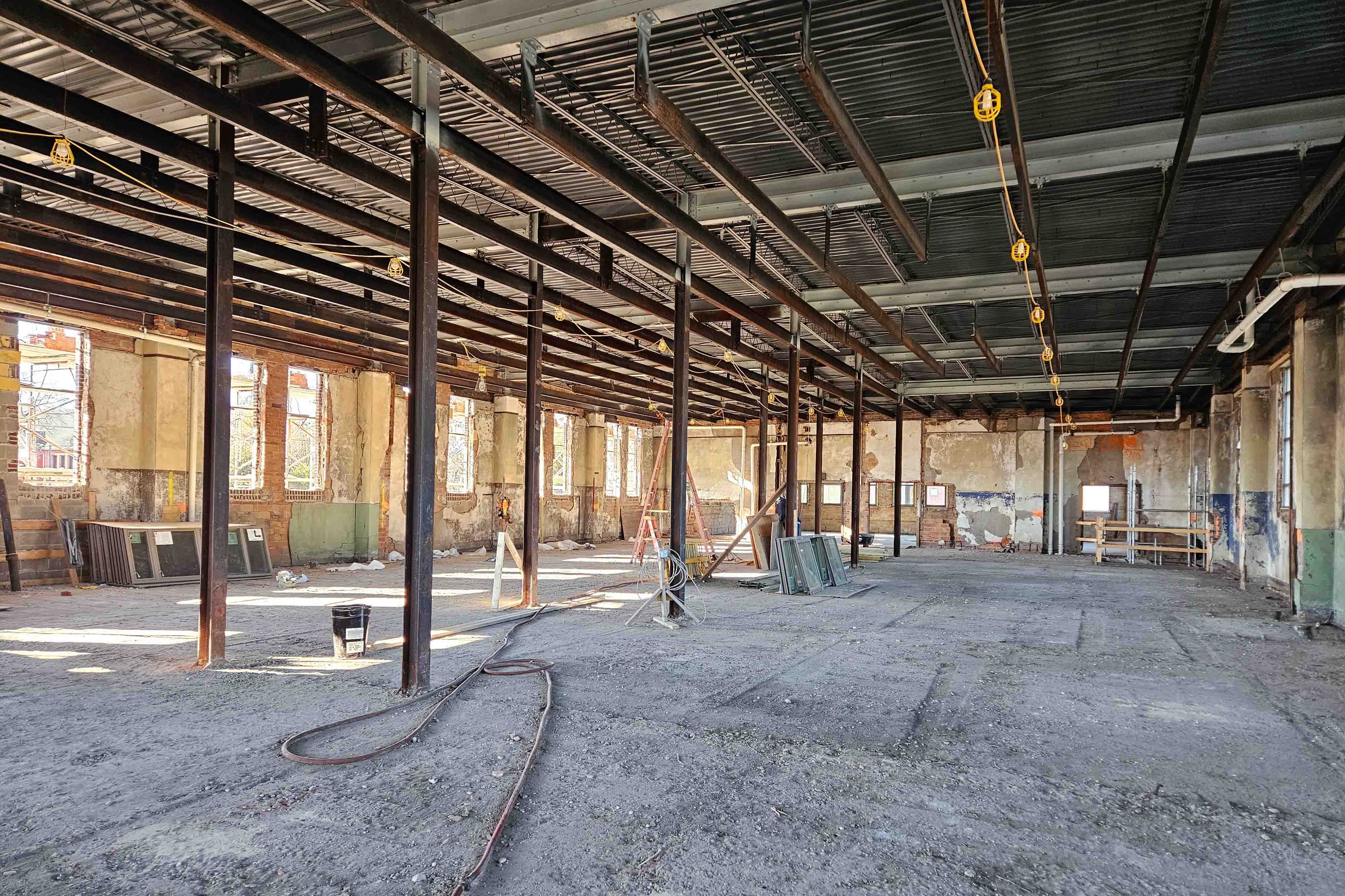
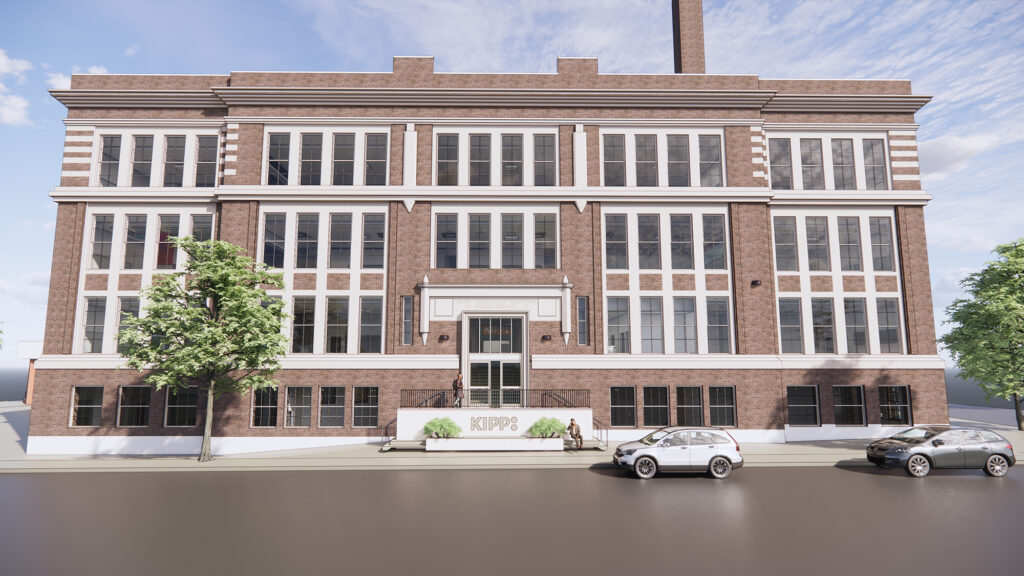
An abandoned school will now serve as a neighborhood hub designed to empower and enrich the lives of the community.

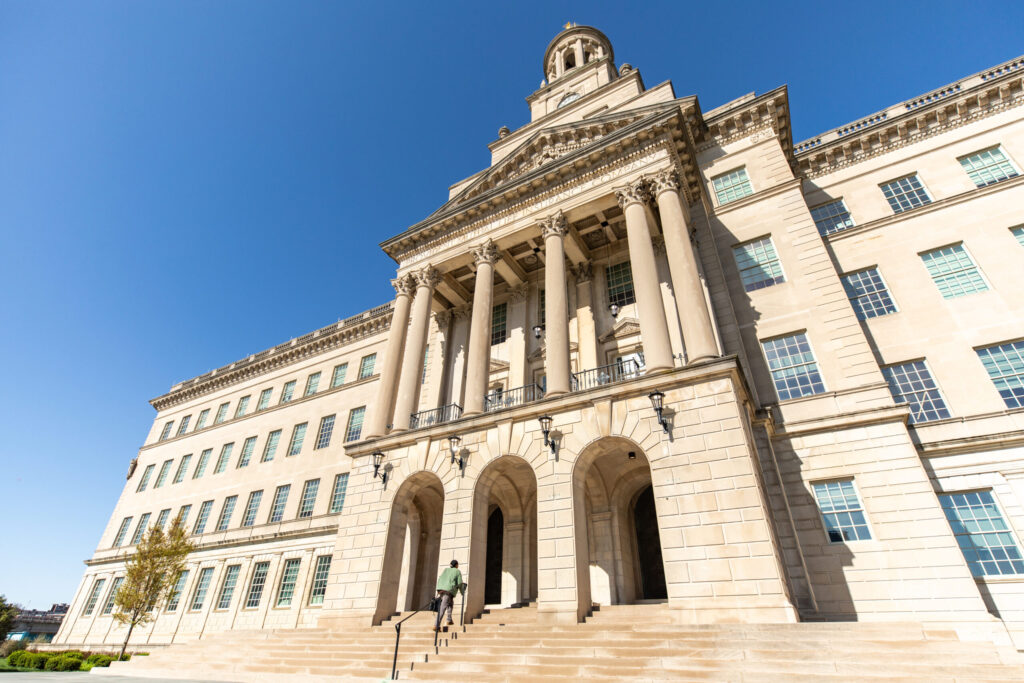
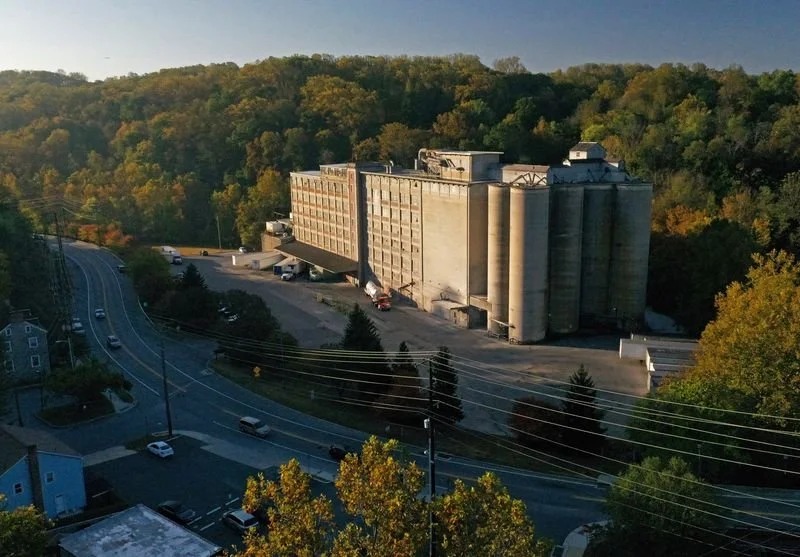
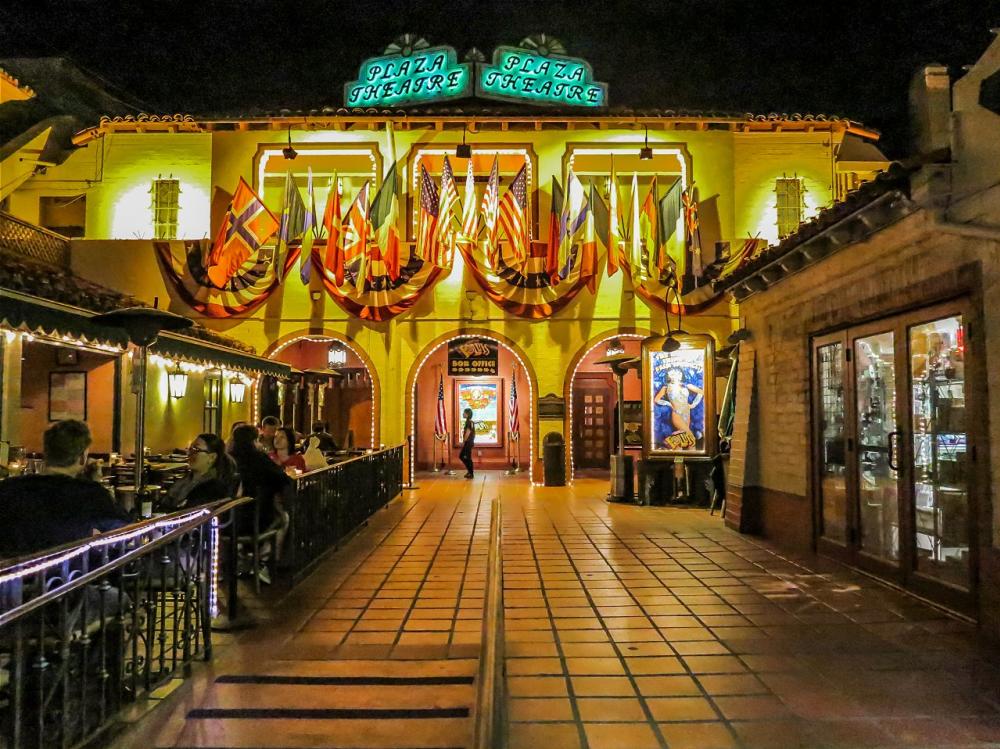
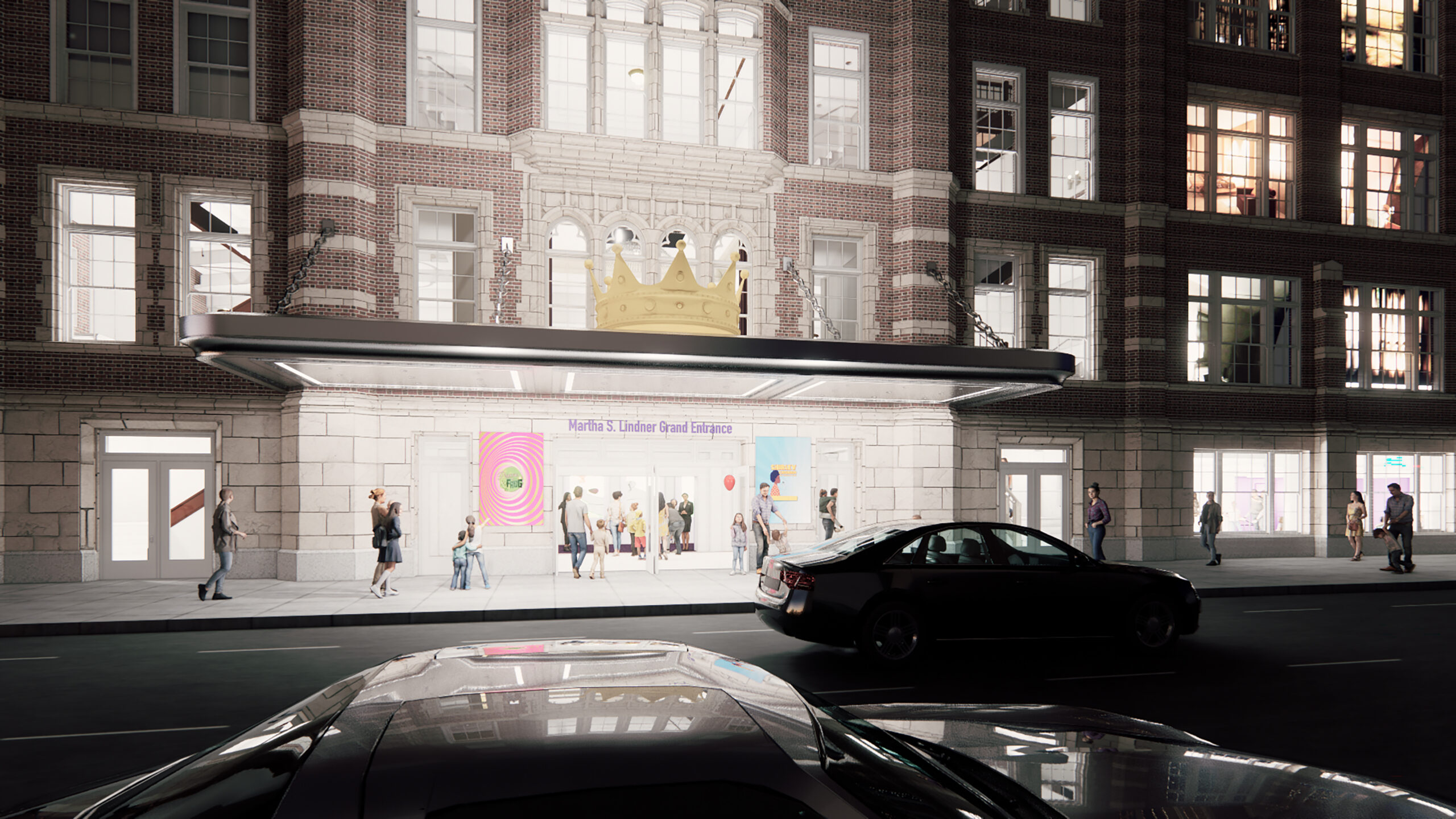
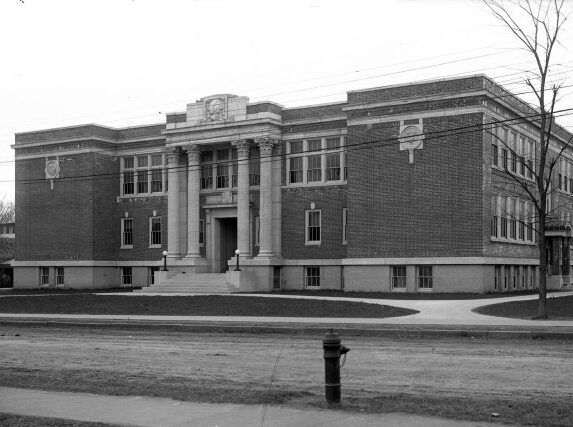
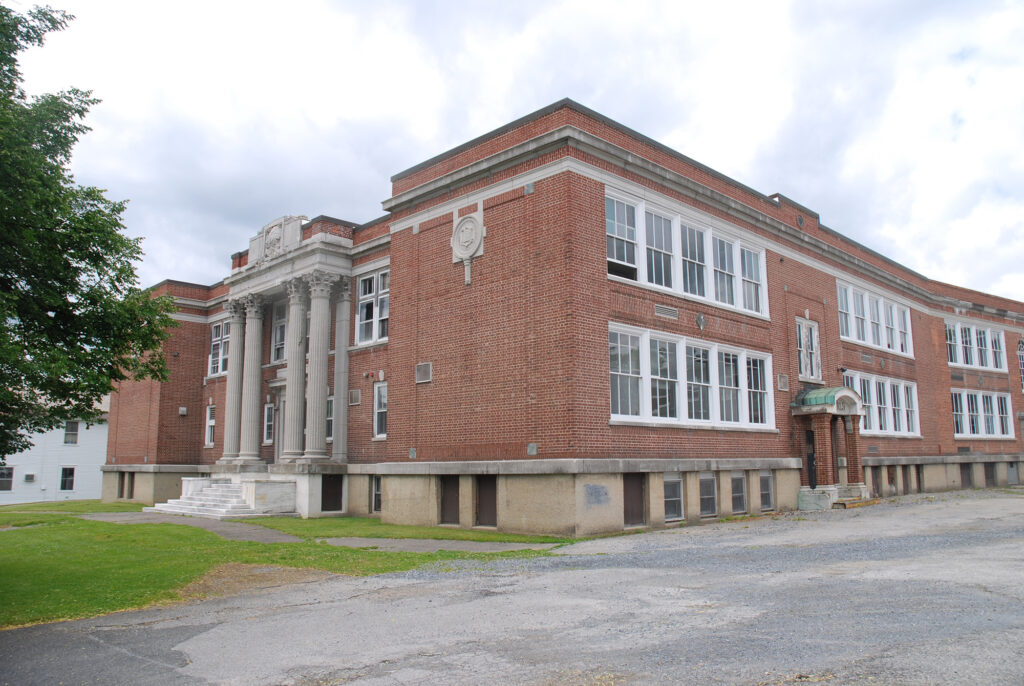
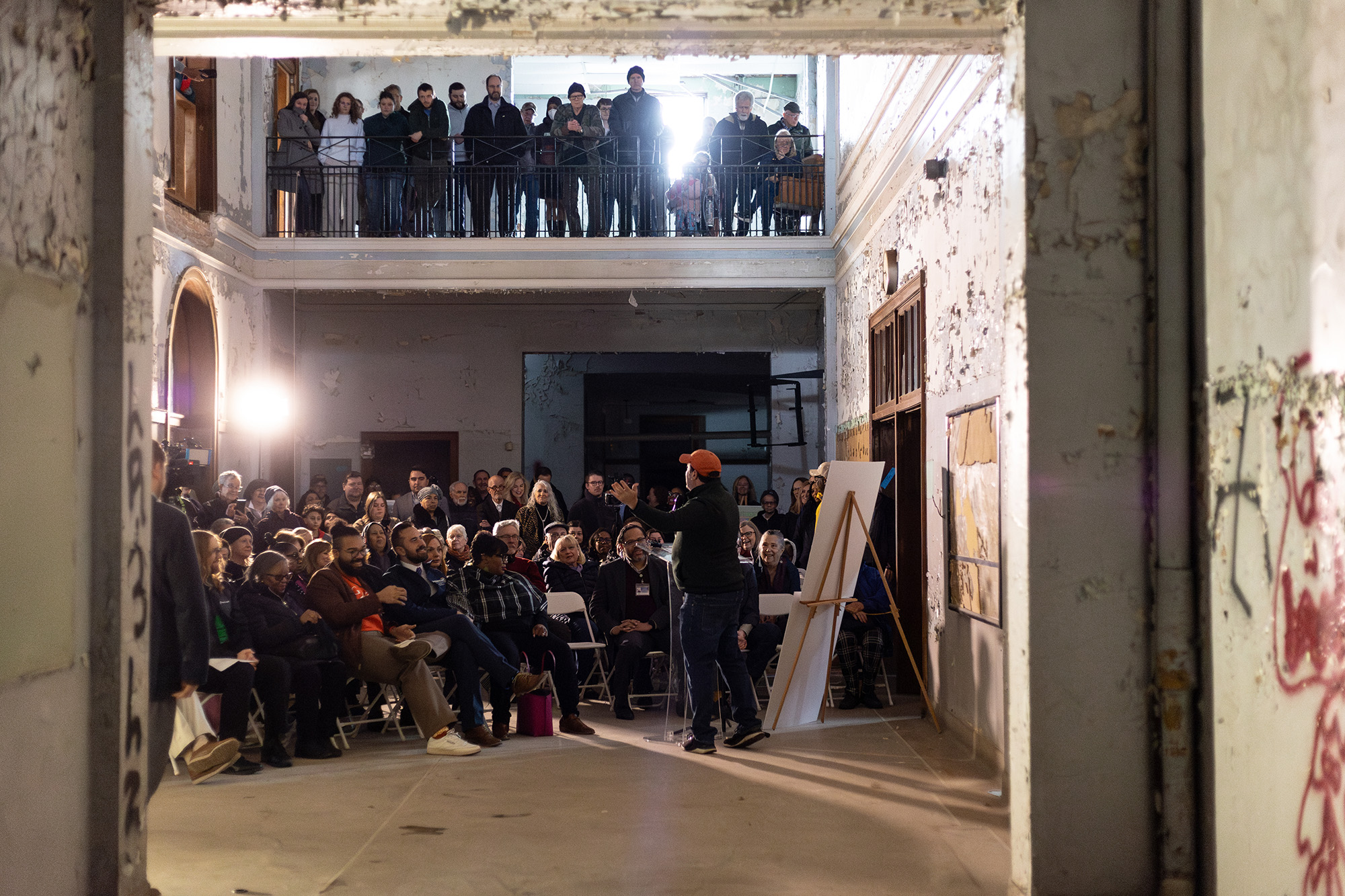
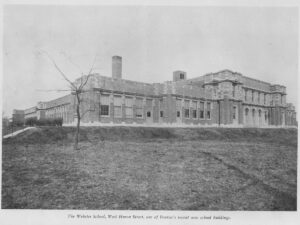 The historic 54,000 square-foot Webster School opened in 1921 to support Pontiac’s population boom as tens of thousands flocked from the south to work in the rapidly growing automotive manufacturing industry that originally put the city on the map. The building was designed by Perkins, Fellows, and Hamilton, who were known for going over budget to create particularly ornate architectural designs and responsible for other local landmarks such as Lincoln Park Zoo. It originally featured 26 classrooms, a combination gym and auditorium, and an ornate foyer, all on five acres of land.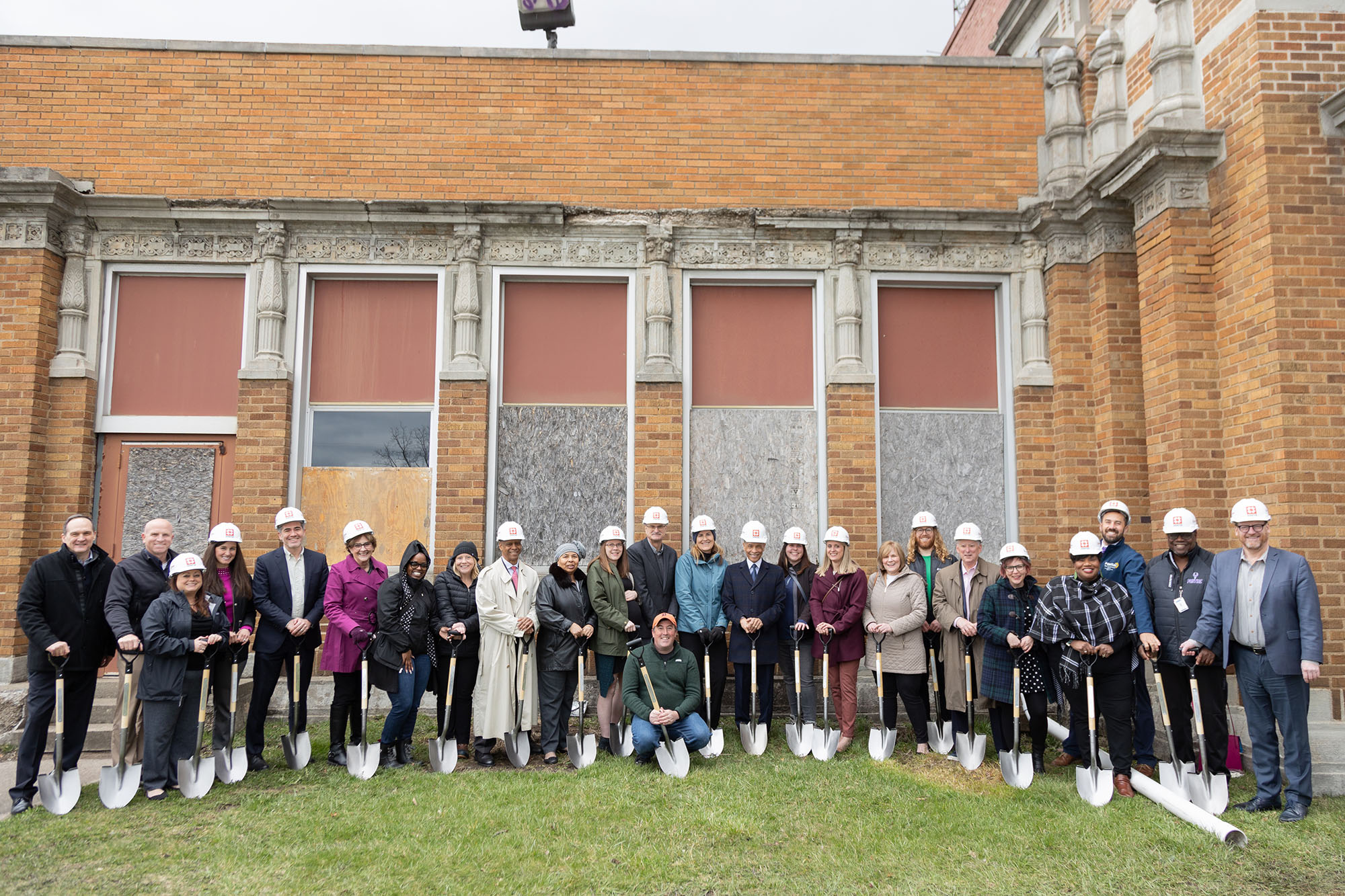


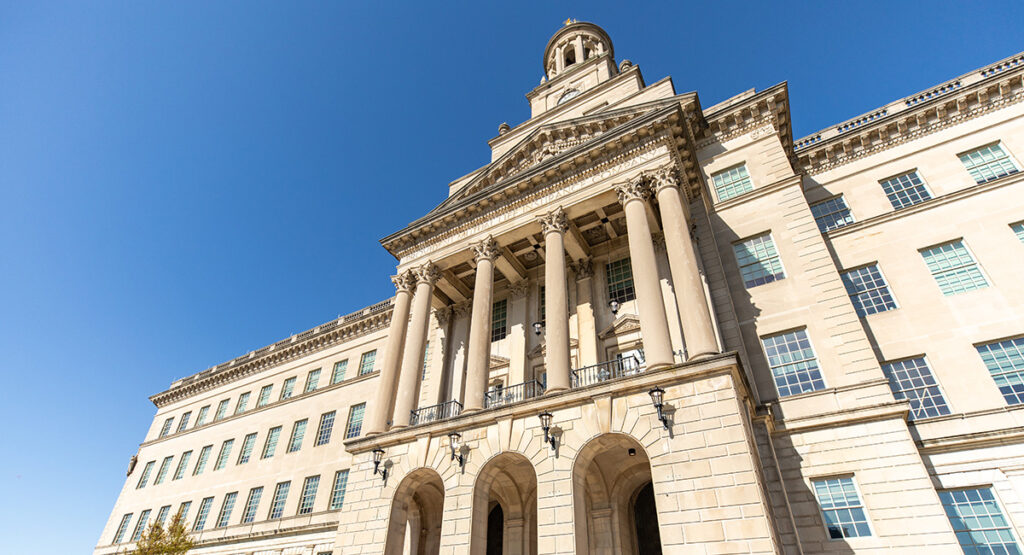
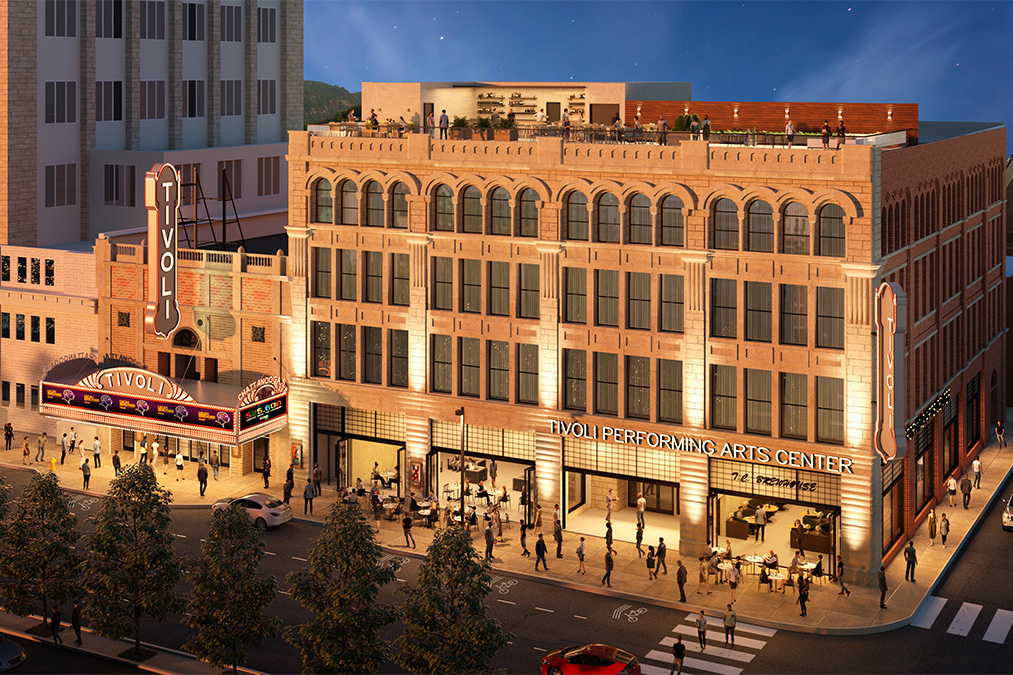
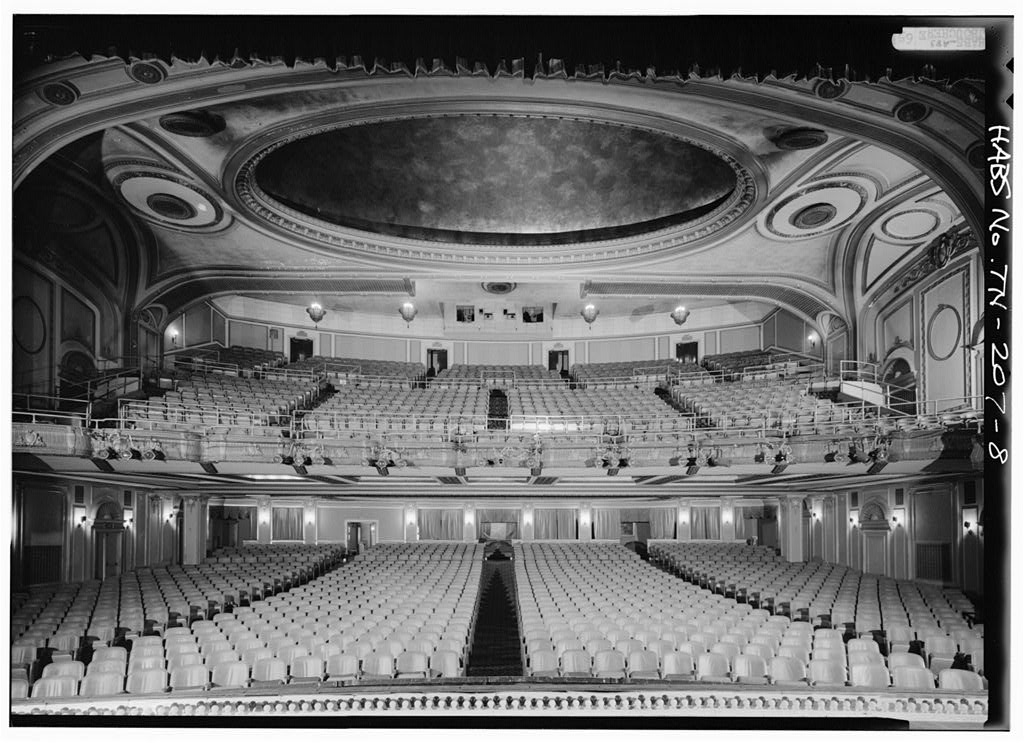
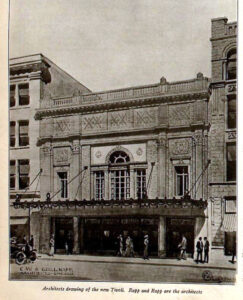 Chattanooga’s Tivoli Theatre, “the Jewel of the South,” opened its doors to the public in 1921 as a state-of-the-art performance space. Built as a smaller-scale replica of Chicago’s Tivoli Theatre, this 1,750-seat entertainment hall was the first public building in the south, and one of the first in the country, to install an air conditioning system. After decades of success, the theatre’s performance steadily declined through the 1950s as more modern movie theatres started to open in the city. The city took control of the building in early 1961 and reopened the space in 1963 as Chattanooga’s new Cultural Center.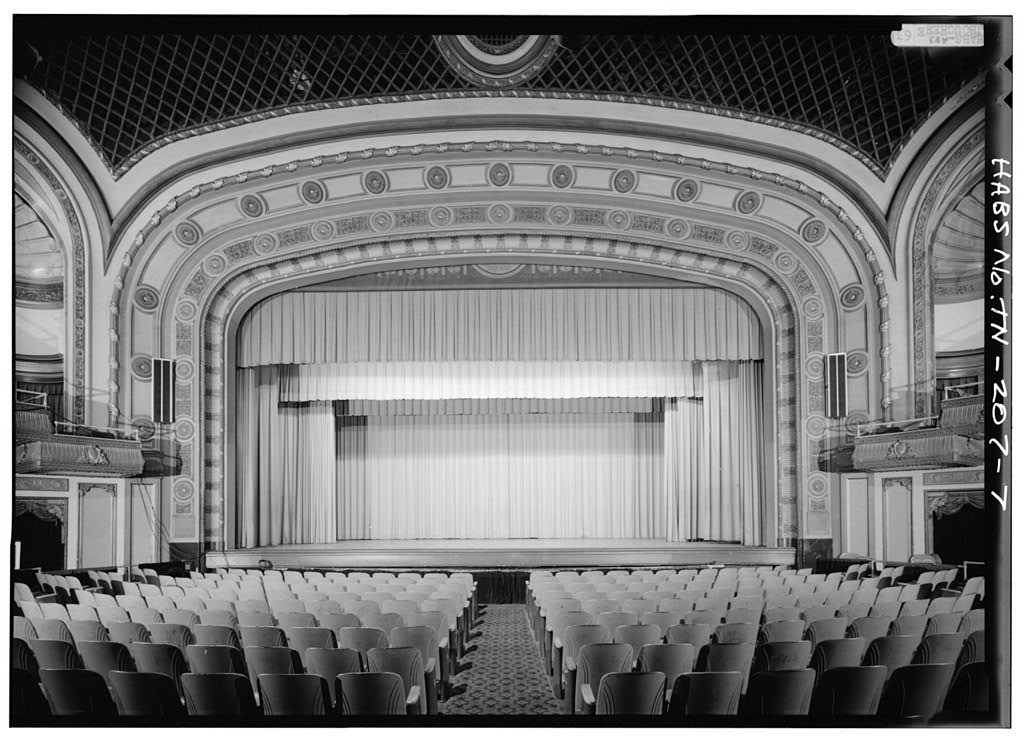
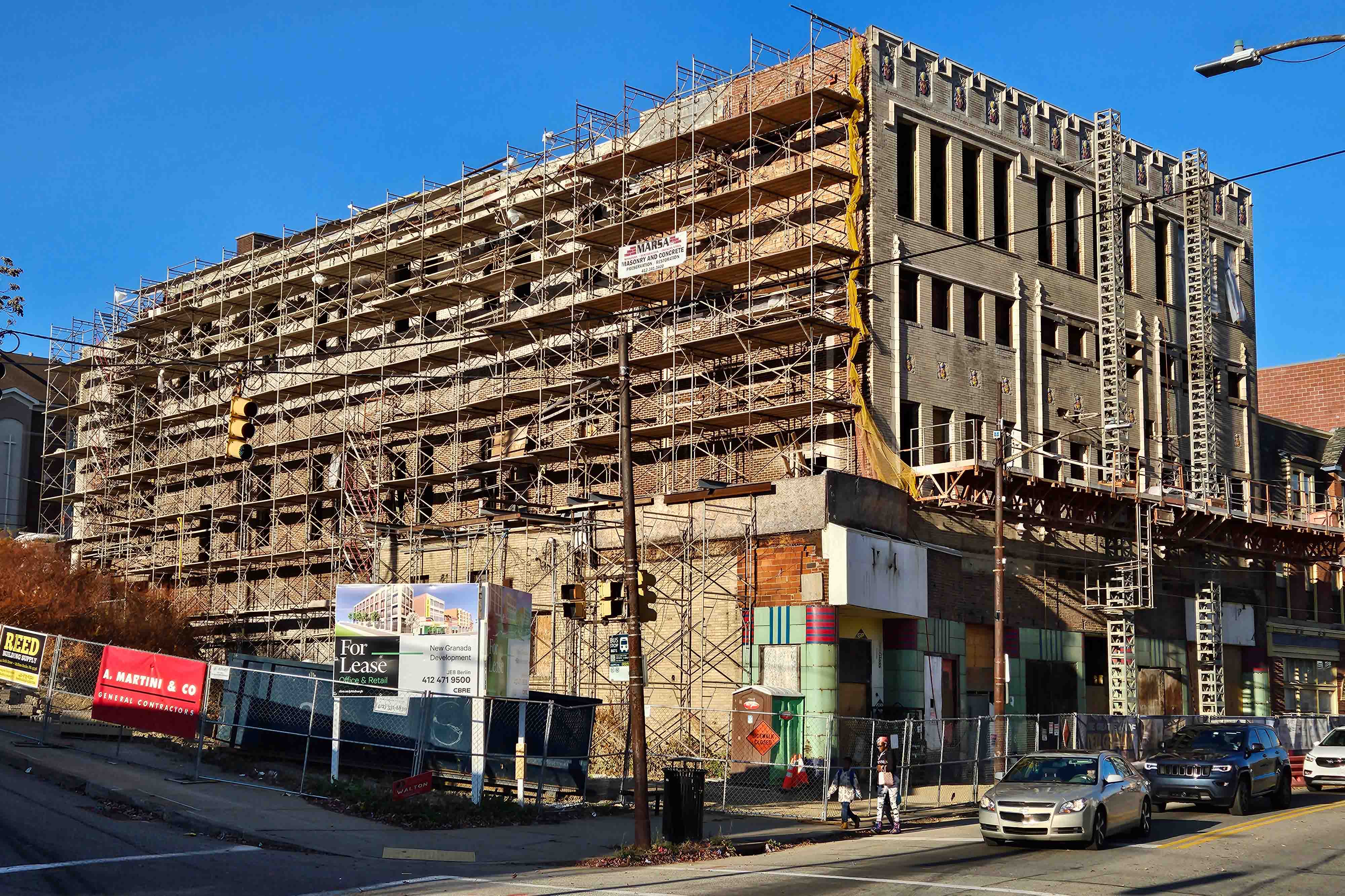
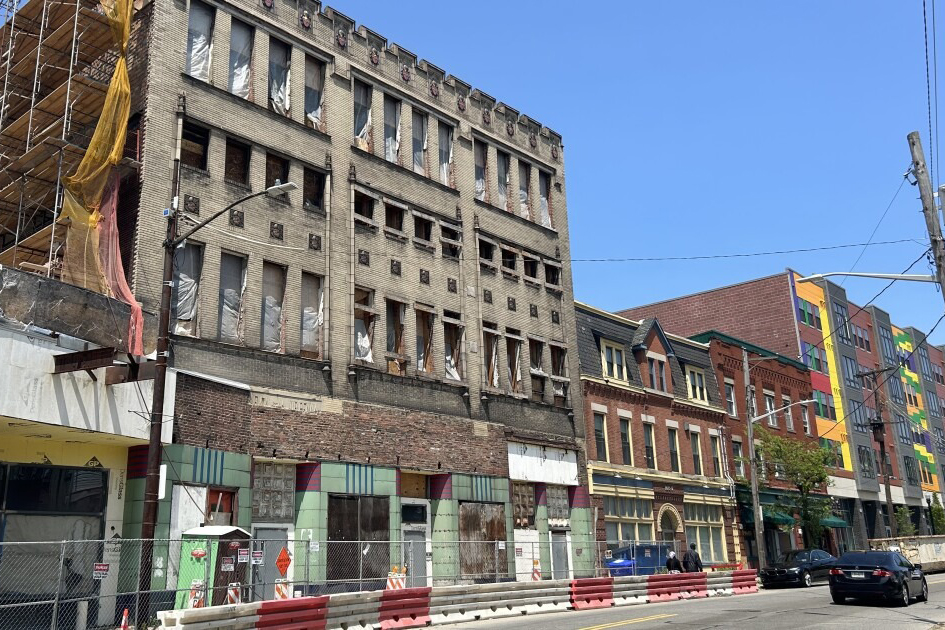
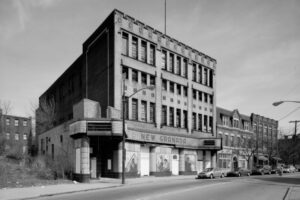 Architect Louis A. S. Bellinger of Pittsburgh, to build the Pythian Temple, a fraternal lodge and commercial building for Black construction workers to enjoy community events, music, and more. Bellinger was working as one of only sixty black architects in the United States in the 1930s. Located at 2007-2013 Centre Avenue, the three-story building designed in a Tudor Revival style was completed in 1928 and became one of the largest and most prominent secular buildings in the Hill District.