


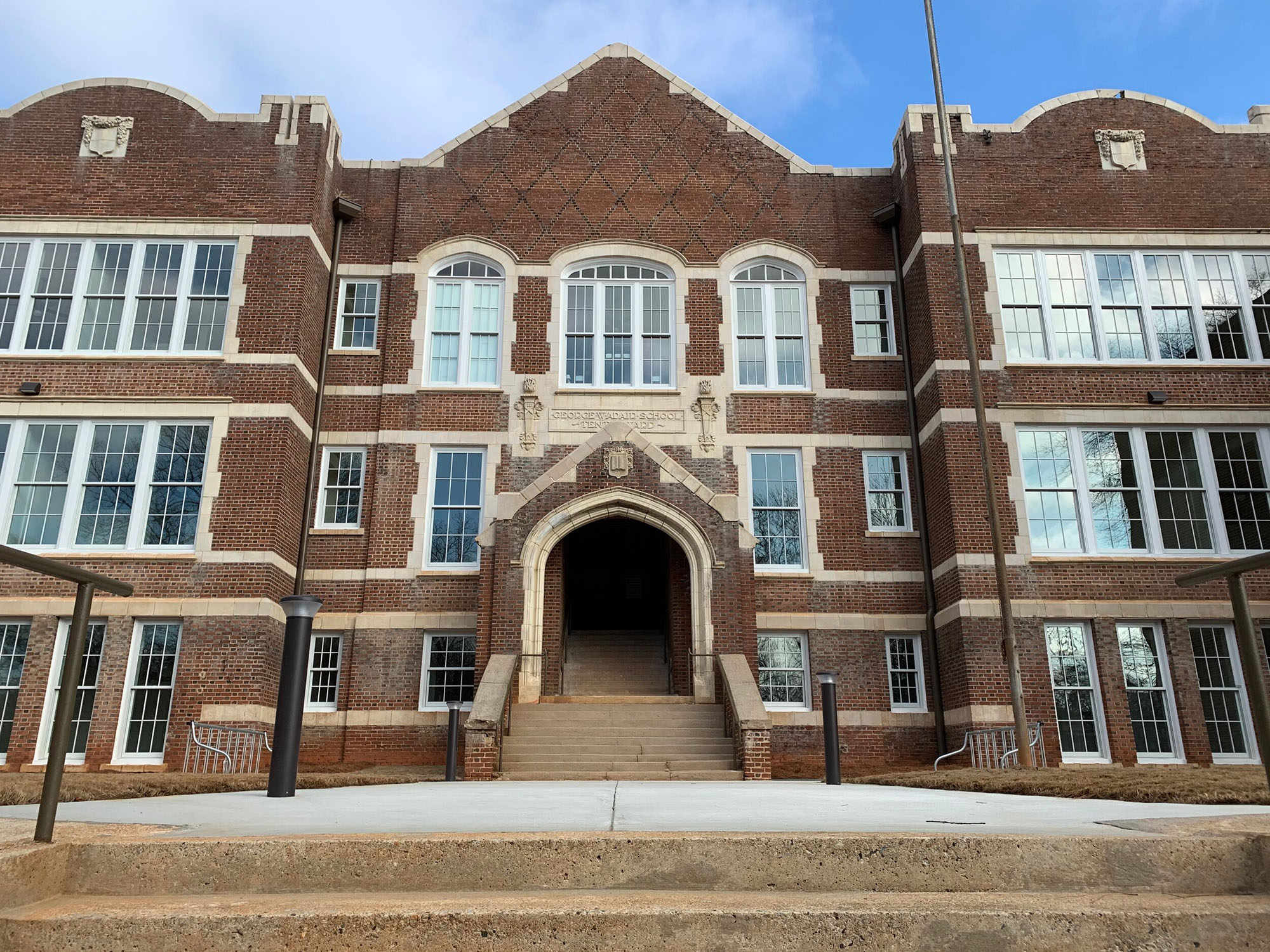
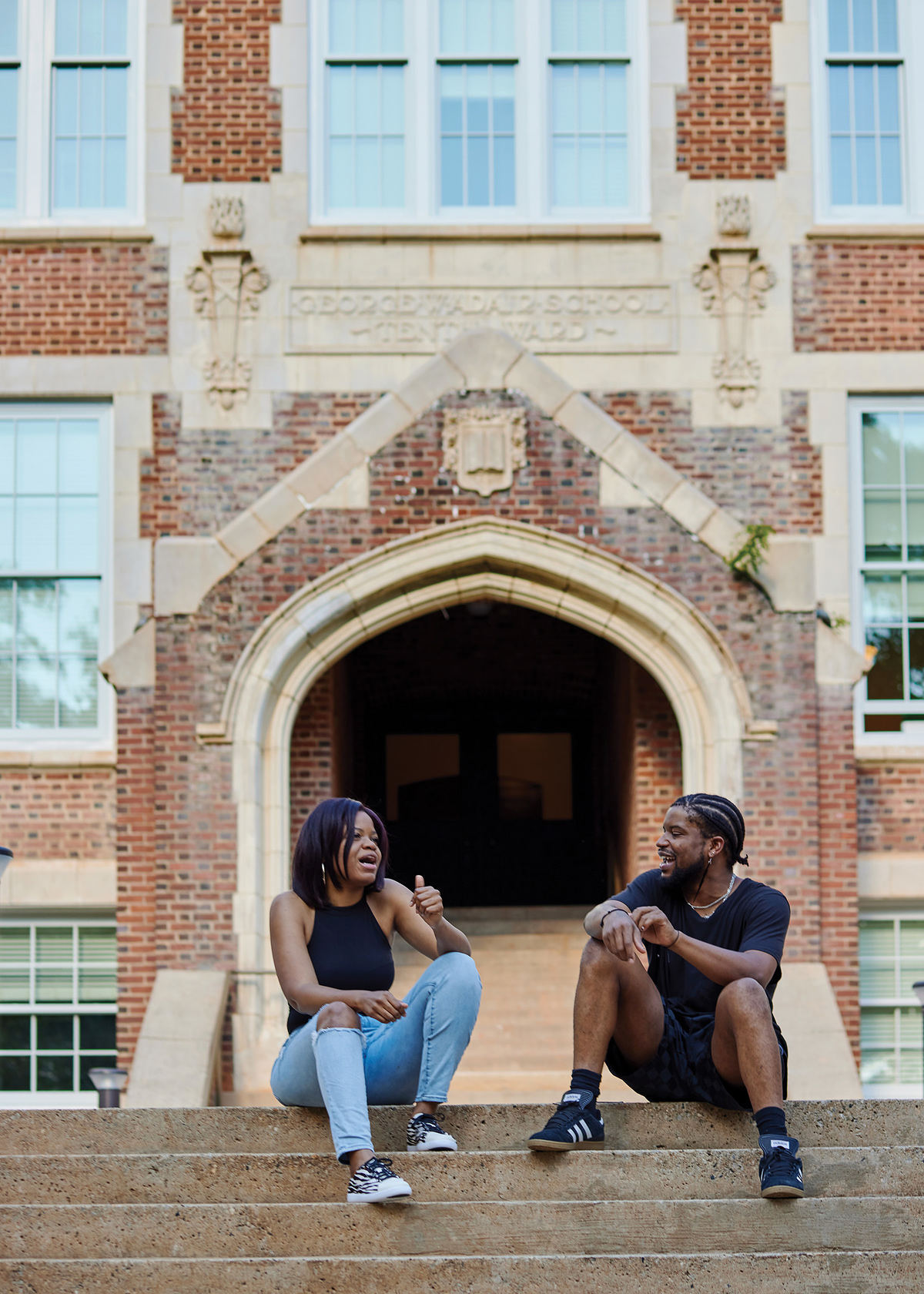
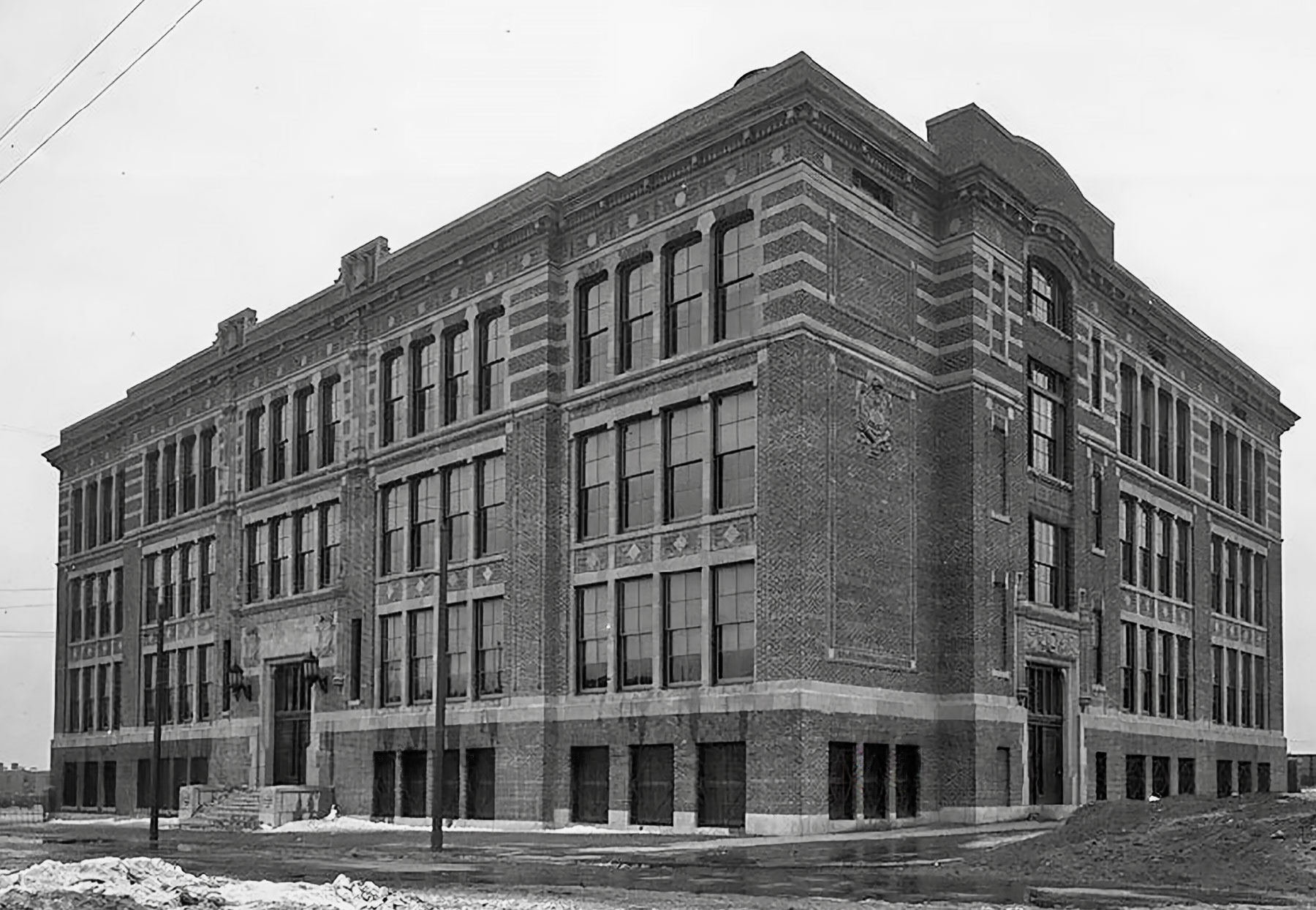
 Constructed in 1912, the George W. Adair School is a two-story brick building located at the heart of the Adair Park neighborhood in Atlanta, Georgia. Adair Park, a “bungalow suburb,” was developed between the 1890s to the 1940s and features a variety of unique architectural styles, including Queen Anne and Folk Victorian, English Revival, and the predominant American Craftsman bungalows.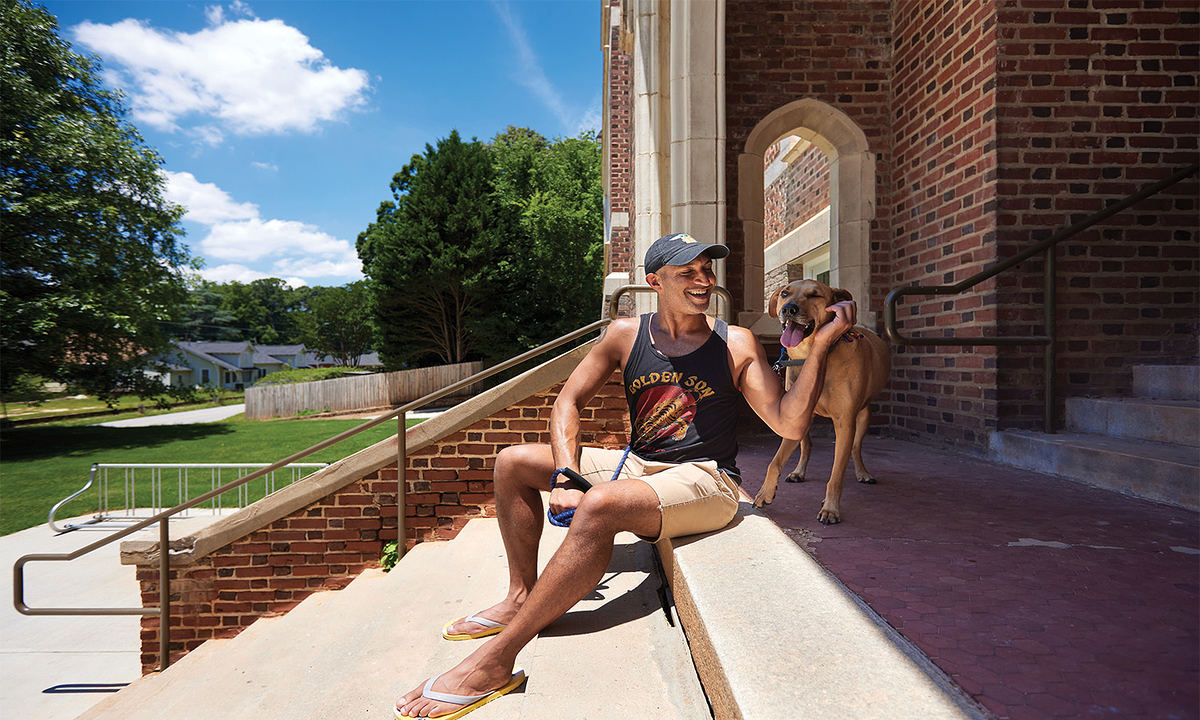
Academy Lofts was NTCIC’s 7th project supported by the Irvin Henderson Main Street Revitalization Fund and will be the first deal closed in partnership with Great Southern Bank. The Main Street Revitalization Fund provides financing through the Historic Tax Credit (HTC) and New Markets Tax Credit (NMTC) program to community development initiatives that support direct benefits to communities in need.
The Academy Lofts project will reactivate a long-vacant historic building, provide 35 affordable residential apartment-style housing units, and space for nonprofit tenants and arts-focused

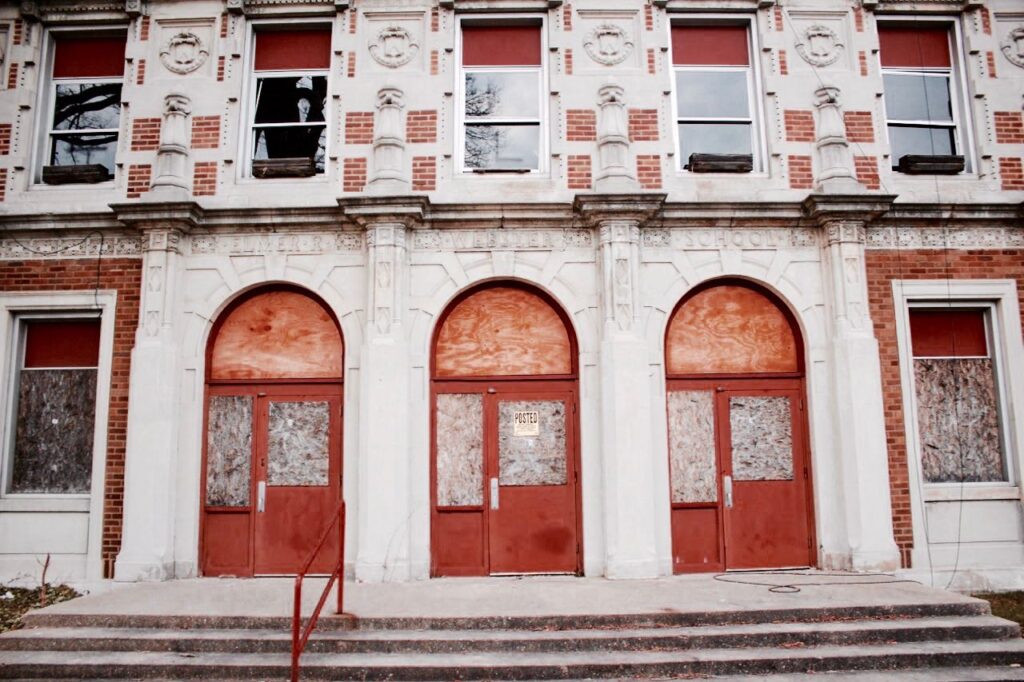
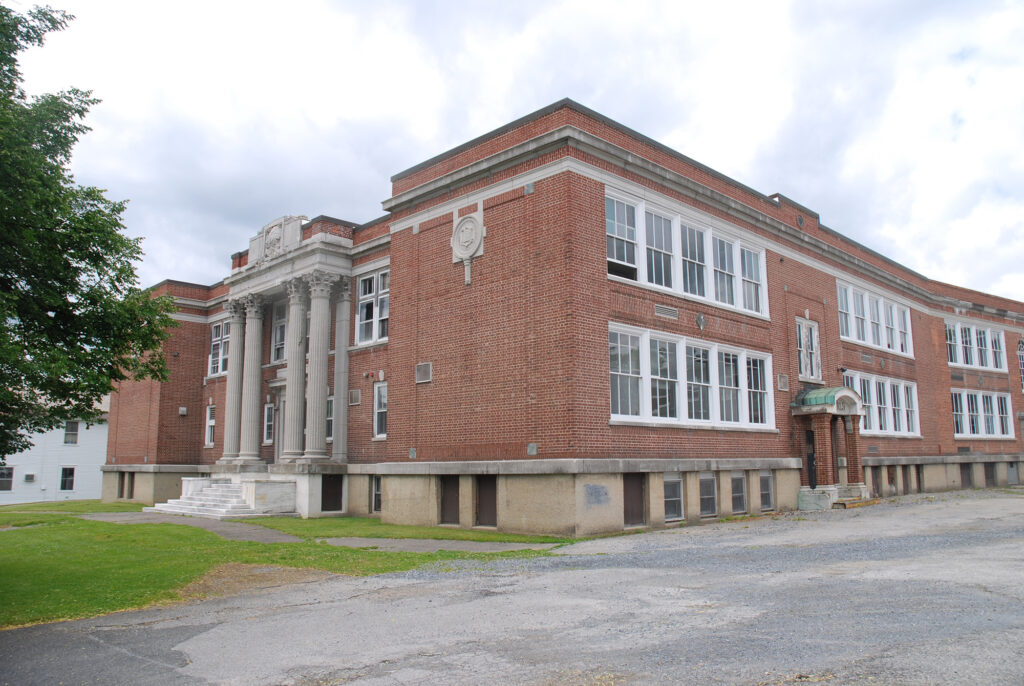



 In the late 1800s, Fall River, Massachusetts, had become one of the country’s leading textile regions in America and, by the turn of the century, housed more than 1 million spindles in operation, second in the world to only Manchester, England. Originally known as the Bradford Durfee Textile School, the facility opened its doors in 1904 to provide advanced courses in textile manufacturing and chemistry to educate the rapidly growing population of local mill workers.
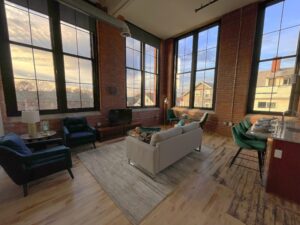 The 74,000 square foot, five-building campus will soon become the Creative Class Lofts and provide 44 market-rate apartments, 11 affordable apartments for practicing artists, and 23,345 square feet of commercial, community, and retail space.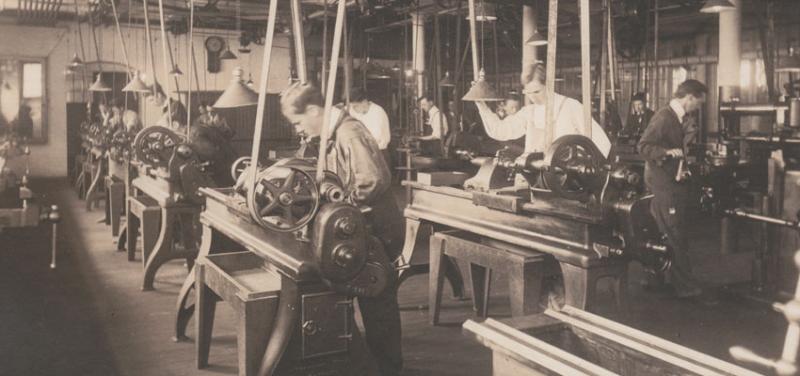


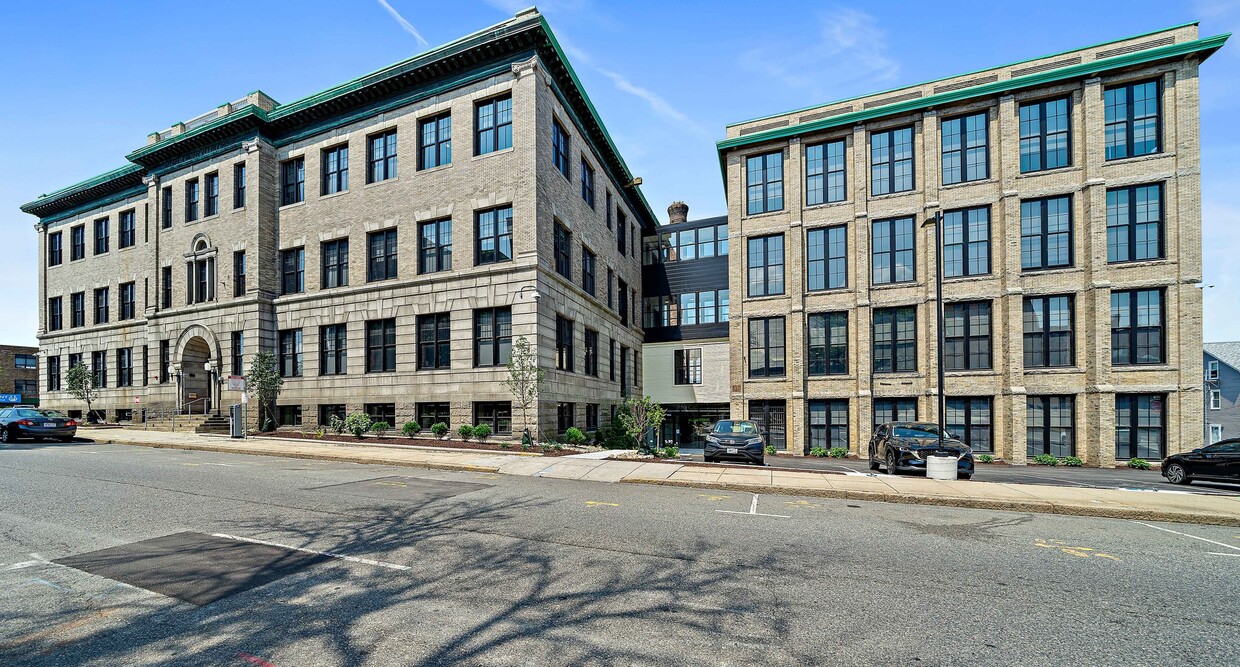
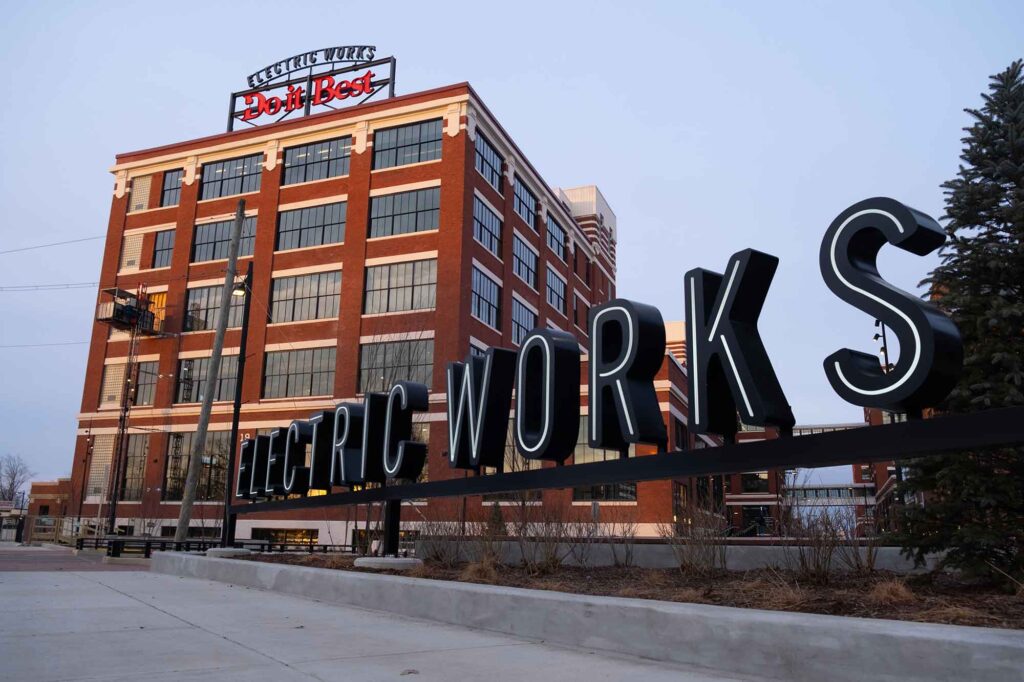
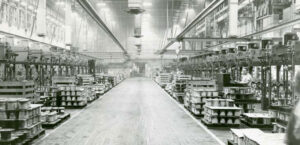 The historic General Electric complex and its contribution to the community began in 1881 with the establishment of the Fort Wayne Electric Company. After meeting with the inventor of one of the earliest variations of arc lighting, local entrepreneur Ranald Macdonald established the Fort Wayne electric company to manufacture and sell the Jenney arc lighting system for Indiana and four other states. Within four years, the Fort Wayne Electric Works had grown from a start-up enterprise to a successful and growing business. By 1892, Fort Wayne Electric caught the eye of and was acquired by the General Electric (GE) company, one of the three largest electrical companies in the country at the time.
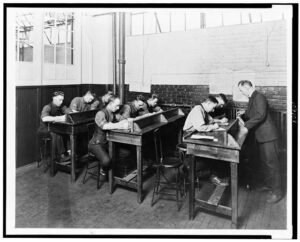 Upon taking control of the Fort Wayne Electric Works, General Electric invested heavily in expanding its operations in Fort Wayne. Through World War I and into the heady economic years of the 1920s, the company continued to grow exponentially. The company was at the forefront of the rise of electrical streetcar systems and the leader of electrical consumer appliances. As America electrified, General Electric grew rapidly. By the mid-1940s, the complex supported more than 20,000 employees.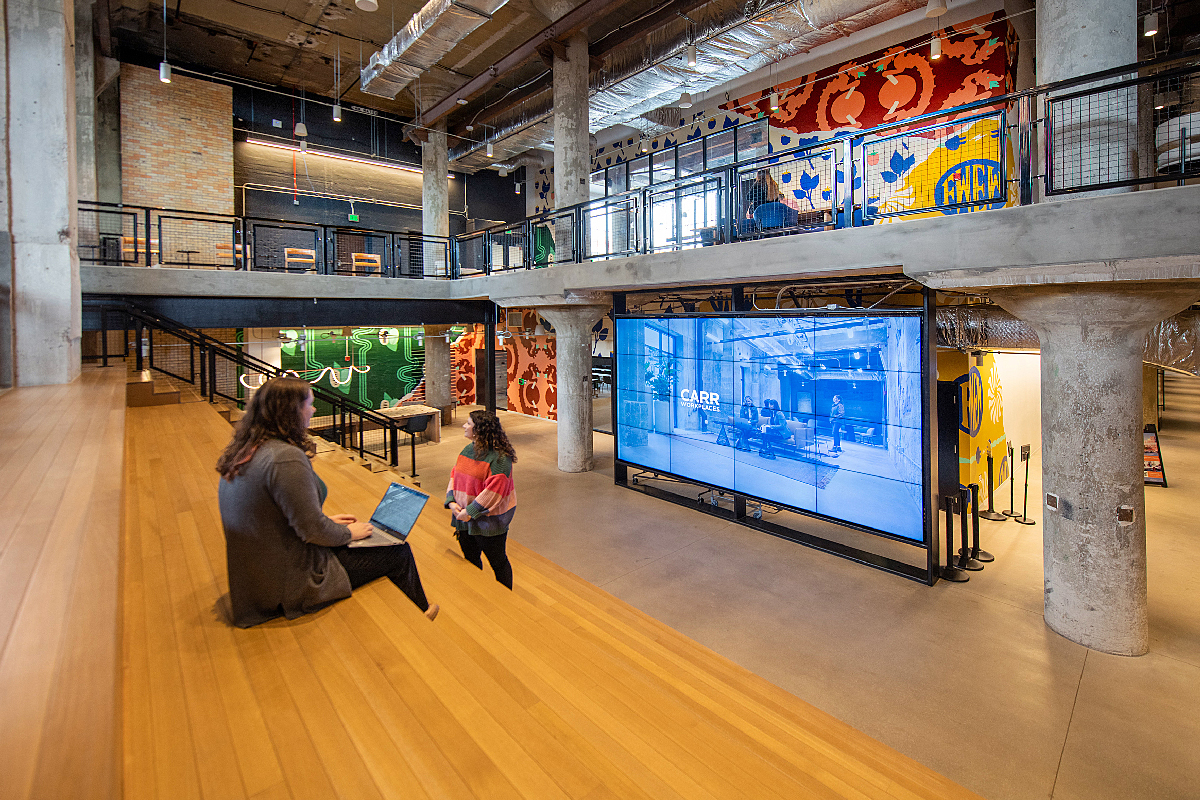
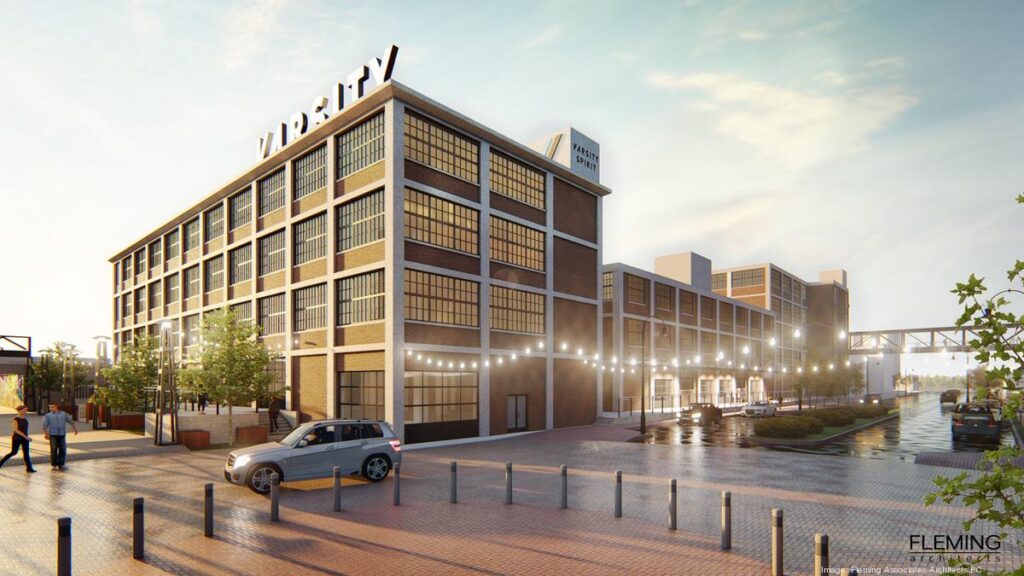
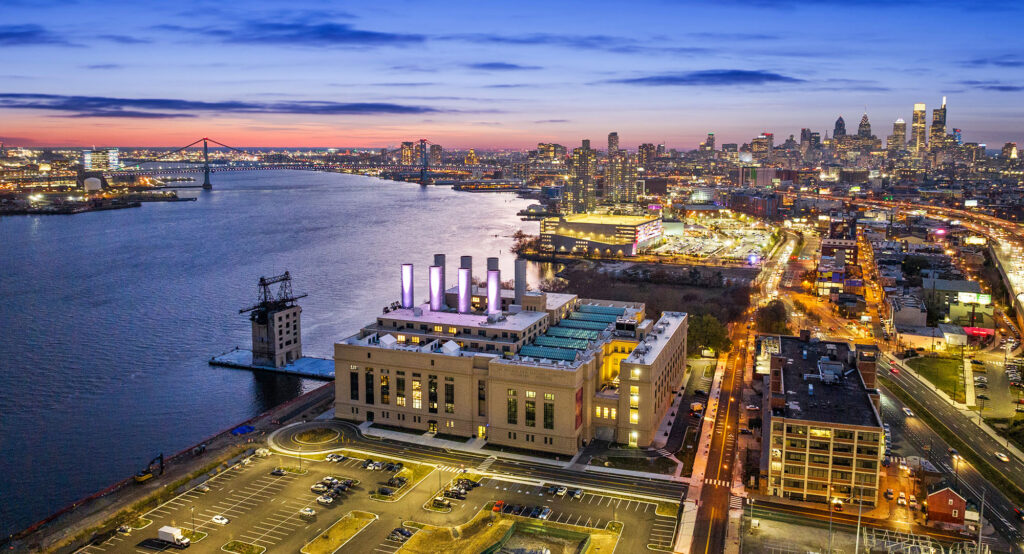
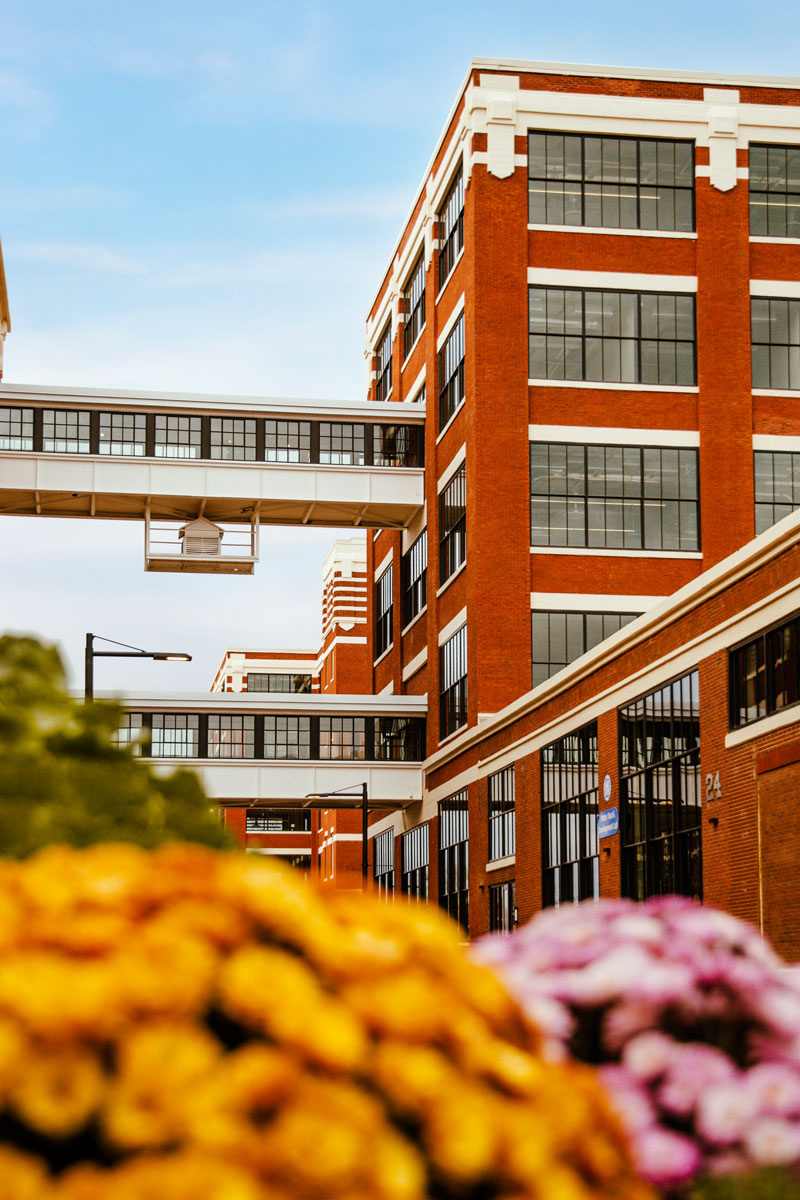
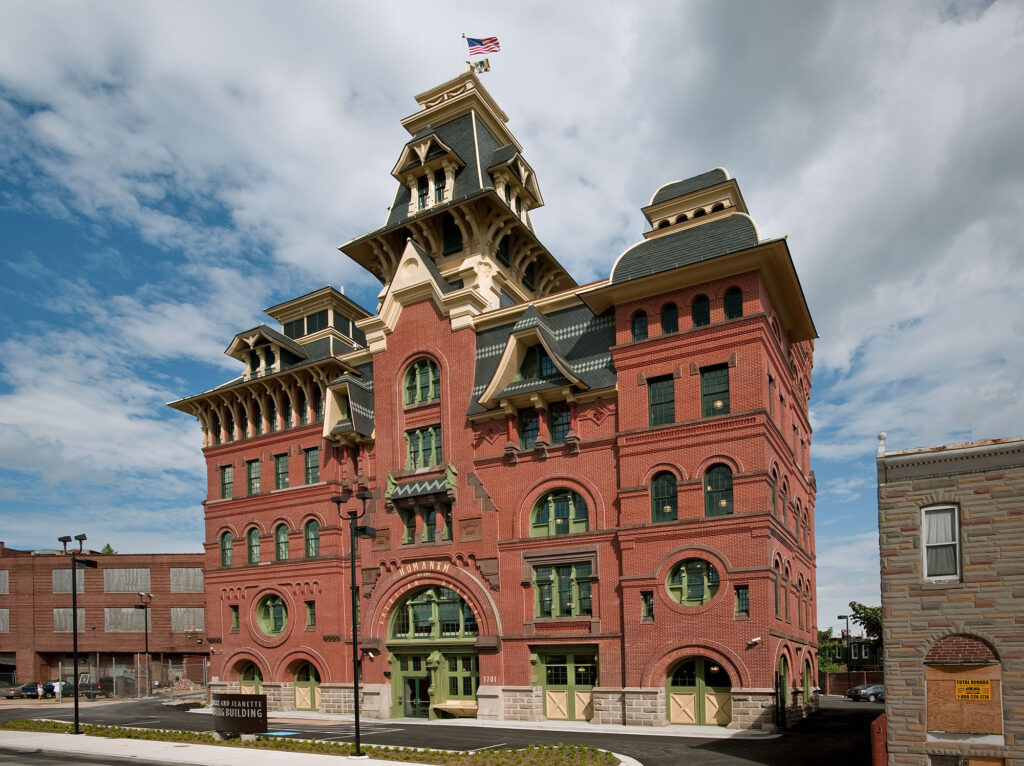
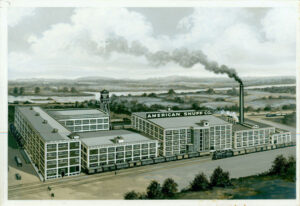 The history of the American Snuff Company can be traced back to 1782 with the founding of Garrett Scotch Snuff, one of the earliest producers of the smokeless tobacco product in the country and one of the first 10 patents to be issued in America. In 1900, Garrett Scotch merged with several major tobacco empires of the time, to form the first iteration of the American Snuff Company. This merger, however, created a monopoly on tobacco products and was divided into three separate companies in 1907.
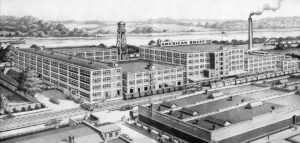 During the 1940s and 1950s, women comprised a majority of the American Snuff staff, many of which were members of the growing labor union movements of the time, such as the Congress of Industrial Organizations. The Memphis warehouse was the site of a major union strike in 1950 when 324 workers staged a 185-day strike in demand of better pay and working conditions. The walkout and strike resulted in workers getting a $.05 raise, dues check-offs from paychecks, and a new recreation room in the warehouse.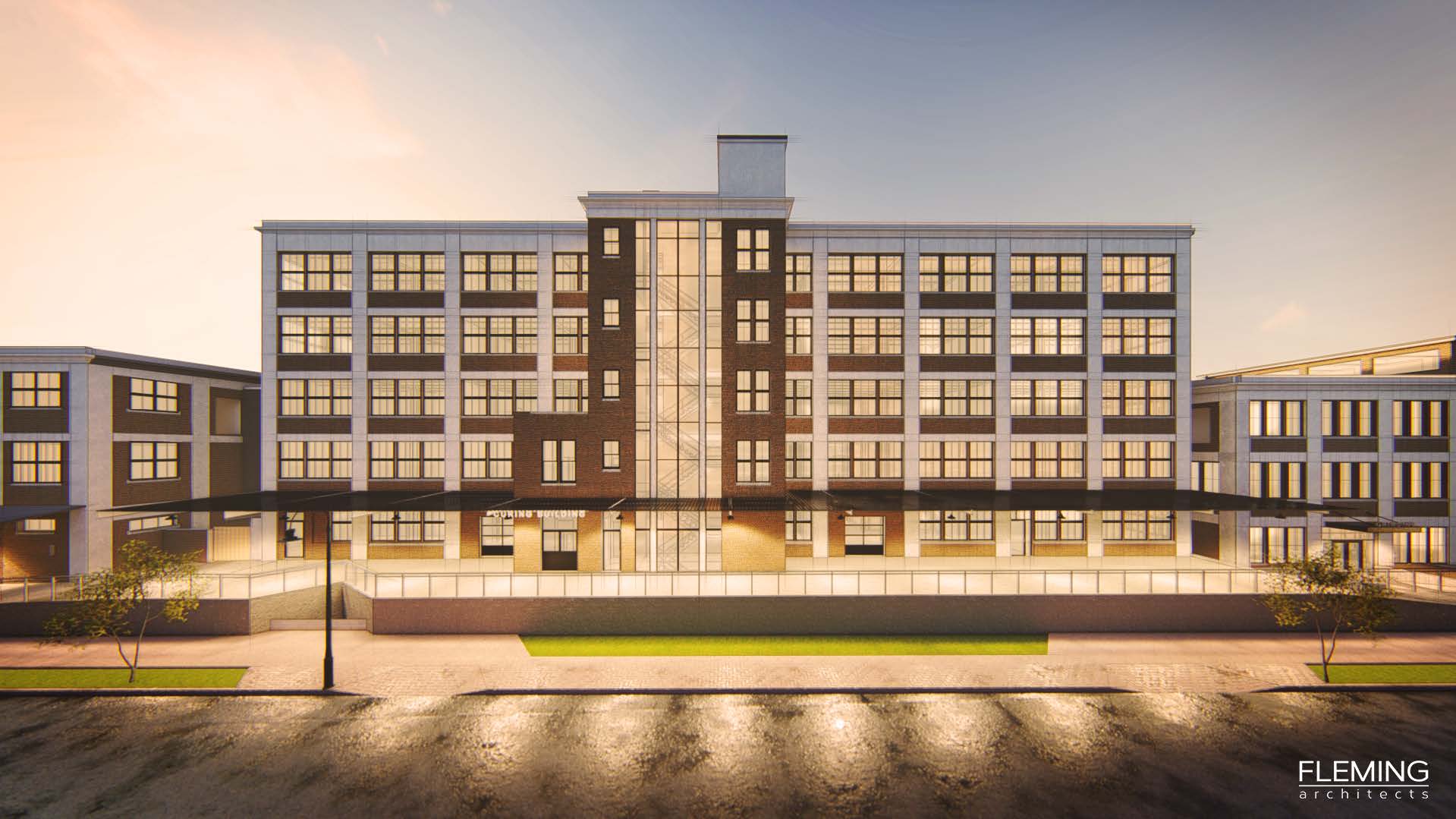






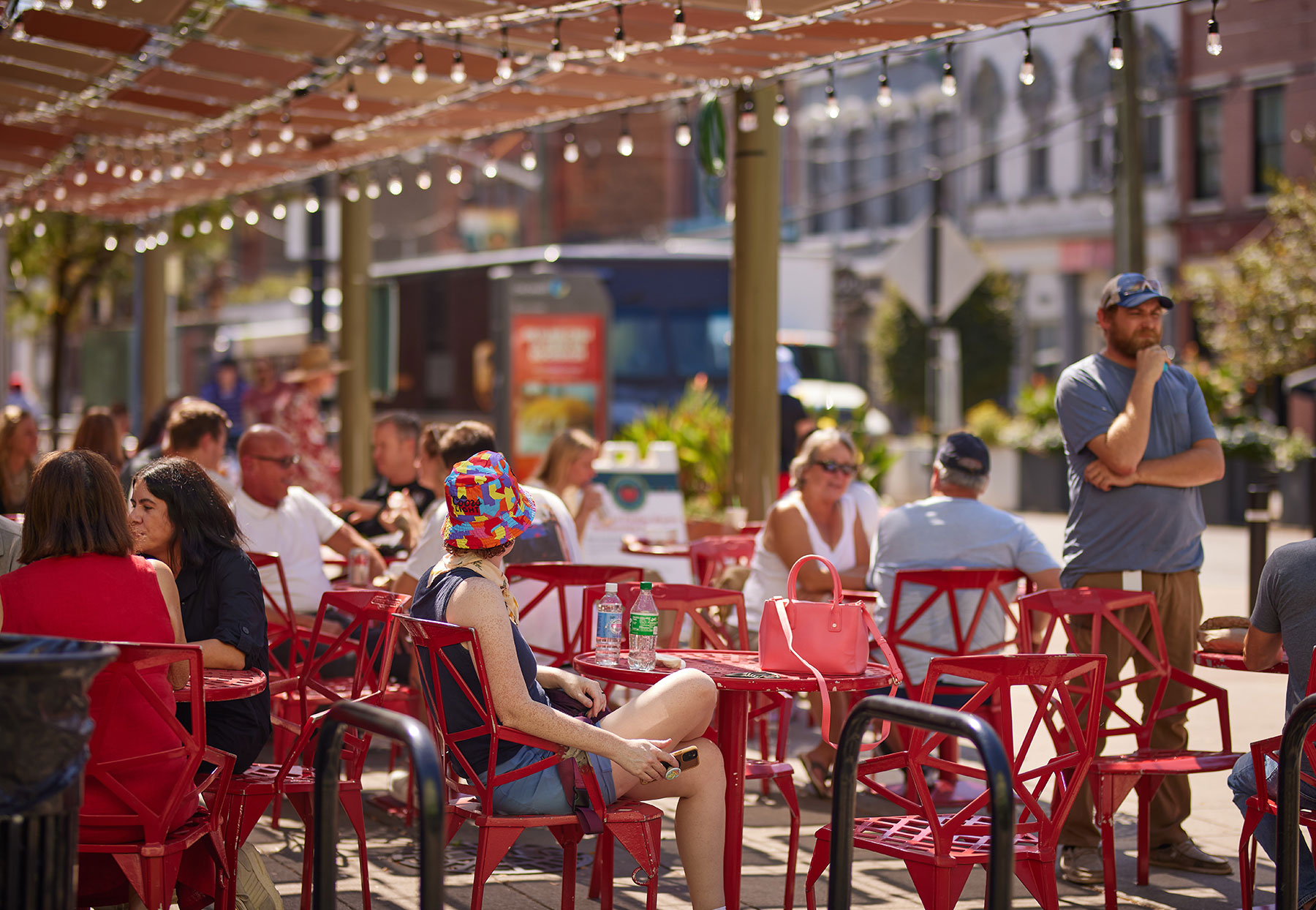
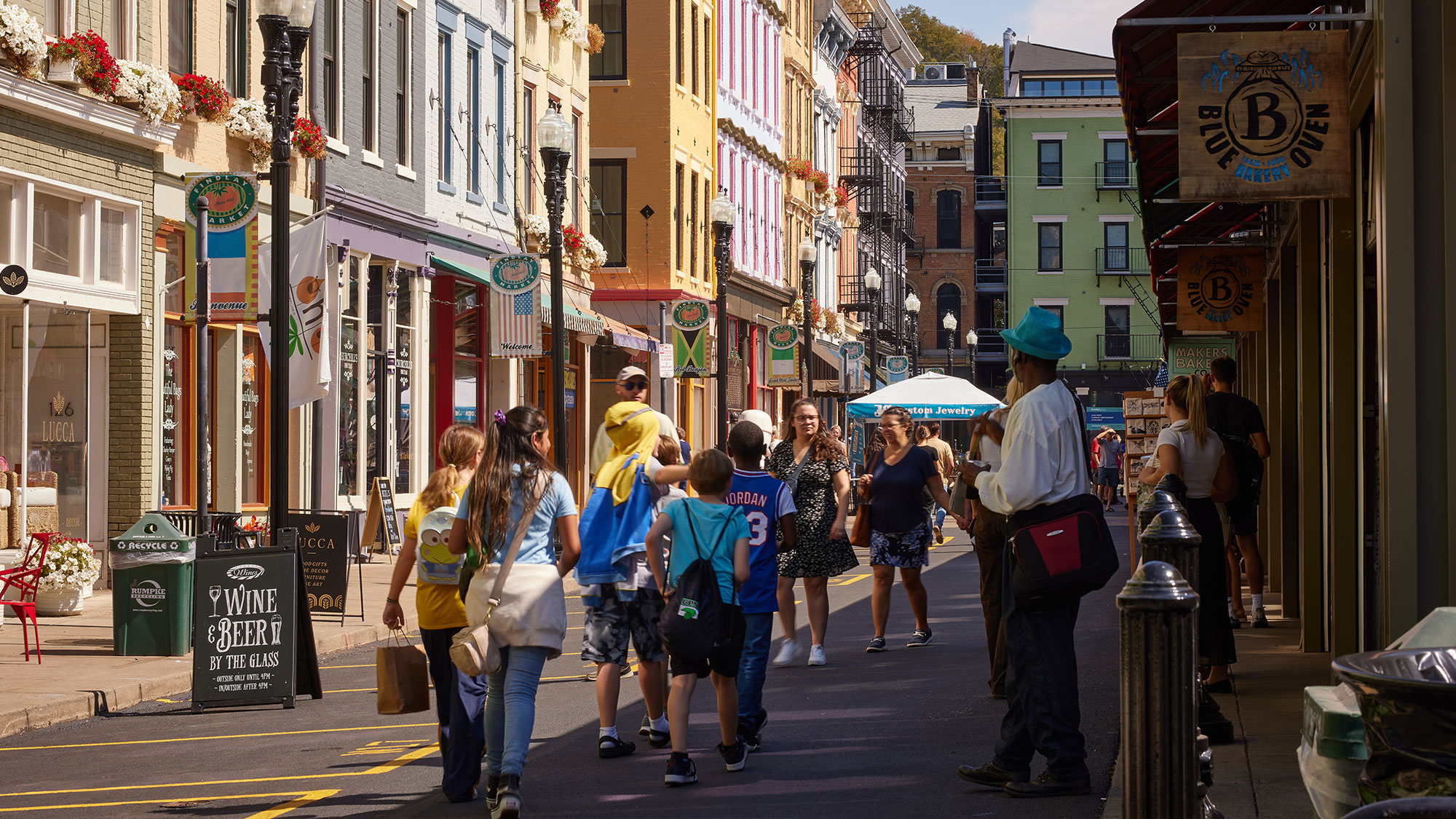
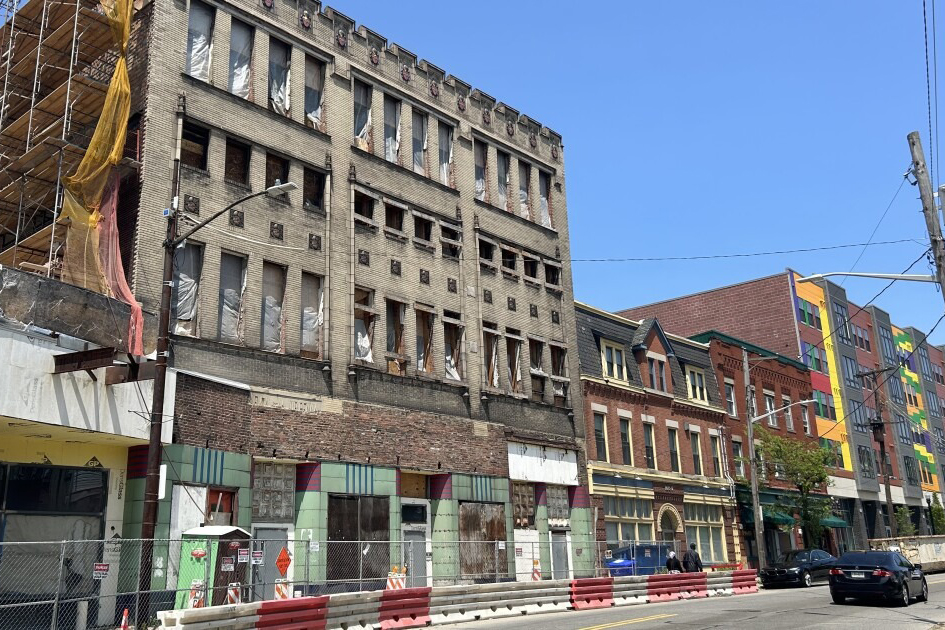
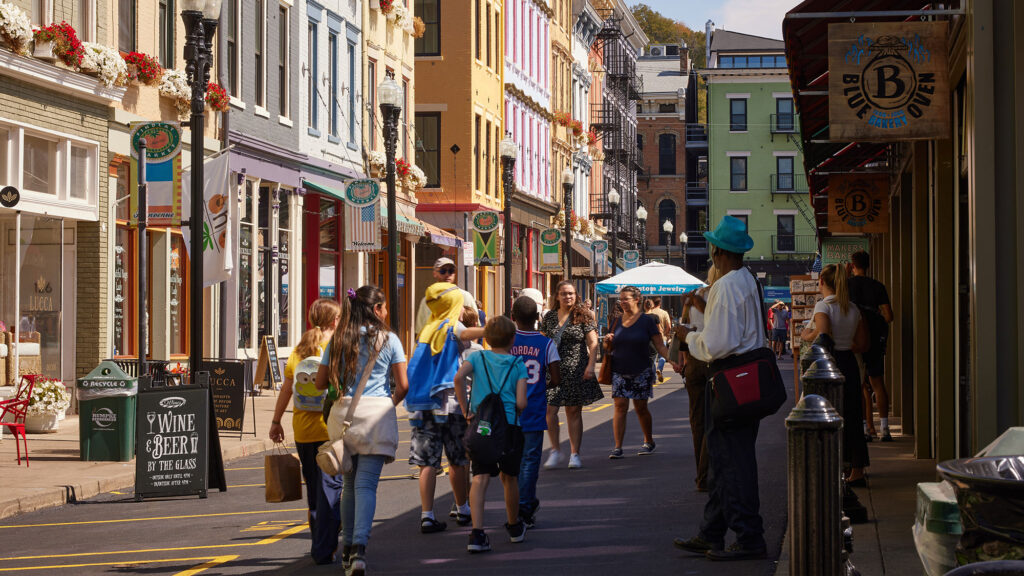
 Findlay Parkside is located in the Over-the-Rhine (OTR) neighborhood in Cincinnati, OH, one of the largest and most intact urban historic districts in the United States. OTR lies just north of the Central Business District in Downtown Cincinnati, boasting low-rise Greek Revival, Italianate, and Queen Anne brick buildings, primarily constructed by German immigrants in the mid-1800s. Among the neighborhood’s most notable attractions is the Findlay Market, the oldest and only surviving municipal market house in Cincinnati, which operates year-round and houses over three dozen indoor merchants offering a wide array of goods.