Federal Historic Tax Credits

$1.3 Million

New Markets Tax Credits

$2 Million

Total Project Cost

$8.2 Million

Project Partner

711 Catherine Developers & Stryant Investments LLC

Impact

Affordable Housing, Arts Education Support & Access

History

School & Community Center

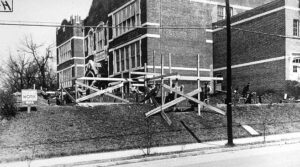
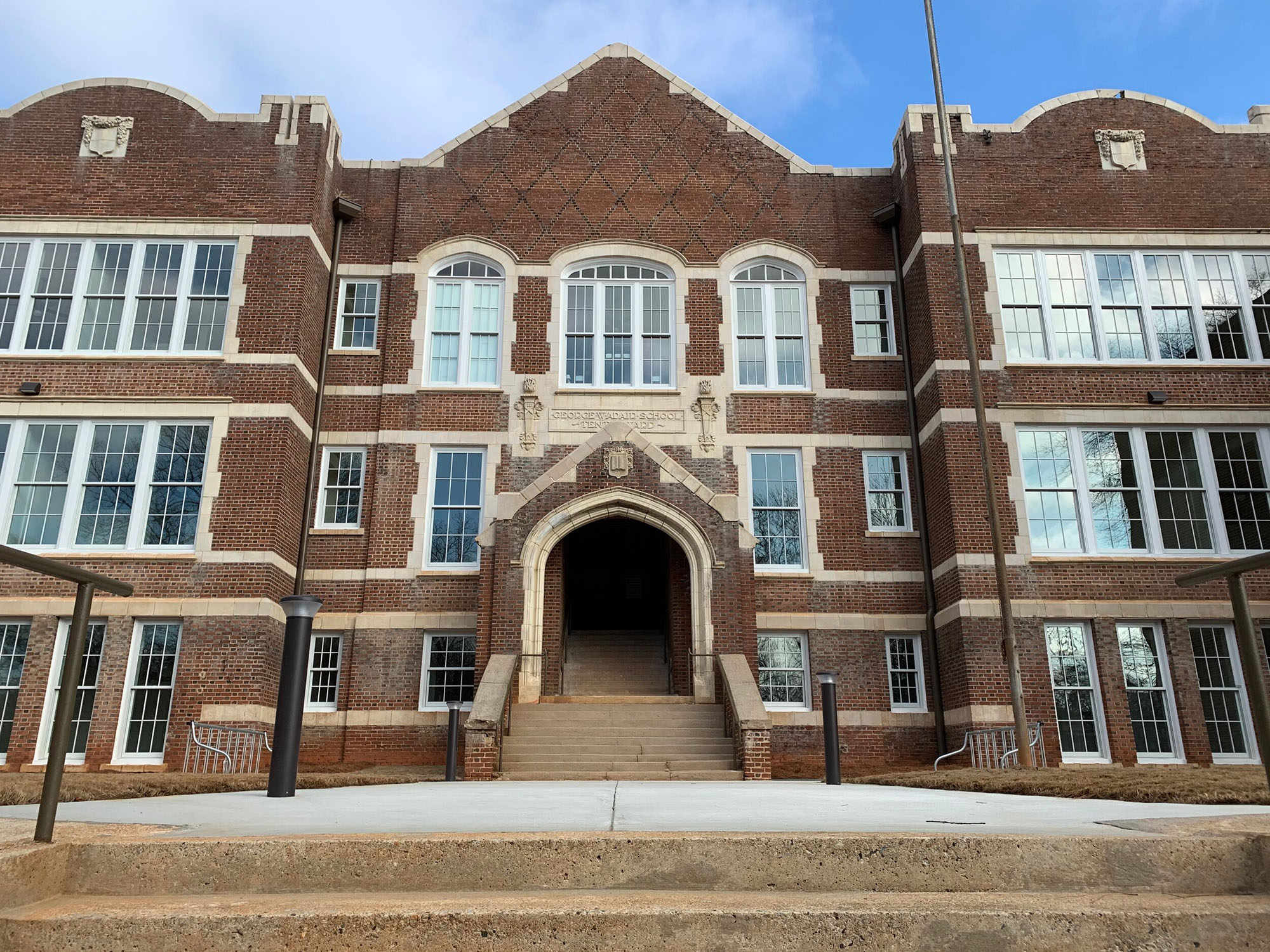
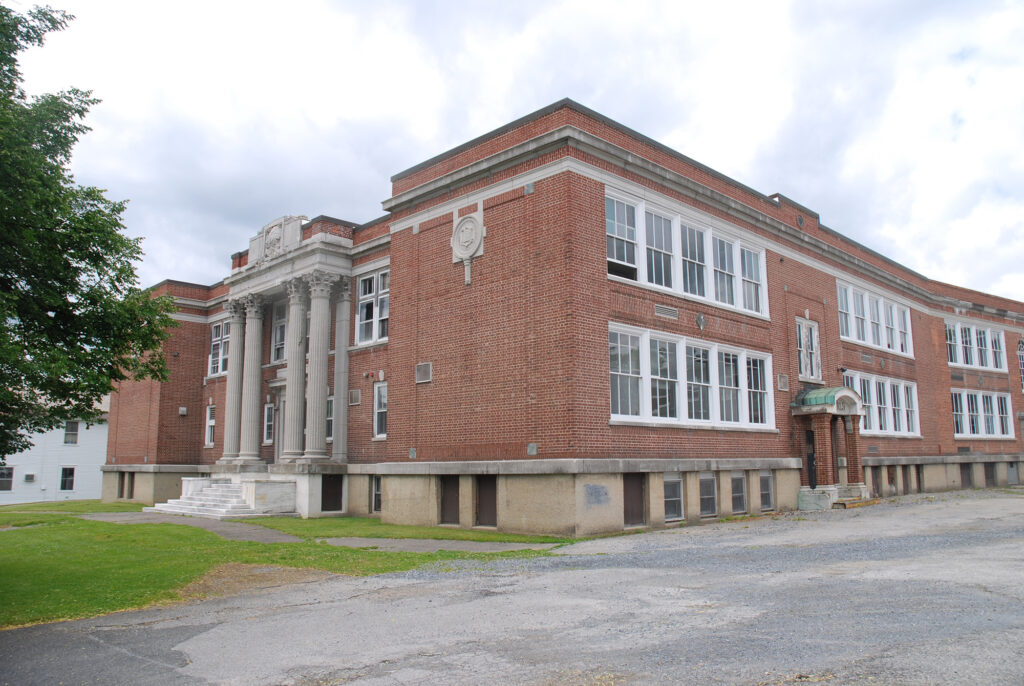
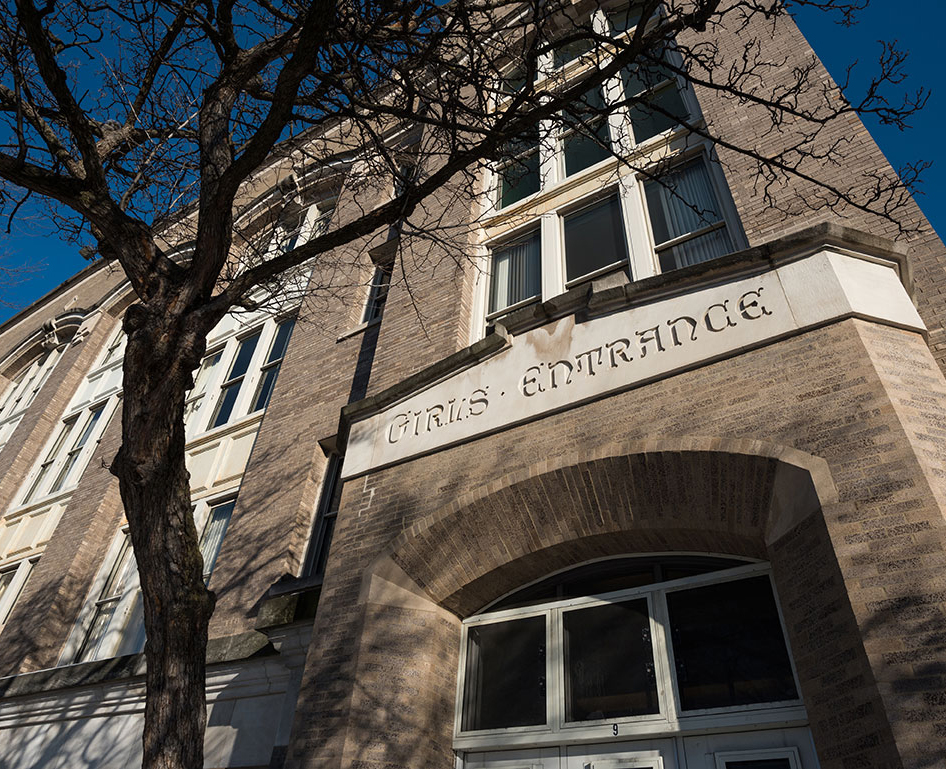
Constructed in 1912, the George W. Adair School is a two-story brick building located at the heart of the Adair Park neighborhood in Atlanta, Georgia. Adair Park, a “bungalow suburb,” was developed between the 1890s to the 1940s and features a variety of unique architectural styles, including Queen Anne and Folk Victorian, English Revival, and the predominant American Craftsman bungalows.

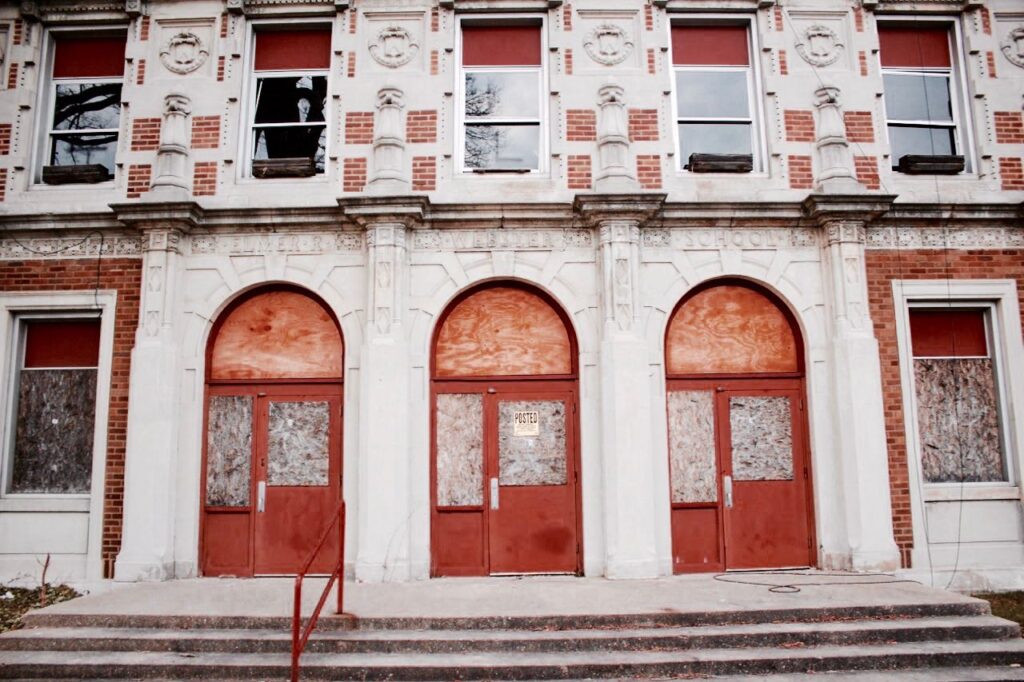
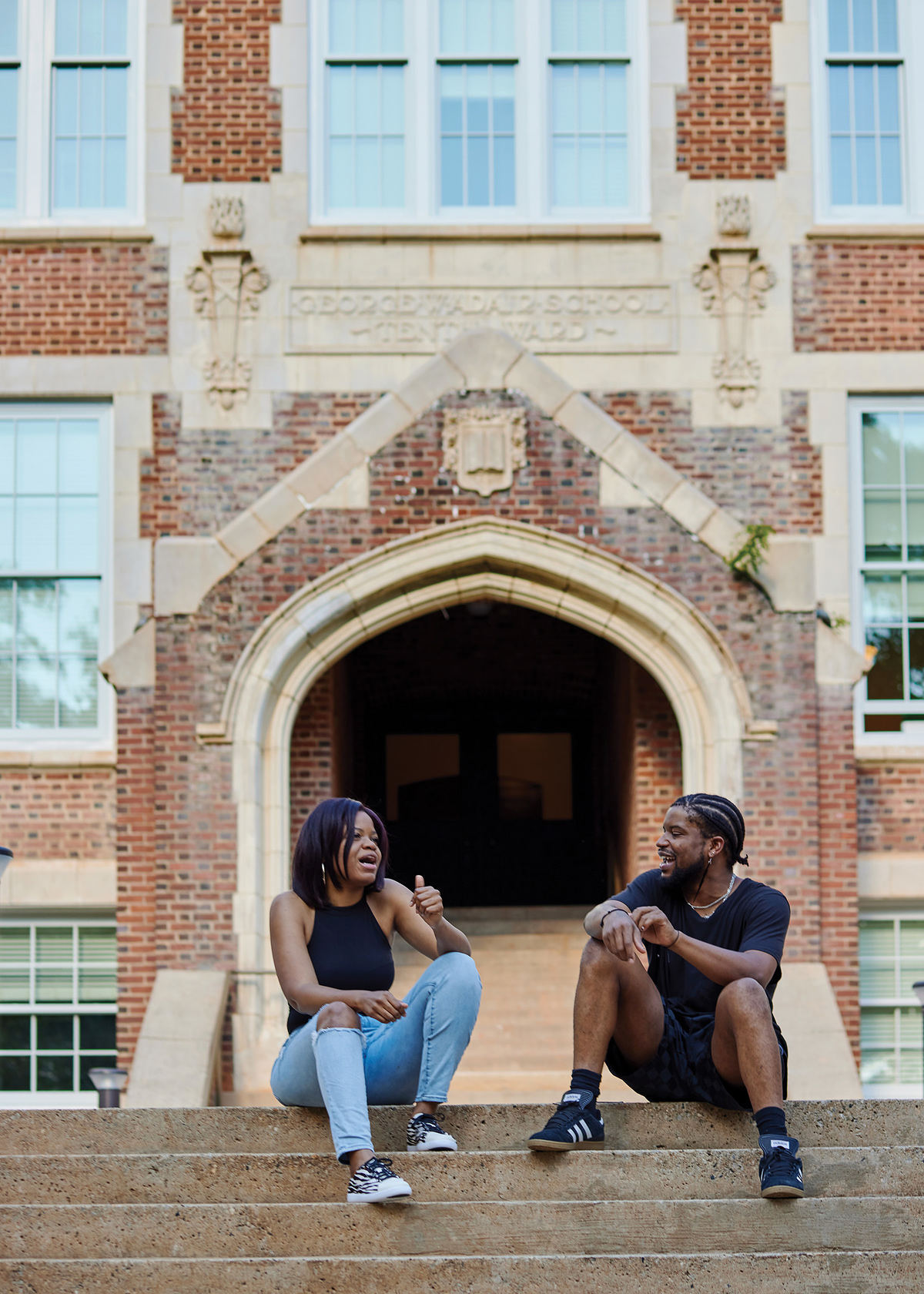
The George W. Adair School was designed in the Academic Gothic Revival style by Edward Dougherty, one of Atlanta’s leading architects of the time known for his works throughout Atlanta, including Druid Hills Baptist Church, Druid Hills Golf Club, Imperial Hotel, and the Highland School. For almost 60 years, it operated as both a school and a community gathering center, until enrollment began to diminish in the early 1960s. The school shut its doors in the fall of 1973 and has remained vacant and decaying ever since.

From Abandoned to Artist Hub
Revitalization Efforts

From Abandoned to Artist Hub

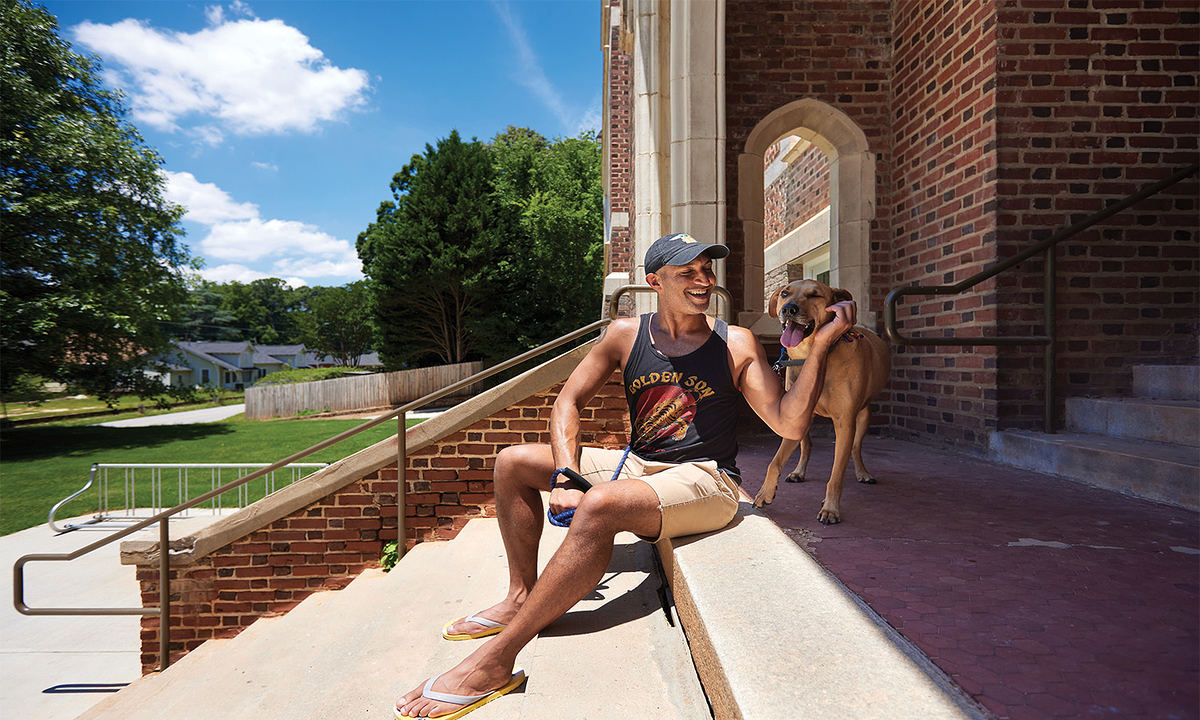
The George W. Adair Elementary School will be transformed into the Academy Lofts of Adair Park, a space where creative enthusiasts, artists, and entrepreneurs will live, work, and interact with each other and their local communities.

NTCIC & Progress

Financing & Impact

Academy Lofts was NTCIC’s 7th project supported by the Irvin Henderson Main Street Revitalization Fund and will be the first deal closed in partnership with Great Southern Bank. The Main Street Revitalization Fund provides financing through the Historic Tax Credit (HTC) and New Markets Tax Credit (NMTC) program to community development initiatives that support direct benefits to communities in need.

The Academy Lofts project will reactivate a long-vacant historic building, provide 35 affordable residential apartment-style housing units, and space for nonprofit tenants and arts-focused

education. Thirty of the units will be rent and income-restricted to households earning 60% AMI or less. The new nonprofit tenants will provide classes, services, community space, and outreach to communities focusing on art-based therapy.

The revitalization of the Academy Lofts is estimated to create/retain 98 jobs during construction and 88 post-completion. It will also include green technology to improve operational efficiency, including Energy Star appliances, water-sense fixtures, and LED lighting. The Academy Lofts opened in 2020.

Want to Discuss Your Next Project? Talk With Our Team Today.

We bring clear insight, deep experience, and strategic focus to every project, whether you're structuring complex capital or shaping long-term, legacy-driven development.

Name(Required)
Want to Discuss Your Next Project? Talk With Our Team Today.

Federal Historic Tax Credits

$4.1 Million

New Markets Tax Credits

$6 Million

Total Project Cost

$26 Million

Project Partner

MIS Capital

Impact

Education Access

Historic Foundations in Allegheny West
History

Historic Foundations in Allegheny West

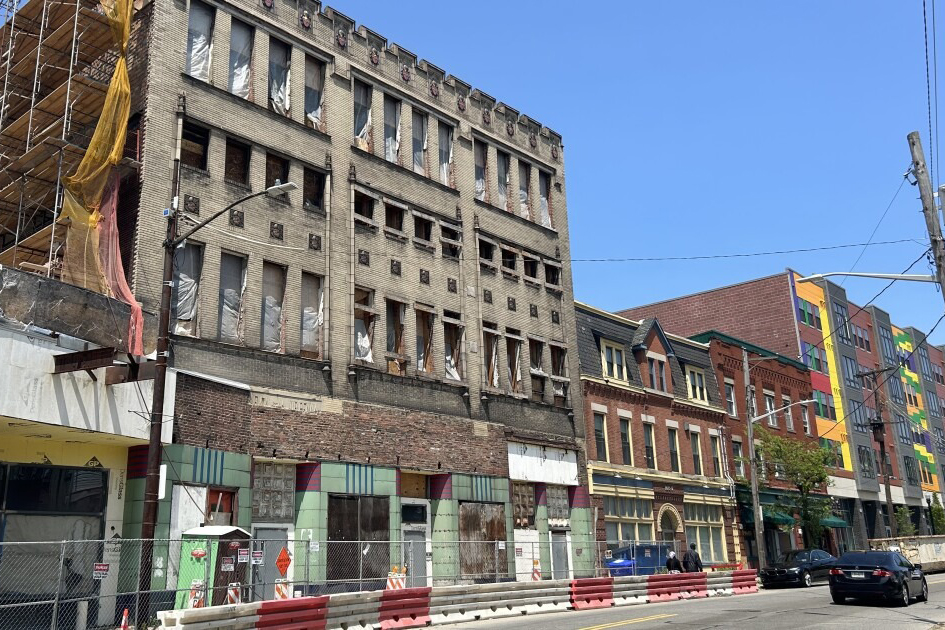
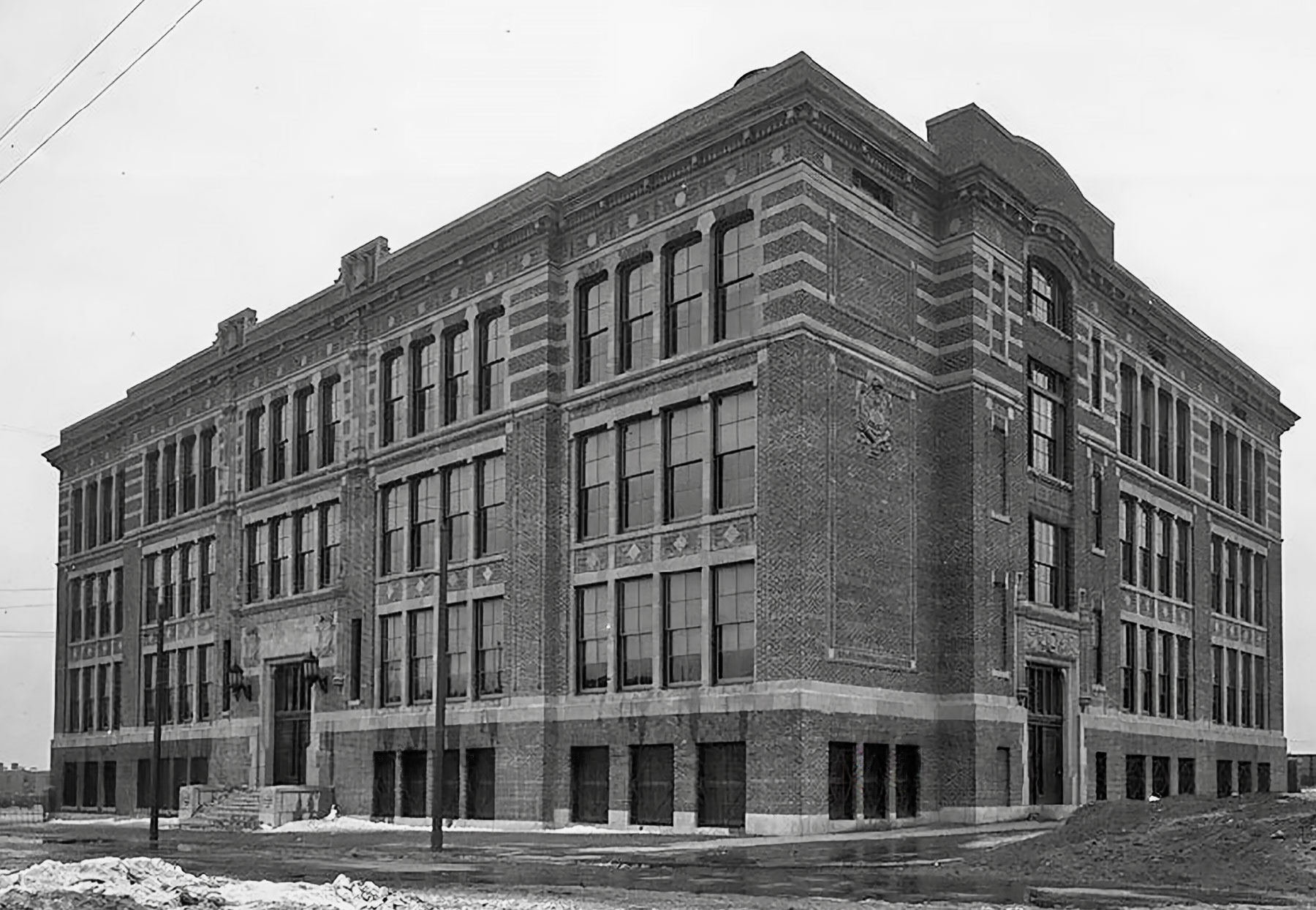
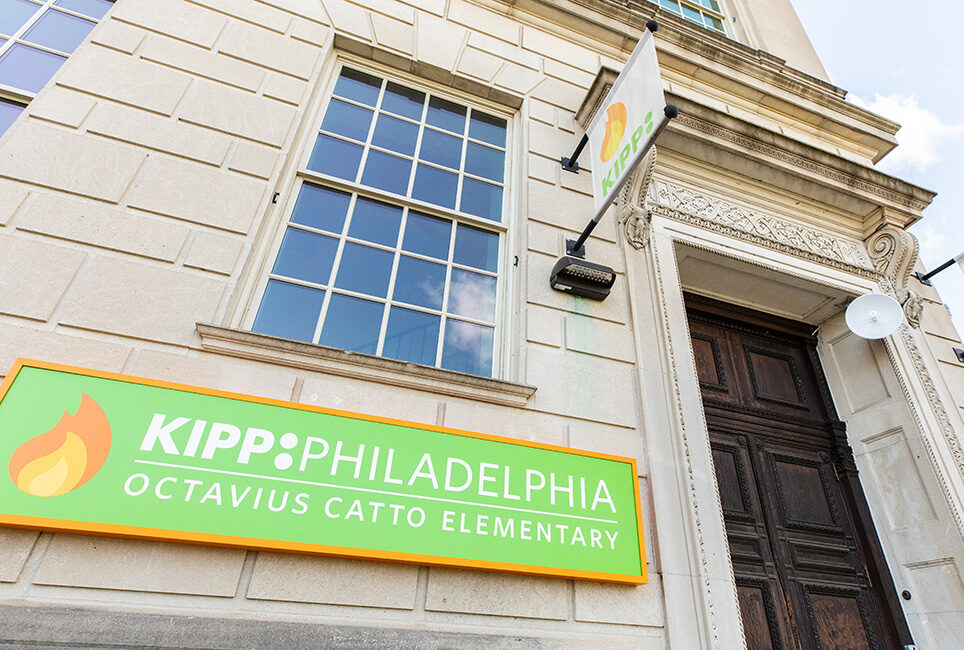
Built in 1913 and designed by architect Henry deCoursy Richards, the John Greenleaf Whittier School has anchored Philadelphia’s Allegheny West neighborhood for generations. Named for the abolitionist poet, the three-story brick building with terra cotta details and a U-shaped courtyard welcomed thousands of local students over its long history. Whittier Elementary was a vital resource for the community, reflecting the evolving needs and diversity of North Philadelphia.

After nearly a century of service, the school closed in June 2013, leaving the building vacant and the neighborhood without a key educational institution. Recognizing both the architectural significance and the urgent need for accessible learning opportunities, KIPP Philadelphia Public Schools committed to revitalizing Whittier as the new home for its middle school program.

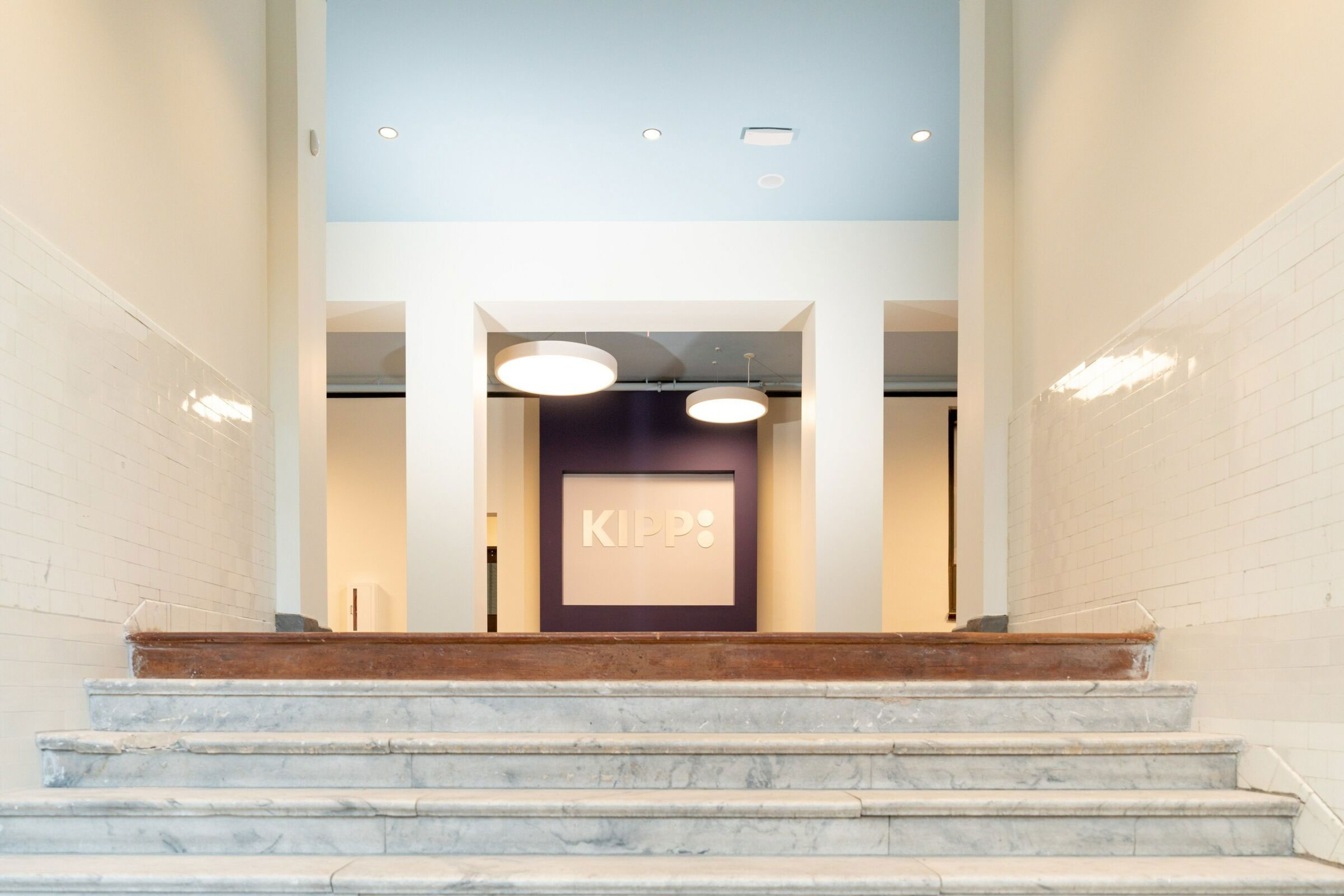
KIPP at Whittier Entrance
Revitalization Efforts

Transforming Space for Student Success

The former Whittier School has been transformed into a modern, high-performance facility for KIPP Philadelphia’s middle school program.

The 78,000-square-foot building, vacant since 2013, underwent a full rehabilitation to create state-of-the-art classrooms, a new cafeteria, a multi-purpose gym and auditorium, and an outdoor education area.

Designed to accommodate up to 700 students, the revitalized school now provides expanded educational opportunities for families in Allegheny West.

Community Impact

Transforming Lives Through Learning

The revitalized Whittier School now provides a modern, high-quality learning environment for up to 700 middle school students in Allegheny West. By expanding capacity from 360 students, KIPP Philadelphia addresses significant demand for accessible, college-preparatory education in an underserved neighborhood. The school’s open enrollment lottery ensures equitable access for families citywide.

KIPP Philadelphia primarily serves economically and educationally disadvantaged students, with 86% qualifying for the Federal Meals Program and 24% receiving special education assistance. The student body reflects the surrounding community, with 98% identifying as African American or Hispanic. The project also created new green spaces and public access areas, strengthening connections between the school and its neighbors.

Expanded Enrollment

The revitalized school now serves up to 700 students, up from 360.

Supporting a Community in Need

86% of students qualify for the Federal Meals Program.
24% of students receive Special Education Assistance.

Job Creation

The project delivered 80 union construction jobs and supports 70 permanent full-time equivalent jobs.

Green Space & Learning

New outdoor education areas and public-access green space strengthen neighborhood connections.

NTCIC & Progress

Financing the Project

NTCIC provided $6 million in New Markets Tax Credit allocation and an equity investment in the $4.1 million in Federal Historic Tax Credits generated by the project, making the $26 million rehabilitation of Whittier School possible. These investments enabled the transformation of a vacant historic building into a modern, high-performance educational facility for KIPP Philadelphia’s middle school program.

The project leveraged NMTC and HTC equity alongside loans, grants, and sponsor equity, reducing the school’s fundraising burden and ensuring financial feasibility. Construction created 80 union jobs, while the completed school supports 70 permanent positions and offers below-market rents, maximizing resources for student success and long-term neighborhood revitalization.

Want to Discuss Your Next Project? Talk With Our Team Today.

We bring clear insight, deep experience, and strategic focus to every project, whether you're structuring complex capital or shaping long-term, legacy-driven development.

Name(Required)
KIPP at Whittier Entrance

Federal Historic Tax Credits

$3.77 Million

State Historic Tax Credits

$4.3 Million

New Markets Tax Credits

$2 Million

Total Project Cost

$20.7 Million

Project Partner

Main Street Projects, LLC

History

A Rich Textile History

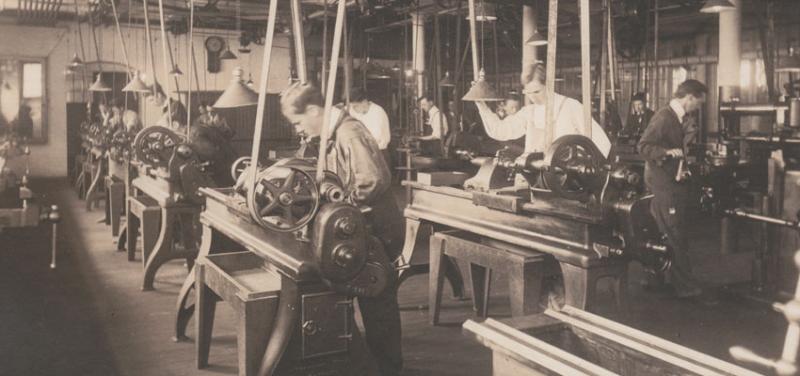
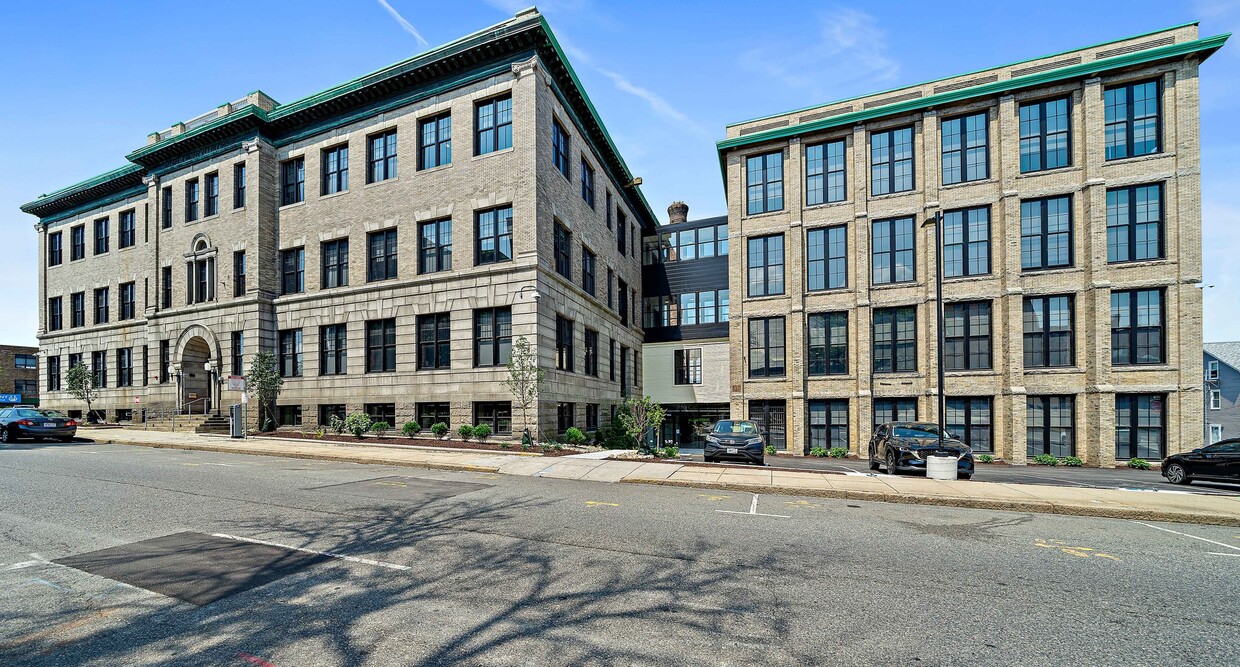
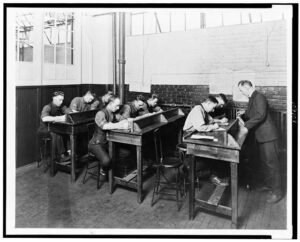
In the late 1800s, Fall River, Massachusetts, had become one of the country’s leading textile regions in America and, by the turn of the century, housed more than 1 million spindles in operation, second in the world to only Manchester, England. Originally known as the Bradford Durfee Textile School, the facility opened its doors in 1904 to provide advanced courses in textile manufacturing and chemistry to educate the rapidly growing population of local mill workers.

The school was named by the school’s original landowner, Miss Sarah S. Brayton, a descendant of local textile industry pioneer and Civil War veteran Maj. Bradford Dufree. Classes initially offered included advanced designing, electrical laboratory, motor testing, hand warping, loom, mechanical drawing, and machine shop.

The school expanded over the years and started to offer additional courses of study, eventually gaining the ability to award Bachelor’s degrees. At that point, the school’s name was changed to the Bradford Durfee College of Technology. In 1960, it merged with a neighboring technical institute to form the Southeastern Massachusetts Technological Institute and, in 1991, was acquired and merged with several branches of the University of Massachusetts to become UMass Dartmouth, vacating the building in the transition. A local community college briefly took over some of the space for classes but left nearly 20 years ago. The building has since sat vacant, awaiting a new use.

Revitalization

Creative Campus

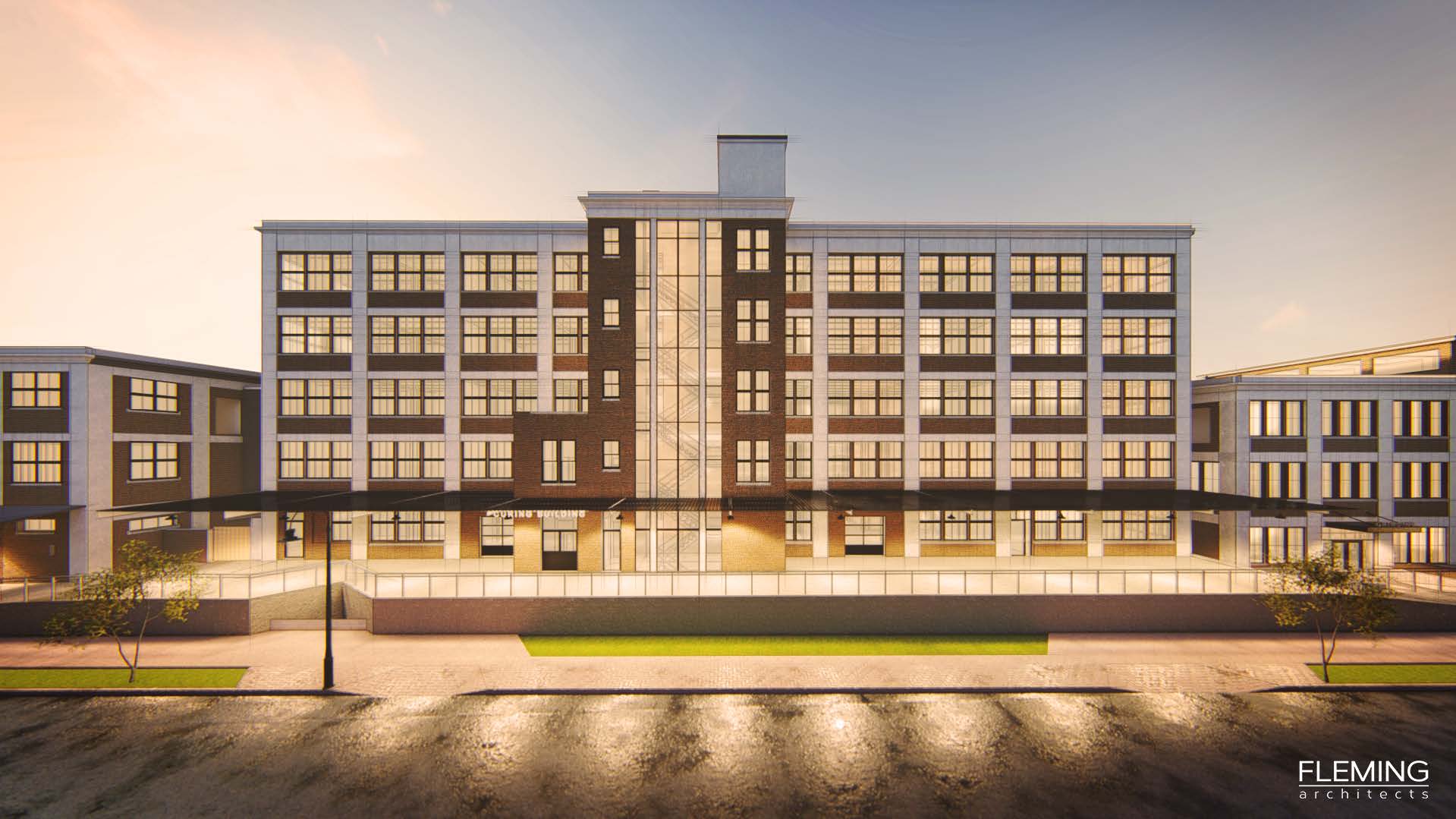
The 74,000 square foot, five-building campus will soon become the Creative Class Lofts and provide 44 market-rate apartments, 11 affordable apartments for practicing artists, and 23,345 square feet of commercial, community, and retail space.

Anchoring the commercial portion of the building will be the Spectrum Empowerment Project and the Youth Musical Theater Corporation (YMTC). Spectrum provides autistic adults with an alternate path to college and employment through economic independence, social growth, and creative expression. YMTC is a nonprofit, all-volunteer organization that provides young people with the opportunity to participate in theatrical experiences and produces two Broadway-style musicals each year. The building will also include a 170-seat event space/black box theater to support these groups, as well as an art gallery open to the public.

Groundwork, a Massachusetts-based coworking space provider, will be opening a new site within Creative Class Lofts after celebrating five years of successful growth in their New Bedford location. The Groundwork space will provide coworking memberships and support several local businesses, including Entrepreneurship for All (“E for All”), a year-long small business incubation program.

Community & Economic Impact

Building a Community

The project received an impressive level of community support through the development process and a variety of public funding designed for economic and residential expansion. The development team received letters of support from both Mayor Jasiel Correia II and the Massachusetts Department of Housing and Community Development.

In addition to below-market-rate leases, the larger, revitalized space will allow the commercial tenants to expand their programming to support more community members. Groundwork will provide affordable membership rates to an estimated 400 annual users and host job training programs as part of its partnership with the MassHire Bristol Workforce Investment Board.

Additionally, it will support Entrepreneurship for All (“E for All”), a year-long small business incubation program that will provide 30 entrepreneurs a year—predominantly women, minorities, and immigrants— with the opportunity to move their businesses forward.

The larger space and new theater will enable both the Spectrum Empowerment Project and YMTC to greatly develop and expand their

community programming. With a dedicated theater at their disposal, YMTC plans to add 4 additional performances to their annual calendar, growing their audience to 800 people annually. Additionally, the new location’s proximity to the Fall River District Court will allow Spectrum’s Employ Workforce Integration program, which provides job training for adults on the spectrum, to develop a new Paralegal Assistant program. The project will also create affordable housing for practicing artists (those earning 60% AMI or less), who typically have been pioneers in creating vibrancy in blighted neighborhoods. The project is a significant part of the city’s “Downtown Urban Renewal Plan.” In 2007, the city created an Arts Overlay District to promote the expansion of art and culture, encourage art uses, and enhance the vitality of the central business district by fostering a mix of housing and art-related uses. This project will be the “mix of housing and art-related uses,” which has been so elusive to the community.

The revitalization of the historic building will create an estimated 126 quality construction jobs, 72% of which are accessible to underserved individuals. Once complete, the building’s tenants will create an estimated 46 permanent jobs.

Theater Programming

Will grow audience to 800 annually

Entrepreneurship for All

30 participants annually

Housing for Artists

Part of city’s Downtown Renewal Plan

Groundwork Coworking

400 affordable memberships

Job Creation

46 full time jobs created

NTCIC & Progress

Financing the Project

The $20.7 million project was financed in part with $2 million in New Markets Tax Credit (NMTC) allocation from NTCIC’s Irvin Henderson Main Street Revitalization Fund. Additionally, NTCIC’s invested in the $3.77 million in federal Historic Tax Credits (HTC)

and $4.3 million in state HTCs generated by the project. Additional financing included funds from the Massachusetts Housing Development Incentive Program (HDIP) and additional state and federal programs including the HOME Program.

Want to Discuss Your Next Project? Talk With Our Team Today.

We bring clear insight, deep experience, and strategic focus to every project, whether you're structuring complex capital or shaping long-term, legacy-driven development.

Name(Required)
Want to Discuss Your Next Project? Talk With Our Team Today.

New Markets Tax Credits

$1.7 Million

Total Project Cost

$6.7 Million

Project Partner

Jubilee Baltimore

Impact

Arts Education, Support, & Access

History

Auto Shop & Dance Academy

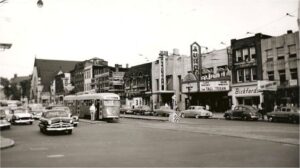
Built in 1909, the historic Odell Building at 21 North Avenue was one of the first, if not the first, commercial buildings located on what is now known as North Avenue in Baltimore City, Maryland. During the mid-1800s, Taney Place was an upper-class residential boulevard of many free-standing estates and large rowhouses. The street began to transition to more high-end commercial use with the construction of 21 North Avenue, which housed the Auto Outing Company, a luxury Buick sales and service station, and Tuttle’s Dancing Academy. Generations of Baltimore’s upper-class took lessons at this academy, including Wallis Simpson, the Duchess of Windsor.

During the 1920s, the street became fully commercial and catered almost exclusively to wealthy patrons. During this time, the founder of Auto Outing Company, JM Robbins, changed the business name to Robbins Buick, to reflect an increased focus on car sales. This period was short-lived and came to an end with the Great Depression of 1929. Robbins Buick closed its doors in 1932, but the ballroom remained.

As the country recovered through the 1940s, the area around North Avenue shifted to serve the growing middle-class community and became a major point of connection for the city’s eastern and western residential areas. With excellent streetcar services, North Avenue became a social and entertainment center for Baltimore’s younger population, and the building became the social landmark. From the 1950s through the building’s vacancy in 1992, the building housed several famous nightclubs and venues, the most iconic of which being Odell’s. Opened in 1976, Odell’s was Baltimore’s premier disco venue through the 1980s and is often cited as the birthplace of Baltimore Club Music. Since the club’s closing in 1992, the building has sat vacant and waiting for revitalization.

An Inovative Campus
Revitalization Efforts

An Inovative Campus

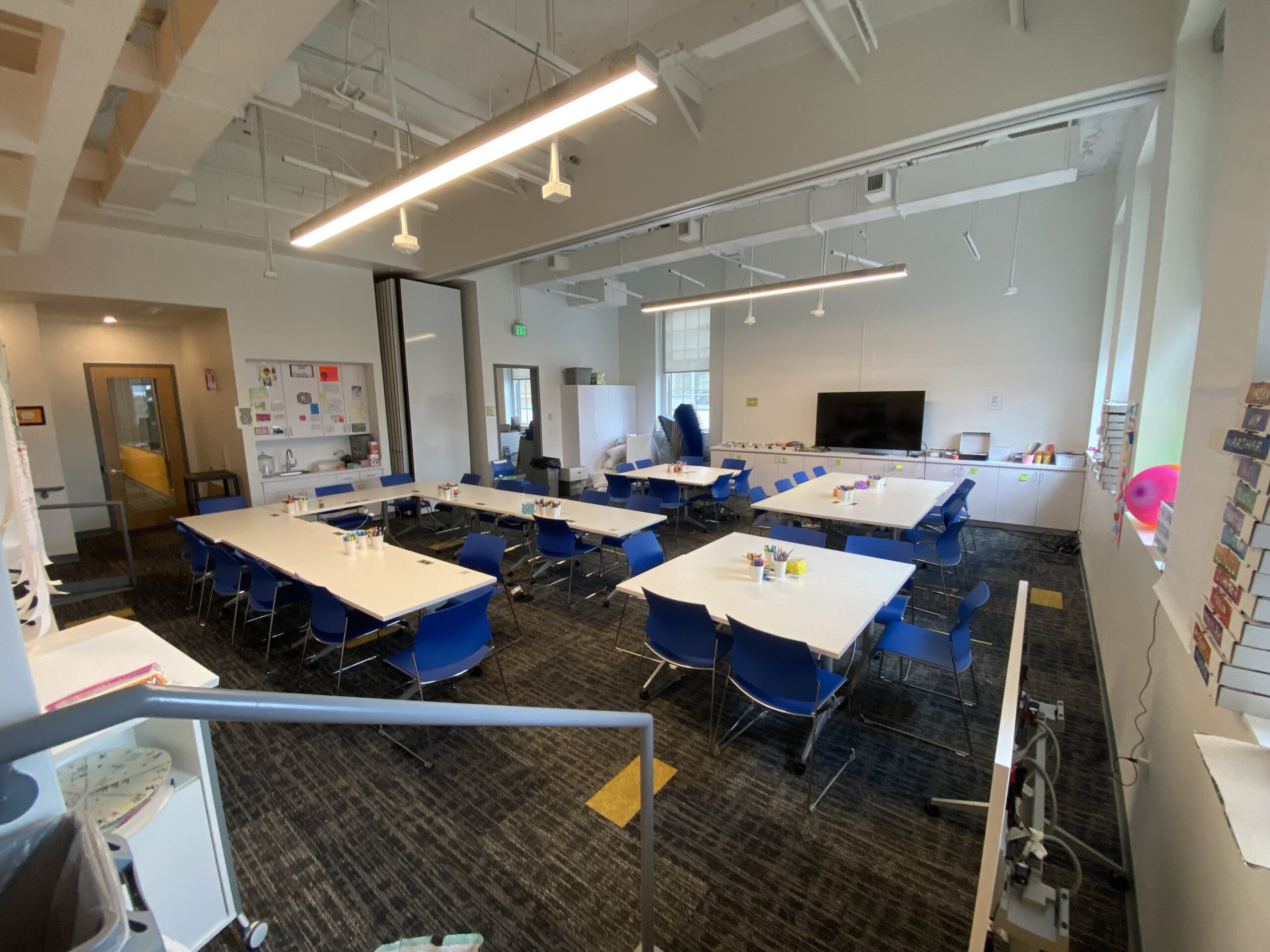
The redevelopment of the historic Odell building into the North Avenue Educational Hub will reactivate the 18,000 square foot landmark and become a new home to two Baltimore-based nonprofit organizations dedicated to enriching the lives of students.

A Neighborhood Landmark Revived

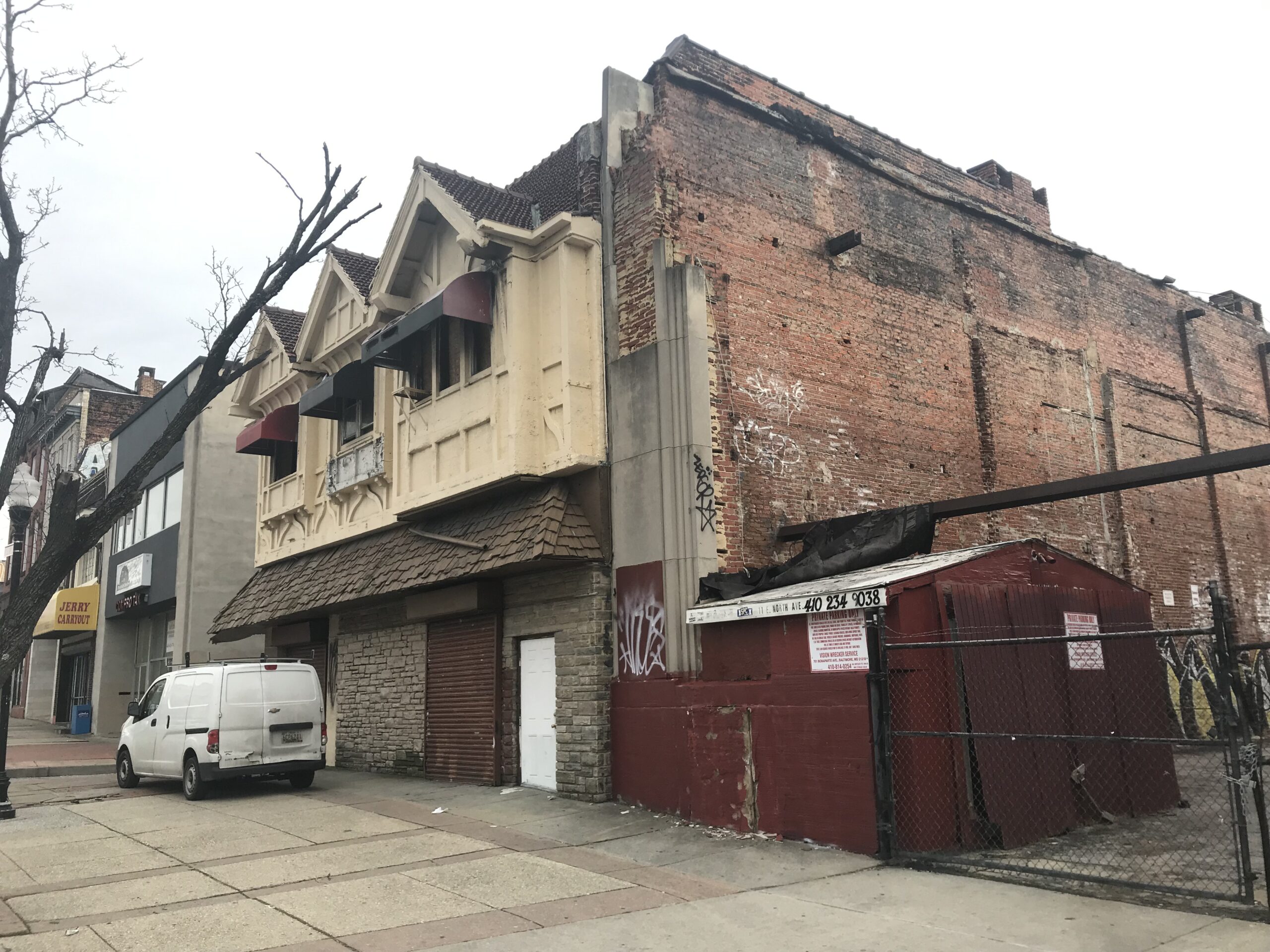
BEFORE

Vacant and Neglected

Since Odell’s closing in 1992, the historic structure sat vacant, ready to be revitalized.

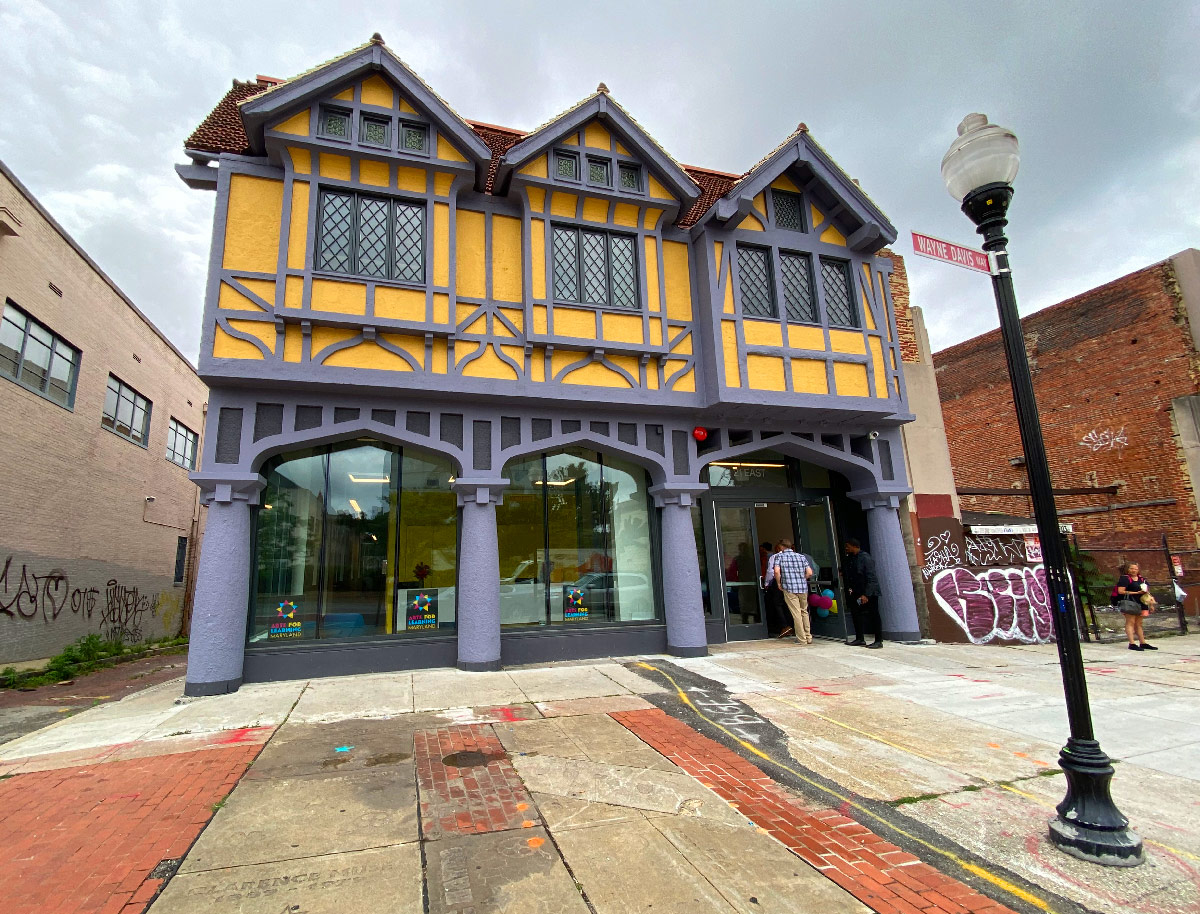
AFTER

Reactivated for the Community

After its renovation, the historic building is now alive again, hosting two non-profits dedicated to serving the community

Community & Economic Impact

Community and Culture

The revitalization of this historic building, led by the nonprofit development organization Jubilee Baltimore, created positive community outcomes from the moment the first brick was laid. The construction team created roughly 57 full-time equivalent (FTE) jobs, all paying the Maryland Prevailing Wage (or higher). Additionally, the construction team worked with Project Jumpstart, a 14-week construction training program, to provide employment and training opportunities for Baltimore residents. Upon its completion, the expanded space and lower rents enabled both non-profit

organizations to hire additional employees, expand their training programs and help more children in Baltimore. In total, the project created and retained 62 permanent jobs, all of which pay a living wage (or higher), and provide healthcare, paid leave, retirement benefits, job training, and opportunities for advancement. The large space for Code in the Schools helped roughly 50 students gain access to computer science education courses on-site every day during the school year.

NTCIC & Progress

Financing the Project

The project financing was made possible, in part, the $1.7 million New Markets Tax Credit allocation, provided by NTCIC’s Irvin Henderson Main Street Revitalization Fund. This innovative use of the New Markets Tax Credit supports historic preservation efforts in Main Street communities that are of a development cost that may preclude them from some federal incentive programs. The project also utilized state and federal Historic Tax Credits, provided by additional funding partners.

Want to Discuss Your Next Project? Talk With Our Team Today.

We bring clear insight, deep experience, and strategic focus to every project, whether you're structuring complex capital or shaping long-term, legacy-driven development.

Name(Required)
Want to Discuss Your Next Project? Talk With Our Team Today.

Federal Historic Tax Credits

$41 Million

New Markets Tax Credits

$12.5 Million

Total Project Cost

$280 Million

Project Partner

Ancora Partners

Impact

Job Creation, Healthcare Access, and more.

History

General Electric Complex

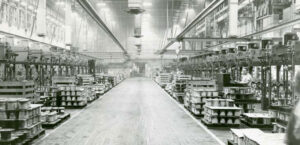
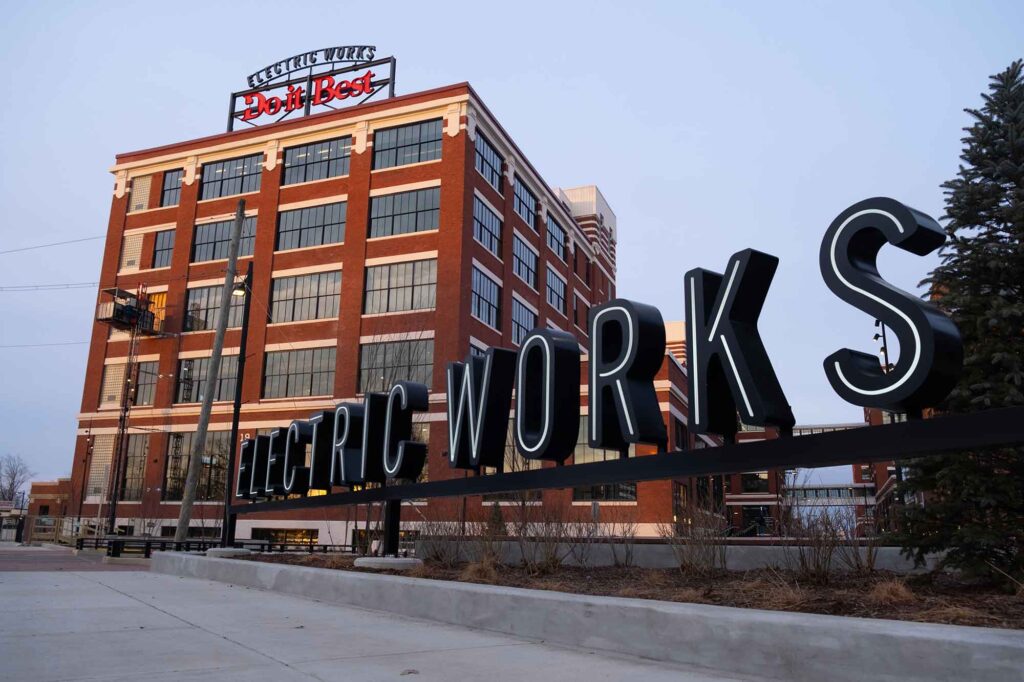
The historic General Electric complex and its contribution to the community began in 1881 with the establishment of the Fort Wayne Electric Company. After meeting with the inventor of one of the earliest variations of arc lighting, local entrepreneur Ranald Macdonald established the Fort Wayne electric company to manufacture and sell the Jenney arc lighting system for Indiana and four other states. Within four years, the Fort Wayne Electric Works had grown from a start-up enterprise to a successful and growing business. By 1892, Fort Wayne Electric caught the eye of and was acquired by the General Electric (GE) company, one of the three largest electrical companies in the country at the time.

Upon taking control of the Fort Wayne Electric Works, General Electric invested heavily in expanding its operations in Fort Wayne. Through World War I and into the heady economic years of the 1920s, the company continued to grow exponentially. The company was at the forefront of the rise of electrical streetcar systems and the leader of electrical consumer appliances. As America electrified, General Electric grew rapidly. By the mid-1940s, the complex supported more than 20,000 employees.

However, through these decades, GE’s national footprint continued to expand and its prioritization of the Fort Wayne location began to diminish. By the 1950s, the Fort Wayne location was no longer the epicenter of GE’s key business. Over the ensuing years, production and employment levels at the Broadway campus dropped consistently and at times significantly as GE shifted production to newer, more efficient factories with cheaper and typically non-union workforces. Thus beginning in the Post-World War II years, the Broadway campus no longer served as a singular symbol of Fort Wayne’s industrial-strength, but rather one of many GE assets to be managed by GE’s corporate headquarters in Schenectady, New York. The company permanently closed the 39-acre complex in 2015 and it was acquired in 2017 for redevelopment by a partnership led by Durham-based Ancora Partners.

An Inovative Campus
Revitalization Efforts

An Inovative Campus

The first phase of the project will transform 10 historic manufacturing buildings and the construction of one additional building on the western portion of the former General Electric campus into a lively 730,000+ square-foot innovation district. It is part of a greater redevelopment plan for the entire General Electric campus which includes 18 historic buildings and more than 1.2 million square feet of space for office, education, retail, residential, hospitality, and entertainment uses. The subsequent East Campus project includes the redevelopment of eight historic buildings, as well as a significant new construction component that will be a mix of affordable housing and hospitality.

Community & Economic Impact

Community and Culture

The massive revitalization efforts of the 12-acre west campus will ultimately create and support approximately 2,000 accessible construction-related jobs, a majority of which will be union and pay a living wage. Once complete, the variety of commercial tenants will help grow and attract new and existing businesses to the area and support over 1,500 permanent jobs.

The first phase of Electric Works – West Campus – is expected to generate nearly $300 million in economic impact to the local region. When the West Campus opens in 2022, it is estimated to generate almost $400 million in annual economic impact.

One of the largest healthcare providers in Indiana will operate the primary care clinic and pharmacy providing services to 15,000 patients annually for the medically underserved population, of which

at least 3,000 Medicaid patients annually. Fort Wayne STEAM high school, a new sciences-oriented community school, will utilize 26,000 square feet to prepare over 300 low-income students for both college and the workforce.

The project will also provide space for the relocation of two local non-profit farmers’ markets to expand the number of vendors and the number of market days.

Do It Best Headquarters, the anchor tenant, is a member-owned hardware, lumber, and building materials cooperative. The space at the project will allow Do It Best to retain 432 quality jobs in Fort Wayne and expand operations creating an additional 88 quality jobs. Approximately 25% of Do It Best jobs are accessible by requiring no more than a high-school diploma or equivalent.

Job Creation

2,000 construction and 1,500 permanent jobs

Healthcare Access

15,000 patients annually

Do It Best HQ

Add 88 quality jobs

Both Campuses

Expected to generate $700 million

NTCIC & Progress

Financing the Project

The $286 million public-private partnership was financed with a diverse capital stack, including NTCIC’s investment in the $41 million federal HTCs generated by the project. This HTC investment was funded in partnership with two of NTCIC’s federal HTC investors including the recently-launched Climate Impact and Revitalization

Fund. Financing also included $51 million in NMTC allocation from five different Community Development Entities, including $12.5 million from NTCIC. Additional public and private financing sources included $60 million in state tax credits, bond financing from the City of Fort Wayne, and $22 million of LP capital.

Want to Discuss Your Next Project? Talk With Our Team Today.

We bring clear insight, deep experience, and strategic focus to every project, whether you're structuring complex capital or shaping long-term, legacy-driven development.

Name(Required)
Want to Discuss Your Next Project? Talk With Our Team Today.

Program

Irvin Henderson Main Street Revitalization Fund

New Markets Tax Credits

$3.25 Million

Total Project Cost

$4.7 Million

Project Partner

The Field School

Impact

Education Access

Field School Exterior
History

A Historic West Chicago School

Built in 1907, the Francis Scott Key Public School served Chicago’s South Austin neighborhood for more than a century. Designed by Dwight Perkins, then chief architect for Chicago Public Schools, the building originally accommodated 300 students in kindergarten through eighth grade. Enrollment surged to nearly 800 by the late 1960s, creating overcrowded conditions that persisted for decades. Teachers’ lounges and even closets were converted into classrooms to meet demand.

As new charter schools opened in the early 2000s, enrollment declined sharply. In 2013, the Chicago Board of Education closed 49 schools, including Key, the largest single wave of school closures in U.S. history. Vacant for nearly a decade, a new chapter began for the building in 2017.

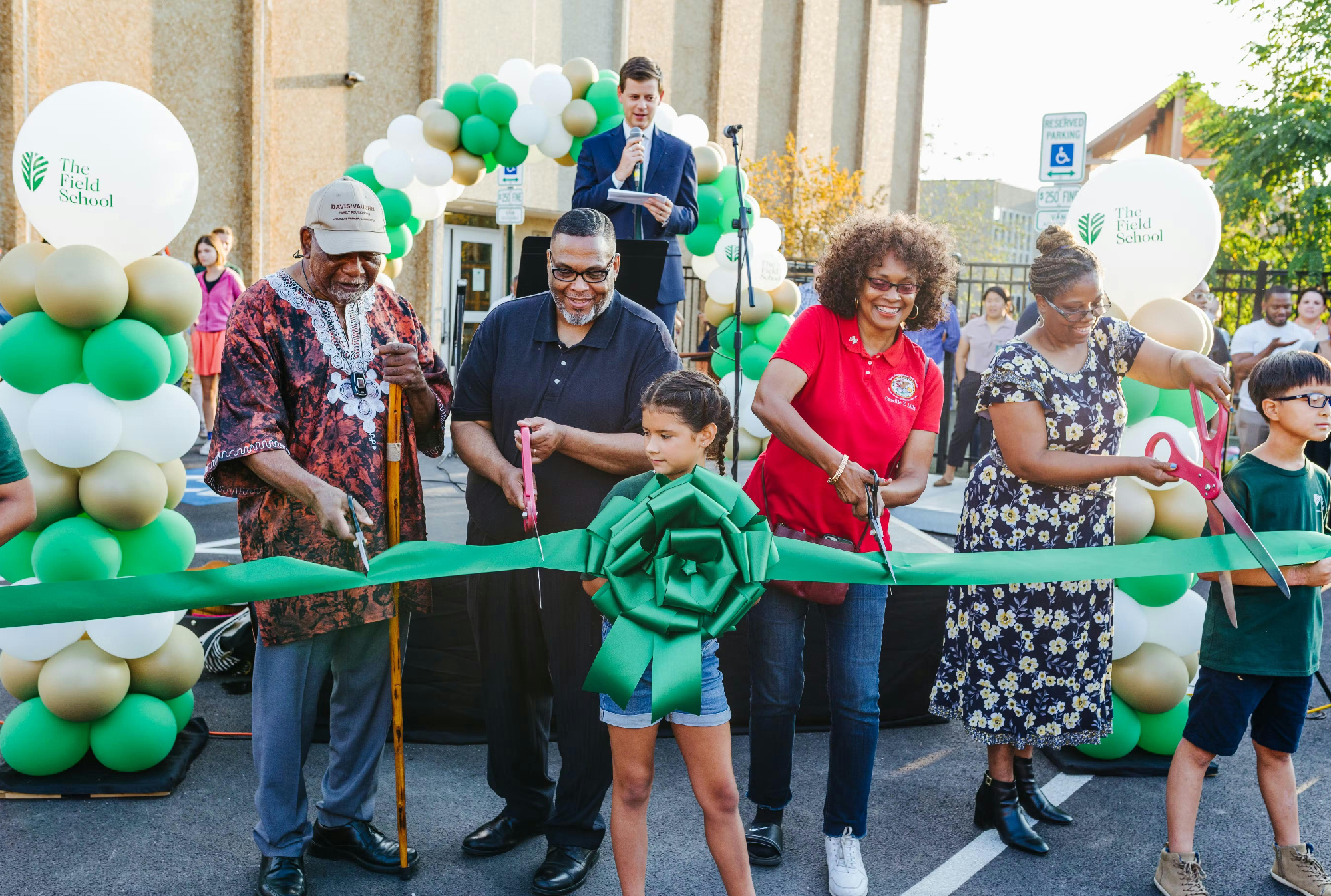
Grand Opening of the Field School in Chicago
Revitalization Efforts

New Educational Opportunity in Chicago

Completed in 2023, the former Key School annex now serves as the new home of The Field School, an independent elementary school founded in 2017 to meet the needs of low-income students on Chicago’s West Side.

Moving from its rented Oak Park space, the school purchased the historic Key School buildings to expand enrollment from 150 to 400. This revitalization preserves the building’s character while creating modern, community-centered learning spaces.

The revitalization efforts have helped the students and community of Chicago’s South Austin neighborhood in the following ways:

Community Impact

Transforming Lives Through Learning

The Field School has moved from its rented church space into the revitalized Key School building, creating room to grow beyond its previous 150-student limit. With the new facility, enrollment can increase by up to 240 students, and with the second phase complete, the school has capacity for 400 students. This expansion ensures long-term stability and provides modern learning spaces for families on Chicago’s West Side.

Relocating from the more affluent Oak Park neighborhood to South Austin allows the Field School to better fulfill its mission of serving children who lack equitable access to quality education. At least half of the school’s seats are reserved for families from low-income homes. Currently, 25% of students come from extremely low-income households earning less than $30,000 annually, and the school aims to raise that figure to 30% or more.

Increased Enrollment

The larger facility will support a capacity of 400 students.

Low-Income Community Support

25% low-income student base with a goal of 30%

Educational Access

Students no longer need to commute out of the neighborhood for high-quality education.

NTCIC & Progress

Financing the Project

NTCIC provided critical financing through a $3.25 million New Markets Tax Credit (NMTC) allocation from its Irvin Henderson Main Street Revitalization Fund. This support made the acquisition and rehabilitation of the historic Key School building possible in the time required in their bid to the city for the building, ensuring the Field School could relocate and expand without significant delays.

The $4.7 million project leveraged NMTC financing alongside millions in fundraising by the Field School. This investment reduced the school’s fundraising burden and allowed construction to be completed on schedule, creating modern educational spaces that serve the South Austin neighborhood and support long-term community revitalization.

Want to Discuss Your Next Project? Talk With Our Team Today.

We bring clear insight, deep experience, and strategic focus to every project, whether you're structuring complex capital or shaping long-term, legacy-driven development.

Name(Required)
Grand Opening of the Field School in Chicago

Federal Historic Tax Credits

$11.9 Million

New Markets Tax Credits

$12.5 Million

Total Project Cost

$58.9 Million

Project Partner

Community Collaboration

Impact

Affordable Housing, Job Creation, and more

History

American Snuff Company

The history of the American Snuff Company can be traced back to 1782 with the founding of Garrett Scotch Snuff, one of the earliest producers of the smokeless tobacco product in the country and one of the first 10 patents to be issued in America. In 1900, Garrett Scotch merged with several major tobacco empires of the time, to form the first iteration of the American Snuff Company. This merger, however, created a monopoly on tobacco products and was divided into three separate companies in 1907.

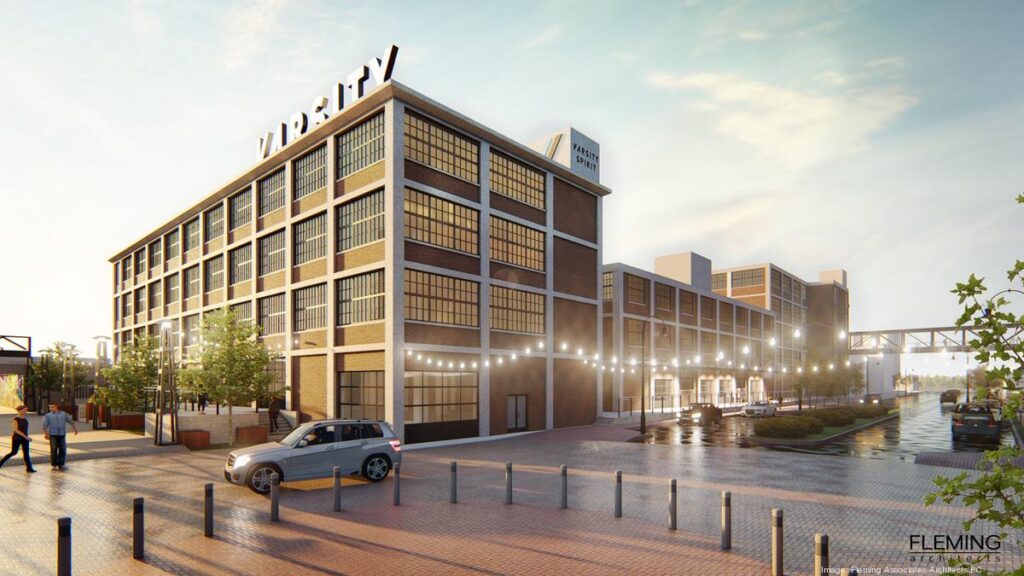
The new American Snuff Company, under the management of Martin J. Condon Sr., a former Mayor of Knoxville, constructed the Memphis warehouse in 1912 to house the production, packaging, and distribution of their snuff products. Condon chose the Memphis location due to its proximity to a high-quality dark-fired tobacco farming region known as the ‘Black Patch,’ as well as its central location and well-connected rail hub.

The American Snuff Company prospered under Condon’s direction through the 1930s. The Wall Street Journal called the American Snuff Company “depression proof,” after a decision to broaden product lines to include sweet-flavored snuff resulted in higher sales than the company’s pre-depression years. During this period the Memphis plant was featured heavily in the company’s advertising campaigns as well as those for the city of Memphis.
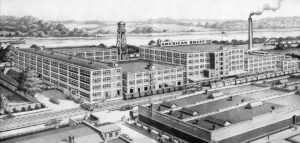
During the 1940s and 1950s, women comprised a majority of the American Snuff staff, many of which were members of the growing labor union movements of the time, such as the Congress of Industrial Organizations. The Memphis warehouse was the site of a major union strike in 1950 when 324 workers staged a 185-day strike in demand of better pay and working conditions. The walkout and strike resulted in workers getting a $.05 raise, dues check-offs from paychecks, and a new recreation room in the warehouse.

By 1955, the American Snuff Company was the second largest snuff manufacturer in the US employing 500 at the Memphis plant. Condon was eventually succeeded by James E. Harwood, a long-time employee of the Nashville factory. In 1965, the firm’s name was changed to Conwood Corp., a combination of his and the former president’s last name. Reynolds American acquired the Conwood Corp in mid-2006 for $3.5 billion in cash. It now generates nearly 7% of Reynolds American’s annual revenue. They used the Keel Avenue facility until 2012 when they sold the property.


Community Impact

Revitalizing Memphis

The revitalization of the Uptown community has been a focus of the City of Memphis since 2000 when the first HOPE VI grants were awarded to several projects located only a few blocks from the warehouse. However, due in part to the economic recession in the late 2000s, the community remains severely distressed and underinvested.

In 2018, the city engaged stakeholders to help create the Memphis Uptown Community Plan, with goals that included creating neighborhoods with a mix of incomes and ages, protecting affordability for long-term residents, and promoting the development of vibrant community anchors. The American Snuff Factory is identified as a key catalyst for these plans, through its creation of mixed-income housing and by providing commercial space that is compatible with the surrounding neighborhood and offers employment opportunities for area residents. The revitalization of the historic warehouse will

create anestimated 148 construction jobs, all of which will pay a living wage or higher. Many of these positions will be union eligible, readily available to people who face job barriers, and will be open to members of the surrounding community. A minimum of 25% of the construction contracts will be awarded to minority- and women-owned business enterprises.

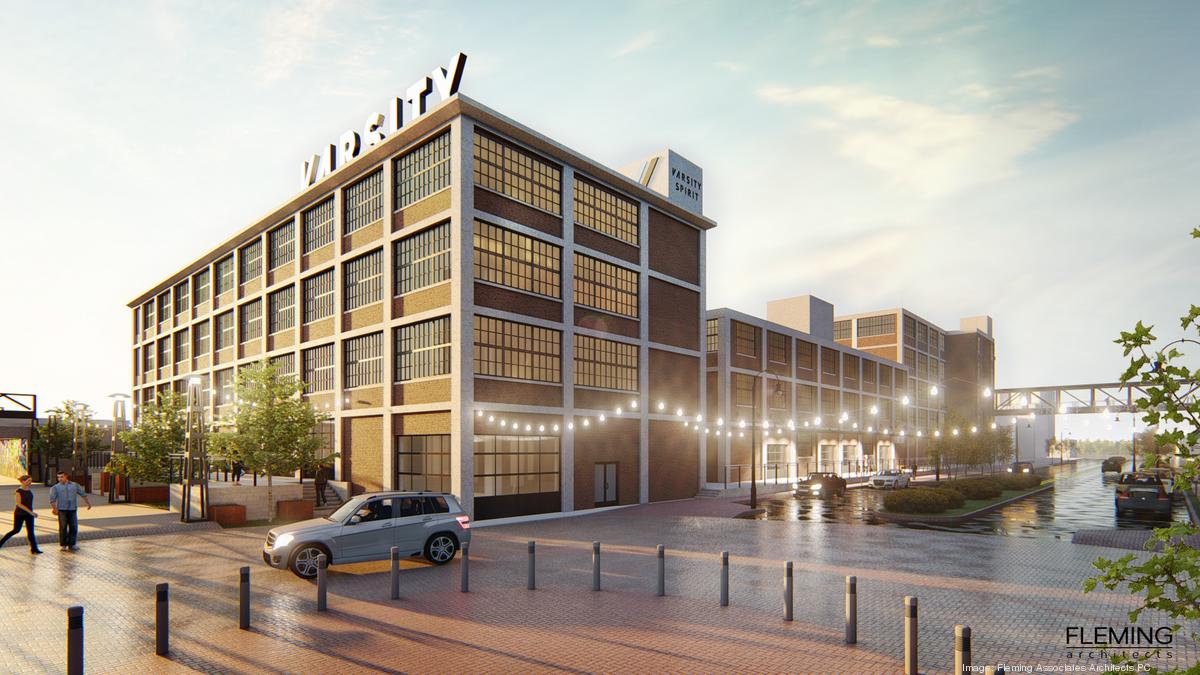
NTCIC’s New Markets Tax Credit (NMTC) investment will allow the revitalized residential space to include at least 31 units that will be income and rent-restricted to community members earning 80% or below the area median income. It will also support reduced rental rates for the Varsity Spirit, which in turn will enable them to add 50 additional jobs and provide additional training opportunities for new and existing employees.

Construction Jobs

148 construction jobs

Affordable Housing

31+ units of affordable housing

Job Creation

55+ jobs created

Neighborhood Impact

With input from the community

NTCIC & Progress

Project Financing

The $58.8 million project was made possible in part by $12.5 million in NMTC allocation provided by NTCIC, as well as an investment from NTCIC’s Community Impact and Revitalization Fund to support the $10.8 million in federal Historic Tax Credits (HTC) generated by the project. Additional project financing also included over $8.8 million in Opportunity Zone fund equity.

NTCIC’s CIRF fund directly invests in the adaptive reuse of historic properties across a wide range of asset classes, including mixed-use/mixed-income housing, hospitality, community facility, and commercial developments that create jobs, provide needed community services, and revitalize our nation’s historic assets.

Check Out Similar Projects Here

Browse all projects

Want to Discuss Your Next Project? Talk With Our Team Today.

We bring clear insight, deep experience, and strategic focus to every project—whether you're structuring complex capital or shaping long-term, legacy-driven development.

Name(Required)
Want to Discuss Your Next Project? Talk With Our Team Today.

Program

Irvin Henderson Main Street Revitalization Fund

New Markets Tax Credits

$1.75 Million

Total Project Cost

$8.5 Million

Project Partner

Westminster Economic Development Initiative, Inc. (WEDi)

Impact

Small Business Support

Prohibition Roots, Modern Revival
History

Prohibition Roots, Modern Revival

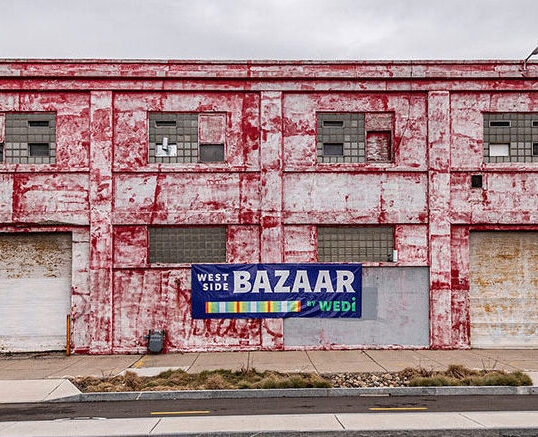
The former Illinois Alcohol Company Building at 1432 Niagara Street in Buffalo was constructed in 1920 to serve as the Bison City Storage Company warehouse. However, the building’s design proved well suited for an illegal bootlegging ring led by the Illinois Alcohol Company during the Prohibition Era from 1925 to 1929. Taking advantage of the privacy provided by the building’s non-descript appearance, the Illinois Alcohol Company conducted an extensive bootlegging operation in the building for several years.

Once authorities discovered this illegal operation, the building was taken over and occupied by the Niagara Filter Corporation, continuing its affiliation with the brewing industry. This company initially produced non-alcoholic beer but switched to the production of brewing equipment when Prohibition laws were lifted in 1933. It remained in operation through the 1950s and was used for various purposes over the years before eventually falling into underutilization and disrepair.

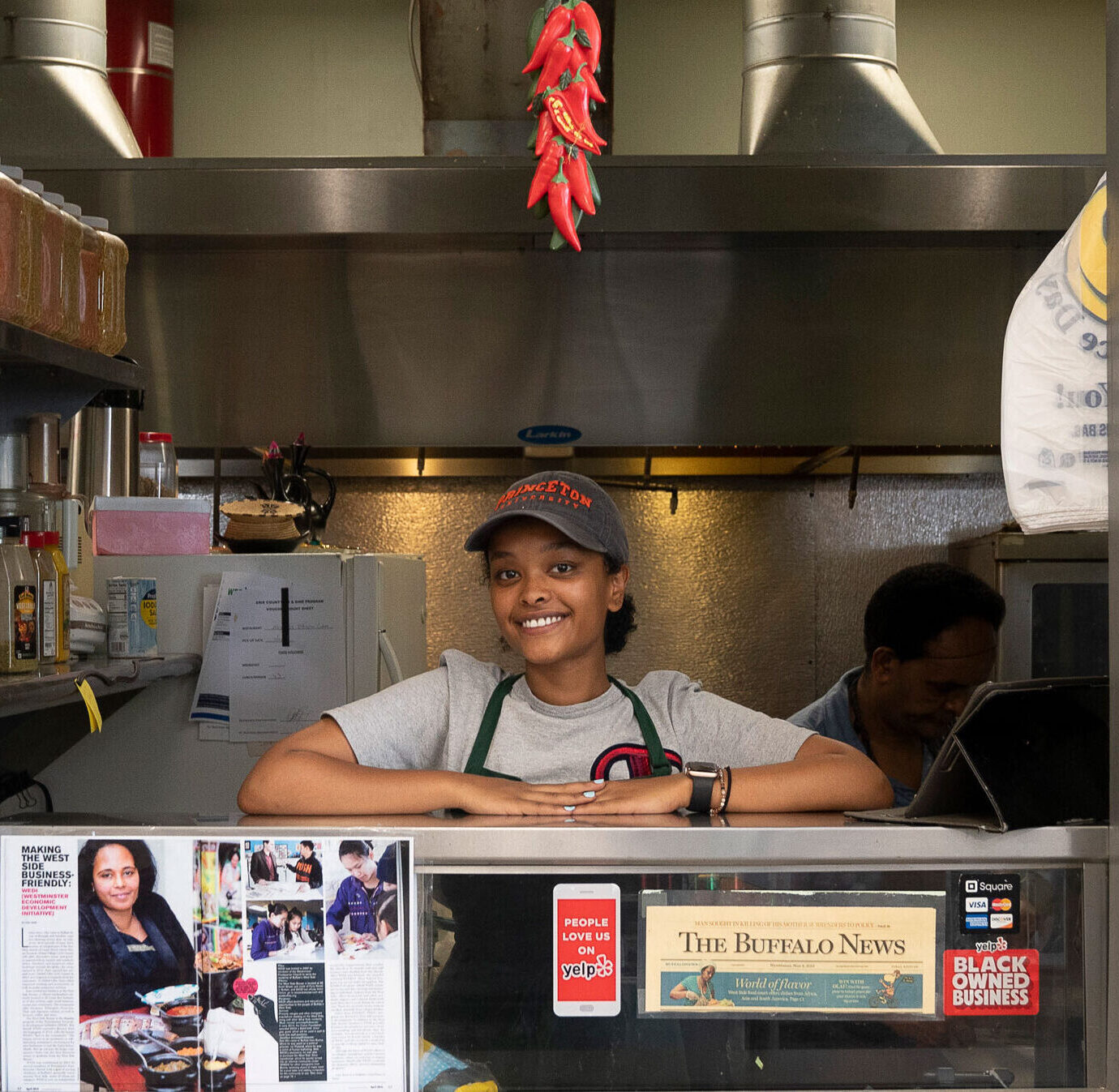
An Ethiopian restaurant startup supported at the Westside Bazaar in Buffalo, NY - a New Markets Tax Credit Investment by NTCIC
Revitalization Efforts

A Growing Community Market

The West Side Bazaar, created by WEDI in 2011, is a food and retail business incubator supporting entrepreneurs who lack access to traditional financing. Having outgrown its 3,200-square-foot space and facing a waiting list of over 120 entrepreneurs, the Bazaar relocated to the revitalized Illinois Alcohol Company Building.

This expansion provided more room, new resources, and flexible spaces, enabling the Bazaar to serve more customers, host community events, and strengthen its role as a multicultural hub. The move ensured long-term growth and sustainability for diverse small businesses.

Community Impact

Community, Culture, and Growth

The historic Illinois Alcohol Company Building revitalization will support an estimated 190 construction jobs, nearly all of which will pay a living wage or higher. Once complete, the expanded West Side Bazaar will create and retain 42 accessible jobs and support 60% more businesses annually, growing from 12 tenant spaces to 23 tenant spaces annually.

The larger community spaces will provide access to hard-to-find food and other items important to immigrant cultures to an estimated 120,000 customers annually. Over a five-year period, the Bazaar can be expected to add nearly $34 million to the regional economy, with less than 30% attributed to one-time construction expenditures.

Job Creation

232 construction and permanent full-time equivalent (FTE) positions created and retained.

New Business Support

Growing from 12 tenant spaces to 23 annually, a 60% increase.

Customer Support

The larger community space will support an estimated 120,000 customers annually.

Economic Growth

Adds nearly $34 million to the regional economy over a 5-year period.

NTCIC & Progress

Financing the Project

NTCIC’s $1.75 million New Markets Tax Credit (NMTC) allocation helped make the relocation and expansion of the Bazaar financially feasible and will allow the Bazaar to provide equitable incubation space for low-income and minority business owners through subsidized and scaled rental rates and will create affordable and accessible event and community space for the community. Additional financing was made possible through equity investments from Monarch Private Capital.

This project represents the eleventh and final investment supported by NTCIC’s current Irvin Henderson Main Street Revitalization Fund. This fund provides $2 – 4 million in innovative NMTCs for smaller-scale historic rehabilitation projects, maximizing the benefits of both credits within the transaction and helping offset the transaction costs by connecting projects to an experienced team of real estate professionals that understand the needs of small deal financing and provides the NMTC financing in a structure that has no origination or sponsor fees.

Want to Discuss Your Next Project? Talk With Our Team Today.

We bring clear insight, deep experience, and strategic focus to every project, whether you're structuring complex capital or shaping long-term, legacy-driven development.

Name(Required)
Want to Discuss Your Next Project? Talk With Our Team Today.

Historic Tax Credits

$3.8 Million
Federal HTCs

New Markets Tax Credits

$5.3 Million

Total Project Cost

$21.2 Million

Project Partner

Humanim, Inc.

Impact

Social Services, Workforce Development

A Baltimore Brewery
History

A Baltimore Brewery

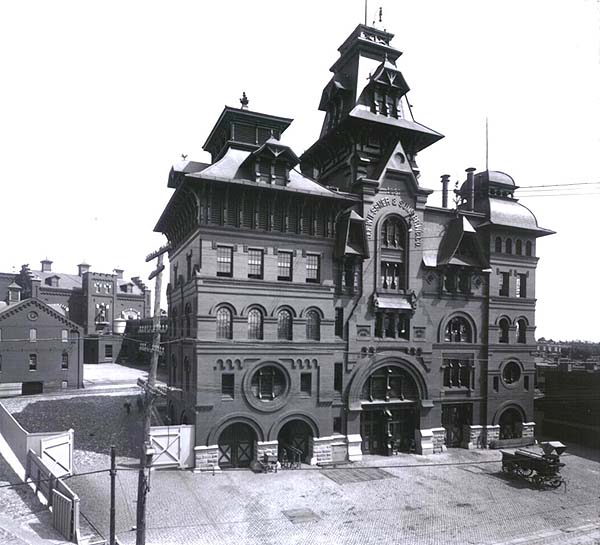
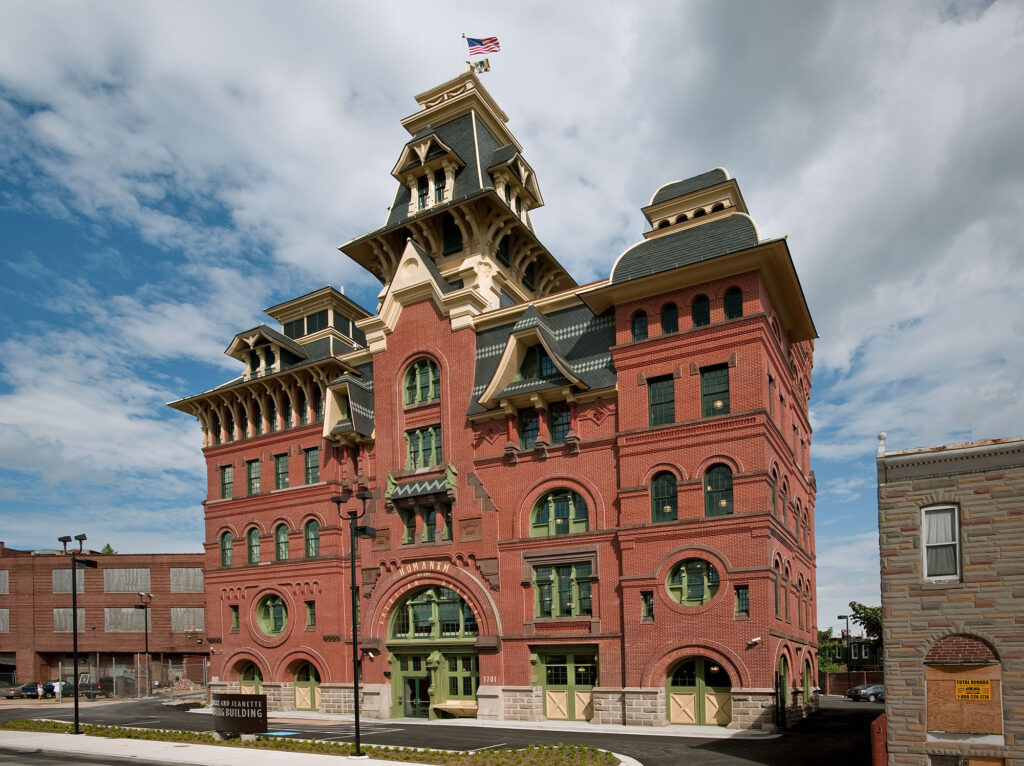
The five-story American Brewery Brewhouse building was built in 1887 in East Baltimore as part of a five-acre brewery complex. It operated as a brewhouse and beverage plant until its closing in 1973. The building and an adjacent bottling plant were donated to the City of Baltimore in 1977. After several failed redevelopment attempts by various entities, Streuver Brothers, Gotham Development, and Humanim were awarded the rights to develop both properties in 2005. Thanks to vision and dedication, the long-time vacant Brewhouse is now office and program space for Humanim, a 35-year old nonprofit social and human services provider.

A Beacon in the Midst of Blight
Revitalization Effort

A Beacon in the Midst of Blight

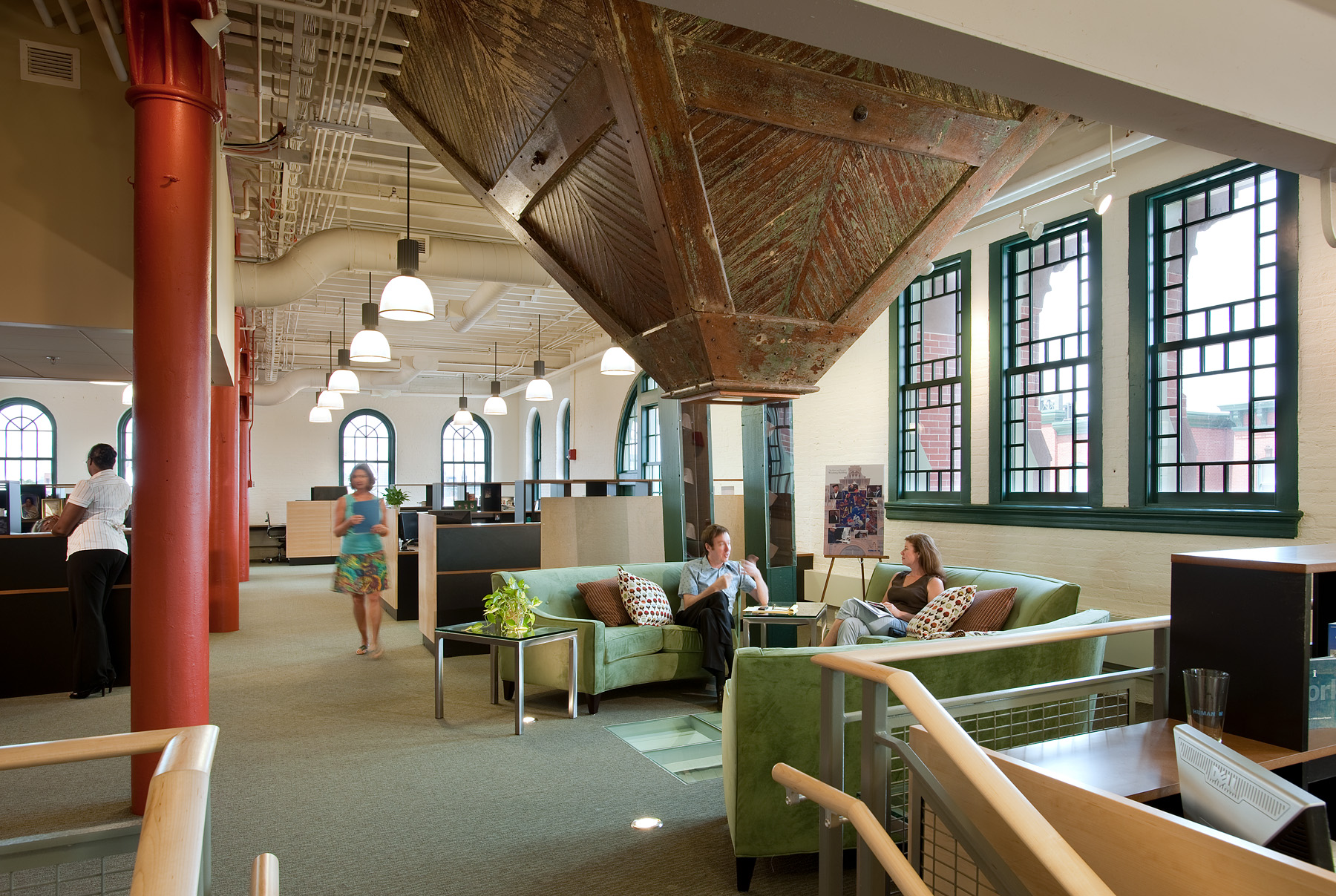
The reuse of the American Brewery Building is a huge boon for its Broadway East neighborhood – one characterized by poverty and a high degree of abandonment and blight. Roughly half the properties in the area are vacant or have been demolished. The building was in poor condition and necessitated an extensive, $24 million rehabilitation. Approximately 80% of the existing wood windows were retained and repaired, the west tower underwent substantial structural repair and interior reframing throughout the building was necessary. New electrical, plumbing, and mechanical systems were also installed. The rehabilitated Brewhouse enables Humanim to consolidate its operations and expand its existing employment and clinical service programs. These include services for individuals with developmental, emotional, neurological, and physical disabilities.

NTCIC & Progress

Impact & Financing

The project returns a building into a high-quality, high-character home for an established social services agency that provides workforce development services and job creation opportunities to a neighborhood desperate for economic revitalization. The surrounding census tract has a 51% poverty rate and an unemployment rate more than four times the national average. A rehabilitated American Brewery Building is a beacon of hope for continued economic

investment and revitalization in one of the most neglected and desperate areas of Baltimore.

NTCIC facilitated the investment in the $3.8 million of federal Historic Tax Credits generated by the $21.2 million historic revitalization efforts and provided $5.3 million in New Markets Tax Credit allocation to ensure the project’s success.


Connect with Us

Curious About How Historic Tax Credit Investments Drive Real Impact?

Kandi Jackson leads tax credit investment activities with deep expertise in project finance, equity structuring, and compliance. When you speak with Kandi, expect clarity, honesty, and a clear roadmap for how your next investment can work in your portfolio.

Connect with Kandi

Check Out Similar Projects Here

Browse all projects

Want to Discuss Your Next Project? Talk With Our Team Today.

We bring clear insight, deep experience, and strategic focus to every project—whether you're structuring complex capital or shaping long-term, legacy-driven development.

Name(Required)
Want to Discuss Your Next Project? Talk With Our Team Today.

Federal Historic Tax Credits

$12 Million

New Markets Tax Credits

$10 Million

Total Project Cost

$71 Million

Project Partner

Iron Stone Real Estate Partners

Impact

Education Access, Healthcare Access, and more

Founded by Quakers
History

Founded by Quakers

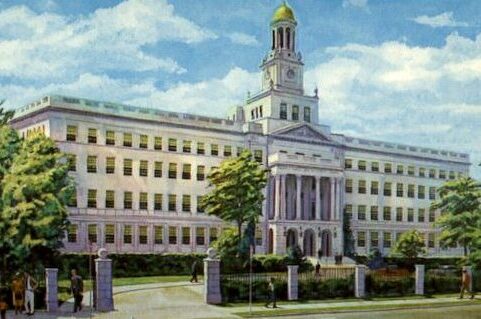
The Provident Life and Trust Company of Philadelphia was founded in 1865 by a group of Quakers, becoming one of the larger banking and insurance companies in the region. In the early 1920s, changes in state law required the separation of banking and insurance arms, creating a new company, Provident Mutual Life Insurance Company of Philadelphia. This new company picked a 12.5-acre parcel at 46th and Market, previously part of the sprawling campus of the Pennsylvania Hospital for the Insane, for a campus. After weathering a rocky decade in the 1930s, Provident Mutual grew steadily in the 40s and 50s, and by 1962, it had over 1,000 employees at its headquarters. Provident had finally outgrown its campus and decided to move back into downtown Philadelphia in 1983. The organization left Philadelphia in 1993.

A Campus of Community Resources
Revitalization Efforts

A Campus of Community Resources

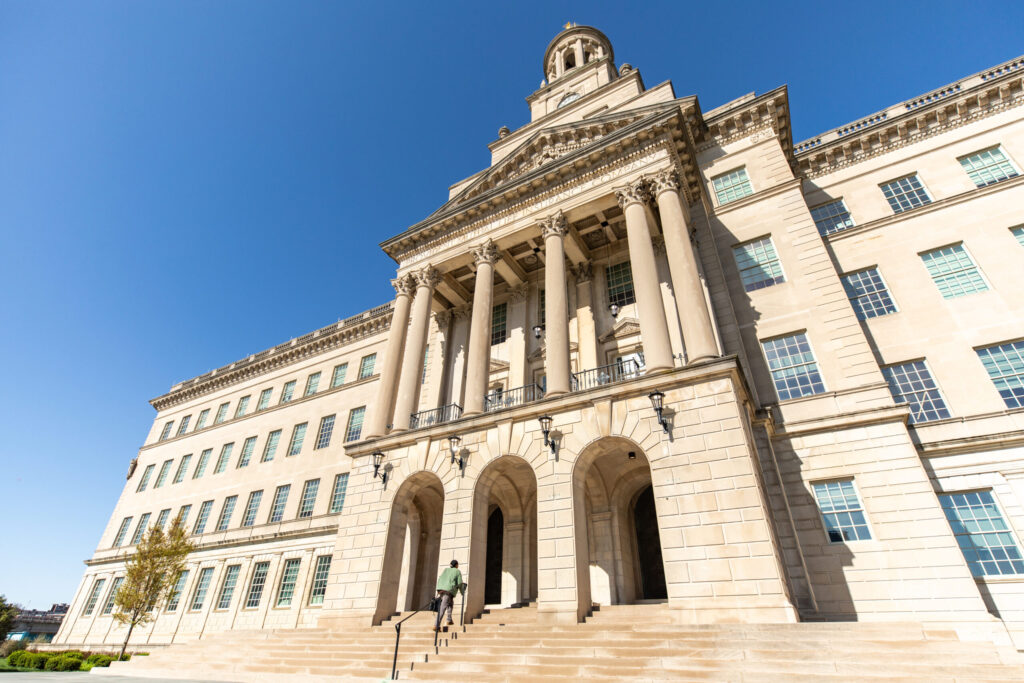
The historic Provident Mutual Life Insurance Company building was renovated into an integrated health campus that will provide outpatient pediatric and adult behavioral health services, a federally qualified health center, early childhood education, a workforce development program, and public community space. The buildings will be anchored by Public Health Management Corporation (PHMC), a nonprofit public health institute that builds healthier communities through partnerships with government, foundations, businesses, and community-based organizations. The restored campus will also become the new home of the Children’s Hospital of Philadelphia (CHOP), the nation’s first hospital devoted exclusively to the care of children.

Community Impact

A Hub for Healthcare

As the new homes for PHMC and CHOP, the Provident Health campus created over 150,000 square feet of direct healthcare space with specialized facilities dedicated to pediatric care. PHMC provides direct case management services to over 850 each year in their new facilities. The revitalized space also houses their Turning Points for Children program, which provides child welfare, family strengthening

and behavioral health services to more than 10,000 individuals each year. By moving to a larger space, CHOP was able to expand its pediatric outpatient behavioral health services, with over 35% of patients qualifying as low-income. The project supports over 1,100 jobs, 450 of which were newly created as a result of the revitalization effort.

NTCIC & Progress

Project Financing

NTCIC facilitated the investment in the $12 million of federal Historic Tax Credits generated by the $71 million historic revitalization efforts and provided $10 million in New Markets Tax Credit allocation to ensure the project’s success.

Want to Discuss Your Next Project? Talk With Our Team Today.

We bring clear insight, deep experience, and strategic focus to every project—whether you're structuring complex capital or shaping long-term, legacy-driven development.

Name(Required)
Want to Discuss Your Next Project? Talk With Our Team Today.