


Historic Tax Credits

$3.8 Million
Federal HTCs

New Markets Tax Credits

$5.3 Million

Total Project Cost

$21.2 Million

Project Partner

Humanim, Inc.

Impact

Social Services, Workforce Development

A Baltimore Brewery
History

A Baltimore Brewery

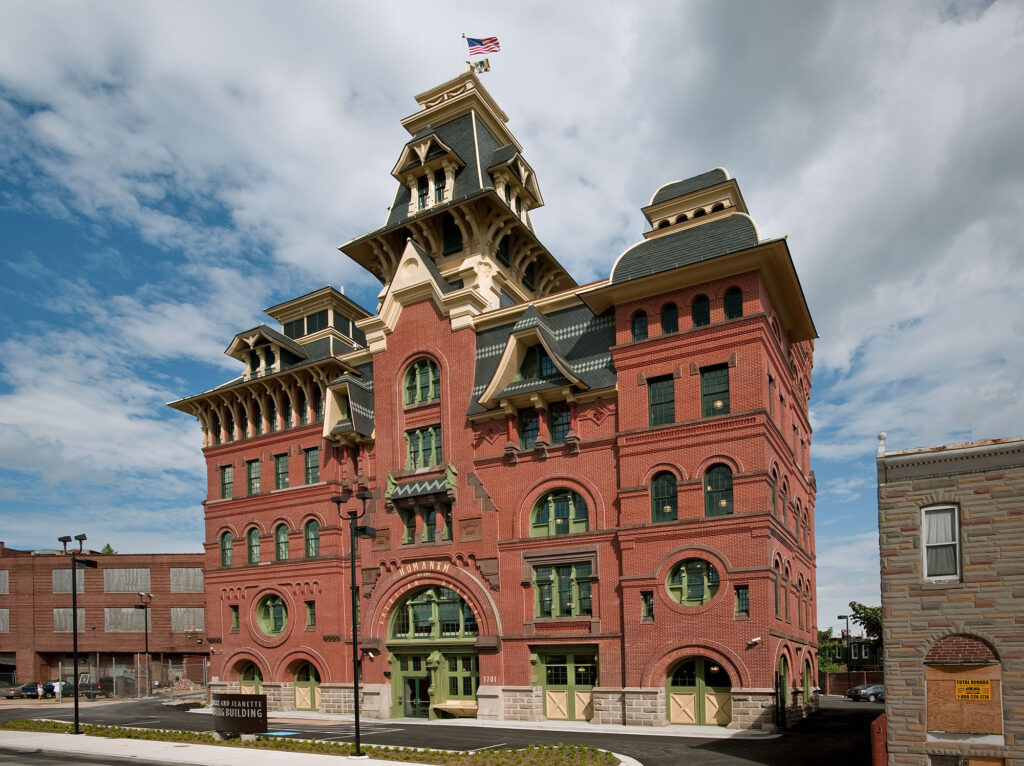
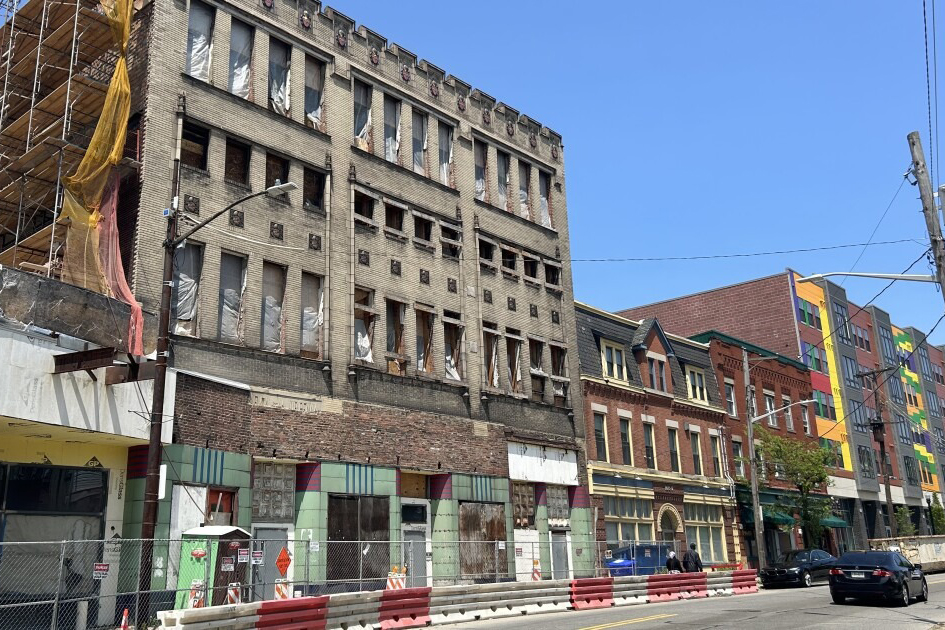
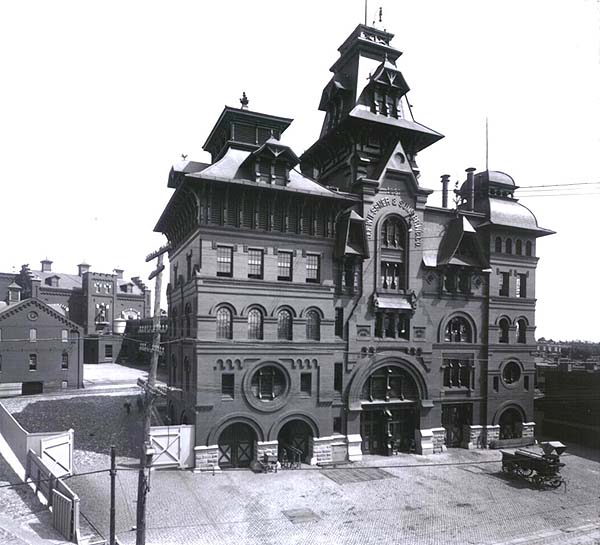
The five-story American Brewery Brewhouse building was built in 1887 in East Baltimore as part of a five-acre brewery complex. It operated as a brewhouse and beverage plant until its closing in 1973. The building and an adjacent bottling plant were donated to the City of Baltimore in 1977. After several failed redevelopment attempts by various entities, Streuver Brothers, Gotham Development, and Humanim were awarded the rights to develop both properties in 2005. Thanks to vision and dedication, the long-time vacant Brewhouse is now office and program space for Humanim, a 35-year old nonprofit social and human services provider.

A Beacon in the Midst of Blight
Revitalization Effort

A Beacon in the Midst of Blight

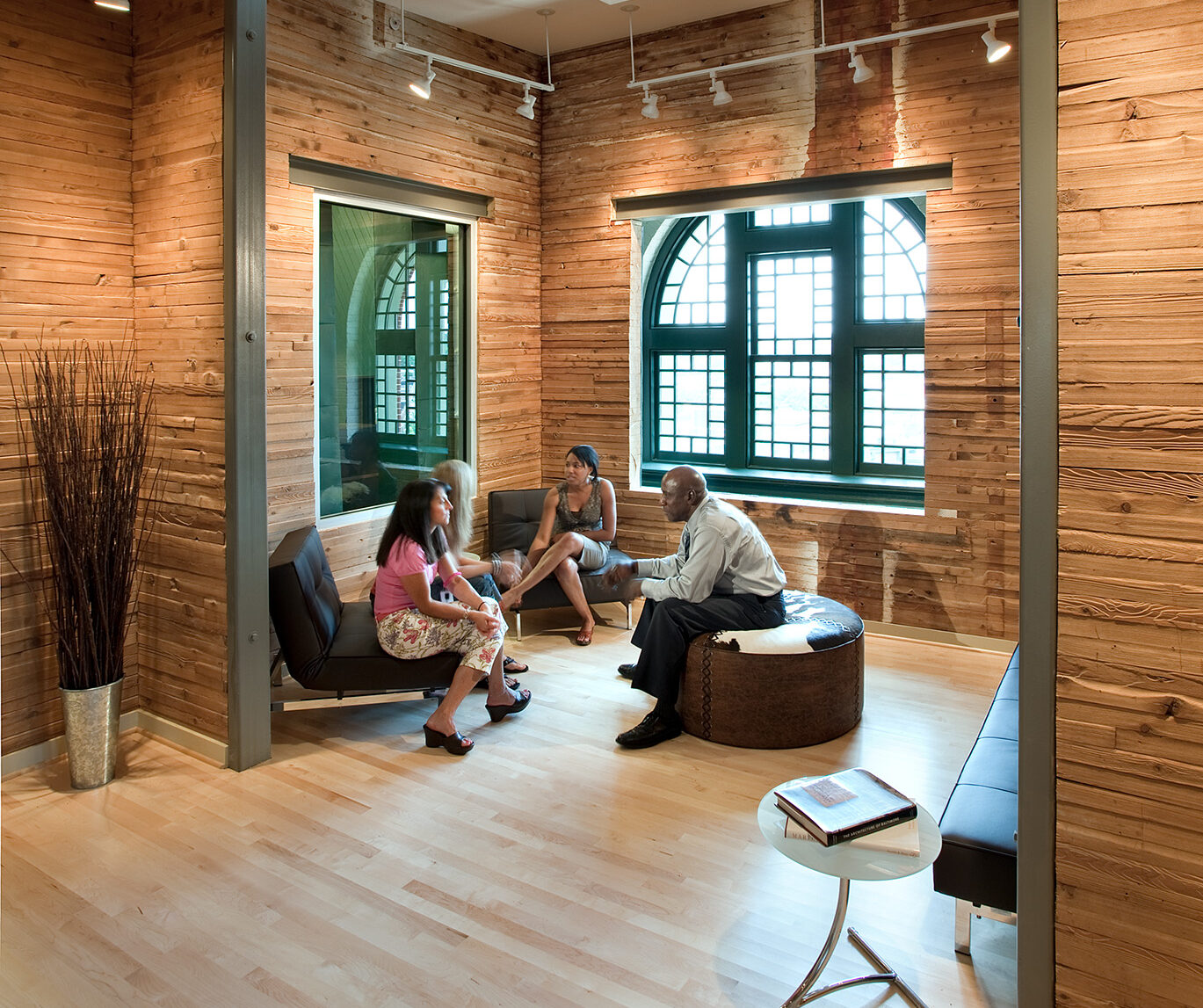
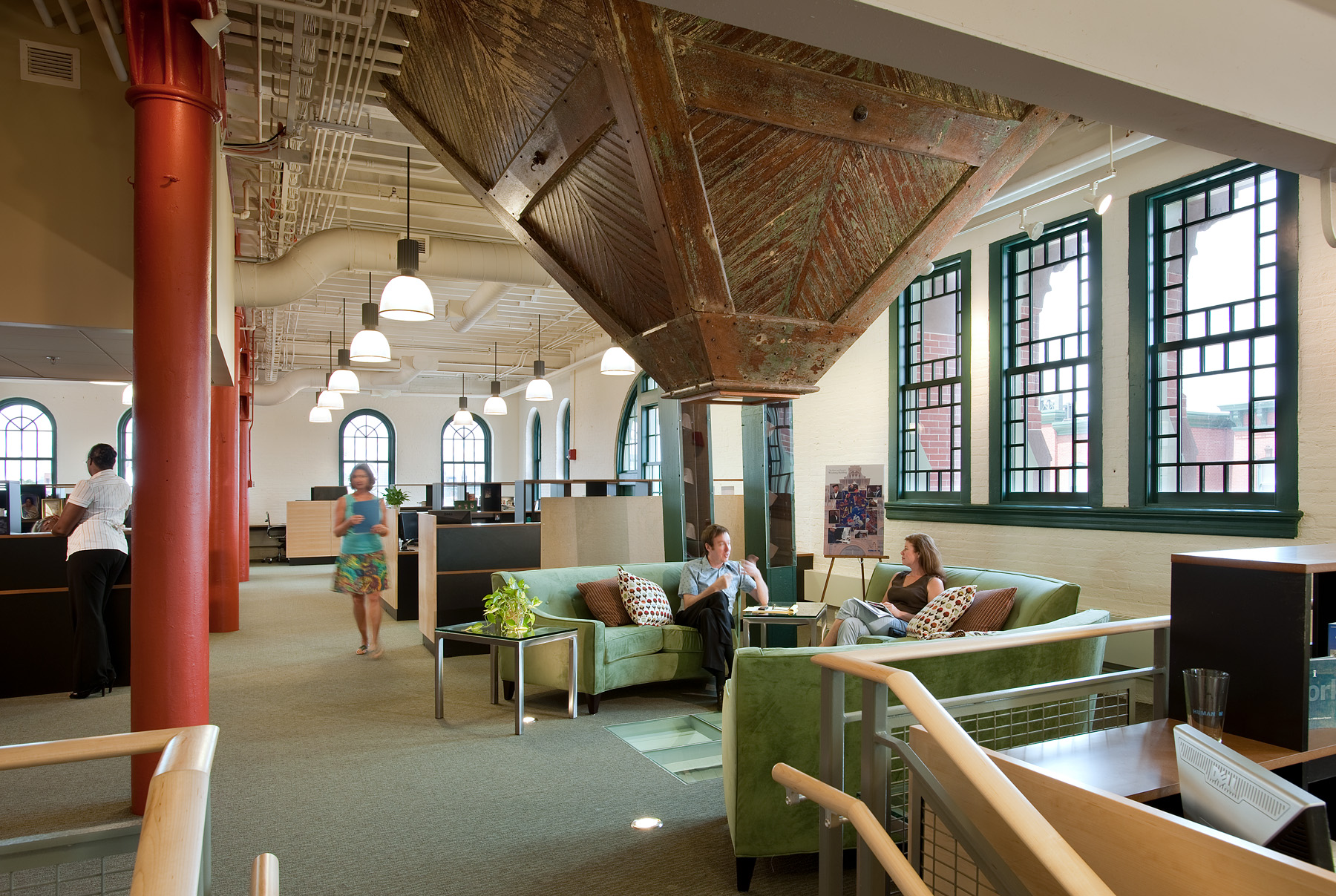
The reuse of the American Brewery Building is a huge boon for its Broadway East neighborhood – one characterized by poverty and a high degree of abandonment and blight. Roughly half the properties in the area are vacant or have been demolished. The building was in poor condition and necessitated an extensive, $24 million rehabilitation. Approximately 80% of the existing wood windows were retained and repaired, the west tower underwent substantial structural repair and interior reframing throughout the building was necessary. New electrical, plumbing, and mechanical systems were also installed. The rehabilitated Brewhouse enables Humanim to consolidate its operations and expand its existing employment and clinical service programs. These include services for individuals with developmental, emotional, neurological, and physical disabilities.

NTCIC & Progress

Impact & Financing

The project returns a building into a high-quality, high-character home for an established social services agency that provides workforce development services and job creation opportunities to a neighborhood desperate for economic revitalization. The surrounding census tract has a 51% poverty rate and an unemployment rate more than four times the national average. A rehabilitated American Brewery Building is a beacon of hope for continued economic

investment and revitalization in one of the most neglected and desperate areas of Baltimore.

NTCIC facilitated the investment in the $3.8 million of federal Historic Tax Credits generated by the $21.2 million historic revitalization efforts and provided $5.3 million in New Markets Tax Credit allocation to ensure the project’s success.


Connect with Us

Curious About How Historic Tax Credit Investments Drive Real Impact?

Kandi Jackson leads tax credit investment activities with deep expertise in project finance, equity structuring, and compliance. When you speak with Kandi, expect clarity, honesty, and a clear roadmap for how your next investment can work in your portfolio.

Connect with Kandi

Check Out Similar Projects Here

Browse all projects

Want to Discuss Your Next Project? Talk With Our Team Today.

We bring clear insight, deep experience, and strategic focus to every project—whether you're structuring complex capital or shaping long-term, legacy-driven development.

Name(Required)
Want to Discuss Your Next Project? Talk With Our Team Today.

Federal Historic Tax Credits

$12 Million

New Markets Tax Credits

$10 Million

Total Project Cost

$71 Million

Project Partner

Iron Stone Real Estate Partners

Impact

Education Access, Healthcare Access, and more

Founded by Quakers
History

Founded by Quakers

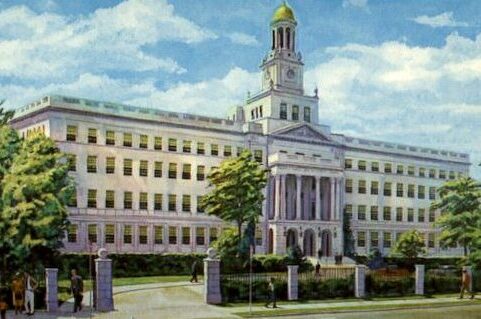
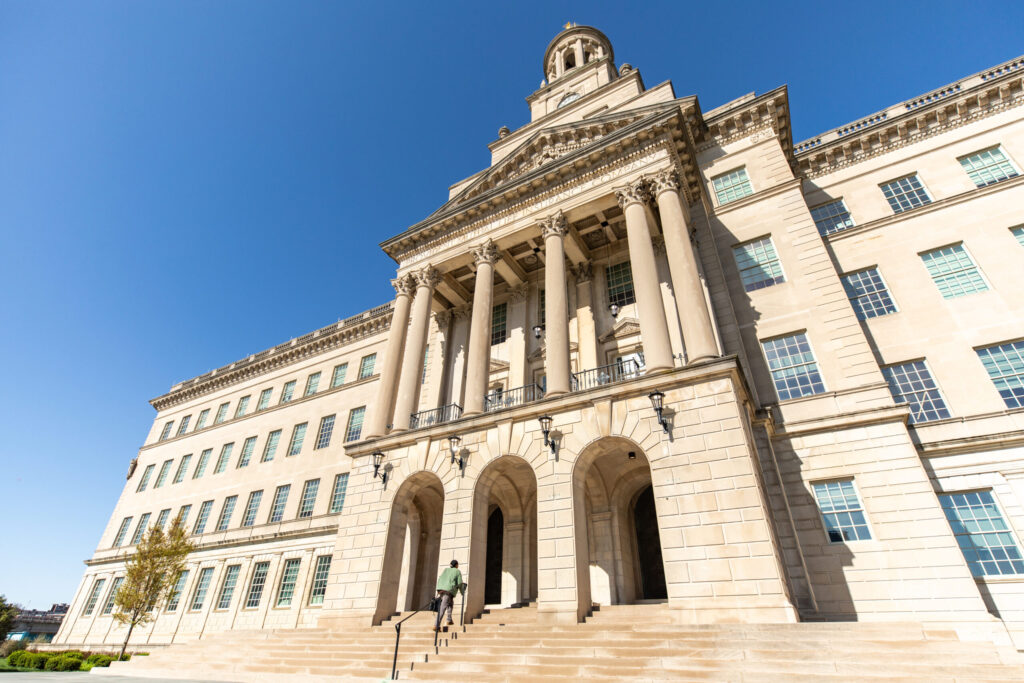
The Provident Life and Trust Company of Philadelphia was founded in 1865 by a group of Quakers, becoming one of the larger banking and insurance companies in the region. In the early 1920s, changes in state law required the separation of banking and insurance arms, creating a new company, Provident Mutual Life Insurance Company of Philadelphia. This new company picked a 12.5-acre parcel at 46th and Market, previously part of the sprawling campus of the Pennsylvania Hospital for the Insane, for a campus. After weathering a rocky decade in the 1930s, Provident Mutual grew steadily in the 40s and 50s, and by 1962, it had over 1,000 employees at its headquarters. Provident had finally outgrown its campus and decided to move back into downtown Philadelphia in 1983. The organization left Philadelphia in 1993.

A Campus of Community Resources
Revitalization Efforts

A Campus of Community Resources

The historic Provident Mutual Life Insurance Company building was renovated into an integrated health campus that will provide outpatient pediatric and adult behavioral health services, a federally qualified health center, early childhood education, a workforce development program, and public community space. The buildings will be anchored by Public Health Management Corporation (PHMC), a nonprofit public health institute that builds healthier communities through partnerships with government, foundations, businesses, and community-based organizations. The restored campus will also become the new home of the Children’s Hospital of Philadelphia (CHOP), the nation’s first hospital devoted exclusively to the care of children.

Community Impact

A Hub for Healthcare

As the new homes for PHMC and CHOP, the Provident Health campus created over 150,000 square feet of direct healthcare space with specialized facilities dedicated to pediatric care. PHMC provides direct case management services to over 850 each year in their new facilities. The revitalized space also houses their Turning Points for Children program, which provides child welfare, family strengthening

and behavioral health services to more than 10,000 individuals each year. By moving to a larger space, CHOP was able to expand its pediatric outpatient behavioral health services, with over 35% of patients qualifying as low-income. The project supports over 1,100 jobs, 450 of which were newly created as a result of the revitalization effort.

NTCIC & Progress

Project Financing

NTCIC facilitated the investment in the $12 million of federal Historic Tax Credits generated by the $71 million historic revitalization efforts and provided $10 million in New Markets Tax Credit allocation to ensure the project’s success.
Want to Discuss Your Next Project? Talk With Our Team Today.

We bring clear insight, deep experience, and strategic focus to every project—whether you're structuring complex capital or shaping long-term, legacy-driven development.

Name(Required)
Want to Discuss Your Next Project? Talk With Our Team Today.

Historic Tax Credits

$9.5 Million
Federal HTCs

New Markets Tax Credits

$7 Million

Total Project Cost

$50 Million

Project Partner

Huntington Theatre Company, Inc.

Impact

Arts Education, Support, & Access

One of the First Nonprofit Playhouses
History

One of the First Nonprofit Playhouses

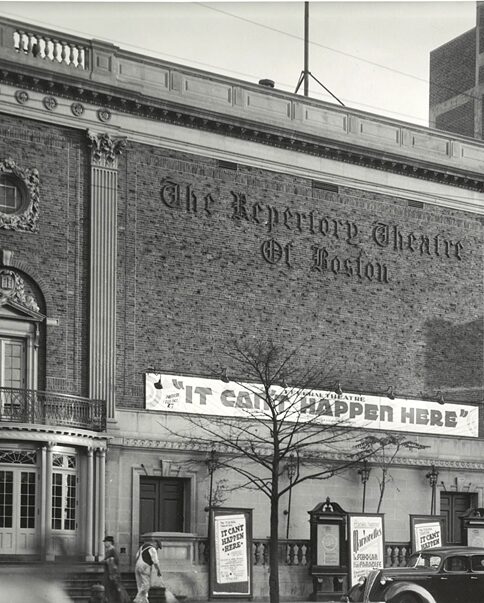
Originally built in 1925 as the “Repertory Theatre of Boston,” the Huntington Theatre was one of the country’s first nonprofit playhouses. It was built to be a permanent home for the Henry Jewett Players‚ a Boston–based repertory theatre company. In choosing to locate the theatre across from Symphony Hall and near the Museum of Fine Arts and the old Boston Opera House‚ the theatre’s creators intended to signify its character as a major cultural institution of Boston and its difference from the commercial playhouses in the Boylston‚ Washington‚ Tremont streets area of the city.

Huntington Theatre Company, Inc., the organization spearheading the rehabilitation of the space, has been operating out of the theatre since its founding in 1982 as part of a partnership with Boston University (“BU”). Over the years the Huntington has received over 150 Elliot Norton and Independent Reviewers of New England Awards, as well as the Tony Award for Outstanding Regional Theatre. In the past 36 years, the Huntington has played to an audience of 3.5 million, presented over 200 plays (18 of which went on to Broadway or Off-Broadway), and served over 500,000 students, community members, and other cultural organizations, becoming Boston’s leading professional theatre and one of the region’s premier cultural assets. Boston Magazine named the Huntington the 2019 “Best Theatre Company, Large” in the city.

Improving the Huntington
Revitalization Efforts

Improving the Huntington

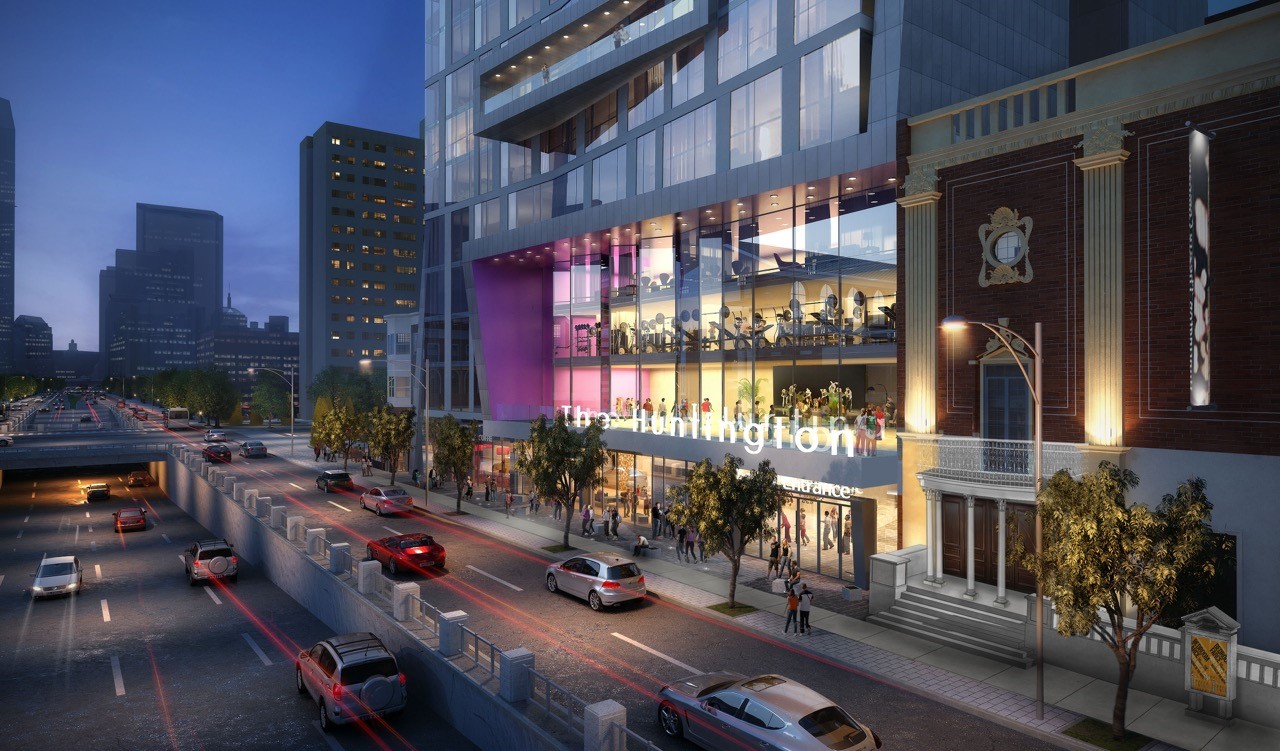
The redevelopment will consist of restoring the 44,000 SF theatre and the attached service building. Once renovated, the theatre intends to increase its annual performances from 150 to 180 and expand its educational programs. The completion of the proposed overhaul to the building will enable the owners to provide more programs in a much more modern theater with larger seats, better equipment, and back-of-the-house facilities. The new theatre space will have additional accessible seating locations, improved sightlines, and new acoustic systems which will ensure high quality and comfortable audience experience.

Community Impact

Culture & Community

The Huntington is a community-centered theatre with strong, proactive goals to expand community participation and inclusion. Once renovated, it intends to increase its annual performances from 150 to 180 at the conclusion of the historic theatre restoration. This increase will also allow for expansion and staff increases in the Huntington’s education, community, and workforce development programs, including an increase to the Huntington Community Membership Initiative (HCMI), a program designed to reduce economic barriers to attending live theatre for those with limited

income. By partnering with 245+ organizations in local neighborhoods, the program provides more than 3,400 low-income patrons with affordable tickets to the best available seats, a multi-departmental theatre apprenticeship program, career pathways partnership program, and award-winning youth arts education initiatives. This project will increase the program’s overall capabilities by 40%. It will also allow for an additional 1,087 youth to be served through one of three annual spoken word programs hosted by Huntington Theatre.

Huntington Community Membership Initiative

Reduce economic barriers to live theater

Partnership with 245+ Organizations

3,400+ tickets for low-income patrons

Expanded Programming

Additional 1,087 youth to be served

Increased Performances

From 150 to 180 annually

Additional Resources

Allow for more workforce development, community engagement, etc.

NTCIC & Progress

Project Financing

In addition to a large capital campaign spearheaded by the Huntington, the project was financed by over $9.5 million in federal Historic Tax Credits, as well as a $7 million New Markets Tax Credit (NMTC) allocation, both of which were supported by NTCIC.

Check Out Similar Projects Here

Browse all projects

Want to Discuss Your Next Project? Talk With Our Team Today.

We bring clear insight, deep experience, and strategic focus to every project—whether you're structuring complex capital or shaping long-term, legacy-driven development.

Name(Required)
Want to Discuss Your Next Project? Talk With Our Team Today.

Historic Tax Credits

$10 Million
Federal HTCs

Total Project Cost

$42 Million

Project Partner

Black Point Investments

History

One of Nation's Largest Textile Mills

Originally known as Clifton Mill No. 3, the building was constructed in 1896 on the bank of the Pacolet River as part of the Clifton Manufacturing Company, one of the largest textile mills in the United States. The mill complex was part of the major growth of Spartanburg County, South Carolina’s textile industry leading the area to become one of the nation’s largest textile centers. At its peak, the factory complex housed over 57,000 spindles and 2,200 looms by the year 1900, nearly twice the number of its nearby competitors.
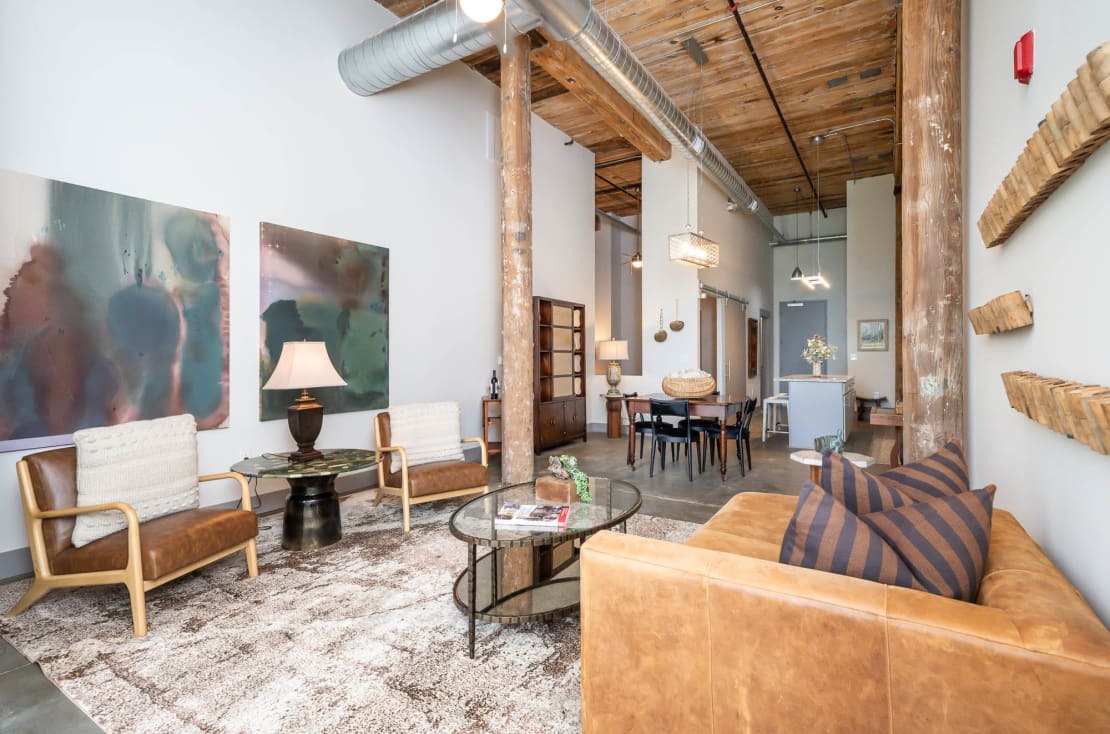
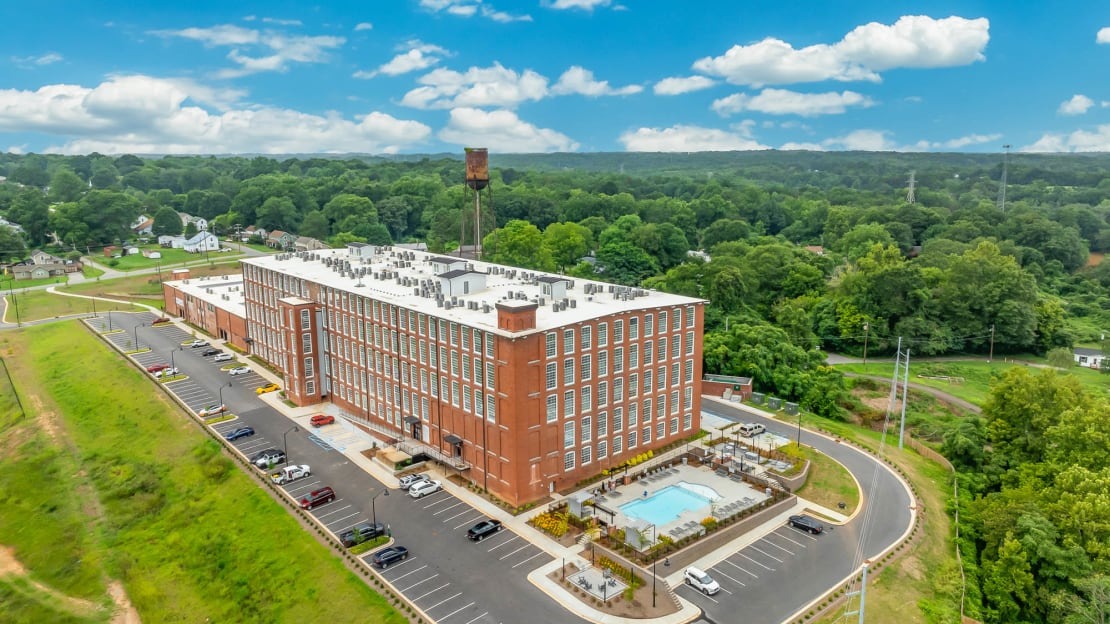
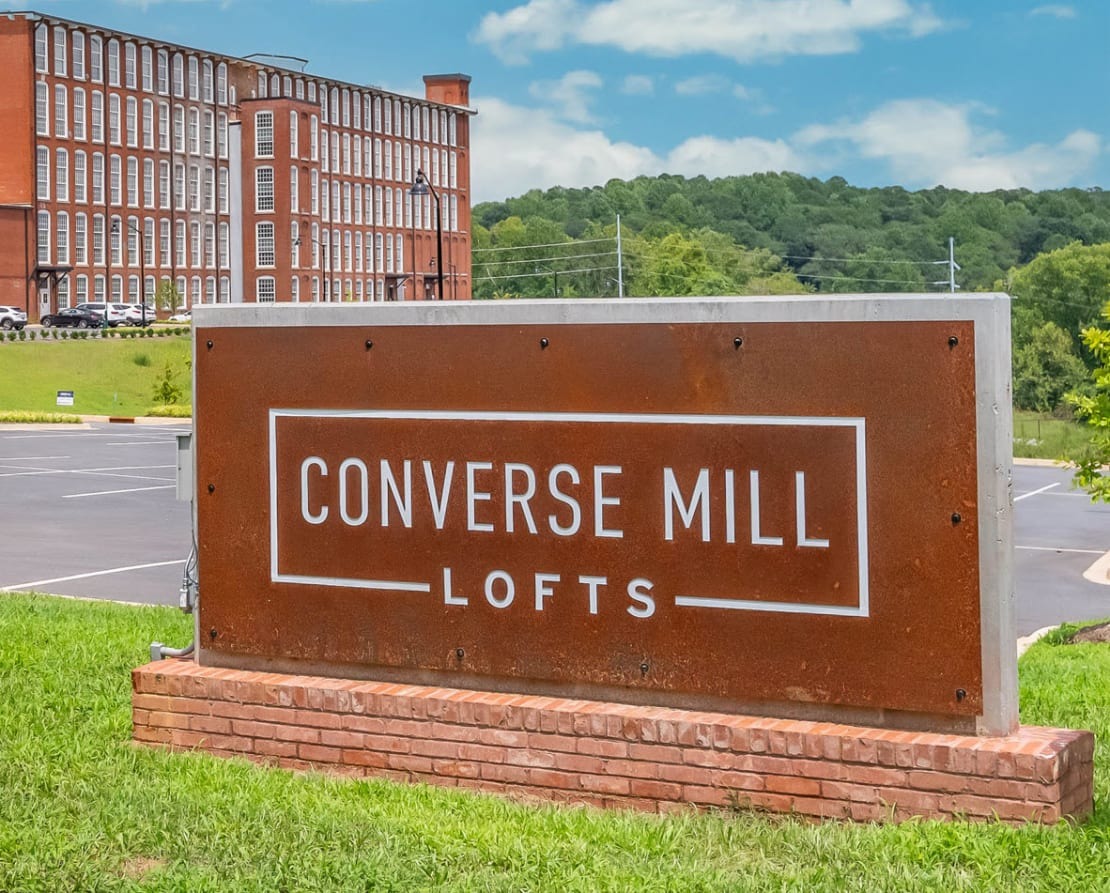
On June 6, 1903, a devastating flash flood destroyed dozens of homes and businesses, including Mill No. 3. It was rebuilt within the year as a five-story mill complex with adjacent cotton warehouses by the famed Boston mill engineering and architectural firm Lockwood, Greene, and Company. It remained a working textile mill for over 50 years.

By mid-century, Spartanburg County’s hold on the textile industry began to loosen and in 1965, the Clifton Manufacturing Company was sold to Dan River Mills, a large textile firm based out of Virginia. It was the beginning of the end as the company shut down all three mills between 1968 and 1973. Converse Mill was used as a warehouse for many years until two of the three mills were demolished between 2002 and 2013. The only remaining vestige of the vast Clifton Manufacturing Company is Converse Mill.

In 2006, a local owner purchased the building to preserve its history and bring new opportunities to Spartanburg County.

Riverside Living
Revitalization Efforts

Riverside Living

The 247,000 square foot former textile mill will be transformed into Converse Mill Lofts and will create 173 loft-style apartments overlooking the Pacolet River, well-known for its paddling and other recreational activities. The development team has incorporated green requirements into the design to achieve National Green Building Standards (NGBS) Bronze level. The sponsor, Black Point Investments, has over 20 years of experience in real estate development and an affinity for historic renovation and multifamily properties. To date, they have completed over 2.1 million square feet of historic renovation including two mills: The Loray Mill in Gastonia, NC, and the Johnston Mill in Columbus, GA.

NTCIC & Progress

Project Financing

The historic restoration of the Converse Mill was made possible, in part, by NTCIC through an equity investment in the $8.5 million in federal Historic Tax Credits generated by the project. Additional financing included a South Carolina State Historic and Textile Mill Tax Credit supported by Monarch Private Capital, as well as a Housing and Urban Development (HUD) 221(d)(4) loan financed by the Greystone Funding Company. The project will support an estimated 382 construction jobs (FTE) based on the Preservation Economic Impact Model (PEIM).

Connect with Us

Curious About How Historic Tax Credit Investments Drive Real Impact?

Kandi Jackson leads tax credit investment activities with deep expertise in project finance, equity structuring, and compliance. When you speak with Kandi, expect clarity, honesty, and a clear roadmap for how your next investment can work in your portfolio.

Connect with Kandi

Check Out Similar Projects Here

Browse all projects

Want to Discuss Your Next Project? Talk With Our Team Today.

We bring clear insight, deep experience, and strategic focus to every project—whether you're structuring complex capital or shaping long-term, legacy-driven development.

Name(Required)
Want to Discuss Your Next Project? Talk With Our Team Today.

Historic Tax Credits

$12 Million
Federal HTCs

Total Project Cost

$77 Million

Project Partner

Model Group

Impact

Economic Development

History

A 10,000 Year Lease

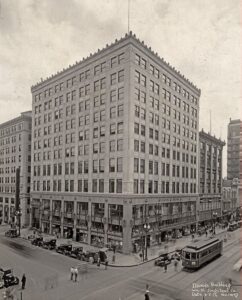
The Mercantile Library Building and the Formica Building have rich histories that are deeply intertwined with Cincinnati’s architectural and cultural heritage. The Mercantile Library was originally established in 1835 by a group of young men who pooled their resources to collect books, art, and host prominent speakers and authors. Over the years, the library has welcomed renowned figures such as Ralph Waldo Emerson, Herman Melville, and Harriet Beecher Stowe. As the collection grew to nearly 2,000 books, the need for a dedicated space led to the construction of the Mercantile Library Building at 414 Walnut Street in 1904. The building was designed by Joseph G. Steinkamp & Brother and was developed by Thomas Emery Sons, who contributed to the development of several skyscrapers in Downtown Cincinnati during the early 20th century. The building featured commercial space on the first floor and office space on the floors above. The 11th and a portion of the 12th floor were custom designed to house the Mercantile Library.
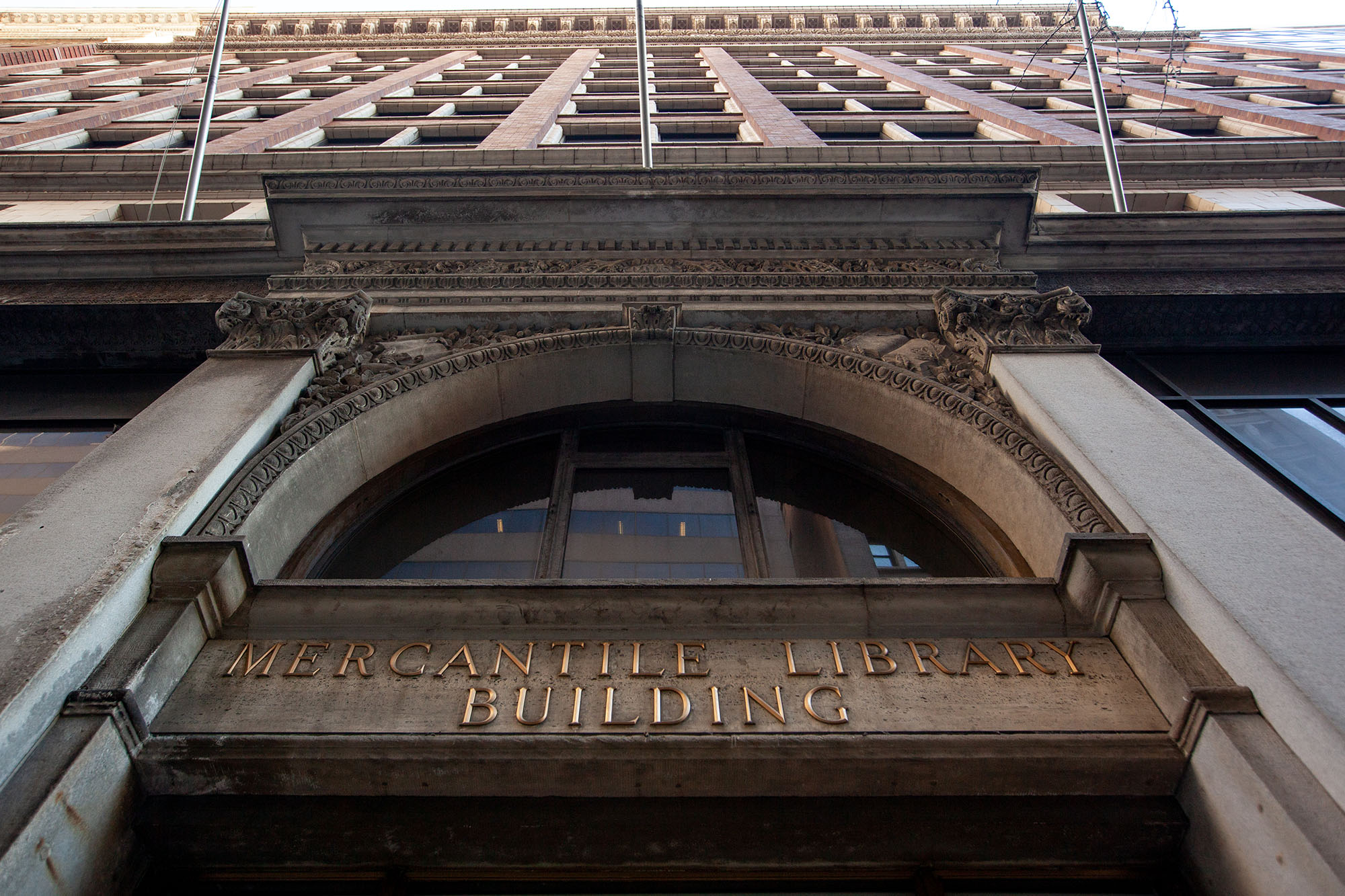
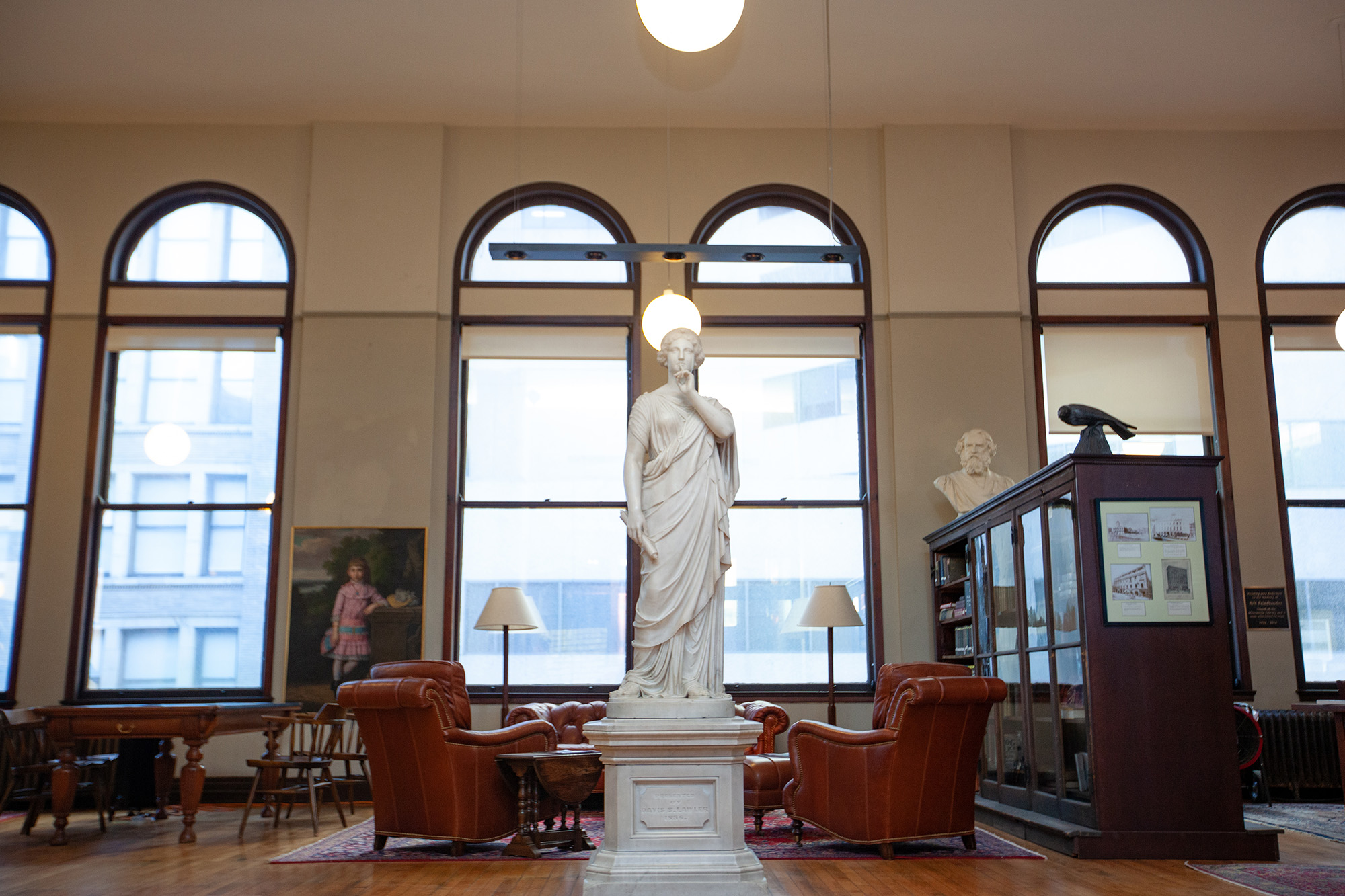

The institution has a perpetually renewable 10,000-year lease issued by Cincinnati College, thanks to the support provided by the men of the Mercantile Library Association after the college’s structure burned in 1845. The Mercantile Library Building was placed on the National Register of Historic Places in 2021.

The Formica Building, located at 120 East Fourth Street, along with the connected Crystal Arcade and Contemporary Arts Center at 255 East Fifth Street, were developed by Towne Properties and designed by Harry Weese & Associates of Chicago, a firm renowned for designing the Metro stations in Washington, DC. Completed in 1970, the Formica Building was constructed with travertine, glass, and bronze, showcasing modern, Miesian, and post-modern elements. The design incorporated elements from the neighboring Mercantile Library Building, such as eliminating the band of travertine between the 11th and 12th floors to mimic the double-height library. The Contemporary Arts Center (CAC) was housed in the Formica Building from 1970 to 2003, before moving into the newly constructed Lois & Richard Rosenthal Center for Contemporary Art in the spring of 2003.

Today, the Formica Building holds the distinction of being the most recently constructed building in Cincinnati to be listed on the National Register of Historic Places. As both the Mercantile Library Building and the Formica Building undergo an adaptive reuse transformation, their storied pasts will contribute to the revitalization of Cincinnati’s urban core and serve as a testament to the city’s architectural and cultural legacy.

Adaptive Reuse
Revitalization Efforts

Adaptive Reuse

The Mercantile and Formica buildings in downtown Cincinnati are set to undergo a remarkable transformation that will breathe new life into these historic landmarks. Upon completion, the mixed-use community will be rebranded as “The Historic Mercantile Building,” with the residential component as “Merc & Mica,” featuring 156 luxury rental apartments and over 76,000 square feet of commercial space. This exciting development will showcase the distinct eras of each building while catering to the modern, urban lifestyle.

NTCIC & Progress

Project Financing

To support the project completion, NTCIC was the primary project underwriter and sourced financing for the $12.7 million in federal Historic Tax Credits generated by the project. Additional project financing included traditional debt, sponsor equity, state Historic Tax Credits, TMUD credits, and Ohio Opportunity Zone Tax Credit financing.

The project is spearheaded by the Model Group, a recognized leader in historic preservation, mixed-use urban development, senior living communities, and affordable housing. Based in Cincinnati, the group

is responsible for several high-profileand award-winning historic preservation initiatives, such as the Dayton Arcade and the Jobs Café at Findlay Market, for which NTCIC provided New Markets Tax Credit allocation and HTC financing in 2018.

The project will also be utilizing the recently created Transformational Mixed-Use Development credit, a new incentive in Ohio that provides tax credits for projects that will be a catalyst for future development in their area.

Connect with Us

Curious About How Historic Tax Credit Investments Drive Real Impact?

Kandi Jackson leads tax credit investment activities with deep expertise in project finance, equity structuring, and compliance. When you speak with Kandi, expect clarity, honesty, and a clear roadmap for how your next investment can work in your portfolio.

Connect with Kandi

Check Out Similar Projects Here

Browse all projects

Want to Discuss Your Next Project? Talk With Our Team Today.

We bring clear insight, deep experience, and strategic focus to every project—whether you're structuring complex capital or shaping long-term, legacy-driven development.

Name(Required)
Want to Discuss Your Next Project? Talk With Our Team Today.

Historic Tax Credits

Federal HTCs

Project Partner

Keystone Group

Impact

Job Creation & Economic Development

History

The Illinois Building

The Illinois Building, located in the Washington Street-Monument Circle Historic District in downtown Indianapolis, Indiana, is a historic office building situated at the heart of the Mile Square business district, which dates back to the city’s founding in 1821. InterContinental Hotel

The Illinois Building was commissioned by the president of what is now Levi Strauss & Company in 1924, who envisioned a “luxurious” office building to replace several smaller structures. Upon its completion in 1926, the building featured modern amenities, such as parking facilities, high-speed elevators, and ice water and toilets on each floor.

The building was designed by the esteemed architectural firm Rubush & Hunter, whose other notable landmarks within Indianapolis include the Masonic Temple, City Hall, Circle Theater, Indiana Theater, and the Stutz Motor Company complex.

Throughout its history, the Illinois Building maintained its purpose as an office building despite changes in ownership through the 1960s and 1970s. A ground lease established during an early transfer complicated future building transfers. In 1988, a local developer purchased the building and invested $16 million in renovations. Despite these efforts, the building became predominantly vacant by the mid-2000s. To encourage interest in its revitalization, Indiana Landmarks listed the Illinois Building on its 10 Most Endangered list in 2006.

Revitalization Efforts

The Transformation

The 10-story, 135,004 square foot Illinois Building was transformed into a 170-key full-service luxury InterContinental hotel, featuring two ground-floor restaurants currently occupying the spaces, as well as a 2nd-floor hotel restaurant/bar and a rooftop bar and venue. IHG, which currently manages 6,000 hotels globally, manages this hotel.
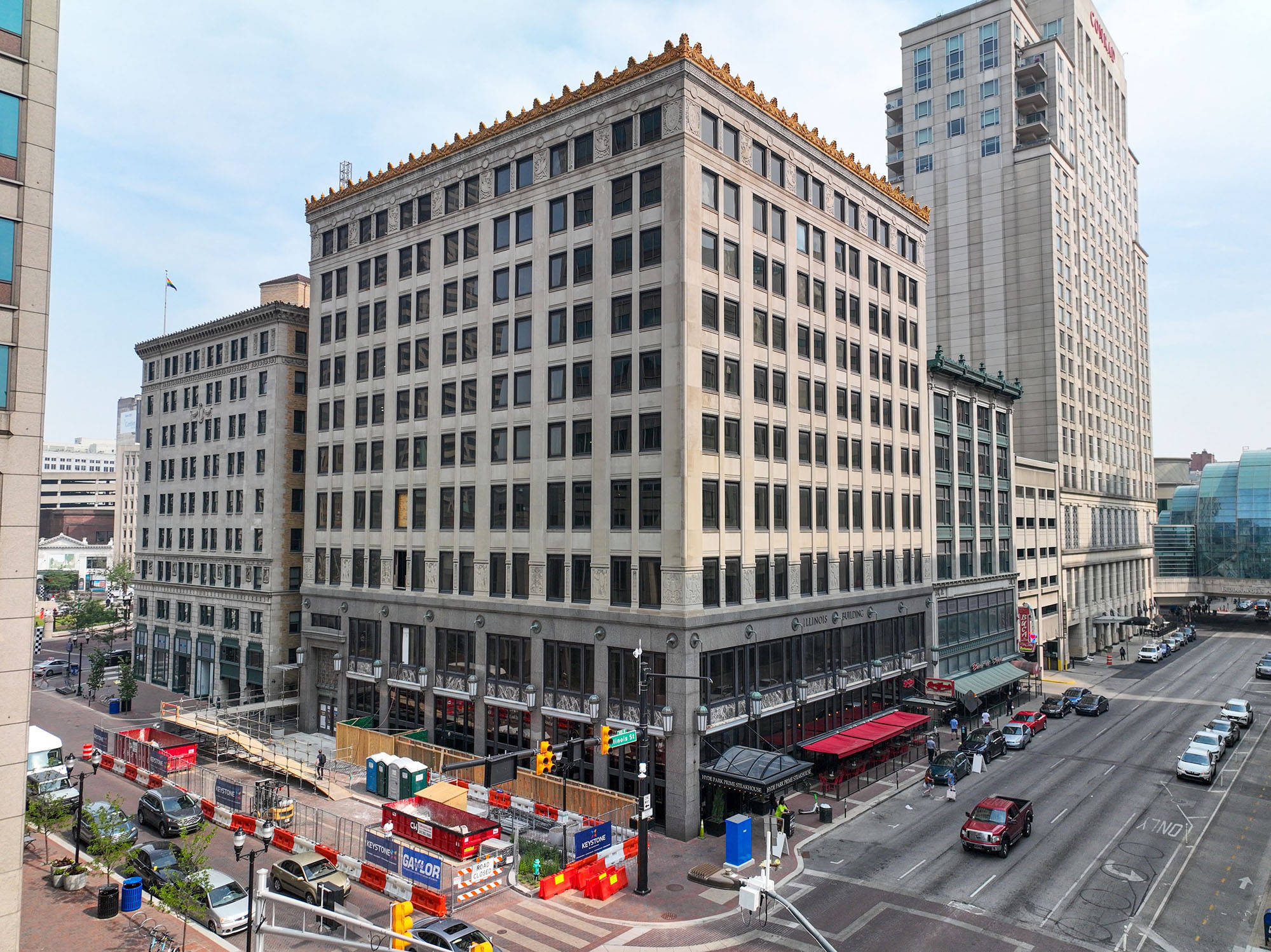
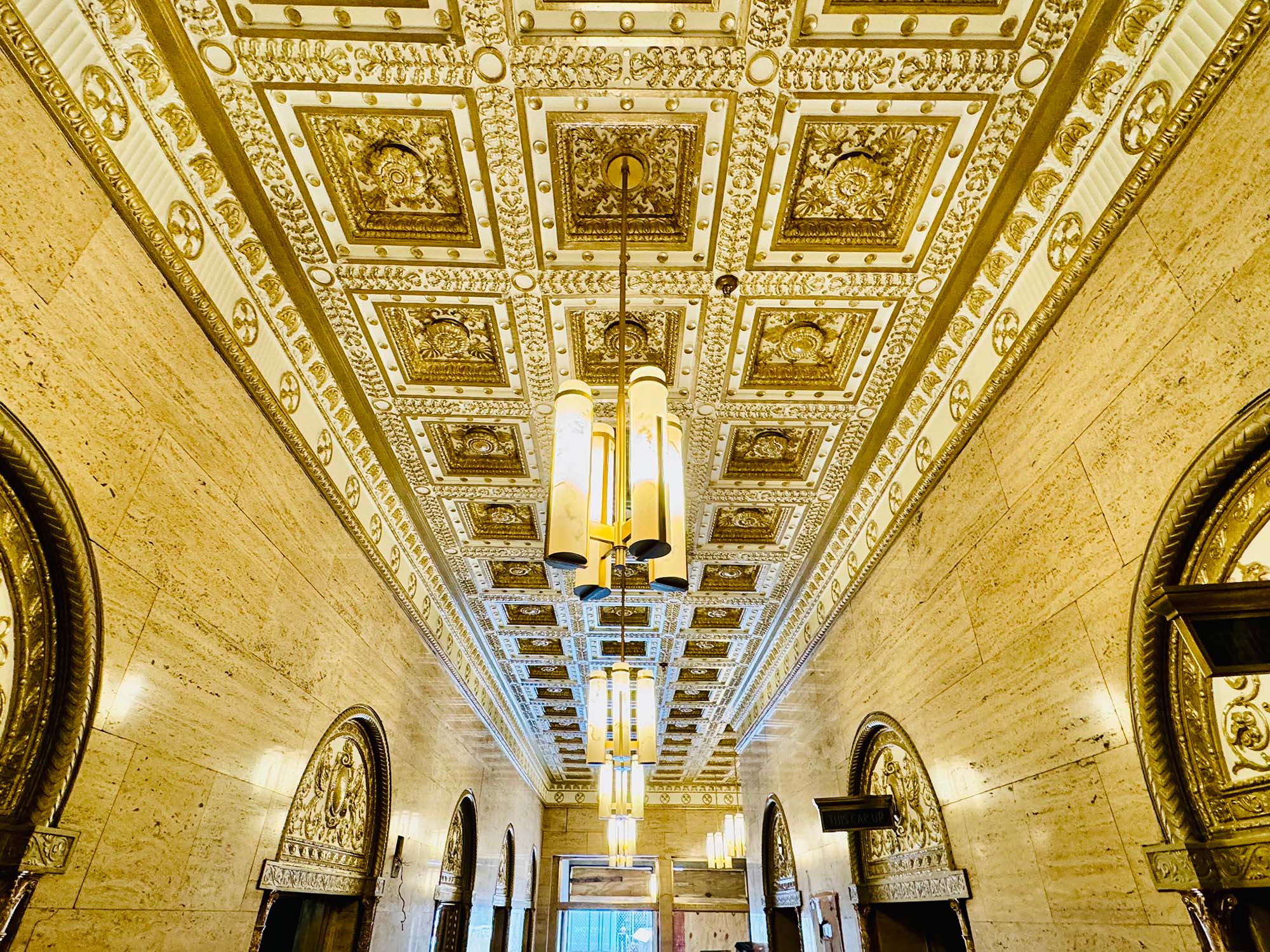
The project is sponsored by Keystone Group, a premier Indiana-based developer with decades of and a commitment to creating mixed-use properties that enhance the community in which they’re located. Their headquarters is located four blocks from the project in the historic Majestic Building, which they rehabbed, own, and operate.

NTCIC & Progress

Financing & Community Impact

The conversion of the historic Illinois Building into a hotel exemplifies the shift of companies to more remote and flexible work arrangements and a reduction in the demand for traditional office spaces. This trend has led to an increased interest in repurposing these historic spaces into other types of properties, such as hotels, housing, and retail, which can cater to the evolving needs of urban centers.

To facilitate the restoration of the Illinois Building, NTCIC financed the federal Historic Tax Credits generated by the project through its Climate Impact and Revitalization Fund. Additionally, NTCIC provided underwriting and transaction management services and will provide asset management services through the HTC compliance period.

Connect with Us

Curious About How Historic Tax Credit Investments Drive Real Impact?

Kandi Jackson leads tax credit investment activities with deep expertise in project finance, equity structuring, and compliance. When you speak with Kandi, expect clarity, honesty, and a clear roadmap for how your next investment can work in your portfolio.

Connect with Kandi

Check Out Similar Projects Here

Browse all projects

Want to Discuss Your Next Project? Talk With Our Team Today.

We bring clear insight, deep experience, and strategic focus to every project—whether you're structuring complex capital or shaping long-term, legacy-driven development.

Name(Required)
Want to Discuss Your Next Project? Talk With Our Team Today.

Historic Tax Credits

$4.2 Million Federal
$4.7 Million State

New Markets Tax Credits

$10 Million

Total Project Cost

$27 Million

Project Partner

The Model Group

Impact

Small Business Support, Affordable Housing, Economic Development

History

A Century of Support

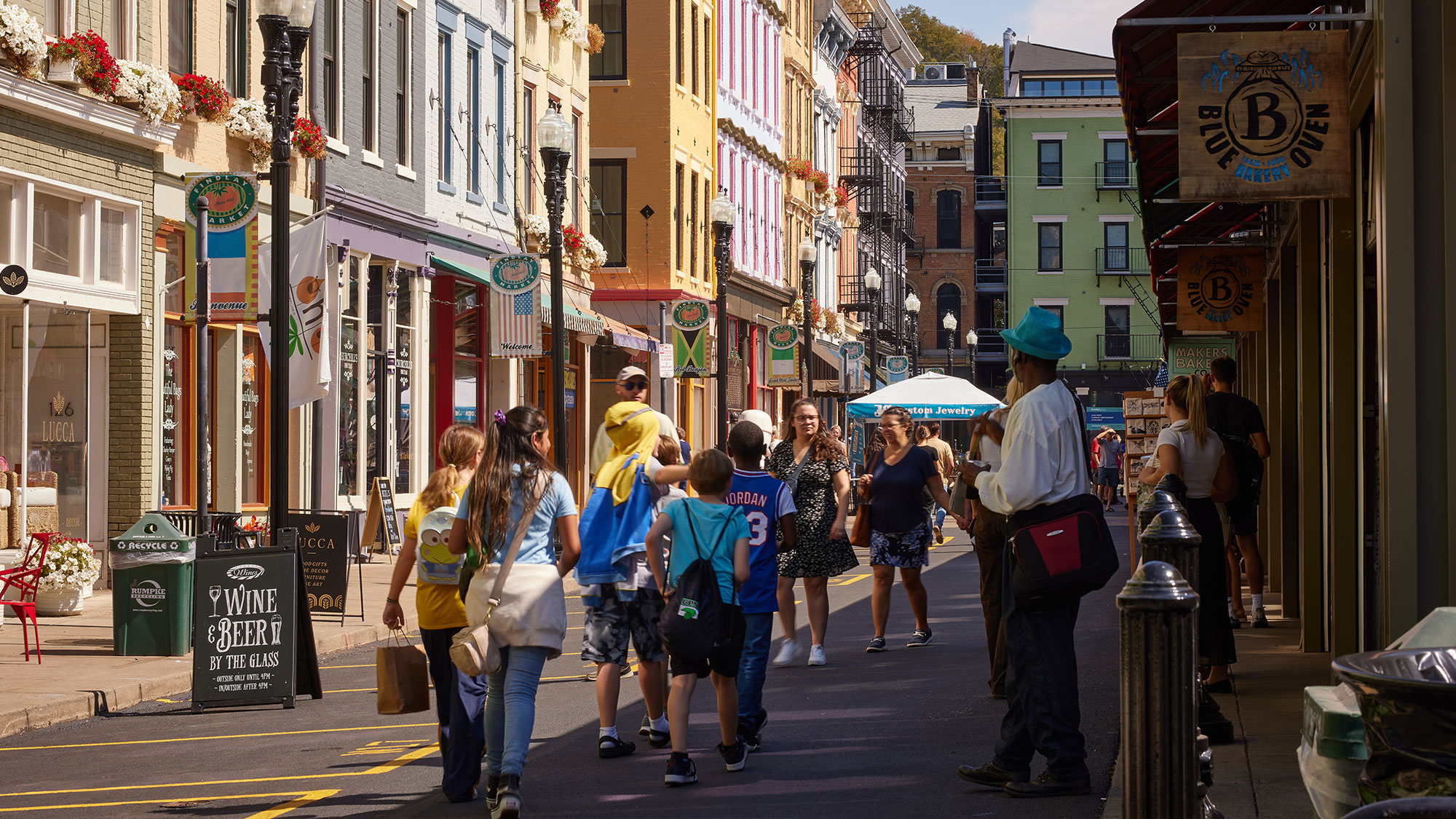
Findlay Parkside is located in the Over-the-Rhine (OTR) neighborhood in Cincinnati, OH, one of the largest and most intact urban historic districts in the United States. OTR lies just north of the Central Business District in Downtown Cincinnati, boasting low-rise Greek Revival, Italianate, and Queen Anne brick buildings, primarily constructed by German immigrants in the mid-1800s. Among the neighborhood’s most notable attractions is the Findlay Market, the oldest and only surviving municipal market house in Cincinnati, which operates year-round and houses over three dozen indoor merchants offering a wide array of goods.
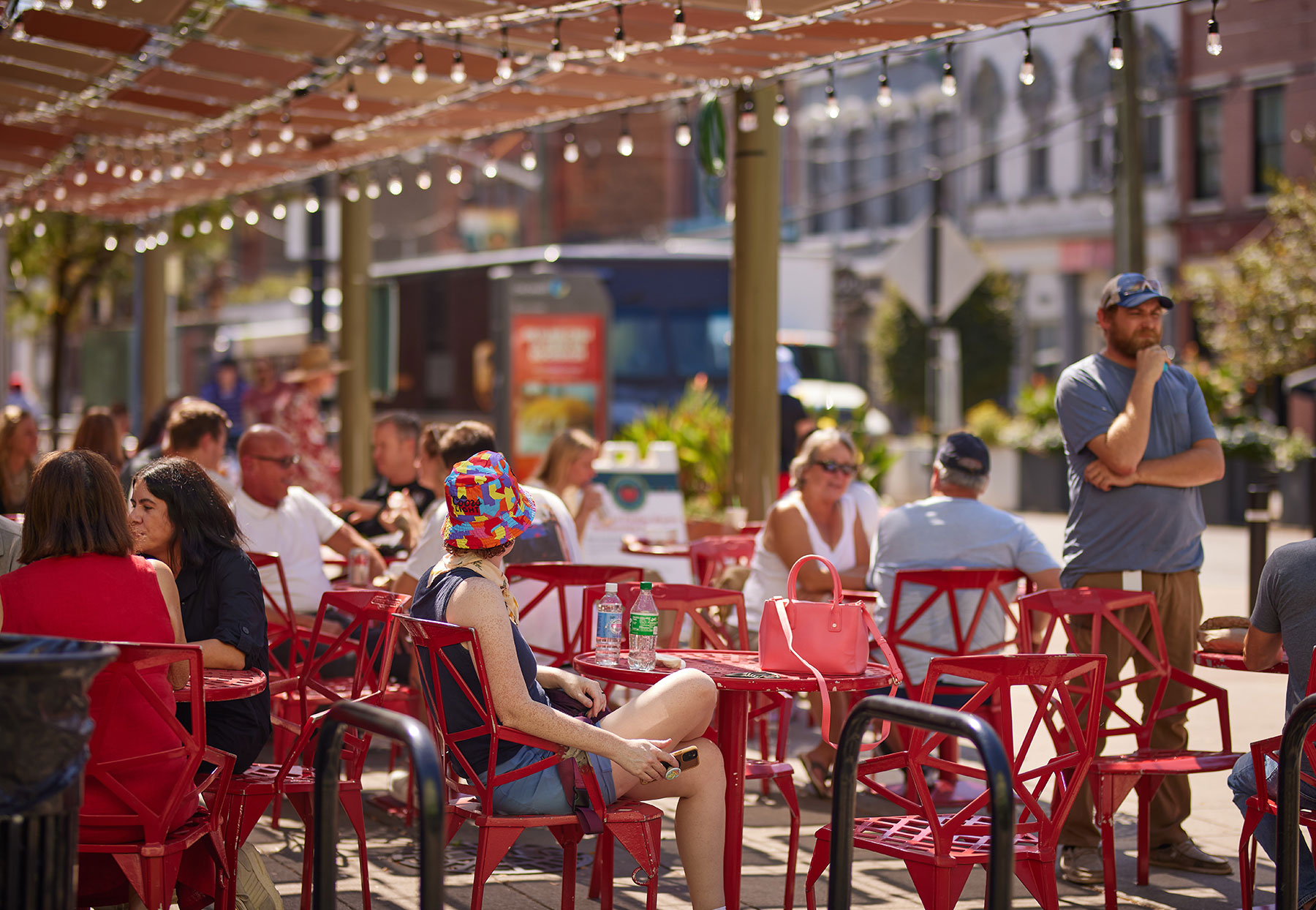
Through the efforts of revitalization experts like The Model Group and 3CDC, OTR has become a thriving hub of activity, home to an eclectic mix of shops, restaurants, bars, and other businesses that cater to both residents and visitors alike.

Nestled within this vibrant and historically rich neighborhood, the Findlay Parkside project consists of nine distinct historic mixed-use buildings totaling 47,000 square feet. In their previous incarnations, these buildings served various functions and businesses, including an undertaker, office, chapel, livery, and garage. As the Findlay Parkside project revitalizes and repurposes these nine underutilized historic buildings, it will preserve their unique character, create new affordable residential opportunities, and support a growing community of businesses.

People enjoying the findlay market
Revitalization Efforts

A Market of Opportunities

Completed in 2024, the Findlay Parkside project substantially rehabilitated nine historic, low-rise buildings around the iconic Findlay Market, creating mixed-income apartments, new retail and restaurant spaces, a fresh food distributor and more.

The project was developed by The Model Group, a Cincinnati-based integrated property development, architecture, construction, and management company. The Findlay Parkside project exemplifies the importance of historic preservation, sustainable development, and social impact in urban communities. By creating a vibrant mixed-use space that supports affordable housing, small businesses, and local enterprises, the project will make a significant contribution to the ongoing revitalization of the Over-the-Rhine neighborhood.

Community Impact

A Thriving Community Asset

The Findlay Parkside project in Cincinnati’s Over-the-Rhine neighborhood is creating new and highly desired affordable housing and small business support for entrepreneurs through historic preservation.

The development generated 160 construction and permanent full-time equivalent (FTE) positions, a vast majority of which will pay a living wage or higher and be accessible to those with barriers to entering the workforce.

The Findlay Parkside project will create 51 apartments, with more than 50% of the available housing designated as affordable. The continued development and creation of commercial space surrounding the historic Findlay Market will create new opportunities for existing businesses to grow. A fresh food fulfillment center operated by the Corporation for Findlay Market will connect to and source food from the nearby Findlay Market, expanding access to fresh foods for the community.

Job Creation

160 construction and permanent full-time equivalent (FTE) positions.

Mixed-Income Housing

51 apartments, with more than 50% of the available housing designated as affordable.

Sustainability

Designed to achieve LEED Silver certification.

Healthy Food Access

Food fulfillment center will connect to and source food from Findlay Market

NTCIC & Progress

Financing the Project

NTCIC supported the project completion by sourcing, underwriting, and facilitating the equity investment in the $9 million in federal and state Historic Tax Credits generated by the revitalization efforts.

Other financing sources included NMTC source debt, HTC bridge debt, sponsor equity, and additional NMTC allocation from RBC Community Capital and Truist Community Capital. TIF financing from the City of Cincinnati was utilized post-closing.

NTCIC also provided $10 million in New Markets Tax Credit (NMTC) allocation.NTCIC’s 2019 round of NMTC allocation played a crucial role in financing this development, prioritizing investments in impactful commercial and mixed-use projects that serve as centerpieces for local redevelopment plans, elimination of blight, and the stimulation of economic activity.

Want to Discuss Your Next Project? Talk With Our Team Today.

We bring clear insight, deep experience, and strategic focus to every project, whether you're structuring complex capital or shaping long-term, legacy-driven development.

Name(Required)
Findlay Parkside Exterior

Historic Tax Credits

$2.7 Million Federal
$3.4 Million State

New Markets Tax Credits

$10 Million

Total Project Cost

$16.8 Million

Project Partner

YWCA of Wheeling

Impact

Social Services, Healthcare Access

History

A Century of Support

Wheeling, West Virginia, has a rich tapestry of history as the state’s first capital. Nestled in the foothills of the Appalachian Mountains along the Ohio River, Wheeling was an industrial powerhouse known as the “nail city,” supplying cut nails to the entire nation. By 1910, the city’s population surged to over 41,000, and its thriving industry played a pivotal role in supporting World War I. However, at this time, Wheeling, like many American cities, was under the shadow of segregation, with Jim Crow laws deeply ingrained into the societal fabric and dictating accessibility to locations and services based on race. Amidst this complex socio-political landscape, the YWCA Wheeling was established in 1906, initially operating from a rented space on an adjacent block before construction on their permanent and current location at 1100 Chapline Street was completed in 1915.
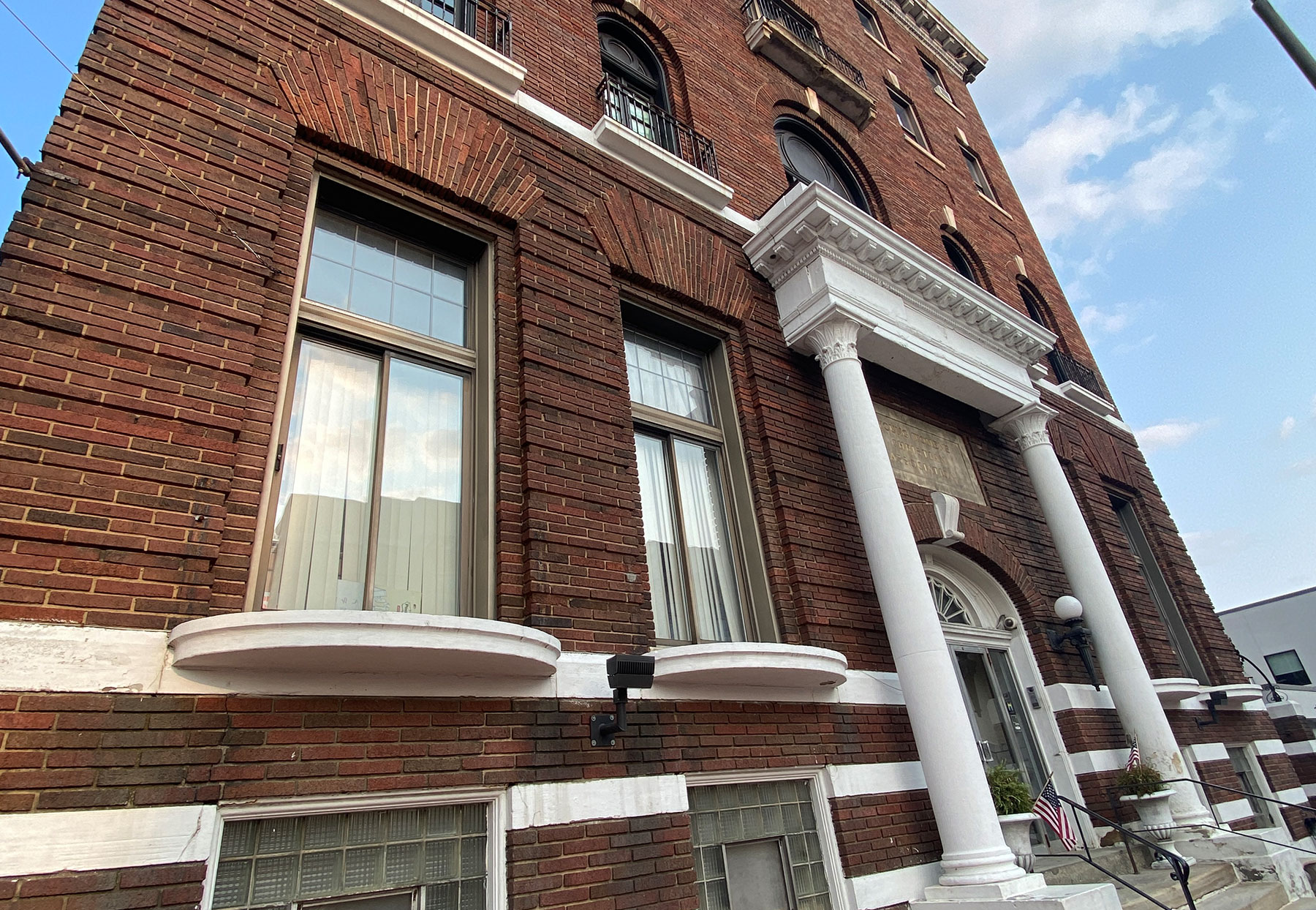
Despite the segregation laws of the time, the YWCA Wheeling emerged as a beacon of progressive ideals. While not untouched by the era’s legal constraints, the organization made it a priority to champion equal access regardless of race. In their early years, they actively campaigned and fundraised to extend their protective services and advocacy to African American girls and women, serving as a testament to their commitment to social justice.

By 1921, the YWCA Wheeling successfully established the Blue Triangle Branch in a neighboring building to serve the African American members of the community. Both organizations worked together serving the women and children of Wheeling until 1956 when the YWCA integrated the Blue Triangle Branch into its Chapline Street headquarters.

For more than a century, the YWCA Wheeling has been operating from this historic location, growing its programs, and continuing to support the women and families of Wheeling. The building, steeped in history and resilience, now requires essential repairs and upgrades to ensure the YWCA can continue its mission into the future.

Wheeling YWCA Exterior
Revitalization Efforts

A Historic Building for the Modern Age

The renovation of the century-old YWCA Wheeling building will enhance the quality of life for employees, residents, and community members, increase capacity for essential programming, and ensure the YWCA’s sustainability in its mission to provide vital services for women and families in need. Prior to renovations, the YWCA served about 7,400 participants each year.

In undertaking this project, the YWCA continued its long history of progressive action and service to the Ohio Valley. The renovation of the YWCA facility not only preserves a piece of Wheeling’s history but also ensures that the building continues to function as a vital resource for women and families in the area.

Community Impact

A Thriving Community Asset

The YWCA Wheeling, which has not seen a major upgrade since its initial construction, is poised to make a transformative impact on the program participants, organization employees, and the local community with this renovation.

Construction efforts generated an estimated 67 positions, 85% of which were accessible to those facing barriers to entering the workforce. The renovated facility will enable the YWCA to add 7 new positions in addition to its current staff of 33.

Additionally, the building has new and upgraded systems, including a new elevator which will replace the one that has been in use since 1969, updated lighting and plumbing for better energy efficiency, and a brand new HVAC system. The renovation of the programmatic, residential, and shelter spaces provides an estimated 20% increased capacity by adding 14 rooms that are even more comfortable and inviting for program participants and will enable the YWCA to support an additional 1,200 people each year.

Upgraded Infrastructure

New heating and electrical systems and a new elevator for efficiency and ease.

Expanded Programming

Supporting an additional 1,200 people annually

Expanded Shelter and Rooms

14 new shelter and residence rooms added

Job Creation

67 construction jobs created
40 permanent jobs created/retained

NTCIC & Progress

Financing the Project

NTCIC provided a $10 million New Markets Tax Credit (NMTC) allocation for the project and facilitated the investment for all real estate tax credits within the transaction, including both state and federal Historic Tax Credits (HTCs) and the NMTCs.

The swift closing facilitated by NTCIC enabled the YWCA to begin construction promptly, limiting program disruption and enabling the organization to quickly expand its crucial services and provide a safe haven for women and families at risk.

Want to Discuss Your Next Project? Talk With Our Team Today.

We bring clear insight, deep experience, and strategic focus to every project, whether you're structuring complex capital or shaping long-term, legacy-driven development.

Name(Required)
Wheeling YWCA Exterior

Historic Tax Credits

$7.57 Million
Federal HTCs

New Markets Tax Credits

$8 Million

Total Project Cost

$52.1 Million

Project Partner

The Children’s Theatre of Cincinnati

Impact

Arts Education, Support, & Access

History

Returning Home

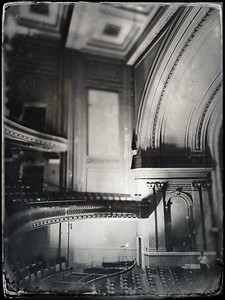
This project is facilitating the long-awaited reunion of the iconic Children’s Theatre of Cincinnati with its original home, the Emery Theater. Historic Emery Theater was constructed in 1911 in Cincinnati’s “Over-the-Rhine” neighborhood. Commissioned by Mary Emery and built by the famous architecture firm Samuel Hannaford & Sons, the large theater was designed to hold thousands of patrons while astonishing each of them with an unobstructed view and exceptional acoustics. It was built using the principle of the “isacoustic curve,” meaning the room sloped upward from front to back, an ideal configuration for sending sound effortlessly throughout. It also featured two large balconies, both of which seemed to float above the main floor, in a method of theater construction that was new in the early 19th century. Originally part of the Ohio Mechanics Institute trade school, the Emery Theater soon hosted world-renowned artists like George Gershwin and John Philip Sousa, as well as influential dignitaries like Eleanor Roosevelt and Martin Luther King, Jr.
The Children’s Theatre of Cincinnati (TCT), founded in 1919, is the oldest professional children’s theatre in the nation, spending more than a century entertaining youth and inspiring them in the art of theatre. Originally owned and operated by Cincinnati’s Junior League, TCT launched as an independent nonprofit in 1949 with a mission to educate, entertain, and engage audiences of all ages through professional theatrical productions and arts education programming. TCT called the historic Emery Theater home from their incorporation as an independent nonprofit until 1969, when they relocated to downtown Cincinnati’s Taft Theatre.
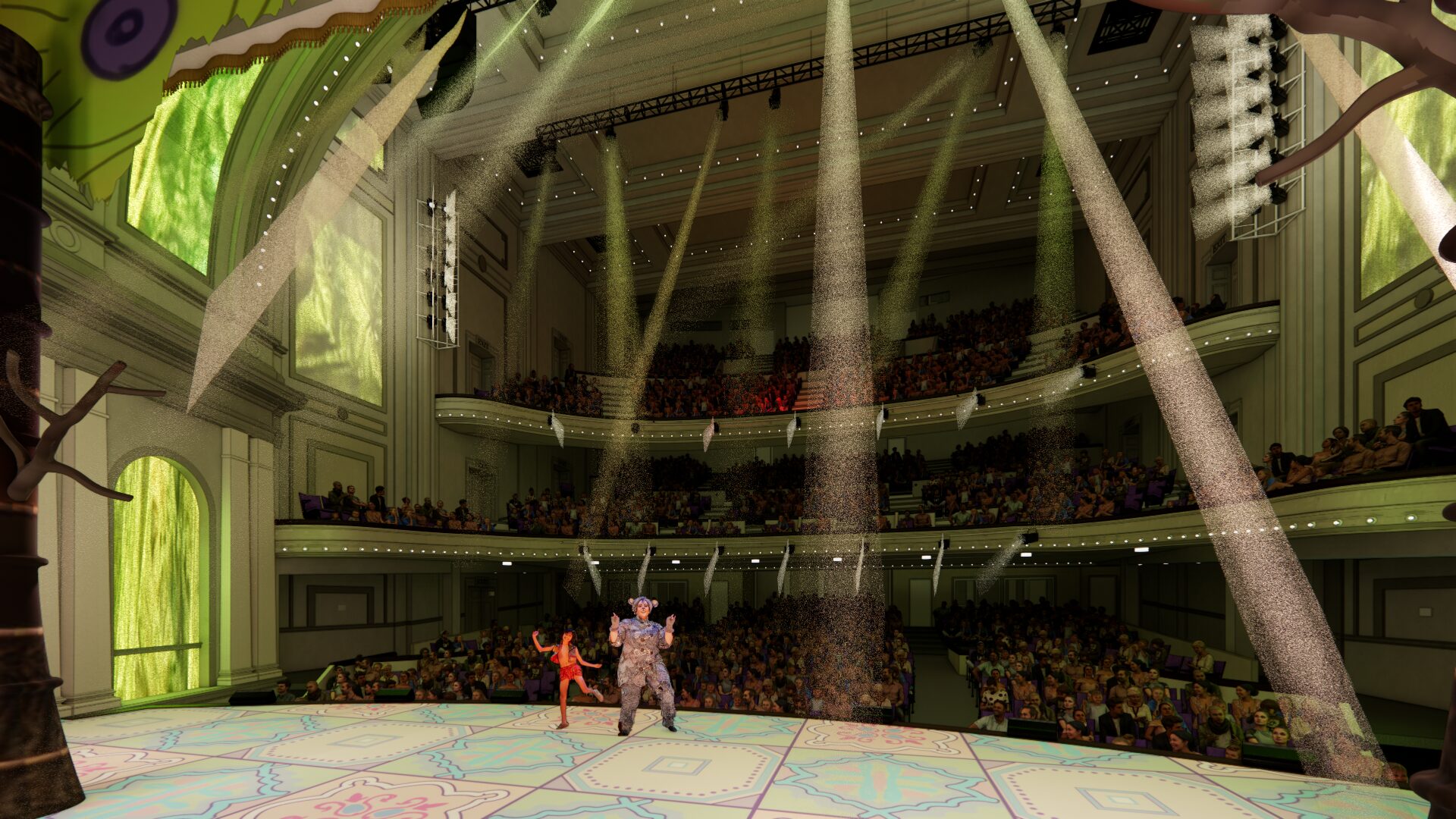
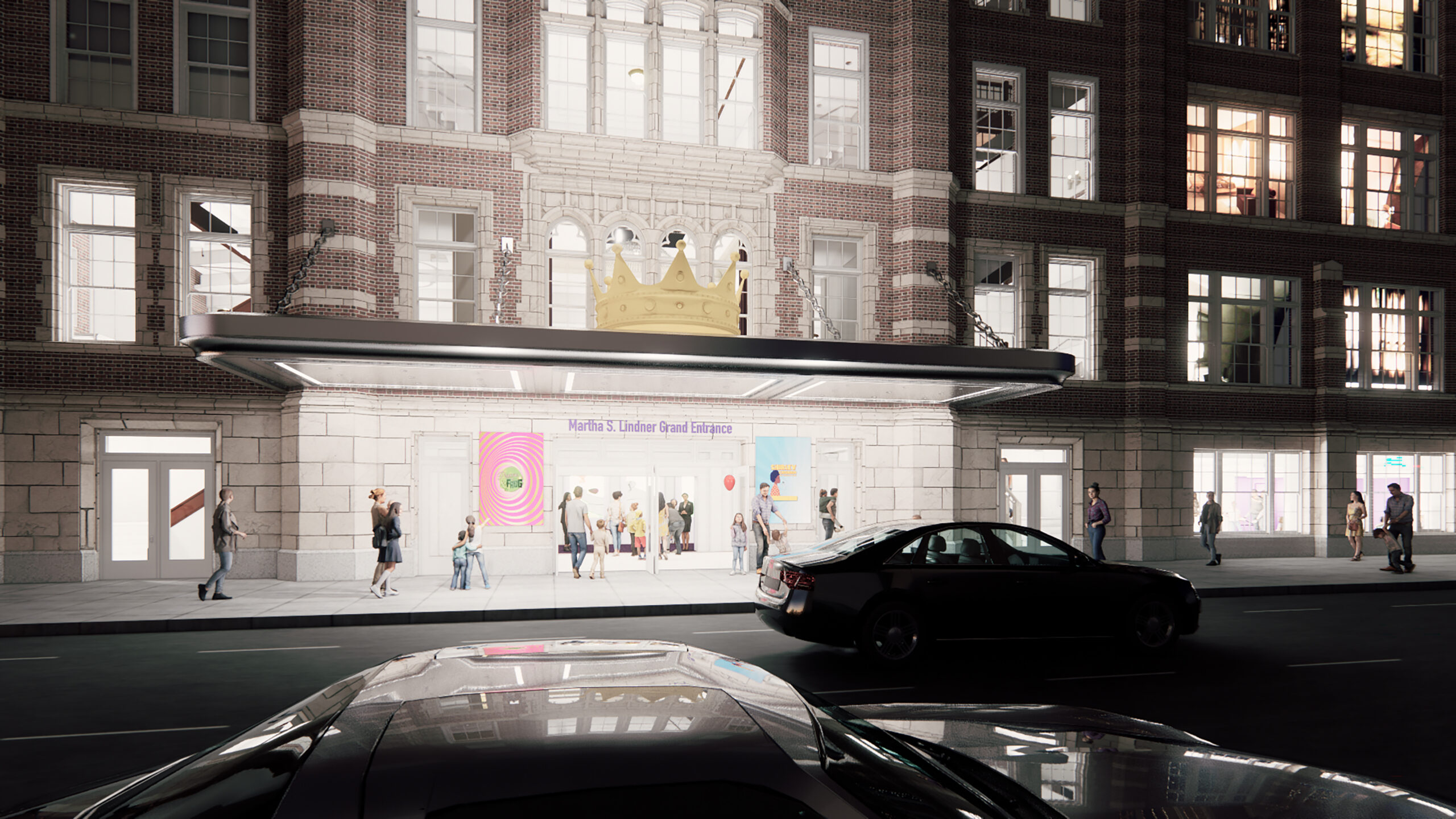
In the years after losing the patronage of The Children’s Theatre and The Cincinnati Symphony Orchestra, the Emery fell deeper into disrepair, lying dormant for many years while TCT was forced to limit their performance days to only 40 a year at their new location in the Taft Theatre. The decision was made by TCT to return home to the historic Emery Theater and they launched a campaign to undertake a major renovation in a way that pays homage to the past while reimagining it for the future.

Emery's Second Act
Revitalization Efforts

Emery's Second Act

Once completed, the historic Emery Theater will be transformed into a premier 1,500-seat theater that will feature performances for children of all ages and backgrounds. The scope of the project includes the complete revitalization of the historic space to serve as the new MainStage home of TCT.

These programs have changed and expanded over the decades, and with the rehabilitation of the Emery, TCT’s purpose will continue to grow in the very place it got its start. This historic theater was built to be unlike anything else, and thanks to restoration efforts, its legacy will flourish for years to come.

Community Impact

Culture & Community

The revitalization of this long-vacant theater for the continued use of TCT will allow them to more than double the number of annual performances to nearly 150, serving almost 170,000 patrons each year. With an active partnership between TCT and Cincinnati public schools, the number of students provided with access to performing arts will also increase by 63%, giving more than 97,000 youth the opportunity to visit the theater annually.

Performances will come with study guides that allow art education to continue in the classroom. Operationally, it costs TCT an average of $30 to put a child in a seat, however, no school ever pays more than $10 per ticket with even deeper discounts for Title 1 schools. Last season, TCT provided over $900,000 in ticket subsidies to schools, which will increase exponentially at the Emery.

Educational Partnerships

Student access to increase by 63%

Affordable Arts

Reduced-cost tickets for students and schools

Education

Study guides for performances

Increased Performances

For about 170,000 patrons annually

School Ticket Subsidies

Will increase from previous $900,000

NTCIC & Progress

Project Financing

The Children’s Theatre of Cincinnati led a phenomenal capital campaign that raised over $33.2 million, which is a testament to the extensive support the organization has from the community it serves. The remaining portion of the $52.1 million revitalization was supported by NTCIC through an equity investment of $7.5 million in federal Historic Tax Credits. NTCIC also provided $8 million in

New Markets Tax Credit allocation, which helped lower the capital campaign burden, covered additional financing gaps, and ensured expanded access to shows and programming for low-income youth. In addition to the tax credit financing provided by NTCIC, the project was also supported by $1.65 million in funding from city and state partners.

Connect with Us

Curious About How Historic Tax Credit Investments Drive Real Impact?

Kandi Jackson leads tax credit investment activities with deep expertise in project finance, equity structuring, and compliance. When you speak with Kandi, expect clarity, honesty, and a clear roadmap for how your next investment can work in your portfolio.

Connect with Kandi

Check Out Similar Projects Here

Browse all projects

Want to Discuss Your Next Project? Talk With Our Team Today.

We bring clear insight, deep experience, and strategic focus to every project—whether you're structuring complex capital or shaping long-term, legacy-driven development.

Name(Required)
Want to Discuss Your Next Project? Talk With Our Team Today.

Historic Tax Credits

$5.5 Million
Federal HTCs

New Markets Tax Credits

$7 Million

Total Project Cost

$34 Million

Project Partner

Micah 6 Community

Impact

Workforce Development, Healthcare Access, and more.

History

Education in an Automotive Town

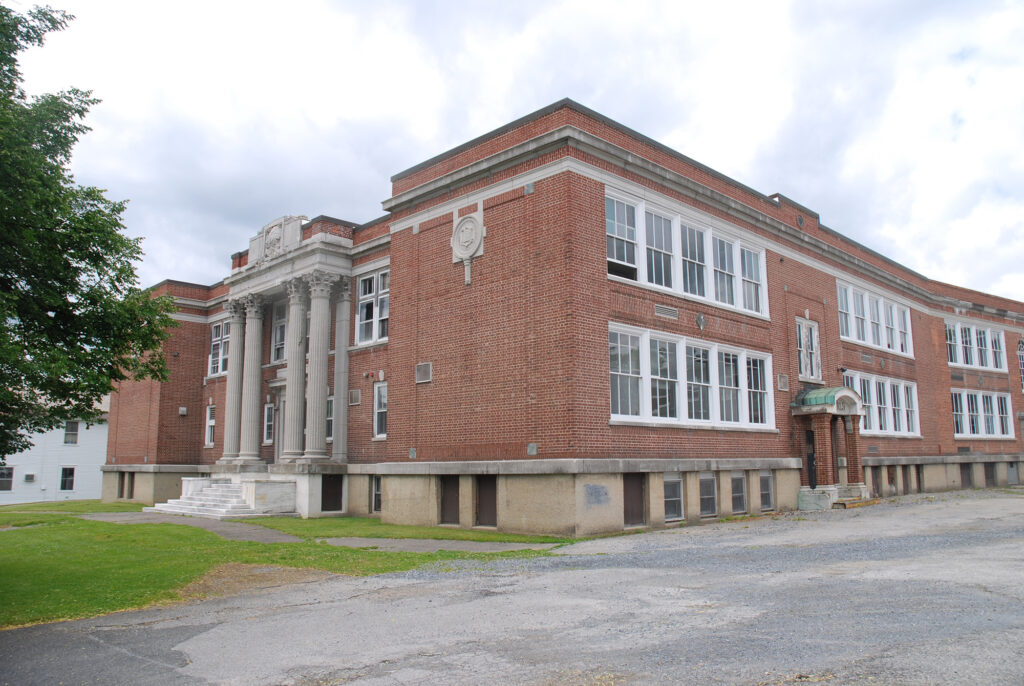
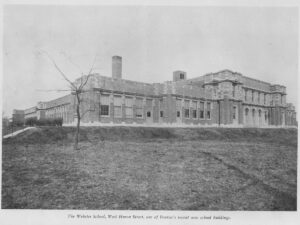
The historic 54,000 square-foot Webster School opened in 1921 to support Pontiac’s population boom as tens of thousands flocked from the south to work in the rapidly growing automotive manufacturing industry that originally put the city on the map. The building was designed by Perkins, Fellows, and Hamilton, who were known for going over budget to create particularly ornate architectural designs and responsible for other local landmarks such as Lincoln Park Zoo. It originally featured 26 classrooms, a combination gym and auditorium, and an ornate foyer, all on five acres of land.
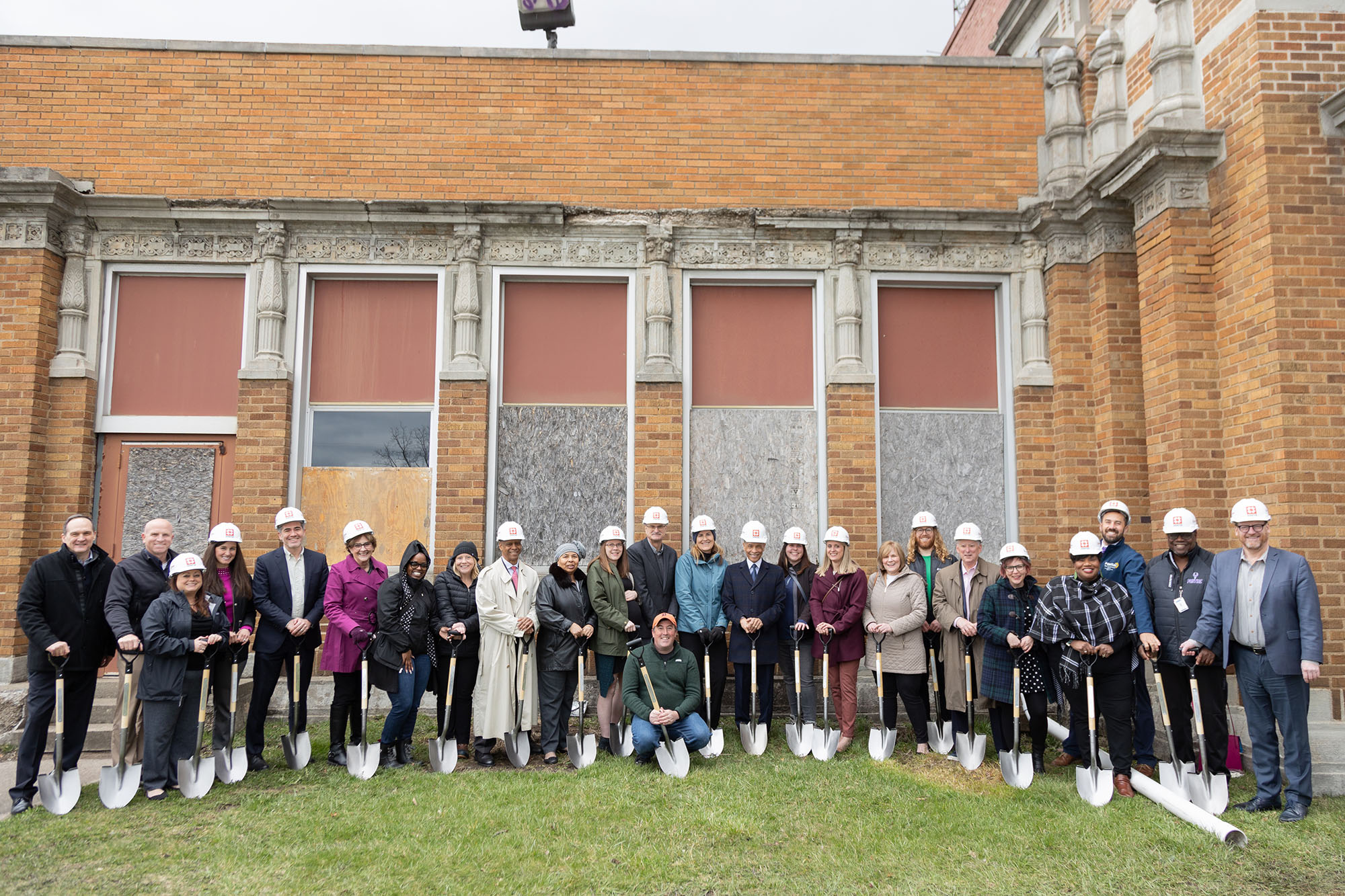
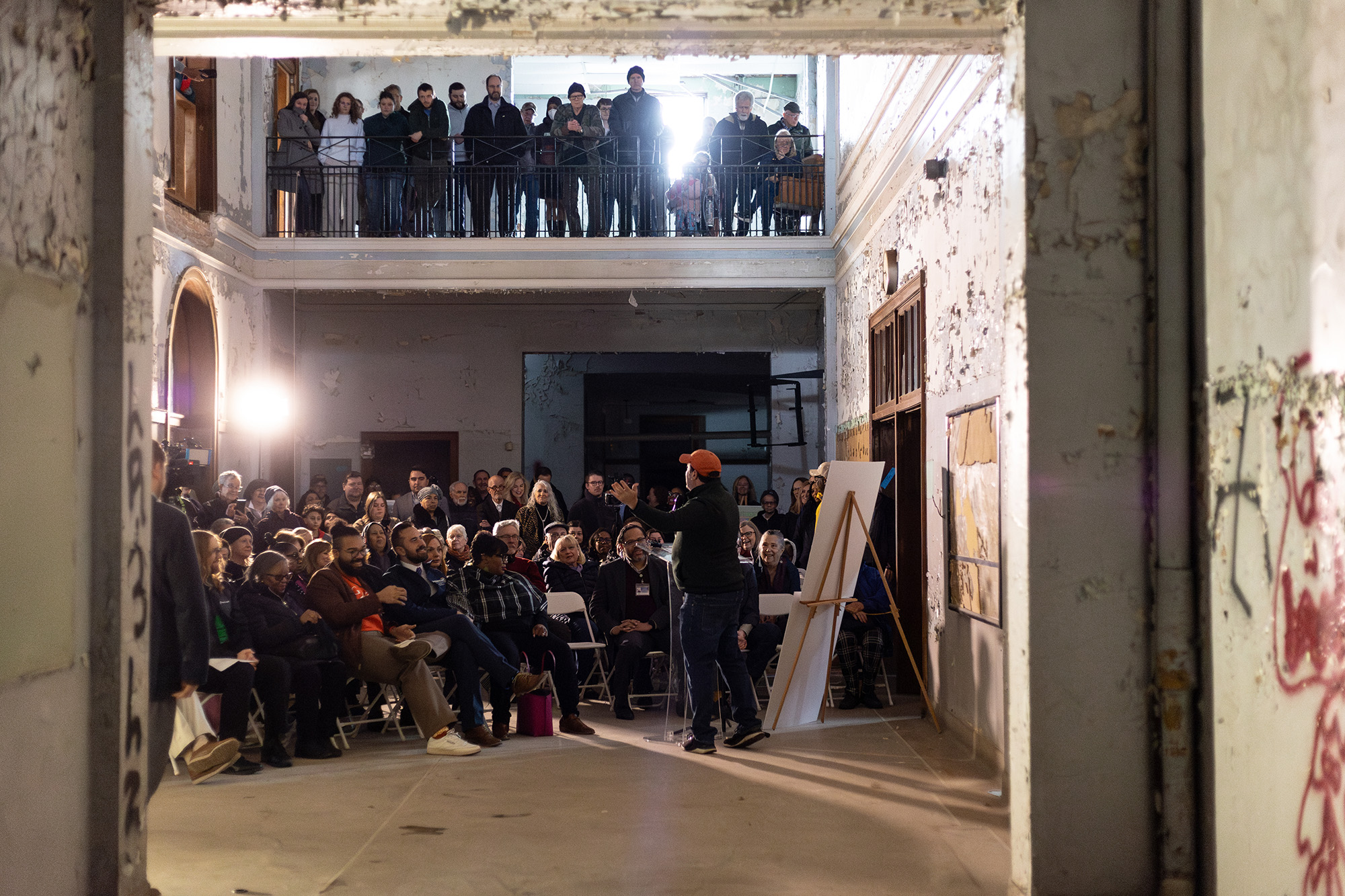
Originally an all-white school, Webster was desegregated in the 1970s and one of several schools made to participate in a bussing program after a historic lawsuit between the NAACP and the local school district. Already in a population decline as residents moved from the aging city center, the school was eventually closed in 2008 after nearly 90 years of operation.

It sat vacant for over 10 years until Micah 6 Community, the project sponsor, purchased the building in 2016 to serve as the new location for the mixed-use community-centered nonprofit hub.

A New Era Begins
Revitalization Efforts

A New Era Begins

The project is spearheaded by Micah 6 Community, a neighborhood-based community development corporation founded in 2012 with a mission to provide resources to address community challenges such as a lack of access to healthy food access, youth activities, and resources for unhoused individuals.

Once complete, the historic building will become the Webster Community Center, a vibrant ecosystem of over a dozen nonprofit and service-oriented organizations all dedicated to providing critical resources to children and families. Micah 6 Community has four primary areas of focus, all of which will be supported within the revitalized Webster Community Center: Entrepreneurship, arts and culture, youth activities, and health and wellness.

Community Impact

Creation of a Neighborhood Hub

The development of the Webster Community Center will collocate a dozen service and development providers and increase access to quality food, primary medical care, and job training for nearly 12,000 people each year, with an estimated 160,000 unique annual visits.

The HeadStart program will provide 360 low-income children with quality pre-k care, and the various afterschool programs will support more than 1,000 children each year. The business incubator estimates 32 program participants annually, over half of which will be Minority Business Enterprises (MBE). Once operational, the FQHC is estimated to support nearly 7,000 low-income people and families each year.

Quality Pre-School

For 360 low-income children

Healthcare Center

to support 7,000 low-income people each year

Business Incubator

Supporting 32 participants annually

Afterschool Programs

For more than 1,000 children each year

Areas of Focus

Entrepreneurship, arts & culture, youth activities, and health & wellness

NTCIC & Progress

Financing the Project

NTCIC facilitated an equity investment in the $5.5 million federal Historic Tax Credits generated by the $34 million historic development and provided a NMTC allocation of $7 million. Project financing also included more than $12 million in grants and donations from groups, including ARPA, Michigan Economic Development Corporation, and Environment Great Lakes & Energy,

showcasing overwhelming state and local support for the project. The successful capital campaign and NTCIC-sourced financing will enable the project to forgo long-term hard debt.

Over $17 million in additional NMTC allocation was provided by PNC Community Partners, Inc. and Michigan Community Capital.

Connect with Us

Curious About How Historic Tax Credit Investments Drive Real Impact?

Kandi Jackson leads tax credit investment activities with deep expertise in project finance, equity structuring, and compliance. When you speak with Kandi, expect clarity, honesty, and a clear roadmap for how your next investment can work in your portfolio.

Connect with Kandi

Check Out Similar Projects Here

Browse all projects

Want to Discuss Your Next Project? Talk With Our Team Today.

We bring clear insight, deep experience, and strategic focus to every project—whether you're structuring complex capital or shaping long-term, legacy-driven development.

Name(Required)
Want to Discuss Your Next Project? Talk With Our Team Today.