



Federal Historic Tax Credits
$4.1 Million
New Markets Tax Credits
$6 Million

Total Project Cost
$26 Million

Project Partner
MIS Capital

Impact
Education Access
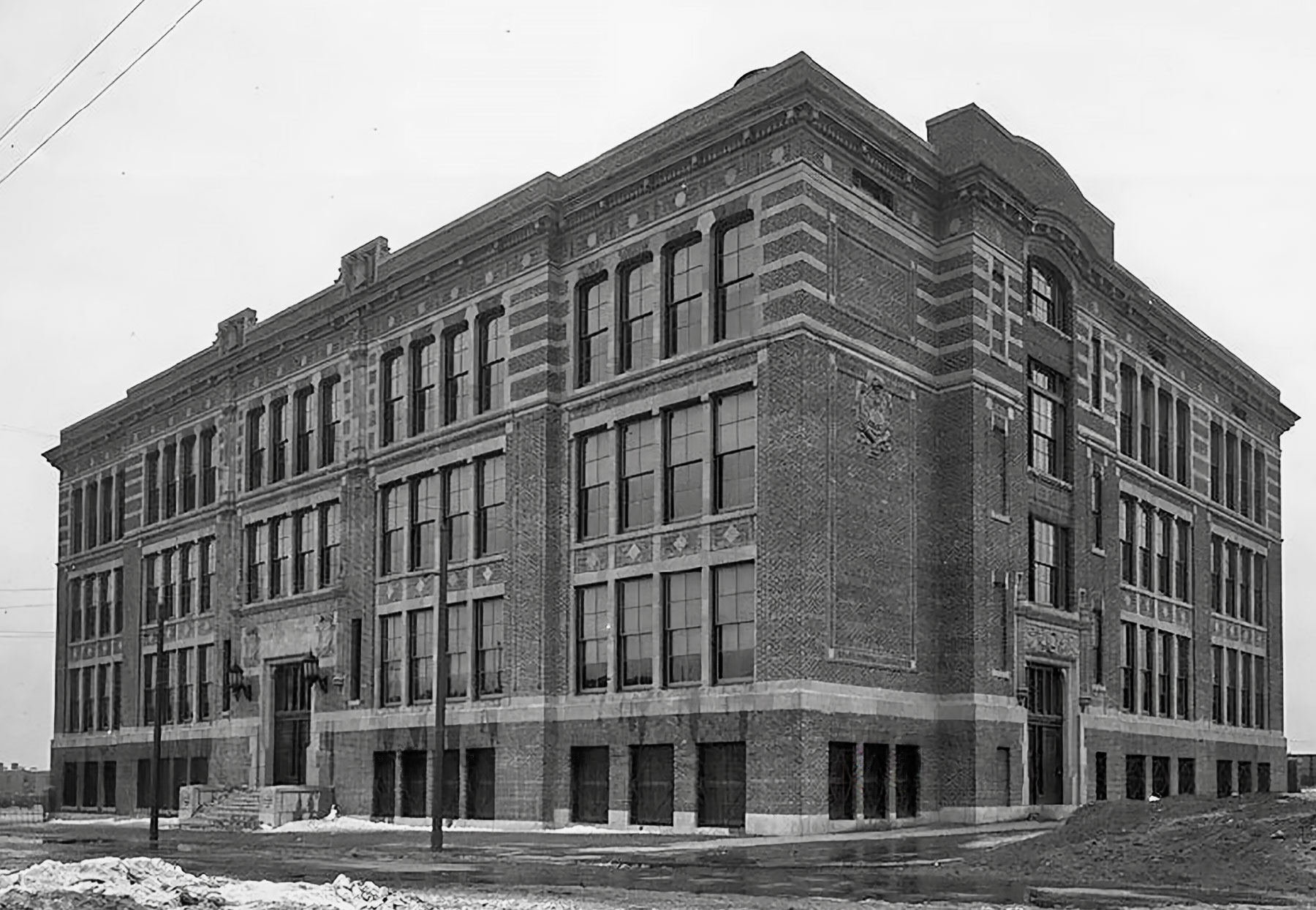
History
Historic Foundations in Allegheny West
Built in 1913 and designed by architect Henry deCoursy Richards, the John Greenleaf Whittier School has anchored Philadelphia’s Allegheny West neighborhood for generations. Named for the abolitionist poet, the three-story brick building with terra cotta details and a U-shaped courtyard welcomed thousands of local students over its long history. Whittier Elementary was a vital resource for the community, reflecting the evolving needs and diversity of North Philadelphia.
After nearly a century of service, the school closed in June 2013, leaving the building vacant and the neighborhood without a key educational institution. Recognizing both the architectural significance and the urgent need for accessible learning opportunities, KIPP Philadelphia Public Schools committed to revitalizing Whittier as the new home for its middle school program.
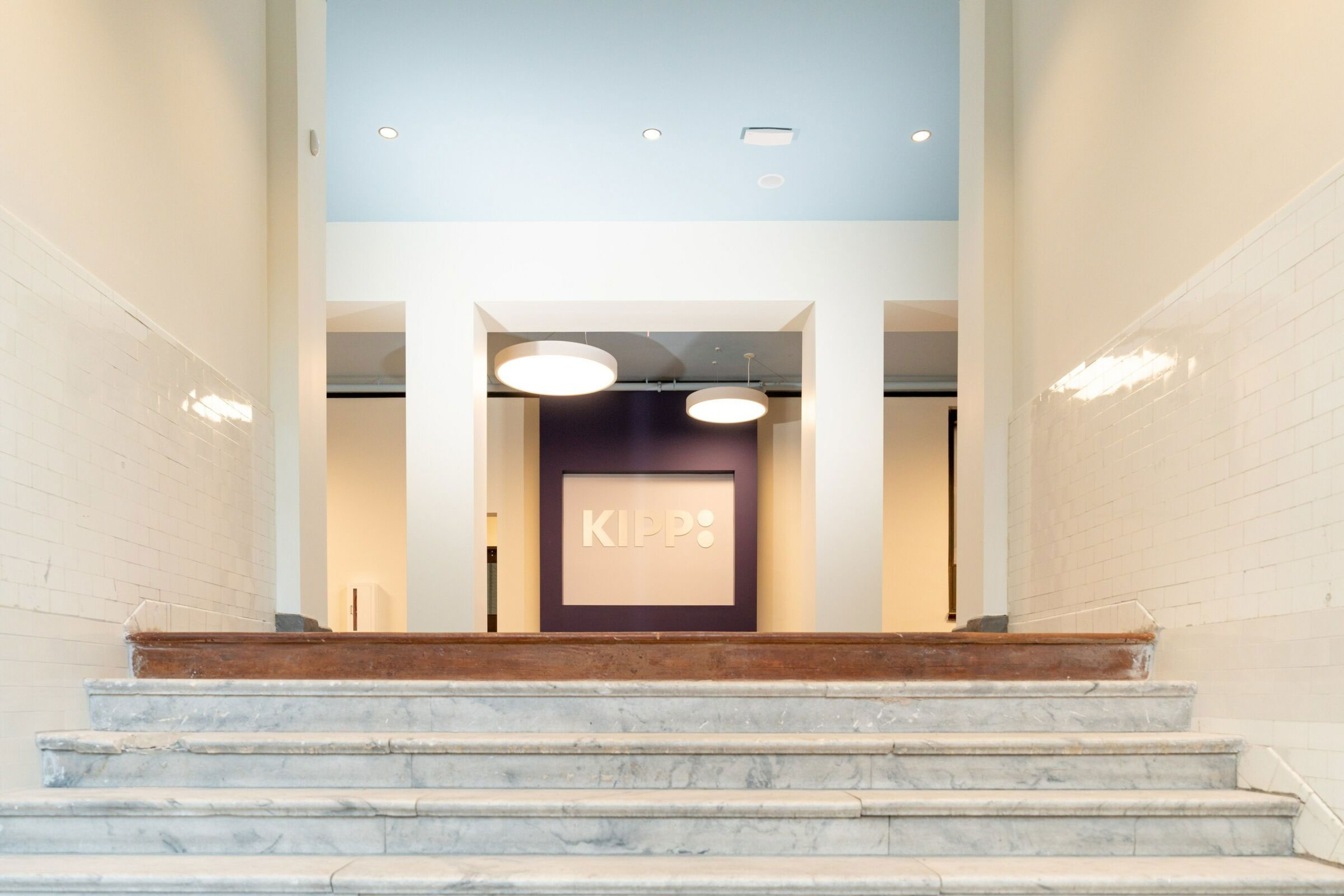
Revitalization Efforts
Transforming Space for Student Success
The former Whittier School has been transformed into a modern, high-performance facility for KIPP Philadelphia’s middle school program.
The 78,000-square-foot building, vacant since 2013, underwent a full rehabilitation to create state-of-the-art classrooms, a new cafeteria, a multi-purpose gym and auditorium, and an outdoor education area.
Designed to accommodate up to 700 students, the revitalized school now provides expanded educational opportunities for families in Allegheny West.
Community Impact
Transforming Lives Through Learning
The revitalized Whittier School now provides a modern, high-quality learning environment for up to 700 middle school students in Allegheny West. By expanding capacity from 360 students, KIPP Philadelphia addresses significant demand for accessible, college-preparatory education in an underserved neighborhood. The school’s open enrollment lottery ensures equitable access for families citywide.
KIPP Philadelphia primarily serves economically and educationally disadvantaged students, with 86% qualifying for the Federal Meals Program and 24% receiving special education assistance. The student body reflects the surrounding community, with 98% identifying as African American or Hispanic. The project also created new green spaces and public access areas, strengthening connections between the school and its neighbors.

Expanded Enrollment
The revitalized school now serves up to 700 students, up from 360.

Supporting a Community in Need
86% of students qualify for the Federal Meals Program.
24% of students receive Special Education Assistance.
Job Creation
The project delivered 80 union construction jobs and supports 70 permanent full-time equivalent jobs.

Green Space & Learning
New outdoor education areas and public-access green space strengthen neighborhood connections.
NTCIC & Progress
Financing the Project
NTCIC provided $6 million in New Markets Tax Credit allocation and an equity investment in the $4.1 million in Federal Historic Tax Credits generated by the project, making the $26 million rehabilitation of Whittier School possible. These investments enabled the transformation of a vacant historic building into a modern, high-performance educational facility for KIPP Philadelphia’s middle school program.
The project leveraged NMTC and HTC equity alongside loans, grants, and sponsor equity, reducing the school’s fundraising burden and ensuring financial feasibility. Construction created 80 union jobs, while the completed school supports 70 permanent positions and offers below-market rents, maximizing resources for student success and long-term neighborhood revitalization.
Check Out Similar Projects Here
Browse all projects
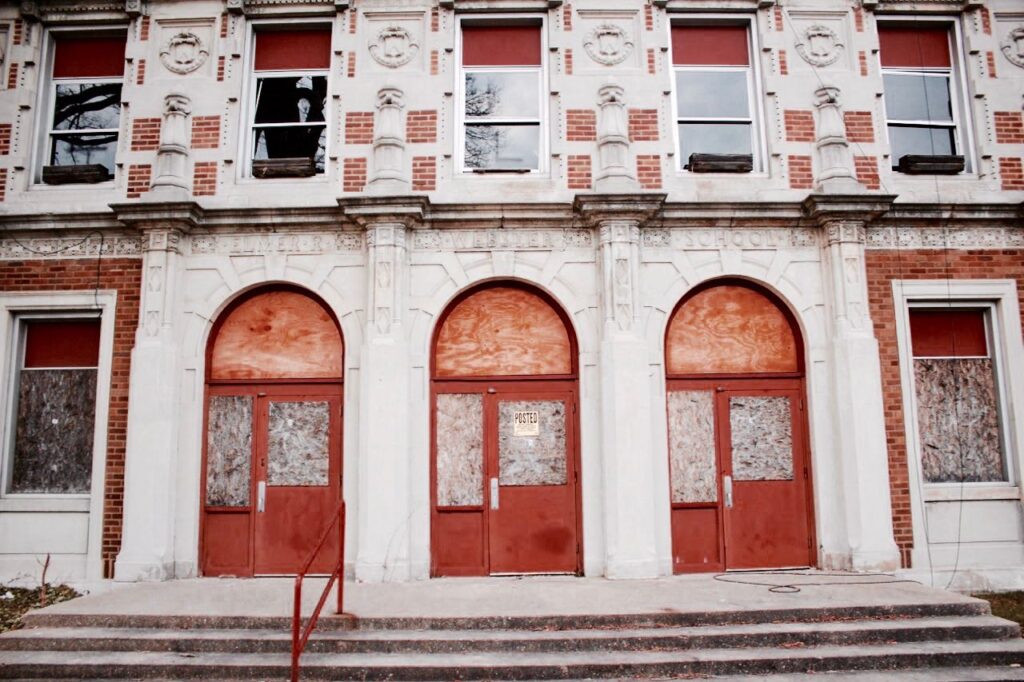
Webster Community Center
From Abandoned School to Community Hub
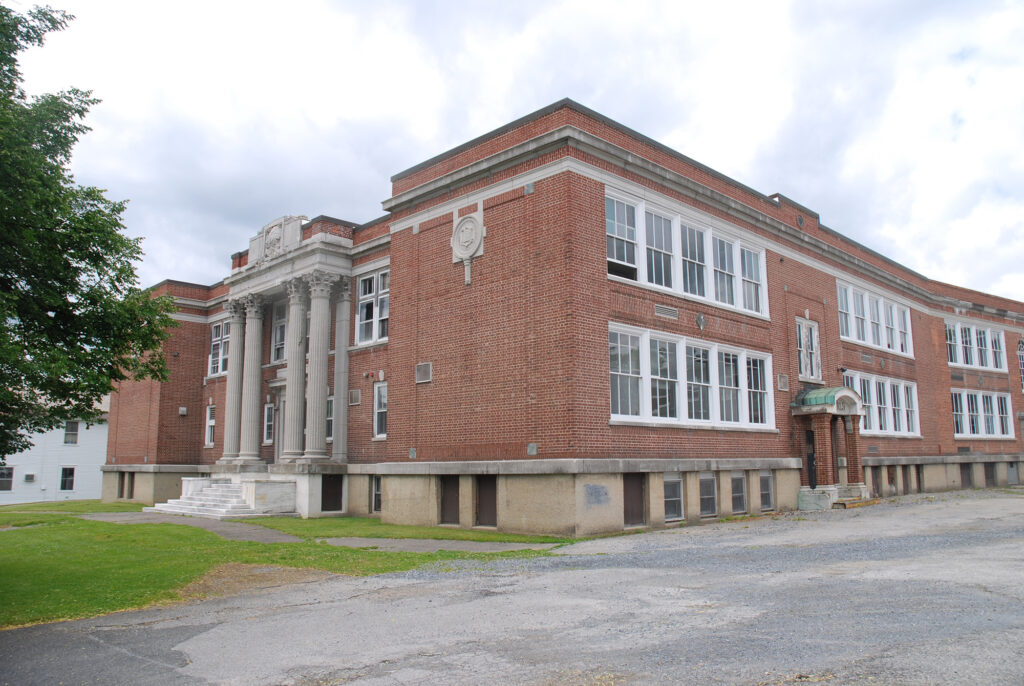
Benn High
Vacant School Building Becomes Community Hub
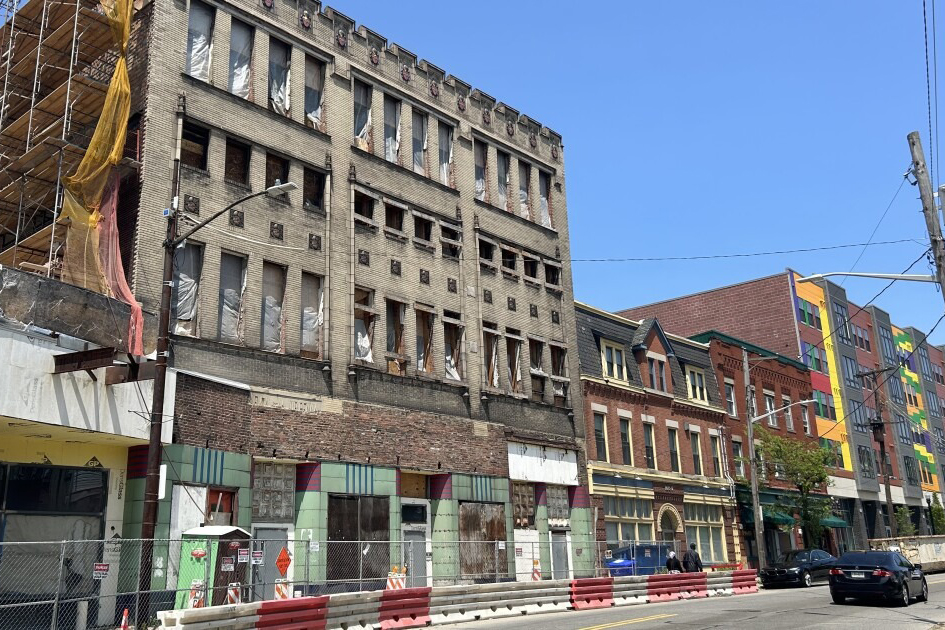
New Granada
Historic Music Venue Transforms into Community Center
Webster Community Center
From Abandoned School to Community Hub
Benn High
Vacant School Building Becomes Community Hub
New Granada
Historic Music Venue Transforms into Community Center
Want to Discuss Your Next Project? Talk With Our Team Today.
We bring clear insight, deep experience, and strategic focus to every project, whether you're structuring complex capital or shaping long-term, legacy-driven development.