



Federal Historic Tax Credits
$9 Million

Total Project Cost
$52.2 Million

Project Partner
Brain Group, Sustainable Development Partners Kansas City

Impact
Economic Development
History
School of Magnificent Distances
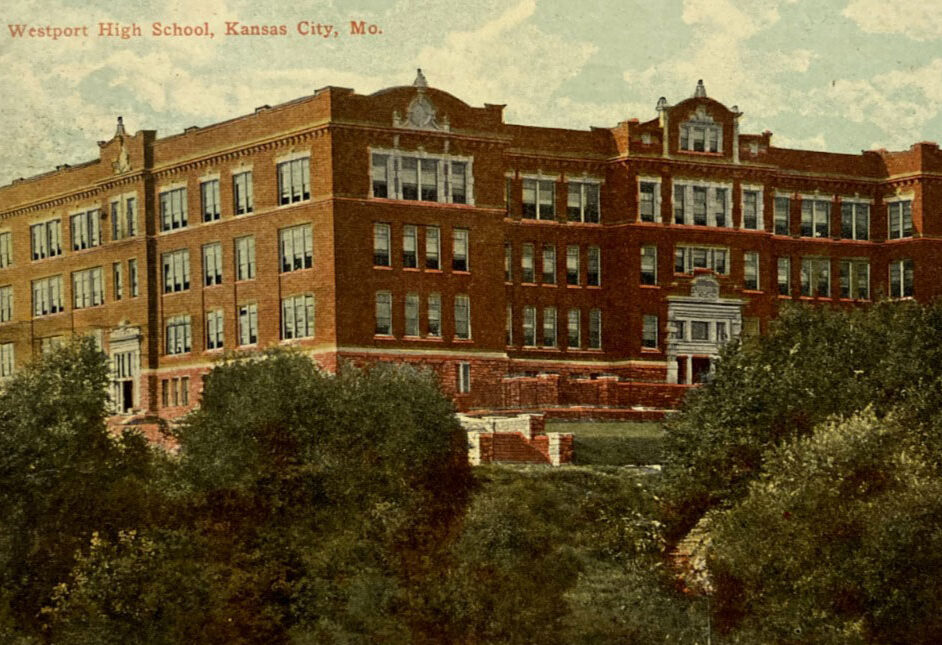
The former Westport High School complex, once nicknamed “The school of magnificent distances,” was originally constructed in 1908 in the historic Westport neighborhood of Kansas City, Missouri. Built at a construction cost of nearly $500,000, the school was considered state-of-the-art and the finest school building in Missouri.
Two additional buildings were added to the complex in 1964 and 1992, and the school served over 400 students at its peak. The school closed in 2010 as part of a “right-size” plan that shuttered 25 other schools in the district. In 2011, the Kansas City Public Schools (KCPS) began a Repurposing Initiative to identify other uses for many of these now-vacant school buildings.
Revitalization Efforts
A New Vision for Westport
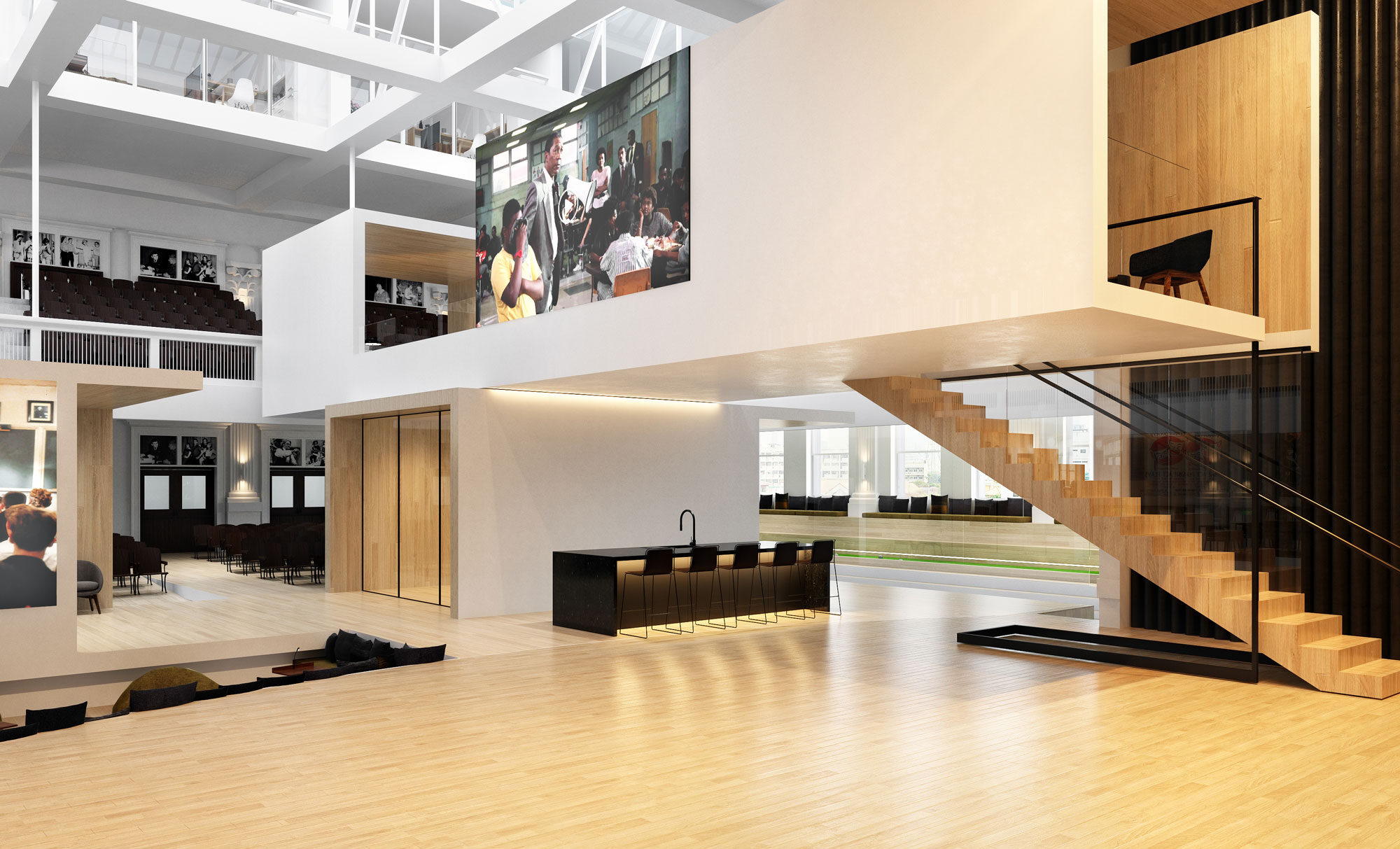
The former Westport High School is being reimagined as a vibrant mixed-use development that preserves its historic character while introducing modern amenities.
The project transforms two historic school buildings into 138 market-rate apartments and repurposes the 1992 addition into 20,000 square feet of commercial space for childcare services or coworking offices. This adaptive reuse ensures long-term sustainability and creates a dynamic hub for living, working, and community engagement.
NTCIC & Progress
Financing the Project
NTCIC provided an equity investment in the $9 million Federal Historic Tax Credits generated by the preservation efforts, making the redevelopment of Westport Commons possible. This support helped preserve the historic school building while creating a sustainable mixed-use development that benefits the community and local economy.
Additional funding was secured through State Historic Tax Credits, private equity partners, and a HUD 221(d)(4) loan, ensuring the project’s financial feasibility. These combined resources allowed for the adaptive reuse of the property, delivering long-term economic growth and positioning Westport Commons as a model for historic preservation and urban revitalization.
Check Out Similar Projects Here
Browse all projects
Webster Community Center
From Abandoned School to Community Hub
Benn High
Vacant School Building Becomes Community Hub
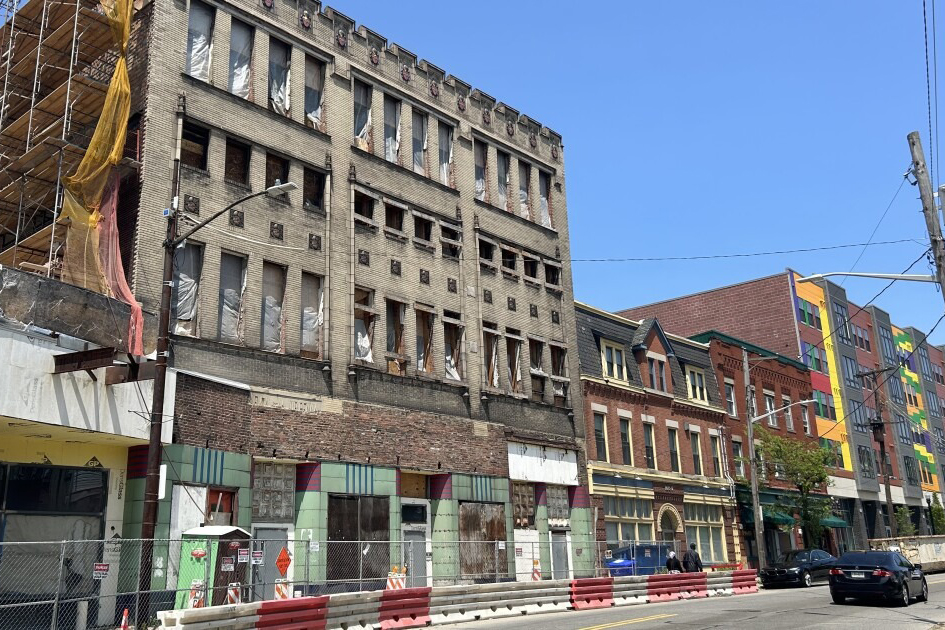
New Granada
Historic Music Venue Transforms into Community Center
Webster Community Center
From Abandoned School to Community Hub
Benn High
Vacant School Building Becomes Community Hub
New Granada
Historic Music Venue Transforms into Community Center
Want to Discuss Your Next Project? Talk With Our Team Today.
We bring clear insight, deep experience, and strategic focus to every project, whether you're structuring complex capital or shaping long-term, legacy-driven development.