


Federal Historic Tax Credits
$28.7 Million

Total Project Cost
$187 Million

Project Partner
Lubert-Adler

Impact
Job Creation, Economic Development
History
The Grand Dame of Broad Street
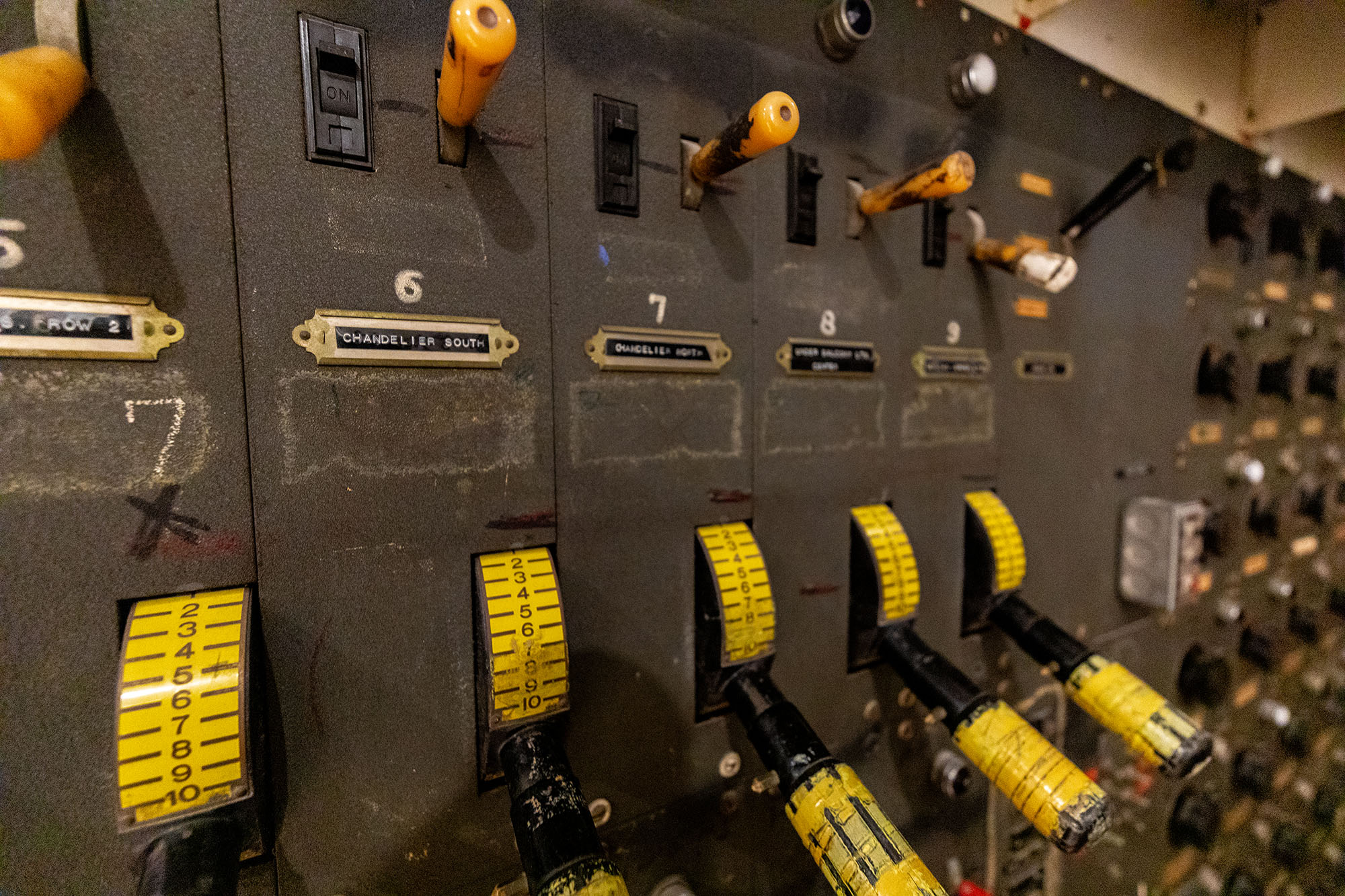
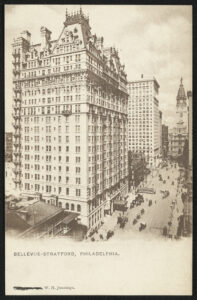 The Bellevue-Stratford Hotel, at the southwest corner of South Broad and Walnut Streets in Center City Philadelphia, was completed in 1904 in the French Renaissance style and was described at the time as the most luxurious hotel in the nation and perhaps the most spectacular hotel building in the world, with the most magnificent ballroom in the US on the first floor. Modeled after the Waldorf-Astoria in Manhattan, it boasted 19 floors, 725 rooms, and the grandest event space in the city: a 500-person ballroom that could host events for nearly 3,000 people when including adjoining spaces. For many decades the Bellevue-Stratford, the “Grand Dame of Broad Street,” was Philadelphia’s largest hotel. Thomas Edison was involved in the lighting design for the hotel, creating fixtures as well as a switchboard for the hotel’s ballroom. Throughout its time in operation, 15 presidents were guests at the hotel, including Theodore Roosevelt and Woodrow Wilson.
Apart from a large addition in 1912, which brought the square footage to 657,000 and the room total above 1,000 and added the iconic cameo rooms and other function spaces to the 19th floor, the hotel remained largely unchanged until its closing. In 1976, an outbreak of an unidentified respiratory disease led to the hotel’s sudden closure. In 1978 the building was sold to the Richard I. Rubin Company, saving it from demolition. Rubin undertook a $25 million renovation, reducing the key count to 565 and restoring the public areas, before reopening it as the Fairmont. Westin later acquired an interest in the building, and the Hotel was renamed the Westin Bellevue Stratford in 1983 before closing in 1986 due to low occupancy. In 1988, a new owner reopened the building as The Bellevue, converting much of the hotel to office and cutting an atrium into the remaining hotel portion.
Revitalization Efforts
A New Era Begins
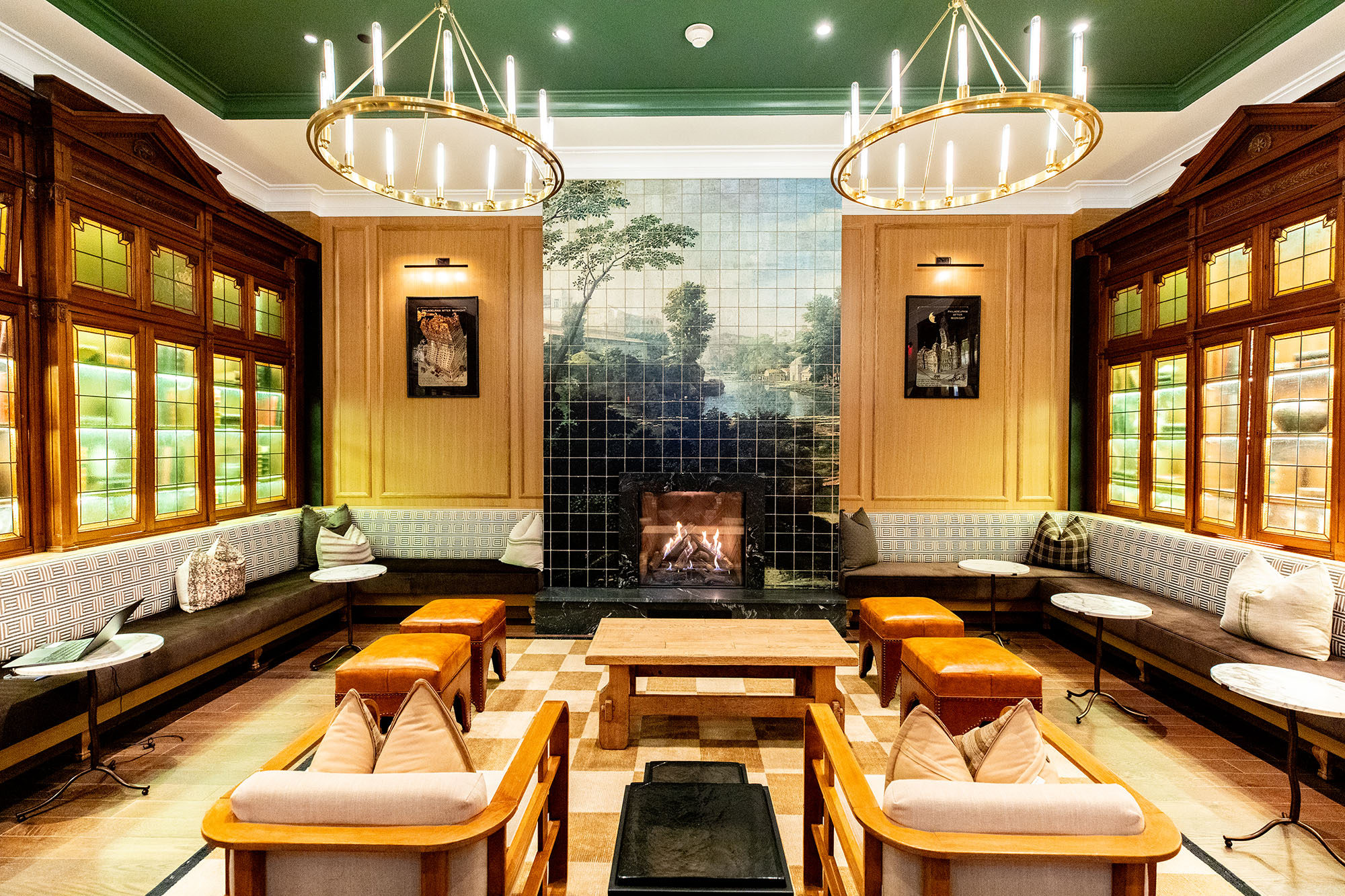
Lubert-Adler acquired The Bellevue in 2021, beginning a large-scale renovation of the hotel and event spaces. The renovations included upgrades to the existing hotel, conversion of offices into residential space, the opening of new retail opportunities, and more.
NTCIC & Progress
Financing & Impact
To facilitate the restoration of the iconic Bellevue, NTCIC made an equity investment in the $28.7 million of federal Historic Tax Credits generated by the project. Additionally, NTCIC provided underwriting and transaction management services and will provide asset management services through the HTC compliance period.
The renovation of the historic downtown Philadelphia landmark marks a pivot away from single-use structures into multi-use, diversified
properties. The historic building’s evolution from a hotel, to a hotel and office building, to a hotel, office building, luxury apartments, restaurants, retail space, and more, shows a shift in the way developers and investors can think about large-scale historic buildings. By expanding the ways in which a historic building can function and serve the public, you not only diversify your revenue stream, but also the breadth of people who can experience and utilize the building in the future.
How NTCIC Helped
Preservation is a Team Sport
To facilitate the restoration of the iconic Bellevue, NTCIC made an equity investment in the $28.7 million of federal Historic Tax Credits generated by the project. Additionally, NTCIC provided underwriting and transaction management services and will provide asset management services through the HTC compliance period.
The renovation of the historic downtown Philadelphia landmark marks a pivot away from single-use structures into multi-use, diversified
properties. The historic building’s evolution from a hotel, to a hotel and office building, to a hotel, office building, luxury apartments, restaurants, retail space, and more, shows a shift in the way developers and investors can think about large-scale historic buildings. By expanding the ways in which a historic building can function and serve the public, you not only diversify your revenue stream, but also the breadth of people who can experience and utilize the building in the future.

Amanda Bloomberg, Senior Acquisitions Manager
Tony Maruca, Senior Project Manager

Andrae Baly, Senior Asset Manager
Check Out Similar Projects Here
Browse all projects
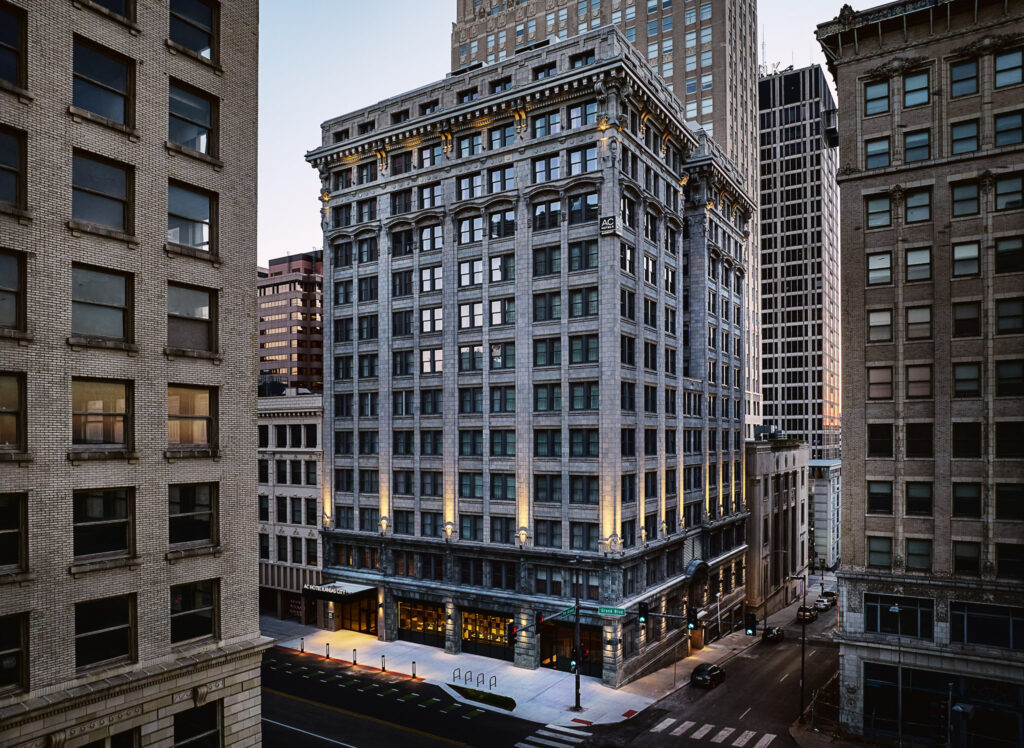
The Rialto Building
From Underutilized Office Space to Luxury Hotel
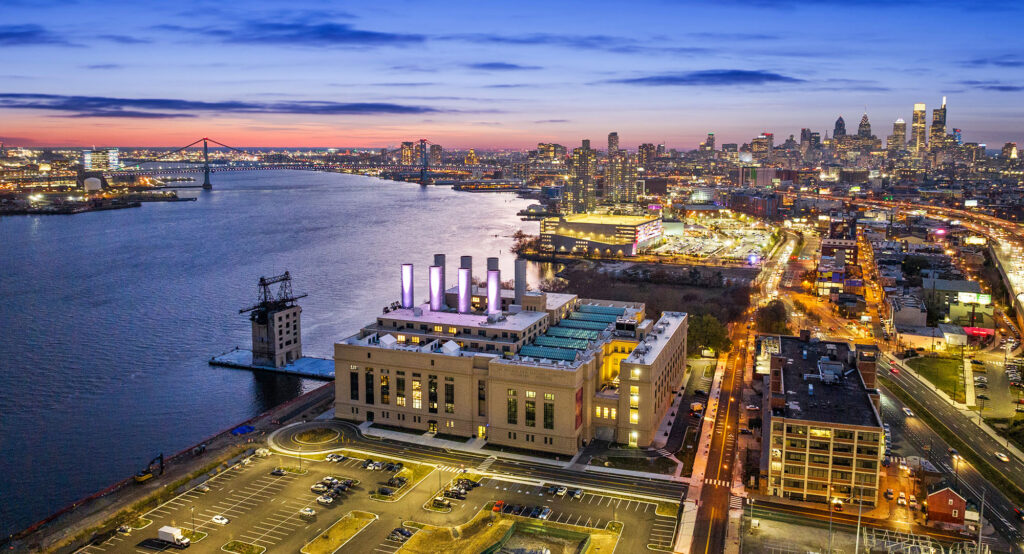
The Battery
Power Station Transforms into Multifamily Campus Experience
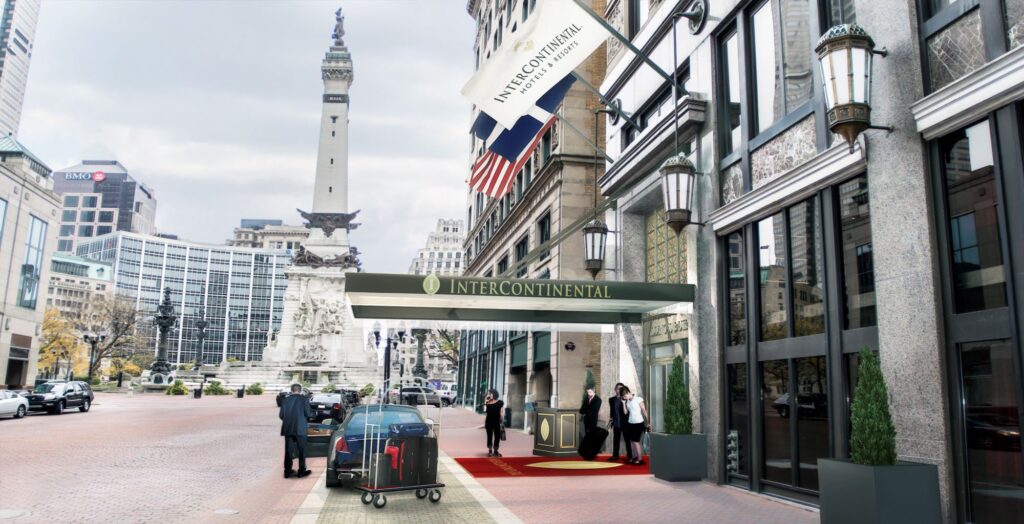
InterContinental Hotel Indianapolis
Historic Office Building Converted to 5-Star Hotel
The Rialto Building
From Underutilized Office Space to Luxury Hotel
The Battery
Power Station Transforms into Multifamily Campus Experience
InterContinental Hotel Indianapolis
Historic Office Building Converted to 5-Star Hotel
Want to Discuss Your Next Project? Talk With Our Team Today.
We bring clear insight, deep experience, and strategic focus to every project, whether you're structuring complex capital or shaping long-term, legacy-driven development.